
Reviewed · TAITO & YANAKA TOURS
Tokyo : Yanaka and Nezu-Old Traditional Town Cultural Experience
Old Tokyo has a pulse here. This small-group tour trades big sights for quiet neighborhoods—Yanaka, Nezu, and Sendagi-style streets—where you’ll see temples, shrines, and architecture spanning the Meiji, Taishō, and Showa periods. The guide helps you read what you’re looking at, not just march past it.
I especially liked the temple and shrine context. On the day I’m describing, guide Sui set a great tone with clear explanations of how to pray and the etiquette details people often miss. I also enjoyed the end-of-tour walk at Yanaka Ginza, where you’re pointed toward local snacks and souvenirs rather than relying on guesswork.
One possible drawback: this is a slow, walking-focused 3.5-hour experience. If you’re the type who wants constant action and long time at each stop, you may wish you had more time at just one or two places—especially since some stops are brief photo or passing moments.
In This Review
- Key highlights you’ll feel right away
- Why Yanaka and Nezu Feel Like Real Old Tokyo
- Meeting at Nippori and Settling Into the Right Pace
- Nezu Shrine: Torii Walk, Prayer Customs, and Fortune Time
- Tennoji Temple: A Short Stop That Still Feels Peaceful
- Yanaka District: Meiji, Taishō, and Showa in the Same Neighborhood
- Nezu Neighborhood Walk: Local Houses and the Everyday Side of Tokyo
- Yanaka Cemetery: Scenic Views and Names You Might Recognize
- The 100-Year Himalayan Cedar Tree: A Pause You’ll Feel
- Yuyake Dandan Sunset Staircase: Quick Photo Stop, Real Payoff
- The 200-Year-Old Bathhouse Turned Art Gallery
- Ueno Sakuragi Atari: Wooden Houses Now Used as Shops
- Yanaka Ginza Shopping Street: Souvenirs, Snacks, and a Useful Local Plan
- Price and Value: Is $39.41 Worth It?
- What to Expect on a Typical Route Day
- Who This Tour Suits Best
- Should You Book This Tour in Yanaka and Nezu?
- FAQ
- FAQ
- How long is the Yanaka and Nezu Old Traditional Town cultural experience?
- What is the meeting point for the tour?
- What is the group size limit?
- How much does it cost?
- Is this tour mostly free-entry sites?
- Where does the tour end?
- Is the tour near public transportation?
- Are service animals allowed?
- What is the cancellation policy?
Key highlights you’ll feel right away
- Small group, max 9 people keeps the pace calm and questions easy
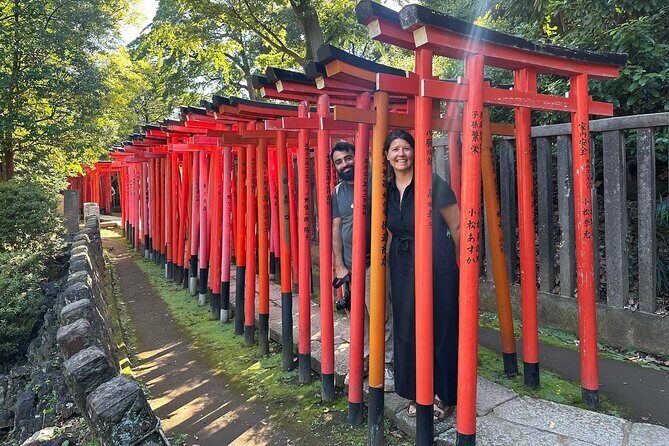
- Nezu Shrine first gives you context fast with torii gates, wish/prayer customs, and a fortune
- An old-neighborhood walking route shows Meiji to Showa-era building remnants and local residential life
- Yanaka Cemetery and scenic stops add depth beyond shopping streets and temples
- Yuyake Dandan photo moment is quick, but the views are the point
- Yanaka Ginza shopping street finish helps you turn the walk into a practical souvenir-and-snack plan
Before you commit, see how this one stacks up against a few Tokyo favourites:
- Mt Fuji and Hakone 1-Day Bus Tour Return by Bullet Train★ 5.0 · 26,383 reviews
- 1-Day Tokyo Bus Tour★ 5.0 · 14,250 reviews
- Tokyo: teamLab Planets TOKYO Digital Art Museum Entry Ticket★ 4.6 · 9,779 reviews
Why Yanaka and Nezu Feel Like Real Old Tokyo
Yanaka and Nezu have that rare Tokyo quality: it doesn’t feel staged. You get lanes that still feel lived-in, with small shops, homes, and temple grounds side by side. It’s the kind of walk where you keep noticing details—wooden storefronts, quiet yards, and street scenes that look unchanged compared to the speed of central Tokyo.
This tour leans into that slower rhythm. You’re not bouncing between distant landmarks all day. Instead, you’re moving through one area with a guide who can connect the dots—religion, architecture, and everyday neighborhood culture—so it makes more sense as you go.
Meeting at Nippori and Settling Into the Right Pace
The tour starts at Nippori Station (2 Chome-19 Nishinippori, Arakawa City). That’s a smart choice because Nippori is easy to reach via public transportation, and you’re set up to explore without complicated transfers.
Once you meet up, the whole day flows like a guided neighborhood walk. The group size stays small, and the pace is even. You don’t feel rushed, and you get enough time to pause, look, and ask questions at the key religious and cultural stops.
If you’re planning your first day in Tokyo, I get why people love doing it early. A tour like this helps you understand how Tokyo’s local culture works, so later sightseeing feels less like random clicking and more like patterns.
Nezu Shrine: Torii Walk, Prayer Customs, and Fortune Time
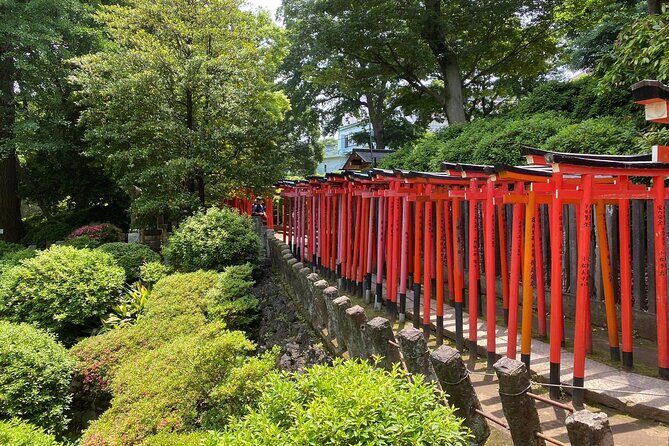
Nezu Shrine is where the tour earns its name: quiet, photogenic, and culturally specific. You walk through a torii-lined pathway that sets the tone immediately. Even before anyone explains anything, you’ll notice how the space slows your pace down.
You’ll learn how worship works here—how people pray, how you write your wish, and how the fortune is part of the ritual. This matters because shrine visits can feel confusing if you only know the basics like look, bow, move on. With the guide’s explanations, you understand what those actions are for and why they’re done the way they are.
Time here is about 30 minutes, and it’s enough to do the walk, observe, and absorb the etiquette without feeling stuck in a queue.
What to watch for: follow the flow quietly and keep your movements considerate. If you’re holding a phone up for photos, do it with a light touch and avoid blocking people who are actually praying.
Tennoji Temple: A Short Stop That Still Feels Peaceful
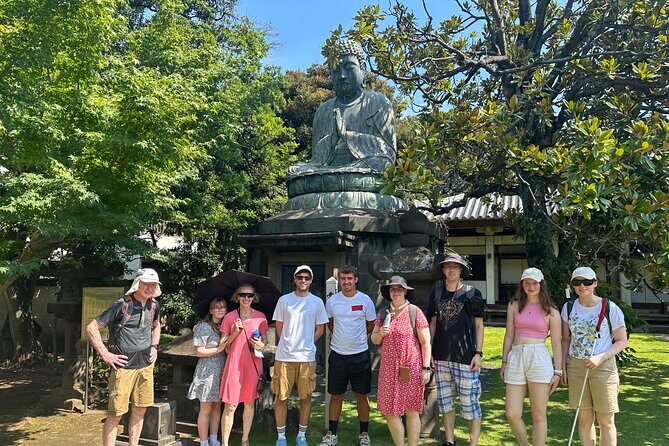
From Nezu Shrine, the next touchpoint is Tennoji Temple. This one is brief—about 5 minutes—but it’s a good reminder that Tokyo’s religious spaces aren’t one-size-fits-all.
Here you’re looking at a large bronze seated image of Buddha. The stop is designed for calm observation rather than a checklist. You’ll get a moment to settle your senses—especially helpful if the rest of the day includes walking through busier street segments like Yanaka Ginza.
Why this stop is worth it: it gives variety. After shrine torii gates, you get a temple setting with a different visual language and a different kind of quiet.





Yanaka District: Meiji, Taishō, and Showa in the Same Neighborhood
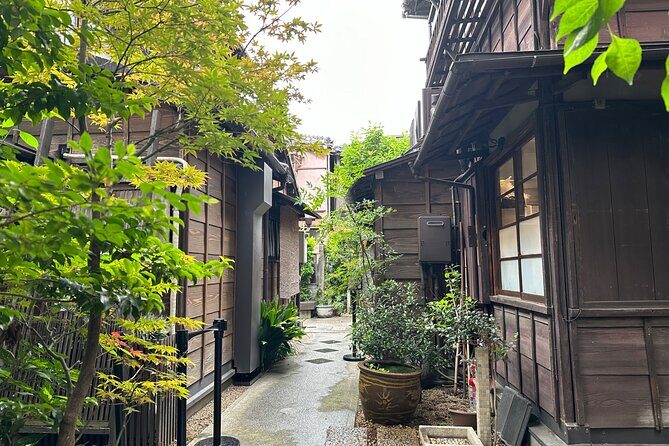
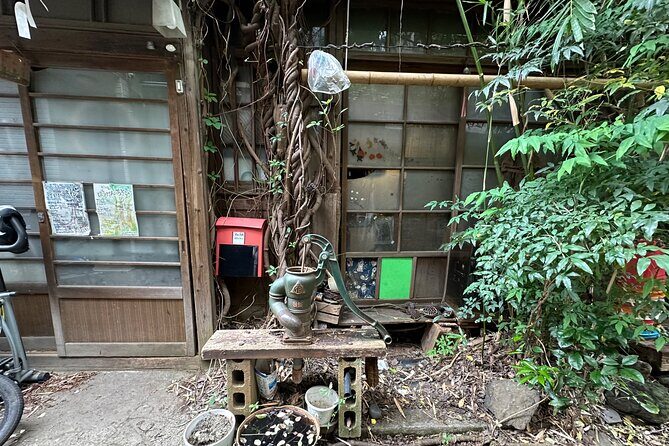
The Yanaka District segment is where the tour starts feeling like a time machine, but in a realistic way. You’ll see remnants of buildings from the Meiji, Taishō, and Showa periods. Translation: you’re not just seeing old Tokyo in theory—you’re seeing it in surviving structures and street layout.
You’ll also notice small shops passed down through generations. That’s a big deal in Japan, and it’s exactly the sort of detail a typical landmark tour won’t catch. The guide’s role here is to point out what to look for and explain how the neighborhood evolved over time.
This section lasts about 50 minutes. It’s long enough to slow down, ask questions, and actually take in the street character.
Possible drawback to consider: this is a walking-and-looking kind of segment. If you’re hoping for hands-on activities or big museum-style content, you might find it more observational than interactive.
Nezu Neighborhood Walk: Local Houses and the Everyday Side of Tokyo
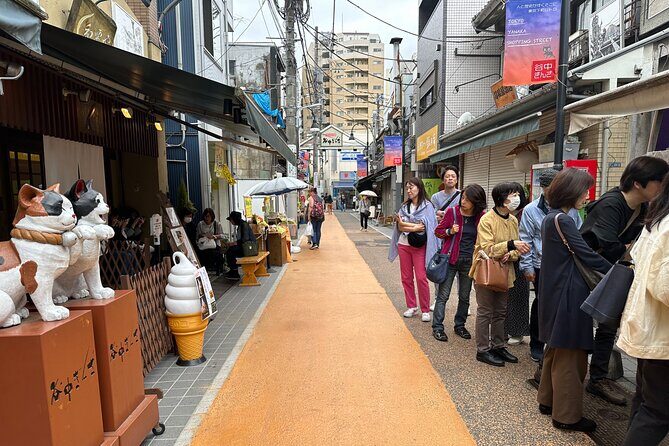
After Yanaka, the route shifts into Nezu’s residential area. This part is about 30 minutes and feels more like a real neighborhood walk than a sightseeing circuit.
You’ll see a mix of old and new houses and shops. The guide helps you connect what you’re seeing to how communities function—how spaces are shaped for daily life rather than visitor routes. That’s where the tour earns its “locals go here” promise.
Why I think this segment is valuable for you: Tokyo can feel overwhelming when you only see major attractions. This shows you the texture of everyday Tokyo—how people live around shrines, commute through familiar streets, and keep neighborhood traditions running.
Yanaka Cemetery: Scenic Views and Names You Might Recognize
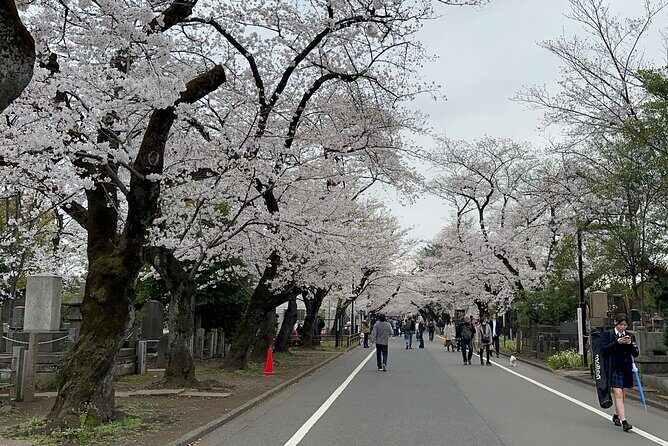
Yanaka Cemetery is one of the stops that changes how you think about Tokyo. It’s about 20 minutes, but it’s not just a quick photo spot. The tone is respectful and reflective, and you’ll learn that many important figures are buried here.
Cemeteries in Japan often connect to history and place. In this case, you’re also getting the scenic aspect—so the space feels calm rather than bleak. The guide’s framing helps you see it as part of the cultural map, not a detour.
Tip for your visit: keep your voice low, move slowly, and let yourself absorb the atmosphere. This isn’t the kind of place where speed improves anything.
The 100-Year Himalayan Cedar Tree: A Pause You’ll Feel
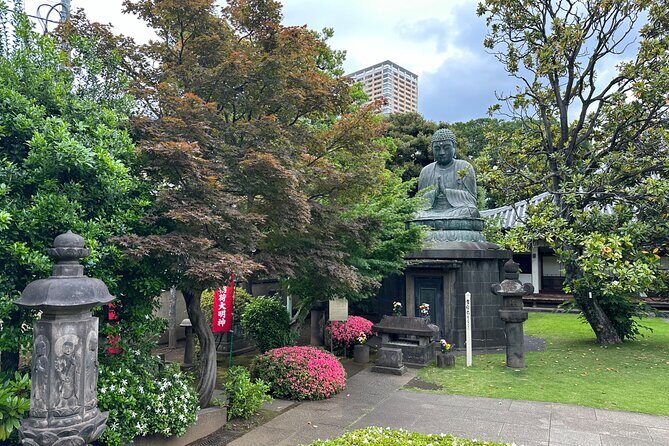
You also pass by a 100-year-old Himalayan cedar tree. It’s not a long stop, but it adds a human-scale marker to the walk. Trees like this become reference points in older neighborhoods, like street corners in cities elsewhere.
If you like noticing “slow” details—the kind cities keep even as buildings change—this is a nice moment in the flow.
Yuyake Dandan Sunset Staircase: Quick Photo Stop, Real Payoff
Next comes Yuyake Dandan, known as the sunset staircase. The stop is only about 2 minutes, so you’ll want to be ready with your camera and where you want to stand.
The point here isn’t lingering—it’s catching the viewpoint over Yanaka Ginza’s street scene from the stairs. Even if you’re not there exactly at sunset, the name tells you the story: it’s a place designed for light and perspective.
How to make the most of it: move thoughtfully when you arrive, grab a couple photos, and then step aside so others can enjoy the view too.
The 200-Year-Old Bathhouse Turned Art Gallery
You’ll also pass by a 200-year-old bathhouse that has become an art gallery. This is a great example of why the Yanaka/Nezu area feels different.
Instead of treating old buildings as relics, the neighborhood repurposes them. You get a glimpse of how preservation can work in real life—through adaptation, not freeze-frame history.
There’s no long explanation required for you to enjoy this moment. You’ll just sense the “old Tokyo” logic: reuse the past where it still fits.
Ueno Sakuragi Atari: Wooden Houses Now Used as Shops
Ueno Sakuragi Atari is about 15 minutes and adds a shop-and-streetcraft vibe. You’ll explore wooden houses that have been turned into shops.
This is the kind of place where you can quickly browse without losing the thread of the tour. Since it’s part of the walking route, it feels like a natural stop rather than a separate errand you have to plan.
Value note: admission is included for this segment, so you’re not doing extra ticket math while you’re trying to enjoy the neighborhood.
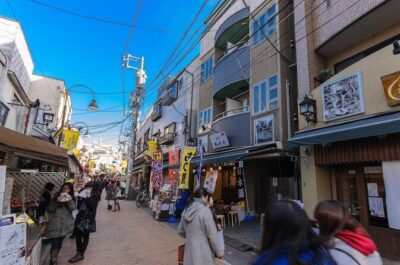
Yanaka Ginza Shopping Street: Souvenirs, Snacks, and a Useful Local Plan
The tour finishes at Yanaka Ginza, an old shopping street. You get about 10 minutes here, so it’s best thought of as your “wrap-up browsing” window.
The guide introduces popular local street foods, Japanese desserts, and Japanese souvenirs. Then you choose what you want to eat or buy. In other words, you don’t waste your limited time guessing what’s good, and you don’t leave hungry.
This is also where Sui-style guidance shines. In the reviews, Sui is singled out for recommending places to eat and for walking people through etiquette at shrines and temples. That combination matters because it keeps you from feeling like you’re just walking through pretty streets without knowing what to do next.
Practical approach for your short Yanaka Ginza window:
- Pick one snack first, then browse for souvenirs while your choices are still fresh.
- If there’s a long line, remember you only have a short finish time. Choose another spot quickly rather than waiting out the tour schedule.
Price and Value: Is $39.41 Worth It?
At $39.41 per person, this tour lands in the “small price, big guidance” category. You’re paying for three things:
1) a small-group guide who can explain what you’re seeing,
2) a route that strings together old Tokyo highlights without you having to plan bus/subway hopping,
3) mostly free cultural sites, plus at least one segment where admission is included.
Most of the major stops on the route are free entries. That’s a good deal for you because it keeps your day from turning into hidden ticket costs. You’re also getting a total duration of about 3 hours 30 minutes, which is long enough to feel like a real experience but short enough to still leave time for your next Tokyo plan.
One more value point: group discounts are mentioned, and the tour is designed for small groups (max 9). That usually means you spend more of your time walking with context rather than being packed into a crowd.
What to Expect on a Typical Route Day
Plan for comfort and steady walking. You’ll spend time at several quiet cultural spots, then transition through street scenes and local shopping areas.
Some stops are longer (like Yanaka District), and others are short by design (like Tennoji Temple and Yuyake Dandan). The rhythm matters. It keeps the day moving without letting any single section drag.
If you like learning cultural basics—how to behave at shrines and what you’re looking at—this tour fits you well. The guide’s English is highlighted in reviews, and the tone is friendly and engaging.
Who This Tour Suits Best
This is a strong fit if you:
- want a calmer side of Tokyo away from major tourist crowds,
- prefer neighborhood walking over museum marathons,
- like history shown through streets and buildings, not through heavy lectures,
- want help with temple/shrine etiquette so your visit feels respectful and confident.
It may feel less ideal if you’re chasing huge headline landmarks, or if you dislike short stops and quick photo moments. This route is about quality of context, not endless time at one mega-site.
Should You Book This Tour in Yanaka and Nezu?
Yes, you should book it if you want your first Tokyo impressions to be grounded in everyday culture. For a modest price, you get a guided walk through major “old Tokyo” anchors—Nezu Shrine, temple stops, cemetery grounds, scenic viewpoints, and Yanaka Ginza shopping—with the added benefit of local recommendations.
Skip it only if you already know the neighborhood well and you want to do everything independently. If you’re still building your mental map of Tokyo, this kind of guided route is a fast way to understand what matters and where to spend your own time afterward.
FAQ
FAQ
How long is the Yanaka and Nezu Old Traditional Town cultural experience?
It runs about 3 hours 30 minutes.
What is the meeting point for the tour?
The start is at Nippori Station (2 Chome-19 Nishinippori, Arakawa City, Tokyo 116-0013, Japan). The tour ends back at the meeting point.
What is the group size limit?
The tour has a maximum of 9 travelers.
How much does it cost?
The price is $39.41 per person.
Is this tour mostly free-entry sites?
Many stops are listed as free admission, and at least one segment (Ueno Sakuragi Atari) includes admission.
Where does the tour end?
It ends at Yanaka Ginza Shopping Street.
Is the tour near public transportation?
Yes, it’s near public transportation.
Are service animals allowed?
Yes, service animals are allowed.
What is the cancellation policy?
Free cancellation is available if you cancel up to 24 hours in advance for a full refund. If you cancel less than 24 hours before the start time, the amount paid is not refunded.
More Tour Reviews in Tokyo



Fresh reviews from around Tokyo






Taito & Yanaka Tours, compared.
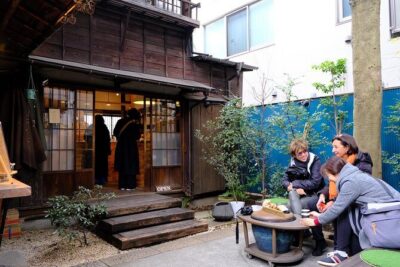 ★ 4.5The Old Quarter of Tokyo – Yanaka Walking TourFrom $40590 reviews
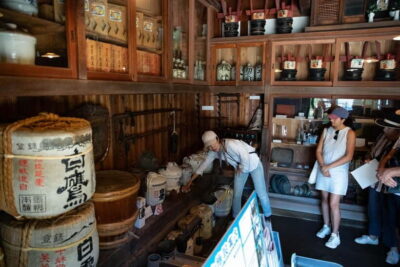 ★ 4.8Old Quarter Yanaka Walking TourFrom $32406 reviews
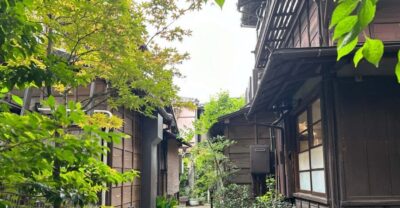 ★ 4.9Stroll in Old traditional culture towns~Yanaka & NezuFrom $29186 reviews
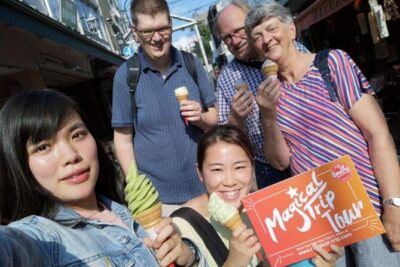 ★ 5.0Yanaka Historical Walking Tour in Tokyo’s Old TownFrom $81182 reviews
 ★ 5.0Private Home Cooking in Yanaka – Local Flavors in a Warm SettingFrom $122173 reviews
 ★ 5.0Let’s experience calligraphy in YANAKA, Taito-ku, TOKYO !!From $75127 reviews
 ★ 4.8Yanaka District: Historical Walking Tour in Tokyo’s Old TownFrom $79117 reviews
 ★ 5.0Discover the Art of Ikebana in Tokyo’s Historic Yanaka DistrictFrom $10860 reviews
Browse the lists this tour appears in