
Reviewed · TOKYO
Freely set up plans Guided Private Tours in Tokyo
First-day Tokyo can feel huge. This private, guided day is designed to turn a long list of sights into a workable plan, with a route that pairs iconic stops like Tsukiji and Senso-ji with practical transit help. I like that you get hotel pickup in the Tokyo 23 wards, and I like how the timing is flexible. One watch-out: you should be ready for plenty of walking, stairs, and moving between subway stations.
The best part is that it is built around your schedule: choose your preferred start time and the length (about 4 to 10 hours), then your guide shapes the day around what you want to see. You ride Tokyo’s public transport system with your guide, which is exactly how you learn the city fast, but it does mean the day can feel active.
In This Review
- Key takeaways
- A Private Tokyo Day Built Around Your Pace
- Hotel Pickup and Mobile Ticket: Small Stuff That Saves Minutes
- Getting Around by Train: Why This Tour Feels Like a Local Shortcut
- Tsukiji Jogai Market: Food Energy Without the Lecture
- Senso-ji Temple: Asakusa’s Famous Scene, Explained Better
- Tokyo Skytree: One Stop for Height Seekers and Photo Fans
- Ueno Zoo: A Cooling-Off Break in the Middle of the City
- Shibuya Crossing: The Quick Hit That Shows Tokyo’s Scale
- Meiji Jingu: A Breathing Moment in a City That Never Stops
- Tokyo Tower and the “View + Atmosphere” Combo
- Shinjuku Gyoen National Garden: Garden Variety for a City Day
- Hamarikyu Gardens and the Sea-Moat Idea
- East Gardens of the Imperial Palace: Edo-Era Echoes
- Owl Café Tokyo Akiba Fukurou and Chiku Chiku Cafe: Cute, But Plan for the Reality
- What the Price Covers (and Where Costs Pop Up)
- Pacing, Rain, and English Levels: The Few Things to Watch
- Who This Private Tour Is Best For
- Should You Book This Private Tokyo Highlights Tour?
- FAQ
- How long is the Tokyo private tour?
- Is pickup available, and where do you meet?
- What is included in the tour price?
- What costs are not included?
- Is this a private tour?
- Do you use public transportation during the tour?
- How do I get the tickets?
- FAQ
- Can I cancel and get a refund?
- What if I cancel less than 24 hours before the start time?
Key takeaways
- A private plan, not a fixed bus route: you can choose sights and how long you stay on each stop.
- Train skills included: guides like Kono, Yumi, Noby, Yoshio, and Yoki help you navigate Tokyo’s transit maze.
- A first-timer hit list with variety: markets, temples, big-city icons, gardens, and even owl or hedgehog cafés.
- Big sights with clear trade-offs: some major attractions (Skytree, zoo, gardens, tower) have admission fees not included.
- Expect a walking-heavy day: several guests flagged steps and rain-related transit walking as the main friction point.
Before you commit, see how this one stacks up against a few Tokyo favourites:
- Mt Fuji and Hakone 1-Day Bus Tour Return by Bullet Train★ 5.0 · 26,383 reviews
- 1-Day Tokyo Bus Tour★ 5.0 · 14,250 reviews
- Tokyo: teamLab Planets TOKYO Digital Art Museum Entry Ticket★ 4.6 · 9,779 reviews
A Private Tokyo Day Built Around Your Pace

This tour is one of those rare Tokyo experiences where the structure matters. Tokyo is easy to admire and hard to “manage” on a first visit. A private guide helps you avoid the most common mistake: spending your limited time in line, in transit, or at the wrong end of a crowd.
You pick the feel of the day. Want temples and neighborhoods first? Want skyline photos early? Want breaks built in? The length is flexible (about 4 to 10 hours), and you can choose from several start times. That makes the tour useful whether you have a full day or only a window between flight and dinner.
The itinerary is also designed with contrast in mind. You are not doing one kind of place for hours. One moment you are tasting your way through a classic food area; the next you are stepping into a temple complex; later you are looking down from a major tower or taking in a garden that feels like a pause in the noise. For many first visits, that mix is exactly what makes the day feel like Tokyo.
Hotel Pickup and Mobile Ticket: Small Stuff That Saves Minutes
In Tokyo, saving minutes becomes saving energy. This experience includes meeting in the hotel lobby in the Tokyo 23 wards, with pickup offered, plus public transportation to and from your stops.
It also uses a mobile ticket, which matters in a city where paper tickets can get misplaced fast. You’ll still want to keep your phone charged, since you are using transit and checking details all day, but having the day’s essentials in one place reduces last-minute chaos.
Getting Around by Train: Why This Tour Feels Like a Local Shortcut
Tokyo’s public transport system is world-class, but it can be mentally loud on day one. You have lines, transfers, step counts, and platform changes, and it is easy to waste time just confirming which station exit makes sense.
That is why guides are the main value here. Guests who worked with guides like Kono said they learned how to use trains quickly, and multiple reviews highlighted how helpful it was to have a navigator for subway routes. One family group of eight specifically mentioned that the guide checked they stayed together, which is a big deal when everyone has their own idea of where to stop for photos.
Still, the trade-off is real: public transport means more stairs and walking between platforms. One guest flagged mobility issues and noted Tokyo transit is not as step-friendly as they expected. If you have walking limitations, you’ll want to message the provider in advance and ask how your guide plans routes with the fewest steps.
Tsukiji Jogai Market: Food Energy Without the Lecture
Your day often starts in Tsukiji Jogai Market, a place built around food. Unlike a “museum” version of a market, this is where you can encounter traditional Japanese foods in a busy mix of wholesale and retail shops, plus restaurants along the streets.
What makes this stop work in a private format is timing. With a guide, you can flow through the area efficiently instead of getting stuck reading every storefront sign while the morning crowds build. If you want a quick snack-and-look start, it fits. If you want to slow down for a meal, your guide can help you plan that too.
Admission here is free for your visit time, so you’re not eating your budget before the day even gets going. If your priorities include sushi or fresh seafood, this is the kind of start that can make the rest of the itinerary feel more connected.





Senso-ji Temple: Asakusa’s Famous Scene, Explained Better
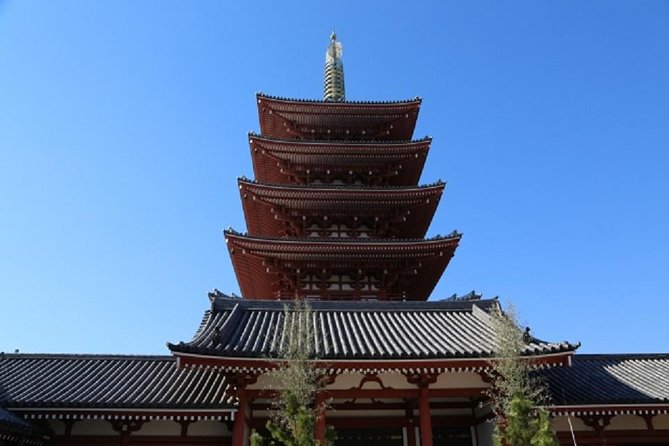
Next up is Senso-ji Temple, one of Japan’s most popular attractions. This stop is famous for a reason: you get major historic-feeling structures, including the five-story pagoda and the Hozo-mon Gate, also called the Treasure-House Gate.
A guide helps you see more than the photo spots. You’ll likely get context for what you’re looking at and how the complex is organized, which makes the experience feel less like a checklist. And because admission is listed as free, this is a strong value moment where you pay in time and attention, not entry fees.
One practical point: this is a crowd magnet. The private format helps because your guide can manage pacing so you do not spend your energy fighting people just to move to the next sight.
Tokyo Skytree: One Stop for Height Seekers and Photo Fans
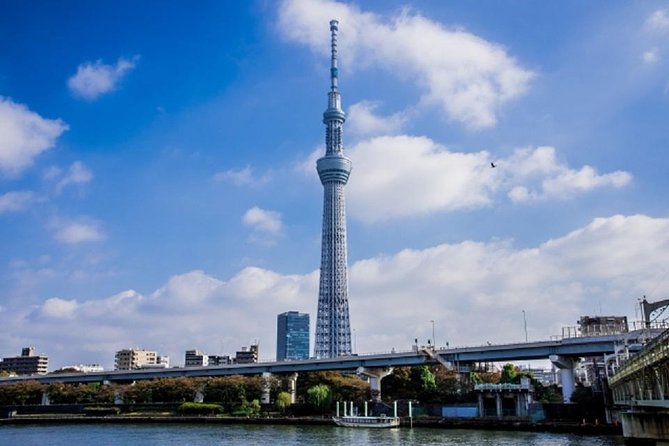
Then comes Tokyo Skytree, the world’s tallest tower at 634 meters (certified by Guinness). The big draw is the observation experience: there are observation levels at 340 meters and 450 meters above the ground.
Admission is not included for this stop, so budget for that separately. But if you are going to pay for any iconic viewpoint, Skytree is the kind of ticket that can justify the cost because it gives you a clear sense of scale across Tokyo.
In a private day, the payoff is that you can time this portion to your energy level. If you want extra time for photos, you can ask for it. If you just want the viewpoint and move on, you can do that too—rather than getting herded.
Ueno Zoo: A Cooling-Off Break in the Middle of the City
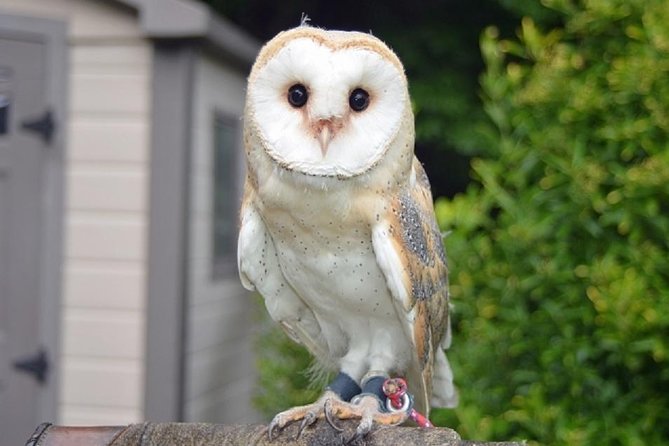
For a change of pace, your itinerary includes Ueno Zoo, a Tokyo Metropolitan Zoo that opened as Japan’s first zoo in 1882. The zoo currently includes about 400 species, including rare animals such as the Sumatra tiger.
Admission is not included here. Still, it can be worth it for a few reasons:
- It breaks up the temple-and-market rhythm.
- It adds a different kind of “Tokyo day” memory.
- It gives you a chance to sit, move slowly, and reset.
One realistic consideration: with zoo time running 2.5 hours, it can feel like a chunk of the day. If your travel group is more into streets and views than animals, you may want to adjust the total tour length or confirm your group’s preferences early with your guide.
Shibuya Crossing: The Quick Hit That Shows Tokyo’s Scale
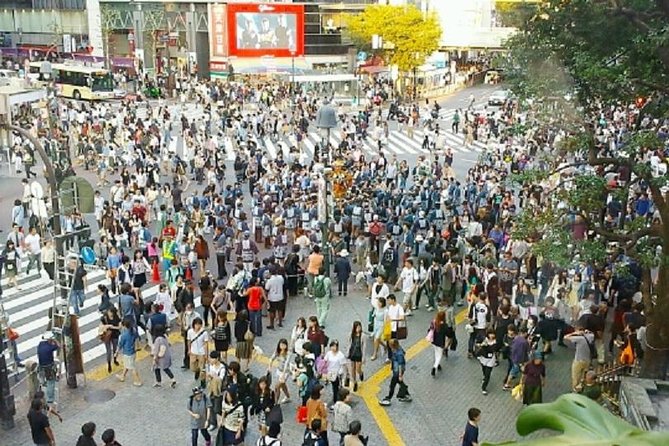
Shibuya Crossing is short—about 30 minutes—and that’s perfect if you want the iconic experience without losing the whole day to crowds. The scale is staggering: around 500,000 people cross daily, and it can be about 3,000 people moving when the light turns green.
Admission is listed as free. In a private tour, you get something more useful than a photo: you get guidance on where to stand and when to move so the crossing fits into the broader day. This stop works well as a “pulse check” for Tokyo—after it, you often feel the city’s pace shift into the next neighborhood phase.
Meiji Jingu: A Breathing Moment in a City That Never Stops
Then you step into Meiji Jingu Shrine, built in 1920 and dedicated to Emperor Meiji and Empress. Many Japanese worshipers and foreign visitors come throughout the year, and you get the feeling that the grounds are meant for pause, not performance.
Admission is free for your stop, which helps keep the day’s costs controlled. It’s also a strong match after Shibuya: you go from one of Tokyo’s busiest street moments to a ritual space with a different tempo.
Tokyo Tower and the “View + Atmosphere” Combo
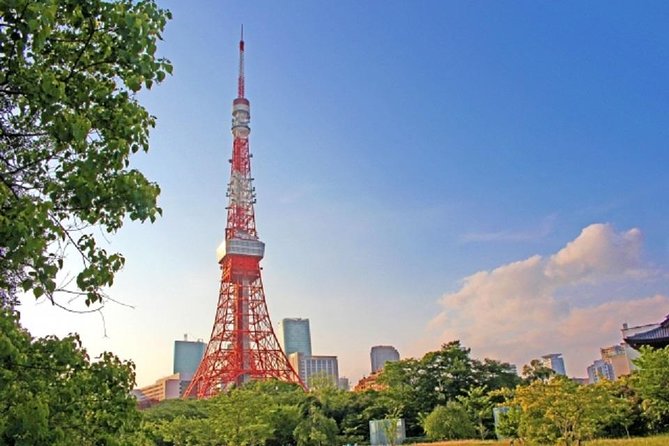
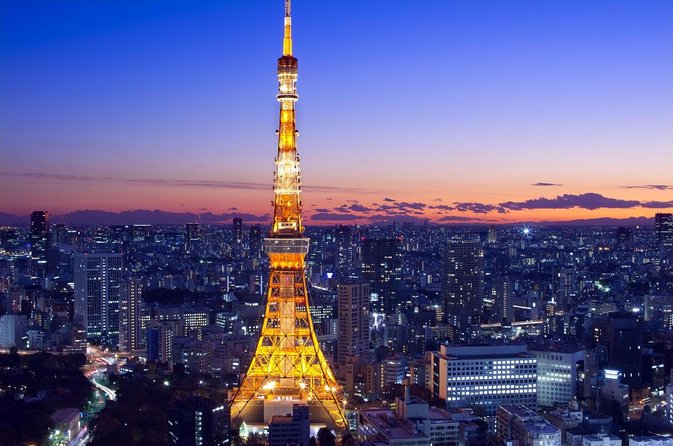
Next is Tokyo Tower, a 333-meter radio tower built in 1958. You’ll also find a view café and a Tower Jingu Shrine on-site, and there are different lights-up modes described as Landmark Light and Diamond Veil.
Admission is not included. If you like skyline stops but you do not want just another “stand and look” moment, Tower can feel more atmospheric than pure height-chasing. The tower is also a good photo target because it gives you a recognizable Tokyo landmark rather than a spread-out cityscape alone.
In a private setting, you can ask for timing that matches daylight. The itinerary does not specify exact lighting schedules, so it’s smart to ask your guide what timing makes sense for the day you’re going.
Shinjuku Gyoen National Garden: Garden Variety for a City Day
If you want a break from concrete, Shinjuku Gyoen National Garden is the reset button. It’s described as a garden representing the Meiji period, combining three styles: well-formed garden, landscaped garden, and a Japanese garden.
Admission is not included. But this stop is a good value if your group wants something calmer and slower, especially after several iconic stops. It’s also helpful that the garden is only about 1 hour in this itinerary; you get a taste without turning your day into a half-day dependency on weather and crowds.
Hamarikyu Gardens and the Sea-Moat Idea
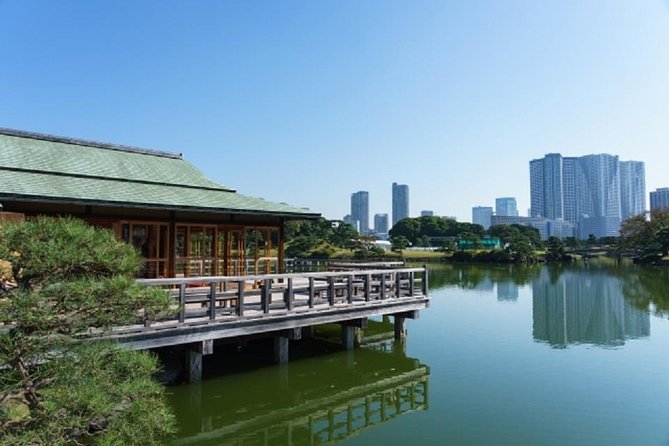
Another pause comes at Hamarikyu Gardens, opened to the public on April 1, 1946. The grounds are around Shioiri Pond and the park is surrounded by a seawater moat filled by Tokyo Bay.
Admission is not included. If you like places where the setting connects to the city’s geography, this is a neat angle. Hamarikyu is also a good stop for photos that do not rely on giant crowds—more water, paths, and framing.
East Gardens of the Imperial Palace: Edo-Era Echoes
Your itinerary includes the East Gardens of the Imperial Palace – Edo Castle Ruin. It’s in Chiyoda Ward and includes the Emperor and Empress houses, the palace, and the Imperial Household Agency office. The grounds have history from the Tokugawa period when it was used in that era.
Admission is not included for this stop. In a private tour, this kind of place can be especially rewarding because a guide can help you understand what you’re seeing without turning it into a lecture. It is also a good capstone if you’ve already seen temple and city landmarks—you end with a different kind of Tokyo story.
Owl Café Tokyo Akiba Fukurou and Chiku Chiku Cafe: Cute, But Plan for the Reality
Two parts of the itinerary are animal cafés:
- Owl Café Tokyo Akiba Fukurou (about 1 hour) where you can interact with owls.
- Chiku Chiku Cafe (about 1 hour) where you can interact with hedgehogs; it serves only drinks and is not open for lunch or dinner.
Admissions are not included for both. These stops can be genuinely fun, and the word in the reviews is consistent: guests liked having a guide who was willing to include animal cafés and make the day match their interests.
Here’s the reality check: cafés are small, and schedules can be tight. If an animal café is important to your group, you should confirm with your guide how they plan timing so you are not rushing or risking a closed slot.
What the Price Covers (and Where Costs Pop Up)
The price is $132.14 per person, with the tour typically booked about 47 days in advance. The day includes an English-speaking professional guide, meeting in your hotel lobby in the Tokyo 23 wards, and public transportation to and from the sights.
Mobile ticket and group discounts are listed too, which matters if you’re traveling with friends or family.
What is not included is important: admission fees for customers and guides. That affects the big-ticket stops—Tokyo Skytree, Ueno Zoo, Tokyo Tower, Shinjuku Gyoen, Hamarikyu Gardens, and the Imperial Palace East Gardens, plus the owl and hedgehog cafés.
So is it good value? I think it can be, especially if:
- You want a first-day “Tokyo orientation” that hits major highlights.
- You’ll pay for multiple paid entries anyway.
- You can’t easily figure out train routes and want time saved.
If you mainly want free sights and you hate walking, then the value drops because your costs rise from paid entries and the day is active by design.
Pacing, Rain, and English Levels: The Few Things to Watch
The best reviews focus on how guides manage the day. People praised guides for being patient with families, good at navigation on the subway, and willing to adapt to what the group wanted. I also like the way some guides helped with practical needs like well-timed lunch and water breaks, because that’s what keeps a long day enjoyable rather than miserable.
The main friction points to keep in mind:
- Some guests mentioned the guide’s English level wasn’t easy to follow, even if the guide seemed knowledgeable.
- Another guest felt there was too much walking between subway stations, especially during heavy rain.
- One mobility-related comment said Tokyo transit and stair counts were tougher than expected.
You can reduce these risks. Bring rain gear, wear shoes with real grip, and if mobility is a concern, ask your guide ahead of time how they’ll handle steps.
Who This Private Tour Is Best For
This experience is a strong match if you:
- Are on your first Tokyo trip and want a plan that makes sense.
- Want a private guide who can adjust the route to your interests.
- Like seeing Tokyo’s mix: markets, temples, big-city icons, gardens, and quirky animal café breaks.
It’s less ideal if you:
- Have limited mobility and need step-free routing.
- Want a low-walking day with minimal transit.
Should You Book This Private Tokyo Highlights Tour?
Yes, if you want a real first-day Tokyo experience that combines major sights with train-smart guidance, and you’re willing to pay for a guide to save time and confusion. The biggest strength is the private flexibility: you choose your start time and how long you go, and guides can steer the day so it fits your energy and tastes.
Just budget for admissions that are not included, pack for walking and possible rain, and double-check that the animal café stops are practical for your schedule. If those things line up, this is the kind of day that can turn Tokyo from overwhelming into doable.
FAQ
How long is the Tokyo private tour?
The duration is listed as about 4 to 10 hours, depending on how you set up your plan.
Is pickup available, and where do you meet?
Meeting is in the hotel lobby in the Tokyo 23 wards, and pickup is offered.
What is included in the tour price?
You get an English-speaking professional guide, hotel/lobby meeting in the Tokyo 23 wards, and public transportation to and from the sites.
What costs are not included?
Admission fees for both customers and guides are not included.
Is this a private tour?
Yes, it is a private tour/activity, meaning only your group participates.
Do you use public transportation during the tour?
Yes. The tour uses Tokyo’s public transport system, with your guide traveling with you to each location.
How do I get the tickets?
A mobile ticket is included.
FAQ
Can I cancel and get a refund?
Yes. You can cancel up to 24 hours in advance for a full refund.
What if I cancel less than 24 hours before the start time?
If you cancel less than 24 hours before the experience starts, the amount you paid will not be refunded.
More Tour Reviews in Tokyo



Fresh reviews from around Tokyo






Tokyo, compared.
 ★ 5.0Mt Fuji and Hakone 1-Day Bus Tour Return by Bullet TrainFrom $16326,383 reviews
 ★ 5.01-Day Tokyo Bus TourFrom $12914,250 reviews
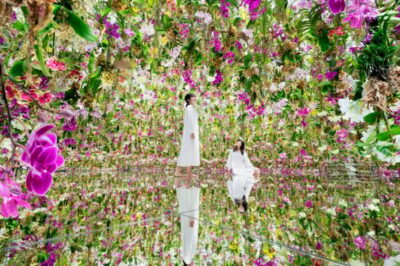 ★ 4.6teamLab Planets TOKYO Digital Art Museum Entry TicketFrom $259,779 reviews
 ★ 4.0Mt Fuji & Hakone Cruise, Drum Show Bullet Train 1 Day from TokyoFrom $1497,413 reviews
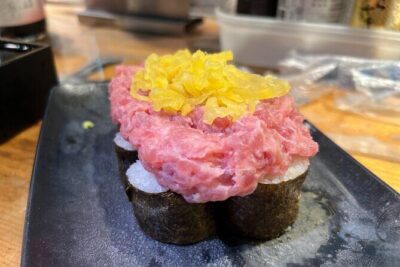 ★ 5.0Shinjuku Food Tour (13 Dishes at 4 Local Eateries)From $866,603 reviews
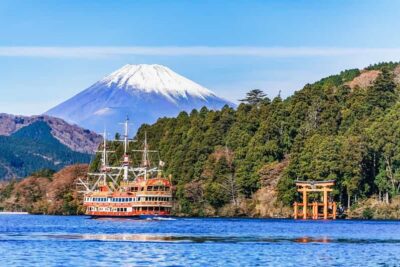 ★ 4.4Tokyo Mt Fuji 5th St & Hakone Cruise Bus Tour w/Bullet TrainFrom $1545,024 reviews
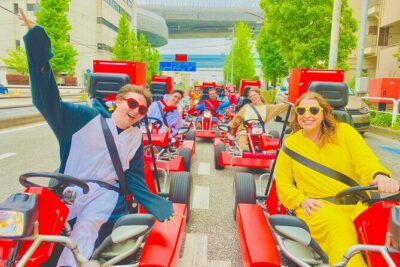 ★ 5.0Flagship 2-Hours Official Street Go-Kart Tour – Tokyo Bay ShopFrom $644,974 reviews
 ★ 4.5From Tokyo: Mount Fuji Full-Day Sightseeing TripFrom $684,970 reviews