
Reviewed · COOKING CLASSES
Ebisu Food Tasting Experience with Japanese Cooking Class
Ebisu feels like a small-town pocket inside Tokyo. This class in a cozy home kitchen pairs a local ingredient shopping stop with hands-on cooking, guided step-by-step by Mari and Ayumi in English. I really like the intimate small-group setup (max 4) and the warm, family-style pace that makes it easy to ask questions. The one thing to consider is food choice: the Hambāgu course has no vegetarian option, so you’ll want to pick Temaki Sushi if your diet needs flexibility.
You’ll spend about three hours learning how Japanese home cooks actually put meals together—starting with what to buy and why, then moving into simple, practical techniques. If you like the idea of taking home real skills (not just a photo), this is a great fit, especially for solo trips or couples who want a calmer Tokyo experience.
In This Review
- Key Highlights You’ll Care About
- Ebisu Start Point and Why This Feels Like a Real Home Visit
- The Ingredient Shopping Stop at Ebisu Garden Place
- Choosing Between Temaki Sushi and Hambāgu Set Meal
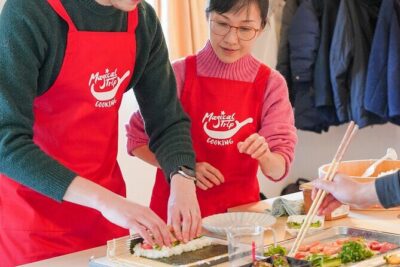
- Temaki Sushi Course: Build and Roll Your Own
- Japanese Hamburger Steak Course: A Full Set Meal
- Cooking With Mari and Ayumi, Step by Step in English
- What You’ll Eat After You Cook (and Why It Matters)
- Price, Value, and Why $78.04 Makes Sense Here
- Best Fit: Who This Ebisu Class Is For
- Practical Tips So You Get the Most From the Class
- Should You Book This Ebisu Food Tasting Cooking Class?
- FAQ
- Is the Japanese cooking class taught in English?
- What are the two course options?
- Is there a vegetarian option?
- Do I need cooking experience?
- How long is the experience?
- How big is the group?
- Are drinks included?
- Where do I meet the group?
- Can I cancel for a full refund?
- What happens during the class before cooking?
Key Highlights You’ll Care About
- Mother-daughter coaching in English so you can keep up without guessing
- Supermarket shopping to learn what matters about ingredients, not just the recipes
- Two full course options: Temaki Sushi or a set meal with Hambāgu
- Hands-on rolling and cooking, including tamagoyaki and teriyaki chicken for the sushi course
- Small group size (max 4) for more personal attention at the stove
- Optional sake/craft beer with your meal, if you want the extra grown-up touch
Other plates worth crossing Tokyo for
- Tokyo: Shinjuku Food Tour (13 Dishes at 4 Local Eateries)★ 5.0 · 6,603 reviews
- Tokyo Tsukiji Fish Market Food and Culture Walking Tour★ 5.0 · 3,184 reviews
- Tokyo: Shinjuku Food Tour (15 Dishes and 4 Eateries)★ 4.9 · 2,033 reviews
Ebisu Start Point and Why This Feels Like a Real Home Visit
I like starting this experience right where locals actually move through the city. You meet at the Ebisu Station Police Box area, then you’re taken to the food-shopping part of the outing (the class itinerary specifically includes Ebisu Garden Place). The whole session runs about 3 hours, and it ends back at the meeting point.
What makes this work so well for everyday travelers is the scale. With a maximum of 4 participants, you’re not shouting over a crowd or waiting your turn. It’s closer to cooking with a couple of friendly hosts than “doing an activity.”
One small practical note: this is a home-kitchen experience, so you’ll want to dress comfortably for standing, moving around, and eating at a shared table.
The Ingredient Shopping Stop at Ebisu Garden Place
Before anyone touches a pan, you do the part that most cooking classes skip: buying the right ingredients. The experience includes a local supermarket visit where Mari and Ayumi explain what to look for and why—ingredients, products, and how home cooks make choices.
This is the big value for me. When you learn what to buy in Tokyo, you can recreate the flavor at home later, instead of just copying a recipe line-by-line. Ayumi acts as the English bridge the whole time, so you can ask basic or specific questions without feeling lost.
There’s also a social side here. One of the things I’d watch for is how your interests get handled during shopping. The vibe here is hands-on and responsive—if you show curiosity about an ingredient or item, the hosts don’t just point and move on. They take the time to explain and, when needed, help you find what you want.
Choosing Between Temaki Sushi and Hambāgu Set Meal
You’ll have two different course options, and choosing the right one is honestly half the success of the experience.
Temaki Sushi Course: Build and Roll Your Own
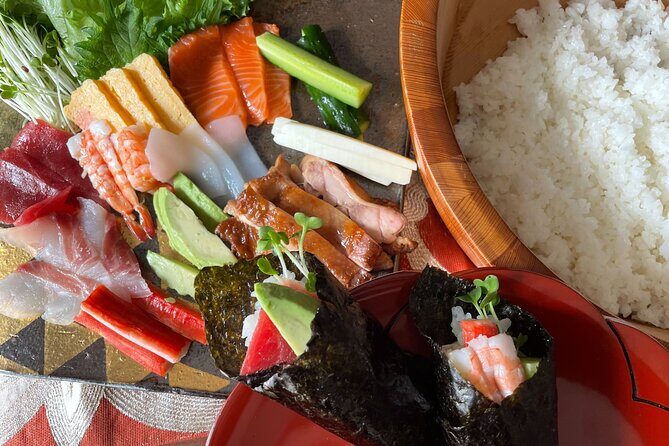
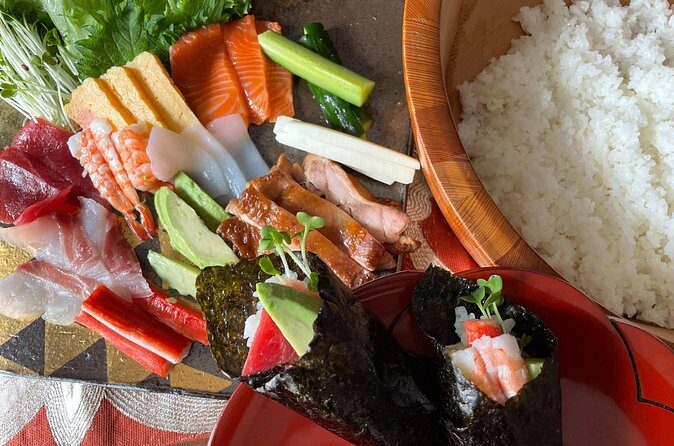
The Temaki Sushi course gives you a broader set of skills. You’ll learn to make:
- sushi rice
- tamagoyaki (Japanese omelet)
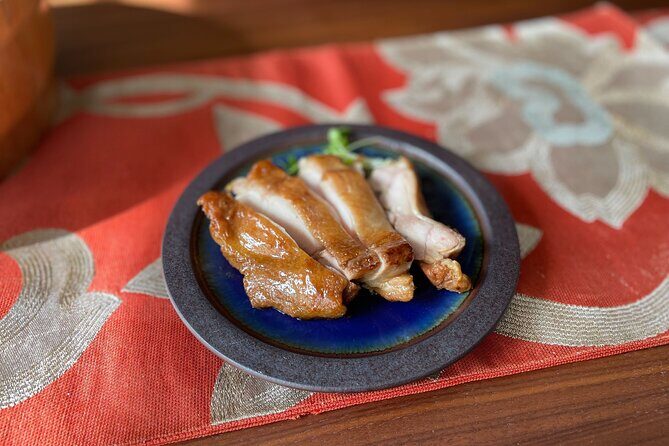
- teriyaki chicken
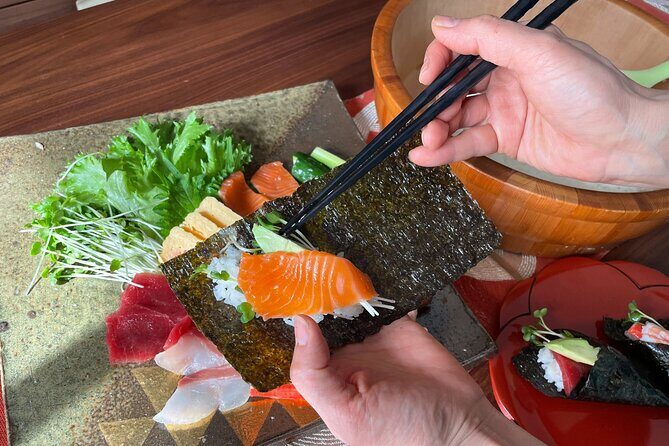
Then comes the satisfying part: you roll your own sushi using fresh fish, vegetables, or tofu. Vegetarian options are available for this course, which is a big deal if you’re picky, plant-forward, or just want a safer bet.
If you want a cooking class that feels active and fun—rice, omelet, chicken, then rolling—this is the choice I’d make.
Worth weighing up alongside this Tokyo pick:


Japanese Hamburger Steak Course: A Full Set Meal
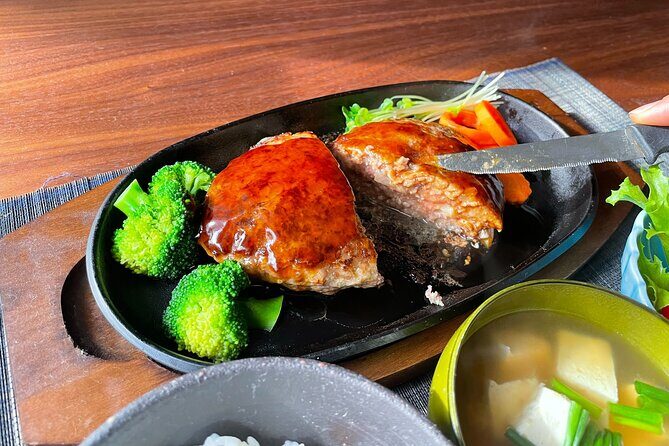
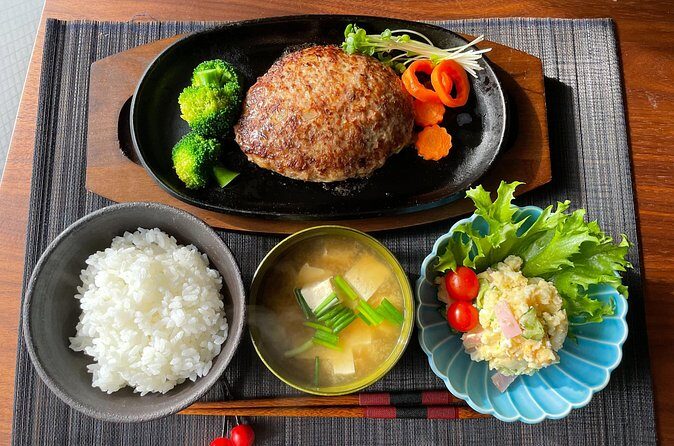
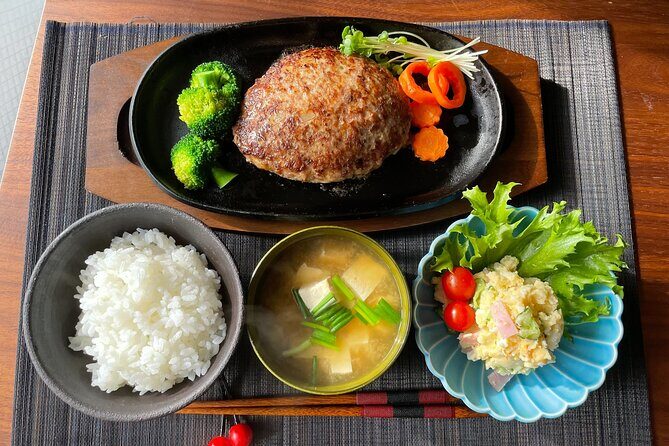
The Hambāgu course focuses on a hearty, home-style dinner. You’ll prepare a full set meal that includes:
- hambāgu (Japanese-style hamburger steak)
- potato salad
- miso soup
Here’s the one caution: there is no vegetarian option for this course. So if you don’t eat meat, avoid fish, or you prefer vegetarian meals, don’t gamble on this option. Pick the Temaki Sushi course instead.
The Hambāgu set is ideal if you want comfort-food results with less variety in ingredients but a very complete meal. It’s also great for people who don’t want to deal with sushi rolling and prefer straightforward cooking.
Cooking With Mari and Ayumi, Step by Step in English
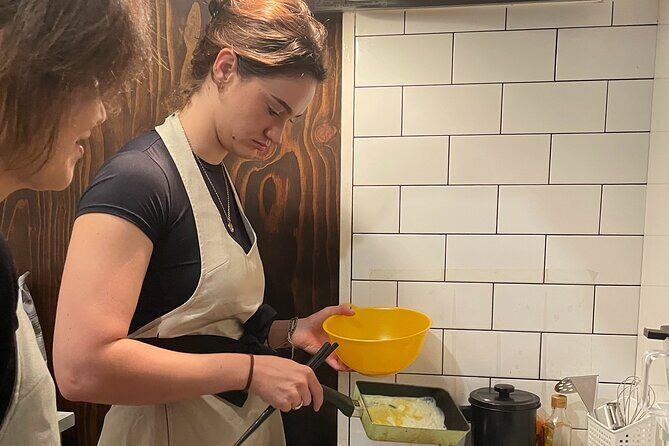
The teachers are the heart of the whole experience. Mari is described as a professional culinary expert featured in TV programs and magazines. Ayumi is the bilingual interpreter and assistant, and she stays close enough that communication is rarely a problem.
What I like about this teaching style is how clearly they guide each step. The class is taught entirely in English, and they specifically note that no cooking experience is required. That matters. You’re not expected to already know Japanese cooking rhythms or techniques. You’re learning them.
In a small group, that guidance turns into real support. You can ask why something is being done a certain way—like how sushi rice is handled or how tamagoyaki is approached—without feeling rushed.
Also, because you’re cooking in a home kitchen, the instruction feels practical rather than “demo mode.” You’ll be involved, not just watching.
What You’ll Eat After You Cook (and Why It Matters)
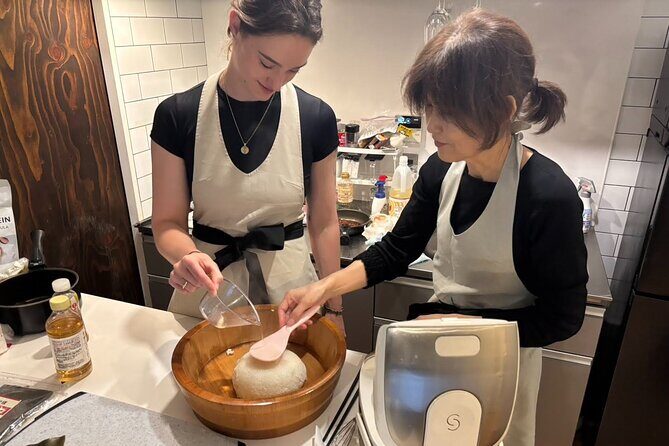
After you finish cooking, you sit down and eat what you made. That sounds obvious, but it’s often the part that separates a real cultural meal from a quick class that ends the second the food is plated.
In this experience, the meal is treated as the payoff. Mari and Ayumi share local tips and help you plan your Tokyo trip over the table. That’s where the cultural exchange part becomes real: you’re not just learning recipes, you’re also getting small, useful direction on how to enjoy Tokyo like a person who lives there.
Optional drinks can add to the mood. If you want it, sake or craft beer is offered during the meal. If you prefer to keep it non-alcohol, you can still enjoy the full experience—food and conversation do the heavy lifting.
Price, Value, and Why $78.04 Makes Sense Here
Let’s talk money. At $78.04 per person for roughly three hours, this isn’t the cheapest “hands-on” option in Tokyo. But for what you’re getting, it can feel fair.
Here’s the value math that matters in real life:
- You’re paying for English instruction from a mother-daughter team, not just generic directions.
- You’re getting ingredient shopping as part of the lesson, which adds time, complexity, and learning.
- You’re cooking a full meal (Temaki Sushi or Hambāgu set), not a small snack portion.
- The group limit of 4 travelers means the teachers can actually help instead of splitting attention between many people.
Also, the experience is designed as a home-cooking lesson, not a mass-produced factory activity. That often explains the price difference. If you’re the type who likes practical skills you can repeat, this is exactly the kind of class worth paying for.
And if you’re thinking of booking during peak periods: the information provided says this is often booked about 22 days in advance on average. If you know your dates, don’t wait too long.
Best Fit: Who This Ebisu Class Is For
This is one of those Tokyo experiences that works for a lot of different travelers because it’s not overly complicated and it’s not dependent on prior skills.
It’s especially good for:
- Solo travelers who want conversation and a friendly rhythm
- Couples who want a shared activity that still feels personal
- Families with kids who can participate (the class is guided and step-by-step)
- People who want an English-first experience without language stress
- Anyone who wants to learn how ingredients are chosen in a local supermarket
There is one clear mismatch to watch for: if you’re vegetarian, your course choice matters. The Hambāgu option has no vegetarian option, so you’ll likely want Temaki Sushi if your diet needs plant-based meals.
Another practical mismatch: if you hate interacting with other people or you want a silent, solo activity, the table conversation and cultural exchange might feel too social.
Practical Tips So You Get the Most From the Class
Even though the experience is beginner-friendly, a few small choices can make it smoother.
- Come hungry. You’ll shop, cook, and then eat your meal. The class is built around that flow.
- Pick your course based on your appetite and diet. If you want sushi rolling and vegetarian flexibility, choose Temaki Sushi.
- Plan to ask questions during the shopping stop. That’s where you’ll learn how to replicate flavors later.
- Expect a home-kitchen vibe. Wear comfortable shoes and clothes you can move in without fuss.
And one more thing: take notes if that helps you remember cooking steps. The class teaches techniques, and writing down a couple key points (rice handling, omelet texture goals, or how sauce is treated) will make your leftovers taste more like the original lesson.
Should You Book This Ebisu Food Tasting Cooking Class?
Yes—if you want an English-friendly, small-group cooking experience that includes both supermarket learning and a real meal at the end. Mari and Ayumi’s style is built around step-by-step guidance, and the home-cooking approach is the reason the lesson sticks.
I’d especially recommend it if you’re:
- visiting Tokyo for the first time and want practical local tips
- looking for a more personal alternative to big group cooking tours
- interested in Temaki Sushi skills and vegetarian options
Skip or reconsider if you specifically want the Hambāgu course but need vegetarian food. Also, if you prefer a purely hands-off activity with minimal conversation, this family-style setup may feel more engaged than you expected.
FAQ
Is the Japanese cooking class taught in English?
Yes. The lessons are taught entirely in English, so international travelers can join with confidence.
What are the two course options?
You can choose either a Temaki Sushi course or a Japanese Hamburger Steak (Hambāgu) set meal course.
Is there a vegetarian option?
Vegetarian options are available for the Temaki Sushi course. The Hambāgu course has no vegetarian option.
Do I need cooking experience?
No. No cooking experience is required, and the instructors guide you through each step.
How long is the experience?
It’s about 3 hours.
How big is the group?
The class has a maximum of 4 travelers.
Are drinks included?
Optional drinks like sake and craft beer are available during the meal.
Where do I meet the group?
You start at the Ebisu Station Police Box area in Ebisu (Shibuya, Tokyo), and the activity ends back at the meeting point.
Can I cancel for a full refund?
Yes. You can cancel up to 24 hours in advance of the experience start time for a full refund.
What happens during the class before cooking?
You explore a local Japanese supermarket to learn essential ingredients, then you return to the home kitchen to cook and eat together.
More Good Eating in Tokyo
Eat Your Way Round Tokyo

More Tour Reviews in Tokyo





Fresh reviews from around Tokyo






Cooking Classes, compared.
 ★ 5.0Ramen & Gyoza Cooking Class in Tokyo with Local Supermarket VisitFrom $122823 reviews
 ★ 4.6Easy Ramen Cooking Experience in Kabukicho, ShinjukuFrom $29321 reviews
 ★ 5.0Ramen and Sushi Cooking Class with Sake Pairing Set in TokyoFrom $79291 reviews
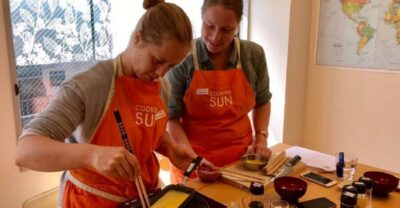 ★ 4.9Wagyu and 7 Japanese Dishes Cooking ClassFrom $67273 reviews
 ★ 5.0Tokyo Washoku 4-hour Cooking Class: From Market to TableFrom $79253 reviews
 ★ 5.0Small-Group Wagyu Beef and 7 Japanese Dishes Tokyo Cooking ClassFrom $72190 reviews
 ★ 5.0Private Home Cooking in Yanaka – Local Flavors in a Warm SettingFrom $122173 reviews
 ★ 5.0Tokyo Sushi Making Experience & Japanese Cooking ClassFrom $59150 reviews
Browse the lists this tour appears in