
Reviewed · TEA CEREMONY EXPERIENCES
At an Antique Shop, Tea Ceremony and Japanese Sweets Forming
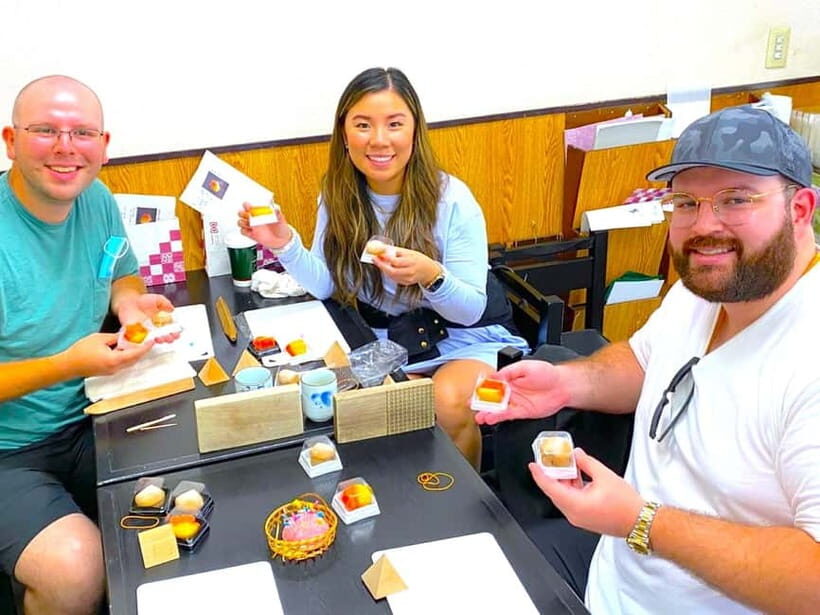
Tea, sweets, and antiques in one stop. This experience mixes matcha, handmade wagashi, and old-world tableware in a setting that feels like you found it after turning down the right street. The setting matters here: you are not stuck in a standard classroom room.
Two things I really like: you can pick the teacups you’ll use, including some that are several hundred years old, and the wagashi shaping feels hands-on and calm instead of rushed. One thing to consider: the host is an artisan and may not speak English fluently, so you’ll get the best results if you’re ready to communicate with simple questions.
In This Review
- Key Things That Make This Workshop Worth Your Time
- Why This Tea Ceremony Feels Different Than a Generic Class
- Start by Walking the Antiques First
- Nerikiri Wagashi: Colorful, Seasonal, and Way More Fun Than It Sounds
- The Tea Room Setup: Sitting, Not Scrambling
- Choosing Your Teacup (And Why That Part Feels Special)
- Matcha and Wagashi Pairing: A Simple Lesson in Balance
- Price and Value: What $57 Buys You Here
- Conversation With the Artisan Host: How to Make It Work in English
- Practical Details That Matter on Arrival
- Who This Is Best For (And Who Should Skip It)
- What the Experience Feels Like From Start to Finish
- Should You Book This Antique Tableware Tea and Wagashi Workshop?
- FAQ
- What’s the meeting point like, and how far is it from Nippori Station?
- How much does it cost, and what’s included?
- What is Nerikiri, and what do I make?
- Do I get to choose my teacup for the tea ceremony?
- Is this experience offered in English?
- Is it suitable for wheelchair users or people with vertigo?
- How far in advance can I cancel for a refund?
Key Things That Make This Workshop Worth Your Time
- A 100-year-old roadside antique shop setting you can actually look around first
- Cup choice for your tea ceremony, including cups reported to be several hundred years old
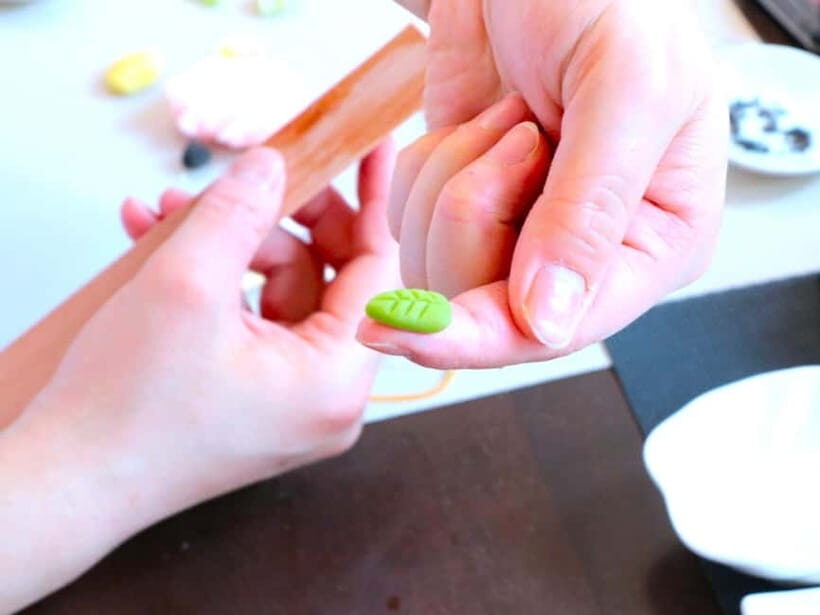
- Nerikiri wagashi making using mochi flour and colored dough like clay
- A chair-based tea room, served with confection first and then real matcha
- Conversation as part of the ceremony, so your questions help shape the experience
Quieter hours: more tea rooms and ceremonies
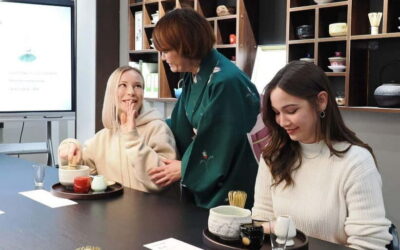
- Tokyo: Traditional Tea Ceremony with a Tea Master★ 5.0 · 528 reviews
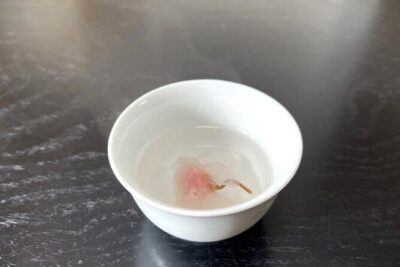
- Tea Ceremony Workshop in Tokyo by the Experienced Instrucor★ 5.0 · 189 reviews
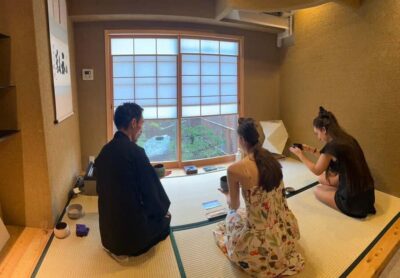
- Tea Ceremony Experience in a Private Tea Room in Shibuya★ 4.9 · 125 reviews
Why This Tea Ceremony Feels Different Than a Generic Class
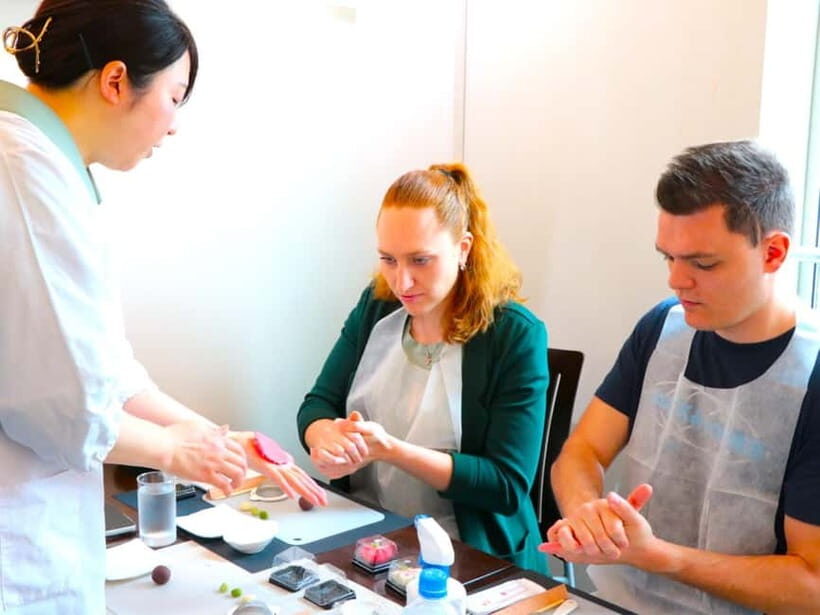
Most tea ceremony experiences feel the same: you watch a few steps, sit down, and move on. This one changes the whole mood because it happens in a century-old antique tableware shop that you start by exploring. Think of it as a quiet workshop with a living collection of objects around you.
And yes, this shop has real attention beyond the local crowd. The place was interviewed by CNN, which is a nice hint that you’re not dealing with a cookie-cutter setup. The vibe you’re paying for is the atmosphere plus the craft.
The best part is that the experience is designed to be friendly for foreign visitors. You still get the serious cultural practice, but the flow is guided enough that you can relax rather than try to “perform” correctness.
Start by Walking the Antiques First
When you arrive, you’re asked to take your time and look at the antique tableware. That may sound like a small detail, but it sets your brain into the right mode. Instead of feeling like you’re being herded, you feel like you’re stepping into someone’s work space and taste.
This is also where the program’s theme comes through: tea is not just a drink. It’s the cup, the objects, the season, and the care. Before you even touch your wagashi materials, you’re seeing the kind of craftsmanship that makes Japanese table culture feel personal.
If you love antiques, you might spot pieces you want to buy. The experience doesn’t include purchases, but the shop is open to sales if you want to add something physical to your trip memory.
Nerikiri Wagashi: Colorful, Seasonal, and Way More Fun Than It Sounds
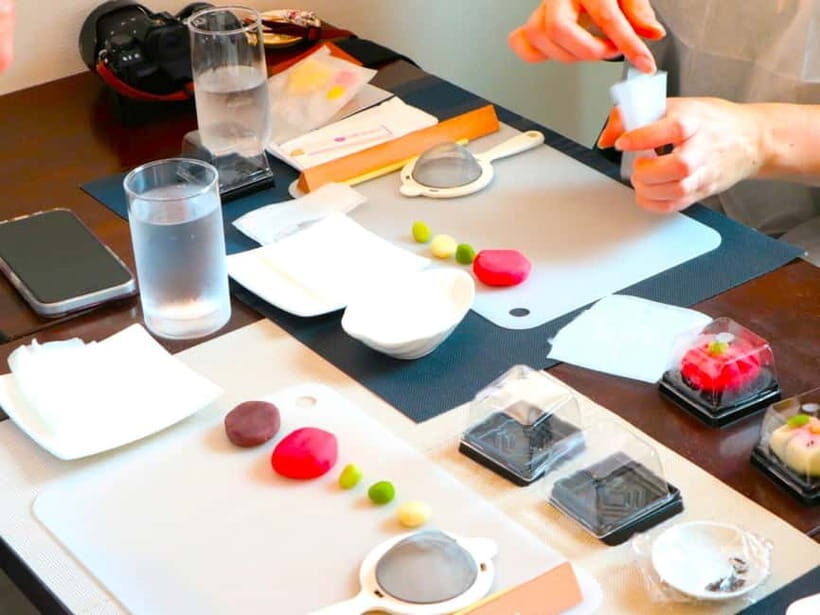
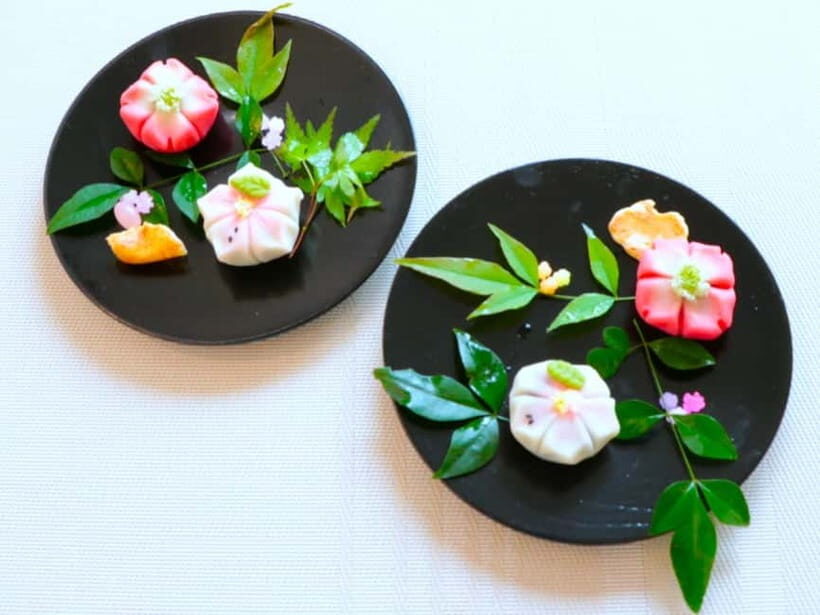
The sweets part is called Nerikiri, a type of wagashi made from mochi flour. Your job is shaping colored materials by hand into a day’s theme figure, using tools to add lines so the design looks right.
If you worry you’re not “crafty,” don’t. The guidance is careful, and the shaping is described as easy and fun, like colorful clay work. That matters because Nerikiri is detail-heavy by nature, so you want a teacher who can slow you down when your hands need a second.
Here’s what I like about this approach for travelers: you don’t need a cooking background or artistic training. You’re doing guided hand-shaping, and you get immediate feedback through the process. You finish with something you made, not just something you watched.
Also, the seasonal element is not vague. The instruction focuses on portraying the seasonal beauty of Japan, which gives your sweets a purpose beyond being cute. That’s one of those subtle things that makes the workshop feel “real,” not like a souvenir factory.
The Tea Room Setup: Sitting, Not Scrambling
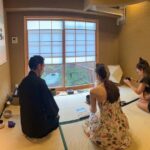
After wagashi making, you move to a dedicated tea room for the tea ceremony. The tea room is designed for you to experience it while sitting in a chair. That’s a practical comfort detail, especially if you’ve ever done the more physically demanding versions of tea ceremony seating.
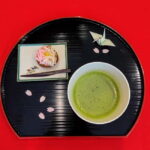
Your host serves confection first, and then you’ll get real matcha that is not sweet. This matters because matcha in Japan often carries a more serious flavor profile than the sweet versions you might be used to. Plan to sip slowly and taste it, not gulp it.
The ceremony also includes conversation. You’ll be encouraged to ask questions, and the instruction makes it clear that discussion helps enrich the tea ceremony. In other words, this isn’t just a performance you watch. It’s something you participate in with your attention and curiosity.
Worth weighing up alongside this Tokyo pick:



Choosing Your Teacup (And Why That Part Feels Special)
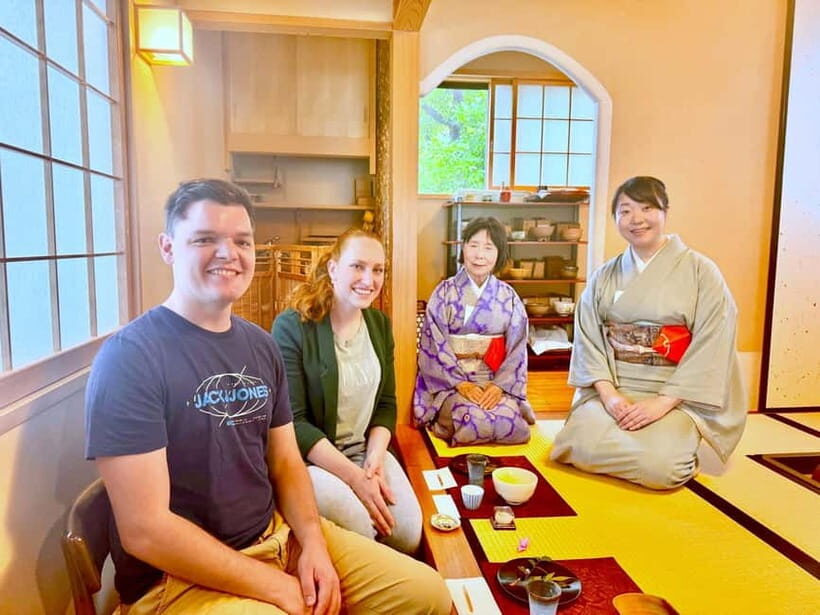
Before or during the ceremony, you get to choose the teacups you’ll use. The program notes that some cups are several hundred years old, which is a big deal if you’ve only ever thought of tea cups as decorative.
This is the kind of detail that turns a cultural activity into a more personal experience. Holding an old cup changes how you sit, how you pour attention into the moment, and how you value what you’re about to taste. You’re not just eating and drinking; you’re handling an object tied to craft and time.
If you like photo moments, this is where you’ll feel that pull. Just keep it respectful. The whole point is calm focus, not turning the ceremony into a spectacle.
Matcha and Wagashi Pairing: A Simple Lesson in Balance
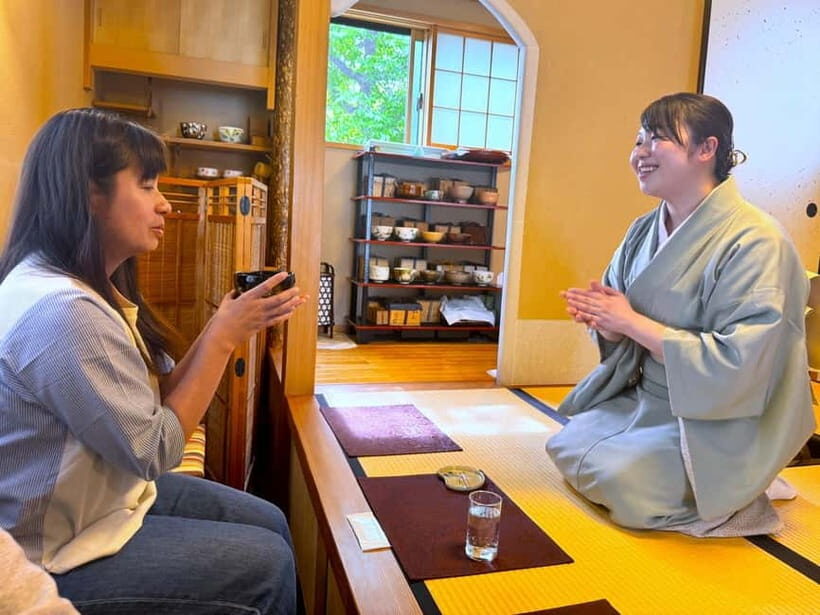
You made the wagashi, so you already understand the theme and effort behind it. Then you’re served sweets and matcha in a sequence that makes tasting feel logical: first you get the sweet confection, then you taste the matcha.
Because the matcha is described as real and not sweet, you get a balance you can actually notice. Wagashi is about texture, shape, and season. Matcha is about bitterness and depth. Together, they create a contrast that makes each bite and sip feel intentional.
And yes, the experience includes what you need: matcha powder and wagashi materials are part of the included cost. So you’re not stuck with a hidden “materials cost” surprise later.
Price and Value: What $57 Buys You Here
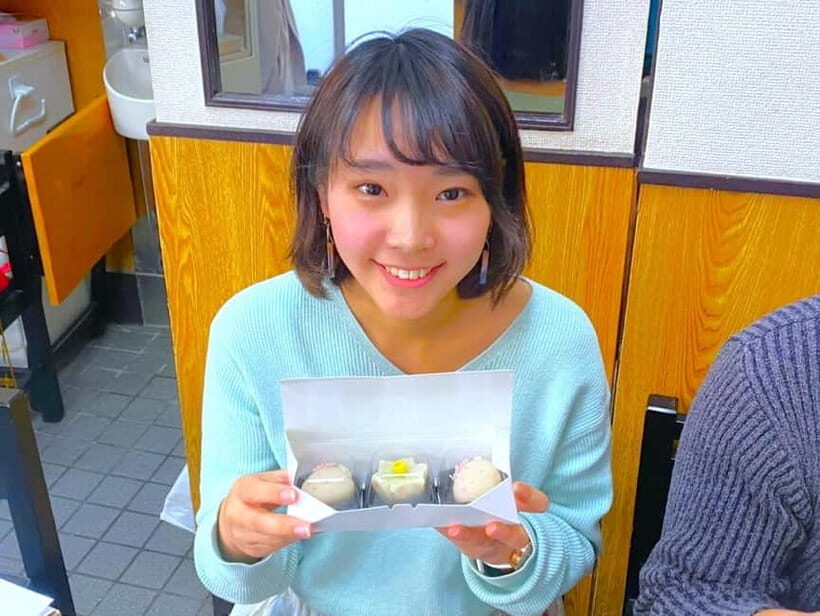
At about $57 per person, you’re paying for more than one activity. The fee covers the experience itself plus facility usage, tool usage, matcha and wagashi materials, and consumption tax.
That’s good value because you’re not just watching someone do it. You’re using tools, shaping sweets by hand, and then taking part in tea service in a specific tea room setup. You’re also getting the cup choice element, tied to antique tableware, which is a rare feature in many basic classes.
If you compare this to doing a generic sweets workshop plus a separate tea ceremony somewhere else, this one bundles the craft steps together in a single flow. For many people, that means less hopping around and a more coherent story for the day.
Conversation With the Artisan Host: How to Make It Work in English
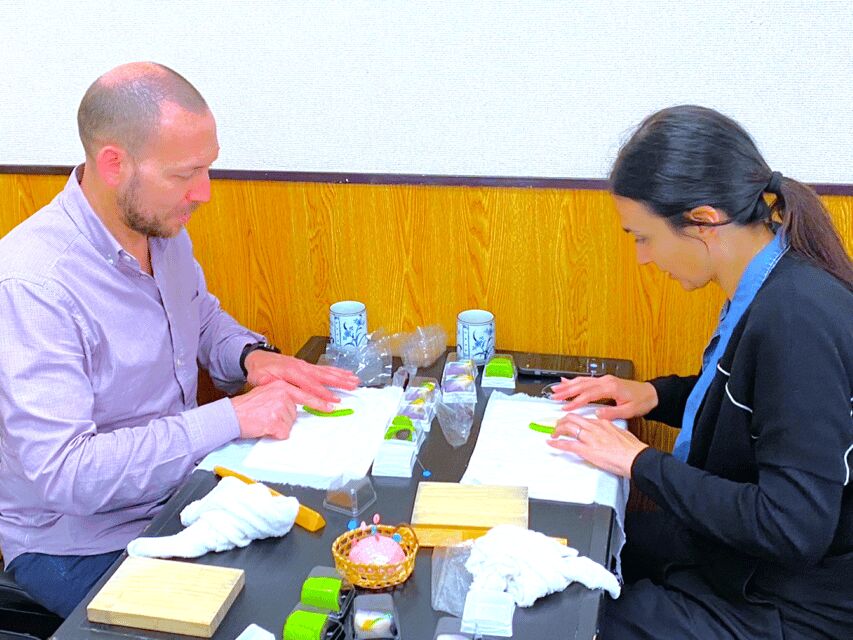
The program clearly warns you that the host is an artisan and may not speak English well. That’s not a problem—just set your expectations. The provided guide will do their best to help you enjoy the session.
To get the most from it, come ready with simple, direct questions. Ask about the tea steps, the day’s seasonal theme, or what makes Nerikiri shaping different from other wagashi types. If you get nervous, don’t. Even small questions help build the conversation the experience is designed to have.
I also like that the experience treats this as part of the ceremony, not an awkward add-on. The more you ask, the more the tea ceremony gets enriched.
Practical Details That Matter on Arrival
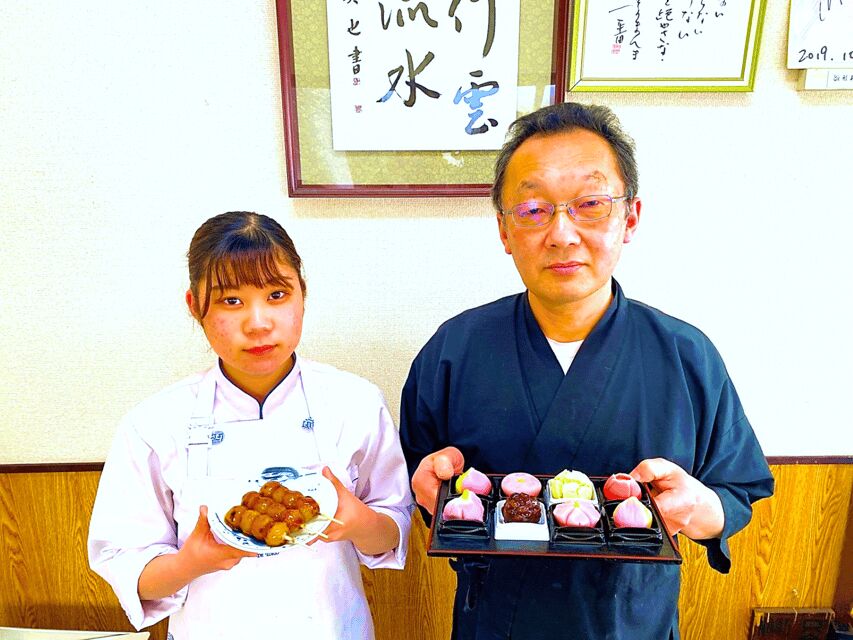
This workshop starts near Nippori Station, about 10 minutes away. You get the full location details after you reserve, so expect a message with the exact meeting point.
Timing is strict. Even if you’re late, the program ends as scheduled time. So if you’re combining it with Tokyo sightseeing, build in a buffer. In Tokyo, trains are reliable, but walking time and transfers can still steal minutes.
One more thing that surprises people: if you want to enter the venue without participating, there is still a required fee. So assume you’re either in the experience flow or you need to pay to be admitted without doing the activity.
Who This Is Best For (And Who Should Skip It)
This is not an activity for everyone, and that’s okay. The minimum age is 13 years old, and anyone under 18 must be accompanied by an adult.
It’s also not suitable for wheelchair users, people with vertigo, people with epilepsy, or people with a cold. The restrictions also mention no smoking, no intoxication, no drugs, no chewing gum, and no bare feet. Baby strollers and baby carriages are not allowed.
If you’re traveling with small kids, you’ll likely need to sit this one out. The experience is designed for older participants who can follow a calm, steady process and respect the setting.
Who it fits well:
- You love Japanese craft and small rituals
- You want a tea ceremony that feels less touristy and more grounded
- You’re comfortable asking questions, even with limited shared language
- You enjoy antiques and tableware culture
What the Experience Feels Like From Start to Finish
From the moment you arrive, the focus is on calm, hands-on learning. You look at old tableware, shape your Nerikiri sweets, then shift gears into tea service with real matcha.
The pacing is important. Wagashi first means your hands are busy, so you learn through doing. Tea second means you can slow down, ask questions, and taste what you made and what you’re served.
That structure is a big reason people rate this experience highly. It’s not just a “watch and leave” situation. It’s a complete loop of craft, tasting, and conversation, held inside a space that already feels like a story.
Should You Book This Antique Tableware Tea and Wagashi Workshop?
I think you should book it if you want a tea ceremony that feels tied to objects, season, and real participation. The combination of teacup choice, guided Nerikiri shaping, and a chair-based tea room makes it both special and practical.
Skip it if you need wheelchair accessibility, have vertigo or epilepsy, or you’re traveling with someone under 13. Also skip if you’re looking for a loud, fast-paced activity. This works best when you’re okay with a slow, thoughtful pace.
If you’re the type who likes learning cultural details through your hands and your questions, this is a strong pick near Nippori.
FAQ
What’s the meeting point like, and how far is it from Nippori Station?
The meeting point is approximately 10 minutes from Nippori Station. Detailed location information is provided after you make a reservation.
How much does it cost, and what’s included?
The price is listed as $57 per person and includes the experience fee, facility and tool usage fees, matcha and wagashi materials, and consumption tax.
What is Nerikiri, and what do I make?
Nerikiri is a type of wagashi made using mochi flour. You form colored materials by hand to create a themed figure, then you add lines with tools to match the design.
Do I get to choose my teacup for the tea ceremony?
Yes. You can choose the teacups you use, and some of them are several hundred years old.
Is this experience offered in English?
Yes. The experience is offered in English, with support as needed since the host may not speak English fluently.
Is it suitable for wheelchair users or people with vertigo?
No. It is not suitable for wheelchair users, and it is also not suitable for people with vertigo.
How far in advance can I cancel for a refund?
You can cancel up to 7 days in advance for a full refund.
More Dessert Tours in Tokyo

More Tour Reviews in Tokyo






More Tea Rooms Worth Booking


Fresh reviews from around Tokyo






Tea Ceremony Experiences, compared.
 ★ 5.0Traditional Tea Ceremony with a Tea MasterFrom $38528 reviews
 ★ 5.0Tea Ceremony Workshop in Tokyo by the Experienced InstrucorFrom $38189 reviews
 ★ 4.9Tea Ceremony Experience in a Private Tea Room in ShibuyaFrom $30125 reviews
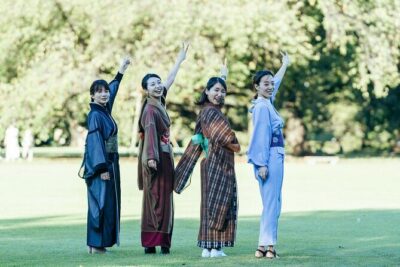 ★ 5.0Matcha Kimono Tea Ceremony in TokyoFrom $59104 reviews
 ★ 4.9Tea ceremony experience in Japanese-style room 60minFrom $4586 reviews
 ★ 5.0Casual Japanese Tea Ceremony ExperienceFrom $2574 reviews
 ★ 5.0Shibuya Authentic Tea Ceremony with experienced instructorFrom $2554 reviews
 ★ 4.9Tea Ceremony Experience in a small tea roomFrom $5153 reviews
Browse the lists this tour appears in