
Reviewed · MT FUJI DAY TRIPS
4 Day Tour – Mount. Fuji, Tokyo, Hakone, Kamakura and Yokohama
Four days, a lot of Japan. What makes this tour work is the air-conditioned private car plus an English-speaking driver who keeps your route smooth so you are not spending your limited time fighting train transfers.
I like the no-hassle convenience of a private vehicle for long hops between Tokyo, the Fuji area, Hakone, and the coast. I also like how the driver helps you understand what you are seeing (temples, shrines, viewpoints) instead of just dropping you at a crowd and wishing you luck. One thing to plan for: accommodation and some attraction admissions are not included, so your total costs depend on what you choose to pay for.
In This Review
- Quick takeaways before you go
- Why a private-car Tokyo-Fuji tour saves your energy
- Day 1 in Tokyo: Tsukiji to Shibuya without the transfer headaches
- Tsukiji Fish Market (45 minutes)
- Senso-ji in Asakusa (1 hour)
- Tokyo Skytree viewpoint (1 hour, paid)
- Imperial Palace East Garden (45 minutes)
- Akihabara, Meiji Jingu, and Harajuku (shopping and culture in one sweep)
- Shibuya Crossing and Tokyo Tower (photo-stop mode)
- Optional add-ons if time allows
- Day 2: Kamakura temples, plus Yokohama Chinatown and gardens
- Bamboo Temple Hōkoku-ji (1 hour, paid)
- Hase-dera’s Kannon statue (45 minutes, paid)
- Kotoku-in Great Buddha (30 minutes, paid)
- Tsurugaoka Hachimangu Shrine (1 hour, paid)
- Komachidori (1.5 hours)
- Yokohama Chinatown (1 hour, free)
- Sankeien Gardens (1 hour, paid)
- Minatomirai if time permits (30 minutes, free)
- Day 3 around Mt. Fuji: Oshino Hakkai, Kawaguchiko, and viewpoints on purpose
- Oshino Hakkai: eight springs from Fuji water (30 minutes, free)
- Chureito Pagoda (30 minutes, free)
- Lake Kawaguchiko (30 minutes, free)
- Mt. Fuji Panoramic Ropeway (1 hour, paid)
- Oishi Park (30 minutes, free)
- Saiko Iyashi no Sato Nemba (30 minutes, paid)
- Arakura Fuji Sengen Shrine (30 minutes, free)
- Mt. Fuji 5th station (2 hours, paid)
- Gotemba Premium Outlets (2 hours, free)
- Day 4 in Hakone: tea house pause, lake views, and Owakudani sulfur power
- Amazake-chaya Tea House (first stop)
- Hakone Shrine / Kuzuryu Shrine (1 hour, paid)
- Lake Ashi (1 hour, paid)
- Hakone Ropeway (1 hour, paid)
- Owakudani Valley and Kuro Tamago (1 hour, free)
- Gora Park (30 minutes, paid)
- Hakone Open-Air Museum (1 hour, paid)
- Price and value for a private group of up to five
- What you get ticket-wise, and what you need to decide yourself
- Who this tour suits best (and who might feel the pace)
- Should you book this private 4-day Mt. Fuji and Tokyo-region tour?
- FAQ
- How many people can join this private tour?
- What is the meeting time?
- Is accommodation included?
- Do I need to buy tickets for attractions?
- Is there pickup?
- Is this a guided tour?
- Where does the tour take place?
- How long is the tour each day?
- What if the weather is poor?
- Is cancellation free?
Quick takeaways before you go
- Private-car comfort: less transit stress, more time for sights.
- English-speaking driver guidance: you get context, not just directions.
- A smart mix of free stops and optional paid experiences: you can flex day by day.
- Fuji viewing strategy: multiple classic photo spots around Lake Kawaguchiko and Oshino.
- Hakone beyond the basics: shrine, crater lake, Owakudani sulfur valley, and an outdoor sculpture museum.
- Driver care in practice: past guests highlighted guides like Armad (day 1) and David (days 2–4) for thoughtful pacing and photo-friendly help.
Other routes to the mountain, compared
- Mt Fuji & Hakone Cruise, Drum Show Bullet Train 1 Day from Tokyo★ 4.0 · 7,413 reviews
- Tokyo Mt Fuji 5th St & Hakone Cruise Bus Tour w/Bullet Train★ 4.4 · 5,024 reviews
- From Tokyo: Mount Fuji Full-Day Sightseeing Trip★ 4.5 · 4,970 reviews
Why a private-car Tokyo-Fuji tour saves your energy
Tokyo is efficient, but it is also a lot. If you try to do Tokyo plus Mt. Fuji plus Hakone and Kamakura on trains, you will burn time and attention on transfers, station exits, and schedule puzzles.
This style of tour is built to prevent that. You ride in a comfortable air-conditioned private car, and you stay on a driver-managed flow. That means your day feels like a sequence of places, not a series of logistics problems. And because this is a private tour for your group (up to 5), you are not stuck waiting for a big group to regroup after every stop.
The other practical win: it is described as customizable. That matters when you know you want a specific vibe—food, temples, viewpoints, shopping, or a lighter pace.
Day 1 in Tokyo: Tsukiji to Shibuya without the transfer headaches
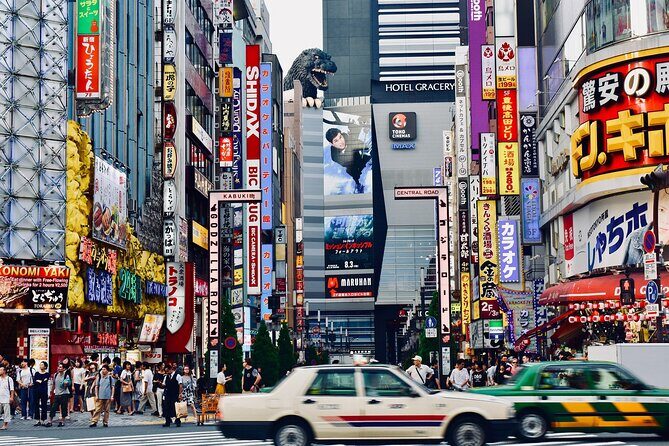
This is a big first day. The trick is that you start early (meeting at 8:00 am), then use the private car to keep momentum across some of Tokyo’s most famous neighborhoods.
Tsukiji Fish Market (45 minutes)
You kick off at Tsukiji Fish Market, described as the largest fish market in the world and now one of Tokyo’s most authentic-feeling tourist draws. Even if you are not a seafood superfan, it is worth the early look because you get that Tokyo energy—fast movement, strong smells, and a real sense of what the market culture is like.
Tip: bring cash and be ready for quick stops. You only have a short window.
Senso-ji in Asakusa (1 hour)
Next is Senso-ji, also known as Asakusa Kannon. It is the city’s oldest religious building and one of the most colorful and popular, with roughly 20 million annual visitors.
This is where Tokyo’s scale meets something timeless. You will walk through old-school atmosphere, then pop right back into modern city life later.
More Hakone loops, ropeways and lake crossings
Tokyo Skytree viewpoint (1 hour, paid)
Then comes height: Tokyo Skytree. The observation decks are on the 45th floor and offer views from about 202 meters above the ground. On a clear day, you can often see major landmarks nearby, including Meiji Jingu and Tokyo Tower.
Drawback: the admission here is not included, so you need to budget for it if you want the view.
Imperial Palace East Garden (45 minutes)
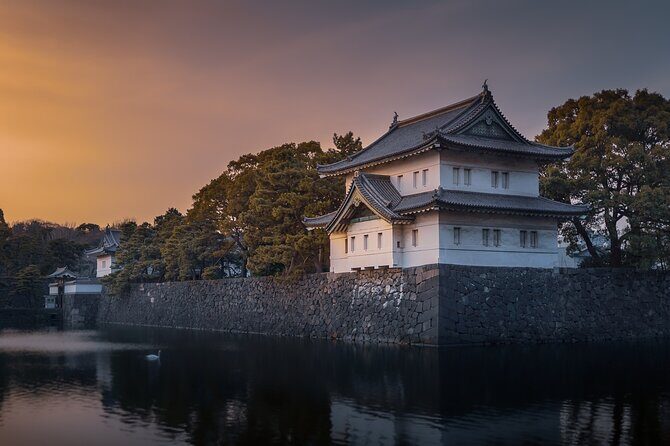
You also visit the Imperial Palace, focusing on the East Garden. Edo Castle used to be the seat of the Tokugawa shogun, so the palace area connects you to the older political heart of Japan. The tour notes that prior booking may be required, so it is best to treat this stop as one that needs planning rather than a spontaneous wander.
Akihabara, Meiji Jingu, and Harajuku (shopping and culture in one sweep)
After that, Tokyo turns fun and weird in the best way:
- Akihabara (30 minutes) for electronics and the manga/anime/videogame world. Even if you do not shop, it is a quick dose of a Tokyo subculture.
- Meiji Jingu (30 minutes): a Shinto shrine in a lush forest setting inside the city. It is a calm pause after the neon and signage.
- Takeshita Street (1 hour) in Harajuku: youth fashion and, yes, sweets. This is where you grab a crepe and people-watch.
Shibuya Crossing and Tokyo Tower (photo-stop mode)
Then you hit two “Tokyo is Tokyo” markers:
- Shibuya Crossing (20 minutes), described as the world’s busiest pedestrian crossing, sometimes with as many as 3,000 people crossing at once.
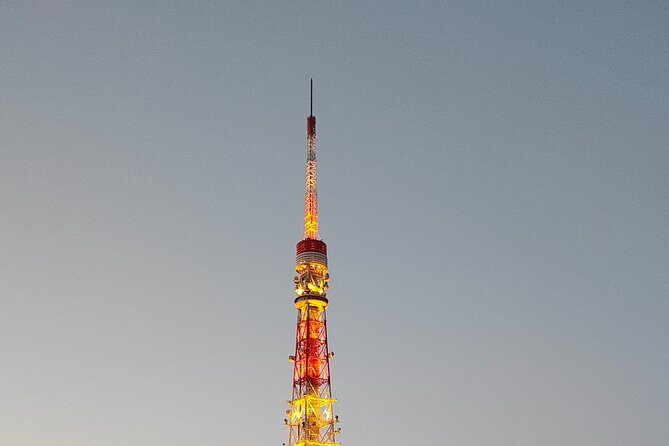
- Tokyo Tower (10 minutes): completed in 1958, modeled after the Eiffel Tower in design, and standing at 634 meters.
Optional add-ons if time allows
Two later stops are marked as possible only if your day has time:
- teamLab Planets TOKYO (paid): a walk-through experience with water and garden-like visuals.
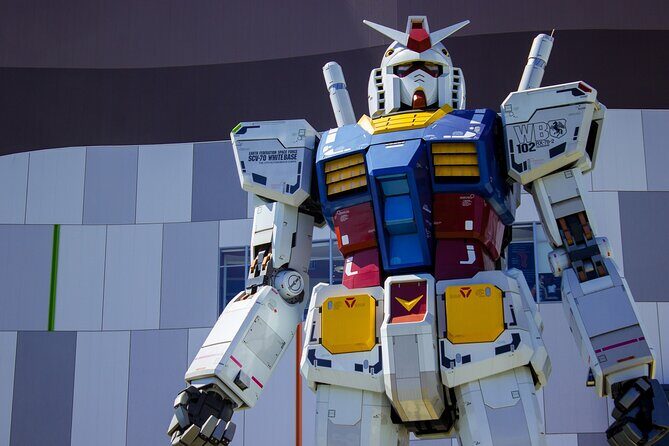
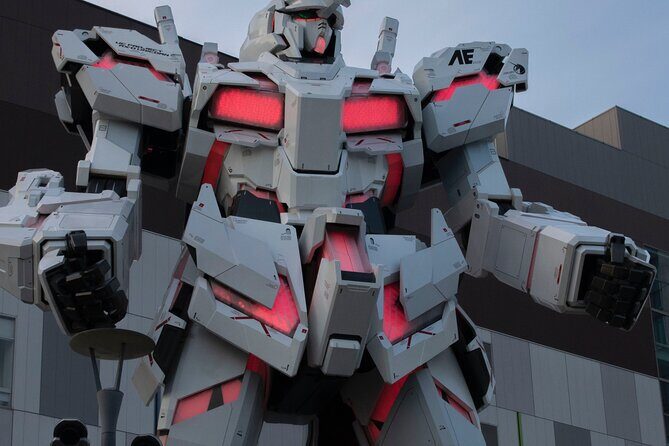
- Statue of Liberty (Odaiba area) (free): an 11-meter replica with a photo-op view of Rainbow Bridge in the background.
This is one reason I like the private format: you are not forced to choose one paid attraction days in advance. Your driver can adjust based on how the earlier stops went.
Day 2: Kamakura temples, plus Yokohama Chinatown and gardens
Day 2 is a change of pace: history, religion, and coastal-city vibes.
Bamboo Temple Hōkoku-ji (1 hour, paid)
You start in Kamakura at Hōkoku-ji, nicknamed the Bamboo Temple for its bamboo garden. The Rinzai Zen connection shows up in the feel: quieter, slower, more about atmosphere than spectacle.
Admission is not included, so again, factor extra tickets if you want the full experience.
Hase-dera’s Kannon statue (45 minutes, paid)
Next is Hase-dera, often called Hase-kannon. The big draw here is the massive wooden statue of Kannon. This is the kind of stop where the scale hits you when you see it in person.
Kotoku-in Great Buddha (30 minutes, paid)
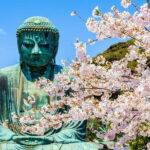
Then Kotoku-in, home to the Great Buddha of Kamakura. Short stop, strong payoff. You can see why this area is a repeat pilgrimage spot.
Tsurugaoka Hachimangu Shrine (1 hour, paid)
After the temples and Buddha, you go to Tsurugaoka Hachimangu Shrine, a cultural center for festivals and museums, plus ponds representing the Taira and Minamoto clans. This stop is helpful if you want more than pretty architecture; it gives context for how Kamakura’s clans and culture connect.
Komachidori (1.5 hours)
You then move to Kamakura Komachidori, a long pedestrian shopping street. It is good for souvenirs and snacks, and it gives you time to stop without the pressure of squeezing every minute.
Yokohama Chinatown (1 hour, free)
From Kamakura you head to Yokohama Chinatown. It is about 160 years old, with a historical population estimated around 3,000 to 4,000. The tour notes that only a few Chinese people live there today, with many residents from Guangzhou.
This is a great counterpoint to all the Japanese shrine stops. It also makes a practical meal break: you can pick your own pace and food.
Sankeien Gardens (1 hour, paid)
Then you get nature and traditional design in Sankei-en Gardens. It opened in 1906, and it was designed and built by Tomitaro Hara, known as Sankei Hara, a silk trader.
If you are temple-weary, this is a gentler kind of “Japan you can walk through.”
Minatomirai if time permits (30 minutes, free)
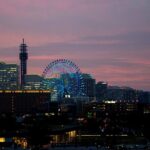
Finally, Minatomirai is an optional add-on. It is the waterfront area with a modern, futuristic vibe and a high-rise observation deck area, plus Landmark Tower and Plaza shopping/boutiques. If you want a clean end to the day with skyline views, it is a nice fit.
Day 3 around Mt. Fuji: Oshino Hakkai, Kawaguchiko, and viewpoints on purpose
This is your Fuji day. The key thing with Mt. Fuji is simple: visibility depends on weather. So it helps that this route stacks multiple viewpoint chances instead of betting everything on one photo spot.
Oshino Hakkai: eight springs from Fuji water (30 minutes, free)
You start at Oshino Hakkai, the eight springs in Oshino. The tour explains these springs form when aquifer water from Mt. Fuji comes to the surface. This makes the stop feel more grounded than a random roadside view: it is about water, geology, and a protected natural monument status.
Chureito Pagoda (30 minutes, free)
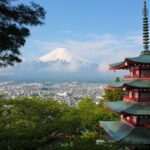
Next: Chureito Pagoda, a famous five-storied pagoda. It is tied to Japan’s most recognizable Fuji-and-pagoda landscape. It also serves as a memorial connected to the First Sino-Japanese War in 1868.
This is one of those spots that looks good in every season. It also works well as a quick reset between longer viewpoints.
Lake Kawaguchiko (30 minutes, free)
Then you reach Lake Kawaguchiko, the most easily accessible of the Fuji Five Lakes. It is known as a hot spring resort town with views and tourist attractions. It is also your practical hub for the rest of the day.
Mt. Fuji Panoramic Ropeway (1 hour, paid)
If you want more elevation without committing to a hike, the Mt. Fuji Panoramic Ropeway climbs 400 meters from the lake’s eastern shore to an observation deck near Mt. Tenjo. The ride is not just for views—it saves your legs for the rest of the itinerary.
Oishi Park (30 minutes, free)
You then go to Oishi Park, one of the best view spots in the area. The described composition is classic: Mt. Fuji in the background, Kawaguchiko in the mid-ground, and lavender in the foreground.
Even if lavender is not in season, you still get the layered view approach—Fuji, lake, and foreground.
Saiko Iyashi no Sato Nemba (30 minutes, paid)
After that is Saiko Iyashi no Sato Nemba, a recreated old Japanese village with thatched-roof buildings. It is the kind of place where you can slow down and understand how people used to live around mountain regions.
Admission is not included, so only plan to do it if you feel like stepping into that history vibe.
Arakura Fuji Sengen Shrine (30 minutes, free)
Then comes Arakura Fuji Sengen Shrine, set on the mountainside with a panoramic look toward the city and Mt. Fuji. The tour notes it is popular for cherry blossoms in spring and that people also hike here.
If you like scenic walks, this is a good one to keep.
Mt. Fuji 5th station (2 hours, paid)
You end the Fuji set at the 5th station. This is where many hikers start their climb, and it gives you the atmosphere of the mountain as a symbol. The time allotment is longer here (about two hours), which is helpful because weather changes and you may want more than one photo moment.
Gotemba Premium Outlets (2 hours, free)
You finish with Gotemba Premium Outlets for shopping time. The tour also notes Gotemba’s link to premium green tea grown near the base of Mt. Fuji, plus Shizuoka’s horseradish connection and the area’s shopping options.
This is a good place to buy something small as a souvenir before returning to your lodging.
Day 4 in Hakone: tea house pause, lake views, and Owakudani sulfur power
Hakone is where the tour shifts from city energy to mountain steam.
Amazake-chaya Tea House (first stop)
The day begins with Amazake-chaya Tea House, founded 400 years ago. It is described as a relaxing rest stop where visitors can have amazake, sweet rice wine made with a recipe that has stayed unchanged since the tea house opened.
Practical value: this is a built-in reset before the more active sightseeing.
Hakone Shrine / Kuzuryu Shrine (1 hour, paid)
Then you visit Hakone Shrine / Kuzuryu Shrine at the foot of Mount Hakone along the shores of Lake Ashi. The buildings are described as hidden in dense forest, which gives a more tucked-away feeling than Tokyo shrine visits.
Lake Ashi (1 hour, paid)
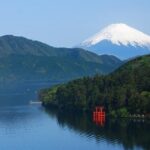
Next is Lake Ashinoko, a crater lake formed after Mount Hakone’s last eruption about 3,000 years ago. This stop is less about selfies and more about taking in the caldera setting—water holding the memory of volcanic forces.
Hakone Ropeway (1 hour, paid)
You then ride the Hakone Ropeway, which operates as a funitel line linking Sounzan and Togendai via Owakudani. It is one of the easiest ways to get big views without walking steep slopes all day.
Owakudani Valley and Kuro Tamago (1 hour, free)
Now the star: Owakudani Valley. This is a volcanic area known for sulfur springs, plus the famous Kuro Tamago (black eggs). Even if you just look around, you will feel how different this landscape is from the earlier gardens and temples.
Gora Park (30 minutes, paid)
Then you go to Gora Park, a Western-style hillside botanical garden with a tea house, greenhouses, and a central fountain. This gives you a more gentle walk and breaks up the volcanic intensity.
Hakone Open-Air Museum (1 hour, paid)
Finally, the Hakone Open-Air Museum: an outdoor sculpture gallery across 70,000 square meters. The open-air format pairs well with Hakone’s views, since you are not stuck indoors staring at walls.
If you like art but hate museum fatigue, the outdoor space helps.
Price and value for a private group of up to five
The price is $3,000 per group (up to 5). That is not cheap if you travel solo. But it can become reasonable if you split the cost among friends or family.
Here is the simple math:
- If you fill the car with 5 people, you are paying about $600 per person for four days of private driving plus a full sightseeing plan across Tokyo, Fuji area, Hakone, Kamakura, and Yokohama.
- If you have fewer people, it climbs fast, and then you may want to compare against what you would spend on taxis plus multiple train passes plus the time cost of transfers.
What you should mentally separate:
- Included: private air-conditioned car, English-speaking driver, and access to the free sights on the list.
- Not included (based on the tour details): accommodation, and many attractions labeled as admission ticket not included like Skytree, teamLab Planets, major Hakone rides, ropeways, and the paid temple/shrine entries.
One more value point: the tour is booked well in advance (on average 243 days). That tells me it is popular with planners who want the route locked.
What you get ticket-wise, and what you need to decide yourself
This tour uses mobile tickets, and it offers pickup. That is helpful because Tokyo stations can be a maze.
You will also see a lot of stops marked free and some marked paid. So your best strategy is simple: decide your must-pay items early—usually the big paid viewpoints, museum-like stops, and any ride that saves a long walk.
Accommodation is not included, which is actually a plus for people who already know their preferred hotel style. It also keeps the tour flexible, since you can choose lodging that matches your budget in each area.
Also note: this is described as not a guided tour, but a guide can be arranged on request for an additional cost. If you want more narration depth than an English driver typically provides, ask about the guide option when booking.
Who this tour suits best (and who might feel the pace)
This tour is ideal if you:
- Have a short window in Japan and want Tokyo plus Fuji plus Hakone plus Kamakura plus Yokohama without a train marathons.
- Prefer comfort and speed over independent route-finding.
- Like structure, but still want some customization from an English-speaking driver.
It may feel less ideal if you:
- Want a slow travel style with long unplanned gaps.
- Do not want to pay for additional admissions/ride tickets on top of the tour fee.
- Are traveling only as one person and cannot split the group cost.
Should you book this private 4-day Mt. Fuji and Tokyo-region tour?
If you want the highlights across five major regions with minimal transit pain, this is a strong choice. The private-car setup plus English-speaking driving is the engine that makes the schedule feel doable. And based on guide feedback you may hear (including drivers like Armad and David), the strongest moments come from the human side: smart stop timing, convenient photo moments, and a driver who helps you feel at ease.
Book it if your priority is time efficiency + comfort + a well-built route. Consider skipping or customizing expectations if you are trying to travel ultra-budget or you hate paying extra for paid attractions.
FAQ
How many people can join this private tour?
It is a private tour/activity for your group, with pricing listed for up to 5 people. A group of more than 5 can be facilitated at an additional cost.
What is the meeting time?
The start time is listed as 8:00 am.
Is accommodation included?
No. Accommodation isn’t included, so you choose where to stay in each area.
Do I need to buy tickets for attractions?
Some stops are listed as admission ticket free, while others are marked as admission ticket not included. You should expect to pay separately for any attraction marked not included.
Is there pickup?
Yes, pickup is offered.
Is this a guided tour?
This is described as not a guided tour, but a guide can be arranged on request for an additional cost.
Where does the tour take place?
It is centered in Tokyo, Japan, and covers Tokyo plus the Mt. Fuji area, Hakone, Kamakura, and Yokohama.
How long is the tour each day?
The duration is listed as approx 10 hours including commuting time.
What if the weather is poor?
The tour requires good weather. If it is canceled due to poor weather, you are offered a different date or a full refund.
Is cancellation free?
Cancellation is listed as free. You can cancel up to 24 hours in advance for a full refund.
More Days by the Great Buddha
Hakone, Three More Ways


The Fuji Shortlist: Other Days Out to the Mountain

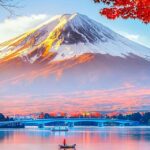
Fresh reviews from around Tokyo






Mt Fuji Day Trips, compared.
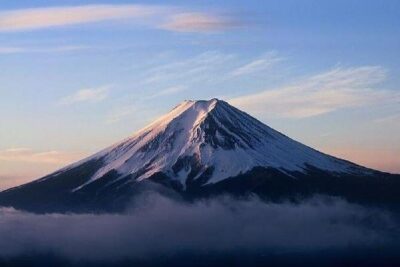 ★ 4.0Mt Fuji & Hakone Cruise, Drum Show Bullet Train 1 Day from TokyoFrom $1497,413 reviews
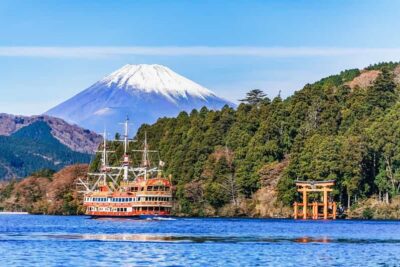 ★ 4.4Tokyo Mt Fuji 5th St & Hakone Cruise Bus Tour w/Bullet TrainFrom $1545,024 reviews
 ★ 4.5From Tokyo: Mount Fuji Full-Day Sightseeing TripFrom $684,970 reviews
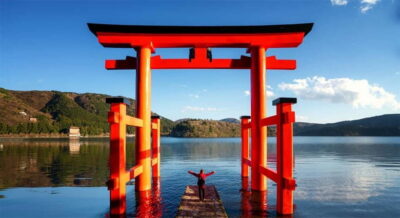 ★ 4.7Mt. Fuji Tour, Hakone Ropeway, Owakudani, Lake AshiFrom $544,002 reviews
 ★ 5.0Private Tour to Mt. Fuji and Hakone (Fully Licenced Operator)From $4971,910 reviews
 ★ 4.9Mount Fuji Full-Day Private Tour from Tokyo (Customizable)From $3931,470 reviews
 ★ 4.0Mt Fuji & Hakone Cruise, Drum Show Bus 1 Day from TokyoFrom $1221,287 reviews
 ★ 4.2From Tokyo: Mt. Fuji & Hakone Tour w/ Return by Bullet TrainFrom $1171,278 reviews
Browse the lists this tour appears in