
Reviewed · HAKONE DAY TRIPS
Hike Japan Heritage Hakone Hachiri (Half Day)
Old highway paths feel personal.
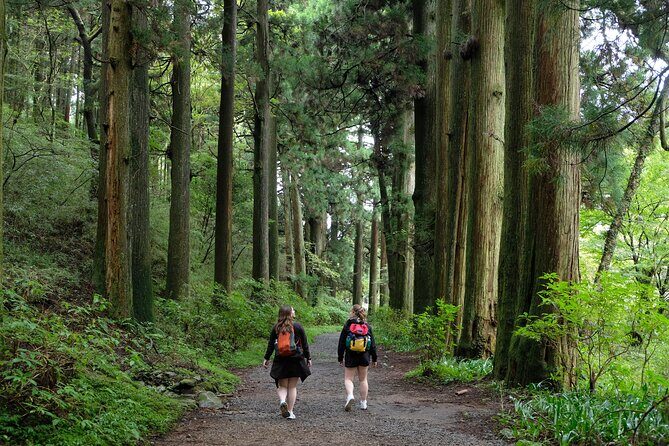
This half-day hike threads Hakone Hachiri along a section of the old Tokaido route, with a mix of cobbled segments and quieter forest trails. I like that you get some stretches that feel off-the-beaten-track, which means the hike doesn’t turn into a shuffle. One watch-out: parts are on uneven ground and it’s more “walk and pay attention” than “stroll and scroll.”
What makes it really click is the pacing and the story stops. I like the certified National Mountain Guide style of guiding, where the walk is tied to what this route meant over time. And the 400-year teahouse amasake break is the kind of stop that turns calories into context, not just a snack.
The main consideration is practical: the experience depends on good weather, and you should have moderate hiking fitness for 2–3 hours on mixed terrain. Also, the steepest stretch is skipped by bus, which is great for most people, but if you’re chasing every last meter on foot, plan your expectations.
In This Review
- Key highlights you’ll care about
- Why Hakone Hachiri feels like more than a hike
- Price and time: what you’re paying for (and what to expect)
- Meeting at Hakone-Yumoto and finishing near Motohakone
- The route feel: cobbles, forests, and staying on the old road
- Stop 1: Hatajuku craft village and the gentle shift to the teahouse
- Stop 2: A 400-year teahouse amasake break
- Stop 3: The Hakone checkpoint—why this place mattered
- Stop 4: Lake Ashinoko and a Mt. Fuji photo try
- What to wear and how to pace this half-day hike
- Who this tour suits best (and who should pick something else)
- The real value: certified guiding plus meaningful stops
- Should you book this Hakone Hachiri hike?
- FAQ
- How long is the Hakone Hachiri hike?
- Where do you start and where do you finish?
- What route will we hike?
- Is the hike strenuous?
- Are there stops along the way?
- Is the amasake included?
- Is admission included for the stops?
- How much extra transportation should I budget?
- What’s the group size?
- What happens if the weather is bad?
Key highlights you’ll care about
- Old Tokaido cobblestones: preserved stonework gives you that real “road built to last” feel.
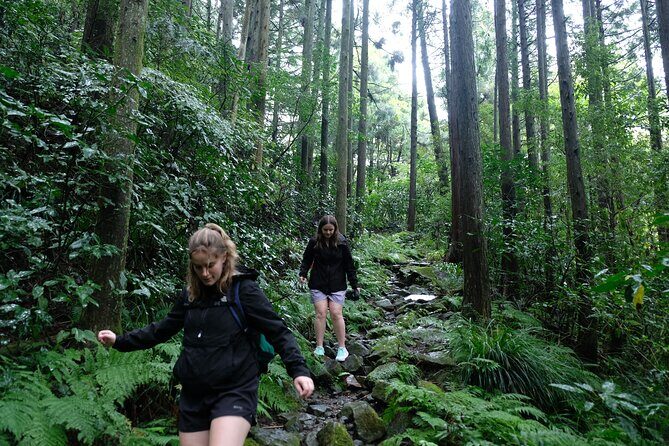
- Forest time that actually feels quiet: some of the best sections run away from the crowds.
- A guide who connects the route to Edo-era travel: you’ll understand why Hakone mattered.
- A stop with a 400-year story: amasake at a long-running teahouse is a satisfying pause.
- Lake Ashinoko at the end: weather permitting, you can try for Mt. Fuji across the water.
- Small group size (up to 6): you’ll move like a team, not a conga line.
Why Hakone Hachiri feels like more than a hike
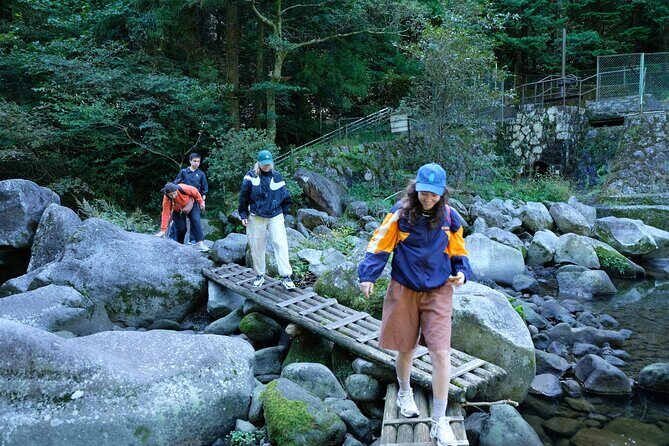
Hakone is famous for views, hot springs, and convenience. This hike gives you something different: a walk along the older spine of the region, the old road that once helped connect big cities and travelers moving through Japan. Instead of rushing between photo spots, you move step by step through the kinds of terrain people used long before trains and tour buses.
The route is designed around variety. You get a real mix: cobbled sections that show the craftsmanship of older road building, plus forest paths that feel calmer and more private. That combination is why this feels like a regional walk, not just outdoor exercise.
And then there’s the human part: the guide doesn’t only point out scenery. You learn what you’re walking on and why Hakone showed up as a significant checkpoint in history. It turns the trail into a living timeline, even during the easier stretches.
Price and time: what you’re paying for (and what to expect)
At $114.95 per person for about 4 hours, the value is mostly in the guiding and access to the route experience. Your hike includes a certified National Mountain Guide and uses a structured half-day plan so you can get back to your next stop around 1 pm.
You should budget a bit more for on-the-ground transport details that are not included:
- Shared taxi to the trailhead: 2,000 yen total, split among the group
- Bus fee to the teahouse: under 400 yen
So the all-in cost depends on how the split works with your group size, but you’re still usually looking at a manageable add-on rather than a big surprise.
One more practical note: this is typically booked about 59 days in advance. That’s a sign it sells out, especially on pleasant-weather days when Lake Ashinoko views are more likely to cooperate. If you’re traveling during peak periods, don’t wait for a last-minute “maybe.”
Meeting at Hakone-Yumoto and finishing near Motohakone
You start at Hakone-Yumoto Station at 9:00 am. Getting going from a major rail hub is a big win. It means you can arrive on public transportation without a complicated pre-trip plan.
You’ll finish at Motohakone, which is convenient because it matches how Hakone sightseeing usually flows. From there, you can catch a bus or a ferry (pirate ship) to your next destination. The timing is built for that: you end early enough to keep your afternoon plan intact.
During the walk, your pace is guided, not random. The plan is built around walking time plus stops for village culture, the amasake break, a checkpoint explanation, and then the lake viewpoint. For most people, this feels like a good “half-day in motion” without turning into a full hiking ordeal.
The route feel: cobbles, forests, and staying on the old road
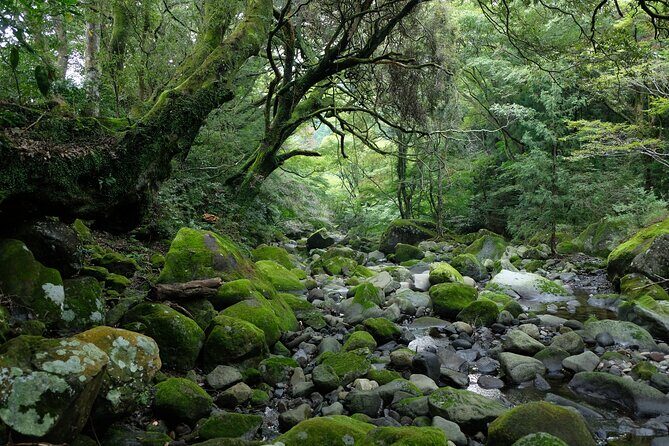
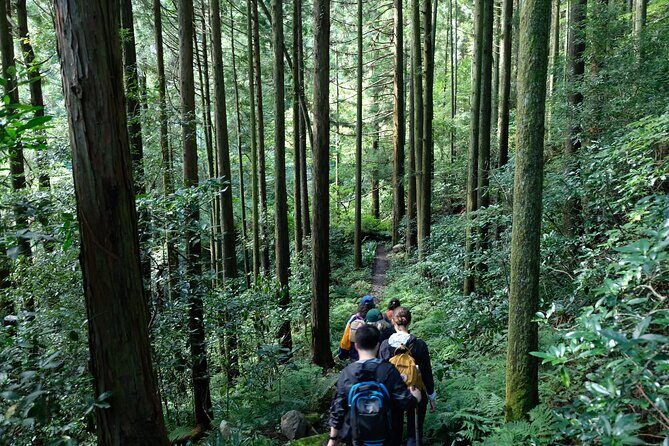
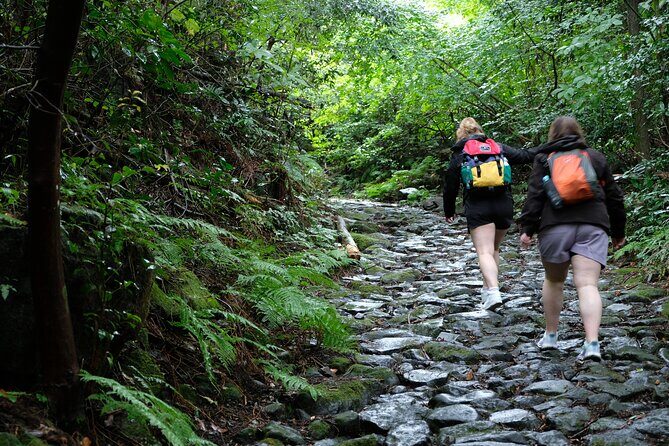
You’re hiking 2–3 hours along the old Tokaido highway segment between Hakone Yumoto and Lake Ashi. Some parts are cobbled; some parts run through forest trails. That mix matters because it changes how you move.
Cobbled paths are slower than you expect. Your feet need to find stable footing, and you’ll likely want to keep your gaze on the path now and then. The trade-off is that cobbles make the route feel authentic fast. You can literally see the road design meant for real travel, not casual walking.
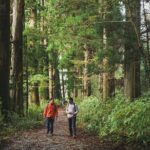
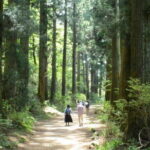
Forest trails are the mental reset. When the route goes into the woods, it often feels like you’re stepping into a quieter layer of Hakone. The plan also aims for stretches where you have the forest more to yourself, which is where the “off-the-beaten-track” feeling comes from.
A smart detail: the guide helps you skip the steepest portion by bus. That keeps the hike accessible for people with moderate fitness while still letting you enjoy the best preserved cobbled section and more primitive forest areas.
Stop 1: Hatajuku craft village and the gentle shift to the teahouse
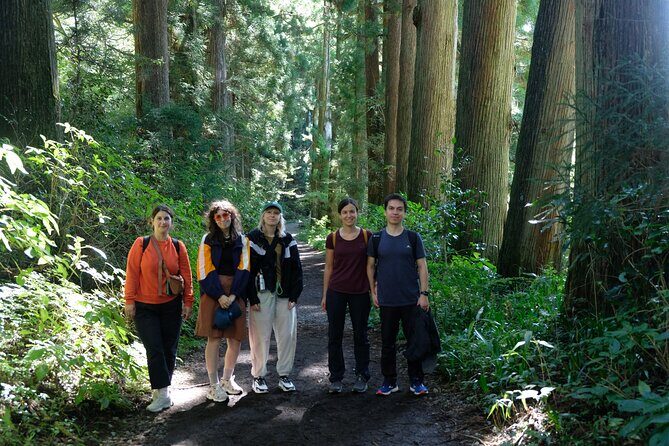
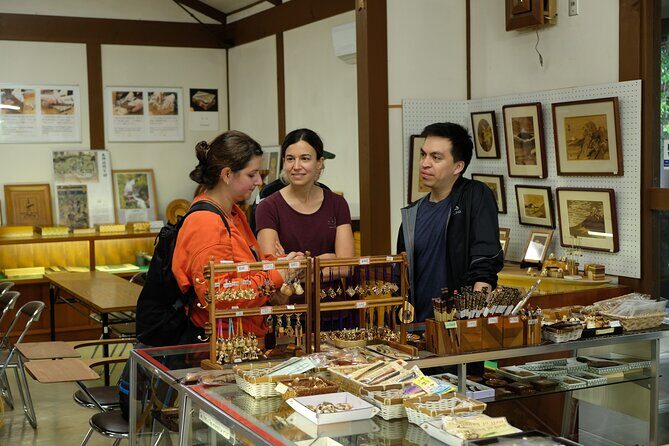
About an hour into the hike, you reach Hatajuku, a wood crafting village where you’ll get a sense of traditional Hakone craft. This stop isn’t just a photo break. It’s a chance to understand the kind of local work that supported travelers along the old road—wood tools, building materials, and the crafts that show up where people stop and pass through.
After Hatajuku, you take a bus to skip the steepest part of the trail to reach the teahouse. This is one of those “good design” choices. You still experience the historic road and the quieter forest sections, but you’re not forced to turn the day into a steep climb grind.
A small caution: because you’re transitioning from walking to a bus segment, your energy should be managed so you don’t sprint too hard early. Settle into a steady pace from the start and you’ll enjoy the cobbles instead of just surviving them.
Stop 2: A 400-year teahouse amasake break
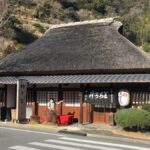
Next up is the Hakone Amazake Tea House, a stop with a claimed 400-year presence. You’ll enjoy an amasake drink there. This is the kind of break I love on walking tours because it’s not just “fuel.” It’s tied to place and tradition.
Amasake is a warm, comforting drink, and it’s perfect for a mid-hike reset. It can take the edge off tired legs and lets you rejoin the trail with better rhythm.
Another subtle benefit: tea house stops create breathing space for the guide to connect story points. When you’re drinking something and sitting for a moment, the historical context lands better than if you’re receiving it at full walking speed.
Expect the tea house stop to be about 30 minutes. Plan for light refreshment, not a big meal. You’ll finish with Lake Ashinoko views later, and it’s easier on your body if you don’t overstuff during the hike.
Stop 3: The Hakone checkpoint—why this place mattered
The Hakone Checkpoint is your final stop, with about 30 minutes for explanation. This is where the route shifts from scenery to meaning.
Hakone’s role in Japan’s travel story comes up here. You’ll understand the significance of Hakone in the wider history of moving between major regions, with the guide tying the hike to the old highway system. One of the strongest takeaways from past guides is the ability to connect the physical route to the Edo-era road logic—how travelers, rest points, and checkpoints fit together.
This is also where you get a clearer mental map of what you just walked. When you leave the checkpoint, the trail stops feeling random. It becomes a deliberate segment of an older travel corridor.
Stop 4: Lake Ashinoko and a Mt. Fuji photo try
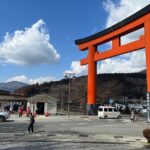
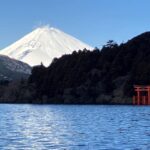
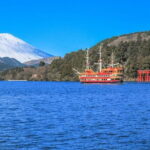
You end with Lake Ashinoko and roughly 1 hour at the water. This is the “reward stretch” after the woods and cobbles. If weather permits, you may be able to see Mt. Fuji across the lake. Even if Fuji doesn’t show up, the water and the wide-open view still give your eyes a break after forest shade and stone steps.
This is also your practical sightseeing moment. Since the tour finishes near Motohakone, you’re set up to continue. You can head to your next destination by bus or that ferry option often described as a pirate ship ride.
Bring a bit of patience for weather. Fuji views are weather-dependent by nature, and the tour is also described as requiring good conditions overall. If the sky is clear, you’ll be glad you saved your best camera settings for the lake.
What to wear and how to pace this half-day hike
This hike is listed for moderate physical fitness, and that matches the trail reality: uneven cobbles, forest paths, and some elevation elements even though the steepest part is skipped by bus.
Here’s what helps:
- Shoes with grip for cobbled and forest sections
- A light layer you can adjust after breaks, especially during the tea house stop
- Water even though your main snack is the amasake stop
- A small bag for essentials so you’re not stuck holding things while walking
Pacing is simple. Think steady, not heroic. The goal is a comfortable walk with stops that feel enjoyable, not a “race to the lake.” With a maximum of 6 travelers, your group moves together, and the guide can keep the pace consistent.
Who this tour suits best (and who should pick something else)
This is a great match if you want:
- A half-day plan that includes both historic context and real walking
- A trail experience that mixes cobbles + forest rather than only one type of path
- A guide-led story route, not a self-guided stroll
It also works well with teens and active parents. In past experiences, the guides have been able to keep the history understandable and the pace manageable for mixed ages.
Consider a different option if you:
- Want a purely off-the-beaten-track route with no bus segments at all
- Prefer fully flat hiking only (cobbles and forest paths can be uneven)
- Are extremely sensitive to weather, since good conditions are required and poor weather can trigger rescheduling or a refund
The real value: certified guiding plus meaningful stops
A lot of hikes claim to be historical. This one is structured so the history has places to land: the craft village, the teahouse, and the checkpoint explanation. That’s why it feels practical. You’re not just hearing facts; you’re walking between the points where the facts belong.
The guiding also seems to be a major reason for the consistently strong results. The guide style includes clear English communication in previous groups and a warm, friendly approach that keeps the day from feeling like a lecture.
The 400-year tea house stop is another value lever. It turns an ordinary break into a memorable cultural moment, and it helps you recharge without losing the momentum of the hike.
Should you book this Hakone Hachiri hike?
Book it if you want a half-day that blends historic road walking with calm forest sections, plus a structured stop at a long-running teahouse and a satisfying end at Lake Ashinoko. It’s also a good choice if you like guided explanations that make geography feel meaningful.
Skip it or consider another route if your hiking tolerance is very low. You’ll be on cobbles and forest paths for a couple of hours, even with the steepest part handled by bus. And if your trip is tight on weather flexibility, plan for the fact that the experience depends on good conditions.
If you’re going to Hakone anyway, this is one of the most direct ways to get off the main sightseeing track and still see the payoff at the lake.
FAQ
How long is the Hakone Hachiri hike?
The tour runs about 4 hours total, including walking time of roughly 2–3 hours and stops along the route.
Where do you start and where do you finish?
You start at Hakone-Yumoto Station at 9:00 am. You finish at Motohakone near Lake Ashinoko.
What route will we hike?
You’ll hike between Hakone Yumoto and Lake Ashi along part of the old Tokaido highway, including cobbled paths and forest trails.
Is the hike strenuous?
It’s designed for moderate physical fitness. There are some uneven sections, but the steepest part of the trail is skipped by bus.
Are there stops along the way?
Yes. You visit Hatajuku, stop at the Hakone Amazake Tea House, reach the Hakone Checkpoint, and end at Lake Ashinoko.
Is the amasake included?
You’ll enjoy an amasake drink at the tea house as part of the tour stops.
Is admission included for the stops?
Admission tickets for the listed stops are shown as free.
How much extra transportation should I budget?
Transportation to the trailhead is not included (shared taxi is 2,000 yen total split among the group). The bus fee to the teahouse is also not included and is less than 400 yen.
What’s the group size?
The tour has a maximum of 6 travelers.
What happens if the weather is bad?
The experience requires good weather. If it’s canceled due to poor weather, you’ll be offered a different date or a full refund.
The Old Hakone, Toured Properly
More Tour Reviews in Hakone

Hakone, Three More Ways
Hakone Day Trips, compared.
 ★ 4.0Mt Fuji & Hakone Cruise, Drum Show Bullet Train 1 Day from TokyoFrom $1497,413 reviews
 ★ 4.4Tokyo Mt Fuji 5th St & Hakone Cruise Bus Tour w/Bullet TrainFrom $1545,024 reviews
 ★ 4.7Mt. Fuji Tour, Hakone Ropeway, Owakudani, Lake AshiFrom $544,002 reviews
 ★ 5.0Private Tour to Mt. Fuji and Hakone (Fully Licenced Operator)From $4971,910 reviews
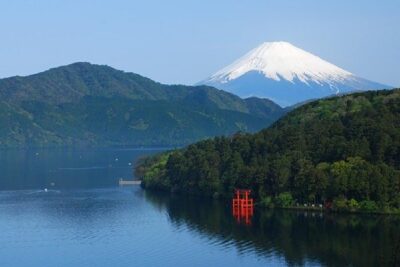 ★ 4.0Mt Fuji & Hakone Cruise, Drum Show Bus 1 Day from TokyoFrom $1221,287 reviews
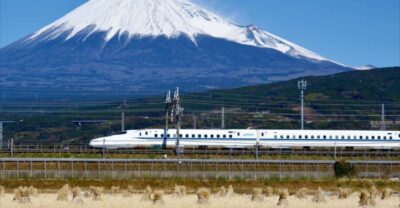 ★ 4.2From Tokyo: Mt. Fuji & Hakone Tour w/ Return by Bullet TrainFrom $1171,278 reviews
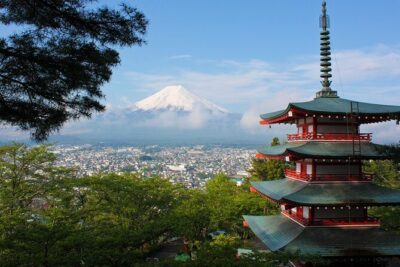 ★ 4.5Mt. Fuji & Hakone Private Day Tour with English-Speaking DriverFrom $453824 reviews
 ★ 4.2Hakone Fuji Day Tour w/ Cruise, Cable Car, VolcanoFrom $98724 reviews
Browse the lists this tour appears in