
Reviewed · TOKYO
Tokyo: Name Seal & Pouch or Tote Bag Making Experience
Your name, turned into ink.
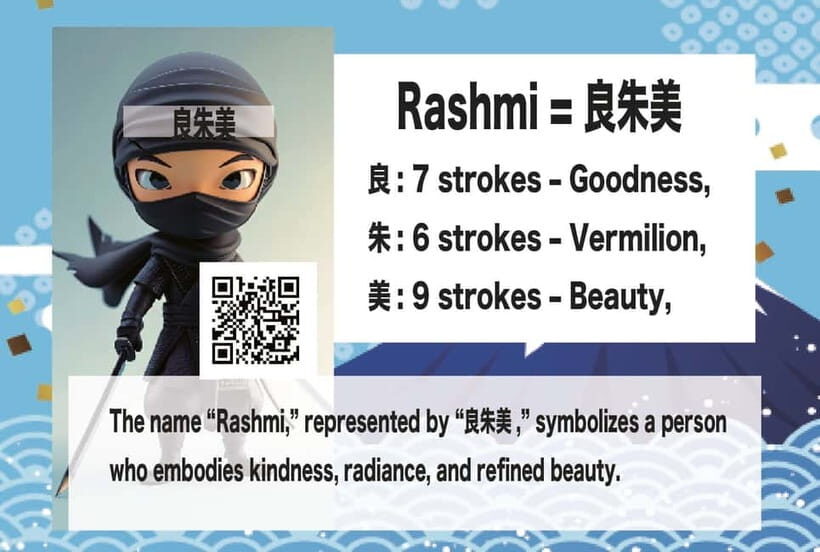
This Tokyo workshop at Shodocafe7557 lets you make an inkan (name seal) with your name in Kanji or Hiragana, plus a matching pouch or tote bag you can actually use. I love that the staff helps translate your name and even guides character choices for Kanji, and I love the hands-on calligraphy focus; the one drawback is you’ll need to pick your design and pouch color ahead of time because the Kanji seal takes production time.
You’ll be in a small group (up to 5), with an English guide, in a session that runs about 30–40 minutes per person. While your seal is being made, you’ll stay busy with calligraphy practice and a personalized postcard, so you’re not just waiting around.
In This Review
- Key things I’d circle before you book
- Roppongi Inkan 101: why this name seal feels practical
- Kanji or Hiragana: how your choice affects your work and your results
- The design choices for the Kanji seal
- Inside Shodocafe7557: how the 30–40 minute session actually flows
- Making the stamp: calligraphy practice with real character meaning
- One note for families and beginners
- Pouch or tote personalization: four seal themes and usable souvenirs
- If you choose the pouch
- If you choose the tote bag
- Waiting time that doesn’t feel like waiting
- Price and logistics: where value really comes from
- Timing reality check
- Where and how to get there (Roppongi details)
- Who this Tokyo name seal workshop suits best
- Should you book this Tokyo custom name seal workshop?
- FAQ
- How long does the Tokyo name seal experience take?
- Where is the meeting point?
- What do I create in this class?
- What stamp options are available?
- Do I need to choose designs and colors in advance?
- Is there an English guide, and is it a small group?
- Is shipping included outside Japan?
Key things I’d circle before you book
A real inkan name seal you can keep for years
Kanji character selection with help on sound and meaning
Match it with a pouch or tote using your name in Kanji or Hiragana
Family-friendly, small-group attention (limited to 5 people)
English support and calligraphy time while your seal is produced
A useful souvenir, not just a photo prop
Before you commit, see how this one stacks up against a few Tokyo favourites:
- Mt Fuji and Hakone 1-Day Bus Tour Return by Bullet Train★ 5.0 · 26,383 reviews
- 1-Day Tokyo Bus Tour★ 5.0 · 14,250 reviews
- Tokyo: teamLab Planets TOKYO Digital Art Museum Entry Ticket★ 4.6 · 9,779 reviews
Roppongi Inkan 101: why this name seal feels practical
In Japan, inkan (seal stamps) are still used in daily life and business. So when you make one, you’re not just creating a cute craft. You’re creating something that fits a real tradition—an object built to mark documents, letters, and formal signatures with personal identity.
That’s why this experience lands well even if you’re not a calligraphy super-fan. Your stamp is personal by design: it carries your name in Kanji or Hiragana, translated and stylized for a seal format. And unlike many souvenirs that look good but sit in a drawer, an inkan is meant to be used. At minimum, it’s the kind of keepsake you’ll pull out when friends ask what you did in Tokyo.
I also like how the session stays grounded in learning. You’re not thrown into a mystery activity. You get guided work on your characters, and you leave with clear, tangible results: the stamp, the bag/pouch, and a related paper keepsake made while you wait.
Kanji or Hiragana: how your choice affects your work and your results
You basically have two ways to create the stamp, and each has a different vibe.
If you go with a Kanji seal, you’ll use a square seal format (24mm). The staff helps you choose beautiful and auspicious Kanji characters based on the meaning and sound of your name. That matters because many names don’t map 1-to-1 between languages, so this “help me choose characters” step is the difference between something that looks pretty and something that feels intentional.
If you choose Hiragana, you’ll make a round seal (12mm). This path is also supported, and you’ll still take home a personalized seal and matching bag/pouch using your name in Hiragana.
The design choices for the Kanji seal
When you book the Kanji option, you’ll also choose a bag design theme from four styles:
- Mt. Fuji (Mountain)
- Pine Tree (Matsu)
- Floral Leaf (Kiri-mon)
- Maiko Girl
Plan for this decision early. For Kanji stamping, you’re asked to provide your name and your chosen design in advance because the seal needs extra production time.
Inside Shodocafe7557: how the 30–40 minute session actually flows
This is a short, focused class, and it’s structured to keep you moving.
You’ll start at the RoppongiHanko meeting point at the Shodocafe7557 studio space inside CREST Roppongi (2F). From there, you’ll work with an English-speaking guide who helps you confirm which stamp style you’re making and helps with your name characters. The studio format supports a small-group pace—limited to 5 participants—so you’re not stuck waiting while someone else gets help.
The workshop itself is about 40 minutes, and the total experience is listed as 30–40 minutes. If there are multiple people scheduled back-to-back, production time matters; the Kanji seal especially needs time, so plan to arrive ready to concentrate rather than expecting a fast in-and-out.
A smart part of the flow happens during that production window. While the stamp is being created, you’re offered a calligraphy-focused pause—practice time—and also a personalized postcard with calligraphy art. That way, you leave with more than just the finished tools. You leave with proof you learned something.





Making the stamp: calligraphy practice with real character meaning
The core of the experience is the inkan itself. For Kanji seals, the process includes help selecting the characters. The staff guides you on choosing Kanji that matches the sound and meaning of your name, then turns that into a seal-ready design.
In practical terms, you’re learning how your name becomes something Japanese—not a direct translation, but a culturally formatted representation. That’s the piece that makes the souvenir feel authentic instead of random.
You’ll also get support while characters are being produced. The atmosphere described by past participants is patient and encouraging, with guidance on how to write and practice your characters during the wait. That’s useful if your Japanese is limited. You don’t need to know calligraphy already—you just need to be willing to try, then let the guide correct and refine.
One note for families and beginners
If you’re coming with kids, this style of guided practice matters. A short session plus patient coaching keeps it fun instead of stressful. For older kids, it’s also a nice bridge between “cool characters” and “how to write them.”
Pouch or tote personalization: four seal themes and usable souvenirs
The souvenir part of this experience is genuinely practical. You’ll customize a pouch or tote bag with your name written in Kanji or Hiragana, not just printed text.
If you choose the pouch
You can choose a pouch color in silver or gold. You’ll still get your name customized in the writing style you chose for your stamp.
If you choose the tote bag
The tote lets you add decorations. You’ll choose three decorations—cherry blossoms or stars—to personalize your bag. If you want more than three, extra charges apply.
And here’s a nice connection: if you chose Kanji stamping, you select one of the four seal design themes (Mt. Fuji, Pine Tree, Floral Leaf/Kiri-mon, Maiko Girl). Those choices give the whole set a coordinated feel—stamp theme plus bag style.
Why this matters: you’re taking home something that matches your effort. It looks like one thoughtful set, not two unrelated crafts stuck in a bag.
Waiting time that doesn’t feel like waiting
Custom-made seals take time. The trick is what you do during that gap, and this experience handles it well.
While your stamp is being created, you can:
- practice calligraphy
- design a personalized postcard with calligraphy art
This is a big part of the value because it turns the workshop into an experience, not a waiting room. You get an extra keepsake, and you get to keep learning while production happens off to the side.
There’s also the simple benefit of time: because this is a small group, you’re more likely to get attention if you’re unsure about how your characters should look. That patient, step-by-step support is a recurring strength of the class vibe.
Price and logistics: where value really comes from
The price is listed at $29 per person, and for that you’re typically getting multiple outputs:
- a custom name seal stamp (square Kanji or round Hiragana)
- a custom pouch or tote bag with your name in Kanji/Hiragana
- a personalized postcard created while you wait
That’s why the price feels reasonable. You’re not paying just for craft time. You’re paying for translation help, character selection for Kanji, and custom-made items that become part of your everyday travel kit.
Timing reality check
The session is short—30–40 minutes—but your Kanji seal needs production time. So don’t treat this like a quick add-on you can squeeze between two trains with no buffer. If you’re going to be rushed, choose the writing style and design decisions carefully ahead of time.
Where and how to get there (Roppongi details)
You’ll meet at Roppongihanko, in the Shodocafe7557 studio on the 2nd floor of CREST Roppongi near the National Art Center Tokyo.
By train:
- Take the Toei Oedo Line
- Get off at Roppongi Station
- Use Exit No. 7
- Cross toward FamilyMart, stay to the right
- Walk along the museum street toward the National Art Center
- Look for a large crane sign on the left
- The studio is 2F of the CREST Roppongi building
By taxi, show the address and studio reference:
- Shodocafe7557 in Crest Roppongi building, near the National Art Center Tokyo
- 7-9-3 Roppongi, Minato-ku, Tokyo – Crest Roppongi Building 2F
One more small note: smoking isn’t allowed.
Who this Tokyo name seal workshop suits best
This class is a strong fit if you want something personal, compact, and culturally grounded.
You’ll probably enjoy it if:
- you like calligraphy-inspired crafts and want to go beyond decorative souvenirs
- you want a name-based souvenir you’ll remember (and likely use)
- you’re traveling with family and want a short, friendly activity
- you want an English guide and a small-group setting (limited to 5)
It may be less ideal if:
- you want a last-minute walk-in craft with no planning
- you hate waiting while a custom seal is produced (though you’ll be doing calligraphy and making a postcard)
Should you book this Tokyo custom name seal workshop?
If you want a souvenir that actually feels connected to Japanese identity—something you can keep, gift, and even use—this is an easy yes. The small-group setting, English guidance, and the fact that you leave with both a personal seal and a custom pouch or tote make it good value for $29.
Book it if you’re willing to think through your Kanji design theme and pouch color ahead of time. If you’re that kind of traveler, you’ll come away with a set that looks intentional and feels meaningful.
FAQ
How long does the Tokyo name seal experience take?
The experience runs about 30–40 minutes, and it’s noted that it takes 40 minutes per person.
Where is the meeting point?
The meeting point is RoppongiHanko at Shodocafe7557 in the CREST Roppongi Building (2F) near the National Art Center Tokyo (7-9-3 Roppongi, Minato-ku).
What do I create in this class?
You’ll create a custom inkan name seal stamp (Kanji or Hiragana) and personalize a pouch or tote bag with your name written in Kanji or Hiragana.
What stamp options are available?
For Kanji you’ll make a square seal stamp (24mm) and for Hiragana you’ll make a round seal stamp (12mm).
Do I need to choose designs and colors in advance?
Yes. For Kanji stamps, you’re asked to provide your name and the selected bag design (Mt. Fuji / Pine Tree / Kiri-mon floral leaf / Maiko Girl) plus the pouch color (gold or silver) in advance.
Is there an English guide, and is it a small group?
Yes. The guide is live and speaks English, and the group is limited to 5 participants.
Is shipping included outside Japan?
No. Delivery outside Japan is not included.
More Tour Reviews in Tokyo



Fresh reviews from around Tokyo






Tokyo, compared.
 ★ 5.0Mt Fuji and Hakone 1-Day Bus Tour Return by Bullet TrainFrom $16326,383 reviews
 ★ 5.01-Day Tokyo Bus TourFrom $12914,250 reviews
 ★ 4.6teamLab Planets TOKYO Digital Art Museum Entry TicketFrom $259,779 reviews
 ★ 4.0Mt Fuji & Hakone Cruise, Drum Show Bullet Train 1 Day from TokyoFrom $1497,413 reviews
 ★ 5.0Shinjuku Food Tour (13 Dishes at 4 Local Eateries)From $866,603 reviews
 ★ 4.4Tokyo Mt Fuji 5th St & Hakone Cruise Bus Tour w/Bullet TrainFrom $1545,024 reviews
 ★ 5.0Flagship 2-Hours Official Street Go-Kart Tour – Tokyo Bay ShopFrom $644,974 reviews
 ★ 4.5From Tokyo: Mount Fuji Full-Day Sightseeing TripFrom $684,970 reviews