
Reviewed · TOKYO
Make Rice Balls and Enjoy a Japanese Home-Style Lunch in Yanaka
Yanaka turns lunch into a craft assignment. In this 90-minute onigiri and bento-making experience, you learn how to shape rice balls from scratch, customize them with toppings and pickles, and get practical bento box plating tips while everything is set up for you.
I really like that the class mixes hands-on cooking with an actual meal at the end: you don’t just make food, you build a bento you can proudly eat. Another win is the cozy neighborhood focus, since your bento okazu comes from local delis and shop stops around Yanaka, not from a generic cooking kit.
One thing to consider: this is a short, friendly sprint. With about 1 hour 30 minutes, you’ll make a solid bento and learn techniques, but it’s not a slow, multi-course cooking workshop where you can linger for an hour more.
In This Review
- Key Things You’ll Be Doing in Yanaka
- Yanaka’s Onigiri Class: What Makes It Worth Your Time
- Meeting in Yanaka: Setting the Scene Before You Touch the Rice
- Step One: Making Onigiri Rice Balls Like a Home Cook
- Step Two: Bento Box Planning and the Art of Layout
- The Okazu Part: Real Neighborhood Sides, Not a Generic Menu
- Step Three: Presentation, Photos, and the Moment You Finally Eat
- Price and Value: Is $60.62 a Good Deal?
- Who This Bento Class Fits Best (and Who Might Want to Skip It)
- Tips for Getting the Most Out of Your Class
- When You’ll Really Feel the Benefit
- Should You Book This Yanaka Onigiri and Bento Class?
- FAQ
- Where does this experience start?
- How long is the class?
- What does the price include?
- What kind of food will I make and eat?
- Can I request vegetarian or vegan options?
- How big is the group?
- What ticket format do I receive?
Key Things You’ll Be Doing in Yanaka
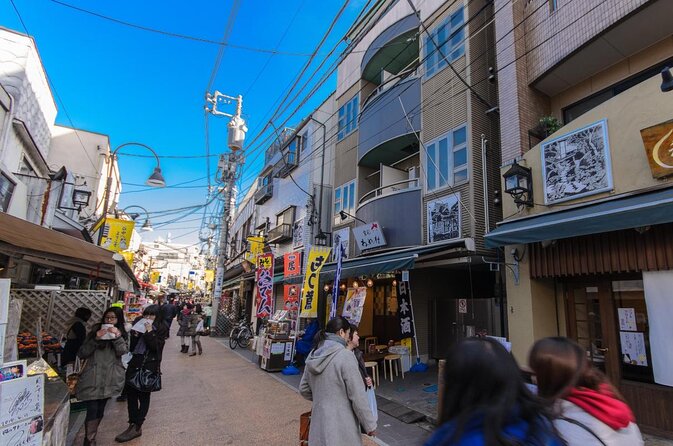
- Shaping onigiri from scratch with toppings, pickles, and rice sprinkles
- Designing a bento box layout and getting table-ready plating guidance
- Choosing neighborhood okazu like karaage, korokke, yakitori, and tamago-yaki
- Eating what you make with miso soup, plus local sides
- Enjoying the pause after cooking with relaxed dining (and often tea or a sweet)
Before you commit, see how this one stacks up against a few Tokyo favourites:
- Mt Fuji and Hakone 1-Day Bus Tour Return by Bullet Train★ 5.0 · 26,383 reviews
- 1-Day Tokyo Bus Tour★ 5.0 · 14,250 reviews
- Tokyo: teamLab Planets TOKYO Digital Art Museum Entry Ticket★ 4.6 · 9,779 reviews
Yanaka’s Onigiri Class: What Makes It Worth Your Time
If you like travel that’s more hands-on than sightseeing, this Yanaka lunch class is a smart pick. You’re in Tokyo’s calmer side of town, working with rice, toppings, and bento layout like you’re learning a skill you can use again later.
The best part is that the experience is built around three moments: making your onigiri, assembling a bento with real Japanese sides, and then sitting down to eat what you created. You’ll leave with food, yes, but also with how-to knowledge—how to balance flavors, textures, and presentation in a compact lunch.
And the group size stays small. With a max of 12, you get enough attention to fix mistakes while keeping the pace moving. That matters if you’re traveling with kids, or if you just don’t want to feel like you’re watching from the sidelines.
Meeting in Yanaka: Setting the Scene Before You Touch the Rice
You meet at the YANESEN Tourist Information & Culture Center in Yanaka (3-chōme-13-7, Taito City). It’s near public transportation, which makes the start feel easy even if you’re coming from another part of Tokyo.
Timing-wise, the day is set up so you’re ready to cook in the late morning and eat around 1 PM. You’ll have an intro, then jump quickly into the main action: rice balls, toppings, and bento planning.
This matters because onigiri isn’t only about food—it’s also about rhythm. You need a short “get oriented” phase so you don’t spend the first half of the class confused. The format here keeps you moving, but not rushed.
Step One: Making Onigiri Rice Balls Like a Home Cook
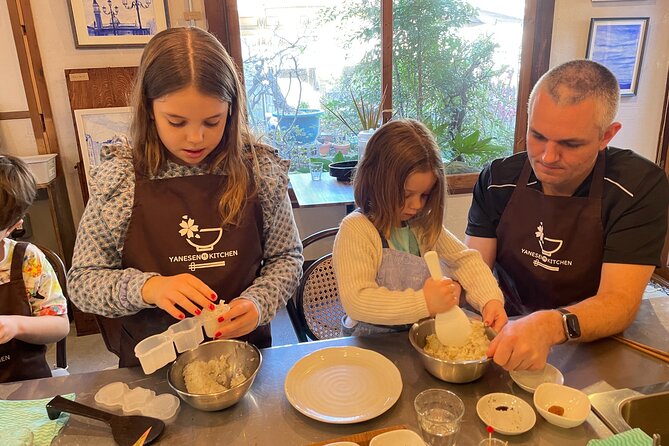
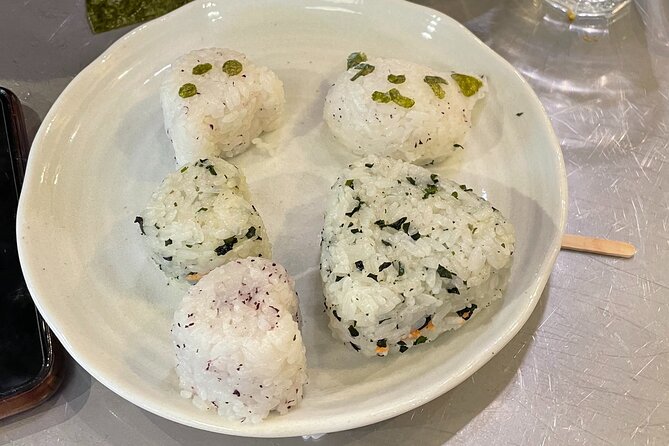
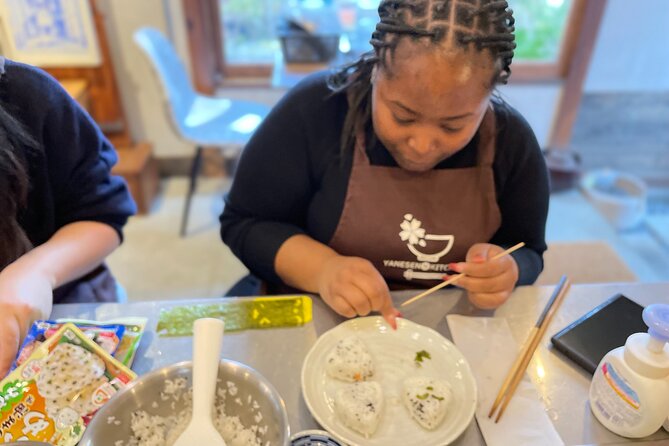
The core lesson is onigiri—Japanese rice balls—made from scratch. You’ll prep rice balls and then customize them with toppings, pickles, and those finishing touches like rice sprinkles. That last part sounds minor, but it’s the difference between plain and memorable.
The class also teaches you how to handle the shaping process so the rice holds together. Rice can be sticky and a bit intimidating if you’ve never worked with it, but the structure of the lesson makes it manageable. You’re not guessing; you’re following instructions and getting fixes.
From the instruction you get, you’ll also start understanding the logic behind Japanese flavor pairing. Pickles and saltiness cut through rice. Sprinkles and toppings add aroma and visual appeal. If you later make lunch for yourself, you’ll feel less like you’re copying a recipe and more like you’re building a Bento mindset.
One extra detail I really appreciate: the teaching style described in feedback from classes here is patient. In at least some sessions, instructors such as Yuki, Masayo, and Eiko are called out for being attentive, explaining step-by-step, and helping people get comfortable quickly. That kind of guidance is what turns a cooking class into a confidence builder.
Step Two: Bento Box Planning and the Art of Layout
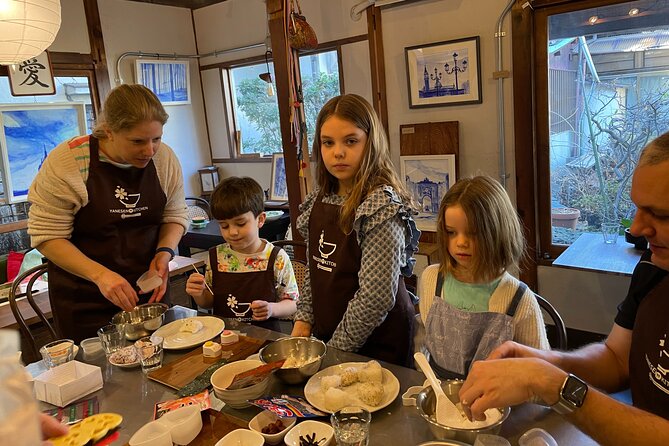
Once your onigiri is under control, the lesson shifts to the part that turns lunch into a little design project: bento layout. You’ll arrange your box and think about how the pieces will look and taste together.
Here’s the practical method you get: you don’t just “put food in a container.” You plan a layout that makes sense at a glance and stays varied in flavors and textures. That usually means:
- A main item (your onigiri)
- Okazu (home-style sides)
- Color and crunch (like salad-style sides or pickles)
- A comforting element (often a warm component served with the meal)
You’ll also do a table setting and photo session when it’s time to present your bento. That’s not just for fun; it pushes you to plate deliberately. If you’ve ever packed a rushed lunch that looked sad after 5 minutes, you’ll understand why this matters.





The Okazu Part: Real Neighborhood Sides, Not a Generic Menu
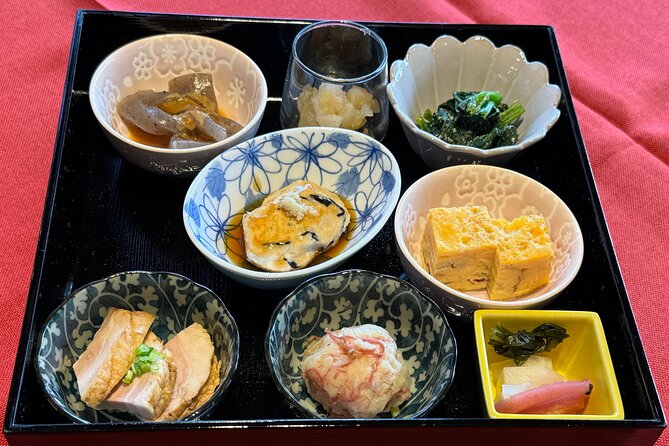
Your bento isn’t built from one tidy list cooked in-house. Instead, you purchase or receive home-style okazu from local neighborhood delis and shops. The kinds of sides mentioned include karaage, korokke, yakitori, and tamago-yaki, plus items like Japanese-style omelet, fresh salad, and teriyaki chicken.
This is where Yanaka really shows through. You’re eating Japanese home-style lunch flavors, but you’re also learning how locals think about lunch basics: mix-and-match sides, keep portions bite-sized, and use ready-to-eat (or easy) ingredients to make something special fast.
Even if you’re vegetarian or vegan, the experience notes that requests are available when you reserve. That’s a big deal with food classes—if you’re picky or you have restrictions, you want your meal to feel like it belongs to you, not like a substitute.
Step Three: Presentation, Photos, and the Moment You Finally Eat
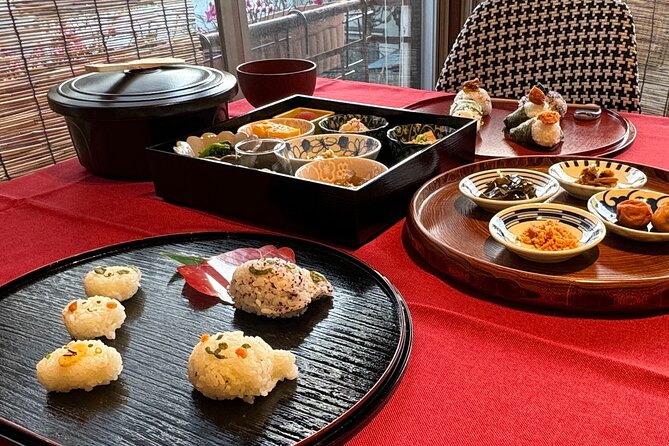
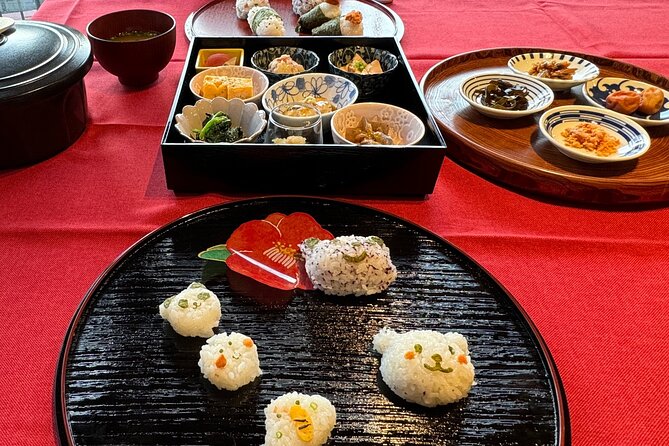
Around 1 PM, it’s time to sit down and present what you made. You’ll do a table setting and photo session, then take your seat for itadakimasu—the shared start of the meal.
You’ll also hear a bit of context from your instructor about home-style dishes for the day and where you can buy similar ingredients around Yanaka. I love this part because it turns the class into a practical map for later. It’s one thing to know how to make rice balls. It’s another to know where to get the right sides when you want to repeat it back home.
During the meal, you’ll enjoy your onigiri and bento items alongside Japanese sides, with miso soup specifically included. In some sessions, teaching includes other Japanese dishes like tempura, sushi rolling, or miso soup techniques, so you may also come away with extra “how-to” knowledge beyond the bento itself.
And yes, the whole thing ends with the relaxed dining payoff: after the cooking and plating work, you can actually enjoy it. Some classes also include something sweet and tea, which feels like a friendly landing after the hands-on part.
Price and Value: Is $60.62 a Good Deal?
At $60.62 per person, this isn’t a freebie workshop. But when you factor in what’s included, it’s priced like a real small-group food experience rather than a casual demo.
Here’s the value math that makes sense for your decision:
- You get hands-on instruction in shaping onigiri and arranging a bento
- Ingredients are included, along with tastings during the process
- You’re eating a full home-style lunch with bento sides and miso soup
- The class caps at 12 people, so you’re not lost in a crowd
- You also get plating guidance and a photo moment, which helps you “take something home” visually and mentally
If you compare this to the cost of buying the same components and paying for a cooking session elsewhere, the lesson plus meal structure is the main reason it feels fair. You’re paying for time, instruction, and the full lunch outcome—not just ingredients.
Who This Bento Class Fits Best (and Who Might Want to Skip It)
This is a great fit if:
- You want a Japanese food skill you can repeat after your trip
- You like eating what you make, not just watching others cook
- You’re traveling with family and want a hands-on activity
- You care about lunch culture, not only famous sights
It also works well for groups with kids because the experience notes kid-friendly elements like arts-and-crafts distractions (like origami and calligraphy) while the meal is in progress. That’s helpful when you’re juggling energy levels.
If you’re the type of traveler who wants an all-day food tour that includes lots of stops and lots of walking, you might find this shorter session doesn’t match your style. The class is designed to pack a lot into about 90 minutes, so it’s best for travelers who want a compact, satisfying Tokyo meal moment.
Tips for Getting the Most Out of Your Class
You’ll learn faster—and feel less stressed—if you treat this like a skill session rather than a test. Go in curious. Ask questions if you’re unsure about toppings, shaping, or spacing in the bento.
Also, bring your best appetite. The meal is part of the experience. Once you’ve shaped your onigiri and arranged the bento, you’ll want to taste the flavor combinations right away while the lesson is still fresh.
One fun food tip that’s specifically mentioned from classes here: don’t skip the radish. There’s advice that it tastes great, and it’s exactly the kind of small side that makes a bento feel balanced.
Finally, if you have dietary needs, plan ahead. The experience says allergy and vegetarian/vegan requests are available when you make the reservation, so communicate early so the class can prepare your lunch properly.
When You’ll Really Feel the Benefit
Here’s what I think makes this experience stick long after the meal: you’re learning a method for building lunch logic. You get practice with the rice ball format and then learn to place multiple sides so the lunch looks intentional and eats well.
That’s the kind of takeaway that beats collecting photos only. Photos are nice, but the “I can do this again” feeling is what makes a day like this worth your time.
If you later wander Yanaka and see neighborhood delis, you’ll know what to look for. Your instructor’s guidance about where to buy similar items around Yanaka turns the area from unfamiliar streets into lunch possibilities.
Should You Book This Yanaka Onigiri and Bento Class?
Book it if you want a small-group, hands-on Tokyo food experience that ends with a real homemade lunch. The combination of onigiri shaping, bento layout tips, local okazu, and included miso soup is a strong mix for the price, especially if you like practical cultural activities.
Skip it if you only want big-ticket sightseeing or if you’re looking for a long, multi-hour cooking day. This is short and focused by design, and it aims for a fun, friendly lunch outcome rather than a full culinary marathon.
If you’re visiting Yanaka anyway, or you want a calmer, more neighborly Tokyo experience, this is one of those activities that makes the trip feel personal.
FAQ
Where does this experience start?
It starts at the YANESEN Tourist Information & Culture Center at 3-chōme-13-7 Yanaka, Taito City, Tokyo 110-0001, Japan.
How long is the class?
The duration is about 1 hour 30 minutes.
What does the price include?
You’ll get the hands-on class, ingredients, tastings during the experience, and you’ll eat your creations as part of a Japanese-style lunch, including miso soup.
What kind of food will I make and eat?
You’ll learn to make onigiri rice balls from scratch, customize them with toppings and pickles, and assemble a bento box with home-style okazu plus sides served with your meal.
Can I request vegetarian or vegan options?
Yes. The experience notes that dietary requests, including vegetarian, vegan, and allergies, are available if you let them know when you make the reservation.
How big is the group?
The class has a maximum of 12 travelers.
What ticket format do I receive?
You’ll receive a mobile ticket.
More Tour Reviews in Tokyo



Fresh reviews from around Tokyo






Tokyo, compared.
 ★ 5.0Mt Fuji and Hakone 1-Day Bus Tour Return by Bullet TrainFrom $16326,383 reviews
 ★ 5.01-Day Tokyo Bus TourFrom $12914,250 reviews
 ★ 4.6teamLab Planets TOKYO Digital Art Museum Entry TicketFrom $259,779 reviews
 ★ 4.0Mt Fuji & Hakone Cruise, Drum Show Bullet Train 1 Day from TokyoFrom $1497,413 reviews
 ★ 5.0Shinjuku Food Tour (13 Dishes at 4 Local Eateries)From $866,603 reviews
 ★ 4.4Tokyo Mt Fuji 5th St & Hakone Cruise Bus Tour w/Bullet TrainFrom $1545,024 reviews
 ★ 5.0Flagship 2-Hours Official Street Go-Kart Tour – Tokyo Bay ShopFrom $644,974 reviews
 ★ 4.5From Tokyo: Mount Fuji Full-Day Sightseeing TripFrom $684,970 reviews