
Reviewed · MT FUJI DAY TRIPS
1-Day Mt Fuji and Hakone Sightseeing trip from Tokyo
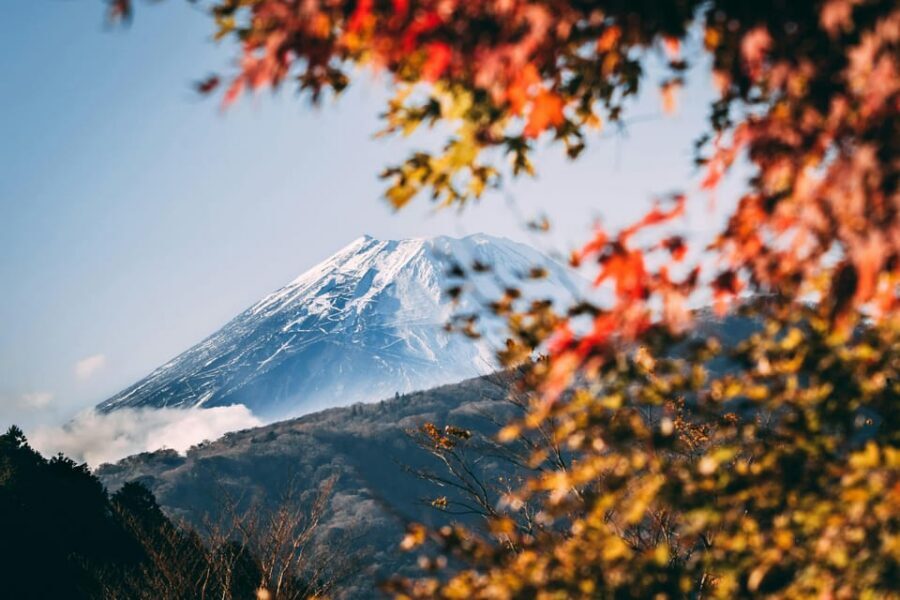
Fuji in a single day? Totally doable. This one-day Mount Fuji and Hakone trip is interesting because it strings together the best-known photo points and scenic stops, with a guide and a luxury car doing the long driving so you can focus on views and timing. I especially like the private group setup and the fact that you get photo support built into the day.
I also like that the schedule isn’t just random driving. You’ll spend dedicated time around Lake Kawaguchi (including lunch and a boat cruise) and then hit classic Fuji scenery at Chureito Pagoda and Oishi Park. One drawback to think about: weather can wipe out the Fuji view, and that can change how satisfying the day feels.
The other thing I’d watch is quality consistency. Some bookings praised guides by name (like Sarmad, Haroon, and Malik), but other bookings felt the commentary was light, pickup ran late, or the vehicle didn’t feel right for the group. If you’re counting on a very guided, very structured experience, it’s smart to set expectations early.
In This Review
- Key things to know before you go
- A one-day Fuji and Hakone run with a real plan
- Pickup and drop-off: choose the one that fits your base
- Lake Kawaguchi: the day’s big timing anchor
- Chureito Pagoda photo stop: short, classic, and very time-sensitive
- Oishi Park: views, shopping, and a slower pace
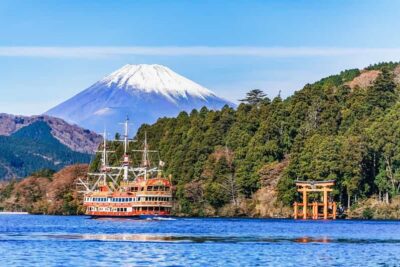
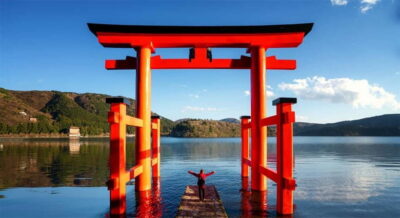
- Owakudani Valley to Hakone Shrine: scenery shift, then culture
- The guide and the car: where the experience can really make or break
- Pricing and value: when $322 per group makes sense
- Weather reality: the Fuji view can be hit-or-miss
- What to bring for a smoother day
- Who this trip suits best (and who might not love it)
- Should you book this 1-day Mt Fuji and Hakone tour?
- FAQ
- How long is the Mt Fuji and Hakone day trip?
- Where are the pickup and drop-off locations?
- How many people are in the group?
- What languages does the guide speak?
- What’s included in the price?
- What is not included?
- What should I bring?
- Do I need to pay right away?
- Is this tour wheelchair accessible?
- What is the cancellation policy?
Key things to know before you go
- Door-to-door pickup options from Yokohama, Chiba, or Tokyo (and drop-offs back to those areas)
- Lake Kawaguchi with lunch + a boat cruise, built in so you’re not just standing and hoping for good skies
- Chureito Pagoda and Oishi Park scheduled as photo-and-walk style stops, not a quick drive-by
- Hakone’s main pair: Owakudani Valley plus Hakone Shrine, so you get both scenery and a cultural stop
- Luxury car + good English-speaking guide + photography help, which matters when you’re trying to get the right angles fast
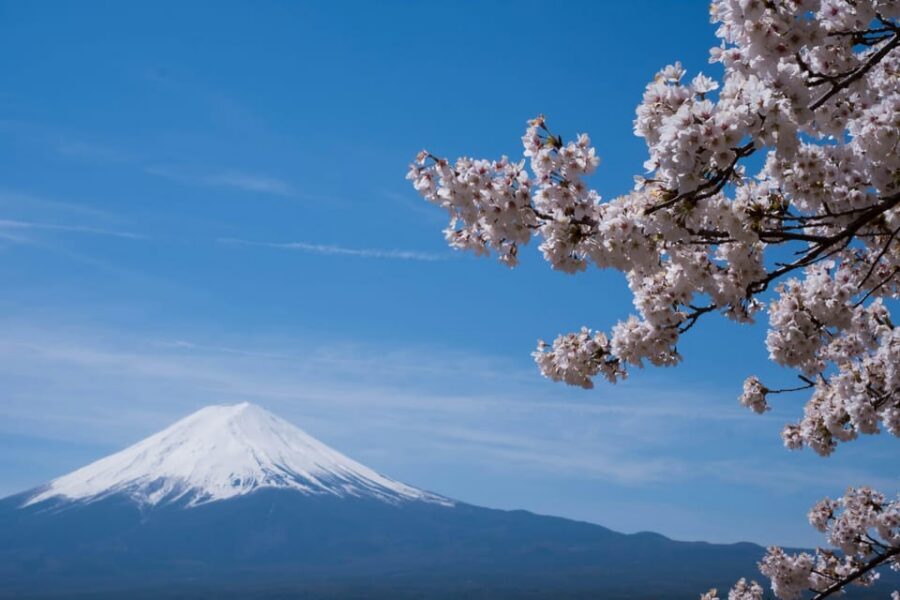
- Fuji visibility is weather-dependent, and it can strongly affect the payoff of the day
Other routes to the mountain, compared
- Mt Fuji & Hakone Cruise, Drum Show Bullet Train 1 Day from Tokyo★ 4.0 · 7,413 reviews
- Tokyo Mt Fuji 5th St & Hakone Cruise Bus Tour w/Bullet Train★ 4.4 · 5,024 reviews
- From Tokyo: Mount Fuji Full-Day Sightseeing Trip★ 4.5 · 4,970 reviews
A one-day Fuji and Hakone run with a real plan
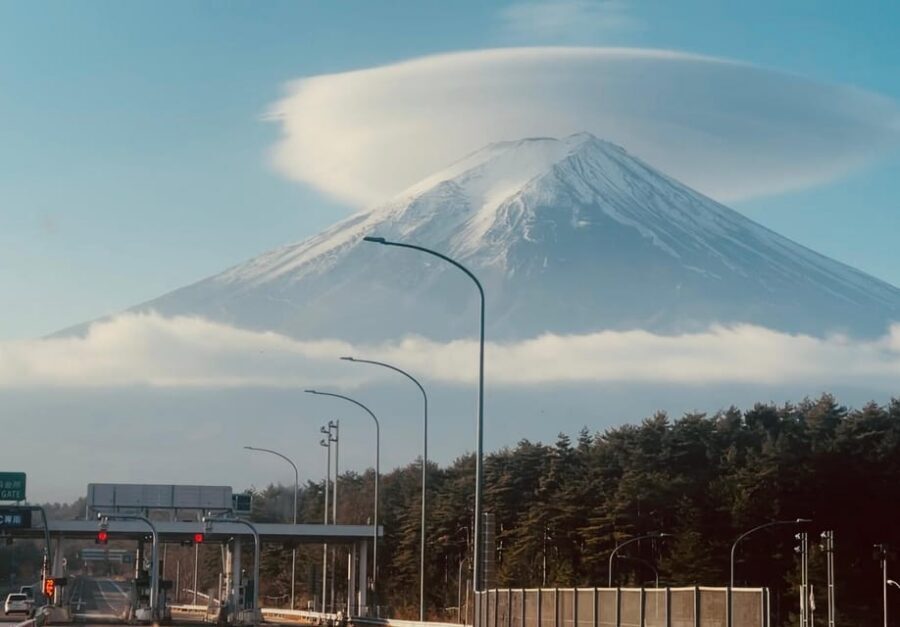
This is a classic Japan day-trip formula: start with Mount Fuji area icons, then swing into Hakone for a change of pace. The real value is that you’re not doing this as a stressful DIY maze from Tokyo. You’re in a car with a guide, hitting key locations during daylight hours that actually make sense for photos.
At $322 per group (up to 6 people), this can be good value if you’re splitting it among a small crew. It’s also private, so you’re not stuck with a bigger mixed group pace or forced timing. That matters on a day like this, where weather, parking, and daylight all tug at the schedule.
Pickup and drop-off: choose the one that fits your base
You get three pickup options: Yokohama, Chiba, or Tokyo. You’ll also be dropped off in Yokohama, Tokyo, or Chiba, so the day stays clean and you don’t end up crossing town at the end when you’re tired.
From a practical point of view, your best choice is the one that minimizes your morning commute. If you’re staying on the edge of Tokyo, picking the closer pickup area can save time and energy. And if your day includes any pre- or post-trip plans, lock the pickup option that keeps your return simple.
Lake Kawaguchi: the day’s big timing anchor
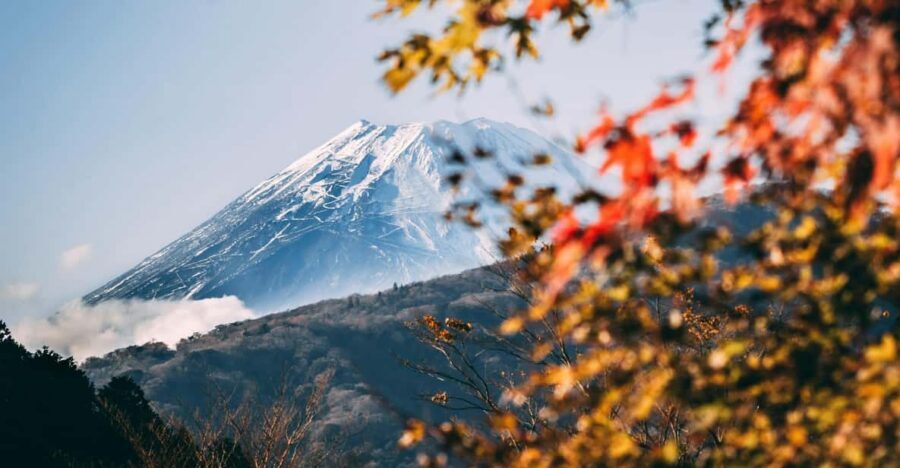
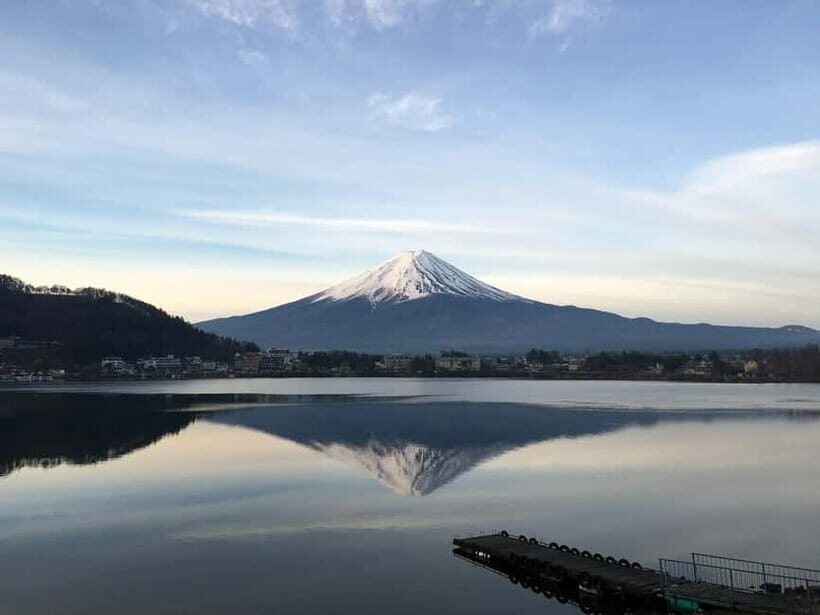
The day starts with Lake Kawaguchi, which is the first major “this is why we came” section. You’ll have visit time, lunch, and a boat cruise, plus extra sightseeing time. That combination is smart because a cruise and lunch turn the day from a photo sprint into something that feels like an actual outing.
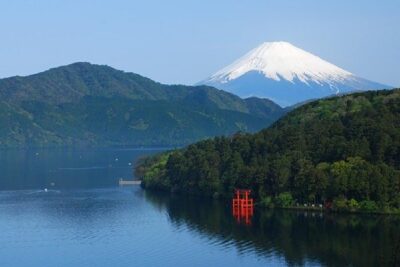
Why this matters for you: if the mountain is visible, this is where you’re most likely to enjoy it without constantly moving. If the weather is iffy, the boat cruise and lake area still give you a reason to feel like you got something out of the day, even when the view is partially blocked.
Chureito Pagoda photo stop: short, classic, and very time-sensitive
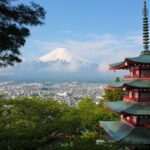
Next up is Chureito Pagoda. You’ll get a photo stop, plus about an hour for walking and visiting. This is the kind of place where minutes count because you’re chasing the angle and light that makes the scene work.
A tip I’d follow: treat this stop like a photo mission with breaks. Take your main shots early, then use the rest of the hour for calm wandering and getting your bearings. If the Fuji view clears up, you’ll be glad you’re not starting your camera work at the last second.
More Hakone loops, ropeways and lake crossings
Oishi Park: views, shopping, and a slower pace
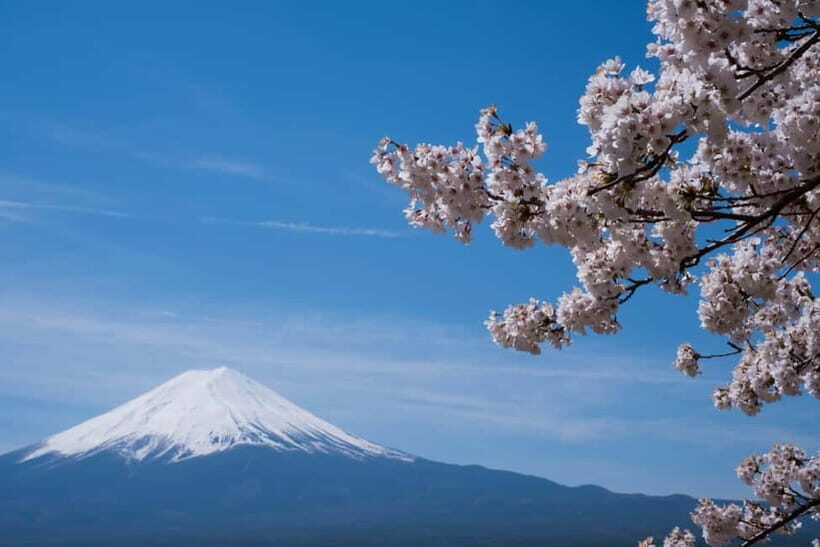
After Chureito Pagoda, you’ll head to Oishi Park for about an hour. The format here is visit time, shopping, and sightseeing. This stop is useful because it helps you break up the day after the more structured photo point.
For your planning, think of Oishi Park as your “reset” stop. You’ll likely want water, snacks, or small souvenirs, and you’ll be grateful for the ability to browse without feeling like you’re losing the day. If you’re traveling with people who aren’t obsessed with filming every angle, this is where you can keep everyone happy.
Owakudani Valley to Hakone Shrine: scenery shift, then culture
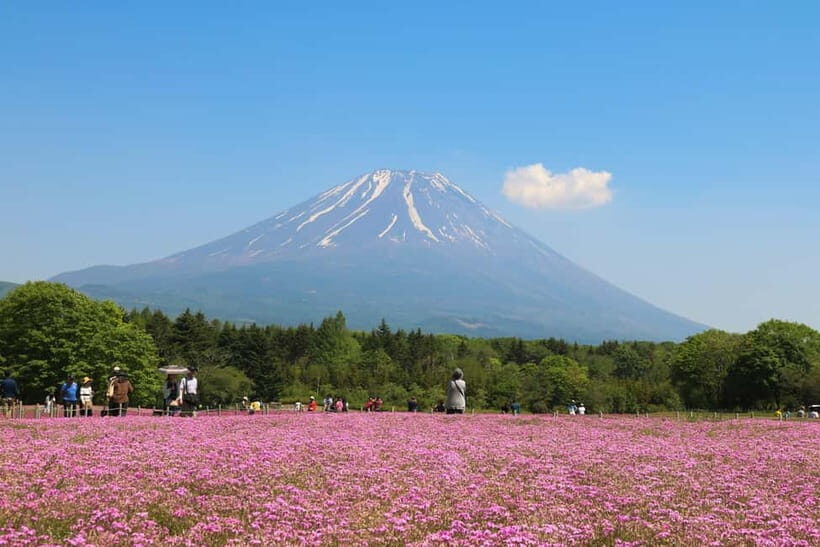
The Hakone portion starts at Owakudani Valley, with about one hour to visit. After that, you’ll go to Hakone Shrine for another one hour.
This pair is a nice switch in the middle of a long day. The valley stop gives you that “different” feel from the Fuji lakeside area, while the shrine gives you a cultural landing point so the day doesn’t feel like nonstop sightseeing photos.
One thing to remember: Hakone stops can still feel weather-sensitive because visibility affects what you enjoy and how comfortable you are outside. If skies are rough, your guide’s job is to keep you moving efficiently between sheltered or more forgiving spots.
The guide and the car: where the experience can really make or break
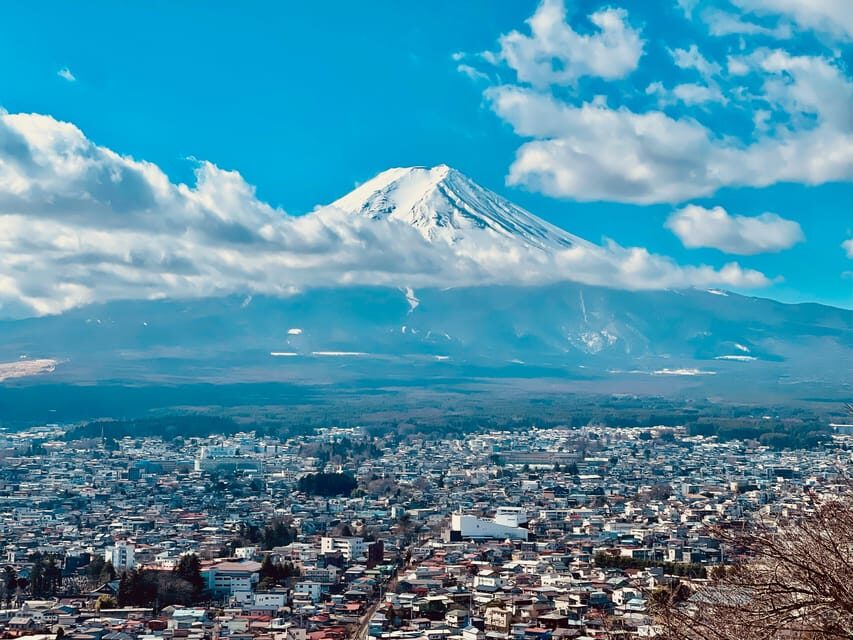
This trip includes a luxury car and a live guide who speaks English, Hindi, and Japanese. It also includes photography, which usually means you’ll get help with where to stand and how to set up your shots.
The guide quality is the biggest variable. In some successful days, named guides like Sarmad have been described as accommodating and skilled at finding good photo spots. Haroon is another name that came up as friendly and helpful. Malik also showed up for photo help that made Fuji pictures work better.
At the same time, some bookings noted the guide role felt light, pickup ran late, or the vehicle didn’t match the group size comfort. So here’s my practical approach: when you book, tell your group size and priorities clearly, and ask how guided the day will be (not just driving). If you need special care—like a child seat—mention it early so you don’t end up improvising.
Pricing and value: when $322 per group makes sense
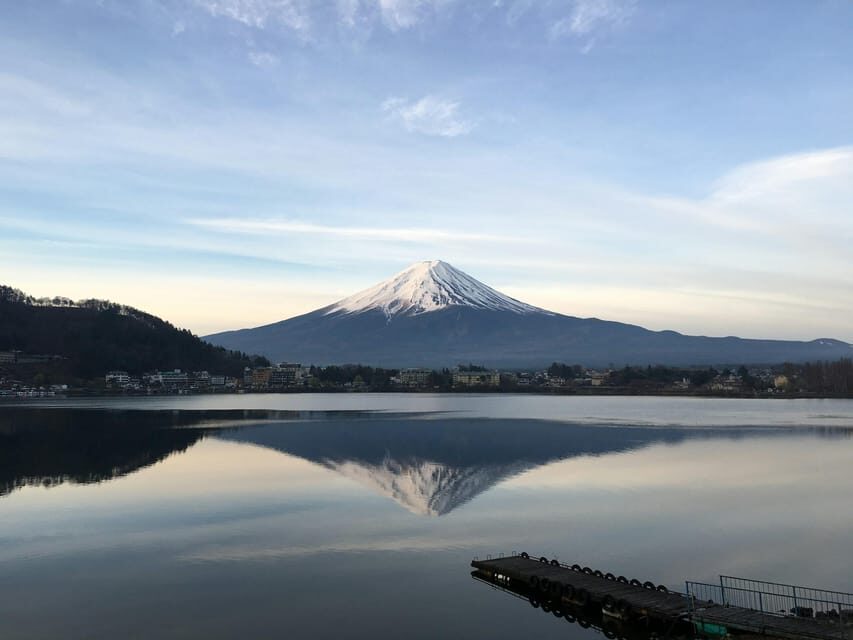
$322 per group (up to 6 people) can be a smart deal for a private day, because you’re paying for more than “transport.” You’re paying for drive-to-every-stop logistics, a live guide, and time-saving. For couples, it can still work if you’re splitting with another pair or a small family group.
What’s not included matters too. You should expect to pay the Mount Fuji 5th Station entrance fee (2100 yen) if that’s part of your personal plan that day. The data doesn’t list it as automatically covered, so don’t assume. Also, airport pick ups aren’t included, so plan your start and end around Yokohama/Chiba/Tokyo pickup areas.
So the value question becomes simple: do you want a smooth, private, guided day with minimal friction? If yes, the price is easier to justify.
Weather reality: the Fuji view can be hit-or-miss
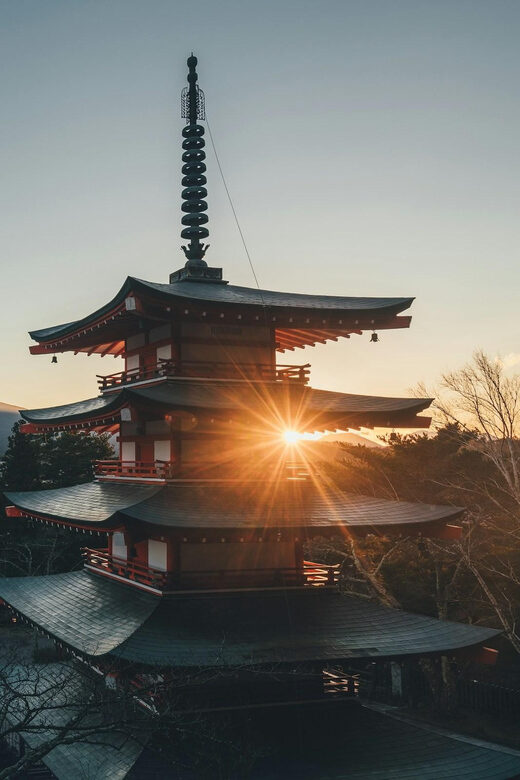
Mount Fuji visibility is famously dependent on conditions. If the day is rainy or overcast, the trip can still be enjoyable, but your biggest disappointment risk is expecting a clear mountain silhouette.
One important consideration from real-world experience: in some cases, the tour has still run despite severe weather concerns. That means you should go in with a flexible mindset. If you’re traveling with kids or anyone who needs comfort and quick adjustments, it’s worth thinking through whether the travel time is worth it on a marginal weather day.
If you’re trying to maximize your odds, build a day where you can accept Plan B. Keep your schedule loose, bring the right clothing, and mentally prepare for a day that might be more about the stops than the perfect Fuji skyline.
What to bring for a smoother day
The trip specifically asks you to bring a face mask or protective covering. Beyond that, pack for outdoor walking between stops and for weather changes. A day like this can move from lake areas to valley and shrine zones, so being prepared for cool wind or rain helps your mood.
Also, if you need a child seat, don’t assume it’s automatically available. If you have requirements for children, confirm them clearly ahead of time.
Who this trip suits best (and who might not love it)
This tour is a strong fit if you want:
- A private day with minimal logistics stress
- A compact route that covers Fuji area classics plus Hakone
- A guide and photo help so you’re not figuring everything out alone
It might not be your favorite if you:
- Want a deeply structured, lecture-style guide the whole time
- Are very sensitive to late pickups or tight vehicle comfort
- Need a specific child arrangement and can’t confirm it ahead of time
Should you book this 1-day Mt Fuji and Hakone tour?
I’d book if your goal is a smooth, private day that hits the recognizable sites without you spending hours planning trains, transfers, and parking. The inclusion of a live guide, luxury car, and photo assistance makes it easier to get great results, even when you’re short on time.
I’d hesitate if you’re traveling on a week where weather is already unstable and you’re only satisfied by a crystal-clear Fuji view. In that case, you’re taking a calculated risk.
If you do book, set yourself up to win: confirm any child-seat needs, be clear about group size, and choose the pickup area that minimizes morning hassle. You’ll start the day calmer, and that changes everything.
FAQ
How long is the Mt Fuji and Hakone day trip?
It runs for 1 day.
Where are the pickup and drop-off locations?
Pickup and drop-off are available in Yokohama, Chiba, and Tokyo (with three pickup options and three drop-off options).
How many people are in the group?
This is a private group with a group size of up to 6 people.
What languages does the guide speak?
The live guide speaks English, Hindi, and Japanese.
What’s included in the price?
Included features are sightseeing, a luxury car, drives to different places, a good English-speaking guide, and photography.
What is not included?
Not included are the Mount Fuji 5th Station entrance fee (2100 yen) and airport pick ups.
What should I bring?
Bring a face mask or protective covering.
Do I need to pay right away?
You can reserve now and pay later, keeping plans flexible.
Is this tour wheelchair accessible?
Yes, it is listed as wheelchair accessible.
What is the cancellation policy?
You can cancel up to 24 hours in advance for a full refund.
More Tour Reviews in Tokyo






Hakone, Three More Ways
The Fuji Shortlist: Other Days Out to the Mountain


Fresh reviews from around Tokyo






Mt Fuji Day Trips, compared.
 ★ 4.0Mt Fuji & Hakone Cruise, Drum Show Bullet Train 1 Day from TokyoFrom $1497,413 reviews
 ★ 4.4Tokyo Mt Fuji 5th St & Hakone Cruise Bus Tour w/Bullet TrainFrom $1545,024 reviews
 ★ 4.5From Tokyo: Mount Fuji Full-Day Sightseeing TripFrom $684,970 reviews
 ★ 4.7Mt. Fuji Tour, Hakone Ropeway, Owakudani, Lake AshiFrom $544,002 reviews
 ★ 5.0Private Tour to Mt. Fuji and Hakone (Fully Licenced Operator)From $4971,910 reviews
 ★ 4.9Mount Fuji Full-Day Private Tour from Tokyo (Customizable)From $3931,470 reviews
 ★ 4.0Mt Fuji & Hakone Cruise, Drum Show Bus 1 Day from TokyoFrom $1221,287 reviews
 ★ 4.2From Tokyo: Mt. Fuji & Hakone Tour w/ Return by Bullet TrainFrom $1171,278 reviews
Browse the lists this tour appears in