
Reviewed · TOKYO
Full Tokyo: Meiji Shrine, Imperial Palace, Asakusa & Skytree
Tokyo shows its best sides fast.
This tour strings together the big-ticket sights you’d normally spread over multiple trips: Meiji Shrine, the Imperial Palace exterior, classic Asakusa, and city views from Tokyo Skytree. I like the way the route balances quiet places (Meiji) with photo-heavy landmarks (Imperial Palace) and then caps it with a high vantage point. It’s also a good pick if you want a guide who can explain the cultural “why,” like Oliver, George, Erik, and Burt did in different runs—people consistently mention how smooth and organized the day felt.
Here’s one thing to keep in mind: time can feel tight at places with crowds. One reviewer felt Senso-ji got rushed and another felt some stop times didn’t match the posted schedule. So, treat this as a see-it-and-get-orientated day—not a slow, linger-for-hours kind of tour.
In This Review
- Quick Take: What Makes This Tour Work
- Start at Hachiko: The Easiest Tokyo “Reset”
- Shibuya Crossing: A Photo Moment and a Reality Check
- Meiji Shrine: Where the City Goes Quiet
- Imperial Palace Exterior: Best for Photos, Not Long Wandering
- Akihabara: Tech and Pop Culture Breathing Space
- Asakusa and Senso-ji: Spend Your Time Like a Local
- Lunch Option: Good Value When You Want Less Planning
- Tokyo Skytree: Panoramic Views, Ticket Timing, and a Smart Ending
- Price and Logistics: Why $69 Can Be a Good Deal
- Group Day Reality: What the Guide Helps With (and What You Still Control)
- Who Should Book This Full Tokyo Day—and Who Should Skip
- Should You Book It? My Decision Guide
- FAQ
- Where do I meet the guide?
- How long is the tour?
- What does the tour cost?
- What language is the guide?
- What’s included in the price?
- Is lunch included?
- Do I need to buy Tokyo Skytree tickets separately?
- Where does the tour end?
- Is the tour refundable if plans change?
- Is this tour wheelchair accessible?
Quick Take: What Makes This Tour Work
- Shibuya Crossing context: you’ll see the famous crossing area by scenic drive, great for quick photos and orientation
- Meiji Shrine walk: guided time in a calmer, tree-filled Shinto space
- Imperial Palace photo moments: you’ll focus on the exterior and nearby gardens
- Asakusa + Senso-ji time: lunch option plus time to explore the temple streets
- Tokyo Skytree views: included entrance only if you select that option
- Public transit transfers: train tickets are included, so you’re not juggling routes all day
Before you commit, see how this one stacks up against a few Tokyo favourites:
- Mt Fuji and Hakone 1-Day Bus Tour Return by Bullet Train★ 5.0 · 26,383 reviews
- 1-Day Tokyo Bus Tour★ 5.0 · 14,250 reviews
- Tokyo: teamLab Planets TOKYO Digital Art Museum Entry Ticket★ 4.6 · 9,779 reviews
Start at Hachiko: The Easiest Tokyo “Reset”
You’ll meet by the Hachiko Statue at Hachiko Square. It’s a solid meeting spot because it’s central and easy to find once you’ve confirmed the exact side of the station area your guide points you to.
From there, the day is built around efficient transit. You’ll take trams/train segments between areas, with guided time at the main religious and historic stops. I like tours that get you moving early and keep you from spending half the day figuring out which station is which.
If you’re the type who likes to understand the city quickly, this is a smart structure. You’ll see modern Tokyo energy (Shibuya), then slow down (Meiji), then hit the historic core (Imperial Palace, Asakusa), and end with a skyline payoff (Skytree).
Shibuya Crossing: A Photo Moment and a Reality Check
Shibuya Crossing is the headline for a reason. Even if you’re seeing it from the street level or by a scenic drive, it gives you immediate context for how Tokyo handles foot traffic—organized chaos, with huge pedestrian volume.
This stop is less about deep wandering and more about getting your bearings. You’ll likely get a chance for quick shots, then move on. I find that approach useful because Shibuya can swallow time fast once you start exploring side streets.
Also, don’t overthink it. If you come to Tokyo expecting a perfect postcard crossing, you’ll still get that. But the bigger value here is knowing where this intersection sits in the city’s rhythm so your later self-guided exploring feels easier.
Meiji Shrine: Where the City Goes Quiet
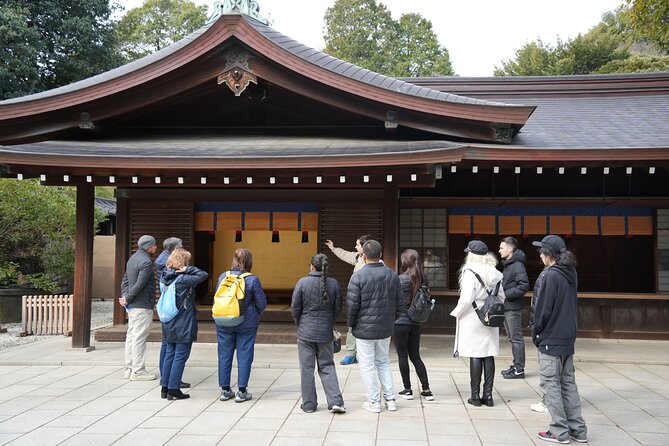
Then you shift gears to Meiji Shrine, with a guided visit lasting about 70 minutes. Meiji is one of those places where Tokyo sound drops off. Even with people around, the setting feels like a pocket of calm because you’re walking through a forested area rather than an open plaza.
The guide matters here. A good guide helps you notice what you’re looking at—how the shrine space is laid out and what the different elements mean in day-to-day Shinto practice. People in past tours mentioned guides like Oliver doing a great job, and one especially noted that on New Year’s Eve the day had a real feel of locals celebrating at shrines and temples.
Practical tip: wear comfortable shoes. You’re not climbing a mountain, but shrine grounds do add up on foot. Bring a hat and water, especially in warmer months. This is the part of the day where you’ll be happiest if you slow your pace and actually look around.
Imperial Palace Exterior: Best for Photos, Not Long Wandering
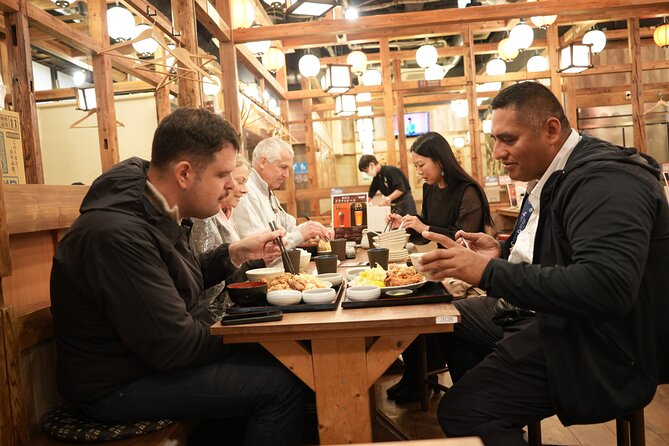
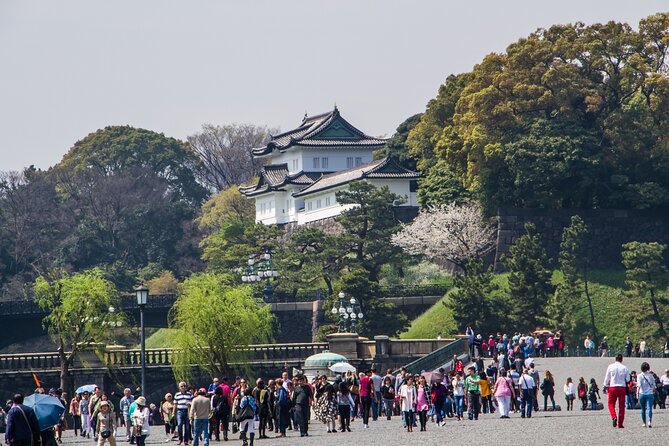
Next comes Tokyo Imperial Palace, with a guided tour time around 30 minutes. The focus here is mainly the exterior and the surrounding grounds—so come ready to take photos and then move.
If you’re expecting a long, inside-the-gates sightseeing block, this isn’t that kind of stop. Instead, think of it as a “major landmark hit” that gives you scale and context. You’re also learning how modern Tokyo sits next to a formal historic core.
This is a good location to practice patience with timing. Palace-area sites can have crowd pressure at certain hours, and weather can affect how long you want to stand outdoors. In other words: treat this as a highlight you’ll enjoy most by staying flexible.





Akihabara: Tech and Pop Culture Breathing Space
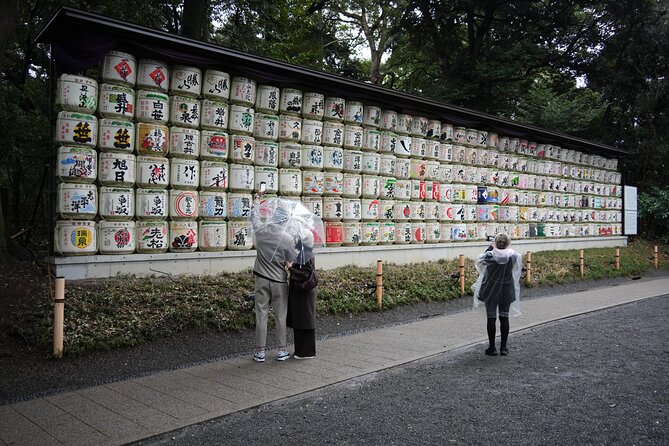
After the historic sites, you’ll head to Akihabara, known for tech, electronics, and pop culture energy. The tour includes scenic drive time rather than a long guided walk here, so think of this as a chance to notice the character of the district rather than a deep dive into shops.
What I like about including Akihabara even briefly is contrast. If your day only contains shrines and palaces, Tokyo starts to feel too “museum-like.” Akihabara reminds you this city is also playful, loud, and trend-driven.
If you’re a shop-and-browse person, use the moment as a cue. You’ll likely want to return later on your own when you can go slower and pick specific stores or streets based on your interests.
Asakusa and Senso-ji: Spend Your Time Like a Local
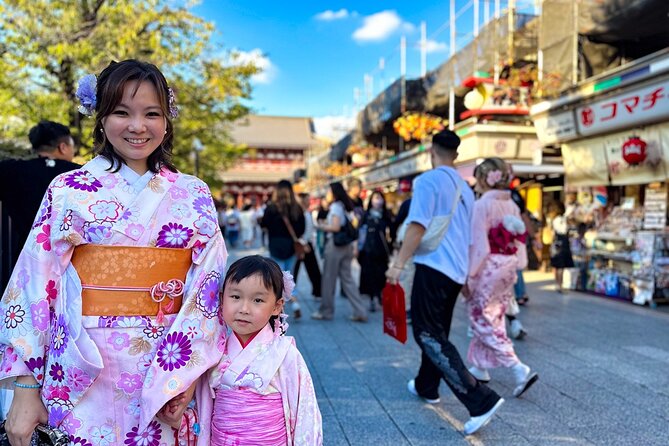
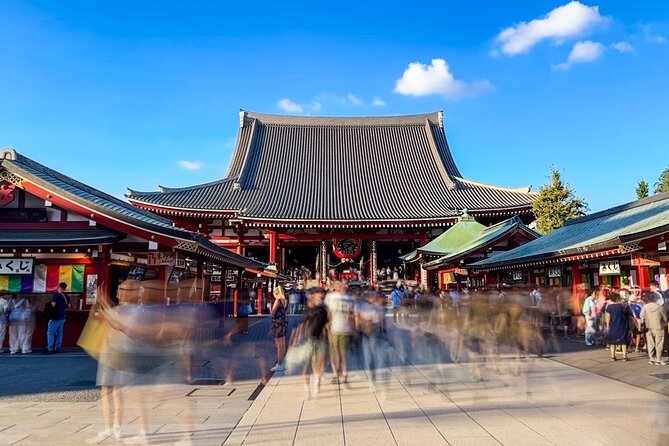
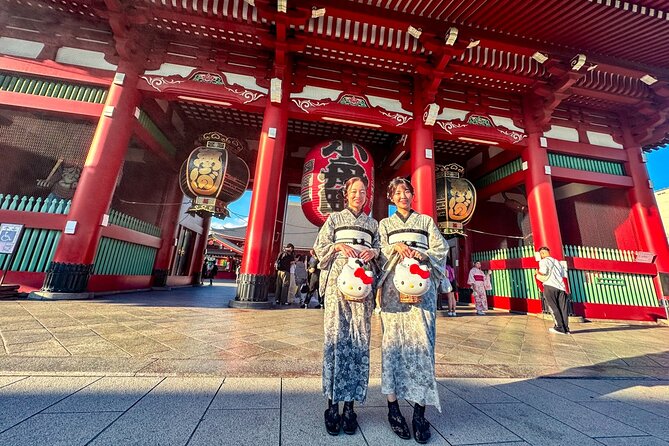
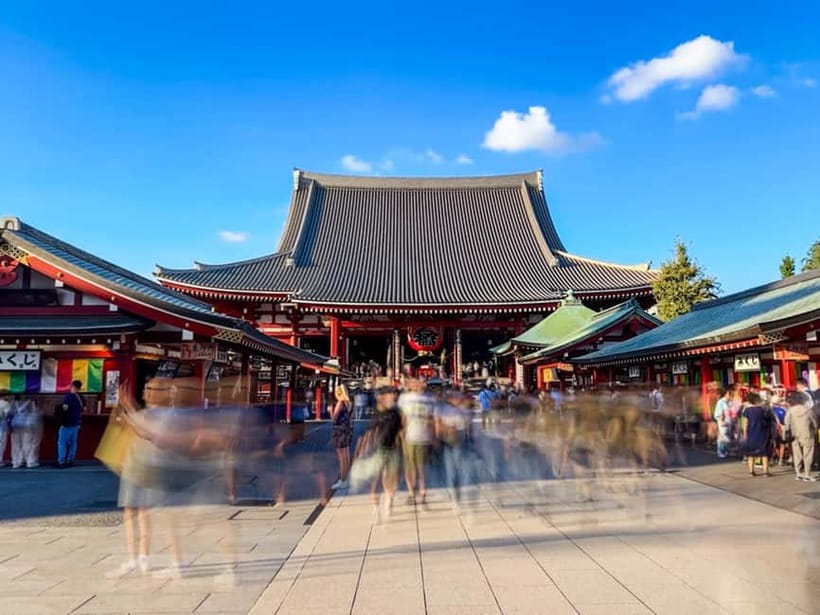
Asakusa is the heart of old Tokyo energy. You’ll visit Senso-ji Temple, and the overall Asakusa block includes lunch (if you choose the option) plus free time—about two hours.
This is where the day becomes personal, because you get choices. You can stay in the temple area, walk the streets for atmosphere, and use your free time to decide what feels worth repeating. I like this structure because Senso-ji can be overwhelming if you try to do everything at once.
A practical way to use your time:
- First, orient yourself around the temple complex so you don’t feel lost.
- Then spend your second half drifting rather than rushing.
- If you chose lunch, eat early enough that you still have enough time to wander afterward.
One consideration: temple area routes can get crowded. If you’re picky about seeing every detail, this kind of timebox can feel short. One past guest said they wanted clearer guidance on what to focus on at the shrine and felt the lunch timing made the temple stop less flexible. If you’re the kind of traveler who likes structure, ask your guide what to prioritize before you break off.
If you want a safer experience, plan to be okay with “best-of” rather than “everything.” In Asakusa, that’s often the happier way to travel.
Lunch Option: Good Value When You Want Less Planning
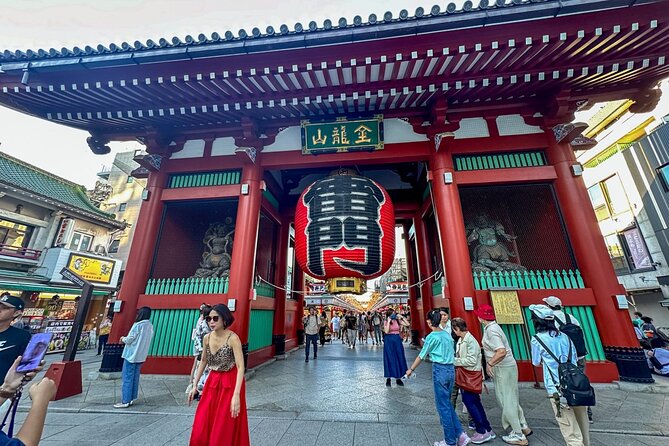
Lunch is included only if you select the lunch option. When it’s included, you’ll eat at a local Japanese restaurant with your group, and it’s meant to keep you from spending time hunting for something that fits your schedule.
From what’s been shared, the lunch can be a standout part of the day—well-served and delicious—especially because it solves a real Tokyo problem: deciding where to eat while you’re in transit.
Still, keep your expectations realistic. If your day includes tight windows elsewhere, the lunch slot may feel like a move-along meal rather than a long, leisurely one. If you prefer slow dining, you might choose the no-lunch option and build your own meal plan in Asakusa during free time.
Tokyo Skytree: Panoramic Views, Ticket Timing, and a Smart Ending
The tour can include Tokyo Skytree if you choose the option, and it ends at two drop-off locations: Tokyo Skytree and Asakusa (depending on the option and your flow). The big rule: you can only enter the Skytree observation area if you’ve already purchased tickets.
That means two things for you:
1) Don’t assume your group stop equals automatic entry.
2) Double-check your ticket situation before you leave the last guided segment.
The payoff is worth it. Skytree is one of the easiest ways to understand Tokyo’s scale. From the observation deck, you see how neighborhoods stack, how the city spreads, and where your earlier stops fit into the bigger picture.
Practical tip: bring sunscreen and water. You’ll likely spend time looking around outdoors at least in short bursts, and then time taking photos from inside. If you’re photo-focused, arrive ready to shoot in different directions—sunlight changes quickly.
Price and Logistics: Why $69 Can Be a Good Deal
At $69 per person for a 7-hour outing, the value depends on what you’d otherwise pay for yourself.
Here’s what’s included:
- Bilingual guide in Spanish and English
- Train tickets for transfers between the main points
- Lunch if you select that option
- Tokyo Skytree entrance only if you select that option
Not included: drinks.
That’s the real math. Getting transit covered by the provider can save stress and time, especially if your Japanese is limited and the stations in Tokyo feel like a maze. The guide also reduces decision fatigue: instead of picking which landmarks to hit first, you follow a plan that hits iconic sights.
Still, be honest about fit. If your main travel goal is slow, deep museum-style history, a timed “hit list” tour might feel pricey. One past guest felt the itinerary timings were off and said the day felt shorter at certain stops. That can happen in big cities due to crowd flow and transit delays.
My advice: treat this as an efficient orientation tour with big highlights. If that’s your goal, $69 can be fair. If you want leisurely exploration at each stop, plan extra solo time in the areas you care about most.
Group Day Reality: What the Guide Helps With (and What You Still Control)
A lot of the praise centers on guides doing the human part well. Names that came up include Oliver, Jorg, Melody, George, Erik, and Burt. Guests repeatedly noted warmth, organization, and clear explanations about Japan—like travel tips including how to use the zig-zag systems and transit habits while you’re in Japan.
That matters because Tokyo runs on small rules you don’t see until you’re in it. Even if the tour hits the big sites, the guidance helps you decode:
- how to read shrine/temple space at a quick glance,
- why certain areas feel ceremonial,
- and how to move between neighborhoods without getting stuck.
You still control your experience in two ways:
- Your pace (especially at Meiji and Asakusa)
- Your focus (photos vs. walking streets vs. reading details)
If you want the most satisfying day, don’t try to capture everything. Pick your priorities and let the rest be background color.
Who Should Book This Full Tokyo Day—and Who Should Skip
This tour is a strong match if you:
- want one day to see Meiji Shrine, Imperial Palace, Asakusa, and Skytree,
- prefer guided structure with transit handled,
- enjoy photo opportunities and quick landmark context,
- are okay with timed visits and some free time at Asakusa.
It’s not a good match if you:
- need wheelchair-friendly accessibility (it’s not suitable for wheelchair users),
- want long, unhurried time at each site,
- dislike the idea that crowds can affect how long you feel you’re in one place.
If you’re traveling with limited energy or time, this format helps. If you’re a slow explorer, you may feel “rushed” unless you plan your own return visits to the stops that grabbed you.
Should You Book It? My Decision Guide
Book this tour if your goal is fast, high-impact Tokyo. It’s built to give you variety: shrine calm, palace formality, old-city temple streets, and a big-city skyline ending. With train tickets and a guide included, it removes a lot of friction.
Skip it if your personal style is deep-dive and lingering. You’ll likely do better picking fewer landmarks and spending extra time on the streets between them. Also, make sure you select the Skytree option only if your ticket situation is ready—entry depends on having tickets previously purchased.
If you can match your expectations to a highlight-packed day, this is a good use of a half-week (or a single short trip day). Tokyo rewards people who move smart, not slow.
FAQ
Where do I meet the guide?
Meet next to the Hachiko Statue at Hachiko Square.
How long is the tour?
The tour lasts 7 hours.
What does the tour cost?
The price is listed as $69 per person.
What language is the guide?
The tour includes a live guide in English and Spanish.
What’s included in the price?
You get the bilingual guide, train tickets for transfers between stops, and lunch if you choose the lunch option. Entrance to Tokyo Skytree is included only if you select the Skytree option.
Is lunch included?
Lunch is included if you choose the lunch option. If not selected, you’ll have free time in Asakusa instead.
Do I need to buy Tokyo Skytree tickets separately?
Yes. You can only enter Tokyo Skytree if you previously purchased tickets.
Where does the tour end?
It ends at Tokyo Skytree, and there are also two drop-off locations listed, including Asakusa.
Is the tour refundable if plans change?
Free cancellation is available up to 24 hours in advance for a full refund.
Is this tour wheelchair accessible?
No. It’s not suitable for wheelchair users.
More Tour Reviews in Tokyo



Fresh reviews from around Tokyo






Tokyo, compared.
 ★ 5.0Mt Fuji and Hakone 1-Day Bus Tour Return by Bullet TrainFrom $16326,383 reviews
 ★ 5.01-Day Tokyo Bus TourFrom $12914,250 reviews
 ★ 4.6teamLab Planets TOKYO Digital Art Museum Entry TicketFrom $259,779 reviews
 ★ 4.0Mt Fuji & Hakone Cruise, Drum Show Bullet Train 1 Day from TokyoFrom $1497,413 reviews
 ★ 5.0Shinjuku Food Tour (13 Dishes at 4 Local Eateries)From $866,603 reviews
 ★ 4.4Tokyo Mt Fuji 5th St & Hakone Cruise Bus Tour w/Bullet TrainFrom $1545,024 reviews
 ★ 5.0Flagship 2-Hours Official Street Go-Kart Tour – Tokyo Bay ShopFrom $644,974 reviews
 ★ 4.5From Tokyo: Mount Fuji Full-Day Sightseeing TripFrom $684,970 reviews