
Reviewed · SAKE TASTING
Wagyu Beef and Sake Pairing Foodie Tour in Tokyo
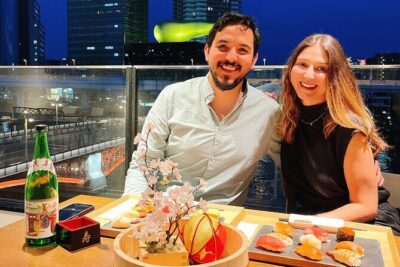
Sake and wagyu, expertly packaged. This Tokyo foodie tour mixes all-you-can-eat Wagyu with a guided 20+ sake tasting, plus a stroll through Ginza after dark. The certified guide helps with translation, so you’re not stuck guessing what the menu is really saying.
I especially like two things: the guide’s help sorting out Wagyu types and the grading confusion, and the way the Wagyu is grilled right in front of you for a more hands-on, no-fuss meal. One heads-up: this is not a fit if you’re vegetarian or vegan, since it’s built around beef.
In This Review
- Why This Tour Works: Wagyu, Sake, and a Clear Plan
- Shimbashi to Ginza at 5pm: a smart Tokyo night start
- Price and value: what you’re really paying for
- Meeting, timing, and how not to mess up the start
- Stop 1 in Shimbashi: getting your bearings fast
- The sake tasting stop: 30 minutes with real context
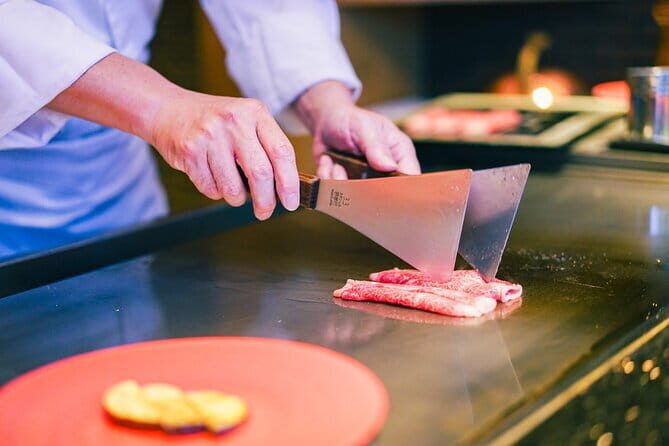
- The Wagyu grilling stop in Ginza: where the magic happens
- The one all-you-can-eat rule you must know
- Pairing mindset: how to taste without overthinking
- Ginza at night: a short walk that actually adds value
- The dessert stop in Ginza: don’t skip the sweet reset
- Who this tour is best for (and who should skip)
- Quick checklist before you go
- Should you book it?
- FAQ
- How long is the Wagyu Beef and Sake Pairing Foodie Tour?
- Where do I meet the guide?
- Where does the tour end?
- Is sake included and is it unlimited?
- Is the Wagyu beef all-you-can-eat?
- Can I order more Wagyu during the all-you-can-eat part?
- Do I have to drink sake the whole time?
- Are there age limits for alcohol?
- Is the tour suitable for vegetarians or vegans?
- What’s the group size?
Why This Tour Works: Wagyu, Sake, and a Clear Plan
- Guide translation that actually removes menu stress, especially around Wagyu types and grading
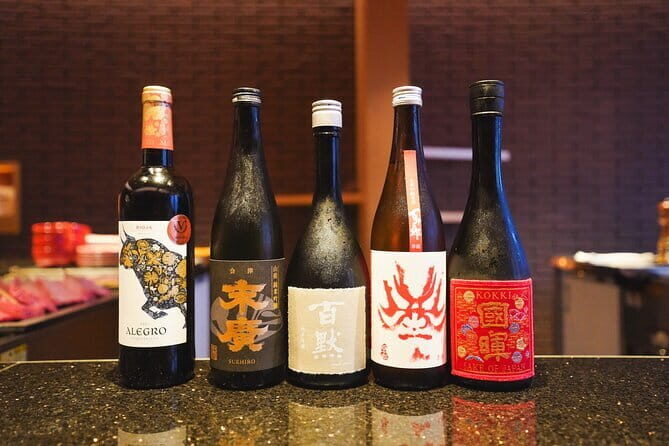
- A focused sake tasting window with learning built in, not just drinking
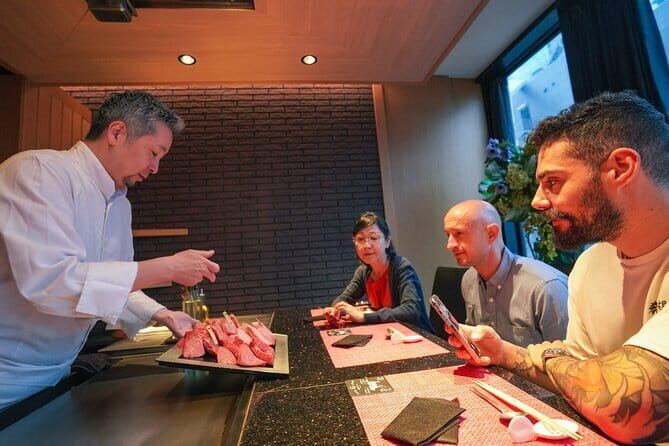
- Wagyu grilled in front of you, so you get real control over how you experience each cut
- Over 20 sakes to choose from, so you can compare rather than sip one and move on
- A Ginza night walk that fills the gaps between food without feeling like a chore
- Dessert included, so you end with something sweet instead of walking home stuffed and salty
Another round: more sake tastings
- Ramen and Sushi Cooking Class with Sake Pairing Set in Tokyo★ 5.0 · 291 reviews
- Sake Tasting Masterclass in Shinjuku (8+ Varieties with a Pro)★ 5.0 · 271 reviews
- Wagyu & Sake Pairing in Shinjuku – Steak, Shabu-Shabu & More★ 5.0 · 112 reviews
Shimbashi to Ginza at 5pm: a smart Tokyo night start
This tour starts at 5:00 pm in the Shimbashi area, and it stays in the Tokyo nightlife zone of Shimbashi and Ginza. That timing matters. It gives you enough daylight to get oriented, then swaps in the street lights and evening energy once the food portion ramps up.
The pacing also feels designed for first-timers. You begin with a sake introduction, then move to the grilling and tasting meal, then end with a walk and a dessert stop. You’re not racing across the city, and the total time is about 3 hours 30 minutes.
One practical plus: the group size is capped at 7 travelers, so you get more attention from the guide and less waiting. In small groups like this, the tour doesn’t feel like a factory line.
Price and value: what you’re really paying for
At $218.02 per person, you’re paying for more than food. You’re paying for three things that are hard to recreate on your own on a busy Tokyo night:
A guide who translates. When menus and tasting notes are involved, language becomes the bottleneck. Here, the guide helps you understand what you’re ordering and what you’re tasting.
Both sake and Wagyu are part of the same experience. Instead of doing a random restaurant dinner and later hunting down a sake bar, this lines it up into one sequence.
The “variety” factor. You get a selection of 20+ sakes to choose from, and the Wagyu experience is built as all-you-can-eat within the set rules. That variety is where the money starts to feel justified. You’re not just paying for one drink and one cut of beef.
Is it good value for everyone? If you only want a light snack and a single drink, it may feel like overkill. But if you want a structured tasting night with translation and a small group, the price is easier to swallow.
Meeting, timing, and how not to mess up the start
You’ll meet at Shimbashi Station (near 2 Chome-17 Shinbashi, Minato City). The tour ends near Ginza/Yurakucho station, so you can slide back to your hotel without a long trek.
Plan to arrive early, because the tour is strict about starting on time. If you’re late by more than about 15 minutes past the meeting window, you won’t be able to join.
Also note the climate warning: Tokyo swings hotter in summer (up to 40°C) and colder in winter (down to about -5°C). Since this is a daytime-to-night route with a walk portion, dress for both comfort and the weather.
Stop 1 in Shimbashi: getting your bearings fast
The first stop is in Shimbashi, where you start at the Shimbashi Station meeting point area. There’s no big show here. This part is about getting everyone settled and ready, so you’re not scrambling when the tasting begins.
Think of it as the warm-up. Even if you’ve never done a sake tasting or a Wagyu-focused meal before, you’ll have a guide with you from the start, which lowers the stress level.
Other plates worth crossing Tokyo for


The sake tasting stop: 30 minutes with real context
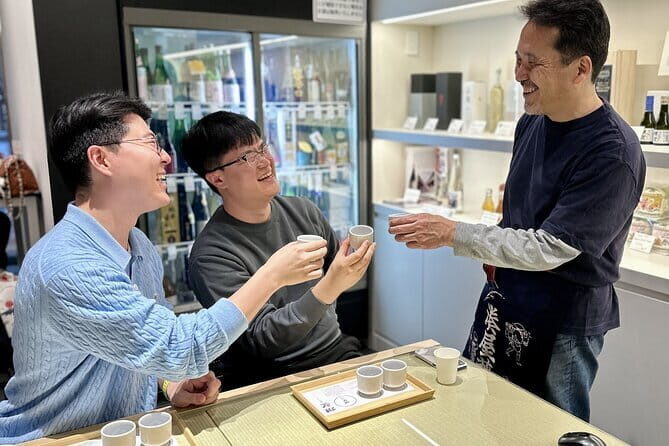
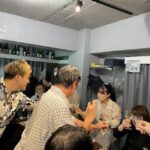
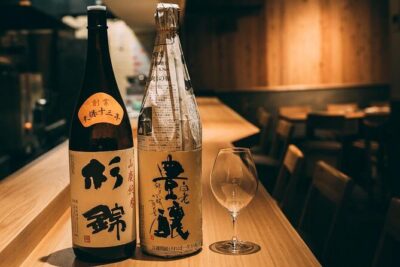
Next comes the all-you-can-drink sake portion for about 30 minutes. This is not just a pour-and-go moment. The tour includes explanations around the history of Japanese alcohol, plus guidance on what you’re drinking.
In real-world terms, this is what you want from a sake experience: a short, guided intro that helps you taste with intent. If you’re the type who forgets everything right after the first sip, the guide’s pacing should help you remember what matters.
You also have options. Even though sake is the centerpiece here, some guests note there are other drinks available if sake isn’t your favorite.
One legal note you should take seriously: by Japanese law, only those age 20+ can drink alcohol. That doesn’t mean you can’t join, but it does affect the experience, because the tour includes sake as part of the included tasting.
The Wagyu grilling stop in Ginza: where the magic happens
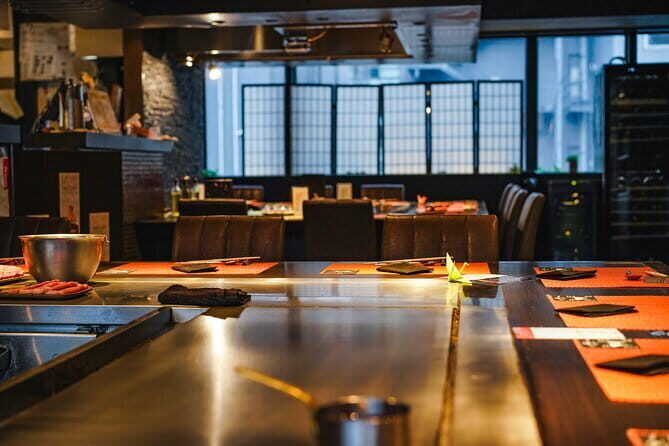
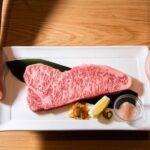
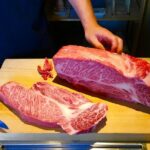
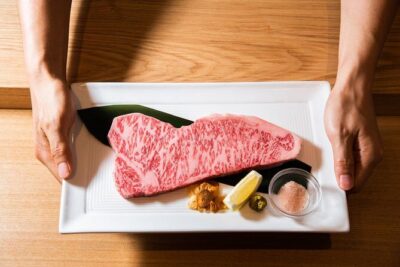
After sake, you head to Ginza for the main Wagyu meal, grilled right in front of you. This is the point where the tour shifts from learning mode into eating mode.
You’ll have about 75 minutes for all-you-can-eat Wagyu, and it comes with 2 included drinks. This matters because it turns the meal into a full tasting session, not a quick plate and a goodbye.
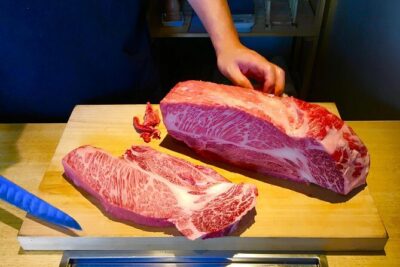
Also, the guide helps with more than translation. They’re there to reduce the usual confusion around Wagyu menu choices—especially when the beef labels feel cryptic to visitors.
The one all-you-can-eat rule you must know
For this all-you-can-eat style, you can only order more after you finish all the Wagyu beef provided. Simple rule, big impact. If you go in planning to sample and leave food behind, you’ll be fighting the system.
So I recommend a strategy that keeps you happy: start with small bites of each style the guide recommends, then slow down when you’re close to the “finish the tray” moment. You’ll get more out of it, and you won’t end up stuck too full too fast.
Pairing mindset: how to taste without overthinking
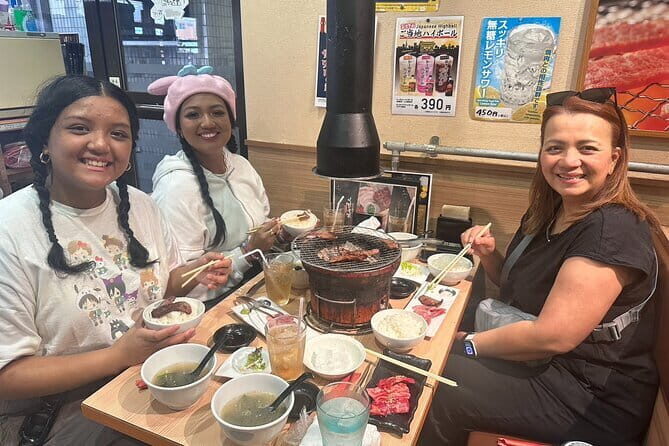
The tour is called a Wagyu beef and sake pairing experience, but you don’t have to follow a strict tasting spreadsheet. What you’re really doing is learning the menu language and building your own pairing preferences.
A practical way to enjoy this: take a sake sip, then switch to the next Wagyu cut or style you’re offered, then reset with water or your included drink if offered. The goal isn’t perfection. It’s understanding what changes as you switch.
If your guide is someone like Ken Take (a name that pops up in past experiences), you’ll likely get more than just a “this one tastes like…” explanation. Some guides are praised for linking sake production and the way beef became part of Japanese cuisine, which helps your brain make sense of what you’re eating.
Ginza at night: a short walk that actually adds value
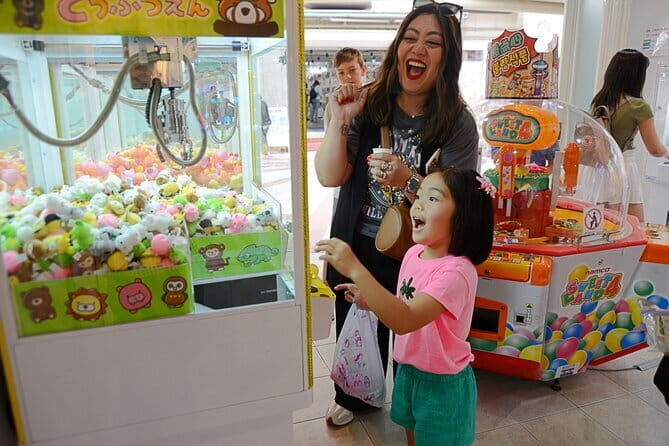
After the main meal, you spend about 30 minutes walking the streets of Ginza at night. The point isn’t sightseeing in the textbook sense. It’s the simple pleasure of street lights, people-watching, and watching the area shift after dinner time.
This stop works because it breaks up the heavy eating. It also gives you photos and atmosphere while everything is still fresh in your mind.
Also, because the group is small, the walk tends to feel less like a guided march and more like a shared night outing. If your guide is Fuji (another name you may hear), the walk can come with neighborhood context and food-area guidance.
The dessert stop in Ginza: don’t skip the sweet reset
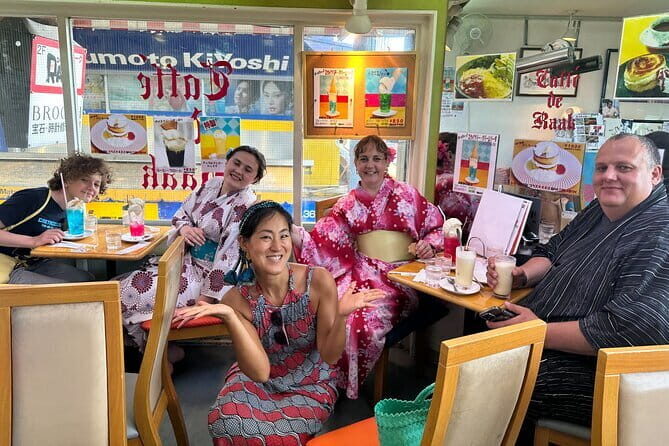
You finish with about 30 minutes at a local cafe for dessert. This sounds small, but it’s a smart ending. After all-you-can-eat beef and multiple sips, dessert is what brings your taste buds back to neutral.
You’ll also likely have a choice that includes a dessert or drink, depending on how the package is offered that evening. Either way, the tour doesn’t strand you with only savory flavors and no landing.
One useful warning: some people end up stuffed after the Wagyu portion, so keep expectations realistic. If you’re aiming to pace hard so you can enjoy dessert, start the meal more slowly than you think you need.
Who this tour is best for (and who should skip)
You’ll probably love this tour if:
- you want a structured Tokyo food night with translation
- you enjoy tasting and comparing drinks, especially with 20+ sake options
- you like the idea of Wagyu grilled in front of you rather than ordering blind
- you appreciate a small group format (max 7 travelers)
You should think twice if:
- you don’t eat meat (it’s not suitable for vegetarians or vegans)
- you need a gluten-free option (gluten-free requests aren’t accommodated)
- you’re looking for a quiet, low-intensity meal (the all-you-can format and pace are the whole point)
If you’re a solo traveler, the small group also helps. Many people find these kinds of tours less intimidating when the group is capped and the guide stays close.
Quick checklist before you go
Here’s how to set yourself up for an easy night:
- Bring a jacket or layer; Tokyo can change fast after sunset
- Arrive early enough to avoid the strict start-time cutoff
- Be ready for the all-you-can-eat rule about finishing what’s served first
- If you have allergies or dietary needs, tell the operator at least one day before the tour
- Remember the age rule: in Japan, alcohol drinking is limited to age 20+
Should you book it?
Book it if you want a high-value Tokyo tasting night that blends Wagyu, sake education, and Ginza atmosphere without menu guesswork. The translation support is the real multiplier, because it turns a tricky ordering experience into something you can actually enjoy.
Skip it if you’re meat-free, need gluten-free accommodations, or you prefer low-quantity dining. This tour is built for people who want to taste a lot, learn a bit, and leave full.
If that sounds like your kind of evening, this one is a strong choice.
FAQ
How long is the Wagyu Beef and Sake Pairing Foodie Tour?
It lasts about 3 hours 30 minutes.
Where do I meet the guide?
You meet near Shimbashi Station at 2 Chome-17 Shinbashi, Minato City, Tokyo 105-0004.
Where does the tour end?
The tour ends near Ginza/Yurakucho station.
Is sake included and is it unlimited?
Yes. The tour includes all-you-can-drink sake for about 30 minutes.
Is the Wagyu beef all-you-can-eat?
Yes. You get all-you-can-eat Wagyu for about 75 minutes (plus 2 included drinks).
Can I order more Wagyu during the all-you-can-eat part?
You can only order more after you finish all the Wagyu beef provided.
Do I have to drink sake the whole time?
No. The experience centers on sake, but you don’t have to stick to sake only, since other drinks are available.
Are there age limits for alcohol?
In Japan, only people age 20 or older are allowed to drink alcohol, and this affects the sake portion.
Is the tour suitable for vegetarians or vegans?
No. The tour is not suitable for vegetarians or vegans.
What’s the group size?
The tour has a maximum of 7 travelers.
More Tours in Tokyo


More Tour Reviews in Tokyo




Tokyo by the Cup: More Sake Tastings
Fresh reviews from around Tokyo






Sake Tasting, compared.
 ★ 5.0Ramen and Sushi Cooking Class with Sake Pairing Set in TokyoFrom $79291 reviews
 ★ 5.0Sake Tasting Masterclass in Shinjuku (8+ Varieties with a Pro)From $72271 reviews
 ★ 5.0Wagyu & Sake Pairing in Shinjuku – Steak, Shabu-Shabu & MoreFrom $148112 reviews
 ★ 5.0Tokyo Wagyu & Sake Pairing Tasting Experience with Local FlavorsFrom $151108 reviews
 ★ 5.0Sushi and Ramen Cooking Class with Sake Pairing SetFrom $12981 reviews
 ★ 4.9Tsukiji: Outer Market Walking Tour & Sake Tasting ExperienceFrom $7081 reviews
 ★ 5.0Cozy Tokyo Class: Ramen, Sushi, Sake Pairing & Cultural ExchangeFrom $7974 reviews
 ★ 4.9Tsukiji: Unlimited Sake Tasting ExperienceFrom $5467 reviews
Browse the lists this tour appears in