
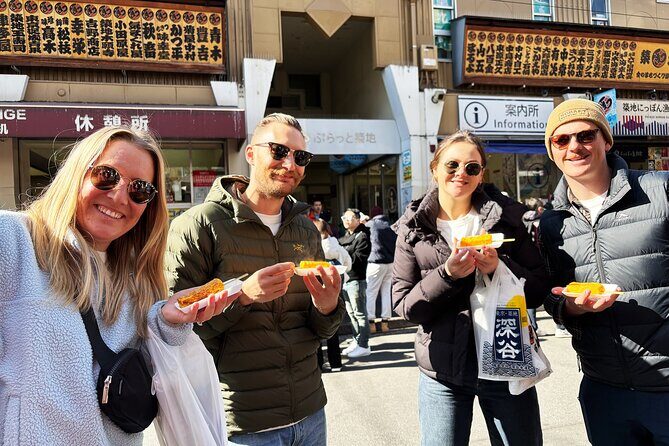
Reviewed · TSUKIJI FISH MARKET TOURS
Tsukiji Fish Market: Street Food Tour with Tasting
Crowds at Tsukiji? Your guide handles it. This street food tour in Tsukiji uses a guide-led route to show you how the market works while you taste your way through Japanese seafood culture, plus a wasabi set that changes the flavor of raw fish.
Two things I really like: you get a practical tasting mix (sushi or a seafood rice bowl, Wagyu skewers, tamagoyaki, eel, shumai, and dessert) and you also watch a real fish-cutting show using traditional technique. One thing to consider: it’s a 2-hour plan that moves through multiple stops, so you’ll be on your feet and navigating busy areas with a group of up to 15.
In This Review
- Key Highlights You’ll Feel on the Walk
- Tsukiji Food Walk: Why This Tour Works in Real Life
- What You’ll Taste: The Included Menu (and Why It’s Smart)
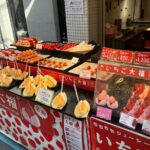
- Stop 1: Tsukiji Jogai Market Street Food Time (45 Minutes)
- Stop 2: Tsukiji Jogai Market Fish-Cutting Show + Seafood Bowl (30 Minutes)
- Stop 3: Tsukiji Fish Market Trader Atmosphere (30 Minutes)
- Stop 4: Tsukiji Hongwanji Temple Cultural Stop (15 Minutes)
- Guides Make the Difference: Kawa and Tomo’s Impact
- Price and Value: Is $97.55 Actually Reasonable?
- Who This Tour Fits Best (and Who Might Want Another Option)
- Practical Things You’ll Be Glad to Know
- Should You Book This Tsukiji Street Food Tour?
- FAQ
- How long is the Tsukiji Fish Market street food tour with tasting?
- What is the price per person?
- How big is the group?
- What tastings are included on the tour?
- Is a wasabi set included?
- Where does the tour start?
- Is the tour near public transportation?
- Do all stops require paid admission?
- What is the cancellation policy?
Key Highlights You’ll Feel on the Walk
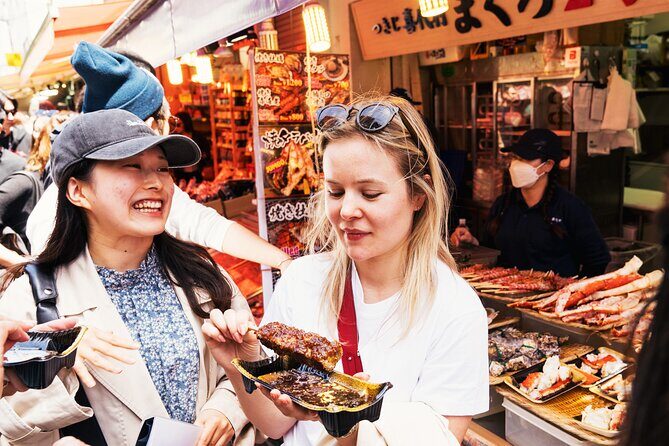
- A wasabi set made for the market’s raw seafood (it’s included, not an afterthought)
- A serious food variety packed into 2 hours: Wagyu skewers, Wagyu menchi katsu, sweet tamagoyaki, grilled eel, shumai
- A fish filleting show with a chef using traditional methods, plus a seafood bowl afterward
- Real trader atmosphere at the Tsukiji Fish Market area (short stop, good contrast)
- A temple visit that cools your head after the food sprint: Tsukiji Hongwanji Temple with Buddhist culture context
Still hungry? More Tsukiji breakfasts and market walks
- Tokyo Tsukiji Fish Market Food and Culture Walking Tour★ 5.0 · 3,184 reviews
- Tokyo: Tsukiji Fish Market Food and Walking tour★ 5.0 · 1,724 reviews
- Tokyo: Tsukiji Fish Market Guided Walking Tour★ 4.9 · 1,397 reviews
Tsukiji Food Walk: Why This Tour Works in Real Life
If you want Tsukiji without the stress, this is the style of tour that makes sense. It’s built around food stops, but it’s also about how Japanese cuisine gets flavor from technique—cutting, grilling, and preservation—and how those choices show up on a plate.
The big “win” here is the guide-led structure. You don’t just wander. You move from the street-food atmosphere into a traditional fish-cutting demonstration, then back into market energy, and finish with a calm cultural stop at Tsukiji Hongwanji Temple. That pacing matters because Tsukiji can feel overwhelming on your own.
For your money, you’re paying for three things: someone to help you make choices, tastings that cover multiple styles of Japanese food, and access to one ticketed moment (the fish-cutting show). At $97.55 per person for around 2 hours, it’s not a “cheap snack loop.” It is, however, a tight package of substantial bites and guided context.
One more practical point: it’s typically booked about 16 days in advance on average. If your Tokyo dates are fixed, I’d plan early rather than gamble.
What You’ll Taste: The Included Menu (and Why It’s Smart)
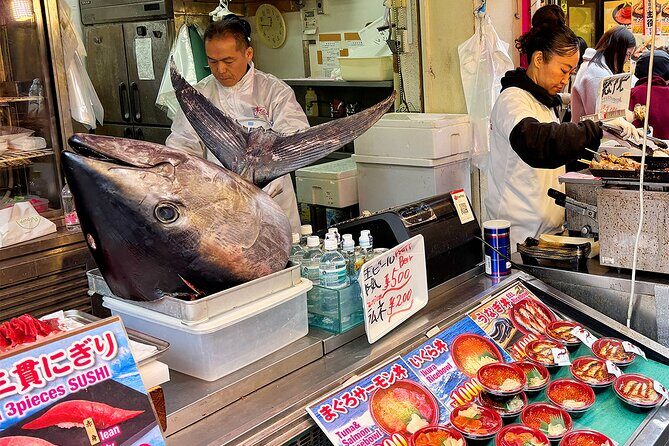
This tour’s tasting list is set up like a mini greatest-hits album of Japanese market food. You’ll get both seafood and meat, plus egg (tamagoyaki), plus dumpling (shumai), plus a dessert finish.
Here’s what’s included:
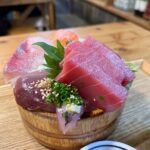
- Premium sushi or a seafood rice bowl
- Wagyu beef skewer
- Wagyu menchi katsu
- Tamagoyaki (sweet omelette)
- Grilled eel
- Shumai (dumpling)
- Strawberry dessert
- A special wasabi set provided by your guide
Why that mix is good for you: it prevents the common “just seafood” problem. Many Tsukiji food tours lean heavily into raw fish. This one spreads flavors across grilled, fried/crisp, sweet egg, and dumplings, so you’re not stuck eating one texture for two hours.
And the wasabi set is not just a condiment. It’s presented as something that “further enhances the flavor,” and a couple of guides are specifically praised for how they use it with raw seafood. If you think you already know wasabi, this is the moment where your idea gets tested—in a good way.
Stop 1: Tsukiji Jogai Market Street Food Time (45 Minutes)
You start at Tsukiji Jogai Market, and this is where the tour earns its keep. The market area can be hectic, but the guide route helps you focus on what’s worth trying instead of spinning in circles.
In this first stretch (about 45 minutes), you’re essentially learning the market rhythm through food. You’ll be tasting street-style items and picking up how Japanese vendors think about flavor-building, including artisan technique and ways food keeps its taste through traditional preservation methods.
What I like about starting here: it warms you up. You get moving, you taste early, and you get comfortable with what you’re looking at before you hit the more specific demonstrations later.
Possible drawback: because it’s a street-food start, you may find yourself standing and taking bites while you’re still orienting. If you prefer long sit-down meals, this tour format may feel more “active” than you’re used to.
Stop 2: Tsukiji Jogai Market Fish-Cutting Show + Seafood Bowl (30 Minutes)
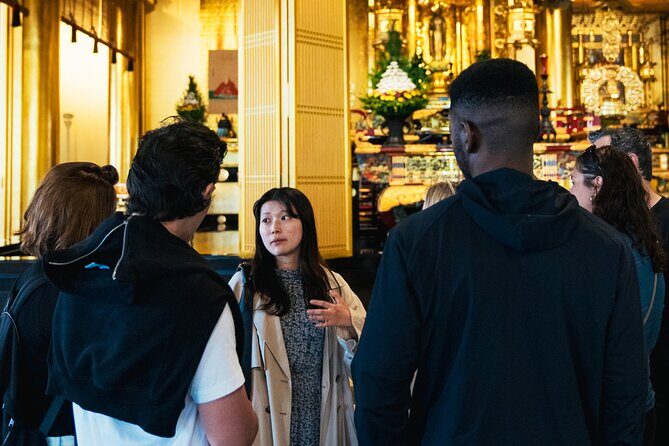
This is the “craftsmanship” stop, and it’s one of the most memorable parts of the whole experience. You’ll watch an exclusive fish-cutting show where a chef fillets a whole fish using traditional techniques.
Then you eat a fresh seafood bowl afterward. So you get the cause-and-effect experience: you see how the fish is handled, then you taste how that handling shows up.
Why this matters for you, not just your camera roll: Tsukiji isn’t famous only for quantity. It’s famous for how serious people take technique. Watching the filleting gives you a framework for understanding why certain pieces taste different—texture, thickness, and how the cut exposes flavor.
And based on guide feedback, the best part is how smoothly the guide manages the moment. One guide named Kawa is praised for letting people keep flexibility with food choices and for helping you get questions answered with the stall owners. That kind of in-the-moment translation can turn a “watch and hope” show into something you truly understand.
Other plates worth crossing Tokyo for


Stop 3: Tsukiji Fish Market Trader Atmosphere (30 Minutes)
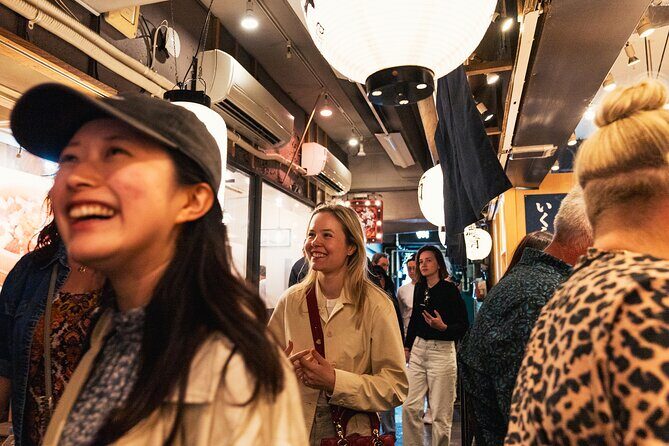
Next you shift into the authentic market atmosphere where professional traders operate. This stop is shorter—about 30 minutes—but it adds a different texture to the tour. You’re no longer just doing street snacks or show-and-taste learning. You’re seeing the market as a workplace.
This kind of stop is valuable when you want context. You’re reminded that Tsukiji is built on selling fast, working carefully, and running on knowledge—so the food you eat isn’t random. It’s connected to how the market functions day to day.
The only thing to keep in mind: this stop is “real market,” which means it can feel busy. If you’re sensitive to crowds or fast foot traffic, keep your expectations realistic: the goal here is atmosphere plus a quick reset of perspective, not lingering.
Stop 4: Tsukiji Hongwanji Temple Cultural Stop (15 Minutes)
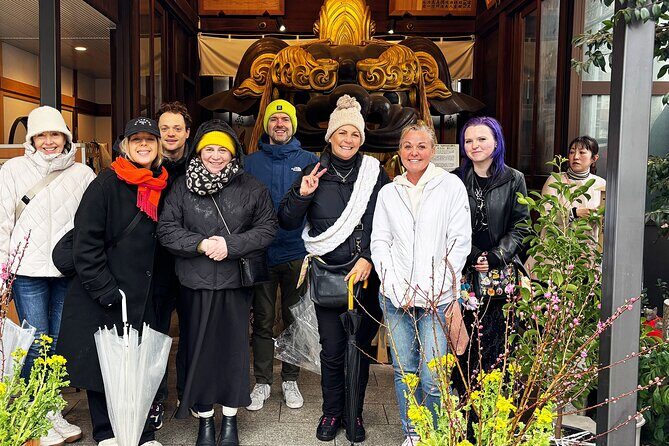
After the food intensity, the tour shifts to Tsukiji Hongwanji Temple for about 15 minutes. Your guide leads you into the temple and shares charm and history tied to Buddhism.
I like this contrast because it slows your breathing. You go from market energy to a place built for reflection. It also helps you see how food culture connects to daily life and belief systems in Japan—food isn’t isolated. It sits inside a broader rhythm of culture.
This stop isn’t about turning you into a religion expert. It’s about adding perspective so the market doesn’t become just “eating, then leaving.”
Guides Make the Difference: Kawa and Tomo’s Impact
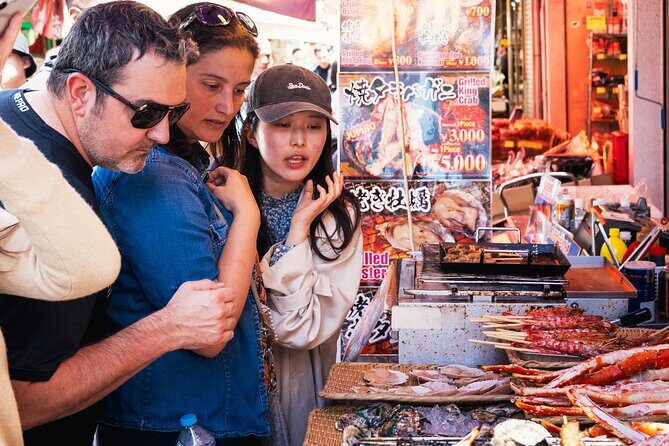
A food tour lives or dies by how someone directs your attention. The standout praise in the guides’ feedback points to two skills that matter for you:
- Handling the crowd and route smoothly
- Helping you ask better questions and choose with confidence
One guide, Kawa, is specifically mentioned for navigating the busy market with ease and for being thoughtful about flexibility with food choices. That means if you’re unsure about something on the menu, you’re not stuck. You can adjust while staying on track.
Another guide, Tomo, gets strong mentions for sharing knowledge about items as you see and taste them, and for asking follow-up questions to stall owners on your behalf. That’s not just friendliness—it’s leverage. In a market environment, translation and food guidance can save you from guessing wrong.
Price and Value: Is $97.55 Actually Reasonable?
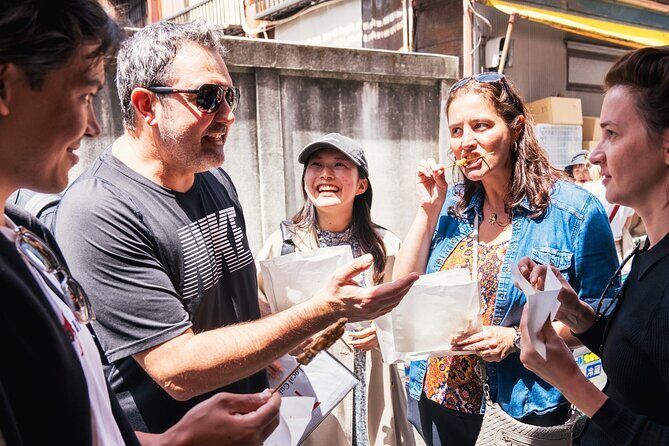
Let’s be honest: $97.55 can sound like a “tour markup,” especially if you’re used to buying single items at street stalls. Here’s why the value makes more sense for this format:
- You’re getting a lot of different bites in a short time.
Multiple protein types (seafood and Wagyu), plus tamagoyaki, dumplings, grilled eel, and dessert. This isn’t just one snack and some wandering.
- A wasabi set is included.
It’s easy to underestimate how much a guide-driven wasabi pairing can improve raw seafood enjoyment.
- One stop includes a ticketed experience.
The fish-cutting show is listed as admission included, while other stops are admission free.
- You’re capped at 15 people.
A smaller group tends to mean you can hear guidance and move without constant bottlenecks.
Also, it’s around 2 hours, so you’re not spending half a day in motion. That timing is great if you’re trying to hit multiple Tokyo neighborhoods.
Who This Tour Fits Best (and Who Might Want Another Option)
This tour is a great match if:
- you want Tsukiji food with guidance, not solo chaos
- you like a mix of seafood and Japanese “market classics”
- you’re curious about technique, especially fish-cutting craftsmanship
- you appreciate a guided cultural stop at a temple after eating
It might not be ideal if:
- you strongly prefer long sit-down meals
- you get uncomfortable with crowds and standing
- you want a slower pace with fewer stops
For most people, the tour notes that most travelers can participate, and the group size is kept under control. It’s also near public transportation, so you’re not locked into a complicated commute.
Practical Things You’ll Be Glad to Know
- Mobile ticket: You’ll have a mobile ticket for the tour.
- Meeting point: You meet at 築地本願寺本堂3-chōme-15-1 Tsukiji, Chuo City, Tokyo 104-0045, Japan, and the tour ends back at the same place.
- Route pacing: Total time is about 2 hours, split across four stops, with the most time at Tsukiji Jogai Market.
- Taste expectations: You’re eating enough to count as a meal-plus-snacks session, not just tasting tiny bites. The included list is substantial.
And if you’re planning around schedules, confirmation is received at booking time, and the tour includes free cancellation up to 24 hours before it starts.
Should You Book This Tsukiji Street Food Tour?
If you want an efficient, guided way to experience Tsukiji—food plus context—then yes, I’d book it. The strongest reason is the structure: street food starts you off, the fish-cutting show gives you technique you can taste, and the temple adds a calm cultural counterpoint.
Book it especially if you care about more than raw fish. The menu covers Wagyu, eel, dumplings, sweet tamagoyaki, and dessert, so your palate gets variety in a short time. And if you’re the type who likes to ask questions at food stalls, guides like Kawa and Tomo are exactly the kind of support that makes the market feel less intimidating.
Skip it only if you dislike busy market areas or you want a long leisurely meal. Otherwise, this is a solid use of limited Tokyo time—and the included wasabi set is the kind of detail that can turn a good meal into one you remember.
FAQ
How long is the Tsukiji Fish Market street food tour with tasting?
The tour lasts about 2 hours.
What is the price per person?
The price is $97.55 per person.
How big is the group?
The tour has a maximum of 15 travelers.
What tastings are included on the tour?
You’ll be offered premium sushi or a seafood rice bowl, a Wagyu beef skewer, Wagyu menchi katsu, tamagoyaki (sweet omelette), grilled eel, shumai (dumpling), and a strawberry dessert. A special wasabi set is also included.
Is a wasabi set included?
Yes. The tour includes a special wasabi set provided by your guide.
Where does the tour start?
The meeting point is 築地本願寺本堂3-chōme-15-1 Tsukiji, Chuo City, Tokyo 104-0045, Japan.
Is the tour near public transportation?
Yes, it is listed as near public transportation.
Do all stops require paid admission?
Admission is listed as free for Stop 1 (Tsukiji Jogai Market), free for Stop 3 (Tsukiji Fish Market), and free for Stop 4 (Tsukiji Hongwanji Temple). Stop 2 includes admission for the fish-cutting show.
What is the cancellation policy?
Free cancellation is available. You can cancel up to 24 hours in advance for a full refund. If you cancel less than 24 hours before the start time, you won’t get a refund.
More Tours in Tokyo




More Tour Reviews in Tokyo




Back to the Market: More Tsukiji Tours


Fresh reviews from around Tokyo






Tsukiji Fish Market Tours, compared.
 ★ 5.0Tokyo Tsukiji Fish Market Food and Culture Walking TourFrom $993,184 reviews
 ★ 5.0Tsukiji Fish Market Food and Walking tourFrom $301,724 reviews
 ★ 4.9Tsukiji Fish Market Guided Walking TourFrom $221,397 reviews
 ★ 5.0Tokyo Sushi Making Class in Tsukiji with Professional ChefFrom $491,177 reviews
 ★ 5.0Tsukiji Fish Market Guided Tour and Sushi Making with Pro ChefFrom $104775 reviews
★ 4.7Tsukiji Fish Market Food and Culture Walking TourFrom $96757 reviews
★ 5.0Tsukiji Fish Market Guided Tour and Sushi Making with Pro ChefFrom $104775 reviews
★ 4.7Tsukiji Fish Market Food and Culture Walking TourFrom $96757 reviews
 ★ 5.0Tsukiji Fish Market: Street Food & Culture Walking TourFrom $33669 reviews
 ★ 5.0Tsukiji Fish Market Small-Group Food Walking TourFrom $87621 reviews
Browse the lists this tour appears in