
Reviewed · MARKETS
Traditional Antiques Market Tour Tokyo
Tokyo’s antique markets feel like a treasure hunt. This daytime tour takes you through outdoor stalls near shrines, where you can hunt for traditional finds with Sayuki, a geisha guide. Expect a shopping walk that’s part browsing, part cultural decoding, and part negotiating help.
I especially like that you don’t go in blind. Sayuki explains how Tokyo flea markets work and what to look for, so you’re shopping with context, not just instinct. I also like the bargaining support—your guide will negotiate on your behalf so you can aim for a fair price without getting stressed.
One real consideration: antique markets don’t run every day. The tour is listed for weekly dates, but market schedules can be inconsistent, so it’s smart to double-check your exact day before you make the trip.
In This Review
- Key highlights to know before you go
- Starting at Tomioka Hachiman Shrine: your morning shopping base
- Why a geisha guide like Sayuki is the real advantage
- How shrine-side flea markets work (and how to shop smart)
- What to buy: samurai-style curios, kimono finds, and “Japan you can hold”
- Price and value: $170.60 per group for up to 4
- Time on your feet: pacing for a 2–3 hour market walk
- Mobile ticket and day-of reality: making check-in easy
- The big watch-out: market schedules may not match the listing
- Should you book this tour? My practical take
- FAQ
- How much does the Traditional Antiques Market Tour Tokyo cost?
- How long is the tour?
- What time does the tour start?
- Where do we meet, and where does the tour end?
- Is a ticket included?
- What is included in the tour price?
- What is not included?
- Do I get a mobile ticket?
- How big is the group?
- Can I bring a service animal?
- Is it refundable if I cancel?
Key highlights to know before you go
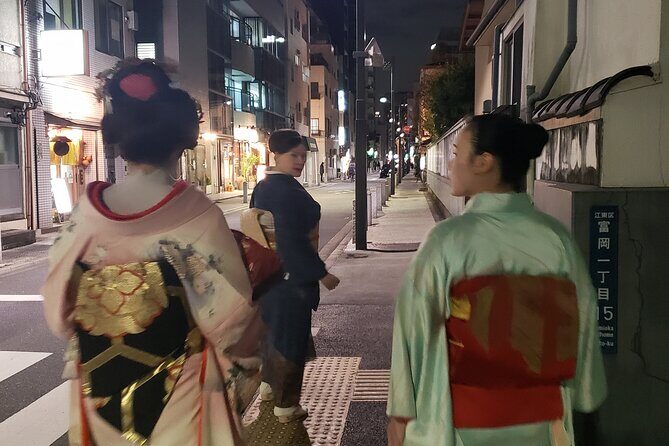
- Sayuki helps with bargaining so you’re not doing all the negotiating
- Shrine-side flea markets where traditional items show up in casual stalls
- Culture lessons while you shop, so you learn what the goods are and why they matter
- Good souvenir hunting for Japanese curiosities, including kimono-related finds
- Small-group pace with a maximum of 20 people (so the walk stays manageable)
- Mobile ticket for easier day-of check-in
More shopping runs through Tokyo
- Tokyo Tsukiji Fish Market Food and Culture Walking Tour★ 5.0 · 3,184 reviews
- Tokyo: Tsukiji Fish Market Food and Walking tour★ 5.0 · 1,724 reviews
- Tokyo: Tsukiji Fish Market Guided Walking Tour★ 4.9 · 1,397 reviews
Starting at Tomioka Hachiman Shrine: your morning shopping base
Your tour kicks off at Tomioka Hachiman Shrine (Koto City), starting at 9:00 am. Meeting there matters because shrine areas are built for strolling—easy to orient yourself, and perfect for an outdoors market crawl. This also means you’ll be walking in daylight, which is a big help when you’re judging fabrics, finishes, or condition.
The whole experience runs about 2 to 3 hours, and it ends back at the starting meeting point. That closed loop is convenient. It’s also useful if you plan to connect to another activity afterward, like lunch nearby or a museum visit later in the day.
Wear comfortable walking shoes. You’ll be moving around market stalls, often on uneven outdoor paths, and you’ll want your feet to feel good—not just your shopping list.
Why a geisha guide like Sayuki is the real advantage
A tour like this lives or dies by the guide. Here, you get Sayuki, described as a geisha guide, and it’s possible your guide could be an apprentice geisha. Either way, the point is the same: you’re getting someone who understands what matters to shoppers and how to handle the social rhythm of bargaining.
Sayuki’s biggest job is to help you shop intelligently. Tokyo antique markets can be a mix of true collectibles, refurbished pieces, and everyday goods that are still charming and well-made. Having someone who can explain what you’re looking at helps you avoid the common mistake: buying something because it’s interesting, not because it’s right for your budget and taste.
And then there’s the negotiating. The tour notes that the guide will bargain for you and help you pay a fair price. In practice, that means you can focus on picking items you actually want—rather than feeling stuck doing price back-and-forth while you’re trying to read tags, compare options, and handle your own shopping nerves at the same time.
How shrine-side flea markets work (and how to shop smart)
This is a daytime hunt for Japanese curiosities at outdoor shrines with markets and nearby stalls. Those locations tend to be busy in their own way: more pedestrian than mall-like, more “browse and chat” than “buy and go.” You’ll typically see a lot of small items alongside larger, more specialized pieces, with the real variety coming from which stalls are open that day.
Here’s what I’d do to make the most of it:
- Start by scanning broadly for themes you like (kimono-related textiles, small crafts, themed souvenirs).
- Only then narrow down to the best-looking pieces, and let Sayuki handle the price conversation.
- If something is tempting but not perfect, ask for help comparing similar items—bargaining goes faster when you’re confident you understand the alternatives.
The tour’s highlights emphasize learning about Tokyo’s range of flea markets. That education is valuable because it helps you shop beyond one stall. Even if you don’t buy everything, you’ll leave knowing what kind of markets to seek on your own later.
What to buy: samurai-style curios, kimono finds, and “Japan you can hold”
The tour is built around souvenirs that feel more personal than typical gift shops. Expect traditional wares and curios—items tied to Japanese aesthetics and pop culture-friendly themes.
The highlights specifically call out samurai swords and geisha pillows, plus kimono robes and other kimono-related items. Whether you’re looking for decor, gifts, or something to remember the trip by, these categories are the kinds of purchases that look good in photos but also feel meaningful at home.
A practical note: for items like textiles or anything that looks handmade, condition matters. Fabrics can have wear that’s hard to spot from a quick glance. Take a few extra seconds to check seams, edges, and overall finish—then bargain. Having Sayuki involved helps you ask the right questions and work toward a fair price, but you still want to choose items you genuinely like.
If you’re the type of traveler who enjoys “story objects”—things with a cultural angle—this tour format fits well. It’s not just about buying; it’s about learning what the items are and how they fit into Japan’s everyday craftsmanship.
More market mornings in Tokyo





Price and value: $170.60 per group for up to 4
The price is $170.60 per group, up to 4 people. That’s not cheap in a pure “shopping only” sense, especially if you compare it to wandering markets on your own. But the value here isn’t the walking time—it’s the combination of guide support plus negotiation help.
Think of what you’re paying for:
- Sayuki’s guidance while you identify what’s worth your attention
- Bargaining on your behalf, which can save money or help you avoid overpaying
- The time-saving benefit of not having to figure out where the best stalls are
If your group is small (one or two people), the effective per-person cost is higher than it looks. Still, the bargaining help can justify it if you’re planning to buy at least one or two higher-value items, like a kimono robe or a more substantial decor piece.
A good way to judge value before booking: decide what you want to spend overall on shopping souvenirs. If you’re aiming to buy something meaningful, a guide that helps you land a fair price can turn the tour into a practical bargain in its own right.
Time on your feet: pacing for a 2–3 hour market walk
The tour duration is listed as 2 to 3 hours (approx.), and it’s a daytime activity. That’s long enough to see multiple stalls and get a feel for pricing, but short enough that you won’t feel trapped in market fatigue.
Because you’re likely outside around shrines, the weather can change your comfort fast. If it’s hot, bring water. If it’s rainy, consider a light rain layer. And if you’re planning to do more walking after, keep your energy in mind—this tour is designed to lead you through buying opportunities, not to function as a full-day itinerary.
Group size is limited to a maximum of 20. That helps keep the tour from turning into a shuffle line. It should also make it easier for Sayuki to interact with you during bargaining moments and answer questions while you’re browsing.
Mobile ticket and day-of reality: making check-in easy
You’ll receive a mobile ticket, which is convenient because you’re not juggling paper while you’re out shopping. For day-of, I recommend keeping your phone charged and ready, and having your booking details accessible in one place.
Also, plan for the meeting point to be busy. Shrines often have foot traffic, and market areas can feel like a living map. Arrive a few minutes early so you can find the group without rushing—rushing is when you miss instructions and when you overspend because you feel flustered.
The big watch-out: market schedules may not match the listing
Here’s the honest caution for this experience. Antique markets near shrines can be day-specific. The tour is listed for regular availability, but there can be weeks when a market isn’t actually running when you arrive.
If you want to avoid a frustrating morning, do this:
- Confirm the market day is operating for your exact date before you travel to the shrine.
- If possible, contact the provider ahead of time with a simple question: whether the antique stalls are running on your scheduled day.
This is especially important because the start time is early and the tour is time-bound. You don’t want to show up, find empty grounds, and then spend the rest of the morning figuring things out.
Should you book this tour? My practical take
With a rating of 3 out of 5 from 4 ratings, you’re not looking at a perfect slam dunk. The upside is clear: you’re getting Sayuki, bargaining help, and a structured way to shop shrine-side antique markets for traditional souvenirs like kimono-related items and samurai- or geisha-themed pieces.
If you’re shopping with intent—meaning you know you want to buy something more special than a typical souvenir—and you like the idea of having a guide manage negotiations, this tour can be excellent value. The bargaining alone can make it worth the cost if you land fair prices on your top picks.
But if you’re the kind of person who can’t handle uncertainty—no backup plan if the market isn’t running—then you should think twice. The market-day risk is real enough to justify a quick confirmation before you lock in your morning.
FAQ
How much does the Traditional Antiques Market Tour Tokyo cost?
It costs $170.60 per group, with a group size of up to 4 people.
How long is the tour?
The tour lasts about 2 to 3 hours.
What time does the tour start?
The start time is 9:00 am.
Where do we meet, and where does the tour end?
You meet at Tomioka Hachiman Shrine, 1-chōme-20-3 Tomioka, Koto City, Tokyo 135-0047, Japan. The tour ends back at the meeting point.
Is a ticket included?
The activity includes an admission ticket for the first listed stop, and the provided info also says there are no fees to enter the market.
What is included in the tour price?
The main included benefit is that the guide helps bargain for you and helps you save money.
What is not included?
The provided information states no market-entry fees are expected (so there are no specific market-entry fees listed as extra).
Do I get a mobile ticket?
Yes. The tour uses a mobile ticket.
How big is the group?
The tour has a maximum of 20 travelers.
Can I bring a service animal?
Yes. Service animals are allowed.
Is it refundable if I cancel?
No. The experience is non-refundable and cannot be changed for any reason.
Bring an Empty Suitcase

More Tours in Tokyo





More Tour Reviews in Tokyo




Fresh reviews from around Tokyo






Markets, compared.
 ★ 5.0Tokyo Tsukiji Fish Market Food and Culture Walking TourFrom $993,184 reviews
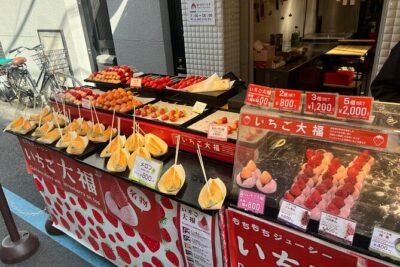 ★ 5.0Tsukiji Fish Market Food and Walking tourFrom $301,724 reviews
 ★ 4.9Tsukiji Fish Market Guided Walking TourFrom $221,397 reviews
 ★ 5.0Tsukiji Fish Market Guided Tour and Sushi Making with Pro ChefFrom $104775 reviews
★ 4.7Tsukiji Fish Market Food and Culture Walking TourFrom $96757 reviews
★ 5.0Tsukiji Fish Market Guided Tour and Sushi Making with Pro ChefFrom $104775 reviews
★ 4.7Tsukiji Fish Market Food and Culture Walking TourFrom $96757 reviews
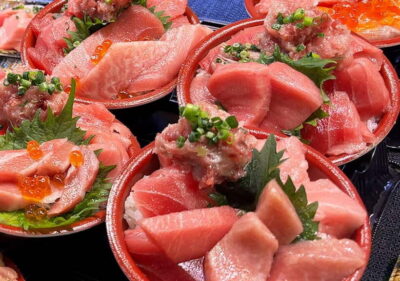 ★ 5.0Tsukiji Fish Market: Street Food & Culture Walking TourFrom $33669 reviews
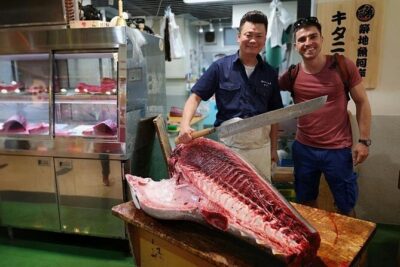 ★ 5.0Tsukiji Fish Market Small-Group Food Walking TourFrom $87621 reviews
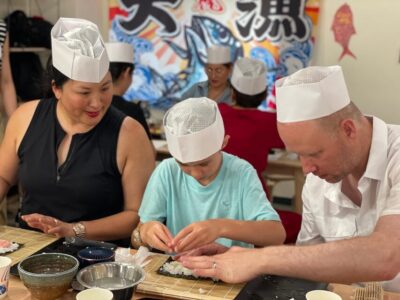 ★ 4.9Tsukiji Fish Market Sushi Making Class with Pro ChefFrom $63506 reviews
Browse the lists this tour appears in