
Reviewed · TSUKIJI FISH MARKET TOURS
Tokyo’s Kitchen: Tsukiji Market Food & Culture Walk
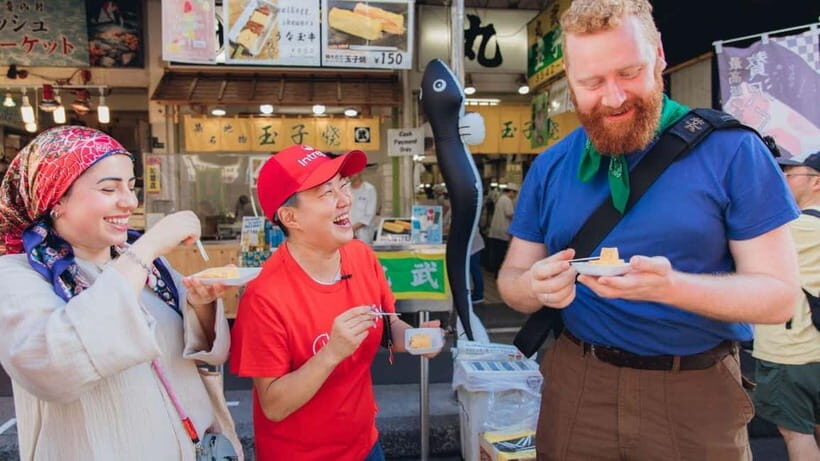
Your morning gets delicious fast. This walk through Tsukiji’s Outer Market feels like walking into Tokyo’s kitchen with a translator, not a crowd wave. I love the tiny group of up to six, because it keeps things relaxed even when the stalls get packed, and I love that the tastings come with stories you can actually use next time you spot a stall selling tamagoyaki, matcha treats, or dashi-flavored bites. You’ll also connect the market to Buddhist and Shinto roots, with a shrine stop that turns food culture into something you can feel with your own body.
Now for the trade-off: Tsukiji is busy and the ground can be wet, so you’ll want closed-toe shoes and patience with lines. And while the tour covers the important cultural links and plenty of food, it’s still a short 3-hour walk, so you may not see every behind-the-scenes detail you imagined.
In This Review
- Key takeaways before you go
- Starting at Higashi-ginza: the smartest way to begin Tsukiji
- Kabuki Inari Shrine: respect first, then food
- Tsukiji Outer Market tastings: how to eat without guessing
- What the tastings usually feel like
- Vegetarian and vegan reality check
- Sushi history and the Tsukiji-to-Toyosu shift
- Namiyoke Inari Jinja: learning rituals you can actually use
- Why a tiny group changes everything in a market
- Drinks, sake, and that age rule you should know
- What to wear and how to plan your morning
- Price and value: why $80 can make sense here
- Who this Tsukiji walk fits best
- Should you book this Tsukiji Kitchen walk?
- FAQ
- How long is the Tsukiji Market Food & Culture Walk?
- Where do I meet the tour guide?
- How big is the group?
- What food and drinks are included?
- Can the tour accommodate vegetarian or vegan diets?
- Is alcohol included, and are there age limits?
- What should I wear to Tsukiji?
Key takeaways before you go
- Small group pacing (6 guests max): you can actually ask questions and keep up without getting lost.
- Tastings with context: sushi, street snacks, and seasonal wagashi come with clear explanations.
- Shrine rituals matter: Kabuki Inari Shrine and Namiyoke Inari Jinja connect respect and daily life.
- Sushi history in plain terms: the tour covers how the market changed after the tuna auction moved from Tsukiji to Toyosu.
- Real vendor interaction: guides often introduce you to stall owners by name, which makes the market feel communal.
- You’ll eat more than you plan: most people should show up hungry and ready to sample, not to go full-on breakfast mode.
Still hungry? More Tsukiji breakfasts and market walks
- Tokyo Tsukiji Fish Market Food and Culture Walking Tour★ 5.0 · 3,184 reviews
- Tokyo: Tsukiji Fish Market Food and Walking tour★ 5.0 · 1,724 reviews
- Tokyo: Tsukiji Fish Market Guided Walking Tour★ 4.9 · 1,397 reviews
Starting at Higashi-ginza: the smartest way to begin Tsukiji
You start at Higashi-ginza Station (Exit 3) on street level, in front of the Kabukiza Theatre side of Harumi Street, near a little shrine by a torii gate. That meeting point matters. Tsukiji’s area can feel like a maze, and the guide’s job is basically to help you get your bearings quickly.
This is also where you’ll notice how the tour differs from just wandering. You’re not meant to “figure it out” with your phone and hope. You’re guided into the market flow, and that saves real time because you’re not stopping every two minutes to ask basic questions like what to order or which stall is worth the line.
Kabuki Inari Shrine: respect first, then food
The first guided stop is Kabuki Inari Shrine. Even if you’ve visited Japanese shrines before, this stop is useful because the guide will teach the simple gestures locals use to show respect. It’s brief, but it changes how you move through the market after.
Think of it like the pre-game. Before you’re eating fish and sweets back-to-back, you learn that food spaces in Japan aren’t just commercial. They carry beliefs and manners tied to Shinto practice, and the guide makes that connection clear without turning it into a lecture.
One practical note: shrines are usually calm compared with the market. If you’re arriving stressed, this stop gives you a small reset before the sensory overload.
Tsukiji Outer Market tastings: how to eat without guessing
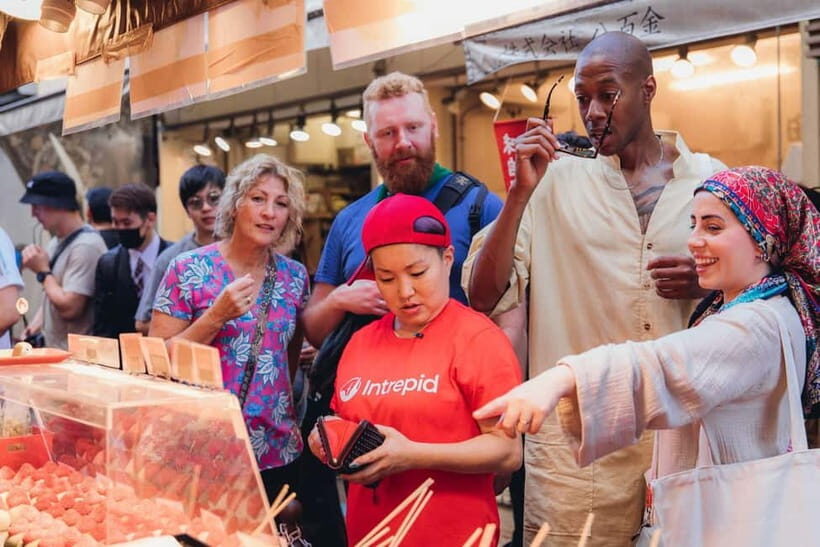
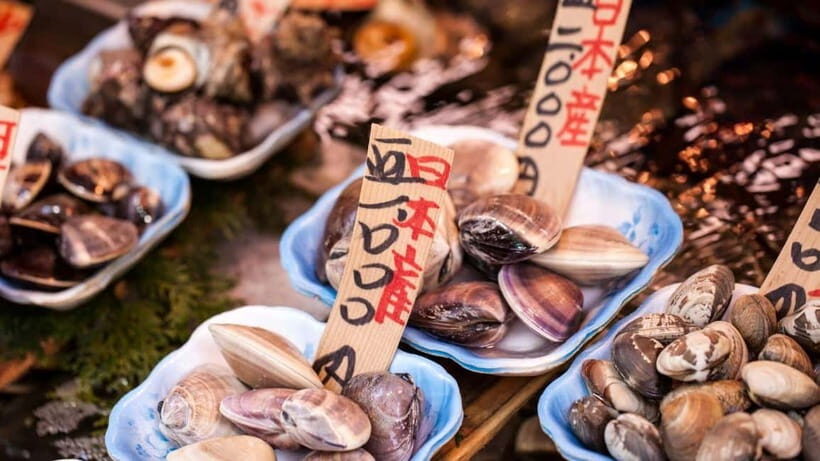
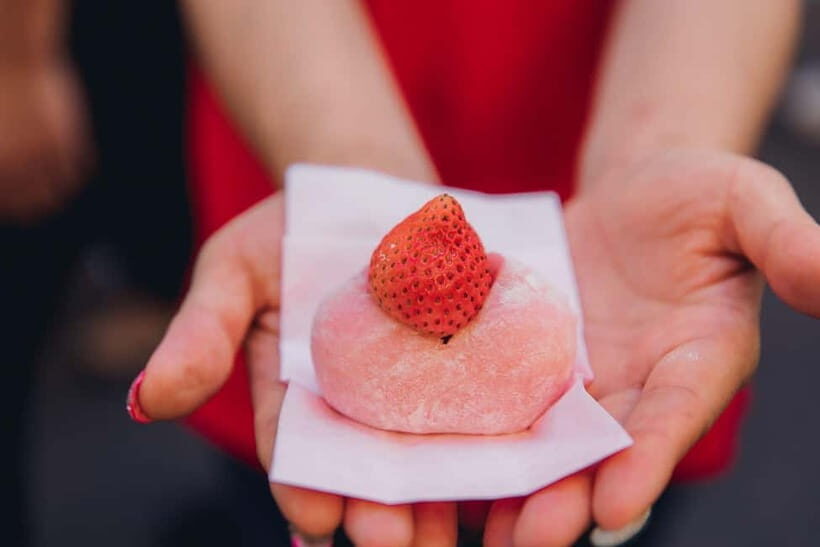
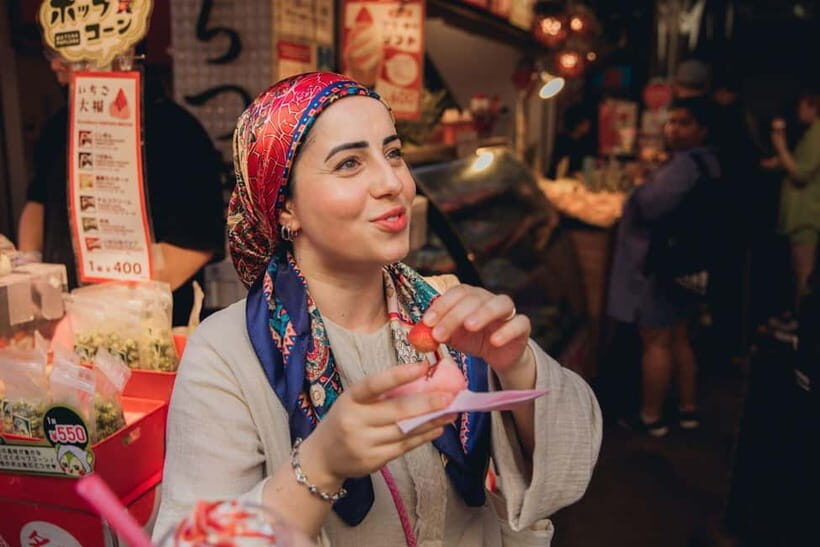
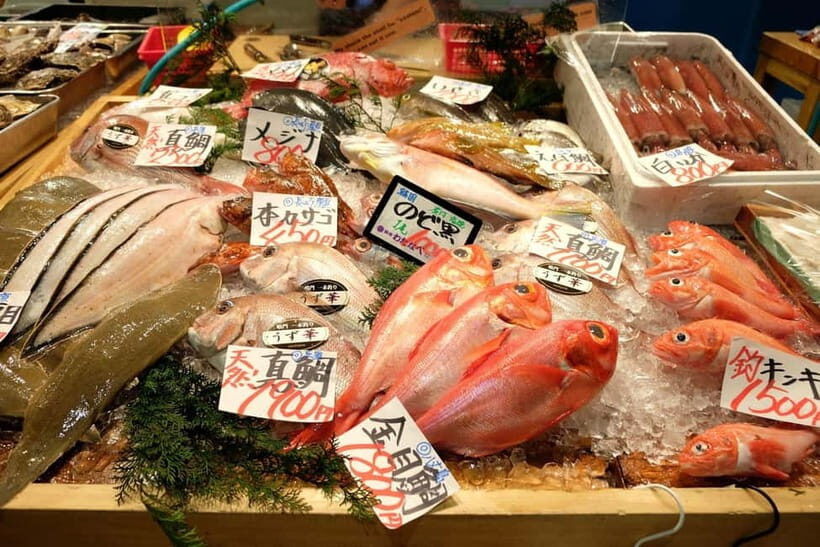
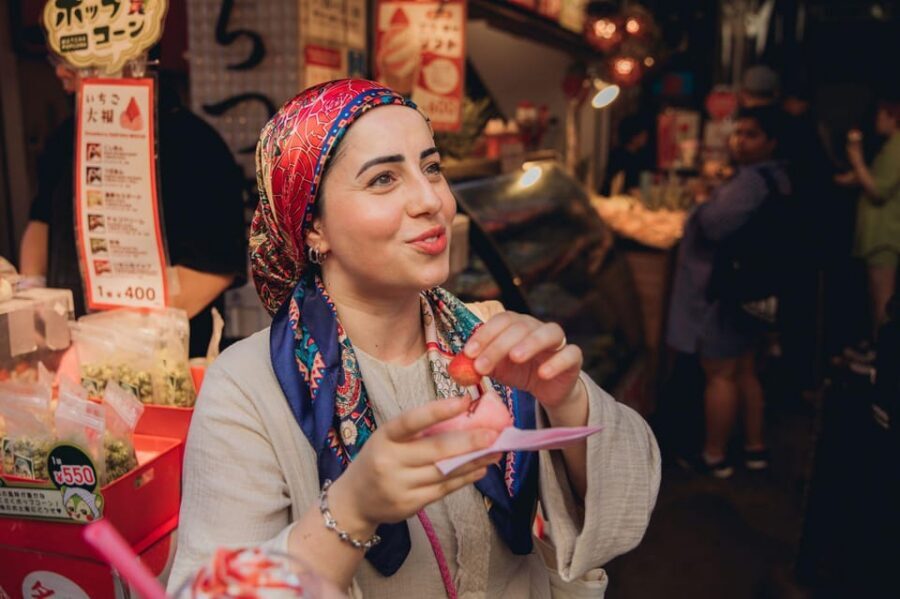
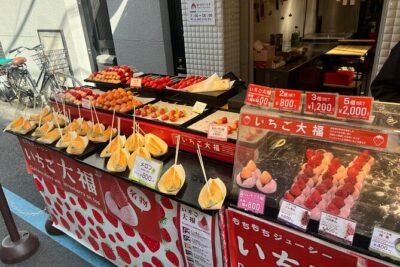
The main action is Tsukiji Outer Market, where you walk stall to stall with your local English-speaking guide. This is where you’ll sample fresh sushi, Japanese street snacks, and seasonal wagashi (Japanese sweets). The big difference is you’re not just trying random bites. You’re learning why each item exists, how it’s made, and what to look for when you’re back in Tokyo on your own.
In the best moments of the walk, guides build a mini lesson around what you’re eating. With guides like Oku, the flow can feel like a guided food science class: you might get tastings linked to ingredients such as soybeans, matcha, dashi, and tamagoyaki, plus explanations about the tools and steps behind what you’re tasting. Other guides have been praised for weaving in humor and using photos or models to make the food easier to understand.
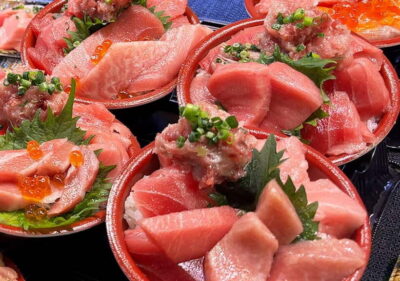
You might also encounter items like tuna and sashimi, mochi, green tea sweets, and even skewers (people have mentioned kobe beef). One guest experience even described grinding wasabi during the tour, which is the kind of detail that makes Tsukiji feel hands-on instead of touristy.
What the tastings usually feel like
Plan for small portions that keep you moving. Multiple reviews point out that you’ll eat a lot in small quantities, which means you should arrive with an empty stomach. One very blunt piece of advice from a past participant was basically: do not eat breakfast beforehand.
Also, lines exist. The market is not a quiet museum. The guide’s job is to keep you from wasting time and to help you choose the right stall at the right moment.
Tokyo at walking pace, a few more ways

Vegetarian and vegan reality check
Vegetarian and vegan options are available, but choices may be limited because of how the market works. If you eat plant-based, tell the operator ahead of time so the guide can plan tastings that fit your needs. You’ll likely have a better experience if expectations are realistic and you’re ready for substitutions.
Sushi history and the Tsukiji-to-Toyosu shift
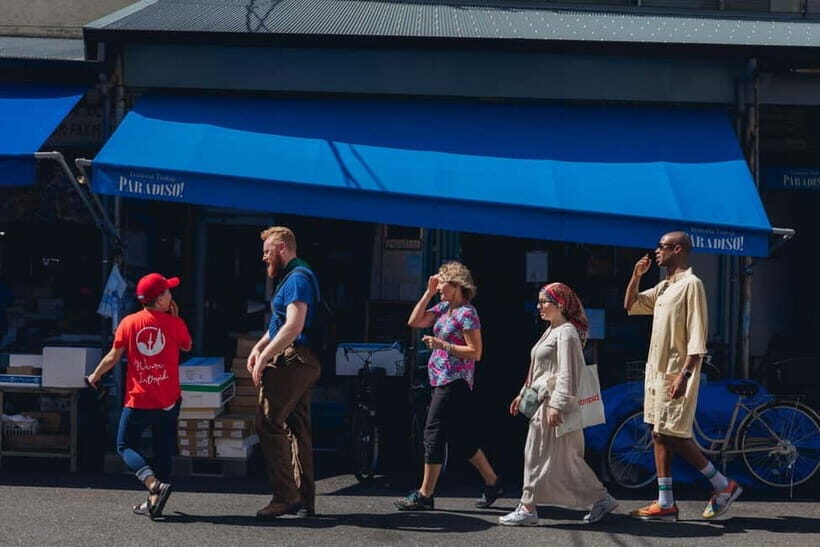
A big part of the value here is the context behind sushi and the market itself. You’ll hear the history of sushi in a way that connects to what you’re seeing today, plus how Tsukiji evolved over time.
You also get the key modern turning point: the famous tuna auction moved from Tsukiji to Toyosu. The tour doesn’t treat that as trivia. It helps you understand why Tsukiji today feels different from the “auction headline” image many people carry before they arrive.
If you like food with a story, this is a strong match. You’ll finish with a better sense of how markets shape cooking, how ingredients travel, and why certain stalls exist. That matters when you later order sushi somewhere else in Tokyo, because you can connect the flavors to the culture and technique you just learned.
Namiyoke Inari Jinja: learning rituals you can actually use
The walk includes a visit to Namiyoke Inari Jinja. The shrine stop is more than a photo moment. You’ll get guidance on simple gestures and customs that locals use to show respect. This is a nice balance to the eating portion, because it slows you down for a minute and turns the whole experience quieter and more meaningful.
It also fits the tour’s bigger theme: food culture here is linked to spiritual routine. The market isn’t just where people buy things. It’s where people work, pray, and live.
Why a tiny group changes everything in a market
Tsukiji can overwhelm you fast if you’re on your own. You’re hit with sound, smell, crowds, and rapid stall turnover. A group size limited to six is not a marketing detail. It’s the difference between feeling pulled along and feeling in control.
Small group tours also tend to make vendor interactions smoother. Several experiences note that vendors greet the guide warmly, sometimes by name. That creates a more human atmosphere than a standard line-up-and-snap-tour.
And you get better pacing. One review described how the guide kept a group together in a busy space while still sharing plenty of information. Another mentioned explanations helped the person who was nervous around fish feel comfortable. That kind of support is easier in a small group, where your questions don’t get pushed to the bottom of the pile.
Drinks, sake, and that age rule you should know
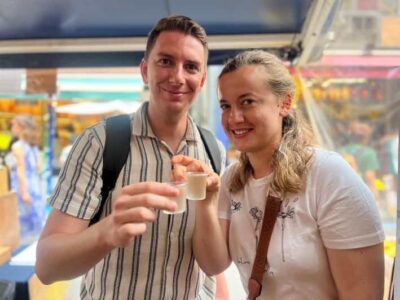
Your tour involves multiple tastings, and drink options may be part of the sampling. People have mentioned sake and other beverages like pepper cola tea. Japan has a clear guideline here: guests must be 20 or older to enjoy alcoholic drinks. If you’re under 20, you’ll be offered non-alcoholic alternatives instead.
So if you drink, you can treat this tour as a food-focused morning with a possible sake add-on. If you don’t drink (or can’t), you’re still set for plenty of tasty stops.
What to wear and how to plan your morning
Tsukiji market floors can be wet. That’s not a “maybe.” Wear closed-toe shoes such as sneakers so you can walk comfortably without worrying about slippery surfaces.
Also think timing. This is a morning walk, and many tastings build on that. One of the most repeated pieces of practical advice is simple: come hungry. If you go in too full, you’ll miss the pleasure of trying one bite, then another, without regret.
Weather matters too. One experience mentioned rain and wind, and the takeaway was that you need to dress for that possibility. Layers help, and a small umbrella can save your mood.
Price and value: why $80 can make sense here
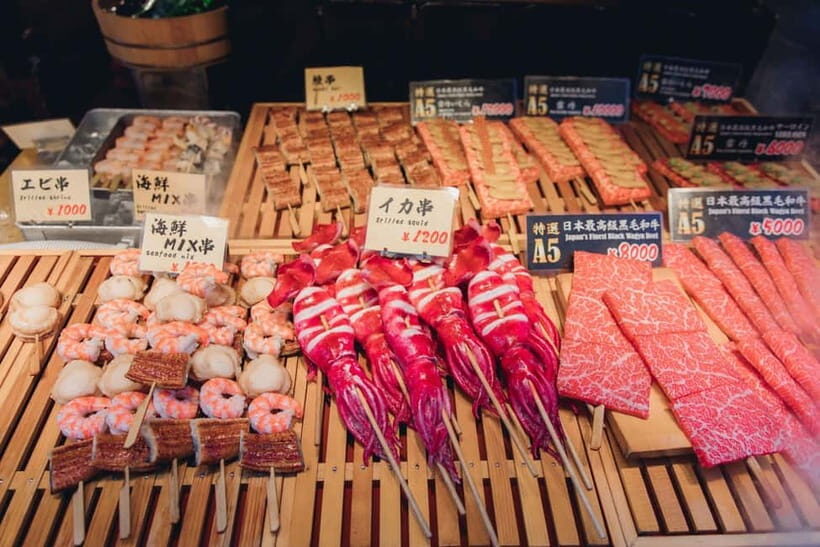
At $80 per person for about 3 hours, this isn’t a cheap “walk and photos” tour. But it can still be good value, because you’re paying for three things that are hard to replicate alone:
- A guide who can translate what you’re seeing and help you order or choose wisely.
- Multiple tastings that would cost you more if you tried to assemble them yourself across separate stalls.
- Cultural context that turns eating into understanding: sushi history, the shift from Tsukiji to Toyosu, and Buddhist/Shinto connections plus shrine rituals.
If you’ve ever tried to do Tsukiji on your own, you know the time cost. You wander, you wait, you second-guess, and you end up paying anyway for each “maybe this is good” choice. Here, the structure helps you make smarter decisions with less guesswork.
Who this Tsukiji walk fits best
This tour is a strong fit if you want Tokyo food culture with guidance, not just scenery. I’d especially recommend it if you like:
- Learning why a dish exists, not just what it tastes like.
- Trying lots of items in one morning without committing to full plates.
- Feeling comfortable around fish, sushi, and market foods even if you’re unsure what to order.
It’s also a good choice for couples and solo travelers because the small group format keeps it social without feeling chaotic.
If you’re expecting a long, deep behind-the-scenes tour of the working market, set expectations carefully. One participant wanted more of the working aspects, so this is better described as a food-and-culture walk with some practical market glimpses rather than a full industrial tour.
Should you book this Tsukiji Kitchen walk?
Book it if you want a morning that blends food tastings, shrine etiquette, and market history in a format that helps you actually enjoy Tsukiji instead of just survive it. It’s also a smart first Tokyo morning plan because it gives you context for the rest of your trip: how sushi fits into culture, how modern Tsukiji changed, and how respect shows up in everyday places.
Skip it or reconsider if you want a lot of free time to browse at your own pace, or if you expect a lengthy inside-the-industry working-market experience. Also, if you’re bringing very picky eating requirements, message the operator early so vegetarian or vegan needs can be accommodated as much as possible.
If you do book, show up with closed-toe shoes and an appetite. Let the guide handle the busy parts. You’ll walk away with tastings you remember and cultural connections you can use on your next food stop across Tokyo.
FAQ
How long is the Tsukiji Market Food & Culture Walk?
It lasts 3 hours.
Where do I meet the tour guide?
Meet at Higashi-ginza Station (Exit 3) on street level, in front of the Kabukiza Theatre side on Harumi Street, by the little shrine and torii gate.
How big is the group?
The group is limited to six guests, keeping it small and more relaxed.
What food and drinks are included?
The tour includes multiple tastings at Tsukiji Market, including fresh sushi, Japanese snacks, and seasonal wagashi. Additional drink options like sake may be included as part of tastings.
Can the tour accommodate vegetarian or vegan diets?
Vegetarian and vegan options are available, though choices may be limited due to the nature of the market. Let them know ahead of time.
Is alcohol included, and are there age limits?
Alcohol is subject to Japan’s age guideline: guests must be 20 or older to enjoy alcoholic drinks. Anyone under 20 will be offered non-alcoholic alternatives.
What should I wear to Tsukiji?
Wear closed-toe shoes (like sneakers), since market floors can be wet.
Tokyo on Foot: More Walks


More Tour Reviews in Tokyo






Back to the Market: More Tsukiji Tours

Fresh reviews from around Tokyo






Tsukiji Fish Market Tours, compared.
 ★ 5.0Tokyo Tsukiji Fish Market Food and Culture Walking TourFrom $993,184 reviews
 ★ 5.0Tsukiji Fish Market Food and Walking tourFrom $301,724 reviews
 ★ 4.9Tsukiji Fish Market Guided Walking TourFrom $221,397 reviews
 ★ 5.0Tokyo Sushi Making Class in Tsukiji with Professional ChefFrom $491,177 reviews
 ★ 5.0Tsukiji Fish Market Guided Tour and Sushi Making with Pro ChefFrom $104775 reviews
★ 4.7Tsukiji Fish Market Food and Culture Walking TourFrom $96757 reviews
★ 5.0Tsukiji Fish Market Guided Tour and Sushi Making with Pro ChefFrom $104775 reviews
★ 4.7Tsukiji Fish Market Food and Culture Walking TourFrom $96757 reviews
 ★ 5.0Tsukiji Fish Market: Street Food & Culture Walking TourFrom $33669 reviews
 ★ 5.0Tsukiji Fish Market Small-Group Food Walking TourFrom $87621 reviews
Browse the lists this tour appears in