
Reviewed · TSUKIJI FISH MARKET TOURS
Tokyo Tsukiji Food & Culture 4hr Private Tour with Licensed Guide
Food markets can be magic in Tokyo. This is a private 4-hour walkthrough of Tokyo’s fish-market world, built around Toyosu and Tsukiji plus classic shopping streets you can actually use for food souvenirs. I like that you can tailor the day by choosing 2–3 stops with your licensed English guide, then move at a pace that works for your group.
I especially like how much guidance you get while you’re standing in the chaos. Guides are praised for helping you navigate the market maze and for steering you toward smart sampling choices, like sushi, sea urchin, wagyu, and crab stalls, plus practical train and station advice (some guides even help with metro basics like a mini lesson).
One drawback to plan around: market timing and closures. Toyosu is closed on Wednesdays, Sundays, and sometimes other irregular days, and Tsukiji shops can also be affected. If you’re hoping for an early-auction vibe or a full slate of vendors, you’ll want to choose your date carefully.
In This Review
- Key points to know before you go
- How the 4-hour loop works on the ground
- Toyosu Market: plan around closure days
- Tsukiji Fish Market: where the sampling mindset takes over
- Asakusa’s Senso-ji and Nakamise: temple + snack shopping in one walk
- Ameyoko and Kappabashi: shopping with a kitchen purpose
- Tsukishima Monjya and Yanaka Ginza: two local flavors, not just the headline
- Price and logistics: is $109 per person a good deal
- Who should book this (and who might not love it)
- Should you book this private Tsukiji and food culture tour?
- FAQ
- How long is the Tokyo Tsukiji Food & Culture private tour?
- Is this a walking tour, and is there pickup?
- Can I customize the stops during the tour?
- Do I need tickets or paid entry fees?
- What are the key market closure considerations?
- Does the price include transportation or lunch?
- Is this a private group experience?
- Can I cancel for a full refund?
Key points to know before you go
- Licensed local English guide, private for your group
- Customization to 2–3 stops, so you’re not rushing through everything
- Toyosu closure days matter, and they can impact nearby market options
- Tsukiji is free to enter, so your main extra cost is sampling and any Toyosu ticket
- Hotel pickup is on foot, meaning you meet nearby and walk/transfer from there
- Food souvenirs are a real focus, with kitchenware and shopping streets built in
Still hungry? More Tsukiji breakfasts and market walks
- Tokyo Tsukiji Fish Market Food and Culture Walking Tour★ 5.0 · 3,184 reviews
- Tokyo: Tsukiji Fish Market Food and Walking tour★ 5.0 · 1,724 reviews
- Tokyo: Tsukiji Fish Market Guided Walking Tour★ 4.9 · 1,397 reviews
How the 4-hour loop works on the ground
This tour is designed for a half-day that feels manageable, not exhausting. You’ll spend about 30 minutes per stop on the core route, and the big idea is simple: you pick 2–3 sites from the planned mix, and your guide handles the flow so you don’t waste time figuring out where to go next.
It’s also a walking tour, with pickup offered in a way that keeps you from getting stranded. You meet on foot within a designated area of Tokyo, then your guide leads from there. That matters because these neighborhoods are tight and layered with alleys, stairs, and side streets. One of the most common compliments in the feedback is that guides help you get your bearings fast—so you’re not just “seeing sights,” you’re moving efficiently.
If you’re someone who likes food but hates wasting vacation time, you’ll probably like the structure. The half-day format keeps you from overcommitting. Just understand that the tour is not a full-day food crawl, so you should choose your must-dos up front.
Toyosu Market: plan around closure days
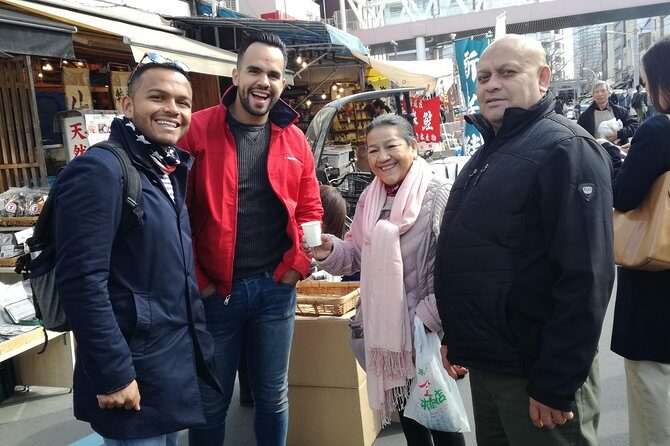
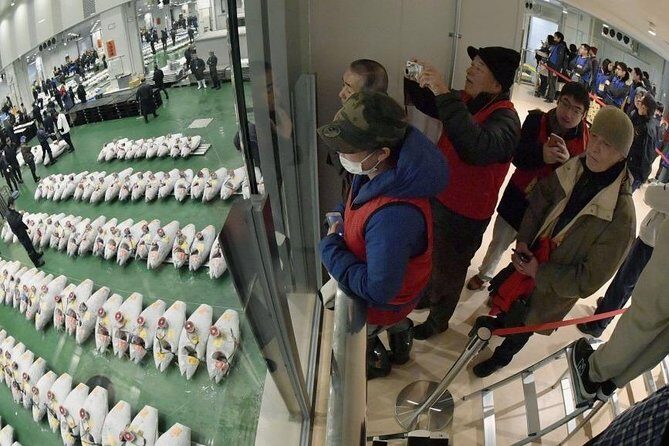
Toyosu is the newer side of Tokyo’s fish-market story, and it’s a common starting point for this kind of food-and-culture route. The tour time typically gives you about 30 minutes, which is enough to understand the layout and to see what’s available when you arrive.
Two practical notes:
- Toyosu market ticket is not included, so you’ll likely pay an entrance fee on site.
- Toyosu is closed on Wednesdays and Sundays, and it can also close on irregular days.
That second point is the one that can change your day. The tour description also flags that closures can affect shops in Tsukiji. So if you’re booking on a flexible calendar, aim for a date that’s not one of those closure days. If your travel dates only allow a closure day, treat the experience as a “culture and shopping” route more than a “full market vendor day.”
Some guides do more than just walk you through a set of stalls. In the feedback, I saw examples of guides adding nearby garden or shrine time when they could shape the itinerary. That’s one way to keep the day rewarding even when the market side is less active than you hoped.
Tsukiji Fish Market: where the sampling mindset takes over
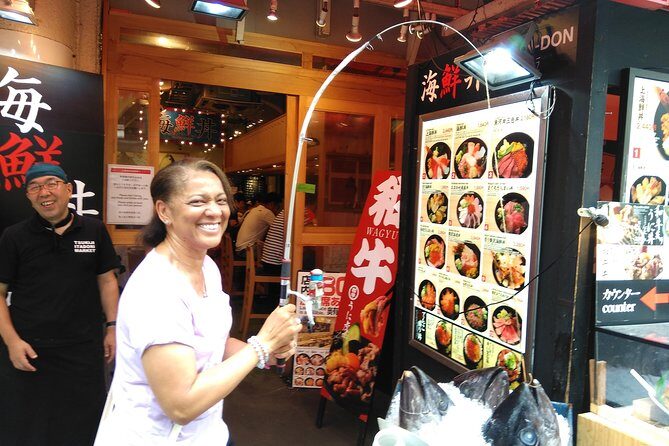
Tsukiji is the older fish-market world, and it tends to feel more like a food neighborhood than a single formal attraction. The tour keeps it simple: you get about 30 minutes and the stop is free to enter.
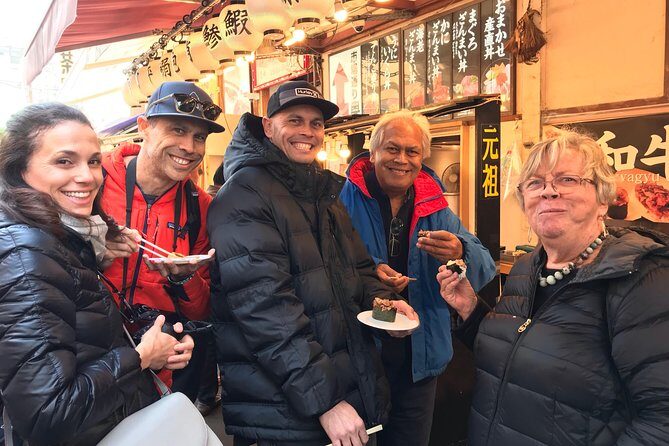
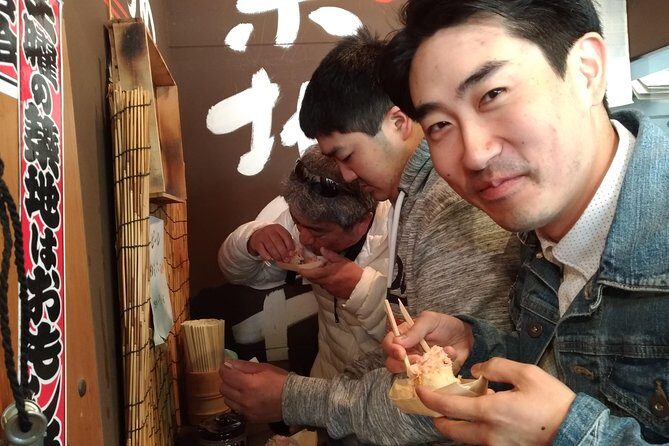
In practice, Tsukiji works best when you treat it like a guided tasting walk. The high praise in the feedback is very consistent: the best guides steer you toward good stalls and help you compare what’s worth your yen and what’s just “looks impressive.” People also mention how helpful it is when your guide explains how the market ecosystem works and what you’re looking at.
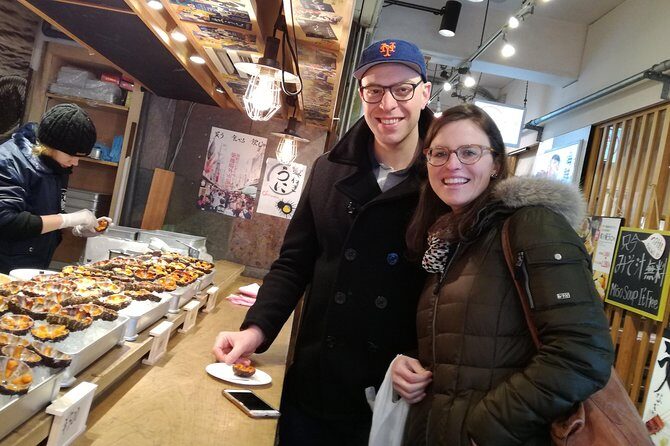
If you’re the type who wants to try seafood but doesn’t know what to order, this is where a private guide pays off. Several guides named in the feedback are praised specifically for guiding sampling choices and for handling the market as a maze. One guide even recommended a long list of stalls and helped guests try a mix that included items like sea urchin, wagyu, and various crab options.
You’ll also want to go in with the right mindset about “supporting the local vendors.” The tour info explicitly frames buying something while you’re there as part of the experience. If you’d rather window-shop only, you may feel like you’re leaving the best part on the table.
Asakusa’s Senso-ji and Nakamise: temple + snack shopping in one walk
When the tour shifts to Asakusa, it turns from seafood intensity to classic Tokyo street life. The Senso-ji area is famous for a reason, and you’ll get the key photo moment without needing a guide just to find it.
You typically spend about 30 minutes at Senso-ji Temple, including the entrance gate area with the large red lantern called Kaminarimon. Then you continue right into Nakamise Shopping Street, the famous 250-meter lane that runs toward the temple.
What makes this portion work on a private food-and-culture tour is that it’s not only sightseeing. It’s where you can pick up traditional snacks and souvenirs that feel tied to the temple experience. And because the route is guided, you can ask for quick suggestions: what’s popular, what’s easy to carry, and what’s worth your time versus what’s just tourist-heavy.
One more practical thought: Asakusa is a place where your pacing matters. If your guide knows how to move you through the lanes efficiently, you’ll feel like you’re getting value instead of standing still. Feedback names guides like Sally as especially helpful at making Senso-ji memorable, and that lines up with what you want from this kind of tour: calm direction in a busy zone.
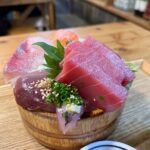
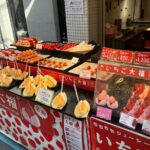
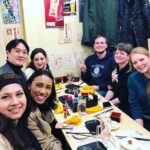
Other plates worth crossing Tokyo for


Ameyoko and Kappabashi: shopping with a kitchen purpose
After Asakusa, you get the more practical Tokyo side: street markets, deals, and a strong focus on food and cooking tools.
The tour route includes:
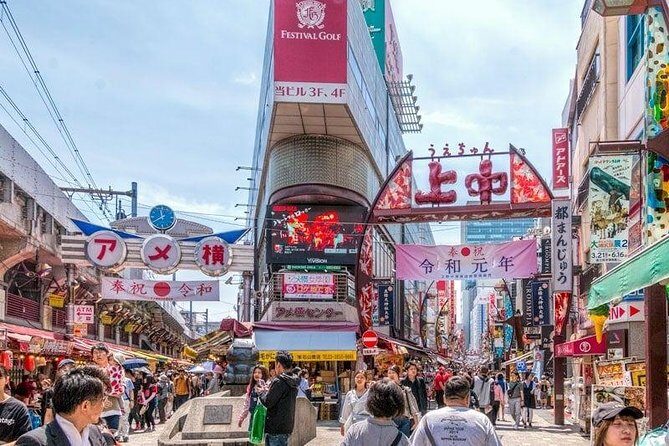
- Ameyoko Shopping Street, a popular shopping area known for lively street commerce.
- Kappabashi Street (Kappabashi Dogugai), often described as a kitchenware paradise between Ueno and Asakusa.
What’s valuable here is that these stops are designed for food lovers who don’t just want edible souvenirs. Kappabashi is where you can look for items restaurant operators use—things like utensils and kitchen tools—so you can bring Tokyo’s cooking culture home in a way that actually gets used.
From a value standpoint, this is smart. A lot of food tours end with you paying for one expensive meal and leaving with only small snacks. This one gives you a chance to spend less on “extra attractions” and more on items you’ll keep.
If you’re traveling with limited luggage, be smart about what you buy. Kitchen tools can add weight quickly. But even if you only buy small items, this is a stop you’ll appreciate because it gives your trip a tangible food-nerd angle.
Tsukishima Monjya and Yanaka Ginza: two local flavors, not just the headline
Depending on which 2–3 stops you choose, you might also get into areas that feel more like local Tokyo than icon boxes.
One optional stop is Tsukishima Monjya Street, tied to monjayaki. The tour description notes it’s a liquid-style hot batter dish that looks less pretty than it tastes. If you’re curious and open-minded, it’s a good “food culture” moment because it’s not the same old tourist seafood plate.
Another optional stop is Yanaka Ginza Shopping Street, praised as a great place to see old-town Tokyo with a Shitamachi feel. That’s a nice contrast after the market and temple intensity. Instead of racing from one big landmark to the next, you get a slower neighborhood pace where the “everyday Tokyo” vibe can land.
In the feedback, guides also describe adding serene nearby spots when time allows. For example, Yasuho Suzuki is mentioned in connection with visiting Hama Rikyu Garden alongside a market-and-Asakusa mix. That’s not guaranteed for every booking, but it shows the core strength of a private guide: if your choices are set and your schedule has slack, your route can feel more layered than the basic outline.
Price and logistics: is $109 per person a good deal
At $109.01 per person for about 4 hours, this tour sits in a “mid-price” range for Tokyo. The key question is what you’re buying for that money.
What’s included:
- Licensed local English-speaking guide
- Customization for 2–3 sites
- Meeting your guide on foot within a designated area
- It’s a private tour, so only your group participates
What’s not included:
- Transportation fees
- Entrance fees (with the note that Toyosu market ticket is not included)
- Lunch and personal spending
Here’s how I’d judge value in your shoes: if you’re comfortable doing trains and walking, you could save money by going solo. But you’d also spend time figuring out routes, negotiating market flow, and deciding what to eat in a place where “what to do” is not obvious.
This tour is mainly paying for:
1) Navigation help (getting through markets and neighborhoods efficiently)
2) Food-smart guidance (knowing what to sample and where the lines or busy spots are)
3) Time discipline (you’re not letting the day sprawl)
In the feedback, the strongest praise is consistently about that practical leadership. Guides named like Hiromi, Toru Higaki, Nori, and Maki are credited with steering guests toward great tasting choices and keeping the day flowing. That’s exactly what turns a market visit into a win.
Just note: one critical review highlighted a mismatch between expected timing and what was open, with the point that starting late can mean fewer active vendors. That’s not a reason to panic, but it is a reminder: if your fantasy version of Tsukiji includes a very active vendor scene, you’ll want to be realistic about time and date.
Who should book this (and who might not love it)
I think this tour is a strong fit if you:
- Want market food culture plus classic Tokyo shopping in one half-day
- Prefer a private guide to handle navigation and tasting decisions
- Like the idea of picking 2–3 stops based on your interests instead of being forced through a long list
Families can do well too. One feedback example specifically mentions a family with teenagers and a guide who helped with metro navigation and customization. That’s a good sign if your group has mixed interests.
Where you might want to reconsider:
- If you’re expecting an early morning auction-style experience as the center of the trip. The tour is set up as a half-day walk, and market access can shift based on schedules.
- If you’re traveling on a Toyosu closure day (Wednesdays, Sundays, or irregular closures).
- If you hate walking or transfers. This is not a drive-you-around tour; it’s on foot with local movement.
Should you book this private Tsukiji and food culture tour?
If you want a half-day that feels like Tokyo food culture with less stress, I’d say yes. The private format, licensed guide, and the ability to choose 2–3 stops are the big reasons it works. When you pair that with the consistent praise for guides who help with market navigation and sampling, you get a practical payoff.
The only hard “don’t ignore this” issue is timing and closures. Double-check your travel date against Toyosu closure patterns, and be clear with yourself about whether you’re there for casual tasting and culture—or an auction-hype scenario.
If your plan is flexible and your goal is good food decisions plus smart shopping, this is a booking I’d feel good about.
FAQ
How long is the Tokyo Tsukiji Food & Culture private tour?
It’s approximately 4 hours.
Is this a walking tour, and is there pickup?
Yes, it’s a walking tour. Pickup is offered on foot, and you meet your guide within a designated area in Tokyo.
Can I customize the stops during the tour?
Yes. Your guide helps you customize your itinerary with 2–3 sites from the listed options.
Do I need tickets or paid entry fees?
Toyosu Market admission is not included (ticket not included). Tsukiji Fish Market entry is free per the tour info. Transportation fees and other entrance fees are not included.
What are the key market closure considerations?
Toyosu is closed on Wednesdays, Sundays, and sometimes on other irregular days. The tour info also notes that some Tsukiji shops may be closed due to Toyosu closure.
Does the price include transportation or lunch?
No. Transportation fees and lunch are not included, plus other personal expenses.
Is this a private group experience?
Yes. It’s a private tour/activity, and only your group will participate.
Can I cancel for a full refund?
Yes. You can cancel for a full refund if you cancel at least 24 hours before the experience’s start time. If you cancel less than 24 hours before, the amount paid is not refunded.
More Tours in Tokyo



More Tour Reviews in Tokyo




Back to the Market: More Tsukiji Tours


Fresh reviews from around Tokyo






Tsukiji Fish Market Tours, compared.
 ★ 5.0Tokyo Tsukiji Fish Market Food and Culture Walking TourFrom $993,184 reviews
 ★ 5.0Tsukiji Fish Market Food and Walking tourFrom $301,724 reviews
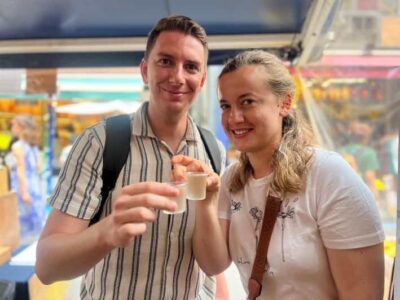 ★ 4.9Tsukiji Fish Market Guided Walking TourFrom $221,397 reviews
 ★ 5.0Tokyo Sushi Making Class in Tsukiji with Professional ChefFrom $491,177 reviews
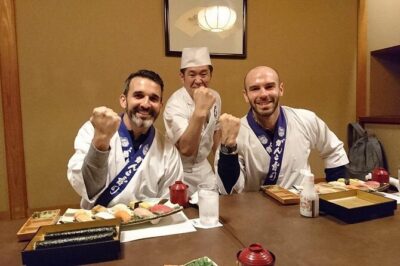 ★ 5.0Tsukiji Fish Market Guided Tour and Sushi Making with Pro ChefFrom $104775 reviews
★ 4.7Tsukiji Fish Market Food and Culture Walking TourFrom $96757 reviews
★ 5.0Tsukiji Fish Market Guided Tour and Sushi Making with Pro ChefFrom $104775 reviews
★ 4.7Tsukiji Fish Market Food and Culture Walking TourFrom $96757 reviews
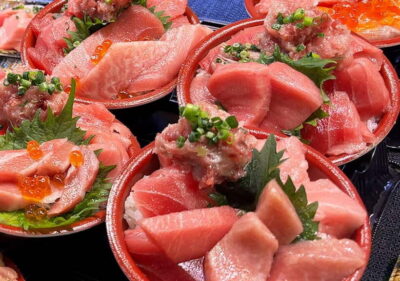 ★ 5.0Tsukiji Fish Market: Street Food & Culture Walking TourFrom $33669 reviews
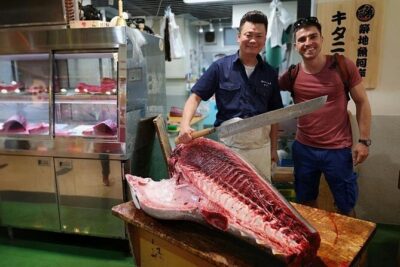 ★ 5.0Tsukiji Fish Market Small-Group Food Walking TourFrom $87621 reviews
Browse the lists this tour appears in