
Reviewed · TSUKIJI FISH MARKET TOURS
Tokyo Tsukiji Fish Market Tour and Sushi Making Lesson
Tsukiji can feel like chaos. That’s exactly why I like this 3-hour combo: you get an organized walk through Tsukiji Outer Fish Market plus a hands-on sushi making lesson at a major cooking school. The two biggest wins are a small group size (up to 6) for real attention and an English-speaking guide who helps you make sense of what you’re seeing and tasting. The one drawback to consider is that the cooking portion can be fairly basic if you’re already confident with sushi at home.
I also appreciate the clear structure: quick start at Tsukiji Hongwanji Temple, about an hour in the market, then a short transition to the ABC Cooking Travel studio to cook and eat what you make. I’ve seen guides like Miho, Akiko, Lucy, and Shitomi praised for pacing and translation, and instructors such as Masayo and Miwako described as patient with steps like tamagoyaki. If you’re hoping for the tuna auction or a huge amount of ingredient shopping for a DIY haul, this won’t match that expectation.
In This Review
- Key Points to Know Before You Go
- Tsukiji Outer Market With a Guide, Not a Guess
- Starting at Tsukiji Hongwanji Temple: a Useful Breather
- The Outer Market Walk: What You’ll Actually Get Out of It
- What to look for while you walk
- A reality check
- The Transfer to the ABC Cooking Travel Studio: Why Timing Matters
- Two Washoku Recipes: Sushi Roll and Tamagoyaki
- How the class usually feels
- Important heads-up on ingredients
- Lunch at the End: The Part You’ll Remember
- Price and Value: Is $99.49 a Smart Deal?
- Who This Tour Fits Best (and Who Should Skip It)
- A Quick Reality Check on Logistics
- Should You Book This Tsukiji Market + Sushi Lesson?
- FAQ
- FAQ
- How long is the Tsukiji fish market tour and sushi making lesson?
- Where do I meet for the tour?
- Is the tuna auction included?
- What’s included in the price?
- What will I cook during the class?
- Can I drink alcohol during lunch?
- How big is the group?
- What are the age and height requirements?
- Are strollers and luggage allowed?
- What is the cancellation policy?
Key Points to Know Before You Go
- Small group size (max 6) means you’re not just drifting behind a crowd.
- English-speaking guidance helps you turn market chaos into clear choices and better tastings.
- Two washoku recipes are taught at the cooking studio, typically including a sushi roll and tamagoyaki.
- You finish with lunch using what you made, plus a choice of wine, plum sake, or soft drinks.
- Ingredients can change by season, so the final recipes may look different than the ad.
Still hungry? More Tsukiji breakfasts and market walks
- Tokyo Tsukiji Fish Market Food and Culture Walking Tour★ 5.0 · 3,184 reviews
- Tokyo: Tsukiji Fish Market Food and Walking tour★ 5.0 · 1,724 reviews
- Tokyo: Tsukiji Fish Market Guided Walking Tour★ 4.9 · 1,397 reviews
Tsukiji Outer Market With a Guide, Not a Guess
Tsukiji Outer Fish Market is the kind of place where you can burn an hour just figuring out what’s going on. This tour gives you a short, guided path through the maze so you see more than the first eye-catching counter and the first tourist photo stop.
One thing I really like is that the guide doesn’t just point and move on. In past groups, guides like Miho and Nobu have been described as efficient, friendly, and focused on places worth stopping at, including samples that help you understand ingredients you might not recognize. That matters, because Tsukiji is not about pretty display. It’s about origin, freshness, and the sheer range of seafood—think giant tuna, sea urchin, and octopus.
Starting at Tsukiji Hongwanji Temple: a Useful Breather
The tour begins at Tsukiji Hongan-ji Temple (3-chōme-15-1 Tsukiji, Chuo City). Even though it’s just a short stop, I find a quick temple moment helps your brain reset before the market sprint starts.
The temple also gives you a cultural frame. The outside design is described as reminiscent of South Asian and Indian traditional architecture, while the inside shifts the feel again with its own style. You’re not there for long, but it’s a nice way to move from city noise into a more intentional start—then you’re ready to handle the market energy.
The Outer Market Walk: What You’ll Actually Get Out of It
You’ll spend about 70 minutes at the outer shopping market (the exact time can vary). The point here is not to “see everything.” It’s to get your bearings fast: what vendors sell, what you should sample, and what makes the ingredients special.
Here’s the practical value of having an English-speaking guide in this area: the market is packed with foods and textures that don’t translate well by appearance alone. A good guide helps you understand what you’re tasting and why it matters. Several people in the feedback highlighted guides pointing out favorites and steering the group toward foods worth trying, so you don’t end up stuck with random snack choices that don’t teach you much.
What to look for while you walk
Don’t try to memorize names. Instead, use the guide’s prompts as a checklist:
- Ingredients that look unfamiliar but are widely used in Japanese cooking
- Dry seafood and specialty snacks (these are common in the sampling scene)
- Seafood displays that show how fresh products are grouped and handled
If you go on an empty stomach, you’ll enjoy this part more. Market sampling is the engine of the morning.
More shopping runs through Tokyo


A reality check
If you’re expecting to buy everything you’ll cook later, manage expectations. Some feedback mentioned a mismatch between price and the amount of hands-on ingredient use. This tour is more about tasting and learning than building a take-home shopping list for your own kitchen.
The Transfer to the ABC Cooking Travel Studio: Why Timing Matters
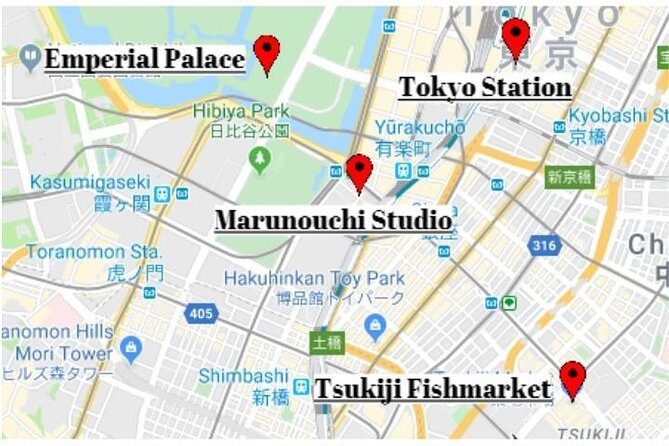
After the market, you head to the cooking school. Transportation between the market and the studio is included, which is important in Tokyo—you don’t want to spend the best part of your time figuring out routes.
Even though it’s part of the experience, the distance is still a factor. Some people said they wished the kitchen were closer to the market. The upside is that you’re not left stranded; you’re transitioned to a controlled environment where the cooking lesson can run on time.
ABC Cooking Travel is part of a larger chain with many studios. The feedback consistently describes the space as clean and organized, which is exactly what you want when you’re learning hands-on.
Two Washoku Recipes: Sushi Roll and Tamagoyaki
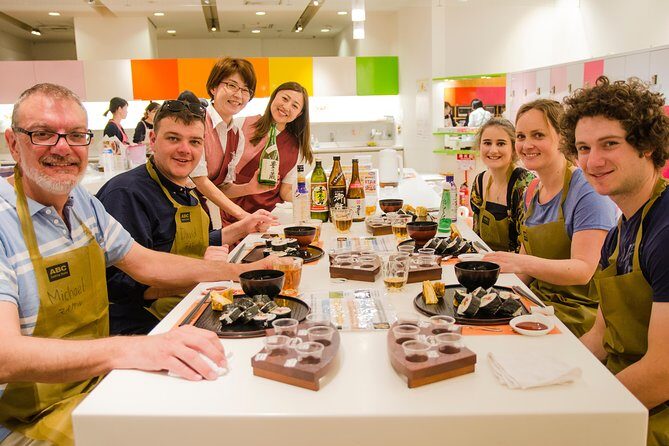
This is the core of the value proposition. You’ll learn to prepare two washoku recipes, and the typical set includes:
- A sushi roll
- Tamagoyaki, a Japanese-style rolled omelet
- Side dishes that round out the meal
The tour is designed around traditional, homemade techniques. That’s more useful than a “quick demonstration” style class because you actually do the steps.
How the class usually feels
The best reviews talk about step-by-step clarity and patient teaching. In feedback, instructors like Miwako and Masayo were praised for being organized and encouraging, especially for students who don’t cook much at home. If you’ve never made sushi before, you’ll likely find this tour beginner-friendly in the right way.
If you already know sushi and basic Japanese cooking, you may feel the class is a bit straightforward. That’s the tradeoff: the lesson aims for broad comfort levels in a short time window.
Important heads-up on ingredients
The ingredients may differ from the ad image due to seasonal availability and arrival status. The good part: you can ask for alternate ingredients if needed. That reduces the chance you’ll end up cooking something you can’t or don’t want to eat.
Lunch at the End: The Part You’ll Remember
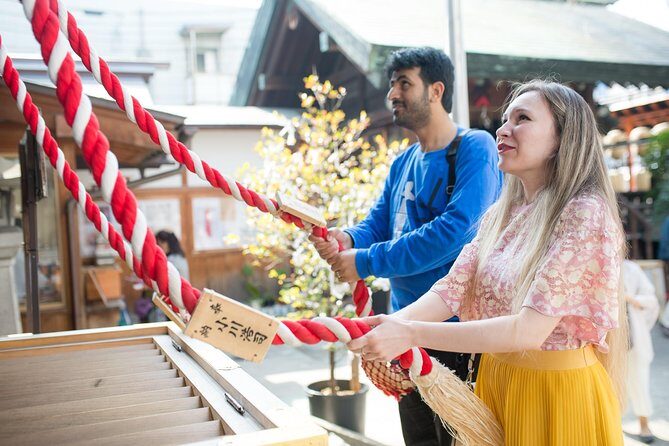
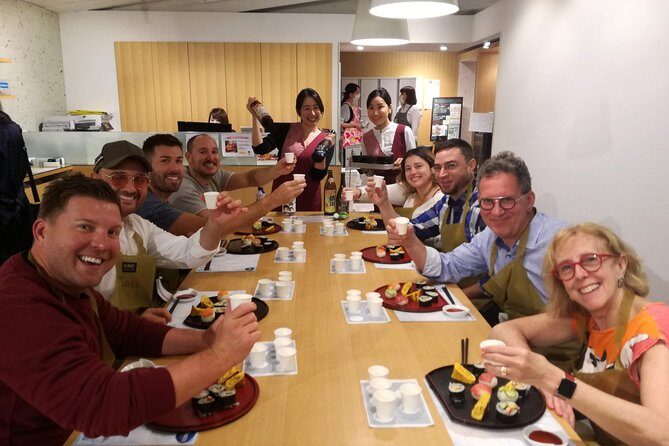
After cooking, you eat. The tour wraps with a lunch using what you made. You’ll also have a choice of wine, plum sake, or soft drinks.
This is not a small detail. It turns the experience into something tangible: you’re not just learning techniques, you’re eating a finished plate. If you’re the type who hates classes where you cook but don’t actually get to enjoy the meal, this structure solves that.
Also, lunch right after class helps you connect flavor to process. Tamagoyaki tastes better once you understand how the layers and texture come together. Same idea for the roll.
Price and Value: Is $99.49 a Smart Deal?
At $99.49 per person, you’re paying for three things:
- A guided market experience in a high-density area
- A structured, hands-on cooking lesson
- Lunch with beverages and studio supplies like an apron
For many people, that’s a fair trade. The strongest feedback points to the combination being “perfect”—market context plus cooking you can repeat later.
But here’s where the value can wobble for some travelers:
- If you expected a more in-depth market shopping component, you might feel shortchanged.
- If you’re looking for more culinary depth beyond basic sushi forms, you could find the class too simple.
- If you get the exact group/teacher dynamic that focuses more on speed than explanation, the experience can feel less informative.
For me, the best way to judge the price is to ask yourself this: Do I want a guided shortcut through Tsukiji plus a cook-at-home takeaway? If yes, this price often lands in the right zone.
Who This Tour Fits Best (and Who Should Skip It)
This experience is ideal if you fall into one of these categories:
- You love food and want Tsukiji without getting lost
- You want an English-friendly guide in a market environment that’s hard to decode
- You’re excited to make sushi roll and tamagoyaki at least once in a real kitchen setting
- You’re traveling with family and want an activity that works across ages (minimum age is 9 and minimum height is 130 cm)
You might want to skip or adjust expectations if:
- You’re only interested in the tuna auction (it’s not included)
- You want to do serious ingredient shopping tied directly to the class recipes
- You already cook sushi confidently and want a more advanced technique workshop
Also note the practical rules: no strollers and no luggage. Wear comfortable shoes, because you’re walking.
A Quick Reality Check on Logistics
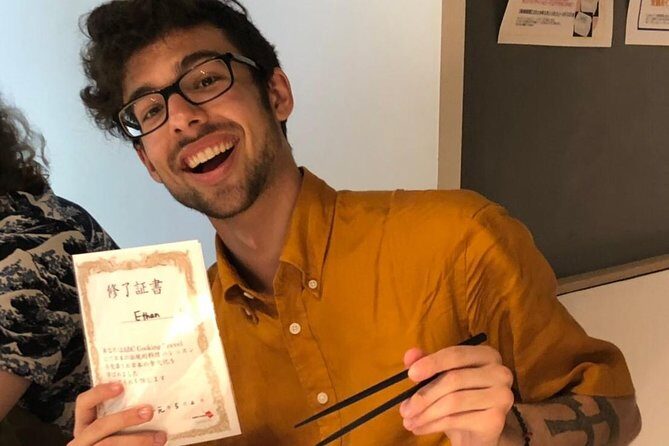
The tour is designed for a maximum of 6 travelers, which is a big reason people report feeling personal attention during both the market and the studio parts. Confirmation comes at booking, and you’ll meet at Tsukiji Hongan-ji Temple.
Weather matters. If conditions aren’t suitable, the experience can be canceled and you’ll be offered a different date or a refund.
Should You Book This Tsukiji Market + Sushi Lesson?
If you want a solid, guided intro to Tsukiji plus a hands-on cooking class you can actually repeat at home, I’d book it. The best part is the pairing: market tasting gives you context, then the studio teaches you techniques, then lunch lets you eat the results right away.
But if your dream is raw access to every fish detail, tuna auction watching, or a deep advanced sushi course, this might not satisfy you. In that case, you may prefer a more independent market morning and a separate, longer cooking workshop.
FAQ
FAQ
How long is the Tsukiji fish market tour and sushi making lesson?
It runs for about 3 hours (approx.).
Where do I meet for the tour?
You meet just outside Tsukiji Hongan-ji Temple at 3-chōme-15-1 Tsukiji, Chuo City, Tokyo 104-8435, Japan.
Is the tuna auction included?
No. Tuna auction watching is not included.
What’s included in the price?
You get an English-speaking guide, transportation between the market and the cooking studio, an apron, and drinking water at the cooking studio.
What will I cook during the class?
You’ll make two washoku recipes, typically including a sushi roll and tamagoyaki, plus side dishes. The exact ingredients can change by season.
Can I drink alcohol during lunch?
You can choose from wine, plum sake, or soft drinks with your lunch.
How big is the group?
The tour has a maximum of 6 travelers.
What are the age and height requirements?
Minimum age is 9 years old, and the minimum height is 130 cm (4.2 ft.).
Are strollers and luggage allowed?
No strollers and no luggage are allowed.
What is the cancellation policy?
You can cancel up to 24 hours in advance for a full refund.
More Tours in Tokyo





More Tour Reviews in Tokyo




Back to the Market: More Tsukiji Tours

Fresh reviews from around Tokyo






Tsukiji Fish Market Tours, compared.
 ★ 5.0Tokyo Tsukiji Fish Market Food and Culture Walking TourFrom $993,184 reviews
 ★ 5.0Tsukiji Fish Market Food and Walking tourFrom $301,724 reviews
 ★ 4.9Tsukiji Fish Market Guided Walking TourFrom $221,397 reviews
 ★ 5.0Tokyo Sushi Making Class in Tsukiji with Professional ChefFrom $491,177 reviews
 ★ 5.0Tsukiji Fish Market Guided Tour and Sushi Making with Pro ChefFrom $104775 reviews
★ 4.7Tsukiji Fish Market Food and Culture Walking TourFrom $96757 reviews
★ 5.0Tsukiji Fish Market Guided Tour and Sushi Making with Pro ChefFrom $104775 reviews
★ 4.7Tsukiji Fish Market Food and Culture Walking TourFrom $96757 reviews
 ★ 5.0Tsukiji Fish Market: Street Food & Culture Walking TourFrom $33669 reviews
 ★ 5.0Tsukiji Fish Market Small-Group Food Walking TourFrom $87621 reviews
Browse the lists this tour appears in