
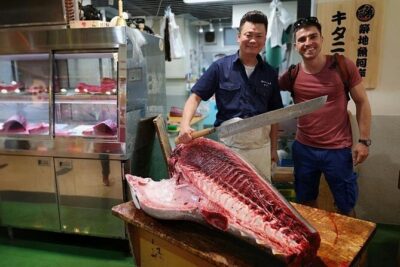
Fresh tuna starts with a block.
This tour is special because it takes you into Toyosu Market (a place most tourists never see) and then lets you watch the tuna cutting step that even many young sushi apprentices don’t handle. I also love that you finish by eating the tuna you helped work with, made into sushi with a chef who explains what you’re actually looking at and where it all comes from. One catch: photography is prohibited inside Toyosu Market, so don’t count on taking lots of pictures there.
In the same 4 hours, you also get Tsukiji Outside Market time for free shopping and sightseeing, which keeps the experience from feeling like a single workshop with no breathing room. The format is a small group (up to 6), and the whole thing runs with an English guide plus a sushi chef lecture, so you get context, not just hands-on food time.
In This Review
- Key Things I Think You’ll Notice Fast
- Toyosu Access: Why This Market Tour Feels Different
- Meeting at Shijomae Station and Getting Oriented
- Inside Toyosu: Watching Over 500 Fish Buyers at Work
- Tsukiji Outer Market: Free Shopping and Sightseeing Time
- The Azabujuban Class: Tuna Cutting, Lecture, and Hands-On Sushi
- Why the Tuna Cutting Lesson Matters (Beyond Being Cool)
- Lunch You Actually Earn: Sushi and Tuna You Cut
- Price and Value: Is $309 Worth It?
- Small Group Dynamics: How the 6-Person Limit Helps
- Who This Tour Is Perfect For
- A Practical Guide to Making the Day Easier
- Should You Book the Toyosu Tuna Cutting and Sushi Making Tour?
- FAQ
- How long is the Tokyo Toyosu Market tour with tuna cutting and sushi making?
- Where do I meet the tour?
- Is Toyosu Market open to tourists on your own?
- Is photography allowed inside Toyosu Market?
- What’s included in the price?
- What should I bring or watch out for?
Key Things I Think You’ll Notice Fast
- Toyosu Market access that feels more like a working day than a sightseeing stop
- Tuna cutting is the real show, where you see portioning done with serious skill
- Sushi making with your own tuna, so lunch is tied to the learning
- Where restaurant tuna comes from, explained while you’re eating
- Tsukiji Outer Market stroll time, with space to browse and snack at your pace
- Small group size (6 max), which makes it easier to ask questions
More shopping runs through Tokyo
- Tokyo Tsukiji Fish Market Food and Culture Walking Tour★ 5.0 · 3,184 reviews
- Tokyo: Tsukiji Fish Market Food and Walking tour★ 5.0 · 1,724 reviews
- Tokyo: Tsukiji Fish Market Guided Walking Tour★ 4.9 · 1,397 reviews
Toyosu Access: Why This Market Tour Feels Different
Toyosu Fish Market is one of those places that looks legendary from the outside and then becomes even more real once you’re standing near the bustle. This tour’s main advantage is straightforward: you go to Toyosu Market, which is described as not accessible to tourists. That matters because market tours that only hover at the edges can turn into a photo walk. Here, you get the sense of how the supply chain works, and you see how fish buyers operate in a huge, fast-moving environment.
You’ll also learn that Toyosu isn’t small and cute. It’s the largest fish market in the world, and during your visit you’ll see over 500 fish buyers. That number helps you understand the scale: this isn’t a “local market” where one stall does everything. It’s an ecosystem built to move seafood efficiently.
Now, the practical side. Photography is prohibited inside Toyosu Market, so you’ll want to rely on attention, not your camera. Wear comfortable shoes too. Even if you’re not walking extreme distances, the ground and crowds can make “just a quick stop” feel like more. This is exactly the kind of setting where good footwear saves your trip.
Meeting at Shijomae Station and Getting Oriented
Your day starts at the front of gate SHIJOMAE station. That’s an important detail because Toyosu and Tsukiji can feel confusing if you’re trying to navigate the connections on your own. With a set meeting point and a guided flow, you can show up, get oriented quickly, and spend your energy where it counts: watching, learning, and eating.
From there, the tour keeps momentum. You’ll head into Toyosu first, then move on by bus/coach and public transport between stops. The schedule is built for a 4-hour window, so you’re not wasting half your trip figuring out transit. The flip side is that you should treat the tour like a tight plan: if you’re running late at the meeting point, you’ll likely throw off the whole timing.
Inside Toyosu: Watching Over 500 Fish Buyers at Work
The Toyosu Market visit lasts about 45 minutes, and that’s just long enough to see how intense and organized the place is. You’ll be near the action and able to observe the flow of buyers. You’ll also learn about how fish is handled and why the market matters for what shows up later on restaurant plates.
What I like about this stop is that it reframes seafood in your head. Instead of thinking of tuna as a product sitting on a counter, you start thinking of it as a supply chain event with many steps. The tour gives you that context visually: people buying, sorting, and moving fish as part of a system.
Two things to keep in mind here:
- You’ll be in a working market, so keep things practical and quiet.
- Don’t plan on taking lots of photos inside. Your best “souvenir” is memory and the stories you hear from your English guide.
Tsukiji Outer Market: Free Shopping and Sightseeing Time
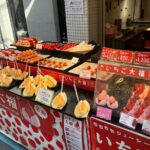
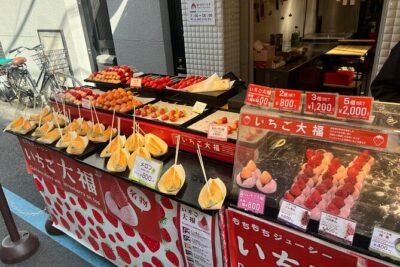
After Toyosu, you get about 1 hour at Tsukiji Outside Market. This is the part of the day that changes the pace. Instead of the market as a behind-the-scenes workplace, you shift to an open-air, browse-and-stroll vibe where you can look around and do some shopping.
The tour explicitly includes free shopping and sightseeing here, and that’s valuable because it gives you choice. If you want quick snacks or small items, you can grab them. If you’d rather just walk and soak in the atmosphere, you can do that too. It’s also a nice contrast to Toyosu’s rules around photography—Tsukiji outside is generally more tourist-friendly in feel (even if you still need to behave respectfully).
The timing is tight enough that you won’t feel stuck in a long shopping loop. Still, one caution: you’ll be moving again soon, so don’t overdo purchases you’ll need to carry for the rest of the tour. Think small and packable.
More market mornings in Tokyo
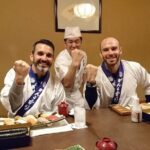

The Azabujuban Class: Tuna Cutting, Lecture, and Hands-On Sushi
The heart of the experience is the class portion in Azabujuban, lasting about 1.5 hours. This is where you stop being a spectator and start working with the food itself.
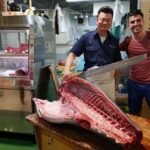
You’ll participate in a tuna cutting experience, including seeing how a block of tuna gets portioned into individual pieces. The tour description calls out something especially rare: this is a special job even young sushi chefs are not allowed to do. That detail helps you understand why this lesson feels high-value. You’re not just watching a chef “perform.” You’re seeing a skill boundary—exactly where training and responsibility matter in the sushi world.
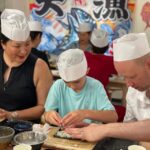
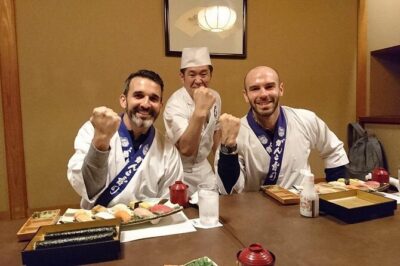
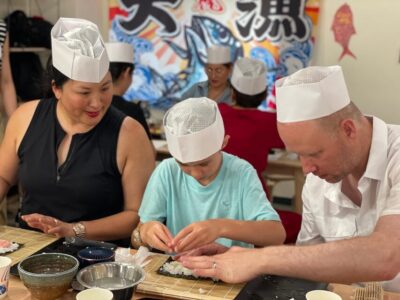
Then you move into sushi making. You’ll work with the sushi chef to make sushi using tuna purchased from Toyosu. The experience is set up so your lunch isn’t separate from your learning. It’s the end of the lesson, not an unrelated meal at the end of a tour.
Why the Tuna Cutting Lesson Matters (Beyond Being Cool)
It’s tempting to treat tuna cutting as a spectacle, but the value is more practical than that. Once you see portioning up close, you understand why sushi isn’t just about flavor—it’s about texture, consistency, and portion control. Tuna doesn’t get treated like generic fish. The chef approach connects what you taste later to how the fish was handled and cut.
The tour also includes a lecture from the sushi chef, and there’s a specific theme: you’ll learn where the tuna you eat at restaurants comes from. That explanation is more useful than trivia because it changes how you think when you order tuna later. You start asking better questions, like what part of the tuna you’re likely getting and what supply path it might have taken.
Lunch You Actually Earn: Sushi and Tuna You Cut
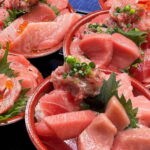
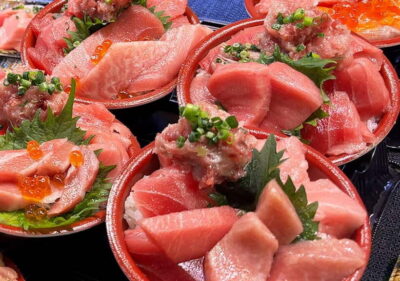
Included in the tour is sushi and tuna lunch, plus the chef’s lecture. And the structure is clear: you purchase tuna from Toyosu, then cut and make sushi with it, and at the end you eat the tuna you helped prepare in a variety of ways.
That “variety of ways” matters because it keeps the lesson from being one-note. Even if everything ends up in sushi form, you’ll be tasting the results of different cuts and prep. That helps you connect technique to outcome without having to be a food scientist.
Price and Value: Is $309 Worth It?
At $309 per person for a 4-hour, small-group tour, this is not a budget activity. But the value calculation is pretty clear when you compare what’s included.
You’re getting:
- English guide time covering market context
- A Toyosu Market visit that’s not accessible to tourists on your own
- Sushi chef instruction with a lecture
- Sushi making using tuna purchased from Toyosu
- Lunch (included as sushi and tuna lunch)
What you’re also not getting is transportation and personal expenses. Transportation fees are listed as not included, and you’ll also want to budget for any shopping you do at Tsukiji outside.
Here’s the honest way to decide if it’s worth it for you: if you want a photo-only market walk, this won’t feel efficient. If you want the market plus the skill plus the lunch connection, it can feel like good value because you’re paying for access, instruction, and a meal tied to the lesson. The small group size (limited to 6) also helps. You’re less likely to be stuck watching from the sidelines.
In short: the price makes sense when you treat this as a food-and-skill experience, not just sightseeing.
Small Group Dynamics: How the 6-Person Limit Helps
A tour capped at 6 participants changes how it feels. You’re not pushed into a crowd where you can barely see what’s happening. In a tuna-cutting class, that matters a lot. You’ll likely have more room to follow the steps and ask questions.
The day also includes multiple transit segments (bus/coach and public transport), and a small group helps keep the schedule smooth. It’s easier for the guide to manage the flow when fewer people are involved.
One more point: children under 6 are listed as not suitable, and pregnancy and wheelchair access are also not recommended. This doesn’t mean it’s unsafe in a dramatic way, but it does suggest you’ll be doing normal walking and standing, plus market etiquette. If that’s a concern for your body or your party, consider whether a market + class day fits you.
Who This Tour Is Perfect For
This tour is a great fit if you:
- Love fish and want to understand tuna in a more hands-on way
- Want a sushi experience that starts with sourcing, not just cooking
- Appreciate behind-the-scenes Japan—working markets and real process
- Like learning from an English guide while doing something active
If your idea of fun is sitting quietly in a museum-like setting, you might find the market portion more intense than you want. If you’re food-obsessed in the best way, you’ll probably feel like this tour gives you a story you can carry for months.
A Practical Guide to Making the Day Easier
Bring comfortable walking shoes. Toyosu and Tsukiji together are enough walking that sore feet can ruin the experience. Also, plan to keep your day simple: you’ll eat included lunch, and you can always buy small extras at Tsukiji outside, but don’t expect long detours.
You should also plan ahead for allergies. The tour asks you to let them know in advance what you can’t eat or if you have allergies. If you’re unsure what tuna-based dishes might include for you, confirm before the day starts.
And yes: no smoking is required. That’s common, but worth noting if you’re used to other rules on tours.
Should You Book the Toyosu Tuna Cutting and Sushi Making Tour?
Book it if you want a tuna experience with real process: market access you can’t easily replicate, then chef-guided cutting and sushi you eat right afterward. The standout value is the way the tour connects sourcing, technique, and lunch. At $309, you’re paying for access and instruction, not just a meal.
Skip it (or reconsider) if you hate tight schedules, don’t want to walk and stand, or care a lot about taking photos inside the market. Photography limits are real, and the market rules are part of the experience. Also, if you’re traveling with young kids (under 6) or you need wheelchair-friendly access, this one isn’t designed for that.
FAQ
How long is the Tokyo Toyosu Market tour with tuna cutting and sushi making?
It runs for about 4 hours.
Where do I meet the tour?
Meet in front of gate SHIJOMAE station.
Is Toyosu Market open to tourists on your own?
Toyosu Market is described as not accessible to tourists, which is part of why the guided visit is special.
Is photography allowed inside Toyosu Market?
No, photography is prohibited inside the Toyosu Market.
What’s included in the price?
An English guide, sushi and tuna lunch, and a lecture from the sushi chef are included.
What should I bring or watch out for?
Wear comfortable shoes and let the operator know in advance about any allergies or foods you cannot eat. Smoking is not allowed.
Bring an Empty Suitcase

More Tours in Tokyo




More Tour Reviews in Tokyo




Fresh reviews from around Tokyo






Markets, compared.
 ★ 5.0Tokyo Tsukiji Fish Market Food and Culture Walking TourFrom $993,184 reviews
 ★ 5.0Tsukiji Fish Market Food and Walking tourFrom $301,724 reviews
 ★ 4.9Tsukiji Fish Market Guided Walking TourFrom $221,397 reviews
 ★ 5.0Tsukiji Fish Market Guided Tour and Sushi Making with Pro ChefFrom $104775 reviews
★ 4.7Tsukiji Fish Market Food and Culture Walking TourFrom $96757 reviews
★ 5.0Tsukiji Fish Market Guided Tour and Sushi Making with Pro ChefFrom $104775 reviews
★ 4.7Tsukiji Fish Market Food and Culture Walking TourFrom $96757 reviews
 ★ 5.0Tsukiji Fish Market: Street Food & Culture Walking TourFrom $33669 reviews
 ★ 5.0Tsukiji Fish Market Small-Group Food Walking TourFrom $87621 reviews
 ★ 4.9Tsukiji Fish Market Sushi Making Class with Pro ChefFrom $63506 reviews
Browse the lists this tour appears in