
Reviewed · ASAKUSA TOURS
Tokyo: Tea Ceremony Experience in Asakusa
Tokyo’s matcha lesson is a calm break.
I love how this tea ceremony keeps things friendly and beginner-ready while still explaining what each move is for. Two big wins: you actually make your own bowl of matcha (not just watch), and you get a guided walkthrough of the ceremony’s steps, including the meaning behind them.
The main drawback to know up front: this is a relaxed, no-kimono setup, so if you’re hunting for a highly formal, full-dress performance, this won’t match that vibe.
In This Review
- Key highlights you’ll care about
- Why Asakusa’s Tea Ceremony Feels Relaxed, Not Stuffy
- Where You Meet: Tokyo Tourist Lounge in Asakusa (5th Floor)
- The Hour-Long Flow: From Water Pour to Your Own Bowl
- Whisking Matcha Like a Beginner (and Actually Doing It)
- The Stories Behind Each Step (So It Means Something)
- Traditional Japanese Sweets: Why They Belong in the Ceremony
- What Makes the Host Matter in a Short 1-Hour Session
- Price in Context: Is $25 Worth It?
- Who This Is Best For (and Who Might Want a Different Style)
- Practical Tips so You Leave With a Better Memory
- Should You Book This Asakusa Tea Ceremony?
- FAQ
- How long is the Tokyo tea ceremony experience in Asakusa?
- How much does it cost?
- Where do I meet for the tea ceremony?
- Is the instruction available in English?
- Is there kimono rental included?
- How many people are in the group?
- Can I take photos and ask questions during the session?
- Is the experience wheelchair accessible?
- What’s included in the price?
Key highlights you’ll care about
- Small group (up to 8) keeps the experience calm and personal
- English instruction makes the details easy to follow
- You whisk and serve your own matcha at your own pace
- Meaning behind each step turns a drink into a story
- Traditional Japanese sweets are part of the flow, not an afterthought
More mornings around Senso-ji and the old town
- Tokyo: Japanese Dance Cabaret Theater Asakusa-Kaguwa Ticket★ 4.8 · 2,270 reviews
- Tokyo: Asakusa Walking Tour with Sensoji Temple Visit★ 4.8 · 1,583 reviews
- Tokyo Asakusa Rickshaw Tour★ 5.0 · 1,375 reviews
Why Asakusa’s Tea Ceremony Feels Relaxed, Not Stuffy
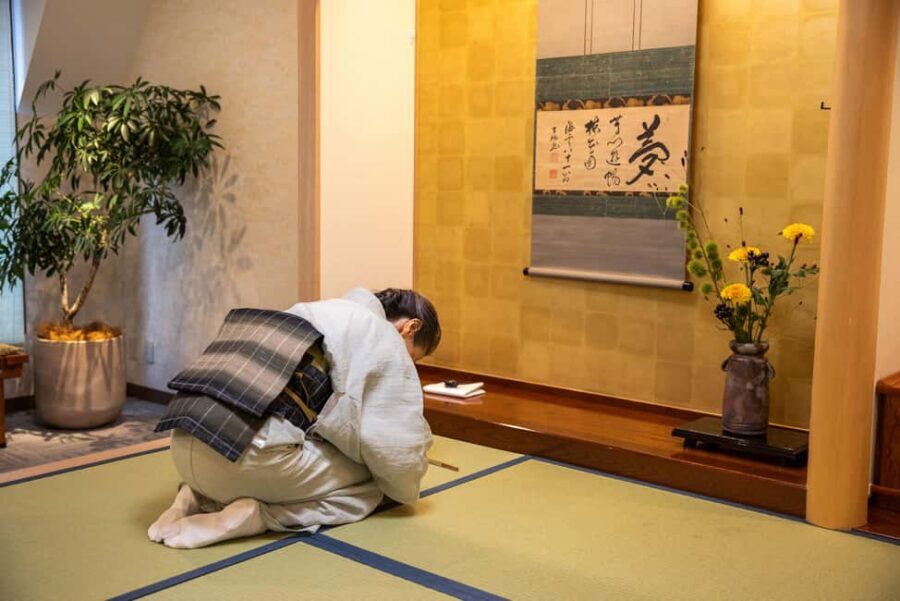
In Tokyo, it’s easy to turn experiences into checkboxes. This one is designed to do the opposite. The ceremony you’ll do is a relaxed version aimed at beginners and curious visitors, so you can slow down instead of worrying about doing everything perfectly.
What I like most is the balance: you still get a real tea ceremony structure, but the host explains it in a way that feels approachable. You’re invited to ask questions, take photos, and follow along without the pressure that can come with more formal settings.
The atmosphere is also part of the value. People describe the experience as peaceful and friendly. That matters because matcha tastings can otherwise feel stiff or overly scripted. Here, the focus stays on understanding the process and enjoying the moment.
Where You Meet: Tokyo Tourist Lounge in Asakusa (5th Floor)
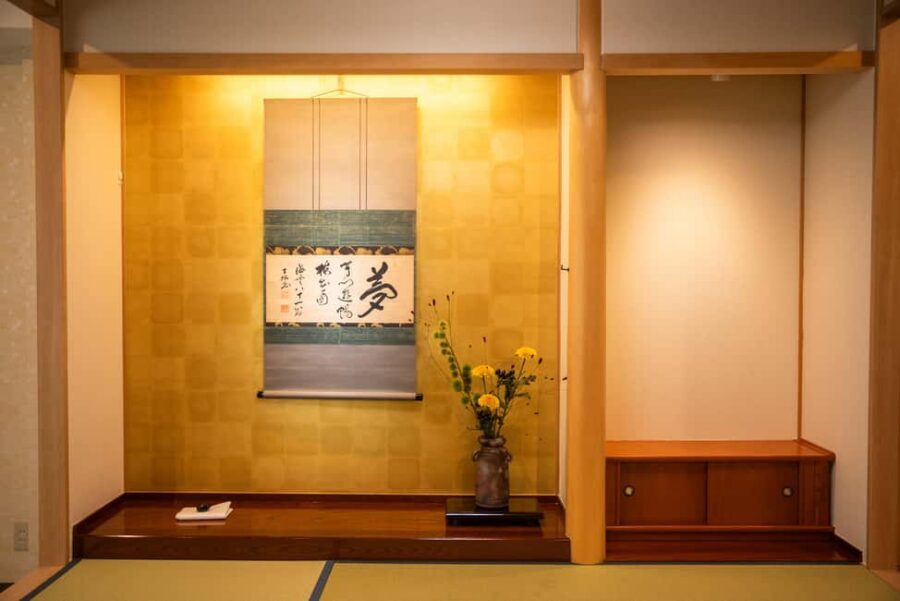
You’ll meet at Tokyo Tourist Lounge Asakusa, on the 5th floor. Easiest method: open your phone’s Google Map app and search the exact name. If you’re coming from the Asakusa area, this is a simple, straightforward meeting point—no complicated station-hopping required.
Since the experience is only 1 hour, getting to the right floor on time helps your whole session feel unhurried. If you arrive a few minutes early, you’ll have time to settle in and start with a clear head.
The Hour-Long Flow: From Water Pour to Your Own Bowl
This is a short activity on purpose. You’re there for about an hour, which makes it perfect as a break in a busy Tokyo day—especially if you’re also doing temple streets and food stops in Asakusa.
Here’s how the hour typically unfolds, in the same order you’ll experience it:
1) Welcome and the meaning of the ritual
Your host sets the tone and explains what you’ll be doing and why. The important part isn’t fancy language. It’s the idea that every action has a purpose—how you prepare, how you present, and how you share the tea in a spirit of harmony and hospitality.
2) Pouring water and preparing the moment
You’ll learn how water is used in the ceremony and what’s happening as the process begins. Even if you’re not a tea expert, the host’s goal is to help you understand the logic so the steps make sense when you try them.
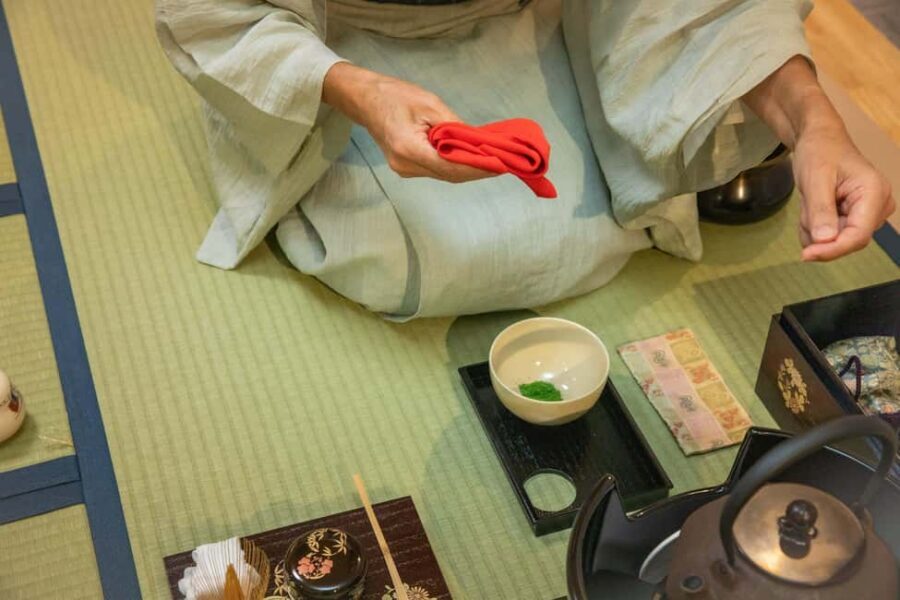
3) Whisking matcha
This is the hands-on heart of the experience. You’ll learn how to whisk powdered green tea and how the texture changes as you whisk. The teaching style is meant for beginners, so you’re not expected to have technique already. You’ll practice and you’ll get guidance along the way.
4) Tasting freshly prepared matcha
After your bowl is made, you can taste it. The pacing is not rushed—you’re encouraged to savor at your own speed, which is a big deal for matcha. The flavor can be strong, and taking a moment helps you notice how it changes as it warms slightly.
5) Enjoying traditional sweets
Sweets are included as part of the ceremony flow. They’re not just a snack tossed in at the end; they help balance the tasting and give you an extra layer to the experience.
6) Your questions and photos
This is a relaxed session, so you can ask questions and take photos as you go. If you’re curious about how matcha fits into everyday Japanese culture, this is where you’ll get the most out of it.
Whisking Matcha Like a Beginner (and Actually Doing It)
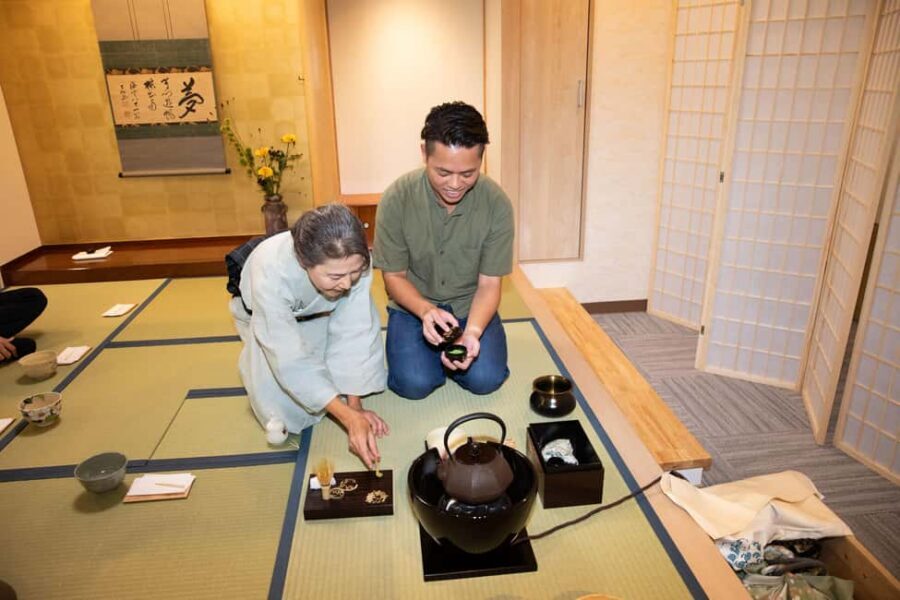
Watching someone whisk matcha is one thing. Doing it yourself is the reason this experience lands so well for most people.
The core skill you’ll learn is how to whisk matcha properly and how to make it into something you can drink comfortably. Your host will guide you through the motion and explain the steps so you understand what you’re trying to achieve—smoothness, foam, and a consistent mix.
You’ll also get the satisfaction of making the bowl, not just participating in the performance. The experience is structured for you to walk away with a memory that sticks because your hands were part of it.
And because the group is small—limited to 8 participants—you’re more likely to get the kind of attention that helps if your first try isn’t perfect.
Quieter hours: more tea rooms and ceremonies


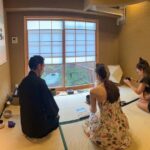

The Stories Behind Each Step (So It Means Something)
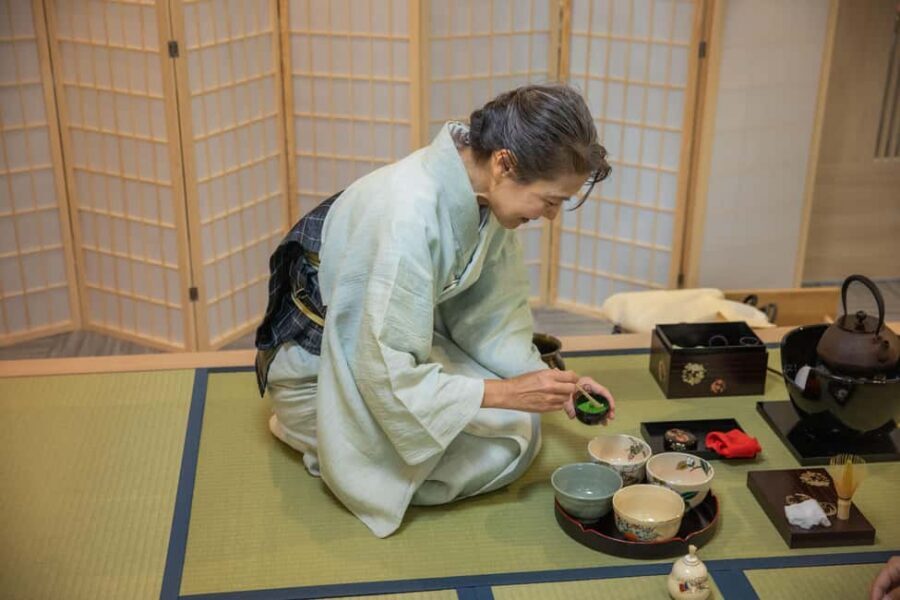
A tea ceremony works best when it’s more than a drink. Here, the host explains the meaning behind each step so you’re not left guessing what you’re supposed to be doing.
One review specifically highlights that the guide shared a brief history of where matcha comes from and why it matters in Japanese society. That kind of context is useful. It helps you connect what you’re seeing—water, tea powder, whisking, serving—to a bigger cultural idea instead of treating it as a novelty.
You’ll also learn how the ceremony connects to Japanese culture, not in a textbook way, but as a human experience: hospitality, respect for the moment, and sharing something prepared with care.
Is all of this going to turn you into a matcha scholar? Probably not. But it will give you something better: you’ll understand the flow well enough to remember it later—and explain it to someone back home.
Traditional Japanese Sweets: Why They Belong in the Ceremony
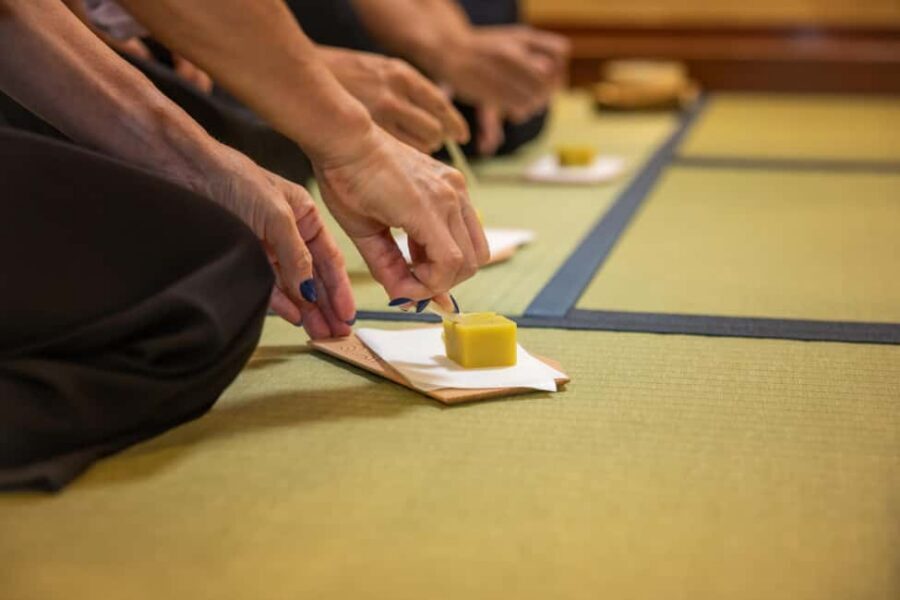
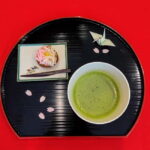
Including sweets might sound like a bonus, but it actually supports the main activity. In a matcha tasting, the sweetness and texture of traditional Japanese sweets can help balance the bitterness and intensity of matcha.
Here, sweets are part of the guided session, so you’ll have a chance to try them in sequence with your tea. That timing matters because it changes how you experience the flavor and how quickly you can appreciate the balance.
If you’re someone who usually skips dessert because you want to stay focused, this is one case where you probably won’t want to. The sweets give your palate a break and make the tea tasting more comfortable.
What Makes the Host Matter in a Short 1-Hour Session
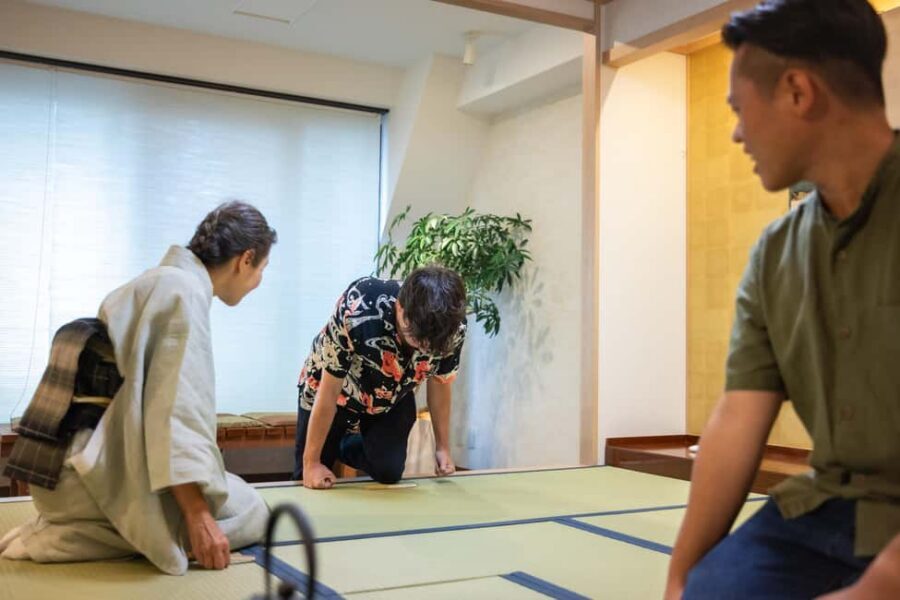
With only one hour, your guide’s teaching style really matters. You’re learning technique, understanding meaning, and doing tastings—all without a long setup that could wear you out.
Based on multiple experiences shared, guides like Midori / Madori and Kaz are described as kind, friendly, and supportive—especially when it comes to explaining each action in detail. That’s the kind of energy you want when your body is learning new movements like whisking.
A key point: the instruction is in English, so you won’t have to piece things together on your own. You can focus on what you’re doing and ask direct questions when something doesn’t click.
Price in Context: Is $25 Worth It?
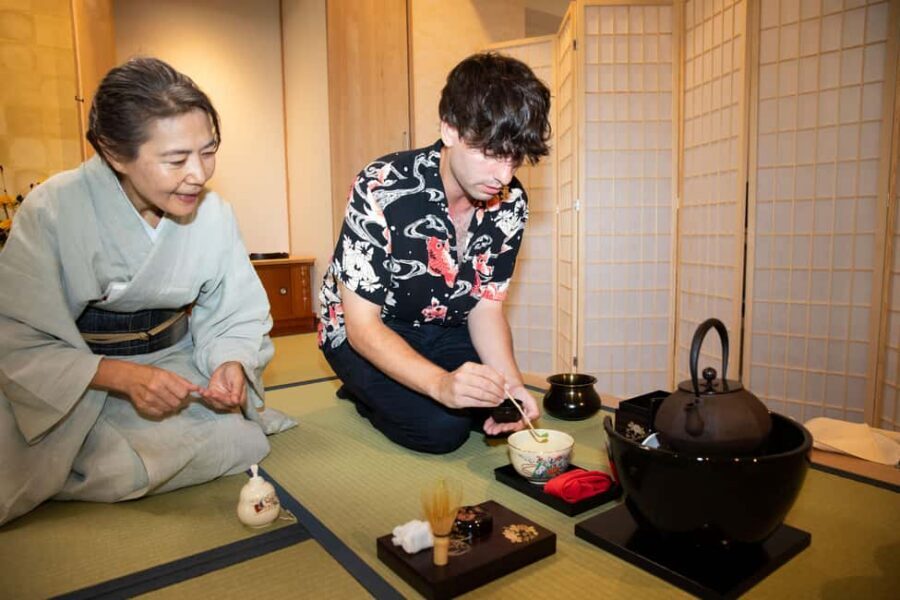
At $25 per person for a 1-hour experience, the value comes from what’s included.
You’re getting:
- A Japanese tea ceremony
- A matcha preparation lesson
- Traditional Japanese sweets
- A guided experience in English
- Small group attention (up to 8 participants)
What’s not included: kimono rental.
So where does that leave the value? If you’re interested in learning how to make and taste matcha properly—with explanations of why the steps matter—$25 is a pretty fair price for the time you spend and the fact that you participate actively.
If you were hoping to tick off a full “wear a kimono and take 200 photos” package, you’ll need to arrange kimono separately. But if you care more about the tea lesson than the outfit, this price is hard to beat for what you actually do in the room.
Who This Is Best For (and Who Might Want a Different Style)
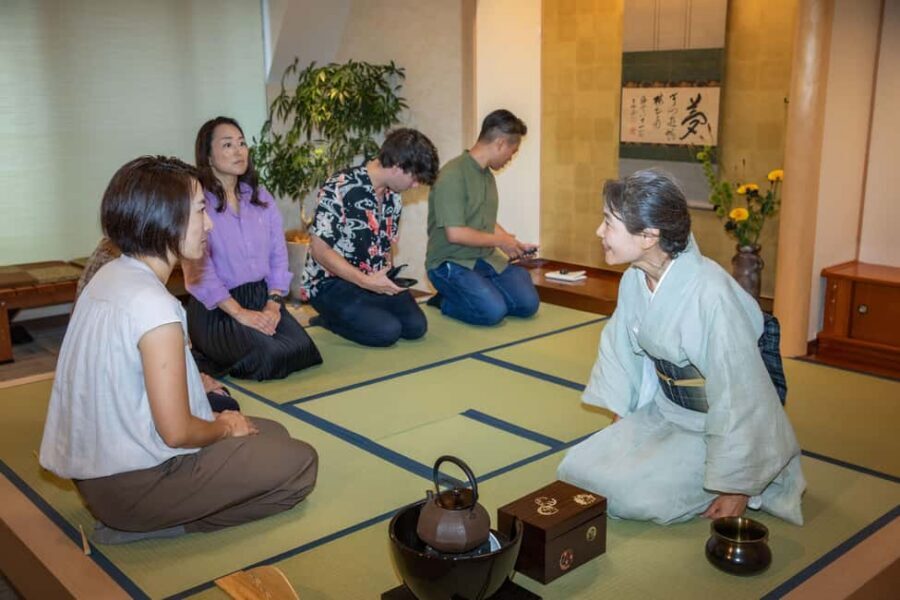
This is a great fit if:
- You’re new to matcha and want a beginner-friendly how-to
- You want something cultural in Asakusa that isn’t overly formal
- You’d like to learn the meaning behind the steps, not just watch
- You prefer a small group pace with room for questions and photos
It may not be perfect if:
- You’re looking for a strict, fully ceremonial, very formal presentation with no flexibility
- You want kimono included as part of the main price
- You only want “photo moment” experiences and don’t care about learning the process
For most people, though, this hits a sweet spot: structured, but not intimidating.
Practical Tips so You Leave With a Better Memory
A few things will make your hour feel smoother:
- Ask questions early. Once the whisking starts, it’s harder to pause and think. If you want to know why something happens, ask while you’re still learning the steps.
- Go slow while tasting. Matcha isn’t always a “one sip and done” drink. Give it a minute so you can notice flavor changes and texture.
- Take photos during the relaxed moments. Since photography is allowed, grab the key parts of the process, but don’t turn the session into a camera routine. Your guide’s flow matters.
- Treat it like a mini workshop. This isn’t a passive show. The more you focus on your own bowl, the more you’ll remember it later.
If you like hands-on cultural activities, this will probably feel more rewarding than many “watch and move on” stops.
Should You Book This Asakusa Tea Ceremony?
I think you should book if you want an easygoing matcha experience in Tokyo that actually teaches you something. The combination of small group size, English instruction, and hands-on whisking makes this a smart use of an hour. Plus, the ceremony includes sweets, so you get a complete tasting moment rather than just tea.
Book it especially if you’re traveling at a pace where you want one calm, meaningful activity without a long commitment. It also works well as a “culture anchor” day in Asakusa—something that adds depth to your temple-and-street sightseeing.
If you’re only after formal tradition with kimono included, you might prefer a different style. But if you want a friendly session where you participate, understand the meaning, and leave with memories you can repeat (and tell), this one is an excellent pick.
FAQ
How long is the Tokyo tea ceremony experience in Asakusa?
The experience lasts 1 hour.
How much does it cost?
It costs $25 per person.
Where do I meet for the tea ceremony?
Meet at Tokyo Tourist Lounge Asakusa on the 5th floor. You can find it by searching that exact name in Google Maps.
Is the instruction available in English?
Yes. The instructor is English-speaking.
Is there kimono rental included?
No. Kimono rental is not included.
How many people are in the group?
The group is small, limited to 8 participants.
Can I take photos and ask questions during the session?
Yes. The experience is relaxed, and you’re encouraged to ask questions and take photos.
Is the experience wheelchair accessible?
Yes, it is wheelchair accessible.
What’s included in the price?
You get the Japanese tea ceremony, a matcha preparation lesson, traditional Japanese sweets, and a guided experience.
More Tour Reviews in Tokyo






More Tea Rooms Worth Booking
Around Senso-ji: More Asakusa Picks


Fresh reviews from around Tokyo






Asakusa Tours, compared.
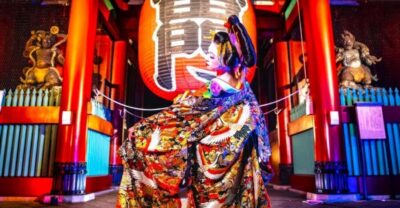 ★ 4.8Japanese Dance Cabaret Theater Asakusa-Kaguwa TicketFrom $492,270 reviews
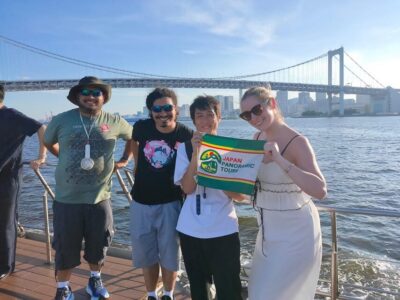 ★ 4.7Meiji Shrine, Asakusa, Skytree Bus Tour and CruiseFrom $1221,986 reviews
 ★ 4.8Asakusa Walking Tour with Sensoji Temple VisitFrom $221,583 reviews
 ★ 5.0Tokyo Asakusa Rickshaw TourFrom $421,375 reviews
 ★ 4.5Tokyo Panoramic 1 Day: Meiji Shrine, Asakusa, Odaiba and SKYTREE®From $851,222 reviews
 ★ 4.8Samurai Ninja Museum Asakusa: Samurai Sword Lesson & TourFrom $63306 reviews
Asakusa Sightseeing Tour by RickshawFrom $35195 reviews
Asakusa Kimono Dressing and Matcha ExperienceFrom $56173 reviews
★ 4.8Samurai Ninja Museum Asakusa: Samurai Sword Lesson & TourFrom $63306 reviews
Asakusa Sightseeing Tour by RickshawFrom $35195 reviews
Asakusa Kimono Dressing and Matcha ExperienceFrom $56173 reviews
Browse the lists this tour appears in