
Reviewed · WORKSHOPS
Japanese paper Notebook and Mizuhiki Belt Bookmark Workshop
Paper crafts feel oddly satisfying.
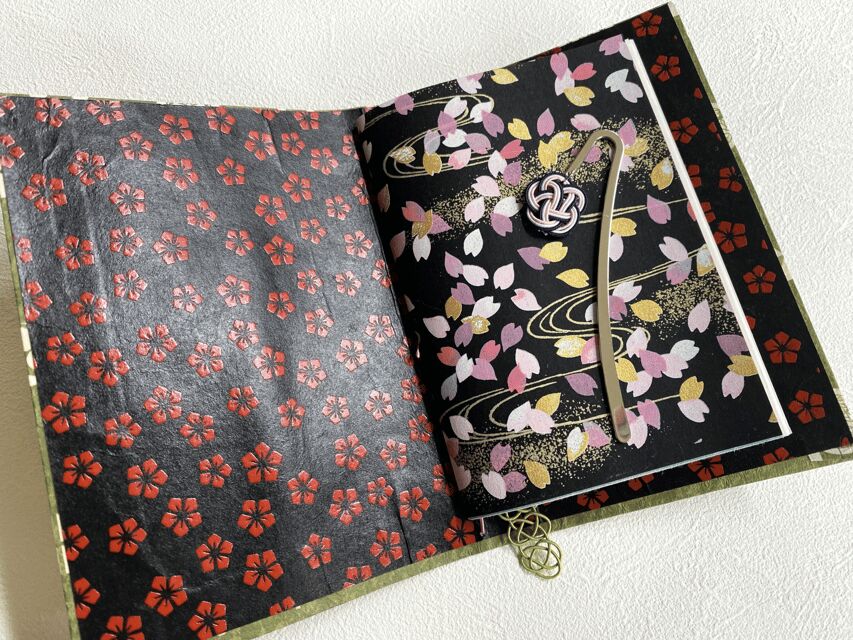
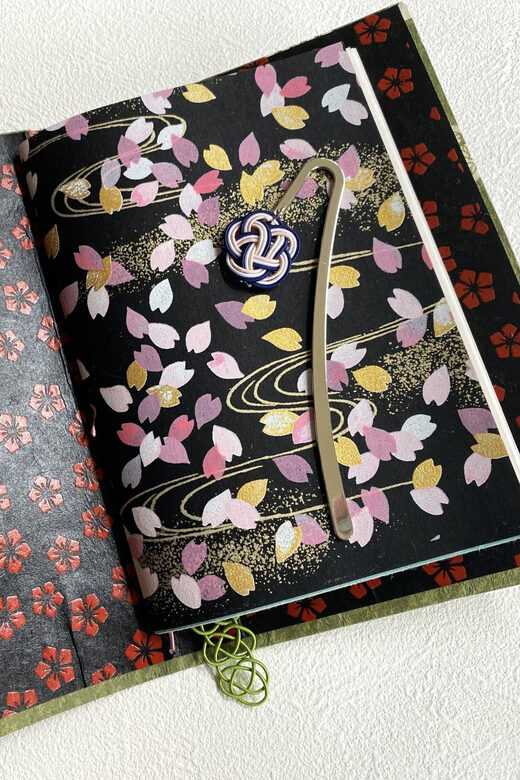
This washi and mizuhiki workshop turns stationery into something you can hold, show, and actually use, not just photograph. I like the hands-on build of an A6 notebook with a custom cover, and I also like that you finish with a mizuhiki knot belt plus a bookmark that feels meaningful (because it comes from a practice used in ceremonies). One consideration: the class involves sharp tools for cutting and shaping paper, and it is listed as not suitable for children under 10, so you’ll want to plan carefully if you’re bringing kids.
Beyond the making, there’s a calm, studio-style pace that leaves room to ask questions, redo steps, and feel guided instead of rushed. You’ll also get tea and sweets served during the session, which makes the whole thing feel more like a cultural craft lesson than a checklist activity.
It’s a private group, taught in Japanese and English, and you’ll be using premium Japanese materials designed for neat results. Do note: transportation to the studio isn’t included, so factor in local transit time once you know the meeting point.
In This Review
- Key things to know before you go
- A Hands-On Craft Class Where Paper Becomes Yours
- Building Your A6 Washe Notebook: Choosing Paper and Making It Real
- Mizuhiki Knotting: From 680-Year Paper Strings to a Belt Bookmark
- Tea, Sweets, and Studio Atmosphere (Yes, There’s a Cat Moment)
- Private Group Time: How the 150 Minutes Feels
- Value Check: Is $113 Worth It?
- Who Should Book This Workshop (and Who Might Skip It)
- Should You Book This Japanese Paper Craft Class?
- FAQ
- How long is the workshop?
- What do I make during the class?
- What is included in the price?
- Is the class taught in English?
- Is this a private class or a group class?
- Is transportation included?
- Is it suitable for children?
Key things to know before you go
- You make two keepsakes: an A6 washi notebook plus a mizuhiki knot belt/bookmark set.
- Mizuhiki isn’t decorative only: it’s tied to Japanese ceremony traditions and specific knots you’ll learn.
- The pace is slow enough to get help: instructors guide step-by-step, including tougher parts for experienced knotters.
- Tea and sweets are part of the session: you’ll pause in the middle for a proper snack break.
- Private group feel: you and your party get individual attention instead of a crowded, turn-and-run format.
Before you commit, see how this one stacks up against a few Taito City favourites:
- Tokyo Asakusa: Miu Kimono Rental and Optional Photoshoot★ 4.9 · 54 reviews
- Tokyo: Karate Experience with Former All-Japan Champion★ 4.9 · 46 reviews
- Made from flour in 30min! Ramen-noodle Making Experience!★ 4.8 · 24 reviews
A Hands-On Craft Class Where Paper Becomes Yours
This workshop is the kind of experience you pick when you want a souvenir with a pulse. Not a mass-produced postcard. Not a generic shop-bought notebook. Here, you choose paper, decide on colors and designs, and then assemble a notebook you can use right away.
The structure also helps your brain relax. You’re doing one focused task at a time: cut, fold, assemble for the notebook, then shift to the repeating rhythm of knotting for the mizuhiki. That change of gears is part of why people walk out with calmer hands and better memories.
And it’s not just craft-for-craft’s-sake. The mizuhiki part connects you to a Japanese tradition that has lasted about 680 years and still shows up today in weddings and funerals. That context turns a knot into a story you can share later.
Building Your A6 Washe Notebook: Choosing Paper and Making It Real
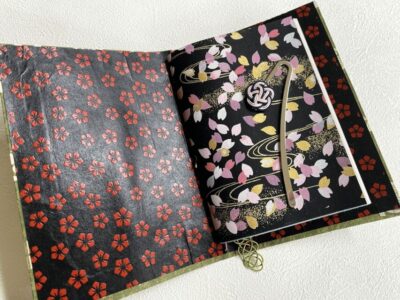
The washi notebook portion is a practical craft project with a satisfying end goal: an A6-size notebook with a cover you customize. You choose your Japanese paper first, which matters more than it sounds. Different washi types create different textures and visual tones, so your final notebook won’t look like anyone else’s even if everyone starts with the same template.
Then you shape it into a notebook that looks like a Traveler’s notebook style or a junk journal / art journal style. That comparison is useful, because it sets expectations: you’re not making a rigid, school-style composition book. This is the kind of notebook that works for sketches, travel notes, calligraphy practice, lists, and even small collage-style pages later on.
One small detail you should plan around: notebook-making tends to take longer than people expect, especially if you slow down to get clean edges and accurate folds. In the feedback for this class, some sessions ran close to the two-hour mark just for finishing the notebook portion, even though the overall class is listed at 150 minutes. That’s a normal craft timing reality, not a problem with the teaching—just something to keep in mind when you schedule your day.
What you’ll appreciate if you like quality
- Premium Japanese paper made from fine materials
- The fact that you’re guided through steps rather than left with a vague demo
- A finished notebook you can actually put to use, not just admire
Mizuhiki Knotting: From 680-Year Paper Strings to a Belt Bookmark
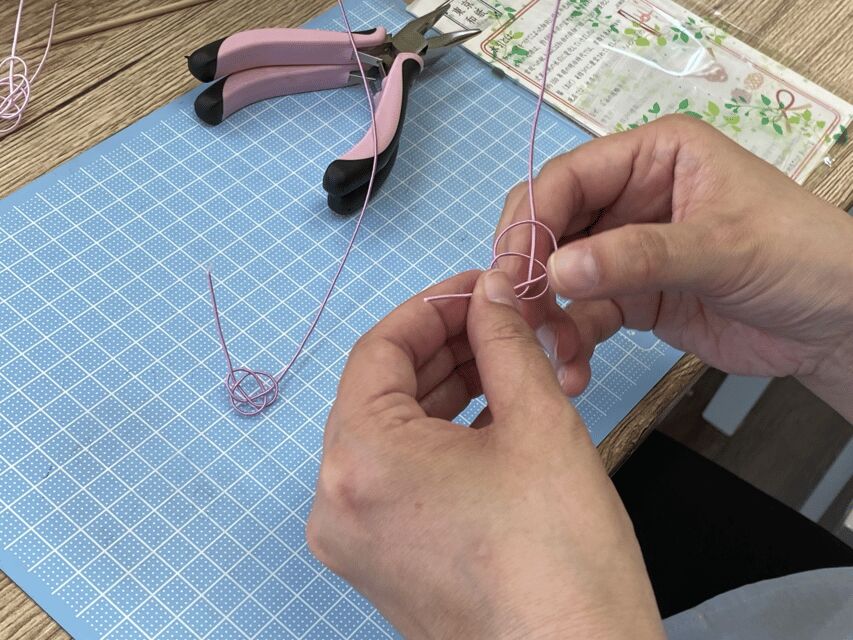
If the washi notebook is about building, the mizuhiki part is about learning patterns—three knots, taught as a progression. Mizuhiki is a traditional paper string, and it’s used for ceremonial tying in Japan. In other words, you’re practicing something that historically had a job: binding gifts and expressing respect.
What you make here is clever and practical:
- A notebook belt
- A bookmark attached to that belt concept
You choose from a vibrant array of colors and designs, so the result feels personal right away. And the instructor adjusts the difficulty. If you already know the basics, you can try a slightly harder knot instead of redoing the introductory steps.
There’s also a technical teaching point you’ll likely hear emphasized: Awaji knots. In the feedback from previous participants, the instructor explained why those knot forms matter and how to approach them patiently. That kind of detail is why this doesn’t feel like a shallow craft workshop. You’re not just copying shapes; you’re learning how to make the knots correctly.
Why I think this part sticks with you
You’ll end up with something you can keep on your desk or attach to a journal. Every time you open the notebook, you’ll remember the knot lesson. That’s the difference between a souvenir and a tool.
Tea, Sweets, and Studio Atmosphere (Yes, There’s a Cat Moment)
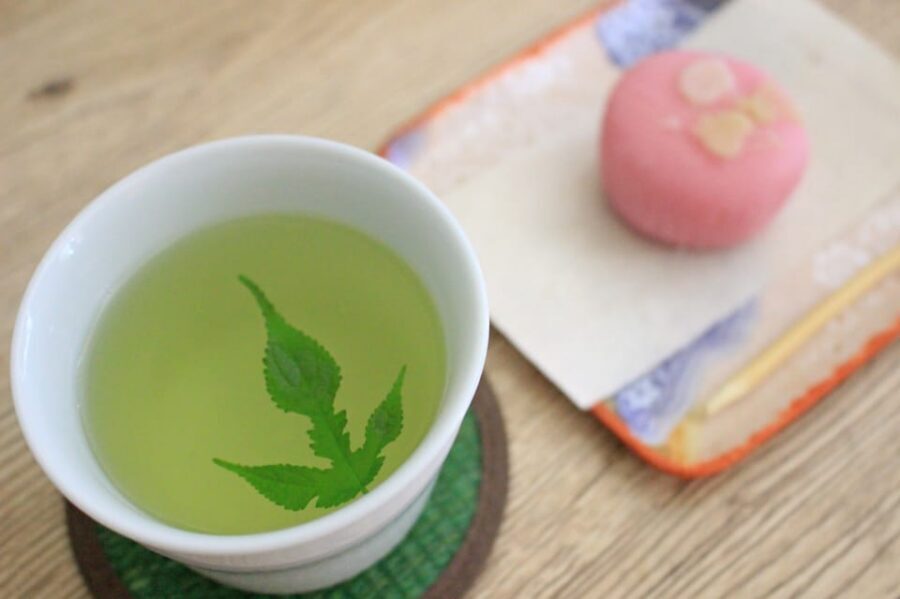
This class doesn’t run like a factory workshop. You get tea and sweets during the session, and previous participants described the tea as light and refreshing. There were also mentions of sandwiches and snacks, which helps the experience feel like a break built into the craft flow rather than an add-on.
That snack pause is more than comfort. It gives you time to slow down and reset your hands before knotting, where precision matters. It’s also where the instructor can explain context and answer questions without you feeling rushed.
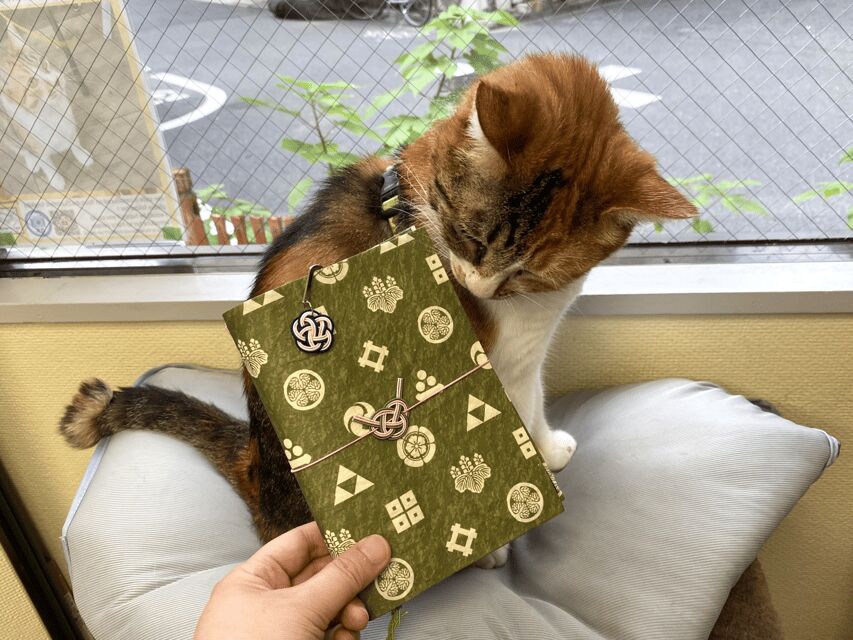
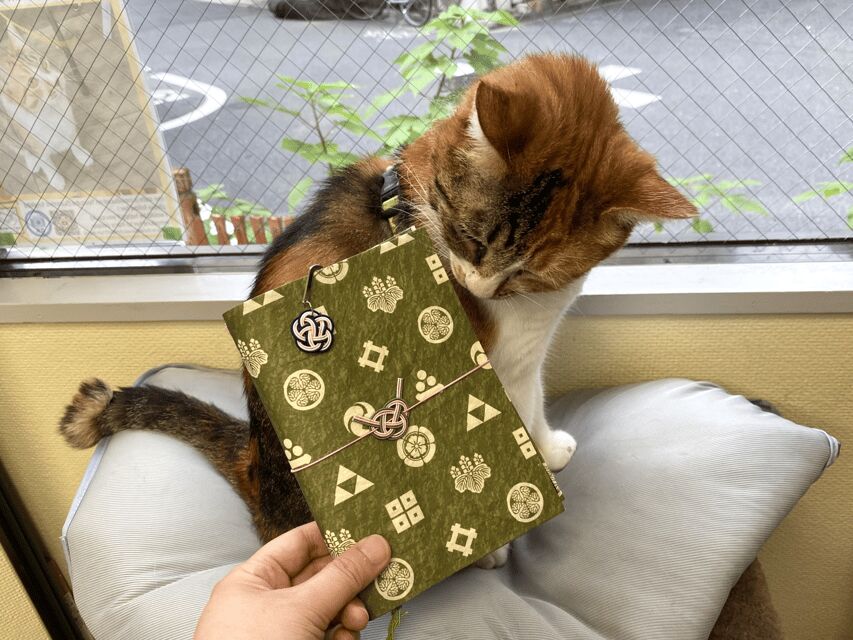
Then there’s the cat. If you’re a cat person, you’ll likely have a chance to take a picture with the studio’s cat mascot. Even if you’re not, it adds a human, local touch that big sightseeing tours rarely have. A friendly studio animal is small, but it signals a real place with real personality.


Private Group Time: How the 150 Minutes Feels
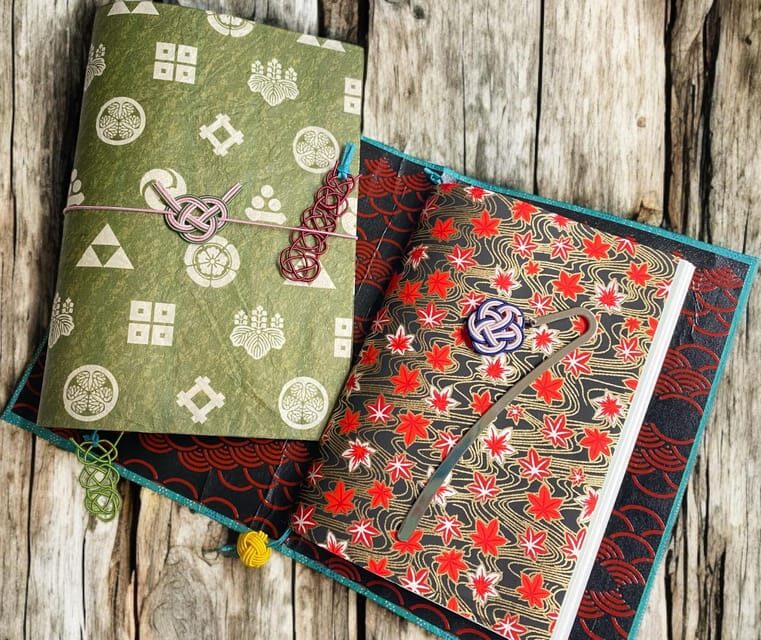
This is listed as a private group class, and that changes the whole rhythm. In a private setting, you can ask for clarification without waiting for a group leader to circle back. You can also take a second pass if the paper fold doesn’t look right the first time.
The instructor guides you with safety in mind, too. You’ll receive direction on how to use sharp tools safely. That’s important because paper craft often involves cutting or trimming. If you’re the type who likes to double-check you’re doing it correctly, this class gives you room to do that.
Language-wise, you can expect instruction in Japanese and English. In the feedback, participants noted the English was clear enough for proper explanations, and the instructor was very patient with challenging parts. That matters most when you hit the moment where a knot looks simple but your hands need guidance to make it match.
What to consider for timing: you’ll want to plan a bit of buffer after the class. Even though the activity duration is listed as 150 minutes, craft work can stretch slightly depending on your pace and how carefully you want your notebook cover and edges to finish.
Value Check: Is $113 Worth It?
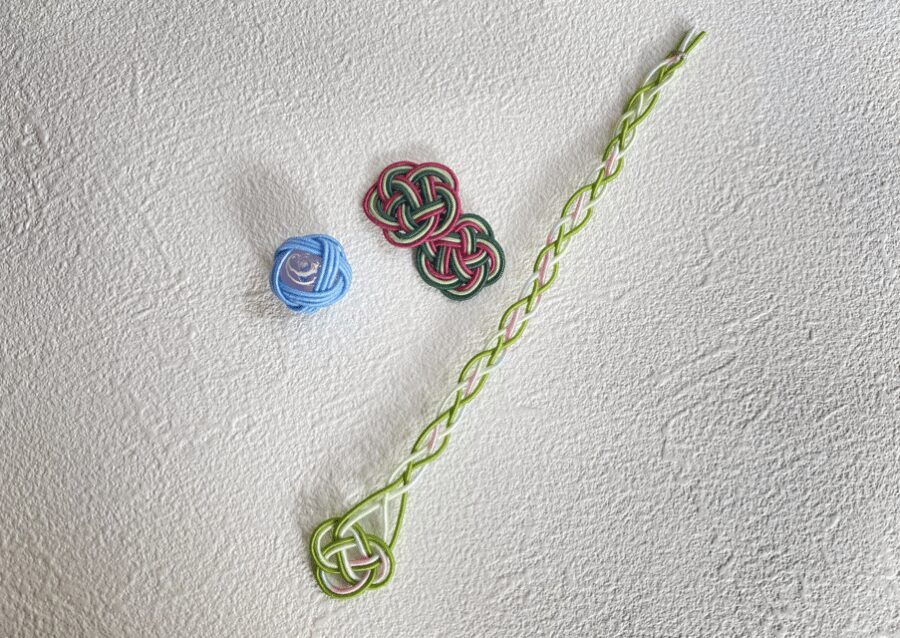
At $113 per person for 150 minutes, the obvious question is whether this is priced more like a souvenir stop or a real craft class. The answer depends on what you want from the experience.
Here’s the value logic that makes sense with what’s included:
- Materials are provided, including the required supplies for the workshop
- Coffee or tea is included
- You get a friendly instructor and structured guidance for both notebook-making and knotting
- You take home finished, usable objects: the notebook plus the mizuhiki belt/bookmark
So you’re paying for instruction time, premium materials, and the fact that your output is genuinely handmade. If you’ve ever bought a notebook and wished you had paid for customization and technique instead, this is the fix.
Where the price feels less ideal is if you only want a quick taste of craft. This class is hands-on, and you’ll likely want to treat it like a real lesson, not a 30-minute distraction.
Also remember: transportation to the store isn’t included. That doesn’t change the craft value, but it does affect your all-in cost and time budgeting.
Who Should Book This Workshop (and Who Might Skip It)
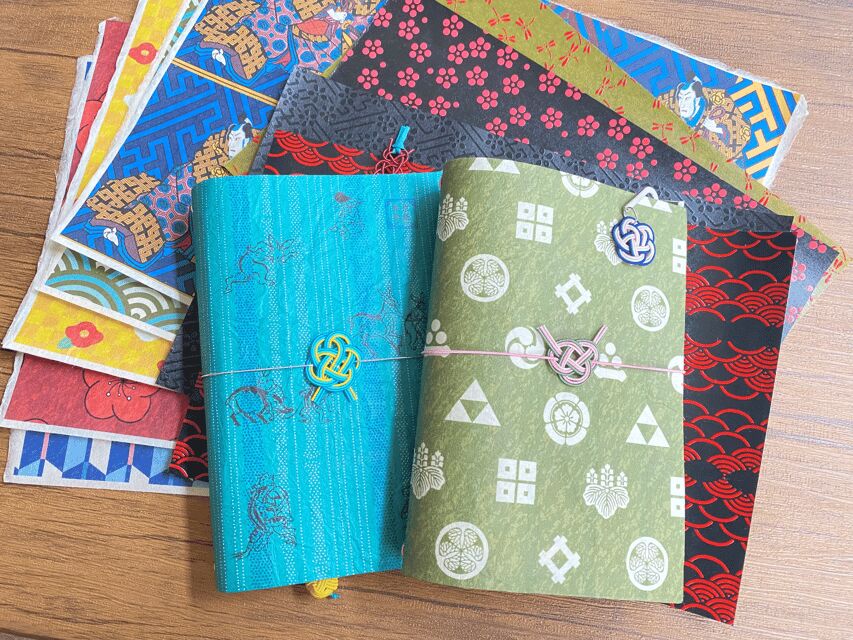
Book it if you:
- Like paper crafts, stationery, or journaling
- Want a meaningful gift idea with technique attached (not just a pretty object)
- Prefer small-group, guided experiences over walking-through attractions
- Enjoy learning traditions, especially when they lead to something you can use immediately
You might skip it if you:
- Want mostly sightseeing and photos with minimal sitting
- Are looking for something physically strenuous or high-energy
- Have very young kids. The activity is listed as not suitable for children under 10. If you have a child on that edge, it’s worth confirming directly with the provider before you commit.
If you love calm activities, you’ll probably appreciate how the session feels. Past participants described it as calming, and that matches the way both washi assembly and mizuhiki knotting naturally slow you down.
Should You Book This Japanese Paper Craft Class?
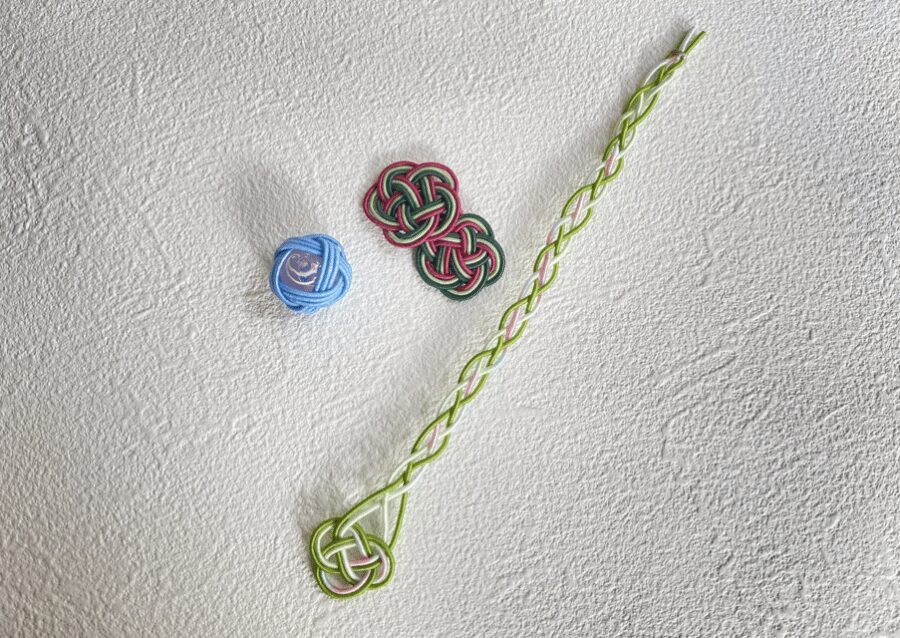
If you want a souvenir with hands-on meaning, I’d book it. The combination is smart: you get a practical washi notebook and a mizuhiki knot accessory that has ceremonial roots. And because it’s private and instructor-led, you’re not relying on luck or crowd pace to get a good result.
My main reasons to say yes:
- You leave with two finished keepsakes you can use right away
- Tea and sweets make it feel like a real cultural session, not a rush
- The instruction quality matters here, especially for knot work
My main reason to slow down before booking:
- Confirm child fit if you’re bringing anyone close to the listed age limit, and plan for sharp-tool safety guidance.
If your travel style includes one or two experiences where you make something yourself, this is the kind of class that turns a trip into a story you can flip open.
FAQ
How long is the workshop?
The Japanese paper notebook and mizuhiki belt bookmark workshop lasts 150 minutes.
What do I make during the class?
You’ll make an A6 washi notebook and also create a mizuhiki knot belt and bookmark by learning three knots.
What is included in the price?
Coffee or tea, a friendly instructor, and the required materials for the workshop are included.
Is the class taught in English?
Yes. The instructor provides instruction in Japanese and English.
Is this a private class or a group class?
It’s listed as a private group experience.
Is transportation included?
No. Transportation to the store is not included.
Is it suitable for children?
The activity is listed as not suitable for children under 10. If your child is near that age, you should check directly before booking.
More Tour Reviews in Taito City
Fresh reviews from around Taito City



Workshops, compared.
 ★ 5.0Sushi Making Tokyo Roll and Authentic Japanese Sushi ClassFrom $593,971 reviews
 ★ 5.0Tokyo Shinjuku Chopsticks Making ClassFrom $201,763 reviews
 ★ 4.8Chopstick Making Workshop in GinzaFrom $251,366 reviews
 ★ 5.0Tokyo Sushi Making Class in Tsukiji with Professional ChefFrom $491,177 reviews
 ★ 5.0Ramen & Gyoza Cooking Class in Tokyo with Local Supermarket VisitFrom $122823 reviews
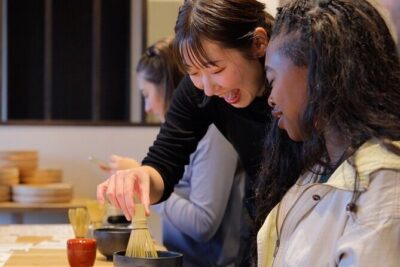 ★ 5.0Matcha Making Class in Tokyo with Authentic Japanese Sweets SetFrom $21744 reviews
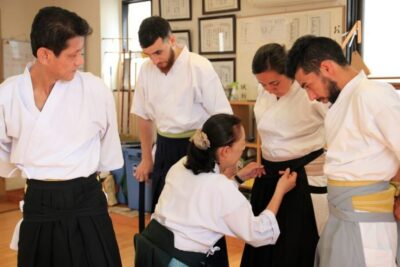 ★ 5.0Samurai Sword & Archery Class from Samurai DescendantFrom $193603 reviews
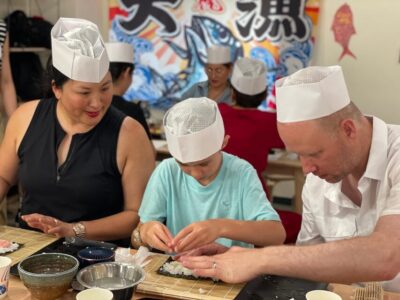 ★ 4.9Tsukiji Fish Market Sushi Making Class with Pro ChefFrom $63506 reviews
Browse the lists this tour appears in