
Reviewed · ASAKUSA TOURS
Tokyo : Kimono Rental in Asakusa Provided by RikaWafuku
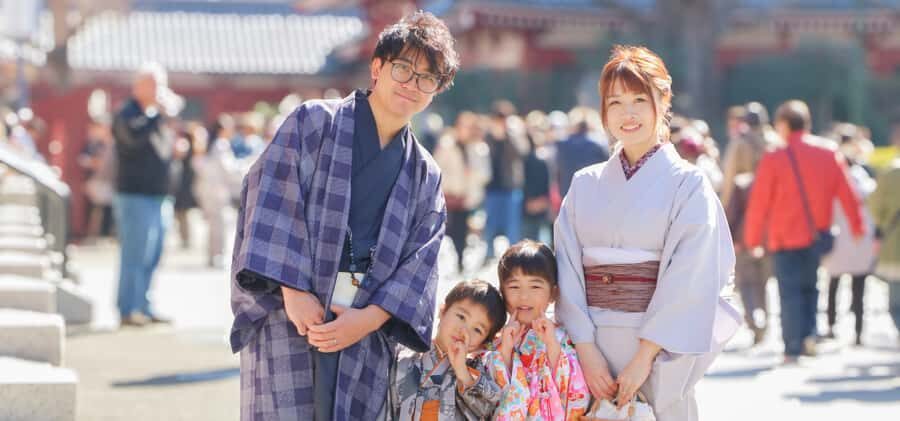
Kimono time in Asakusa is fast and easy. RikaWafuku Asakusa Store turns traditional clothing into a simple, guided stop right near Kaminarimon, so you can get your walk started quickly. You can come in with basically nothing and leave looking like you planned it for weeks.
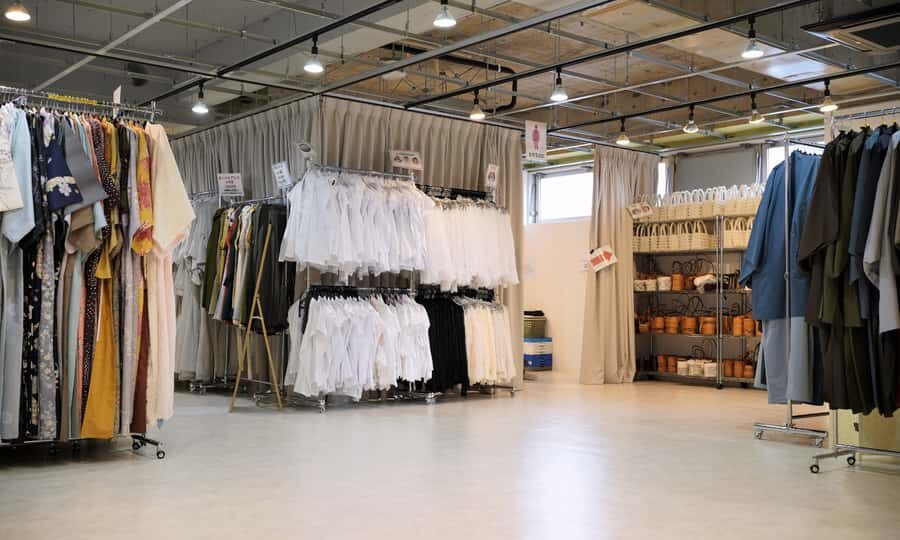
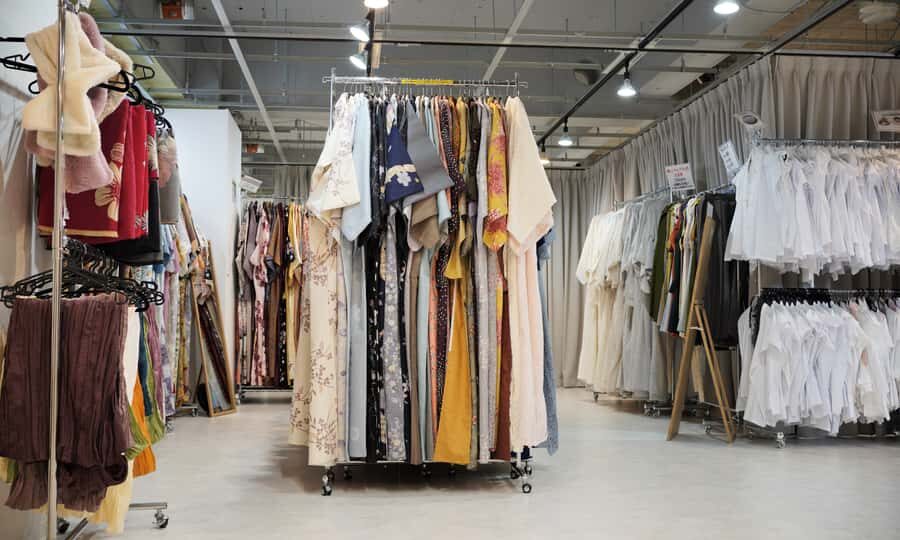
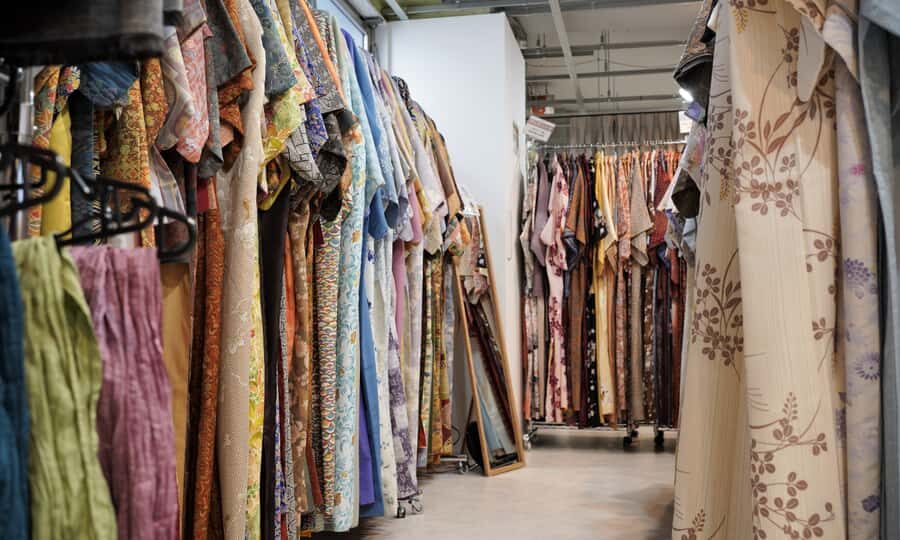
I especially like the convenience of the whole setup. You can rent empty-handed, and the shop provides the accessories you need for the rental, plus dressing and women’s hair styling when you book that option. The store also offers a huge choice—over 500 items in stock—so you’re not stuck with just a couple of patterns.
One thing to consider: the service has limits. Hair set is for women only, and add-on accessory purchases require cash payment, so plan a bit ahead if you want extras or if you’re shopping for a specific size.
In This Review
- Key things to know before you go
- Asakusa in a Kimono: Why the Kaminarimon Location Matters
- The 1-Hour Reality Check: What the Flow Feels Like
- Choosing Your Kimono: Big Stock, Clear Pricing
- Dressing, Obi, and the Hand-Off You’ll Feel Up Close
- Sandals, Walking Comfort, and Getting Your Day Back
- Luggage and Timing: The 5:30 p.m. Return Rule
- Price and Value: What $42 Buys You
- Who This Fits Best (and Who Should Think Twice)
- Should You Book RikaWafuku in Asakusa?
- FAQ
- How much does Tokyo Kimono Rental in Asakusa cost?
- How long is the rental experience?
- Where is the RikaWafuku store in Asakusa?
- Do I need to bring anything to rent a kimono?
- What is included in the price?
- Is hair styling included for men?
- Can I store luggage at the shop?
- What time do I have to return the kimono?
- Are add-on accessory options available for purchase?
- What’s the group size and language?
Key things to know before you go
- 1-minute walk to Kaminarimon makes it practical to fit into a sightseeing day
- 500+ in-stock choices lets you compare kimono and yukata styles right in the shop
- Empty-handed rental means fewer decisions before you arrive
- Women’s hair set included (men’s hair styling not available)
- Small group size (up to 6) keeps the pace manageable
More mornings around Senso-ji and the old town
- Tokyo Asakusa sightseeing and history walking tour★ 4.7 · 9 reviews
- Asakusa Cultural Walk & Matcha Making Tour★ 4.5 · 7 reviews
- Tokyo : Kimono Rental in Asakusa Provided by RikaWafuku★ 4.5 · 4 reviews
Asakusa in a Kimono: Why the Kaminarimon Location Matters
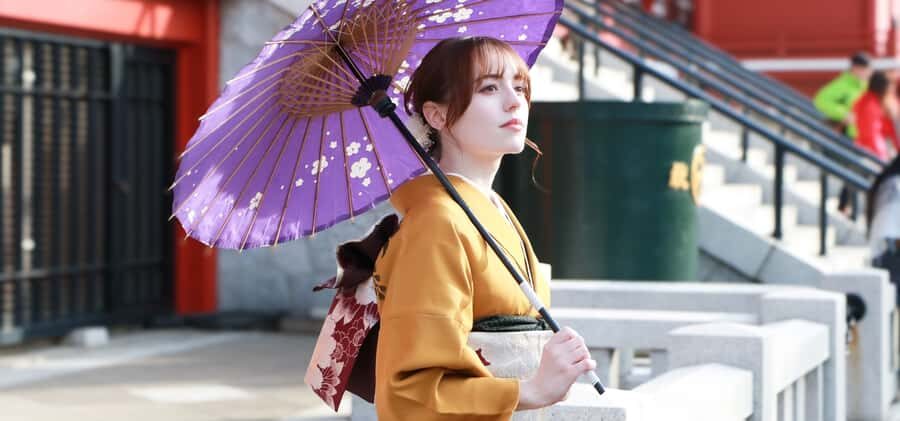
Asakusa is one of those areas where getting out the door fast can make your day feel smoother. This rental shop is just a 1-minute walk to Kaminarimon, so you’re not spending your best photo time trekking across town in full kimono gear. You can pick your outfit, get dressed, and then step right into the neighborhood atmosphere that people come to Asakusa for.
Also, the location helps with timing. Your kimono window is real—there’s a fixed final return time—so being close to a major landmark is a quiet win. Around the shop area, you’ll find tourist stops and places to eat, which makes it easier to plan your stroll without stressing about the route.
Finally, the shop’s scale is a comfort factor. RikaWafuku is used by over 230,000 customers annually and the Asakusa location is described as the largest kimono rental store in the area. That usually signals systems that run smoothly: fitting spaces, staff routines, and the kind of steady workflow that matters when you’re on a schedule.
The 1-Hour Reality Check: What the Flow Feels Like
The rental is listed as 1 hour, but the experience is more accurately about 45 to 70 minutes from reception to dressing and hair styling to getting you out the door. Your exact timing can change by season and by when you choose your kimono, so treat the hour mark as a planning guide—not a rigid guarantee.
Here’s what the flow looks like, step by step:
1) Arrive at your reserved time and walk in empty-handed
You go to the store at the time you booked. The big idea here is simplicity: they have the accessories you need for kimono rental, so you don’t need to pack anything special just to try the experience.
2) Reception and accessory options
At reception, staff confirm your plan (kimono rental or yukata rental). Then they’ll suggest accessory options. If you want to add anything beyond what’s included, those extras are paid locally—and the only payment method for those add-ons is cash payment. So if you like a backup plan, consider bringing cash just in case.
3) Kimono selection with no price confusion
This is one of the more visitor-friendly parts. You can choose as many kimonos as you like regardless of which plan you booked. Even better for peace of mind: prices do not change depending on the type of rental kimono or rental yukata. That means you can compare patterns and fabrics without suddenly worrying that the one you love costs a lot more.
4) Store clothes and luggage you don’t need
Once you’ve chosen, you can leave clothes you take off and any luggage you don’t want while sightseeing. If you bring large items—like carry cases—there can be additional charges. The practical advice is simple: pack smart for your day if you want to avoid surprises.
5) Dressing in the dedicated area
Then comes the main fitting. You’ll be fitted by experienced staff in the store’s dedicated dressing area. You don’t need special prep at home, which is great if you’re juggling a busy Japan trip and don’t want to practice tying anything the night before.
6) Hair set and ornaments (women only)
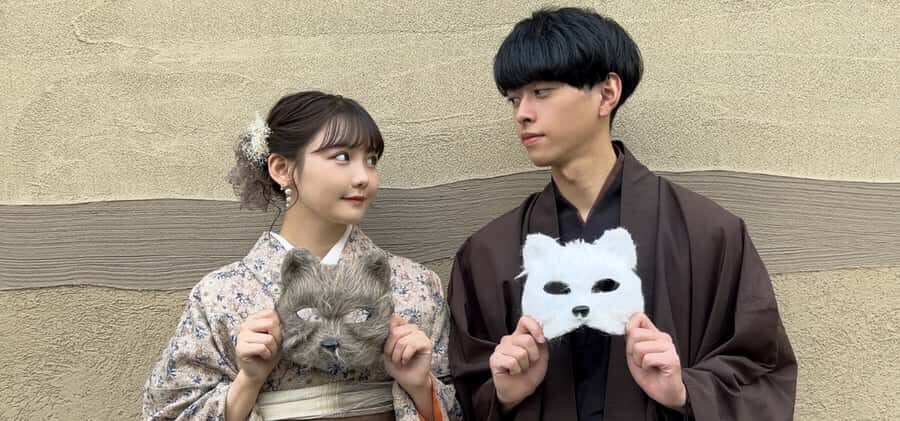
After the kimono is on, a hair stylist styles your hair to match the kimono. The styling uses irons, and hair accessories are included. They give you a choice from 5 hairstyle patterns, and it works for all hair lengths. If you’re shopping for a men’s hair styling service, that part isn’t offered—hair setting is stated as not available for men.
7) Sandals and geta selection
You’ll get help choosing sandals and geta that match your outfit. RikaWafuku also makes custom-made zori sandals that fit well with trendy kimono styles each season. This matters more than you might think. Footwear affects comfort and how the outfit sits when you walk.
8) Wear it out immediately
After you’re dressed, you head out to sightseeing. Because the store is so close to key Asakusa spots, you can start your walk right away and spend less time in transit.
9) Return by the final time
When it’s time to go back, you return the kimono by the final return time of 5:30 p.m., no matter when you booked. Late returns create a late fee, and if you want more time, there’s an extension fee if the return time is exceeded.
Choosing Your Kimono: Big Stock, Clear Pricing
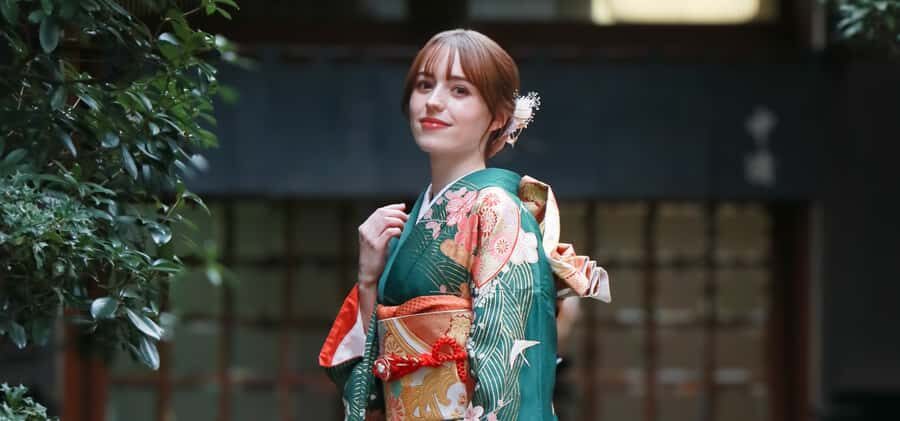
If you’re worried that rental shops might feel limiting, this one is built to reduce that anxiety. With over 500 items in stock, you can actually compare. And because you can pick as many options as you want no matter which plan you book, you’re not forced into a quick decision.
I like the pricing rule because it prevents a common frustration: sudden add-on costs based on the exact kimono style. The shop states that prices do not change depending on whether you choose a rental kimono or rental yukata type. That makes the decision about aesthetics instead of calculations.
Here’s how I’d use that freedom in a practical way:
- If you want photos that look balanced, pick a design that complements the color palette of what you’ll photograph around you.
- If you’re planning mostly indoor stops or short walks, focus on something you can move comfortably in.
- If you’re sensitive about fabric weight or warmth, ask staff what feels best for the day’s weather. You can’t always predict how kimono fabric behaves in real air, and staff can usually help.
One review detail points to a real-world constraint: yukata diversity for larger women’s sizes may be something to check in advance. If your size is outside the most common range, it’s smart to ask about availability at the time you book, so you don’t end up settling when you expected a wide selection.
Dressing, Obi, and the Hand-Off You’ll Feel Up Close
The value here is not just that you get dressed. It’s that the process is structured so you don’t have to do it yourself. Experienced kimonos and yukata staff handle the fitting, and you’re guided through what to expect without needing to prepare anything special.
The dressing part is hands-on. That’s normal for a kimono rental, but it’s worth saying plainly: you’ll be close to staff during fitting. If you’re the type who prefers minimal physical fussing, you may want to communicate that preference early during reception.
Then there’s the obi and styling side of the experience. The shop indicates experienced staff will advise you on rental kimonos and obi if needed. After that, women get hair styling matched to the kimono, with five pattern choices. That’s a lot less intimidating than it sounds. You’re not designing a hairstyle from scratch; you’re choosing from options that the stylist can execute quickly and consistently.
For men, the one hard line is hair styling. The information says hair styling service is not available for men. That doesn’t mean the men’s kimono rental experience is impossible, but it does mean you should plan your expectations around what is and isn’t included in the hair portion.



Sandals, Walking Comfort, and Getting Your Day Back
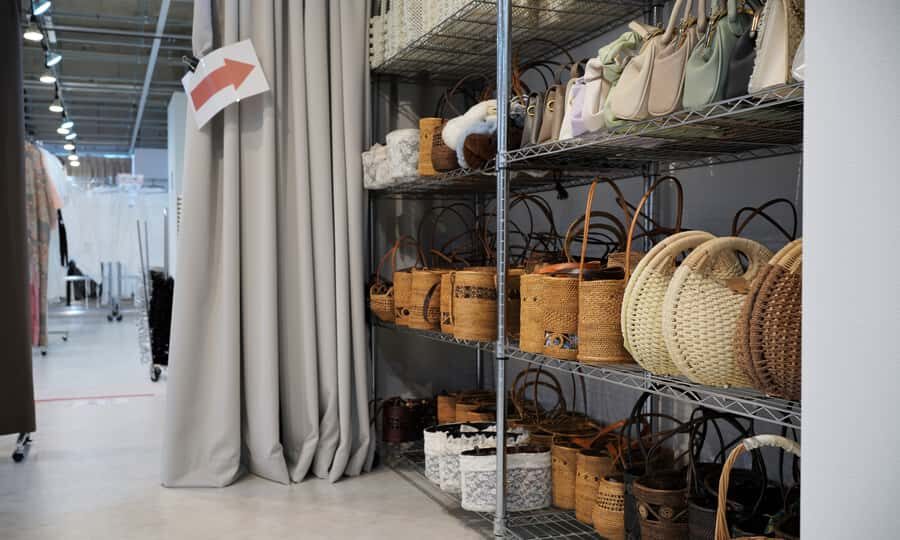
Kimono and yukata look great, but they change how you walk. That’s why the sandal and geta selection is worth paying attention to. Staff help you choose sandals and geta that match your outfit, and the store’s seasonal custom-made zori sandals are designed to pair well with trendy kimono styles.
A practical tip: once you’re in footwear, do a short test walk in the shop area if they allow it, or at least stand and take a few careful steps before heading out. It’s the easiest moment to notice if a strap position is uncomfortable or if the fit feels off.
Also remember: kimono days are sightseeing days. The store specifically positions the rental as a way to go out immediately, with tourist spots and restaurants nearby. That’s why the location is such a selling point. You’re not trying to squeeze in a rental at the end of a long transit day—you’re building your itinerary around the look.
Luggage and Timing: The 5:30 p.m. Return Rule
This is where a lot of kimono rentals quietly become stressful for people who don’t plan. Here, the rule is clear: final return time is 5:30 p.m. no matter what time you make a reservation. If you go long, there’s an extension fee. If you miss the return time, there’s a late fee.
So how do you make this work smoothly?
- Plan a buffer. Think of the kimono as a “scheduled activity,” not an accessory you can wear indefinitely.
- Pick your sightseeing priorities in Asakusa and aim to be toward the final area in the evening.
- If you want to shop or linger for photos, do it earlier rather than later.
Luggage storage is helpful, but it’s not unlimited for free. You can leave clothes you take off and any luggage you don’t need for sightseeing. Large luggage like carry cases can bring additional charges. That means your best bet is traveling light for the day—especially if you’re carrying a second bag for camera gear or shopping.
Price and Value: What $42 Buys You
At $42 per person, this rental can be a good value, mainly because the included services reduce decision fatigue. The included items are:
- Kimono rental set
- Dressing
- Hair set (women only)
- Hair ornaments (women only)
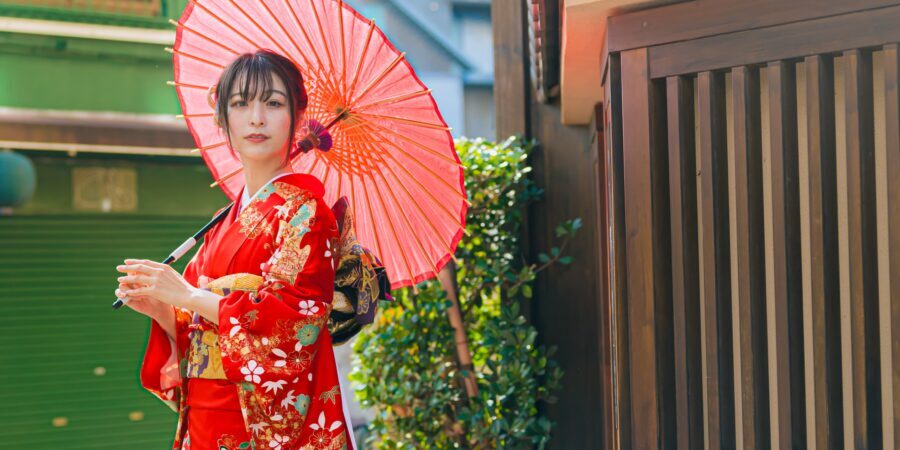
That bundle matters. Instead of paying for separate help or trying to figure out styling yourself, the shop takes you from clothing selection to a styled look, including accessories for the hair (for women). For a lot of visitors, that’s the difference between a costume rental and a real experience.
The shop also runs with a small group model, limited to 6 participants. A smaller group usually means less rushing and more attention during the fit and styling stages. It won’t eliminate timing pressure because of the fixed 5:30 return time, but it does make the process feel less like assembly line work.
Finally, the sheer scale—230,000+ annual customers and the “largest store in Asakusa” positioning—suggests operations that are built to handle crowds. That’s a practical advantage. You’re not paying just for a kimono; you’re paying for a system that helps you get dressed correctly and quickly.
Who This Fits Best (and Who Should Think Twice)
This experience fits best if you want a classic Tokyo look with minimal prep. You’ll like it if:
- You want to rent empty-handed and let the staff handle the details
- You’re planning a day in Asakusa and want a close-to-the-action location
- You care about a guided hair-and-outfit result (women)
You might think twice if:
- You need men’s hair styling, since it’s not available
- You’re bringing large luggage like carry cases and want to avoid extra storage fees
- You need a wider range of yukata sizes for larger women’s sizing—based on feedback about diversity, it’s smart to check what’s available for your size ahead of time
One more simple rule to remember: food and drinks are not allowed. That’s not about comfort; it’s about keeping the dressing process clean and controlled.
Should You Book RikaWafuku in Asakusa?
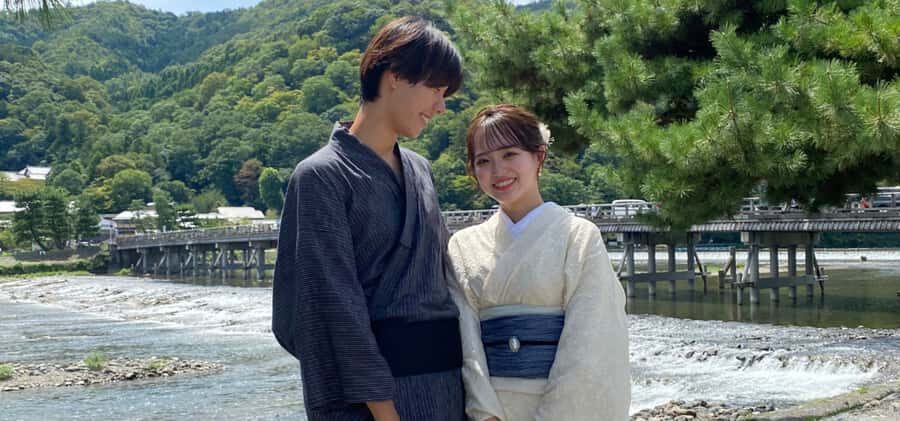
If your goal is an easy kimono day that starts near Kaminarimon and ends with you sightseeing in a fully styled look, I think this is a strong booking choice. The big wins are the large selection, the no-price-surprise approach to kimono vs yukata choice, and the fact that women get included hair styling plus ornaments.
Book it if you want a straightforward, guided experience with short decision points and a shop that handles volume well.
I’d hold off or at least plan carefully if you’re a man needing hair styling, you’re sensitive about close-contact fitting, or you’re shopping for yukata in a size where selection may be narrower. With those considerations, though, this rental is one of the most practical ways to get the kimono experience without turning it into a whole project.
FAQ
How much does Tokyo Kimono Rental in Asakusa cost?
It costs $42 per person.
How long is the rental experience?
It’s listed as 1 hour, and it typically takes about 45 to 70 minutes from reception to dressing, hair styling, and departure.
Where is the RikaWafuku store in Asakusa?
The Rika Wafuku Asakusa Store is about a 1 minute walk to Kaminarimon.
Do I need to bring anything to rent a kimono?
No. You can rent it empty-handed because the shop provides the accessories you need for kimono rental.
What is included in the price?
Included are the kimono rental set, dressing, and hair set plus hair ornaments for women only.
Is hair styling included for men?
No. Hair styling service is not available for men.
Can I store luggage at the shop?
Yes. You can leave clothes you take off and luggage you don’t need for sightseeing. Large luggage like carry cases may require an additional charge.
What time do I have to return the kimono?
The final return time is 5:30 p.m. for all reservations. If you go past it, an extension fee may apply, and late returns can lead to a late fee.
Are add-on accessory options available for purchase?
Yes, optional decorations are available for purchase locally, and the only payment method for added options is cash payment.
What’s the group size and language?
The group is limited to 6 participants, and the host/greeter uses Japanese.
More Tour Reviews in Taito City
Around Senso-ji: More Asakusa Picks
Fresh reviews from around Taito City

Asakusa Tours, compared.
 ★ 4.8Japanese Dance Cabaret Theater Asakusa-Kaguwa TicketFrom $492,270 reviews
 ★ 4.7Meiji Shrine, Asakusa, Skytree Bus Tour and CruiseFrom $1221,986 reviews
 ★ 4.8Asakusa Walking Tour with Sensoji Temple VisitFrom $221,583 reviews
 ★ 5.0Tokyo Asakusa Rickshaw TourFrom $421,375 reviews
 ★ 4.5Tokyo Panoramic 1 Day: Meiji Shrine, Asakusa, Odaiba and SKYTREE®From $851,222 reviews
 ★ 4.8Samurai Ninja Museum Asakusa: Samurai Sword Lesson & TourFrom $63306 reviews
Asakusa Sightseeing Tour by RickshawFrom $35195 reviews
Asakusa Kimono Dressing and Matcha ExperienceFrom $56173 reviews
★ 4.8Samurai Ninja Museum Asakusa: Samurai Sword Lesson & TourFrom $63306 reviews
Asakusa Sightseeing Tour by RickshawFrom $35195 reviews
Asakusa Kimono Dressing and Matcha ExperienceFrom $56173 reviews
Browse the lists this tour appears in