
Reviewed · TAITO CITY
///Soba Making Experience///Use The BIG Soba-Knife!!
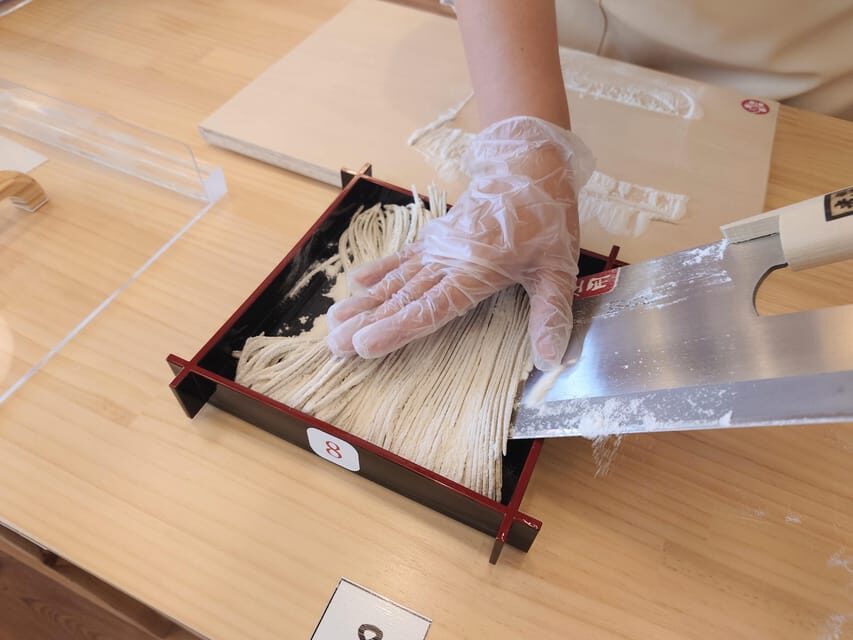
Soba feels serious until you handle the knife. This Asakusa open-kitchen soba class turns a food skill into a quick, hands-on show, right in the Kappabashi kitchenware area. You roll, stretch, and cut thin noodles without using wheat flour, then you watch staff boil them right away so you can actually eat what you made.
What I like most is the big soba knife. It makes the whole thing feel real and a little dramatic—in a good way—and the class is designed so you can get long, fine noodles quickly. I also like that the meal is built for variety: you’ll eat your cut soba with multiple flavor options, including vegan and walnut choices, plus a free drink and snacks.
One thing to consider: this is a hands-on cutting experience. If you’re not comfortable with knives or tight timing, you may feel a bit rushed during the short “make” phase.
In This Review
- Key highlights to know before you go
- Cutting soba in Kappabashi: where the class fits in
- The 50-minute format: how time actually works
- Rolling, stretching, cutting: what you’re doing (and why it matters)
- The meal: your soba, your flavors, zero boredom
- Languages, teaching style, and how smoothly it runs
- Where it fits with your Asakusa day (without derailing it)
- Who this is best for (and who should think twice)
- Price and value: is $57 worth it
- The small details that make it work
- Should you book this soba-making experience?
- FAQ
- What is the duration of the soba making experience?
- Where do I meet for the class?
- What will I make during the class?
- Does the class include eating the soba you cut?
- Is there a drink included?
- Are there snack options included?
- What languages are available?
Key highlights to know before you go
- Big soba knife training in an open studio with a clear, guided rhythm
- You cut soba made from buckwheat flour from Shinshu (Nagano Prefecture) for strong flavor
- A fast flow: rolling, cutting, then eating with staff boiling immediately
- One free drink plus all-you-can-eat Japanese snacks in the dining space
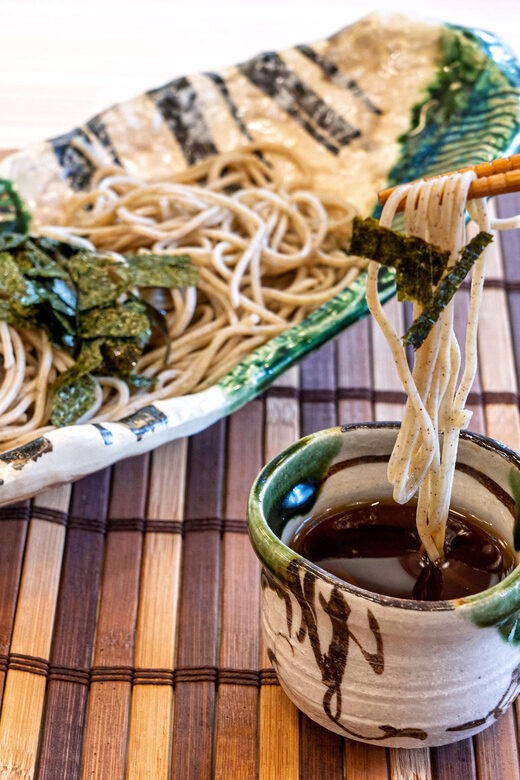
- Flavor lineup that includes wagyu sukiyaki, vegan, and walnut soba
- Small-to-medium group setup in a spacious interior (up to 25 at once)
Before you commit, see how this one stacks up against a few Taito City favourites:
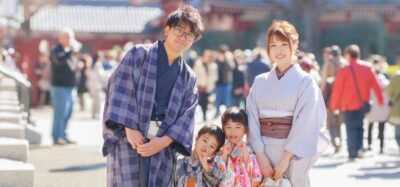
- Tokyo Asakusa: Miu Kimono Rental and Optional Photoshoot★ 4.9 · 54 reviews
- Tokyo: Karate Experience with Former All-Japan Champion★ 4.9 · 46 reviews
- Made from flour in 30min! Ramen-noodle Making Experience!★ 4.8 · 24 reviews
Cutting soba in Kappabashi: where the class fits in
If you’re already in Asakusa, this class is easy to slot in between temple-time and street shopping. The soba studio sits in the Kappabashi Kitchen Tool Specialty Store area, and it’s about a 15-minute rickshaw ride from Asakusa Sensoji Temple. In other words, you’re not traveling far for a skill that pays you back with lunch (or a snacky dinner).
The setting is also part of the fun. It’s an open-kitchen ground floor studio, so you get that workshop energy without feeling trapped. The interior is described as spacious and photogenic, and the room can handle up to 25 participants at the same time, which matters because you’re doing something physical and want enough elbow room.
Finding the place helps, too. Your meeting point is diagonally across from a food sample specialty store with a large beetle objet d’art on Kappabashi Kitchenware Street. That beetle detail is exactly the kind of local landmark you’ll appreciate when your phone signal is acting up.
The 50-minute format: how time actually works
This experience runs 50 minutes total, and the structure is built for momentum. The idea is that you get a meaningful amount of hands-on practice, then you shift quickly into eating.
Here’s the practical flow you can expect once you arrive:
- Check in: meet about 10 minutes before your start time
- Wash up: you’ll prepare by washing hands
- Soba trebia (about 5 minutes) to get you ready for the movements
- Stretch (about 10 minutes) so your body can handle the rolling/cutting motions
- Cutting (about 10 minutes) with the featured tool
- Photo time (quick and included)
- Staff boil immediately by the staff, so your cut soba doesn’t sit around
- Eating time in a dedicated space
The key to enjoying it is mindset. You’re not aiming for perfection. You’re learning the motions so you can make something thin and long enough to eat right away. The summary also highlights the overall efficiency: it’s designed to feel like a short “making” burst, followed by a relaxed meal.
Rolling, stretching, cutting: what you’re doing (and why it matters)
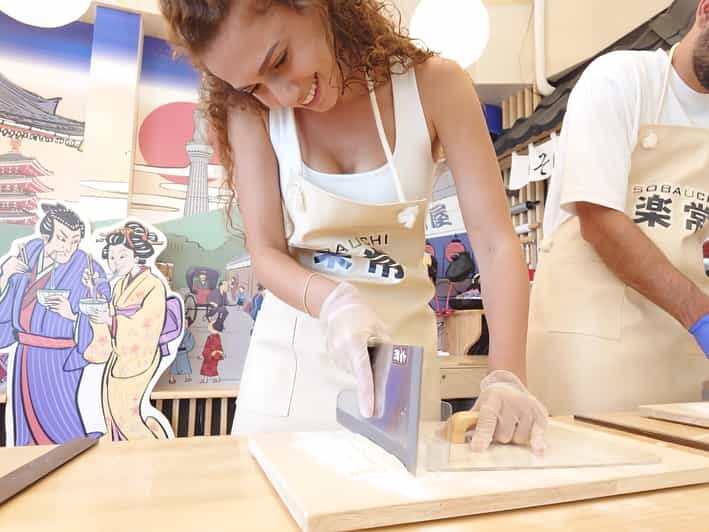
The hands-on part is the whole point, and it’s surprisingly approachable. You’ll experience the three steps of rolling, cutting, and eating soba noodles. The emphasis is on technique, not luck.
Two details make this class feel more “real” than a basic demo:
- No wheat flour is involved in the soba you cut. You’re working buckwheat-only soba noodles, which changes the texture and how the dough behaves.
- The ingredients are positioned as top quality: you use high-quality buckwheat flour from Shinshu (Nagano Prefecture), known for being flavorful.
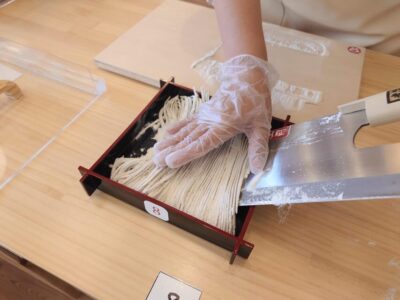
Then there’s the tool. This is one of those rare food classes where they hand you a specialty implement instead of a toy. The experience explicitly encourages you to challenge yourself by making thin and long noodles using the large knife specially made for soba. Using a tool built for the task changes your confidence fast, because the knife is designed to help you execute a line, not just chop things randomly.
One more smart touch: the class uses an original technique (called a smart method) that’s meant to get fine noodles in about 30 minutes. Even if you don’t match the best-looking noodles in the room, you’ll still end up with edible soba quickly, which is what keeps this from turning into a long, frustrating class.
The meal: your soba, your flavors, zero boredom
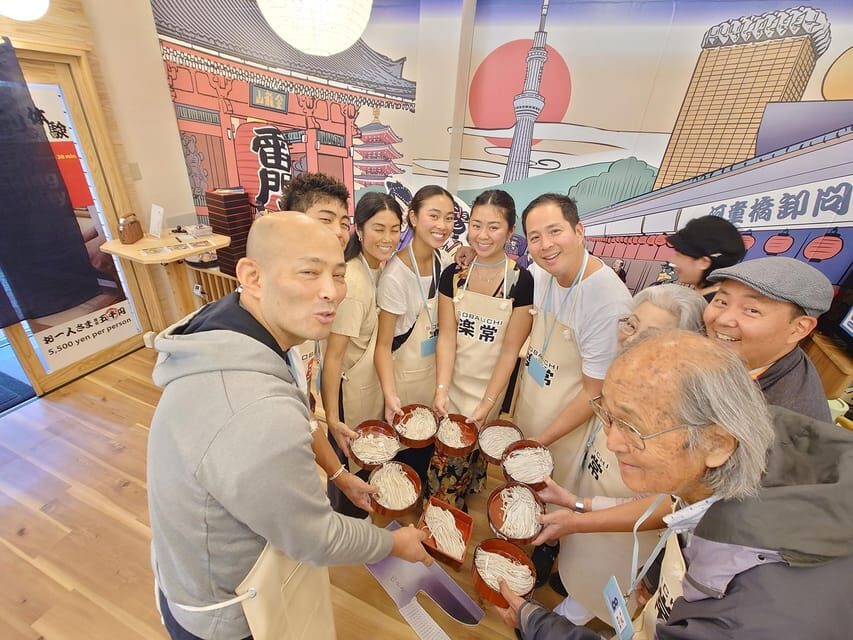
Making noodles is only half the payoff. The other half is how they serve what you cut.
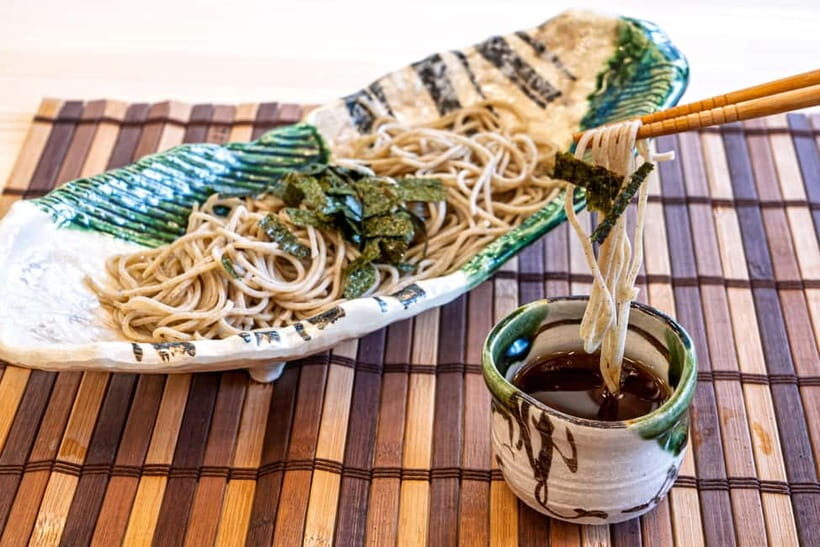
After staff boil the noodles, you eat them with different flavor options. The class doesn’t treat eating as an afterthought—it’s a full stage with a dining setup designed for comfort. You also get free snacks in the eat space, described as all-you-can-eat Japanese snacks from proud Japanese manufacturers.
And then there’s the free drink. You can choose from items like beer, sake, highball, lemon sour, juice, and non-alcoholic beer. It’s a simple detail, but it changes the whole vibe. You’re not just tasting one bite; you’re settling in.
The flavor lineup gives you a real spread. Based on what’s offered, you might eat your cut soba with:
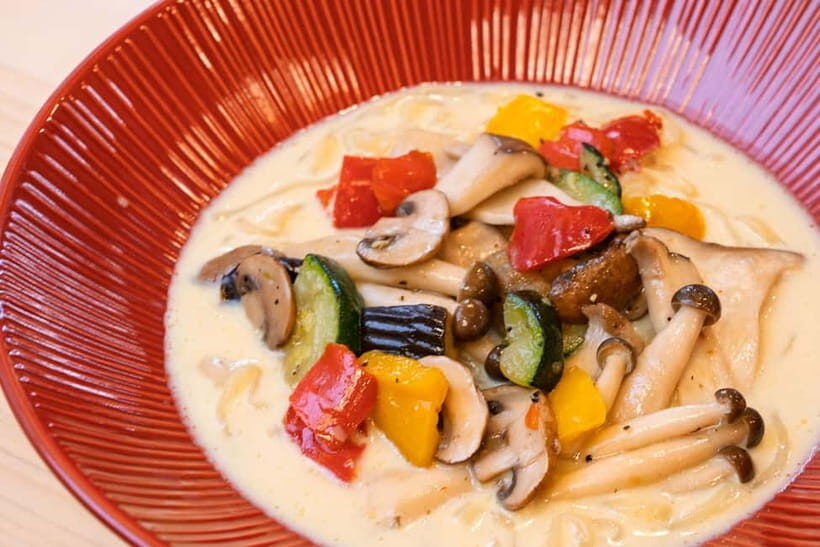
- Wagyu Sukiyaki Soba
- Vegan Soba
- Walnut Soba
- Cold options like Cold Zaru-Soba
- Other variations such as Oyako Chicken Yonaki-Soba, Tomato Salad Soba, grated pork shabu soba, and shrimp salt soba (hot or cold)
What I like about this approach is that it teaches you how soba changes with sauce and toppings. Buckwheat noodles have their own personality, but your experience is really about how Japanese flavors build around them. Trying vegan and walnut options alongside meat-based ones is a nice way to keep the meal interesting, especially if you’re traveling with someone who doesn’t eat everything.

Languages, teaching style, and how smoothly it runs
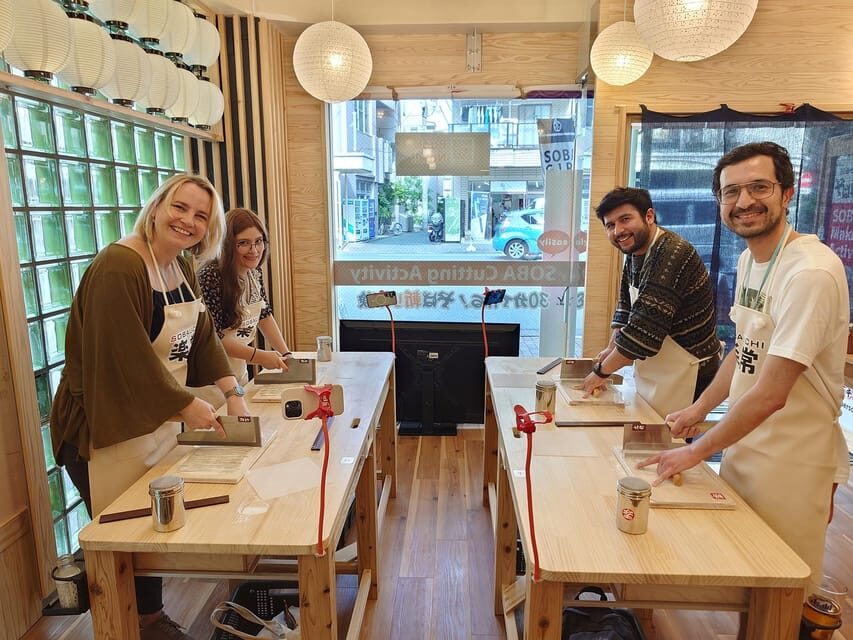
This class uses Japanese and English, with an English audio guide included. The instructor team also guides you through the steps, which helps a lot when you’re doing physical tasks you can’t “read” from a poster.
The vibe from the way the experience is run is practical. Staff don’t just point; they stay with the process, and they take time for the early steps so you understand what your hands should be doing. One reason people feel comfortable is that if language is a barrier, they can use a translator app to keep instructions clear.
You’ll also get plenty of photos taken during the experience, and that’s more helpful than you might expect. Soba-making has a lot of small movements; having photos means you can remember the steps and feel proud later when you compare your technique to what you see online.
Where it fits with your Asakusa day (without derailing it)
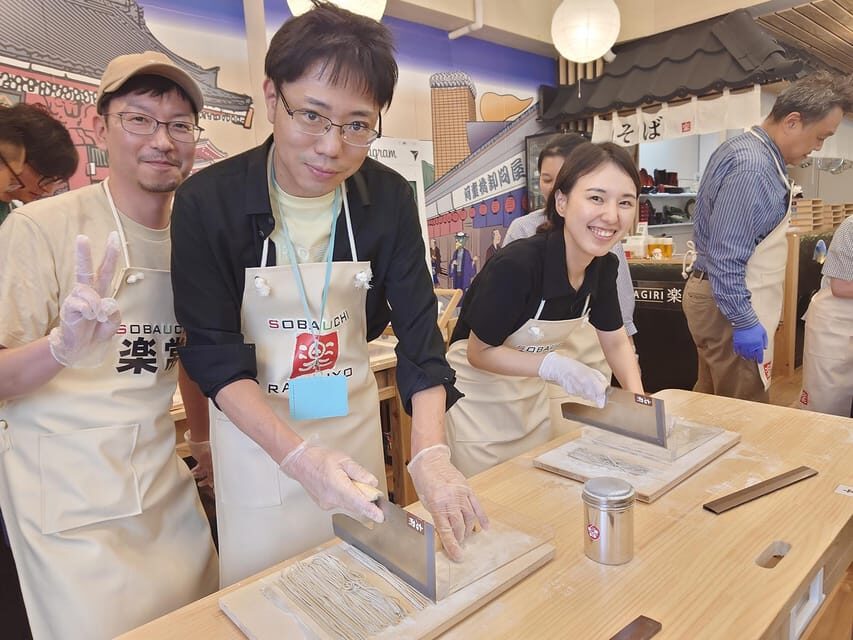
This is the kind of activity that supports a full neighborhood day. Since it’s in the Kappabashi Kitchenware Street area, you’re perfectly positioned to combine it with shopping and strolling.
After class, the experience encourages you to stop by Kappabashi Dogugo-gai and keep wandering around Asakusa. The timing works because the class is short, and the meal portion is built-in—so you’re not hunting for food while hungry and rushed.
My practical advice: treat the class like your anchor. Plan to arrive a little early, do the experience, eat your soba, then spend the rest of the afternoon browsing kitchen tools and snack shops. You’ll feel like you used the day, not just passed through it.
Who this is best for (and who should think twice)
This fits best if you want an active food experience—one where you do something with your hands, not just watch. It’s also great if you like variety, because the flavor lineup goes beyond basic soy sauce soba. And because there’s vegan soba and multiple sauces and styles, it’s easier to match different dietary needs.
It’s also a good pick for couples. The experience notes a store usage ranking where couples are top, followed by families with kids, then groups of four or more friends. That suggests the room setup and pacing work well for a range of group types.
The one caution is safety and comfort with cutting. You’ll be using a large soba knife, and the cutting segment is time-based. If you’re nervous around sharp tools, you might feel pressured during that short cutting window.
Also note the age limit: it’s not suitable for children under 2 years. The rest of the family situation isn’t spelled out, so you’ll want to judge based on your child’s comfort with standing, short activities, and kitchen tools.
Price and value: is $57 worth it
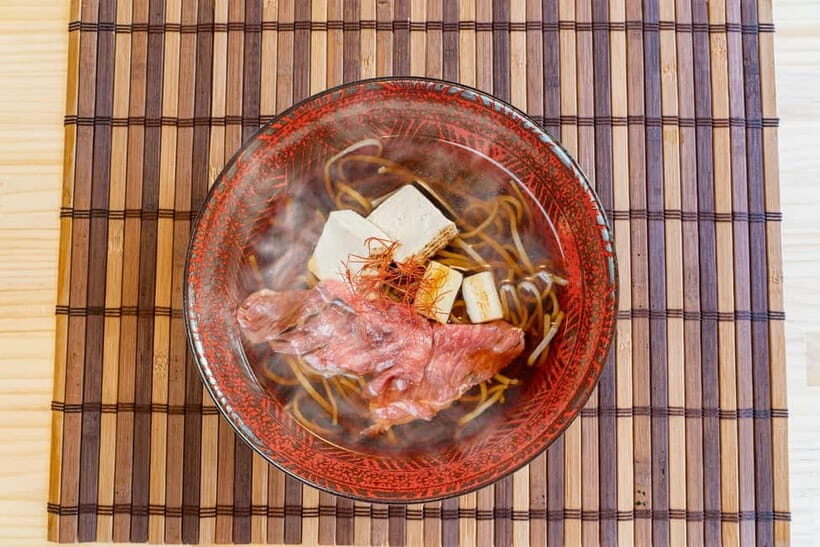
At $57 per person for a 50-minute experience, the price looks steep if you think of it as a cooking class only. But it’s easier to judge when you treat it as a package: instruction, ingredients, a supervised hands-on cutting session, and then a meal with extras.
Here’s what you’re actually paying for:
- The guided soba-making experience, including using the special soba knife
- A real meal made from the soba you cut
- One free drink (with options that include alcohol)
- All-you-can-eat Japanese snacks in the dining space
If you price the snack + drink piece separately, and you compare it to eating out in Asakusa, the class stops feeling like a purely “skill tax.” It becomes more like a ticket into a different kind of lunch—one where you’re not just consuming food, you’re participating in making it.
For couples and food-focused travelers, this tends to feel like good value because it’s fun, memorable, and fast enough to fit into your day.
The small details that make it work
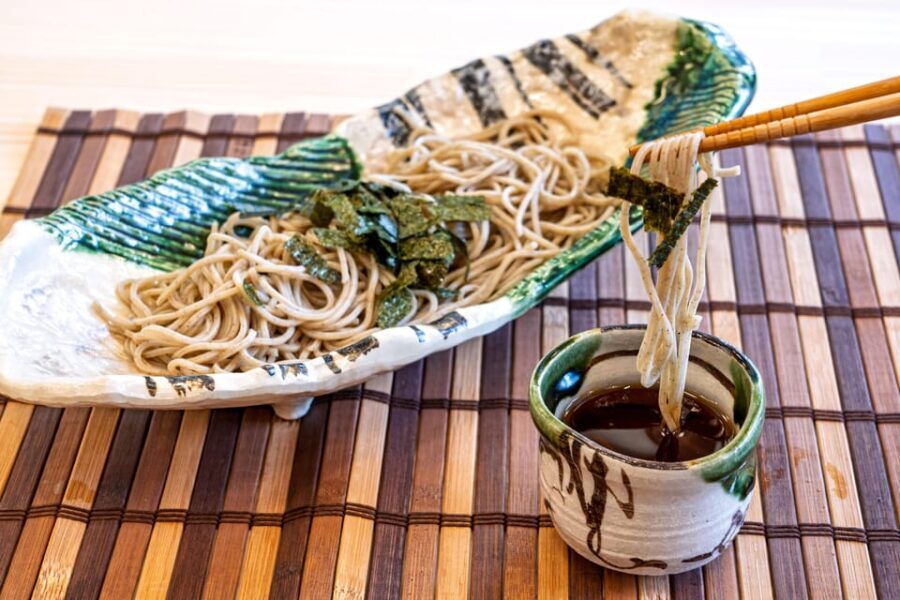
A few practical touches help this class feel smooth rather than chaotic:
- Reception meet time: showing up about 10 minutes before keeps you from feeling rushed
- Staff boil immediately: you don’t lose the moment your soba is best
- Photo time: it’s built into the schedule, not something you scramble for
- Spacious interior: up to 25 participants at a time means you’re not stacked shoulder-to-shoulder
- Snack + drink included: you end up lingering over the meal, not rushing to make space for the next group
And the location helps. Because it’s near Kappabashi’s kitchen tool streets, you’re close to things that reinforce the theme.
Should you book this soba-making experience?
If you want a food activity in Asakusa that’s hands-on, quick, and genuinely delicious, I’d book it. You get the full arc: knife practice, noodle-making, and then eating what you made, plus one free drink and all-you-can-eat snacks. The flavor variety is also a big plus, especially if you’re traveling with someone who likes to try different styles.
I’d hesitate only if you’re uncomfortable with cutting tools or you prefer long, slow workshops. This one is efficient. It moves, and you’ll enjoy it more if you’re ready to jump into the process without overthinking perfect shapes.
FAQ
What is the duration of the soba making experience?
The experience runs for 50 minutes total.
Where do I meet for the class?
You meet at a spot diagonally across from a food sample specialty store with a large beetle objet d’art on Kappabashi Kitchenware Street.
What will I make during the class?
You’ll make buckwheat soba noodles by rolling and cutting noodles with the special soba knife, then you’ll eat the soba you cut.
Does the class include eating the soba you cut?
Yes. After you cut the soba, staff boil it immediately, and you eat the soba that you made.
Is there a drink included?
Yes. You get one free drink, and choices include beer, sake, highball, lemon sour, juice, and non-alcoholic beer.
Are there snack options included?
Yes. There are all-you-can-eat Japanese snacks available in the eating space.
What languages are available?
Instruction is available in Japanese and English, and an English audio guide is included.
More Tour Reviews in Taito City
Fresh reviews from around Taito City
Taito City, compared.
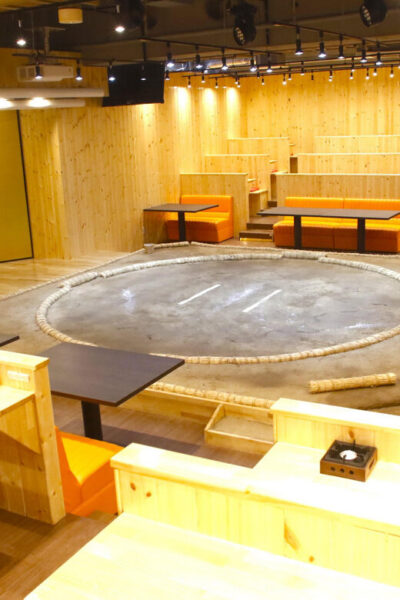 ★ 4.8Sumo Show Experience with Chicken Hot Pot and a PhotoFrom $1036,678 reviews
Tokyo Asakusa: Miu Kimono Rental and Optional PhotoshootFrom $3254 reviews
★ 4.8Sumo Show Experience with Chicken Hot Pot and a PhotoFrom $1036,678 reviews
Tokyo Asakusa: Miu Kimono Rental and Optional PhotoshootFrom $3254 reviews
 ★ 4.9Karate Experience with Former All-Japan ChampionFrom $5846 reviews
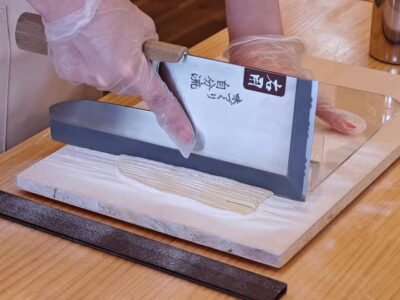 ★ 4.8Made from flour in 30min! Ramen-noodle Making Experience!From $5724 reviews
 ★ 4.4Kimono Rental in Asakusa Provided by KanoWafukuFrom $1918 reviews
 ★ 4.9Japanese paper Notebook and Mizuhiki Belt Bookmark WorkshopFrom $11314 reviews
 ★ 4.7Tokyo Asakusa sightseeing and history walking tourFrom $199 reviews
 ★ 4.5Asakusa Cultural Walk & Matcha Making TourFrom $887 reviews
Browse the lists this tour appears in