
Reviewed · SHOW
Tokyo: KABUKI Show at Kabukiza Theatre Admission Ticket
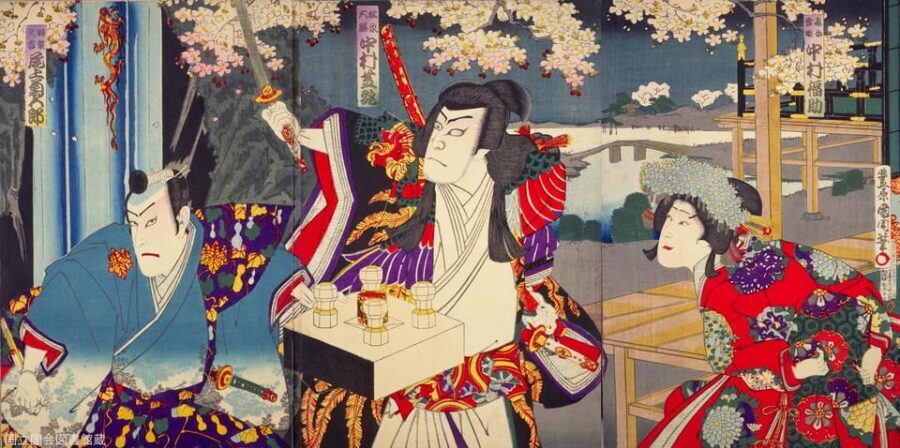
Kabuki is theatre you feel in your bones. Kabuki at Kabukiza Theatre in Ginza is Japan’s art form in its own home: the only venue in the world devoted exclusively to Kabuki. You’re stepping into a historic building where every gesture, costume change, and beat of the music matters, and each month can bring a new program.
I love the caption service with English or simplified Chinese (简体中文), because it helps you actually follow what’s happening instead of guessing. I also love that the performance comes with live music, so the pace and emotion land right in the room.
One thing to plan for: the show is about four hours with multiple segments and intermissions, and the seating can feel traditional and close. If you want maximum facial detail, aim for seats closer to the stage when you can, and consider bringing a small cushion.
In This Review
- Kabukiza Highlights You’ll Notice Fast
- Why Kabukiza Theatre Is Worth Your Time in Ginza
- Your Ticket: What You’re Actually Paying For
- Getting In: Basement Level Ticket Pickup Without Stress
- Before the Curtain: The Interactive Exhibition and First Impressions
- Following the Story: Captions, Timing, and What to Focus On
- What the 4 Hours Feels Like: Multiple Segments and Intermissions
- A Typical Monthly Program Example (So You Know What Changes)
- The Stage Craft: Live Music, Costumes, Screens, and Sets
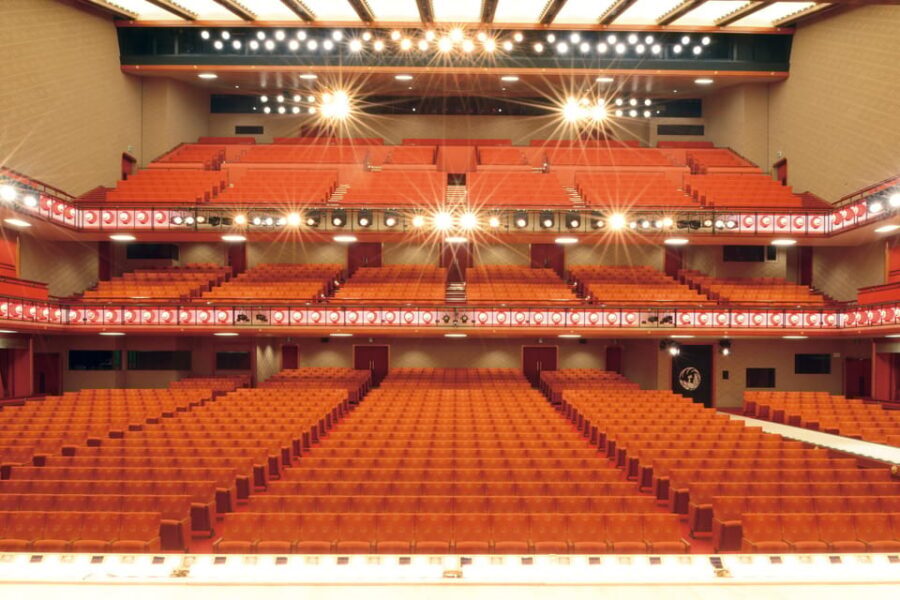
- Seating Comfort: Tight Chairs and a Simple Fix
- Food, Drinks, and the Shopping Side Trip
- Who Should Book This, and Who Might Skip It
- Should You Book the Kabukiza Kabuki Ticket?
- FAQ
- How long is the Kabukiza Kabuki show?
- Is an English or Chinese caption service included?
- Do I get assigned seats, and can I choose my seats?
- When do the theatre doors open?
- Where do I pick up the ticket?
- Is this show suitable for young children?
Kabukiza Highlights You’ll Notice Fast
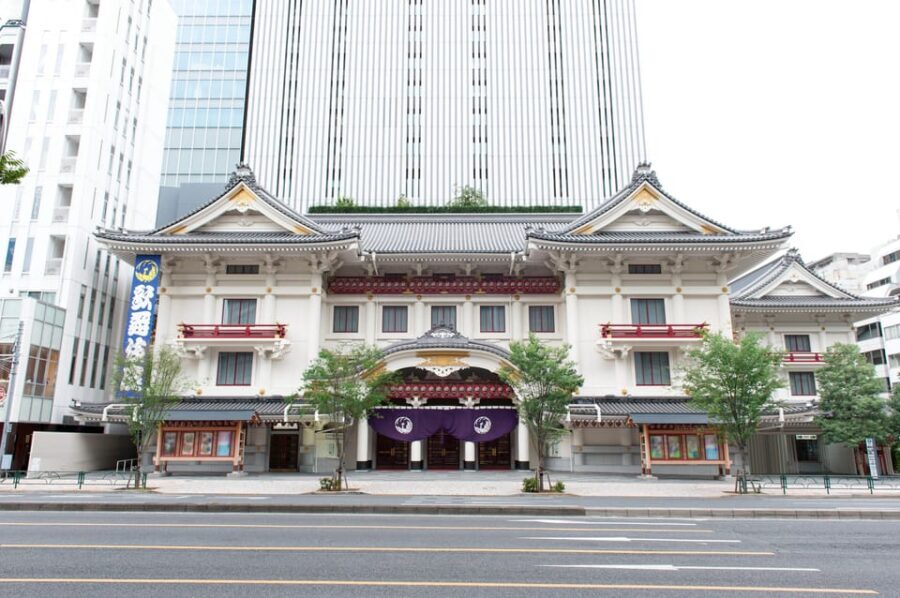
- Kabukiza is the only Kabuki-dedicated theatre in the world, in Ginza
- Programs change every month, so you get a fresh lineup instead of a repeat
- English or simplified Chinese captions help you follow dialogue and stage action
- Live music drives the timing, even during scene shifts and action
- Shopping and souvenirs are built into the Kabukiza complex on the second basement level
- Multiple segments with intermissions keep the evening moving, not one long drag
Worth weighing up alongside this Tokyo pick:
- Tokyo: teamLab Planets TOKYO Digital Art Museum Entry Ticket★ 4.6 · 9,779 reviews
- Tokyo: Japanese Dance Cabaret Theater Asakusa-Kaguwa Ticket★ 4.8 · 2,270 reviews
- Tokyo Skytree Admission Ticket with Tembo Deck and Galleria★ 4.0 · 589 reviews
Why Kabukiza Theatre Is Worth Your Time in Ginza
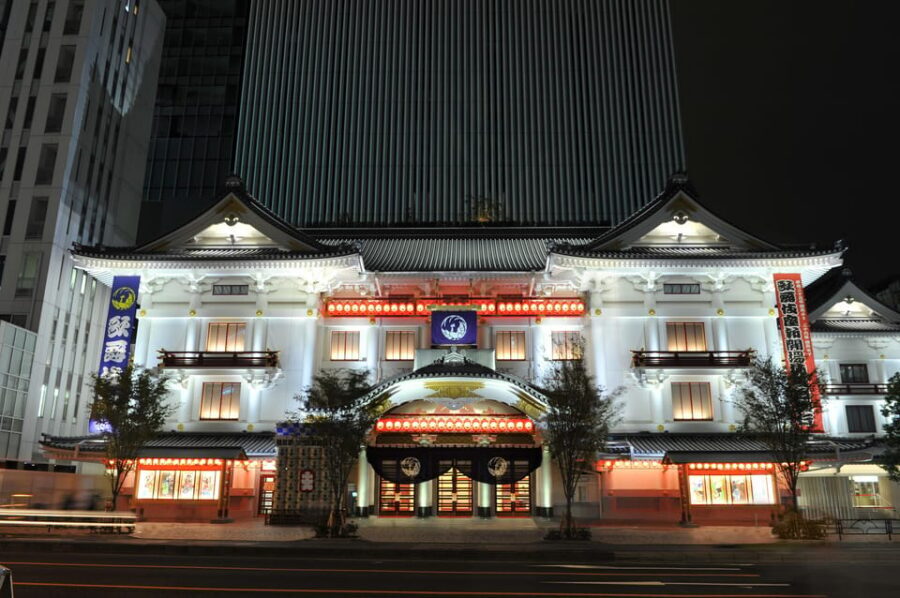
Kabukiza is not just another “see a show” stop in Tokyo. This is the main stage for Kabuki itself, and it’s dedicated exclusively to Kabuki, which makes the whole evening feel focused. You’re in Ginza, but the mood inside shifts quickly from city mode to old-school theatre rhythm.
Another reason it feels special: the theatre’s schedule is designed around monthly programming. That means you can book for the month you’re in Tokyo and still feel like you’re catching something current. Even if you know a little about Kabuki, the monthly rotation keeps the experience from feeling canned.
Finally, the building matters. The show includes live music, and in Kabuki that’s not background noise. The music helps set the tempo for the choreography, the dramatic beats, and the way scenes transition.
Your Ticket: What You’re Actually Paying For
The price can look hefty at $106 per person for a roughly 4-hour performance, but you’re paying for a complete, professionally staged night in a real Kabuki home theatre. This isn’t a casual demo. It’s a full-length show format with multiple pieces and professional performers.
The ticket also includes the English or simplified Chinese captioning service, which is one of the biggest value boosts for non-Japanese speakers. Kabuki relies on stylized storytelling, and without captions you’d likely miss key lines and plot clarity. With the caption service, you spend less time trying to decode everything and more time enjoying the acting, movement, and stage craft.
One more practical value point: the doors open 30 minutes before showtime, so you can settle in without rushing. You also have time to find the right setup before the first segment begins.
Getting In: Basement Level Ticket Pickup Without Stress
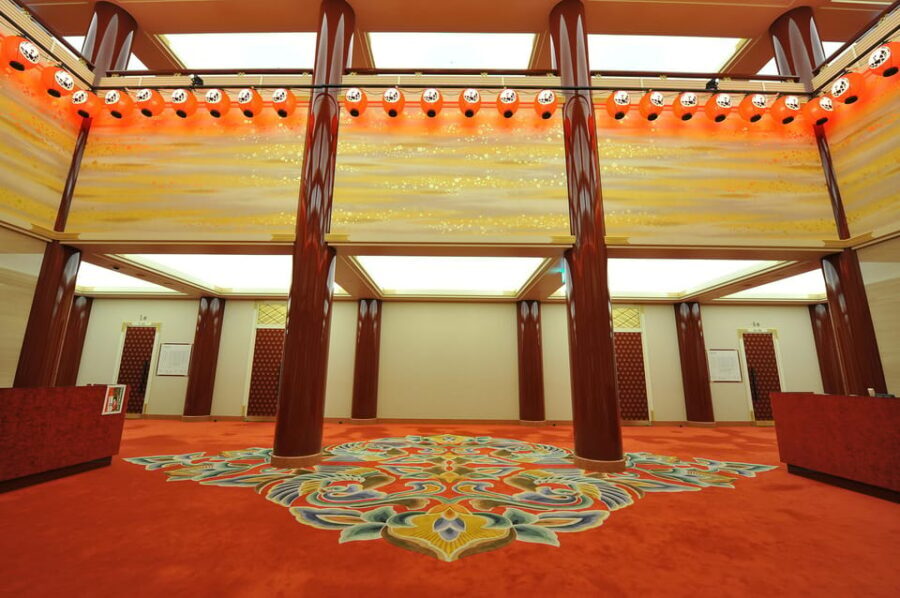
Plan on collecting a physical ticket at the venue on the day of the performance. The Box Office is on Basement Level 2, and it’s open 10:00AM–6:00PM. You’ll need to present your PDF or mobile GYG Voucher there.
Important detail: you cannot enter the theatre using the GYG Voucher itself. You must exchange it for your ticket(s) at the Box Office. If you arrive after 6:00PM, go directly to the theatre entrance.
Because you can’t pre-select seats for this kind of reservation, I’d treat your seat assignment as fixed once you arrive and do what you can to make your viewing comfortable. If you’re sensitive to posture for long shows, come ready.
Before the Curtain: The Interactive Exhibition and First Impressions
Before the show, you can use the time to learn. There’s a permanent interactive exhibition where you can get a sense of Kabuki’s history and the mechanics behind the art form. This is the kind of pre-show time that pays off: even a little context helps you notice things you’d otherwise treat as random spectacle.
Kabuki is packed with meaning—costume choices, stylized movement, and stage conventions. The exhibition won’t replace captions during the show, but it gives your brain handles to grab onto while you watch.
Then head to the entrance area early enough to get settled. The doors open 30 minutes before the start, and those 30 minutes can make the difference between relaxed and frantic.
Worth weighing up alongside this Tokyo pick:


Following the Story: Captions, Timing, and What to Focus On
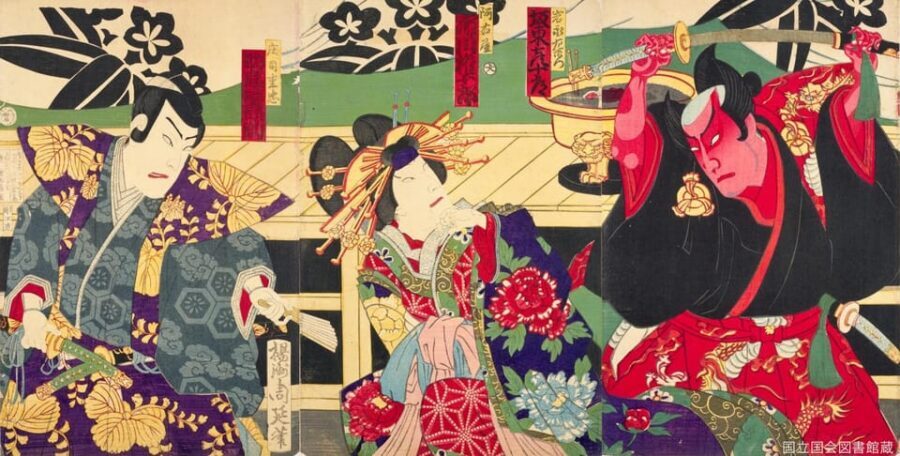
Your ticket includes English or simplified Chinese captions. This is the main tool that makes Kabuki accessible if you don’t read Japanese. The show also has live music, so you’ll often hear musical cues that match emotional turns, even while you’re reading captions.
Here’s the practical thing I’d watch for: the caption device may not change at perfectly regular intervals, and some people find it easier to miss a switch if they’re staring at the screen instead of the stage. My advice is to split your attention. Give the stage your main focus, and use the captions to confirm what’s being said and who is driving the action in each moment.
Also, if you can, prioritize seats where you can see faces clearly. Several people note that facial expressions are pivotal in Kabuki, so better sightlines pay off fast.
What the 4 Hours Feels Like: Multiple Segments and Intermissions
Expect a show length around 4 hours, but don’t think of it as one continuous story that never stops. The structure is multiple segments, with intermissions throughout. One review experience described it as four acts, with 30-minute breaks between them, which helps explain why the length works. You’re not trapped the whole time in one unbroken chunk.
During intermission, you’ll get a breather to stretch, use the facilities, and reset your attention for the next piece. If you’re coming straight from sightseeing, this rhythm is a relief.
I’d also come mentally ready for variety. Kabuki programs often mix styles like dance, historical plays, domestic plays, and modern Kabuki elements. You might catch one segment that plays like a dramatic narrative and another that feels more like movement-driven storytelling.
A Typical Monthly Program Example (So You Know What Changes)
Cabukiza changes the program monthly, so the exact pieces depend on when you go. For example, the provided February program shows a matinee with a mix of modern Kabuki, dance, and domestic play—then an evening show that leans into historical drama and more dance elements.
That’s useful because it means you’re not just picking a date. You’re also picking a style mix for that month’s lineup.
If you want to book with confidence, check the theatre’s official Kabuki Web details for your month. The running times can differ slightly from day to day and segment length can vary.
The Stage Craft: Live Music, Costumes, Screens, and Sets
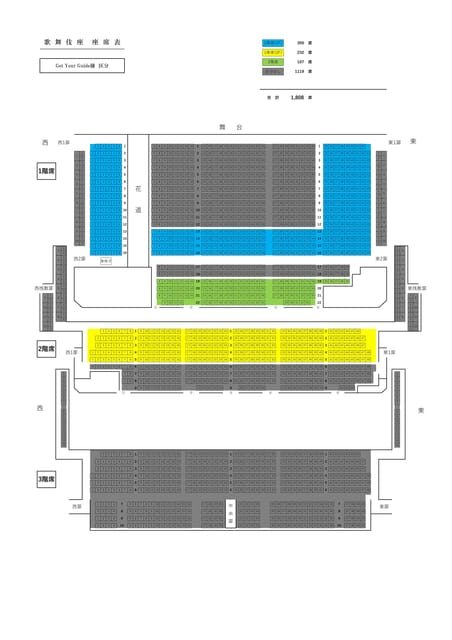
This is the part that converts skeptics into Kabuki fans. People describe the acting as highly trained, with strong singing, dancing, and even acrobatics. The stage visuals are also a huge deal: curtains and screens look especially detailed, and sets can be striking in how they frame each action.
And because the show includes live music, you’ll notice the energy of the performance in a way recorded sound can’t fully replicate. In Kabuki, the music often signals emotional intensity and helps you track the pace of movement.
Costumes are another reason people love Kabuki. They’re not casual outfits. They help define characters and amplify expressions and motion. Even if the plot takes a second to catch up, the visual storytelling is working the whole time.
Seating Comfort: Tight Chairs and a Simple Fix
This is where you should be honest with yourself. Several people mention seating can feel tight, especially for a long session in traditional theatre chairs. It’s not a dealbreaker for everyone, but it’s a real consideration.
My practical suggestion: bring a small cushion if you know you’ll notice discomfort. It’s an easy upgrade to your enjoyment. Also, don’t underestimate how much you’ll want to keep your gaze steady while you watch synchronized movement and stage effects.
If you’re planning to take photos, know that the show environment is focused on viewing. Put your effort into watching and letting the performance land, especially during the big visual moments.
Food, Drinks, and the Shopping Side Trip
Kabukiza builds in time for comfort. There’s an intermission, and you’ll be more comfortable if you bring snacks or drinks. The theatre also has snacks and alcohol available for purchase, so you’re not limited to what you bring.
Then there’s the shopping. There’s a shopping center with Kabuki-related gifts and souvenirs, including options in the second basement level area. It’s a nice way to turn the show into a memory you can bring home—though you might find the shop hours don’t perfectly match the exact moment you’re leaving, so if souvenirs matter, plan to browse during your pre-show or earlier breaks.
Who Should Book This, and Who Might Skip It
This ticket is a strong choice if you want a true cultural performance with major stage craft and you’re okay with a longer sitting experience. If you’re new to Kabuki, the included caption service makes it far easier to understand what’s happening, and the monthly program rotation keeps it from feeling like a one-note attraction.
It’s also a good fit if you enjoy theatre-like storytelling that mixes drama, dance, and music into a single package. The show isn’t just spoken language; it’s movement, sound, and stylized expression.
Who might not love it: anyone who strongly dislikes classical performance styles, long seated events, or who expects the pacing of a modern play. And for families, the show is not suitable for children under 4.
Should You Book the Kabukiza Kabuki Ticket?
I think you should book it if you want the most direct route to an authentic Kabuki night in Tokyo, in the theatre designed for it. The included English or simplified Chinese captions, live music, and month-by-month program changes are what make the experience feel both accessible and special.
If you’re price-sensitive, look at the ticket as value for a full professional theatre evening plus translation support, not as a quick activity. And if comfort matters, come prepared for traditional seating and a multi-segment schedule.
If your goal is to experience Kabuki as a living art form rather than a tourist performance, this is one of the best ways to do it in Tokyo.
FAQ
How long is the Kabukiza Kabuki show?
The experience is listed as about 4 hours. Check availability to see the exact starting times for the date you choose.
Is an English or Chinese caption service included?
Yes. Your ticket includes an English or simplified Chinese (简体中文) captioning service.
Do I get assigned seats, and can I choose my seats?
You cannot specify your seats for this reservation.
When do the theatre doors open?
The theatre doors open 30 minutes before the show starts.
Where do I pick up the ticket?
You pick up tickets at the venue Box Office on Basement Level 2. The Box Office hours are 10:00AM–6:00PM.
Is this show suitable for young children?
No. It is not suitable for children under 4 years old.
A Night at a Tokyo Show


More Tickets in Tokyo






More Tour Reviews in Tokyo




Fresh reviews from around Tokyo






Show, compared.
 ★ 4.0Mt Fuji & Hakone Cruise, Drum Show Bullet Train 1 Day from TokyoFrom $1497,413 reviews
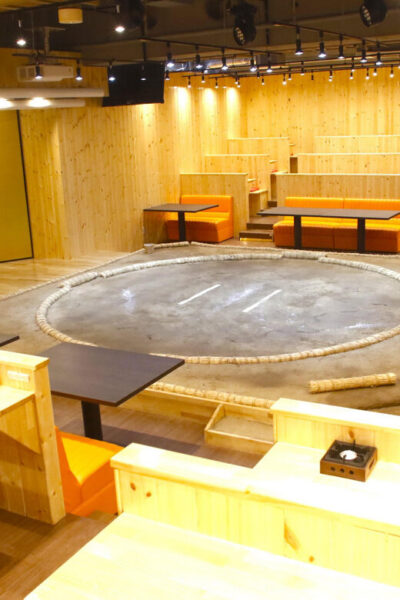 ★ 4.8Sumo Show Experience with Chicken Hot Pot and a PhotoFrom $1036,678 reviews
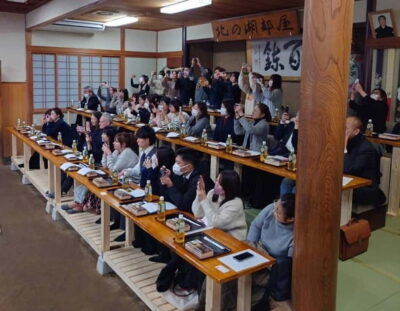 ★ 4.8Sumo Show and Dining ExperienceFrom $792,742 reviews
 ★ 5.0the SUMO showFrom $891,960 reviews
 ★ 5.0Tokyo Shinjuku Sumo Show & Experience with PhotoFrom $791,750 reviews
 ★ 4.0Mt Fuji & Hakone Cruise, Drum Show Bus 1 Day from TokyoFrom $1221,287 reviews
 ★ 4.8Sumo Show and Experience in ShinjukuFrom $691,001 reviews
 ★ 4.5Tokyo Bay Yakatabune Dinner/Day Cruise with Japan Show and DrinksFrom $65473 reviews