
Reviewed · AKIHABARA OTAKU TOURS
Tokyo Station Historical Walking Tour with Food and Anime
Tokyo Station can feel like a hurry-up machine. This tour slows it down and helps you read the station like a landmark—architecture outside, stories inside, and modern pop-culture details that most people miss while they sprint to their trains. I really like the focus on Tokyo Station’s history and structure, not just shopping.
I also love the small group size (max 10 travelers), which keeps it from becoming a loud stampede through crowds. One thing to consider: the station is huge and active, so if you hate walking in busy transit spaces, you’ll want comfy shoes and a patient mindset.
In This Review
- Key highlights before you meet your guide
- Tokyo Station’s easy problem: it swallows time
- Meeting at JR East Travel Service Center: your “anchor point”
- Stop 1: Marunouchi Ekimae Hiroba and the station’s big-picture story
- Stop 2: Red Brick Station Building, anime vibes, and platform views
- Anime and history at the same time (and why that pairing works)
- Food time and shopping time without getting trapped
- Photos included: a small perk with real usefulness
- Group size and pacing: 2 hours that don’t feel like a sprint
- Who should book this tour (and who should think twice)
- Quick decision: should you book Tokyo Station Historical Walking Tour with Food and Anime?
- FAQ
- How long is the Tokyo Station Historical Walking Tour?
- Where do I meet for the tour, and where does it end?
- Is the guide available in English?
- What group size should I expect?
- What’s included in the price?
- What isn’t included?
- Do I need to print a ticket?
- Can I cancel for a full refund?
- How far in advance do people usually book?
Key highlights before you meet your guide
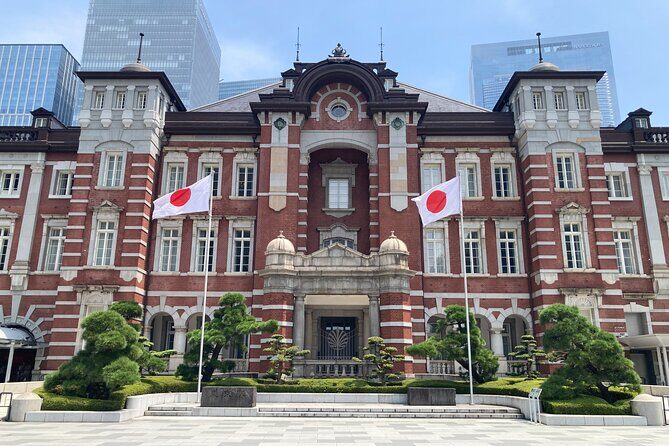
- A history-first route that turns a transit hub into an actually interesting place
- Red Brick Station Building time with anime, street-food options, and platform access
- Small group pacing (up to 10 people) that makes questions easier
- English-speaking guide plus included photos, so you don’t wander lost with your camera
- Two focused stops in about two hours, which is great if you have a tight schedule
Deeper into Electric Town
- Official Street Go-Kart Tour – Akihabara★ 5.0 · 1,578 reviews
- Tokyo: Original Street Kart Experience from Akihabara★ 5.0 · 111 reviews
- Ramen Making from Scratch +Akihabara Tour –Tokyo Cooking Class★ 5.0 · 107 reviews
Tokyo Station’s easy problem: it swallows time
Tokyo Station is one of those places where you can spend hours without realizing it. You go in for a ticket, and suddenly you’re surrounded by shops, signage, food smells, and people streaming in every direction. The trick is learning what to look at so your time doesn’t vanish.
This tour does that work for you. It uses a simple idea: start by understanding the station’s layout and history, then move inside to the spots where the building’s personality shows up. It’s especially useful for first-timers and anyone doing a quick Tokyo visit between trains—because Tokyo Station can be a great base, if you know where the good moments are.
And yes, you still get the practical benefits: it’s a place to eat, buy things, and regroup. But the tour adds context so those stops feel connected instead of random.
Meeting at JR East Travel Service Center: your “anchor point”
The meeting spot is at the JR EAST Travel Service Center at Tokyo Station, Marunouchi North Gate (1-chōme-9-1 Marunouchi). That’s a smart choice because it’s a clear landmark in a station area that can otherwise feel like a maze.
The tour ends back at the meeting point, which matters more than you’d think. Tokyo Station is one of those places where “close by” can still mean a long walk underground. Finishing where you started saves you from the post-tour confusion tax.
You’ll also have a mobile ticket, which is handy when you’re juggling subway cards and train schedules. The tour confirmation comes at booking time, so you’re not stuck waiting around to wonder if you’re actually on the list.
Stop 1: Marunouchi Ekimae Hiroba and the station’s big-picture story
Your first stop is Tokyo Station Marunouchi Ekimae Hiroba, centered on the historical Tokyo Station building area. This part is short—about 15 minutes—and it works best as orientation.
Here’s what I like about starting outside: you get the overall shape and presence of the station before you step into the indoor crowd flow. It’s the difference between walking through a hall you don’t understand and moving through a place you can mentally map.
Also, this stop is listed as free admission (so you’re not budgeting for a paid entry just to get bearings). In practice, a quick outside moment helps you connect what you see later inside—so when the tour moves inward, it feels like one story, not two disconnected stops.
Possible drawback? A 15-minute start can feel quick if you’re someone who loves long photo breaks. If you stop for pictures here, plan to keep moving so you don’t squeeze your main time later.
Stop 2: Red Brick Station Building, anime vibes, and platform views
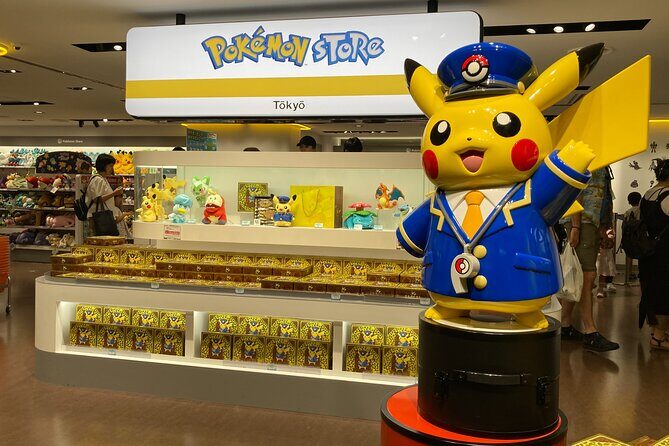
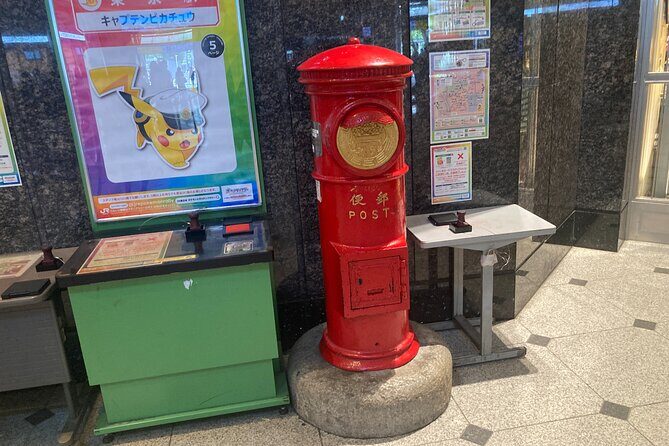
The second stop runs about 1 hour 45 minutes, which is where the tour earns its keep. You’ll head into Tokyo Station’s spaces tied to the Red Brick Station Building, and you’ll also see a feature described as a “mail box shaped” element.
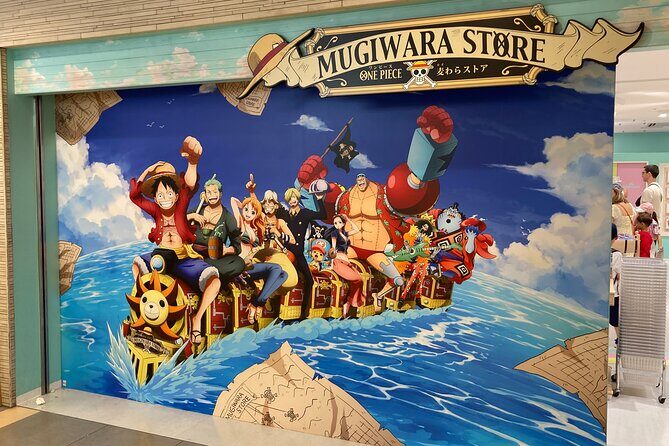
This is also the stop that’s described as including anime and street food. That combination is more than just fun. It’s a good reminder that Tokyo Station isn’t frozen in time—it’s a living commercial hub where old-meets-new styles show up in the décor, stores, and themed corners.
Then comes the part most people don’t get on their own: you’ll enter the railway platforms for trains and Shinkansen. That matters because Tokyo Station platforms can feel intimidating if you’re unfamiliar with the flow. Getting guided access (and context) helps you understand where you are and why certain areas look the way they do.
Important detail: admission for this segment is not included, so if anything has a ticketed entry component at the platform/building area, you’ll pay separately. The good news is that your guide is there to steer you through what to do next, rather than you guessing while people rush around you.
One more practical consideration: this is inside Tokyo Station, so crowd levels can be high. If you’re traveling with a lot of energy and you like movement, you’ll probably enjoy the momentum. If you get overwhelmed by dense spaces, take it slow and use the guide as your pace-setter.
Tokyo at walking pace, a few more ways


Anime and history at the same time (and why that pairing works)
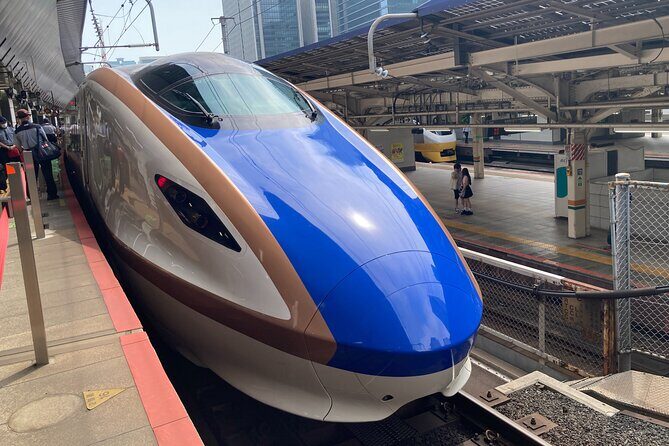
Tokyo Station’s history can feel abstract if you only hear dates and facts. What makes this kind of tour click is how it mixes story with what you can see right now—especially with anime-themed elements.
Anime in Japan often acts like a shortcut into pop culture that connects people to places quickly. Even if you’re not a hardcore anime fan, the point here is sensory: you spot a character tie-in, you notice the themed display, and you start looking at the space itself instead of treating it like a hallway.
That pairs well with history. When you connect an architectural or cultural detail to something contemporary you recognize, you remember it better. You’re also more likely to keep attention through the whole walk, because the tour doesn’t stay in “museum mode.”
Food time and shopping time without getting trapped
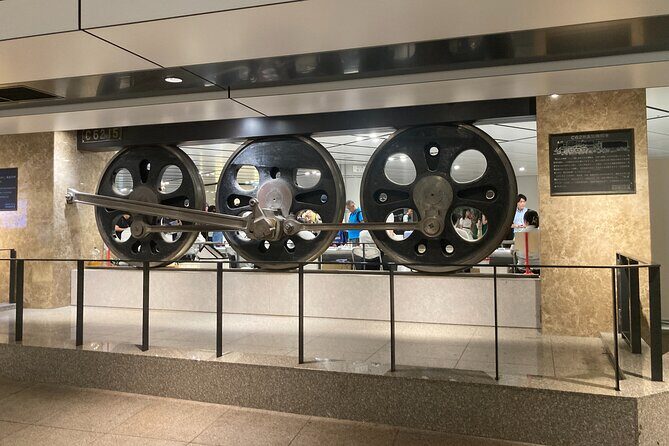
Tokyo Station is basically a food court and retail neighborhood built around trains. The tour leans into that reality by steering you toward where food and shopping options are located.
Here’s the practical advice: decide your budget before you start wandering. The tour doesn’t list food as included, and it specifically notes that only the guided components are included. So when you see street food or snack options, treat it like optional add-ons—pick one thing you truly want rather than trying to sample everything.
Shopping is another reason this tour is a good idea. Inside Tokyo Station you can find a mix of:
- traditional-style items
- modern goods
- anime-related products
- everyday local picks
The value is not that you’ll buy everything. It’s that your guide helps you figure out what’s worth your time in a place where everything is worth something.
If you’re short on days in Tokyo, this is one of the easiest places to do last-minute gifts and practical souvenirs. But keep your expectations realistic: it can still be crowded, and some shops may move you along rather than let you browse forever.
Photos included: a small perk with real usefulness
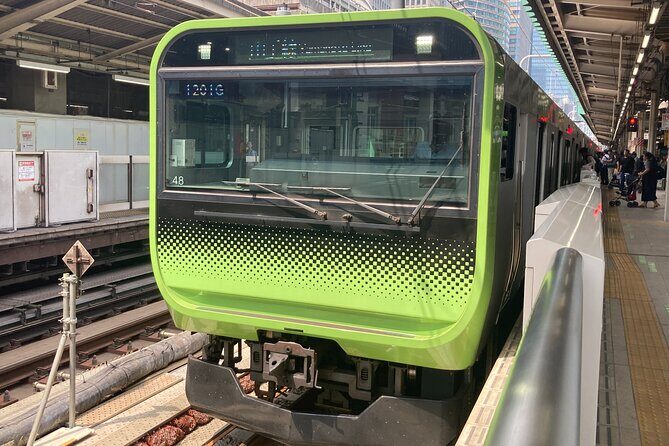
The tour includes photos. That might sound minor, but it’s useful in two situations.
First, Tokyo Station is a place where backgrounds are chaotic. You want a shot with the right architecture, not a frame full of random people’s bags. Second, platform areas and indoor concourses are where you can end up taking five photos that never came out right because you were rushing.
With a guide handling photo moments, you spend less time fiddling and more time actually looking.
Group size and pacing: 2 hours that don’t feel like a sprint
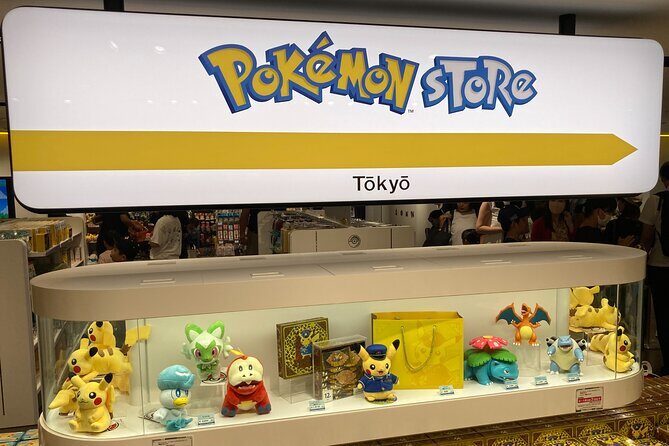
This experience is capped at 10 travelers, which keeps the tour from turning into a single-file line where no one can ask questions. For a station tour, that difference matters. You’re not just looking at buildings—you’re navigating crowds.
The duration is about 2 hours, which is a sweet spot for Tokyo Station. It’s long enough to get orientation and see a meaningful mix of exterior history, interior details, and platform access. It’s short enough that you can still connect it to your travel day plans.
Also, it’s priced at $39.02 per person, and that price makes sense when you break it down:
- you’re paying for an English-speaking guide
- you’re getting photo support
- and you’re getting a guided experience that includes platform entry context
If you were to replicate this solo, you’d spend time figuring out where to go, what’s worth stopping for, and how to handle the platform navigation safely. In this case, the guide turns “find it yourself” stress into “show up and follow the plan.”
Worth noting: it has a 5/5 rating from 3 reviews. That’s a small sample size, but the rating aligns with the idea that this tour is a real transformation from transit-only to landmark appreciation. One guide-related highlight in the feedback points to someone named Inok, described as outstanding and revelatory in how they present Tokyo Station.
Who should book this tour (and who should think twice)
This tour is a great fit if you:
- want Tokyo Station explained in English without wasting time
- like mixing history with modern pop-culture details
- enjoy short, guided walks that end where you started
- care about practical sightseeing during train-heavy travel days
It’s a weaker fit if you:
- dislike crowded, high-traffic indoor spaces
- hate walking even a moderate amount in busy transit areas
- only want quiet, slow sightseeing (Tokyo Station is not that kind of place)
If you’re the kind of traveler who likes to understand how cities work—how buildings guide people, how old structures feed modern movement—this tour is the right style.
Quick decision: should you book Tokyo Station Historical Walking Tour with Food and Anime?
I’d book it if your schedule has room for about two hours and you want your first Tokyo Station experience to feel structured. The combination of historical building context, anime/pop details, and time near the platform areas is hard to replicate on your own without extra research.
Skip it only if you’re expecting a calm, low-crowd museum tour. This is still a real station with real foot traffic. Come prepared for movement.
If you want an easy win for your Tokyo trip—especially if you’ll be using Tokyo Station more than once—this is one of those bookings that pays off quickly.
FAQ
How long is the Tokyo Station Historical Walking Tour?
It runs for about 2 hours.
Where do I meet for the tour, and where does it end?
You meet at the JR EAST Travel Service Center Tokyo Station Marunouchi North Gate. The tour ends back at the same meeting point.
Is the guide available in English?
Yes. The tour includes an English-speaking guide.
What group size should I expect?
The tour has a maximum of 10 travelers.
What’s included in the price?
The price includes an English-speaking guide and photos.
What isn’t included?
Other personal expenses are not included. Also, for the second stop (inside areas including platforms), admission is listed as not included.
Do I need to print a ticket?
No. You receive a mobile ticket.
Can I cancel for a full refund?
Yes. You can cancel up to 24 hours before the experience start time for a full refund.
How far in advance do people usually book?
On average, it’s booked about 20 days in advance.
More Tours in Tokyo





More Tour Reviews in Tokyo




Further into Akihabara






Fresh reviews from around Tokyo






Akihabara Otaku Tours, compared.
 ★ 5.0Official Street Go-Kart Tour – AkihabaraFrom $611,578 reviews
 ★ 5.0Original Street Kart Experience from AkihabaraFrom $51111 reviews
 ★ 5.0Ramen Making from Scratch +Akihabara Tour –Tokyo Cooking ClassFrom $123107 reviews
 ★ 5.0Tokyo’s Must-Sees: 5-hour Tsukiji, Akihabara & Asakusa TourFrom $10188 reviews
 ★ 4.8Tokyo Akihabara, Anime, Manga, Video Games & Maid Cafe TourFrom $3881 reviews
 ★ 4.6Akihabara: Anime & Gaming Adventure Tour (Group or Private)From $8880 reviews
 ★ 4.5Akihabara: Go-Kart Experience with Local Guide in TokyoFrom $7257 reviews
Real Anime Culture Tour in Shibuya: Food, Shopping & Game FunFrom $7548 reviews
★ 4.5Akihabara: Go-Kart Experience with Local Guide in TokyoFrom $7257 reviews
Real Anime Culture Tour in Shibuya: Food, Shopping & Game FunFrom $7548 reviews
Browse the lists this tour appears in