
Anime culture in motion.
In Shibuya, this tour turns the neighborhood into a mini storybook. You start with classic photo landmarks like Hachiko and the Shibuya Scramble Crossing, then you move into the shopping streets where anime and games live side-by-side. I like that the route mixes big sights with practical stops, and I also like that the food portion is built into the plan with a gourmet meal and drinks included (alcoholic or non-alcoholic).
One thing to think about: this isn’t a deep, lecture-style anime history tour. If you’re sensitive to audio clarity or explanations, keep your expectations practical, because one past group noted their guide had trouble being fully understood and would have preferred more anime background.
In This Review
- Key highlights worth planning for
- Shibuya in Anime Mode: From the Moyai Statue to Hachiko
- Shibuya Scramble Crossing Photos and Center-gai’s Anime Shopping Stretch
- The Izakaya Meal: Where the Tour Pays Off in Real Food
- Pokémon Center, Jump Shop, Animate, and Nintendo: Retail Stops That Save You Time
- Pokémon Center Shibuya
- Jump Shop Shibuya
- Animate Shibuya
- Nintendo Store Tokyo
- Taito Station Finish: Japan-Style Arcade Fun With Help
- Price and Time: Is $75 Worth It for 2–3 Hours?
- Pace and Communication: What Works, What to Watch For
- Who This Tour Fits Best in Real Life
- What to Bring (and How to Avoid Cost Surprises)
- Should You Book This Real Anime Culture Tour in Shibuya?
- FAQ
- How long is the Real Anime Culture Tour in Shibuya?
- How much does the tour cost?
- What’s included in the price?
- What is not included?
- Where do we meet for the tour?
- Where does the tour end?
- Are tickets mobile?
- How big are the groups?
- Is free cancellation available?
Key highlights worth planning for
- Hachiko and Shibuya Crossing as instant, high-impact photo stops before you hit the shops
- Center-gai storefronts that make it easy to browse without getting lost in Shibuya’s crowd
- Meal + beverages included, which keeps the tour from feeling like nonstop retail fatigue
- Pokémon Center, Jump Shop, Animate, and Nintendo Store in one focused sweep
- Taito Station game center finish, with help on how to play Japan-style arcade machines
- Small group size (max 15) that usually makes it easier to keep up with the pace
Shibuya in Anime Mode: From the Moyai Statue to Hachiko
Your tour starts near the Moyai Statue in Shibuya, a solid landmark for getting your bearings fast. From there, the first stop is Shibuya Hachiko, the famous dog tied to loyalty stories that are well-known across Japan. Even if you only know the basics, it helps to see this spot early, when the area still feels like a place you can orient yourself in, not just a wall of people.
What I like about starting here is that it sets the tone: this isn’t just shopping. You’re getting placed into the real Shibuya flow, then you’re connecting it to anime-world energy. Expect a quick history explanation and time to take photos. This is the kind of stop that makes later scenes feel more grounded, because you’re learning the local references first.
Shibuya Scramble Crossing Photos and Center-gai’s Anime Shopping Stretch
Next up, you check out Shibuya Scramble Crossing, widely known as one of the busiest crosswalk scenes in the world. Your guide keeps you moving, so you’re not stuck trying to figure out where to stand while the crowd swallows your group. Think of this as the big “I’m here” moment.
Then comes Shibuya Center-gai, the shopping corridor where anime culture and fast impulse buys collide. You get a focused browse with shops packed with figurines, collectibles, and game-related items. This part is fun for fans because it’s built for casual window-shopping, and it’s also good for non-experts because the products are visual and easy to recognize.
A practical note: time here is limited, so you’ll get the best results if you walk with a plan. If you’re hoping to buy something specific—like a character item, limited print, or game merch—you’ll want to decide your priorities before you arrive. Otherwise you’ll do what most people do in Center-gai: get distracted by everything, then realize you need a magic hour to finish.
The Izakaya Meal: Where the Tour Pays Off in Real Food
One of the biggest value points is the local izakaya meal that’s included. Shibuya is famous for eating well fast, and this stop is structured to keep the experience comfortable for a range of ages. You’re not hunting for a restaurant on your own, which matters when Shibuya turns crowded and lines build.
You’ll also get beverages included—either alcoholic or non-alcoholic—so you can keep the energy up without turning the meal into an extra expense. This is also where the tour format shines: you’re guided, you sit down, you eat, then you’re back out again before the shopping streets feel totally exhausting.
One small detail from a past group’s experience sticks with me: there can be playful, friendly interaction around the food stop, and the guide and staff sometimes turn the downtime into a light game moment (someone in a recent group even talked about a Mario Kart-style highlight). Don’t assume it’s guaranteed, but the overall vibe is that the meal isn’t just nutrition—it’s part of the fun.
Pokémon Center, Jump Shop, Animate, and Nintendo: Retail Stops That Save You Time
After lunch, you hit a chain of recognizable anime and game shops, each giving you a different flavor of Japanese pop culture retail.
Pokémon Center Shibuya
This is the moment many people wait for: Pokémon Center Shibuya. Even if you’re not deep into collecting, the store is basically built for quick browsing and photo-friendly excitement. The best approach is simple: don’t try to see everything. Pick a target—like a specific character line, a snack item, or a cool souvenir—then enjoy the rest as bonus browsing.
Jump Shop Shibuya
Jump Shop Shibuya is where you’ll feel the ongoing power of manga and anime franchises. You’ll see merch aimed at fans of the weekly magazine style of storytelling. If you like series variety rather than one franchise, this stop is a good balance.
Animate Shibuya
Animate Shibuya is a major stop for character merchandise. It’s the kind of store where you can wander and feel like your phone camera is always ready. Just remember: shopping in Japan can be addictive and slightly dangerous for your budget.
Nintendo Store Tokyo
Finally, the Nintendo Store Tokyo stop gives you that direct connection to gaming culture. If you’re hoping to buy something you can’t easily find elsewhere, this is where you check. Also, if you’re not a merch person, you can still enjoy it as a snapshot of what gaming looks like when it’s tied to everyday retail.
Shopping fee note: the tour includes getting to these stores, but shopping costs are on you. So think of this as a guided shopping walk that helps you spend on what you truly want, not as a payment-for-everything package.
Taito Station Finish: Japan-Style Arcade Fun With Help
The tour ends at Taito Station, Shibuya, a well-known game center. This is a smart finale because it’s hands-on, loud, and energizing—exactly the opposite of standing still for photos. Your guide’s assistant helps you enjoy the large-scale arcade machines and points you toward game options you might not stumble into alone.
Two important practical things here:
- Game fees aren’t included, so your arcade time is as expensive as you make it.
- The value is in the guidance: what to play, how to jump into machines that use Japan’s setup style, and how to avoid wasting play time guessing how things work.
If you’re traveling with kids, this ending makes it easy to satisfy the “I want to do something” instinct. If you’re a grown-up anime fan, this is where the tour becomes less about looking and more about participating.
Price and Time: Is $75 Worth It for 2–3 Hours?
At $75 per person for about 2 to 3 hours, the math looks good because you’re not paying separately for the meal and drinks. If you tried to reproduce this on your own, you’d likely spend time and money on basic logistics: deciding where to eat, finding the right shops, and figuring out how to finish at an arcade without turning it into a scavenger hunt.
What’s included:
- Gourmet meal
- Beverages (alcoholic or non-alcoholic)
What’s not included:
- Shopping fees
- Game fees
That split matters. If you love browsing and buying merch, you’ll probably spend more anyway, but the tour still helps you do it efficiently. If you’re more of a “photos and browsing” person, you can keep costs controlled by setting a shopping limit before you start playing tourist in the stores.
Group size also helps value: with a maximum of 15 people, you should feel less like a moving crowd and more like a managed group where it’s easier to stay together.
Pace and Communication: What Works, What to Watch For
This tour hits a sweet spot for people who want action without a full-day commitment. The stops are short and focused, and the flow is built around keeping momentum: photo spots, meal, then a shop sweep, then arcades.
That said, communication quality matters in a tour like this, because you’re moving fast through busy places. One past group mentioned their guide was difficult to understand and that the guide arrived late by a few minutes. So if you rely heavily on spoken explanations to connect the dots, give yourself a little grace and set expectations for practical guidance over academic depth.
Also, the tour themes lean heavily toward pop culture locations and anime-adjacent fun. You’ll get enough context to feel connected, but if you want a long, detailed breakdown of anime production history scene-by-scene, you may feel the pace doesn’t slow down for that.
Who This Tour Fits Best in Real Life
This is a strong fit if you fall into any of these buckets:
- You’re visiting Tokyo for the first time and want Shibuya’s anime-and-games side without planning every hour.
- You’re an anime fan who wants recognizable stops like Pokémon and Nintendo, plus a final arcade hit.
- You’re traveling with family and want an activity that works for mixed ages: photos for adults, games for kids.
It also works for people who are curious but not obsessed. The stores are visual, the arcade is interactive, and the meal break keeps it human.
If you’re the type who hates crowds and prefers quiet museums, this may not be your calm day. Shibuya is Shibuya: expect movement, noise, and plenty of people around every corner.
What to Bring (and How to Avoid Cost Surprises)
You don’t need anything fancy, but a little preparation helps a lot:
- Wear comfortable shoes. You’ll walk through Center-gai and across Shibuya zones.
- Bring a phone with enough battery for photos. You’ll want it for the Hachiko area, Crossing, and store moments.
- Plan for optional spending. Shopping fees and game fees are not included, so decide your budget before the arcade.
- If you’re buying merch, consider how you’ll carry it. Stores can tempt you with smaller items first, and those stack up.
If you’re hoping to buy something in multiple stores, set a simple rule like: one “must buy” item per store, then stop. This keeps you from chasing deals until your wallet asks for a meeting.
Should You Book This Real Anime Culture Tour in Shibuya?
Yes—if you want a guided, efficient way to experience Shibuya’s anime and game culture with real food built into the schedule. The biggest reason to book is value: meal and drinks are included, and the route gets you to high-recognition locations without the stress of figuring out the flow alone.
Skip or reconsider if you specifically want deep anime history explanations, quieter pacing, or guaranteed language clarity. In that case, you might prefer a different style of tour where the focus is more on discussion than movement.
If your goal is fun, photos, and hands-on arcade energy in a tight 2–3 hour window, this is a smart pick.
FAQ
How long is the Real Anime Culture Tour in Shibuya?
The tour runs about 2 to 3 hours.
How much does the tour cost?
It costs $75.00 per person.
What’s included in the price?
The price includes a gourmet meal and beverages (alcoholic or non-alcoholic).
What is not included?
Shopping fees and game fees are not included.
Where do we meet for the tour?
You’ll meet at the Moyai Statue, 1-chōme-1-1 Dōgenzaka, Shibuya, Tokyo 150-0043, Japan.
Where does the tour end?
The tour ends at Shibuya Station in Shibuya, Tokyo, Japan.
Are tickets mobile?
Yes, the tour uses a mobile ticket.
How big are the groups?
The tour has a maximum of 15 travelers.
Is free cancellation available?
Yes, there is free cancellation. You can cancel up to 24 hours in advance for a full refund.
Shibuya Tours, compared.
 ★ 5.0Official Street Go-Kart in ShibuyaFrom $763,435 reviews
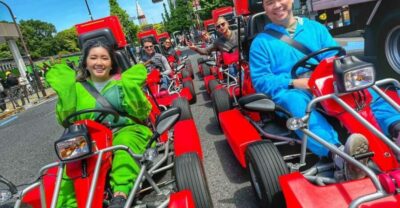 ★ 4.9Street Kart Experience in ShibuyaFrom $741,484 reviews
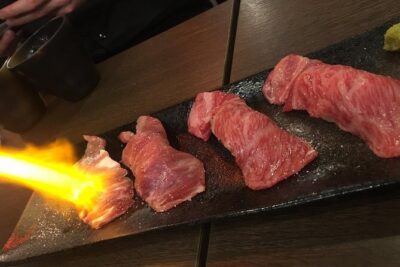 ★ 5.0Shibuya Meltdown Nightlife Tour: All-You-Can-Drink Bar HoppingFrom $1061,058 reviews
 ★ 5.0Shibuya Official Street Go-Kart in Shibuya AnnexFrom $69972 reviews
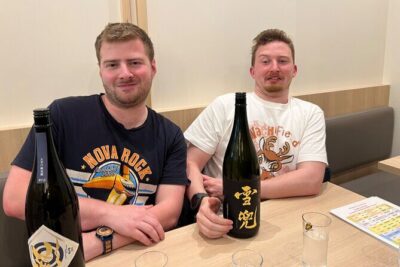 ★ 5.0Shibuya Food Tour (13 dishes and 4 Eateries)From $77770 reviews
 ★ 5.0Best of Shibuya Food TourFrom $217612 reviews
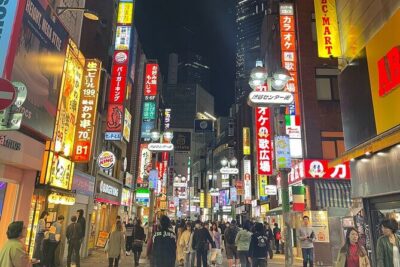 ★ 4.8Shibuya Highlights Walking TourFrom $19601 reviews
 ★ 4.7Premium Go-Kart Tour with Tower & Shibuya CrossingFrom $116528 reviews
Browse the lists this tour appears in