
Tokyo hides snacks in plain sight. That’s the fun idea behind this Shibuya vending machine adventure: you stop thinking of machines as background and start treating them like tiny neighborhood museums. In about 90 minutes, you’ll learn why Japan has over 4 million vending machines, how to read the labels, and how to handle purchases with confidence.
I love two things most. First, you get real hands-on practice: you learn how to use the machines like locals and actually make a purchase. Second, the tour is playful but purposeful, with photo challenges and quick etiquette tips that keep you from feeling like a tourist pressing random buttons.
One thing to consider: drinks aren’t included. Most items land around ¥120–¥200, so you’ll want a little cash ready for a few cans or cups, plus you may still need to choose among options you can’t fully decode without the guide’s mini-lesson.
In This Review
- Key Things You’ll Enjoy About This Shibuya Vending Machine Tour
- Tokyo’s Vending Machines: Why They’re Everywhere
- What Makes This Tour More Than Just Pressing Buttons
- Vending-World “Hot” vs “Cold”: The Labels That Actually Matter
- The Shibuya Route: From Hachiko to Miyashita Park
- Stop 1: Hachiko Statue (Your Starting Point)
- Stop 2: Hachiko Square (Photo Stop + Short Guided Intro)
- Stop 3: Off-Main-Street Stop (20 Minutes of Hidden Options)
- Stop 4: Shibuya Crossing (Photo Stop + Guided Visit)
- Stop 5: Miyashita Park (Visit + Shopping Time)
- Stop 6 and 7: Two More Off-Main Stops (15 Minutes Each)
- Final: Back to Hachiko Statue
- The Vending Machines You’ll Actually Talk About
- What You’ll Learn to Buy (and How to Decide)
- Photo Challenges, Pocket Phrases, and Vending Etiquette
- Guides Matter: Kanta and Mitsuki’s Style
- Price and Value: Is ¥41 Worth It?
- Should You Book This Shibuya Vending Machine Tour?
- FAQ
- How long is the Shibuya Vending Machine Adventure Walking Tour?
- Where do I meet the guide?
- What’s included in the $41 price?
- Are drinks included?
- What language is the tour guide?
- Do I need the WhatsApp app?
Key Things You’ll Enjoy About This Shibuya Vending Machine Tour
- You learn how to read vending labels with a mini-lesson on katakana product names, not just guess.
- You practice the ordering flow and learn what matters before you pay.
- You get hunting time for odd machines, including style ranges from retro coin boxes to newer screen-led setups.
- You try the Japan-only vending culture, from hot soups in cans to cold drinks and vitamin jellies.
- You tackle photo challenges that turn stop-and-stare sightseeing into an activity.
- You walk a smart Shibuya loop, starting at Hachiko and ending back there, with Shibuya Crossing and Miyashita Park on the route.
More to do within sight of the Crossing
- Official Street Go-Kart in Shibuya★ 5.0 · 3,435 reviews
- Tokyo: Street Kart Experience in Shibuya★ 4.9 · 1,484 reviews
- Shibuya Meltdown Nightlife Tour: All-You-Can-Drink Bar Hopping★ 5.0 · 1,058 reviews
Tokyo’s Vending Machines: Why They’re Everywhere
In Japan, vending machines aren’t just for emergencies. They’re part of daily life, spread across street corners and station areas because they work, they’re convenient, and they fit all kinds of routines. This tour leans into that idea hard. You’ll hear the history and the practical reasons for the vending-machine boom, including the safety angle and why they keep running reliably.
What I like here is that the tour doesn’t treat vending machines like a quirky side show. It frames them as local infrastructure. Once you see them through that lens, Shibuya stops looking like a neon shopping district and starts looking like a map of tiny, specialized snack labs.
What Makes This Tour More Than Just Pressing Buttons
This isn’t only about finding machines. It’s about using them without stress. The guide walks you through the logic: how labels indicate hot vs cold, how the machines are stocked, and how to handle what looks confusing at first glance.
You’ll also get a small but useful language skill boost. There’s a mini-lesson on reading katakana product names, which matters because a lot of the product info is in katakana. Even if you don’t know Japanese, learning how to sound out key bits helps you make better choices instead of gambling on the button that looks closest to what you want.
The tour adds structure, too. You’ll have photo stops, small challenges, and a short set of practical etiquette notes. That means you can focus on the experience instead of worrying if you’re doing it wrong.
Vending-World “Hot” vs “Cold”: The Labels That Actually Matter
One of the most Japan-specific things you’ll learn is how vending machines label temperature. You’ll get the difference between Attaka-i (hot) and Tsumeta-i (cold). It’s not just vocabulary. It helps you avoid surprises when you’re buying on the fly.
The tour also puts real variety on your radar:
- hot soups in a can (corn, miso, onion are mentioned)
- dessert drinks
- vitamin jellies
And when you’re choosing in season, you’ll get practical guidance. In summer, the obvious choice is hydration first. In winter, the tour points you toward warmer options like hot lemon or corn soup. That’s the kind of advice you can use all trip long, long after the last stop.
The Shibuya Route: From Hachiko to Miyashita Park
This is a walking tour with a tight loop built around key Shibuya landmarks and vending hotspots. You start at Hachiko Statue at Shibuya Station, then work your way through squares, crossings, and shopping-adjacent streets before returning to the statue.
The pace is active, but it’s not a hike. You’ll have short guided segments and photo pauses. If you get tired easily, it’s worth noting that some portions are guided and time-boxed, so you’ll want to plan for standing and walking more than sitting.
Tokyo at walking pace, a few more ways
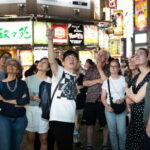
Stop 1: Hachiko Statue (Your Starting Point)
Meeting at Hachiko is smart because it’s easy to find, and it gives you an immediate sense of place. You’ll gather, get oriented, and settle into the idea of the tour: Shibuya isn’t just famous for one crossing. It’s famous for street-level surprises, including vending culture.
If you’re arriving from another part of Tokyo, you’ll feel less jet-lagged because this area is familiar to many visitors already. That comfort helps you focus on the vending-machine challenge rather than the navigation problem.
Stop 2: Hachiko Square (Photo Stop + Short Guided Intro)
Next comes Hachiko Square, where you’ll do a photo stop and get your initial guidance for the vending hunt. This is a good moment to learn what to look for, because once you understand the label system and the machine styles, you’ll spot details faster later.
The main benefit of this segment is that it sets expectations. You’re not just wandering. You’re moving with purpose.
Stop 3: Off-Main-Street Stop (20 Minutes of Hidden Options)
After the first landmark, you head toward a quieter pocket with vending machines you might not notice on your own. The tour uses this time to build your eye for machine differences and to teach you what to check before you buy.
This stop is where the tour starts feeling like an actual game. Machines can be easy to ignore when they look ordinary. But the guide helps you see that even “normal” vending setups often tell a story through design, layout, and product type.
Stop 4: Shibuya Crossing (Photo Stop + Guided Visit)
Then you’re back in the big scenery: Shibuya Crossing for another photo pause and guided visit. This stop is useful because it’s the contrast moment. In a loud, iconic place, the vending machines still perform the quiet job of being available food and drink.
If you’re sensitive to crowds, go with the mindset that you’re stopping briefly. This isn’t a long hang at the crossing. It’s a quick snapshot before you go back to the street-level machines.
Stop 5: Miyashita Park (Visit + Shopping Time)
Next is Miyashita Park, with guided time and shopping. This stop works especially well because it mixes your vending-machine mission with a broader Shibuya feel. You get a break from the constant button-press focus and a chance to absorb the area around modern Shibuya life.
Shopping time here also helps you rebalance your day. If you’re picky about drinks, this pause can give you a second chance to choose what you want to buy later, or just to grab something else if you need a reset.
Stop 6 and 7: Two More Off-Main Stops (15 Minutes Each)
You’ll hit two additional off-the-main-street segments, each about 15 minutes with guided time. Think of these as variety stops. One tends to reward your newfound label-reading skill. The other tends to challenge your curiosity and help you spot machines you’d likely miss on your own walking pattern.
These are also the stops that keep the pace feeling fresh. Instead of doing the same type of walk twice, the tour uses separate segments to keep your attention on what’s different: machine styles, product formats, and the specific vending items you’re learning to hunt.
Final: Back to Hachiko Statue
You end where you started—back at Hachiko Statue. That matters more than it sounds. After you’ve been focused on machines and signage, having a clear end point reduces stress. You’re not solving a last-mile puzzle while thinking about what kind of can you bought.
The Vending Machines You’ll Actually Talk About
This tour isn’t vague about what you’ll see. You’ll learn about the variety of machines, including retro and next-gen approaches. The highlight includes AI-powered digital signage seen around Shibuya Stream, which gives you a view of how vending is evolving.
You’ll also hear about some of the most famous and memorable machine concepts in Japan:
- The Dashi machine selling whole flying fish in a bottle of soup stock
- The Mystery can concept, where you press a button with no label to read
That mix is the whole point. You’ll see vending machines as product displays, cultural symbols, and sometimes a little bit of a prank on your comfort zone.
What You’ll Learn to Buy (and How to Decide)
Your guide helps you make sense of the options so you’re not stuck picking blind. Most drinks are in the ¥120–¥200 range, but novelty or premium items can cost more. That’s not a reason to skip it—it’s a budgeting heads-up.
When I’m trying a new food or drink culture, I like two strategies: go for something you recognize, then go for something you don’t. This tour gives you both lanes. The hot soup-in-a-can items let you taste something comforting and familiar in a new format. The dessert drinks and vitamin jellies offer the fun, lighter side.
And don’t forget the practical “season filter” advice. If it’s hot, you’ll choose hydration first. If it’s cold, you’ll look for warm cans and cups so the purchase actually helps you enjoy the walk.
Photo Challenges, Pocket Phrases, and Vending Etiquette
This is where the tour turns from informative to memorable. Photo challenges create a reason to stop at the right moments, not just when you feel like it. It also pushes you to capture the machine styles and signage you might otherwise ignore.
You’ll also pick up pocket phrases and etiquette basics. The guide’s goal is simple: help you feel like you belong while you’re doing the awkward tourist task of buying something you can’t fully read. Even small language cues can make the moment less stressful and more fun.
And you’ll learn a fun “stamp” mechanic: keep a flattened can label or a capsule toy from your purchase. It’s a small ritual that makes the experience feel like a real adventure rather than a sightseeing stop.
Guides Matter: Kanta and Mitsuki’s Style
The tour is led by an English-speaking guide, and the difference shows. Kanta and Mitsuki are both praised for being engaging and for speaking excellent English while sharing facts tied to what you’re seeing. That combo—good language skills plus relevant on-the-street context—helps you stay focused and ask questions without feeling rushed.
If you care about explanations that match the exact machine you’re looking at, this tour’s guide-led approach is a big part of the value.
Price and Value: Is ¥41 Worth It?
The price is $41 per person for 90 minutes, and the value comes from the structure. You’re paying for:
- a live guide in English
- hands-on practice using machines
- a mini-lesson on reading katakana product names
- multiple photo stops and challenges
- time focused on Japan-specific vending culture, not generic sightseeing
The only real “extra” cost is the drinks and snacks, which you buy yourself. That keeps your choices flexible. You control how adventurous you want to be with your budget.
In practice, it works well if you treat the purchase as part of the lesson. You’re not just paying to watch someone else explain Japan. You’re using the machine with guidance, which is the difference between reading about vending culture and actually understanding it.
Should You Book This Shibuya Vending Machine Tour?
Book it if you want a fun, low-pressure way to understand Japanese street life. This tour fits best when you like hands-on learning, enjoy quirky food culture, and want to feel confident buying drinks in Japan without guessing.
Skip it if you’re only interested in major monuments and don’t want to spend time interpreting labels. Also, if you hate the idea of spending extra money on a drink during the tour, plan to bring that into your day.
If you’re in Tokyo anyway and Shibuya is on your list, this is a very practical way to turn one famous neighborhood into a more personal experience—one can at a time.
FAQ
How long is the Shibuya Vending Machine Adventure Walking Tour?
It’s a 90-minute guided walking tour.
Where do I meet the guide?
Meet at the Hachiko Statue at Shibuya Station.
What’s included in the $41 price?
You get the 90-minute guided tour, photo challenges, and a mini-lesson on reading katakana product names.
Are drinks included?
No. Paid drinks and snacks are not included, and you buy what you want yourselves. Most drinks range from ¥120–¥200.
What language is the tour guide?
The tour is conducted in English.
Do I need the WhatsApp app?
Yes. Full tour details are sent the day before via WhatsApp, and WhatsApp is required for updates.
More Tours in Tokyo



More Tour Reviews in Tokyo




Still in Shibuya? Keep Going

Fresh reviews from around Tokyo






Shibuya Tours, compared.
 ★ 5.0Official Street Go-Kart in ShibuyaFrom $763,435 reviews
 ★ 4.9Street Kart Experience in ShibuyaFrom $741,484 reviews
 ★ 5.0Shibuya Meltdown Nightlife Tour: All-You-Can-Drink Bar HoppingFrom $1061,058 reviews
 ★ 5.0Shibuya Official Street Go-Kart in Shibuya AnnexFrom $69972 reviews
 ★ 5.0Shibuya Food Tour (13 dishes and 4 Eateries)From $77770 reviews
 ★ 5.0Best of Shibuya Food TourFrom $217612 reviews
 ★ 4.8Shibuya Highlights Walking TourFrom $19601 reviews
 ★ 4.7Premium Go-Kart Tour with Tower & Shibuya CrossingFrom $116528 reviews
Browse the lists this tour appears in