
Reviewed · SHIBUYA TOURS
Tokyo: Street Kart Experience in Shibuya
Forget walking. Drive Shibuya.
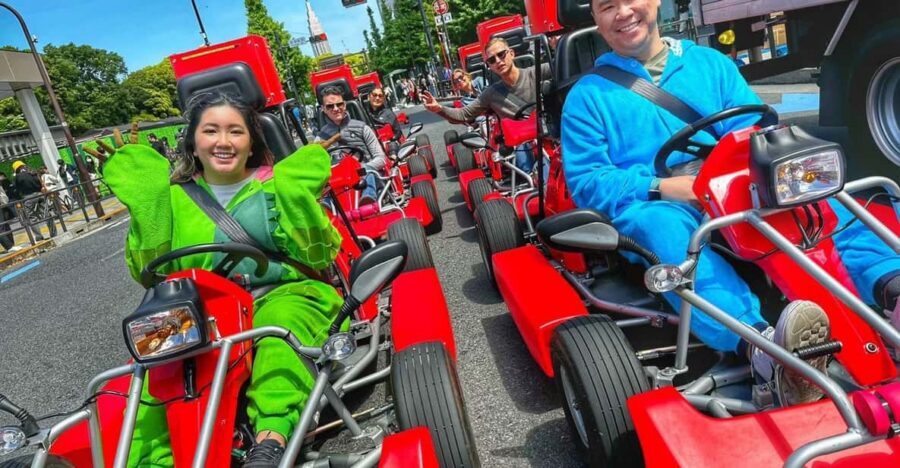
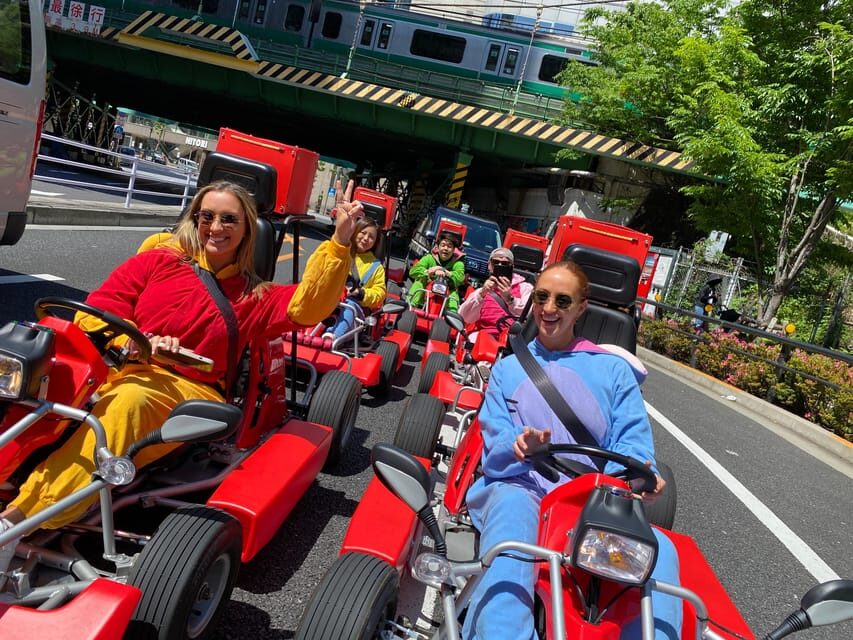
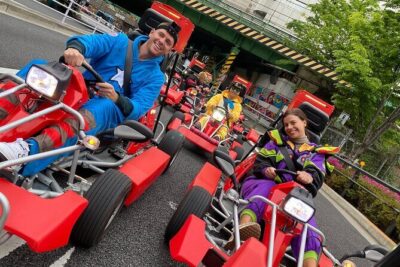
This street-kart experience turns Tokyo’s busiest intersection into your own personal parade route, with a guide keeping you safe while you loop through Shibuya Crossing multiple times. You’ll also get dressed up, take photos on the move, and roll out toward Harajuku and Omotesando, the fashion heartbeat of the city. Guides like Pedro, Yoshi, and Manuel bring clear instructions and plenty of energy.
Two things I really like: first, the setup feels built for fun-with-structure, including goggles, costumes, and a raincoat when needed. Second, you’re not just driving and leaving, because your guide takes photos and hands you the results at the end, so you’re not stuck hunting for the right shot at every light.
One consideration: driving in Japan requires the right documents, and cellphones are not allowed during the activity. If you show up without the required International Driving Permit (IDP) or official translation rules for your license country, you won’t be able to drive.
In This Review
- Quick things you should know before you book
- Why Shibuya by Kart Feels So Different From Normal Tokyo
- What $74 Buys You in Time, Gear, and City Access
- The Route: Shibuya Crossing Loops, Then Harajuku and Omotesando
- Meeting the Shop: Semi-Underground Garage, Mirrors, and a Hot Pot Neighbor
- Safety First: How the Guide Keeps a Small Group in One Piece
- Costumes and Photos: Your Guide Turns Driving Into Content
- Don’t Get Tripped Up by the Japan Driving Documents
- What You Can’t Wear or Bring (And Why It Matters)
- When to Ride: Night Vibes for Shibuya and Street Photos
- Who This Kart Tour Is Best For
- Street-Kart Extras: Optional Video Gear and How to Think About It
- Should You Book Street Kart Shibuya?
- FAQ
- FAQ
- How long is the Street Kart experience in Shibuya?
- Where do I meet for the tour?
- Is this tour for people who don’t have a driving permit in Japan?
- Can I bring my cellphone to take photos during the ride?
- What’s included in the price?
- Is the group large?
- Is it suitable for kids or people with mobility issues?
- Is an action camera included?
Quick things you should know before you book
- You drive through Shibuya Crossing multiple times, not just a single pass
- Small group size (max 6) keeps the pacing calmer and the instructions clearer
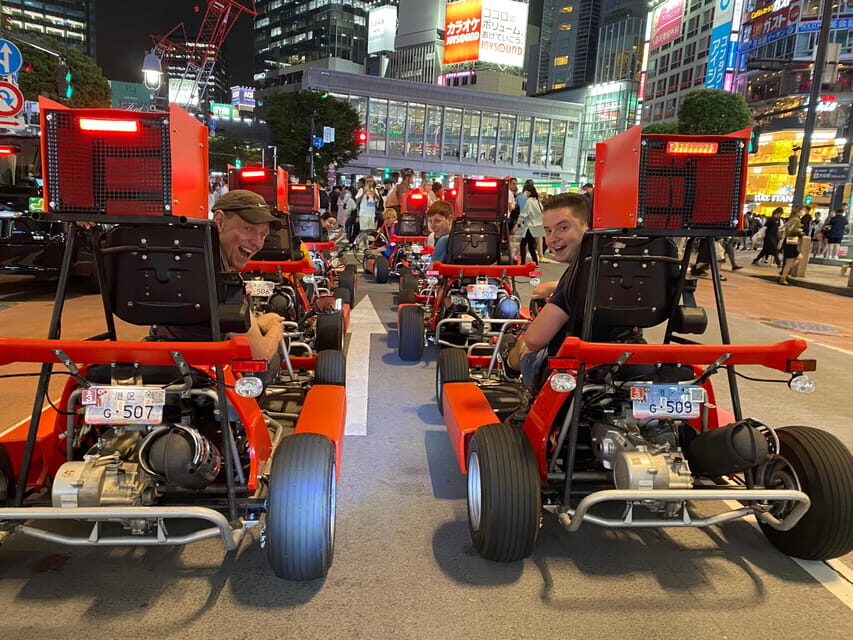
- Costumes, goggles, and raincoat are included, so you travel lighter
- Your guide handles photos, and you get the photo data after the tour
- Phones and slippers are not allowed, so plan what you wear and bring
- You need physical driving documents (IDP or translation + passport), not just a phone photo
More to do within sight of the Crossing
- Official Street Go-Kart in Shibuya★ 5.0 · 3,435 reviews
- Tokyo: Street Kart Experience in Shibuya★ 4.9 · 1,484 reviews
- Shibuya Meltdown Nightlife Tour: All-You-Can-Drink Bar Hopping★ 5.0 · 1,058 reviews
Why Shibuya by Kart Feels So Different From Normal Tokyo
Shibuya Crossing is famous for a reason: it’s chaotic from the sidewalk, then suddenly hypnotic once you’re in the flow. In a kart, you get a front-row view of that crossing from the driver seat, and you also get something movies don’t show well: the micro-moves. You’re watching traffic, signals, and pedestrians like a pro, guided step-by-step.
I like that the whole thing feels like a controlled version of Tokyo street life. You’re not wandering. You’re following a trained lead driver who keeps you together, and you’re getting repeated looks at the crossing from different directions. That repetition matters because it changes what you notice each time: building angles, signage, and how the crowd shifts as the signal cycles.
Also, this isn’t only about the roads. The costumes make it feel playful and photo-friendly right from the first minute. People on the street often react to karts like this, and it adds that extra layer of street-festival energy without you needing to search for it.
What $74 Buys You in Time, Gear, and City Access
Price-wise, $74 for about one hour is the headline number. The real question is value: what you get is not just a drive, it’s a guided street experience with safety briefing, included gear, and photo capture.
You receive:
- The kart and gasoline
- An English-speaking guide
- Costumes
- Photos your guide takes
- Goggles
- A raincoat for rainy days
That package usually costs more if you tried to assemble it yourself. You’re paying for the guided route, the street-kart operation, the safety oversight, and the fact that you won’t have to figure out where to go through Shibuya and how to navigate it as a driver.
The one-hour format also keeps it realistic. You get the big moments without losing half a day to logistics. For a city like Tokyo, that’s a big part of the appeal.
One more value point: small group size (limited to 6 participants) means less waiting around. In a tight group, your guide can keep eyes on everyone and still move with confidence.
The Route: Shibuya Crossing Loops, Then Harajuku and Omotesando
The ride has a clear rhythm. First comes the big draw: Shibuya Crossing. Instead of doing a quick pass, you’ll go through it multiple times from different directions. That’s where the experience earns its hype. Each loop gives you a new viewpoint of the intersection and a fresh set of photo angles.
Then the route shifts toward Harajuku and Omotesando, two areas known for fashion and street style. You’ll roll through neighborhoods where you’re not just seeing tall buildings and station exits. You’re seeing the styling culture of Tokyo, with streets that feel more like browsing a living storefront than walking past generic scenery.
What makes this combination work is that it balances icon + personality:
- Shibuya gives the worldwide spectacle
- Harajuku/Omotesando gives you variety and texture beyond the landmark itself
If you’re the kind of traveler who likes your “wow moment” to have follow-through, this route does that.
Meeting the Shop: Semi-Underground Garage, Mirrors, and a Hot Pot Neighbor
Your meeting point is not a bright, obvious storefront. It’s a semi-underground garage inside a building. You enter from the street and look for an outside staircase on the side.
Two helpful details make this easier:
- There’s a neon logo you can spot on the wall outside
- Inside the garage, it’s wall-to-wall mirrors, which helps you orient quickly
Also, there’s a hot pot restaurant on the second floor of the same building. That means you’re not arriving at some isolated lot. You’re in an active, real neighborhood setting.
If you’re doing this at night (which I recommend), build a little buffer so you’re not rushing in the dark. The experience starts with setup, and you want a calm arrival.





Safety First: How the Guide Keeps a Small Group in One Piece
Driving a kart in a busy urban area sounds intense. The difference here is how structured the lead is. Your guide runs a safety briefing before you set off and stays responsible for spacing and pacing.
You’ll feel that in the way the group moves:
- The guide keeps you together
- Instructions are repeated clearly so nervous drivers aren’t guessing
- The ride is fast enough to feel like a thrill, but controlled enough that people don’t lose the plot
I also like that safety isn’t treated like a buzzword. From the way guides like Pedro and Manuel steer and communicate, the vibe is practical: you’re given what you need to drive confidently, and you’re not left to figure it out on your own.
If you’re even slightly unsure about driving in traffic, you’ll likely relax faster here than you would on your own. The guide is doing the hard mental math for you, while you focus on the driving cues.
Costumes and Photos: Your Guide Turns Driving Into Content
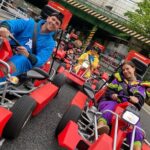
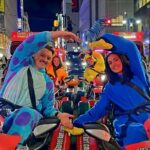
This is one of the biggest reasons the experience is so memorable. You’re not just wearing a random outfit for a kart. You get costumes, goggles, and a guide who takes photos continuously while you ride.
A lot of the photos are done from your guide’s perspective, so you get shots you probably wouldn’t capture yourself. The end result is that you walk away with a folder of images that show you in the moment, with Shibuya and the streets behind you.
Guides with names like Yoshi, Allen, Alexis, and Riku are often praised for the photo part. That tells you something important: photo capture is a core part of the experience, not an afterthought.
Practical tip: since cellphones aren’t allowed, treat the photo plan as the main photo plan. If you want video, you’ll need an optional action camera setup, which is not included.
Don’t Get Tripped Up by the Japan Driving Documents
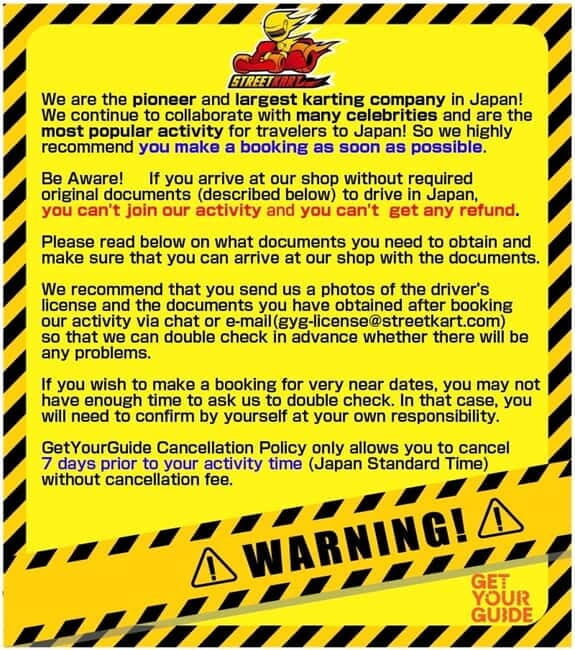
Here’s the deal-breaker for most first-timers: to drive in Japan, you need special documents. A simple checklist before you arrive saves you stress.
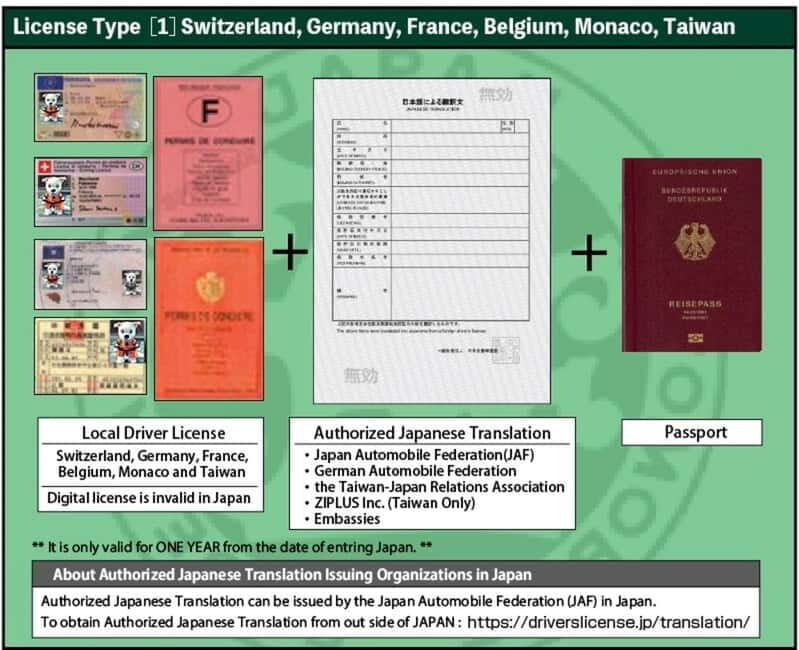
For most countries, you need:
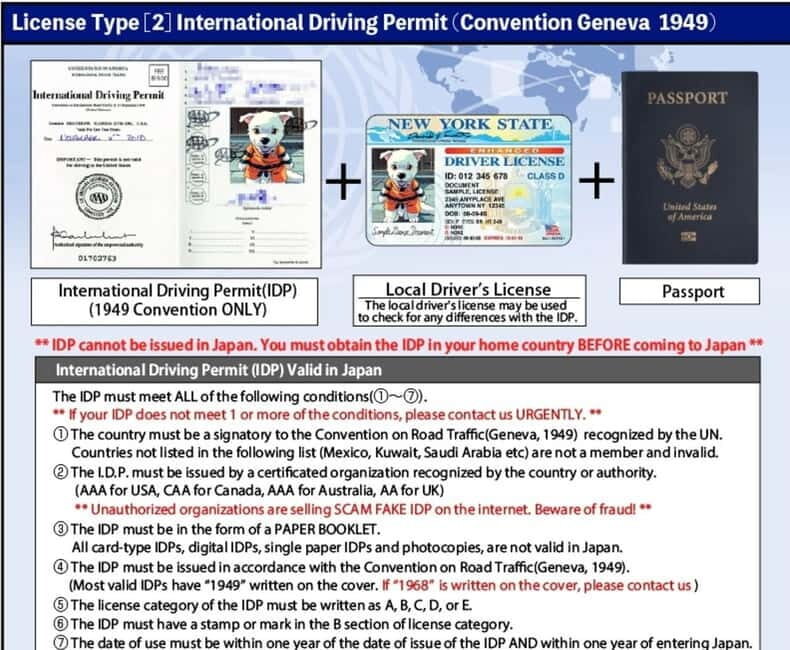
- A physical International Driving Permit (IDP) booklet format compliant to the 1949 Geneva Convention
Important rules you should follow:
- The IDP must be issued by the same country that issued your domestic license
- You cannot get it online while traveling
- You must carry the physical IDP and your physical passport
Exceptions matter. If your license is issued in Switzerland, Germany, France, Taiwan, Belgium, or Monaco, you need a Japanese translation of your license from JAF, not an IDP.
And if your license is from countries not covered by the 1949 Geneva Convention (examples provided include China, Indonesia, Mexico, Qatar, Saudi Arabia), you’re not permitted to drive.
This is not the place to hope for flexibility. If documents are wrong, you lose the ability to drive.
One more note: after booking, Street Kart emails guidance about required documents. Read that message carefully and act early so you’re not scrambling at the last minute.
What You Can’t Wear or Bring (And Why It Matters)
The rules are straightforward, and they’re there for safety and for keeping things smooth in a tight route.
Not allowed:
- Cellphones
- Slippers
- High-heeled shoes
- Alcohol and drugs
Also, the experience isn’t for everyone:
- Children under 18
- Pregnant women
- People with mobility impairments, wheelchair users
- People with back problems
- Hearing-impaired people
The big “why” here is simple: the kart driving motion, gear setup (including goggles), and the need to hear and follow guide directions all matter.
If you’re wearing the wrong footwear, you can lose time before you even start. Wear something stable and practical. And if you’re tempted to keep your phone in your pocket anyway, remember it’s not allowed on the activity.
When to Ride: Night Vibes for Shibuya and Street Photos
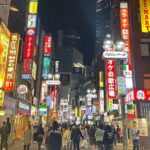
Tokyo at night is a different city. I’d seriously consider booking the evening slot if you have the choice. You’ll get the neon-and-lit-building look around Shibuya, plus a fun street feel where the intersection seems even more cinematic.
A night ride also pairs well with the costume factor. Bright lighting makes costumes and driver shots pop, and the whole loop through Shibuya feels like a sanctioned street party.
If you’re a daytime person, you can still enjoy it. But if your goal is visual impact and mood, night is the safer bet.
Who This Kart Tour Is Best For
This is a great fit if:
- You want a high-impact Tokyo experience beyond walking and shopping
- You like silly-fun plus structure (costumes, goggles, guided route)
- You’ll enjoy taking part in a group activity with a guide who handles instructions and photos
- You’re comfortable following rules and driving with traffic-aware focus
It’s also great for solo travelers who want a social feel without needing to find a friend who’s brave enough to try karts. The small group helps you feel included fast.
It’s not for you if you have mobility issues, back problems, hearing limitations, or if you’re under 18 or pregnant. The activity is designed around active driving, gear use, and guide communication.
Street-Kart Extras: Optional Video Gear and How to Think About It
If you want video, you’ll need to bring or rent the right gear because:
- Action cameras are optional (not included)
- You may need a camera mount
- Micro-SD is not included (optional purchase)
Since cellphones are not allowed, an action camera can be useful if video is a priority for you. Still, don’t overcomplicate it. The guided photo set is included and is usually the easiest win.
Should You Book Street Kart Shibuya?
If you want one Tokyo activity that feels like a story you’ll remember later, this is a strong choice. The value is in the combination: Shibuya Crossing loops, a guided route through Harajuku and Omotesando, included costumes and goggles, and a guide who takes lots of photos.
Book it if:
- You have your IDP (or the correct JAF translation) lined up and you can carry the physical documents
- You want a thrill that’s guided and safety-focused
- You’d rather get great photos automatically than worry about your phone on the street
Skip or reconsider if:
- You don’t have the correct driving documents yet
- You’re sensitive to driving in busy areas, or you can’t follow the no-phone and footwear rules
- Any of the listed health or accessibility limits apply for you
One last practical point: you get free cancellation up to 7 days in advance, so if your travel plans are fluid, you can keep flexibility while you sort the IDP details.
FAQ
FAQ
How long is the Street Kart experience in Shibuya?
It lasts 1 hour.
Where do I meet for the tour?
You meet at a semi-underground garage inside a building entered from the street. Look for an outside staircase, a neon logo on the wall outside, and wall-to-wall mirrors inside. There’s also a hot pot restaurant on the second floor of the same building.
Is this tour for people who don’t have a driving permit in Japan?
To drive in Japan, participants need special documents. For most countries, that means a physical International Driving Permit (IDP) compliant with the 1949 Geneva Convention, plus your physical passport. Some license countries require a Japanese translation from JAF instead of an IDP.
Can I bring my cellphone to take photos during the ride?
No. Cellphones are not allowed during the activity.
What’s included in the price?
You get the kart, gasoline, an English-speaking guide, costumes, goggles, a raincoat for rainy days, and photos your guide took during the activity.
Is the group large?
No. It’s a small group limited to 6 participants.
Is it suitable for kids or people with mobility issues?
No. It’s not suitable for children under 18, pregnant women, people with mobility impairments, wheelchair users, people with back problems, or hearing-impaired people.
Is an action camera included?
No. An action camera is not included, but there is optional rental. Micro-SD and a camera mount are also optional (micro-SD purchase and mount rental).
More Tour Reviews in Tokyo



Still in Shibuya? Keep Going


Fresh reviews from around Tokyo






Shibuya Tours, compared.
 ★ 5.0Official Street Go-Kart in ShibuyaFrom $763,435 reviews
 ★ 5.0Shibuya Meltdown Nightlife Tour: All-You-Can-Drink Bar HoppingFrom $1061,058 reviews
 ★ 5.0Shibuya Official Street Go-Kart in Shibuya AnnexFrom $69972 reviews
 ★ 5.0Shibuya Food Tour (13 dishes and 4 Eateries)From $77770 reviews
 ★ 5.0Best of Shibuya Food TourFrom $217612 reviews
 ★ 4.8Shibuya Highlights Walking TourFrom $19601 reviews
 ★ 4.7Premium Go-Kart Tour with Tower & Shibuya CrossingFrom $116528 reviews
Shibuya Kart: Premium Go-Karting Tour through Shibuya, TokyoFrom $63463 reviews
★ 4.7Premium Go-Kart Tour with Tower & Shibuya CrossingFrom $116528 reviews
Shibuya Kart: Premium Go-Karting Tour through Shibuya, TokyoFrom $63463 reviews
Browse the lists this tour appears in