
Reviewed · MT FUJI DAY TRIPS
[Seasonal Limited] Mt. Fuji 5th Station &Hot Spring Day Tour
Fuji without the hard climb is the whole point.
This seasonal day tour is built around Mt. Fuji 5th Station photo moments, plus classic village-and-pond scenery at Oshino Hakkai, so you get big views without needing hiking gear. I also like how the day balances sightseeing with a real break, because the hot spring stop at Konohananoyu is the kind of relief that makes the long drive feel worth it.
There are two big wins here: the 2,300-meter feel of being above the clouds at 5th Station (when it’s operating) and the onsen baths with Mt. Fuji in your line of sight. One thing to consider: Fuji visibility can be hit-or-miss, and when the sky is cloudy, you may not get the crisp “postcard mountain” you’re hoping for.
In This Review
- Key Things I’d Highlight Before You Go
- Why This Day Trip Works: Fuji Views Without the Grind
- Seasonal Switch: 5th Station (May–Nov) vs Asama Park
- The Shintaku-yama Asama Park Photo Moment (When 5th Station Isn’t Running)
- Fujisan 5th Station at 2,300m: Souvenirs and Big Air
- Oshino Hakkai: Eight Ponds, Thatch-Roof Charm, and Easy Walking
- Konohananoyu Onsen: When the Day Turns From Sightseeing to Recovery
- Bus Timing, Guide Style, and What You Should Expect on the Road
- Price and Value: Is $50 a Smart Deal for Fuji?
- Who Should Book This Tour (and Who Should Skip It)
- Final Call: Should You Book This Mt. Fuji 5th Station & Onsen Day Tour?
- FAQ
- When is Mt. Fuji 5th Station open on this tour?
- Do I need to hike at Mt. Fuji 5th Station?
- How long do we spend at Mt. Fuji 5th Station?
- What is the alternative if the Fifth Station is closed?
- How long is the Oshino Hakkai stop?
- How long do we spend at Konohananoyu Onsen?
- Is the onsen fee included?
- Can I wear a swimsuit at the onsen?
- What are the tattoo rules for the hot spring?
- Are weekend and holiday crowds an issue?
Key Things I’d Highlight Before You Go
![[Seasonal Limited] Mt. Fuji 5th Station &Hot Spring Day Tour - Key Things I’d Highlight Before You Go](https://8.thetokyotraveller.com/wp-content/uploads/seasonal-limited-mt-fuji-5th-station-hot-spring-day-tour-1.jpg)
- 5th Station is seasonal (May 10 to Nov 30), otherwise you’ll visit Asama Park instead
- No hiking requirement at 5th Station—this is a photo-and-sightseeing stop
- Oshino Hakkai’s eight ponds give you a calm, traditional contrast to the mountain
- Konohananoyu Onsen views are the main relaxation payoff
- Guide style matters: you’ll get clear explanations, but not commentary while the vehicle is driving
Other routes to the mountain, compared
- Mt Fuji & Hakone Cruise, Drum Show Bullet Train 1 Day from Tokyo★ 4.0 · 7,413 reviews
- Tokyo Mt Fuji 5th St & Hakone Cruise Bus Tour w/Bullet Train★ 4.4 · 5,024 reviews
- From Tokyo: Mount Fuji Full-Day Sightseeing Trip★ 4.5 · 4,970 reviews
Why This Day Trip Works: Fuji Views Without the Grind
![[Seasonal Limited] Mt. Fuji 5th Station &Hot Spring Day Tour - Why This Day Trip Works: Fuji Views Without the Grind](https://8.thetokyotraveller.com/wp-content/uploads/seasonal-limited-mt-fuji-5th-station-hot-spring-day-tour-2.jpg)
If your Tokyo trip list includes Mount Fuji, this is one of the simplest ways to check it off. You’re not signing up for a trek or carrying a daypack. The plan is designed for people who want the mountain vibe and the famous photos, then want to soak, snack later, and be back in Tokyo without feeling wrecked.
I like that the tour keeps expectations realistic. You’ll spend real time at the places that do the visual heavy lifting—5th Station (seasonal), Shintaku-yama Asama Park for the iconic postcard angle, and Oshino Hakkai’s pond village. Then you move into the hot spring portion, which turns the day from “look, look, look” into “sit, breathe, warm up.”
One more practical plus: the tour runs as a full-day circuit with transfers and parking covered. For a short trip, that matters. In Japan, it’s often not the sights that cost you energy—it’s the navigation, timing, and figuring out how to move between them smoothly.
Seasonal Switch: 5th Station (May–Nov) vs Asama Park
Mt. Fuji’s 5th Station is not open year-round. The tour specifically notes that the opening period runs May 10 to Nov 30. During the rest of the year, the itinerary shifts and you’ll visit Shintaku-yama Asama Park instead.
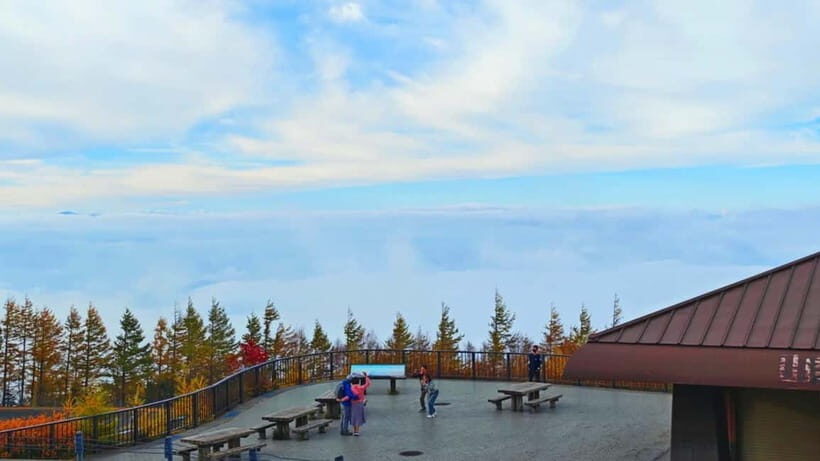
This switch is more than a schedule tweak. It changes the feel of the mountain experience. 5th Station (when open) is about reaching higher elevation—2,300 meters—where the air feels cooler and the views are framed like a natural observation deck. Asama Park is more about the classic composition you’ve seen on screensavers and travel posters: Mount Fuji paired with traditional architecture, including a well-known red pagoda-style viewpoint.
So when you’re planning around season, ask yourself what you want more:
- Higher altitude photo moments (5th Station season), or
- The iconic “Fuji + traditional landmark” postcard angle (Asama Park season)
The good news is that the tour still aims at the key Fuji hits, even when the mountain station isn’t available.
The Shintaku-yama Asama Park Photo Moment (When 5th Station Isn’t Running)
![[Seasonal Limited] Mt. Fuji 5th Station &Hot Spring Day Tour - The Shintaku-yama Asama Park Photo Moment (When 5th Station Isn’t Running)](https://8.thetokyotraveller.com/wp-content/uploads/seasonal-limited-mt-fuji-5th-station-hot-spring-day-tour-4.jpg)
Asama Park is the plan for those “I want the classic view” days. The big draw is the way Mount Fuji lines up with traditional Japanese architecture. The tour’s description points you straight at the main reason people stop here: you can get a strong Fuji composition without needing to hike.
This is also a smart choice for winter or shoulder seasons. If the 5th Station is closed due to winter conditions, the trip is redirected to Asama Park. That kind of fallback matters when you’re building one day around a single goal.
Practical angle for your camera: bring a bit of patience. Fuji photography often comes down to light and timing, not just geography. If clouds move through, the scene can shift quickly. Use the park stop to grab photos early, then enjoy the view as you go rather than treating it like a one-second photo sprint.
Fujisan 5th Station at 2,300m: Souvenirs and Big Air
![[Seasonal Limited] Mt. Fuji 5th Station &Hot Spring Day Tour - Fujisan 5th Station at 2,300m: Souvenirs and Big Air](https://8.thetokyotraveller.com/wp-content/uploads/seasonal-limited-mt-fuji-5th-station-hot-spring-day-tour-5.jpg)
When the tour is running during 5th Station season, you’ll go up by bus to Fujisan 5 Gome (Fifth Station) at 2,300 meters. The schedule gives you about 60 minutes at the station, with a mix of break time, photo stop, and guided tour components, plus about an hour of self-guided exploring.
This is not a hiking day. You’re there to feel the altitude and soak in panoramic views above the clouds. The tour also calls out a key reason people enjoy 5th Station even if they’re not climbing: you can find souvenirs and treats that are unique to this higher spot.
What I’d do with your time there:
- Start with the best viewpoint area for photos first, while the “first wow” energy is high
- Then use the rest of the hour to wander at a calm pace so you don’t feel rushed
- If you’re traveling in colder months, dress like you’re going up a layer or two—conditions can feel different at elevation
One more reality check: the tour is designed to deliver the experience even when visibility isn’t perfect. Still, if clouds roll in, your photos might be more “mood” than “sharp mountain.” That’s just how Fuji works on many days.
Worth weighing up alongside this Tokyo pick:
Oshino Hakkai: Eight Ponds, Thatch-Roof Charm, and Easy Walking
![[Seasonal Limited] Mt. Fuji 5th Station &Hot Spring Day Tour - Oshino Hakkai: Eight Ponds, Thatch-Roof Charm, and Easy Walking](https://8.thetokyotraveller.com/wp-content/uploads/seasonal-limited-mt-fuji-5th-station-hot-spring-day-tour-6.jpg)
After the mountain high, Oshino Hakkai is the soothing middle of the day. You’ll have about 60 minutes here, with time for photos and free exploration. This is a village setting built around eight crystal-clear ponds fed by spring water from Mount Fuji’s snowmelt.
What makes Oshino Hakkai worth your time is the contrast. You move from altitude and big mountain sky to a calm, human-scale place with traditional buildings, flowers, and footbridges. It’s the kind of stop where you can slow down without getting bored, because the scenery keeps giving.
If you want to maximize value without turning it into a chore, focus on:
- Walking the easy paths between pond viewpoints
- Getting a few photos from different angles so you capture the water’s clarity
- Enjoying the traditional village vibe rather than trying to speed-run it
Also, the tour includes optional shopping time in this segment. That means you can pick up small souvenirs tied to the area if you want something more “local village” than “Fuji station souvenir shop.”
Konohananoyu Onsen: When the Day Turns From Sightseeing to Recovery
The tour’s relaxation payoff is Konohananoyu Onsen, with up to 120 minutes on site. This is a big deal because the onsen is described as offering breathtaking views of Mount Fuji—including both indoor and open-air bathing options.
This stop is where the long ride starts to feel justified. A bus day can be tiring, but soaking in warm water changes your mood fast. You also get time to eat or have tea in the onsen rest area afterward, which is a welcome reset before you head back toward Tokyo.
Important: onsen rules are real here.
- Japanese hot springs require nude bathing
- You’ll need to cover tattoos, or you may be refused entry
- The onsen fee is not included, so plan on paying at your own expense
If you’ve never done an onsen before, don’t treat it like a spa with a robe and slippers. Treat it like a cultural routine. Go in expecting a strict but straightforward process, and it’ll feel less awkward and more enjoyable.
One more logistics note: the tour’s info warns that on weekends and Japanese national holidays, crowds can lead to long waits. If the queue becomes too long, you might not be able to experience the hot spring and may be redirected to nearby shopping instead. That doesn’t mean the plan is pointless—it means you should be ready for the day to adjust based on lines.
Bus Timing, Guide Style, and What You Should Expect on the Road
![[Seasonal Limited] Mt. Fuji 5th Station &Hot Spring Day Tour - Bus Timing, Guide Style, and What You Should Expect on the Road](https://8.thetokyotraveller.com/wp-content/uploads/seasonal-limited-mt-fuji-5th-station-hot-spring-day-tour-7.jpg)
This is a full-day loop, so you’ll spend time on the coach. The routing includes travel segments of about 2 hours to reach the mountain area, plus shorter rides between stops (around 30 minutes between major points). The day ends with another 2 hours back to the Tokyo drop-off area.
The tour also notes that weekend timing can be unpredictable due to traffic and early closures. In other words, don’t plan tight connections right after this ends.
Guide help is part of the value. You get a professional tour guide, with live guidance in Chinese and English. One detail I appreciated from the tour description is that the driver doesn’t provide commentary while driving, but you do get multilingual support onboard (not just a single-language script). Some reviews mentioned guides by name—people talked about Ken, Anna, Coco, and Jacob—and praised how explanations were clear and helpful.
Here’s a practical tip: bring something small you can do on the bus, like a book or photos to sort. The journey is part of the package, and it helps to treat it like travel time, not just “waiting.”
Also, the tour says vehicles arranged by group size and you can’t guarantee the vehicle type. One review described the bus as small and basic. That doesn’t make the tour bad, but it is a good reason to pack comfort basics and wear shoes that work for light walking.
Price and Value: Is $50 a Smart Deal for Fuji?
![[Seasonal Limited] Mt. Fuji 5th Station &Hot Spring Day Tour - Price and Value: Is $50 a Smart Deal for Fuji?](https://8.thetokyotraveller.com/wp-content/uploads/seasonal-limited-mt-fuji-5th-station-hot-spring-day-tour-8.jpg)
At around $50 per person, this tour can feel like a bargain compared to the cost of trying to piece together the same loop yourself—especially when you factor in round-trip transfers, parking and fuel fees, and a guide. You’re paying for convenience plus time management, not luxury.
That said, watch what’s not included:
- Meals and beverages
- Onsen fee
- Personal expenses
- Travel or accident insurance
So the real budget is $50 plus food plus onsen. If you already planned to eat during sightseeing anyway, that’s easy to handle. If you hate paying extra at the end of a tour, it’s worth mentally budgeting for the onsen entry.
Where the value really shows is in the structure. You get multiple Fuji-linked stops in one day: 5th Station or Asama Park, then Oshino Hakkai, then the onsen. Even if the weather is cloudy and Fuji isn’t crystal clear, you still walk away with a classic mountain-to-village day.
Who Should Book This Tour (and Who Should Skip It)
![[Seasonal Limited] Mt. Fuji 5th Station &Hot Spring Day Tour - Who Should Book This Tour (and Who Should Skip It)](https://8.thetokyotraveller.com/wp-content/uploads/seasonal-limited-mt-fuji-5th-station-hot-spring-day-tour-9.jpg)
This works best for people who:
- Want Mt. Fuji highlights without hiking
- Prefer a guided day that keeps moving but includes a real rest stop
- Enjoy photo stops as part of the sightseeing rhythm
- Want a gentle day trip from Tokyo with an onsen payoff
From the info provided, it’s not suitable for:
- Pregnant women
- People with mobility impairments
- Wheelchair users
- People over 70
And if you’re traveling with very young kids (ages 0–3), you’ll need to consult customer service in advance for safety reasons.
If you’re someone who dislikes long bus days, you might feel the schedule more than others. But if you like the idea of structured sightseeing plus a hot spring reset, this trip fits the bill.
Final Call: Should You Book This Mt. Fuji 5th Station & Onsen Day Tour?
I’d book it if you want an efficient, low-stress Fuji day that still feels like Japan: photo viewpoints, a traditional pond village, and a proper onsen break at Konohananoyu. The $50 price can be a strong value once you accept that meals and the onsen fee are on you.
I’d hesitate if your one and only goal is a sharp, clear Mount Fuji picture. Cloud cover happens, and the tour can’t control the sky. Also, if you’re visiting on a weekend or holiday, be ready for possible crowds and longer waits that could affect the onsen experience.
If you’re flexible and you enjoy classic sights plus relaxation, this is a very sensible way to do Fuji in a day.
FAQ
When is Mt. Fuji 5th Station open on this tour?
Mt. Fuji 5th Station is listed as open from May 10 to Nov 30. Outside that period, the tour visits Shintaku-yama Asama Park instead.
Do I need to hike at Mt. Fuji 5th Station?
No hiking is required. The stop is focused on photos and sightseeing at the station.
How long do we spend at Mt. Fuji 5th Station?
You get about 60 minutes at Fujisan 5 Gome.
What is the alternative if the Fifth Station is closed?
If the Fifth Station is closed due to winter conditions or other reasons, the tour redirects to Shintaku-yama Asama Park.
How long is the Oshino Hakkai stop?
The Oshino Hakkai portion is about 60 minutes.
How long do we spend at Konohananoyu Onsen?
Konohananoyu Onsen is about 120 minutes.
Is the onsen fee included?
No. The onsen fee is not included, and you pay at your own expense.
Can I wear a swimsuit at the onsen?
The tour info notes that Japanese hot springs require nude bathing.
What are the tattoo rules for the hot spring?
Guests with tattoos must cover them; otherwise, entry to the onsen can be refused.
Are weekend and holiday crowds an issue?
The info says weekends and Japanese national holidays can bring more crowds and longer queues at hot spring facilities. If waiting times are excessively long, you might not be able to experience the hot spring and could be directed to shopping instead.
More Tours in Tokyo




More Tour Reviews in Tokyo




The Fuji Shortlist: Other Days Out to the Mountain

Fresh reviews from around Tokyo






Mt Fuji Day Trips, compared.
 ★ 4.0Mt Fuji & Hakone Cruise, Drum Show Bullet Train 1 Day from TokyoFrom $1497,413 reviews
 ★ 4.4Tokyo Mt Fuji 5th St & Hakone Cruise Bus Tour w/Bullet TrainFrom $1545,024 reviews
 ★ 4.5From Tokyo: Mount Fuji Full-Day Sightseeing TripFrom $684,970 reviews
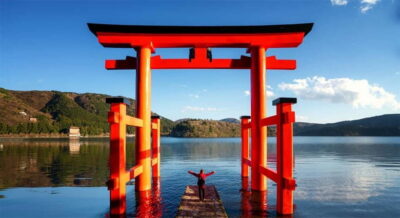 ★ 4.7Mt. Fuji Tour, Hakone Ropeway, Owakudani, Lake AshiFrom $544,002 reviews
 ★ 5.0Private Tour to Mt. Fuji and Hakone (Fully Licenced Operator)From $4971,910 reviews
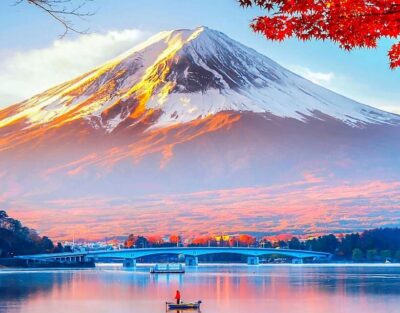 ★ 4.9Mount Fuji Full-Day Private Tour from Tokyo (Customizable)From $3931,470 reviews
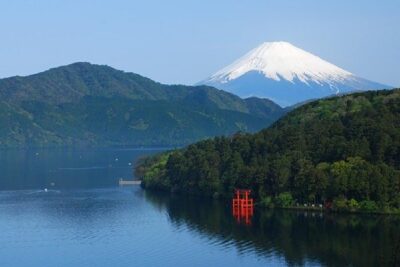 ★ 4.0Mt Fuji & Hakone Cruise, Drum Show Bus 1 Day from TokyoFrom $1221,287 reviews
 ★ 4.2From Tokyo: Mt. Fuji & Hakone Tour w/ Return by Bullet TrainFrom $1171,278 reviews
Browse the lists this tour appears in