
Reviewed · SAMURAI & NINJA EXPERIENCES
Tokyo: Samurai Experience with a real sword
A katana lesson in the heart of Tokyo.
I love the chance to handle a real sword up close, not just watch from the sidelines. I also like that you get a video and commemorative photos as a souvenir, so you can actually remember your form and timing. One thing to plan for: you’ll likely need a quick change of clothes afterward, and the activity isn’t suitable for everyone.
This is a tightly run, 2-hour class built around samurai etiquette and practical swordwork in the Shiden-ryu style, with time for a demonstration and hands-on training. You’ll meet staff at McDonald’s near the west exit, get dressed in kimono and hakama, learn the rules, practice basic handling, and then step into sword-to-sword work before finishing with object cutting and recorded keepsakes.
In This Review
- Key things to know before you go
- What You’re Doing: Samurai Iai, Etiquette, and Real-World Practice
- Meeting Point: How to Find the Training Staff Near McDonald’s
- Getting Dressed in Kimono and Hakama (and Why Height/Weight Matters)
- Zarei and Sword Basics: Learning Control Before You Swing
- The Shiden-ryu Demonstration and Your Interactive Sword Fight
- Cutting Objects on Video: The Moment You’ll Remember
- Photo Session and Changing Clothes: Finishing Like a Pro
- Price and Value: Is $102 Worth It for 2 Hours?
- Practical Tips That Make the Samurai Session Easier
- Who This Samurai Experience Suits Best (and Who Should Skip It)
- Final Call: Should You Book This Samurai Sword Experience?
- FAQ
- How long is the Tokyo Samurai sword experience?
- Where do I meet the staff?
- What’s included in the experience?
- What should I bring?
- Can I cut objects with a real sword?
- Is the session in English?
- Is it suitable for wheelchair users or pregnant women?
- What is the cancellation policy?
Key things to know before you go
- Real sword time: you practice sword handling and cutting, with video recording built in
- Samurai etiquette matters: zarei (seated etiquette) is part of the experience, not an afterthought
- You get filmed: your action is captured so you can take the moment home
- Shiden-ryu focus: the instruction is tied to a specific school of iai and swordsmanship
- Dress-up is real: kimono and hakama dressing is included, so you look the part
- Arrival timing helps: show up about 20 minutes early to avoid stress while dressing
More blades, bows and dojo hours
- Tokyo: Samurai Ninja Museum Guided tour and Experience★ 4.6 · 1,010 reviews
- Tokyo: Samurai Sword & Archery Class from Samurai Descendant★ 5.0 · 603 reviews
- Best Samurai Experience in Tokyo★ 5.0 · 458 reviews
What You’re Doing: Samurai Iai, Etiquette, and Real-World Practice
This experience isn’t a stage show. It’s structured training where you learn how samurai sword use starts with manners, posture, and control. You’ll begin with the etiquette side, then move into sword handling techniques and forms and movements, and only then get to the more dramatic parts like combat-style drills.
You’ll encounter terms like iai (the art of drawing and using the sword), zarei (seated etiquette), and uchikomi (sword-to-sword combat drills). Even if you don’t know Japanese martial arts, the flow is meant to teach the logic: start safe, move with intent, and understand how you should respond when distance and angles change.
Meeting Point: How to Find the Training Staff Near McDonald’s
Your meeting point is simple once you know where to look. After exiting the ticket gates, you go out the west exit and head to the ground floor area where you’ll find McDonald’s. Meet there, and look for staff holding a meeting board.
Two practical notes. First, the meeting location can vary within Tokyo depending on the date, and you’ll be notified if that happens. Second, arrive 20 minutes prior so there’s time for greetings, paperwork, and fitting before the session starts.
Getting Dressed in Kimono and Hakama (and Why Height/Weight Matters)
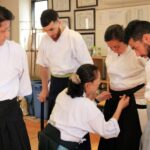
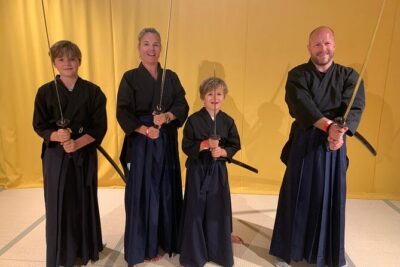
Dressing is part of the immersion here, and it’s included. You’ll be received by the coach and staff, then change into traditional kimono and hakama as part of the experience.
There’s also a real logistical detail you should respect: you’re asked to share your height and weight through the reservation form. That’s not busywork. It helps the team match you with clothing that fits well enough for movement—especially once you start handling a sword.
The tour also asks you to bring a change of clothes. Plan for the practical reality: you’ll sweat, you’ll move, and at the end you’ll want to get out of your training outfit comfortably.
Zarei and Sword Basics: Learning Control Before You Swing
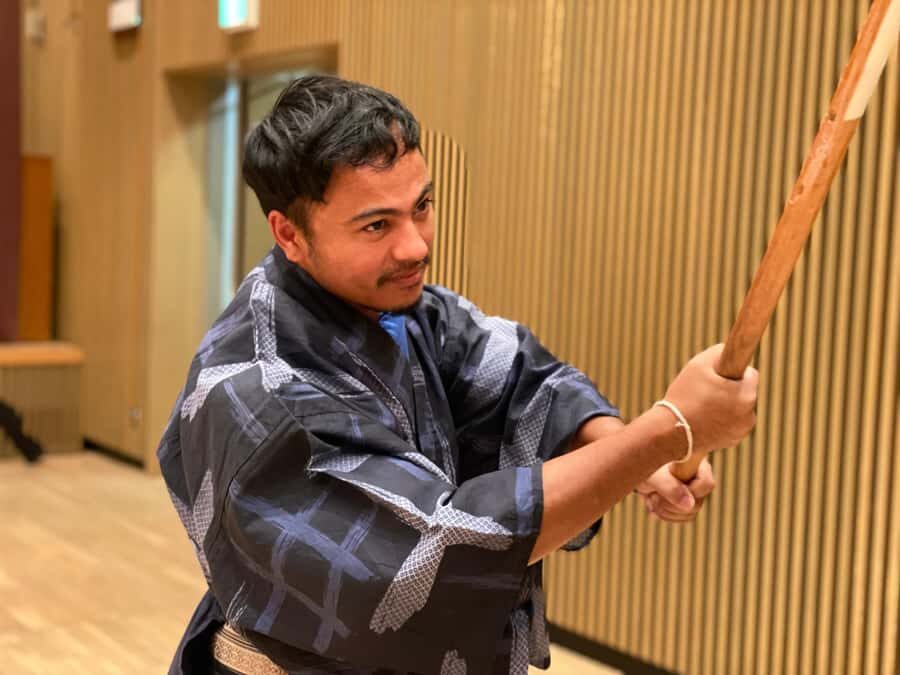
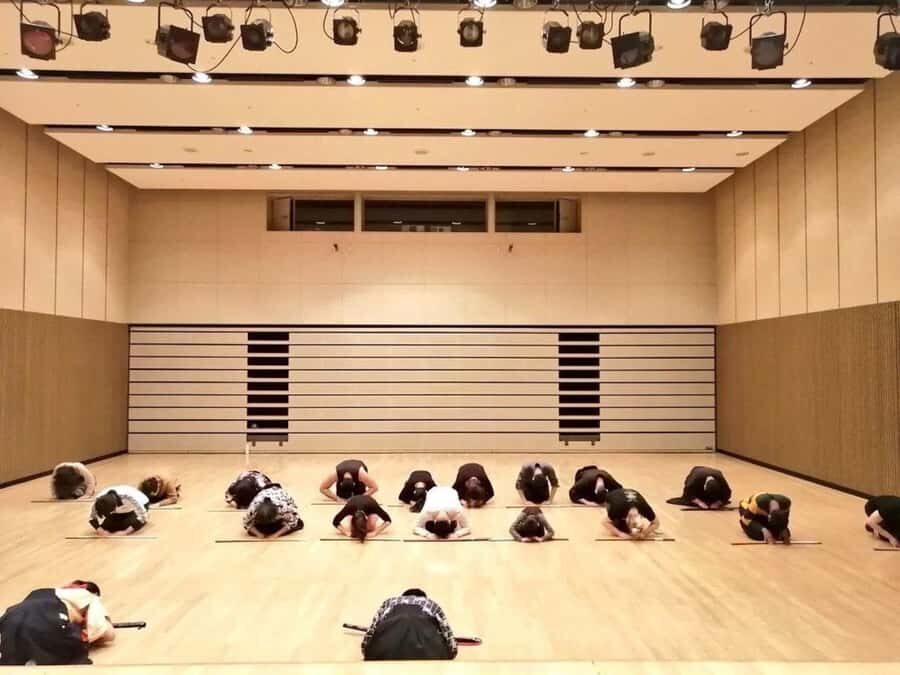
Before you go near cutting or sparring, you’ll get guidance on how to handle the sword. The coach introduces rules and etiquette first, including zarei, seated manners that set the tone for the rest of the lesson.
Then comes the basics: you’ll practice sword handling techniques, forms, and movements. This is where the session feels most “training-like,” because you’re learning the mechanics behind what looks cool in photos. If you’re the type who likes clear instructions, this part will make the later action feel more believable.
One more practical detail: the included staff are English-speaking, but in real life communication can vary. Even when English is available, bringing calm patience helps, especially if you need a slower explanation or a quick translation.





The Shiden-ryu Demonstration and Your Interactive Sword Fight
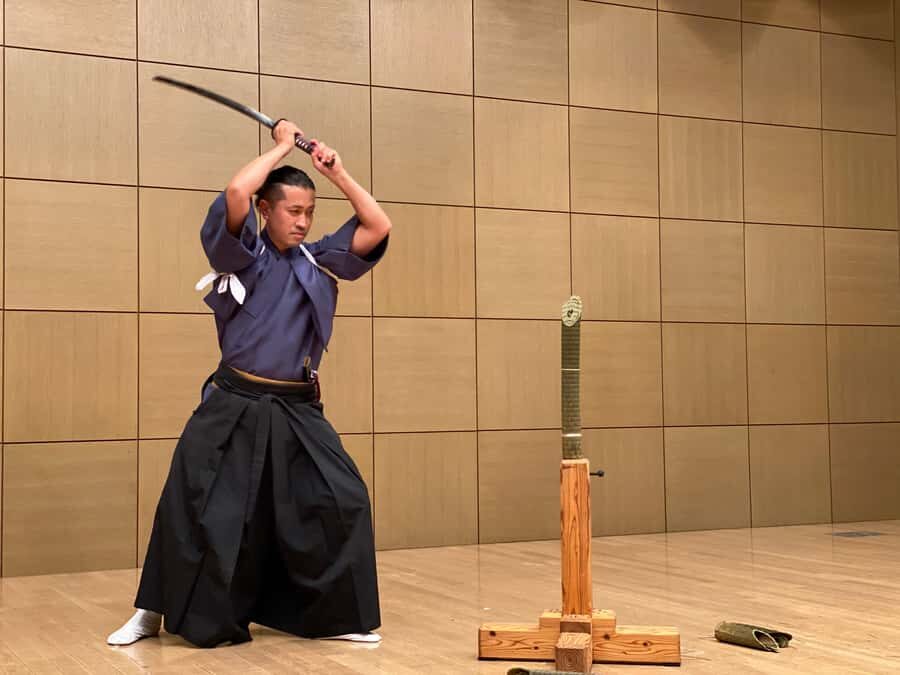
After the basics, the coach demonstrates Samurai techniques and swordsmanship in the Shiden-ryu style. This is your chance to see the moves with better pacing and form, before you repeat them.
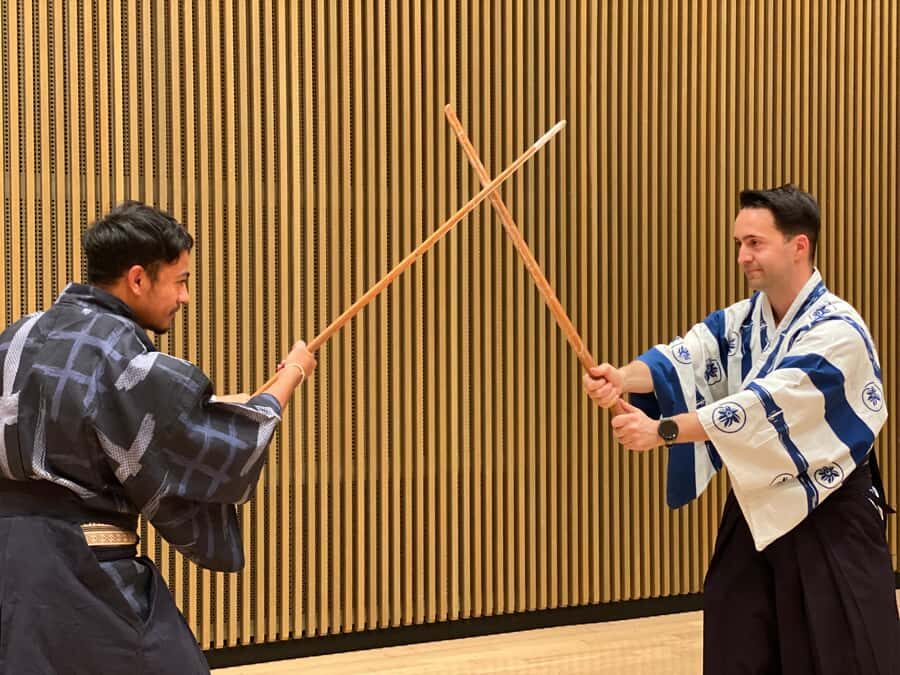
Then you move into the interactive part: you participate in a sword-to-sword fight experience. The training is built around drills like uchikomi, which focuses on controlled engagement rather than wild chaos. That matters because it keeps the session safe while still feeling intense.
If you’re wondering what you’ll actually do, think of it as guided back-and-forth practice: you learn what to do when you draw, how to hold the blade properly, and how to respond within a set pattern. You’ll get the “wow” moments without the risk of being thrown into something you’re not taught.
Cutting Objects on Video: The Moment You’ll Remember
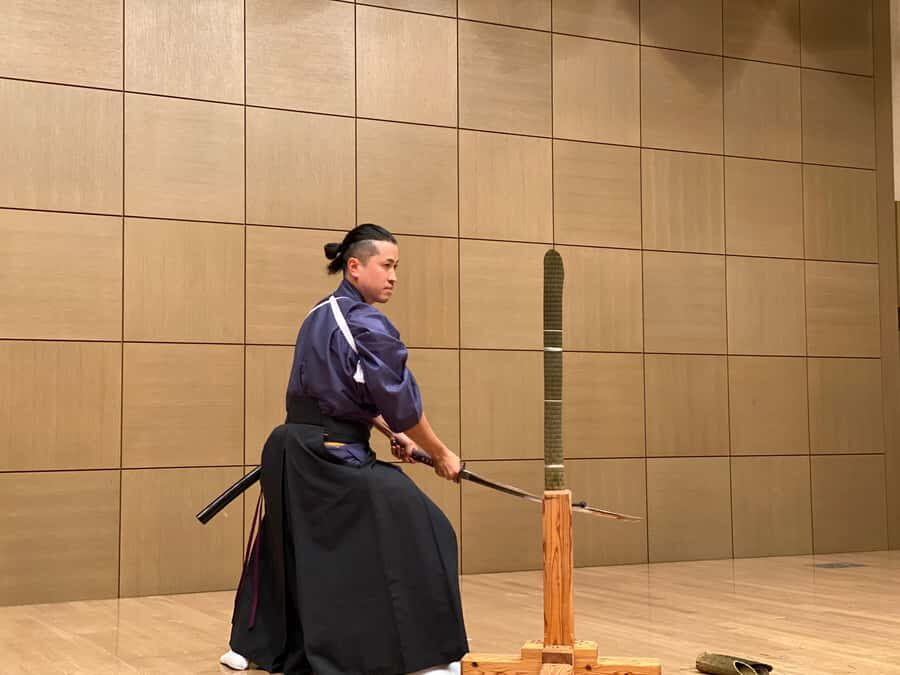
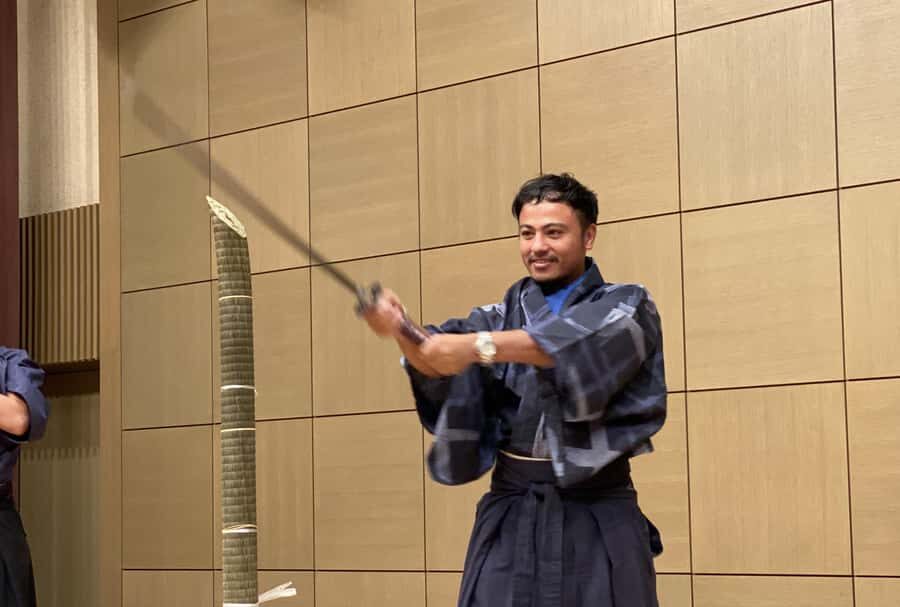
The big action highlight is cutting objects with a genuine samurai sword. You’ll also get video recording of your cutting attempt, and you can take the video home as part of your souvenir.
Important limitation: cutting with a real sword is available for participants aged 12 and above. If you’re booking for a family, treat that as a deciding factor.
From a value standpoint, this is where the experience justifies its price better than many other “costume + photo” activities. You’re not only taking pictures; you’re getting captured on video doing the actual technique, which gives the moment context you can’t get from still shots alone.
Photo Session and Changing Clothes: Finishing Like a Pro
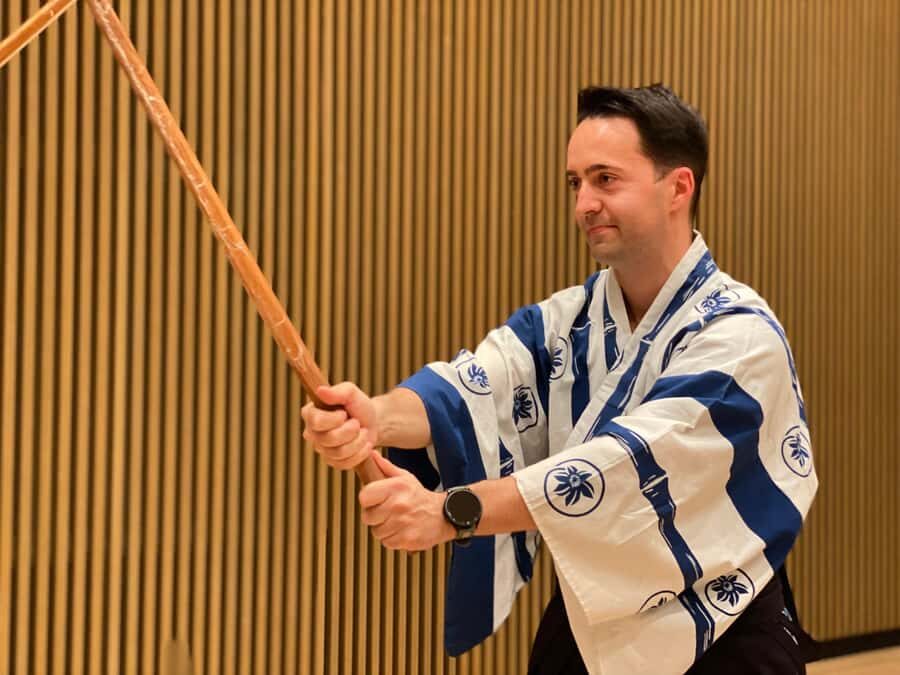
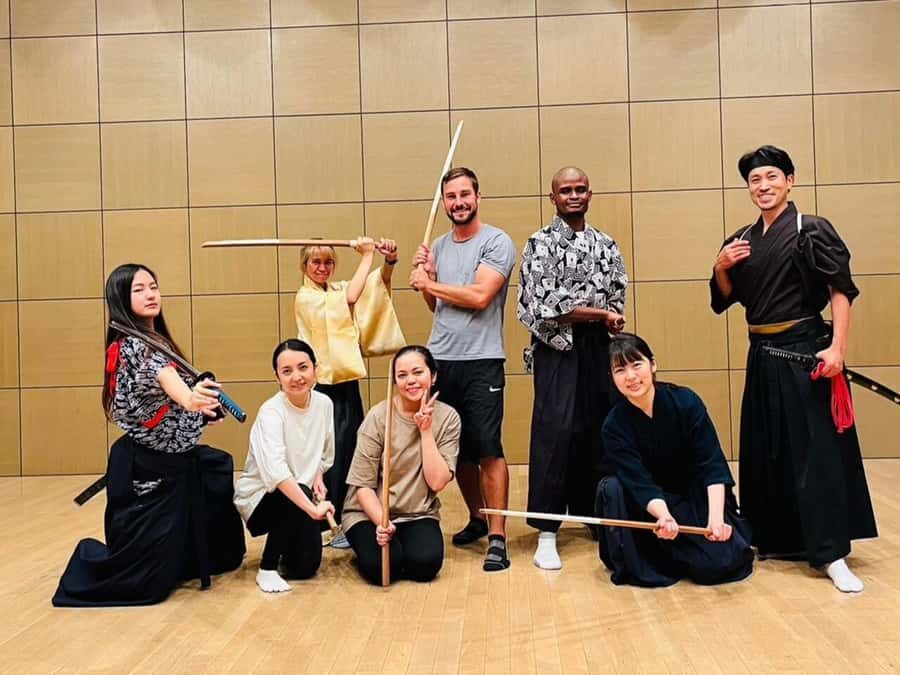
After the practical work, you’ll get a commemorative photo session. It’s included, and it fits the theme of dressing up in full samurai clothing.
You’ll also change clothes at the end of the activity, and the session concludes back at the meeting point area near where you started. Because it’s only about 2 hours, the experience keeps a tight rhythm: learn, practice, record, and wrap up without dragging on.
Price and Value: Is $102 Worth It for 2 Hours?
At $102 per person for about 2 hours, you’re paying for more than a ticket. You’re paying for a real coach, venue time, professional instruction, kimono dressing, and the cost of video/photography.
A lot of Tokyo experiences look similar on paper. This one earns its value in three areas:
- You handle the sword and do controlled combat-style drills
- You get filmed for cutting, not just staged posing
- You leave with a physical souvenir package (video and photos)
So if your travel style likes hands-on learning—especially something culturally specific—this is strong value. If you’re expecting a long, museum-style explanation only, you might find it a bit short for that. But as an action + culture combo, the price feels fair for what’s included.
Practical Tips That Make the Samurai Session Easier
Here’s how to make your life simpler and your results better.
- Bring water and a drink with a secure lid. You’ll want hydration, and the session notes this for practicality.
- Wear comfortable clothes you don’t mind sitting in or changing out of. You’ll also need to bring a change of clothes.
- Plan your timing: be there 20 minutes early, especially the first time you find the meeting point.
- Tell the team your height and weight during the reservation. It affects your clothing fit for a movement-heavy activity.
- Don’t show up hungry or careless. If you’re offered a light meal as part of the day (some sessions include one), it helps keep energy up for the later cutting part.
- Smoking and alcoholic drinks in the vehicle are not allowed, so come prepared to follow the rules.
Who This Samurai Experience Suits Best (and Who Should Skip It)
This experience is a great match for people who want a real cultural activity with physical practice. If you like learning by doing, you’ll appreciate the step-by-step progression: etiquette first, then technique, then hands-on sword work with recording.
It’s also a good pick for date nights and groups, because everyone ends up with photos and video, even if their skill level varies.
On the caution side, it’s not suitable for pregnant women or wheelchair users. Also, cutting objects with a real sword requires participants to be 12+, so younger kids should be treated carefully when planning expectations.
Final Call: Should You Book This Samurai Sword Experience?
I’d book this if you want one of the few Tokyo activities that gives you real sword technique time, plus video and photos you can keep. The setup is structured, the pacing is built for learning, and the kimono/hakama dressing makes it feel like more than a simple class.
Skip it if you need a fully accessible setup for mobility needs, or if you’re expecting a long story-driven cultural tour with little physical activity. For most people who enjoy hands-on travel, though, this is the kind of memorable experience that doesn’t fade into generic photos.
FAQ
How long is the Tokyo Samurai sword experience?
It lasts about 2 hours. You’ll need to check availability to see the starting times.
Where do I meet the staff?
Meet after exiting the ticket gates. Go out the west exit and head to the ground floor where you’ll find McDonald’s. Look for staff holding a meeting board.
What’s included in the experience?
It includes reception and kimono dressing, etiquette instruction (including zarei seated etiquette), sword handling techniques, samurai forms and movements, sword-to-sword combat drills (uchikomi), presentation and video recording, cutting objects with a real sword with video recording available, a commemorative photo session, changing clothes, and conclusion.
What should I bring?
Bring a change of clothes and water. Wear comfortable clothes, and bring a drink with a secure lid.
Can I cut objects with a real sword?
Yes. Cutting objects with a real sword is available for participants aged 12 and above, and video recording is available for the cutting.
Is the session in English?
The instructor and staff are listed as English. If you have a question, it’s still smart to speak slowly and be ready for translation support if needed.
Is it suitable for wheelchair users or pregnant women?
No. It is not suitable for wheelchair users or pregnant women.
What is the cancellation policy?
You can cancel up to 14 days in advance for a full refund.
More Tour Reviews in Tokyo



The Way of the Sword, Continued





Fresh reviews from around Tokyo






Samurai & Ninja Experiences, compared.
 ★ 4.6Samurai Ninja Museum Guided tour and ExperienceFrom $271,010 reviews
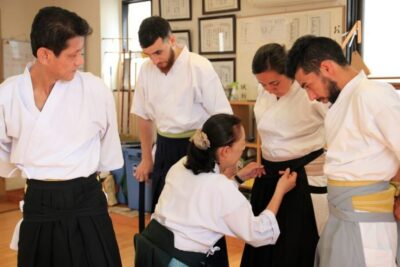 ★ 5.0Samurai Sword & Archery Class from Samurai DescendantFrom $193603 reviews
 ★ 5.0Best Samurai Experience in TokyoFrom $65458 reviews
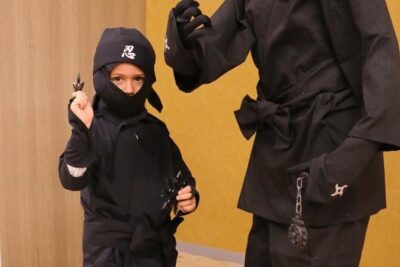 ★ 5.0Ninja Experience (Family Friendly) at Samurai Ninja Museum TOKYOFrom $47441 reviews
 ★ 4.6Samurai Entertainment Night Show in Kanda ShrineFrom $41417 reviews
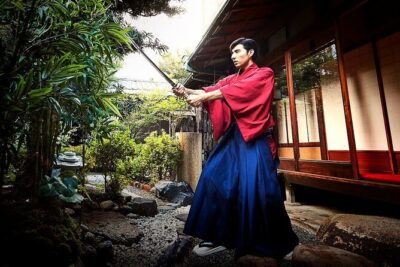 ★ 5.0Tokyo Sword Experience – includes Museum Ticket/Ninja ExperienceFrom $84314 reviews
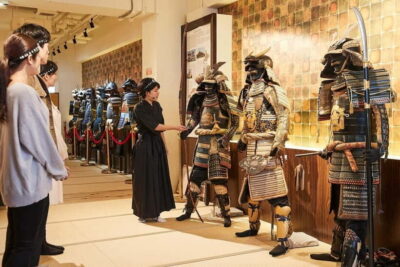 ★ 4.8Samurai Ninja Museum Asakusa: Samurai Sword Lesson & TourFrom $63306 reviews
 ★ 5.0Samurai Sword Experience (Family Friendly)at SAMURAI MUSEUM TOKYOFrom $65168 reviews
Browse the lists this tour appears in