
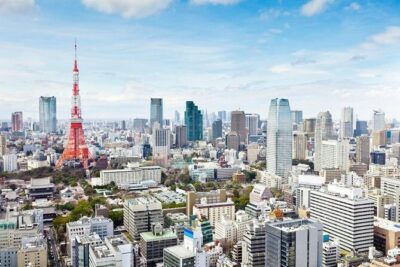
Tokyo feels like two cities at once.
This private day tour strings together the places people come for, then adds the stuff that makes it feel easy and personal. I especially like the hands-on guidance: your guide helps you use public transit without getting lost, and you can nudge the route to fit your group. I also like that several big stops have free admission, so you spend your money on time with your guide, not ticket fees. One thing to think about: it’s a full walking day with weather in play, so plan comfortable shoes and dress for rain or heat.
You’ll start with an air of formality at the Imperial Palace, then pivot into shrine serenity, old-school temple streets, and finally the electric lights of Shibuya. Along the way, you’re not just checking boxes—you’re moving through Tokyo in a way that makes the city’s modern-and-traditional mix click. If your group includes kids or anyone with mobility concerns, mention it early so the guide can manage the pace.
In This Review
- Key Things That Make This Tour Worth Your Time
- Why This Tokyo Walk Works So Well
- Planning Your Day: 10:00 Start and a Realistic 8 Hours
- Imperial Palace: Free Grounds and Heavy Symbolism
- Meiji Jingu Shrine: The Forest-Like Reset You’ll Appreciate
- Tsukiji Fish Market: The Value of a Guided Midday Look
- Senso-ji Temple and Asakusa: Old Tokyo Street Life
- Ueno Park: A Local-Friendly Breather With Major Attractions Nearby
- Shibuya Crossing: The Modern Tokyo Moment You’ll Remember
- Money, Timing, and Transit Costs: What to Budget
- Who This Tour Suits Best
- Should You Book This Private Tokyo Tour?
- FAQ
- How long is the tour?
- What time does the tour start?
- Is hotel pickup included?
- Are there admission tickets you need to pay for the main stops?
- Do you provide food during the tour?
- Will I pay for transportation between stops?
- Does the tour run in bad weather?
- Is it a private tour?
- What if I need to cancel?
Key Things That Make This Tour Worth Your Time
- Hotel pickup and drop-off mean you start and end with less hassle
- Tailored route lets you adjust based on your group’s interests and the day’s conditions
- Free stops at major sites keep your budget predictable
- Transit coaching helps you move through Tokyo like locals do
- A full-day arc from Imperial Palace to Shibuya gives real contrast
Why This Tokyo Walk Works So Well
Tokyo can be intimidating in the best way—huge, fast, and full of trains and tiny turns. This experience is built for that exact problem. You get a local guide who can steer you through neighborhoods and transit connections, so you’re not burning energy on navigation when you’d rather be noticing details.
I like the “one day, one story” structure. You begin with the Imperial Palace area, shift into Shinto calm at Meiji Jingu, walk through the classic temple streets of Asakusa, then land in the modern shockwave of Shibuya. That contrast is the heart of Tokyo, and the timing makes it easier to understand how the city layers eras on top of each other.
And because it’s private, your guide can pay attention to your group’s rhythm—photo breaks, curiosity level, how long you want to linger at shrines, or how quickly you want to push onward. In guide feedback tied to this company, names like Yoko and Xavier come up often, with comments about punctuality and patience, including help for travelers who need a steadier pace.
Planning Your Day: 10:00 Start and a Realistic 8 Hours
The tour runs about 8 hours, starting at 10:00 am. That matters. Late-morning is a good compromise: most major sights are open and active, but you’re not locked into the very early morning schedules that some markets and attractions can require.
The itinerary is paced with about 30 minutes per major stop. That sounds short until you realize what walking tours are good at: getting you oriented, giving you context fast, and helping you see what you’d otherwise miss. You won’t get hours of museum-level study at every site, but you will get enough time to understand the place and enjoy it without racing.
Also, this is “private” in the important sense: only your group participates. That usually means less standing around, less waiting for strangers, and more flexibility if someone needs a restroom stop or a slower moment.
Imperial Palace: Free Grounds and Heavy Symbolism
Your first big moment is the Tokyo Imperial Palace, the main residence of Japan’s Emperor. The admission for this stop is listed as free, which is a nice budget win, but the bigger win is what the space teaches you.
Even if you’ve only seen palace imagery in movies, being in the real grounds changes your sense of scale. You feel the formality of the setting. It’s also a good starting point because it resets your brain before the day gets more colorful. The palace area gives you a baseline for how tradition shows up physically in Tokyo.
Time here is about 30 minutes, so you’ll likely focus on key views and orientation rather than an all-day stroll. If you’re the type who loves to linger quietly, ask your guide where to spend a few extra minutes. And if you’re more into photos than reading every sign, you can still enjoy this stop without slowing the day too much.
Meiji Jingu Shrine: The Forest-Like Reset You’ll Appreciate
Next is Meiji Jingu Shrine, dedicated to the deified spirits of Emperor Meiji and his wife. Again, admission is listed as free, and you get about 30 minutes here.
This stop works because it interrupts Tokyo’s noise. The shrine setting changes the mood fast, even if you only have half an hour. You’re walking in a place designed for reflection and ritual, not shopping and speed. That quiet is part of why it’s so memorable.
A practical note: it’s outdoors and it can get hot or damp depending on the day. Since the tour operates in all weather conditions, come ready. Comfortable shoes matter here because you’ll be moving through pathways and adjusting to crowd flow.
If your group includes kids, shrines can be a learning moment without feeling like school. Focus on what you can see and smell and hear, not just what the sign says. A guide can help you make sense of the Shinto elements so it doesn’t feel like a stop you rush through.
Tsukiji Fish Market: The Value of a Guided Midday Look
Then comes Tsukiji Fish Market, which was home to what the listing describes as the world’s largest fish market. You’ll get about 30 minutes and admission is also listed as free.
Here’s the reality of Tokyo markets: they can be intense. With a guide, you’re not only looking at stalls—you’re learning how people move through the area, what to notice, and how to plan your time so you don’t end up stuck in a single slow-moving line.
Because your tour starts at 10:00 am, you might arrive during a period when action looks different than early-morning peak. The upside is that you’ll still get the atmosphere and food culture without feeling like you’re sprinting. You’ll also have the guide to point out what’s worth your camera time versus what’s there mainly for locals in the moment.
If you have dietary restrictions, decide ahead of time whether you want to taste anything. Food and drinks aren’t included unless specified, so you’re responsible for your own meals and snacks.
Senso-ji Temple and Asakusa: Old Tokyo Street Life
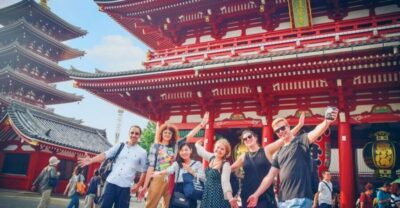
After Tsukiji, the day turns toward Senso-ji Temple, Tokyo’s oldest temple and one of its most significant. Admission is listed as free, and you get about 30 minutes.
Senso-ji is the kind of place that’s easy to photograph and easy to misread. A good guide helps you understand what you’re seeing—why certain areas attract crowds, what people do when they arrive, and how the temple space fits into the neighborhood around it. The short time forces focus, which can be a plus if you’re tired of “see everything” itineraries.
This stop is also where Tokyo’s everyday energy shows up. Even when tourists flood in, local rhythms continue: shops, snacks, quick errands, and families strolling. That’s why this part feels authentic when it’s done well.
Practical thought: at peak tourist times, you can’t fight crowds, but you can move with purpose. Use your guide to get you through the busiest areas quickly, then return if you find a spot worth lingering in.
Ueno Park: A Local-Friendly Breather With Major Attractions Nearby
Next is Ueno Park, about 30 minutes, free admission listed. The park is a favorite destination for Tokyo residents and connects to major attractions such as the Tokyo National Museum and Toshogu.
Think of Ueno Park as your reset button. After temple energy and market sights, you get breathing space. Parks in Tokyo aren’t just “green.” They’re social hubs, walking routes, and a staging ground for culture.
Since the tour only gives you half an hour here, you’ll probably focus on key park viewpoints and the broader sense of what the area is like, rather than deep museum study. If you’re a museum person, ask your guide what’s most practical to add later on your own, depending on your interests.
Weather matters here, too. Parks can become slippery or soggy in rain, and they can feel like an oven in summer. Dress for the day, not for your ideal weather forecast.
Shibuya Crossing: The Modern Tokyo Moment You’ll Remember
Finally, you land at Shibuya Crossing, the most recognizable landmark people associate with Tokyo. You get about 30 minutes and admission is listed as free.
Shibuya isn’t just a photo spot. It’s a lesson in how Tokyo manages movement. The crossing is chaotic-looking but controlled, and you can feel that the city is built around systems: transit, timing, and pedestrian flow.
This is a strong closer because it crystallizes the theme of the tour: modernity and tradition living side by side. Earlier stops give you structure and ritual. Shibuya gives you tempo and speed. Together, it tells you what Tokyo feels like on the inside, not just the outside.
If you want extra time for views, your guide may be able to adjust what you do within that window. Since the day’s pacing is built around about 30 minutes per stop, planning where you want your best photos helps you make the most of it.
Money, Timing, and Transit Costs: What to Budget
The tour price is listed as $196.48 per person for about 8 hours. What makes it feel like real value is not just the guide—it’s the combination of hotel pickup, multiple major stops, and free admission at several key sites.
Included:
- Hotel pickup
- Local guide
Not included:
- Food and drinks unless specified
- Transportation to/from attractions, listed as an average of JPY 1,500 per person per day
That JPY figure matters because it’s the one part of the budget that can surprise people. It’s not huge, but it’s also not zero. If you plan to buy drinks or snacks along the way (and you probably will), you’ll want a little buffer cash or card-ready spending.
Also, this is a mobile ticket tour, which is usually convenient. And confirmation is said to come within 48 hours of booking, subject to availability, so plan your timing accordingly if your schedule is tight.
If you’re the cautious type, it’s smart to double-check your total cost and what’s included before you pay. One piece of feedback tied to this provider was a reminder to get pricing in writing and confirm what you’re actually paying for. That’s not about expecting problems—it’s about avoiding avoidable confusion.
Who This Tour Suits Best
This is a great fit if you want a guided day that covers major Tokyo highlights without making you do homework on transit. It’s also a good choice if your group has mixed interests—tradition lovers, photo fans, and modern-city seekers can all get something.
It’s especially useful if:
- You don’t want to risk “wrong train, wrong exit” stress.
- You prefer a guide to set pace and explain what you’re seeing.
- You want hotel pickup so your day starts clean.
It may be less ideal if someone in your group has limited ability to walk for a full day. The tour is weather-proof in the sense that it operates in all conditions, so you’ll need to be comfortable walking outdoors.
For families, the private format helps. You can adapt timing for kids, and the guide can handle the flow so everyone stays in the day instead of dragging everyone behind.
Should You Book This Private Tokyo Tour?
I’d book this if you want a smooth, guided sampler of Tokyo that still feels like you’re learning the city’s logic. The pairing of Imperial Palace → Meiji Jingu → Tsukiji → Senso-ji → Ueno Park → Shibuya Crossing gives you a satisfying arc from formal tradition to high-tech street life.
Skip it (or at least reconsider) if your top priority is long stays in one place or museum-level depth across the whole day. This tour is designed for coverage and context, not for spending hours in each site.
Quick decision guide:
- Choose it for orientation + contrast + convenience.
- Pass or customize your expectations if you want deep immersion in just one neighborhood.
If your travel style is “I want to see a lot, but I want it to make sense,” this is a strong match.
FAQ
How long is the tour?
It’s listed as approximately 8 hours.
What time does the tour start?
The start time is 10:00 am.
Is hotel pickup included?
Yes. Hotel pickup and drop-off are included.
Are there admission tickets you need to pay for the main stops?
The stops listed (Imperial Palace, Meiji Jingu Shrine, Tsukiji Fish Market, Senso-ji, Ueno Park, and Shibuya Crossing) are shown with free admission tickets.
Do you provide food during the tour?
Food and drinks are not included unless specified.
Will I pay for transportation between stops?
Transportation to/from attractions is not included. The average cost is listed as JPY 1,500 per person per day.
Does the tour run in bad weather?
Yes, it operates in all weather conditions. You’ll want to dress appropriately.
Is it a private tour?
Yes. It’s a private tour/activity, and only your group participates.
What if I need to cancel?
Free cancellation is available if you cancel up to 24 hours in advance for a full refund.
Private, compared.
 ★ 5.0Tokyo 6hr Private Tour with Government-Licensed GuideFrom $1553,902 reviews
 ★ 5.0Private Tour to Mt. Fuji and Hakone (Fully Licenced Operator)From $4971,910 reviews
 ★ 5.0Tokyo Customized Private Tour (Must See Places in 1 Day)From $1451,499 reviews
 ★ 4.9Mount Fuji Full-Day Private Tour from Tokyo (Customizable)From $3931,470 reviews
 ★ 4.8Private City Highlights Tour with Local GuideFrom $1061,433 reviews
 ★ 5.0Private Custom Tour: Tokyo in a DayFrom $1591,432 reviews
 ★ 5.0Tokyo 4hr Private Tour with Government-Licensed GuideFrom $1091,394 reviews
 ★ 5.0Tokyo Customized Private Tour: See Top Attractions in 1 DayFrom $1451,351 reviews