
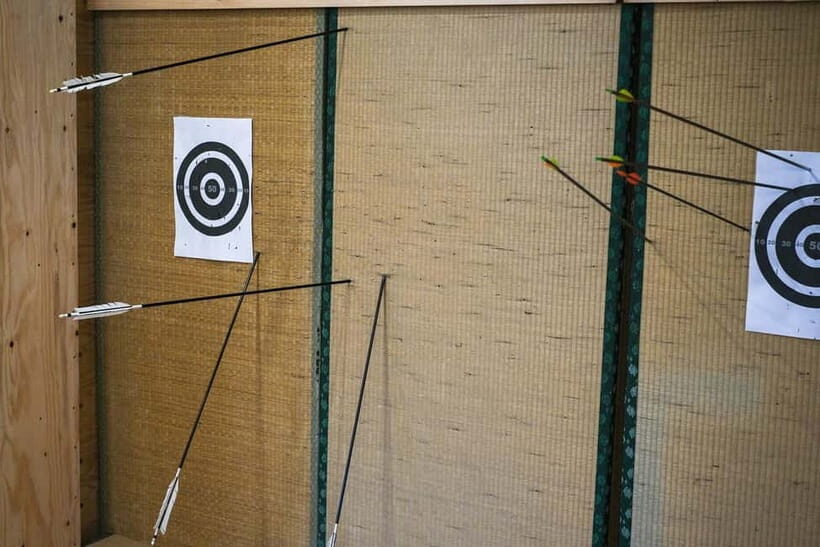
Reviewed · SAMURAI & NINJA EXPERIENCES
Tokyo Samurai Experience: Kyudo (Archery) and Swordsmanship
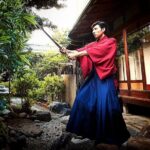
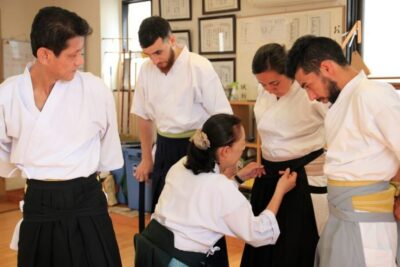
A samurai moment in Asakusa is hard to forget. This Tokyo experience mixes two classic martial arts—kyudo archery and katana sword techniques—while you’re dressed in traditional hakama-style clothing. You’ll also get a fun setup that helps the history land fast, not as a lecture.
I especially like the combination of hands-on training and photo-friendly guidance. The staff are friendly and encouraging, and in my mind Coach Mori’s patient coaching sets the tone, especially if you’re new to both bow and sword. I also like that instructor Joe keeps the mood upbeat and the instructions clear for different ages.
One thing to consider: you’ll be moving around enough to practice poses and grip positions, so if you hate standing for about an hour, you might want to plan comfortable clothing and take breaks when needed. Still, it’s family-friendly and built for no prior experience.
In This Review
- Key things to love about this Kyudo and Katana experience
- From hakama outfit to “samurai rank” energy in Asakusa
- Why kyudo feels different from Western archery
- Katana basics: stance, grip, and the look of power
- The staff touch: Coach Mori’s patience and Joe’s instruction style
- Snacks, clothing changes, and why comfort affects the whole hour
- The mini-game that teaches history without slowing you down
- Meeting in Asakusa: finding the Heiwa Building quickly
- How this fits your Tokyo itinerary (and who it suits best)
- Price and value: is $96 worth your time?
- Tips to get the best “samurai” results on the day
- Should you book this Kyudo and Katana experience?
- FAQ
- FAQ
- How long is the Tokyo Samurai Experience?
- How much does it cost?
- Where is the meeting point in Asakusa?
- What’s included in the experience?
- Do I need any prior experience with kyudo or swords?
- What languages are used during the training?
- Is it family-friendly?
- What should I bring?
- Is the experience wheelchair accessible?
- Is alcohol allowed?
Key things to love about this Kyudo and Katana experience
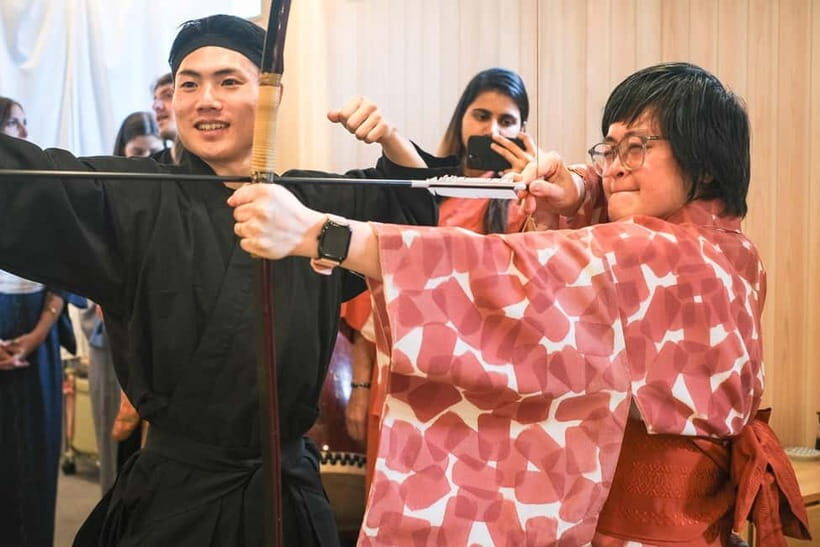
- Hakamas fitted for many heights so you don’t feel left out if you’re not a standard size
- Kyudo archery taught with a traditional Japanese bow style, not Western “point and shoot”
- Katana pose + grip coaching focused on how to hold the sword and stand correctly
- Rank mini-game for samurai history that keeps the session from feeling like a school class
- Lots of photos and video support, so you leave with real keepsakes
- English-first, bilingual staff help so you can follow along without guessing
More blades, bows and dojo hours
- Tokyo: Samurai Ninja Museum Guided tour and Experience★ 4.6 · 1,010 reviews
- Tokyo: Samurai Sword & Archery Class from Samurai Descendant★ 5.0 · 603 reviews
- Best Samurai Experience in Tokyo★ 5.0 · 458 reviews
From hakama outfit to “samurai rank” energy in Asakusa
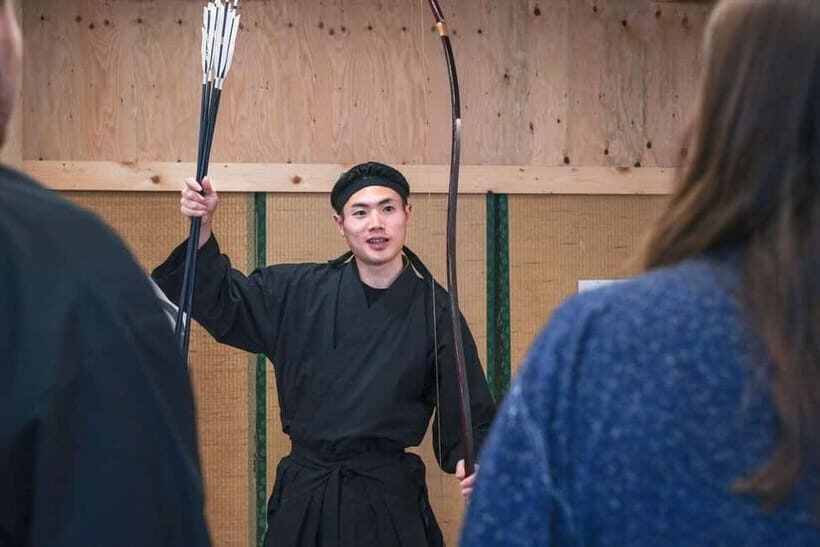
Asakusa already feels like the kind of place where old stories still matter. This experience adds a short, structured dose of that atmosphere—without requiring any prior skills or special background.
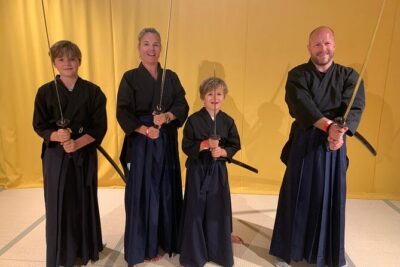
You start by stepping into the hakama set. The nice detail here is that they have lots of different heights and sizes, so you’re not stuck wearing something that doesn’t fit. For photos, that matters. For comfort, it matters too.
Once you’re dressed, the session turns practical. There’s a brief history-and-tradition intro, and then you play a mini-game designed to determine your samurai rank. It’s not random entertainment—you’re learning the “why” of the martial arts alongside the “how,” and the game format helps it stick without forcing you to sit still and memorize.
Then you move from story mode to competition mode. You compete with friends for positions tied to the shogun/general theme, using kyudo archery. It’s friendly rivalry, but it also gives you a reason to concentrate instead of just “trying once.”
Why kyudo feels different from Western archery
Kyudo (Japanese archery) is one of those things people think they understand until they see it properly taught. In a single session, you’ll notice the core difference right away: it’s not just about aiming a target. It’s about the whole process—how you hold the bow, how you set your stance, and how your motion connects from start to finish.
You’ll use a traditional Japanese bow during training. The goal isn’t to turn you into an expert archer. The goal is to help you feel what kyudo is trying to do, so your shot isn’t a disconnected action.
And this matters for your expectations. If you go in thinking you’ll just fire arrows and be done, you might feel like you’re missing something. If you go in ready to learn the rhythm of the technique, you’ll enjoy the session more. The coaching and the structured practice time help you get that rhythm quickly.
Also, kyudo is a bit calmer than you might expect from the “samurai” theme. It’s intense in focus, not in chaos. That makes it work well for first-timers, including kids and young adults.
Katana basics: stance, grip, and the look of power
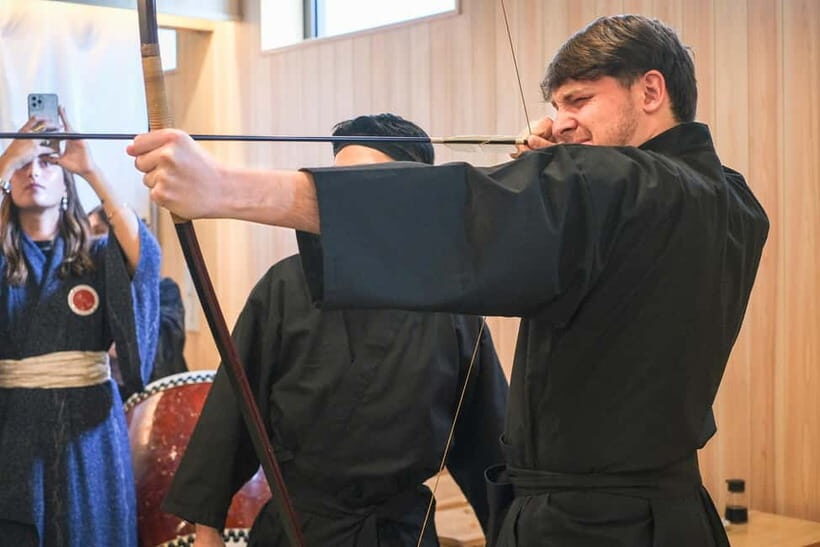
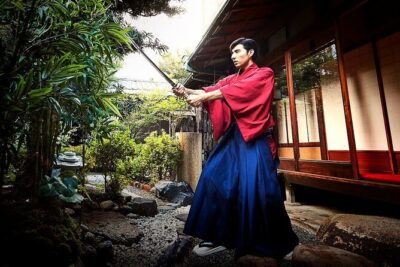
After the bow practice, the session shifts into katana technique. You’ll learn the pose and the proper way of holding a single-edged sword (katana). This is one of the most photo-worthy parts—because it’s not just about holding something heavy, it’s about looking right and feeling stable.
Here’s the practical side: sword basics can be awkward when you’re new. That’s why coaching on posture and grip position is the difference between a decent souvenir pose and an actually solid stance you can hold for a moment without tensing up too much.
This is also where the “strongest samurai” theme makes sense. They guide you on the form, and staff support helps you correct the little things. The result is that you’ll leave with a pose that looks believable on camera, not just a random arm position.
And if you’re wondering how intense sword practice feels: in a 1-hour format like this, it stays instructional and safe. You’re learning technique and presentation, not doing live combat or advanced sword drills.
The staff touch: Coach Mori’s patience and Joe’s instruction style
A huge part of this experience is the human factor. Reviews you’ll hear from other visitors often mention the staff as a standout. In real terms, that means you get coaching that adjusts to your level instead of talking over you.
Coach Mori is specifically known for being fun and patient. That’s a big deal for first-timers, because the hardest part of learning archery or sword posture isn’t strength—it’s coordination and confidence.
Instructor Joe is mentioned as friendly and instructive, with a style that works well for kids and young adults. That’s what you want. You want someone who can keep the pace up without turning it into a frustrating test.
Bilingual staff are also part of the package. Explanations are adapted to your English level, which makes a difference when you’re learning something technical like bow movement and sword grip.
The staff also help with photos and video. That removes the hassle of asking strangers to take pictures or losing time trying to find a good angle yourself. In a short experience, that kind of support is pure value.





Snacks, clothing changes, and why comfort affects the whole hour
This isn’t just training gear and a bow. Traditional clothes and Japanese snacks are included, which keeps the experience from feeling like a pure workout.
The snack break is small, but it helps you reset. It’s also a nice cultural touch—because you’re not only learning “samurai” with weapons; you’re living it briefly as a full set: outfit, practice, and simple food.
Comfort matters too. Wear comfortable shoes and clothes. You’ll be standing for parts of the session while adjusting posture, and you’ll likely do repeated motions. Flexible clothing means you can focus on form instead of fighting your outfit.
If you’re doing this with family, comfort also helps the kids stay engaged. A session that fits into daily energy levels beats one that tries to impress you through strict endurance.
The mini-game that teaches history without slowing you down
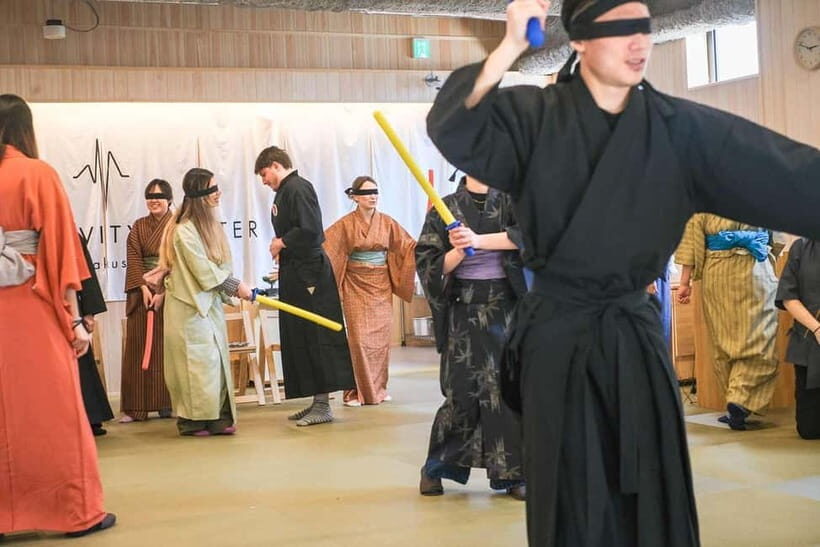
One clever element is the history mini-game used to determine your samurai rank. You’re learning the background of samurai traditions, but you do it through play.
This helps for two reasons. First, it makes the history feel relevant to what you’re doing—kyudo and sword technique are not random “props.” Second, it gives you a reason to pay attention in the intro phase.
You also get a shogun/general-style competitive framing. In other words, you’re not just practicing technique in a vacuum. You’re “playing the role,” and that turns concentration up a notch.
If you’re traveling with people who usually complain when tours become too lecture-heavy, this kind of structure helps. It keeps everyone moving and involved.
Meeting in Asakusa: finding the Heiwa Building quickly
The meeting point is in Taito-ku, Asakusa, at the Heiwa Building (2 Chome 6-11 Heiwa Building). The key tip is simple: take the elevator to the 5th floor.
Arrive about 10 minutes early. That buffer matters when you’re in a busy area and you want to settle before you get dressed.
You don’t need special skills. No prior experience is necessary, and it’s designed to be family-friendly. If you have trouble finding the place, contact the provider rather than wandering around with your outfit half-ready.
How this fits your Tokyo itinerary (and who it suits best)
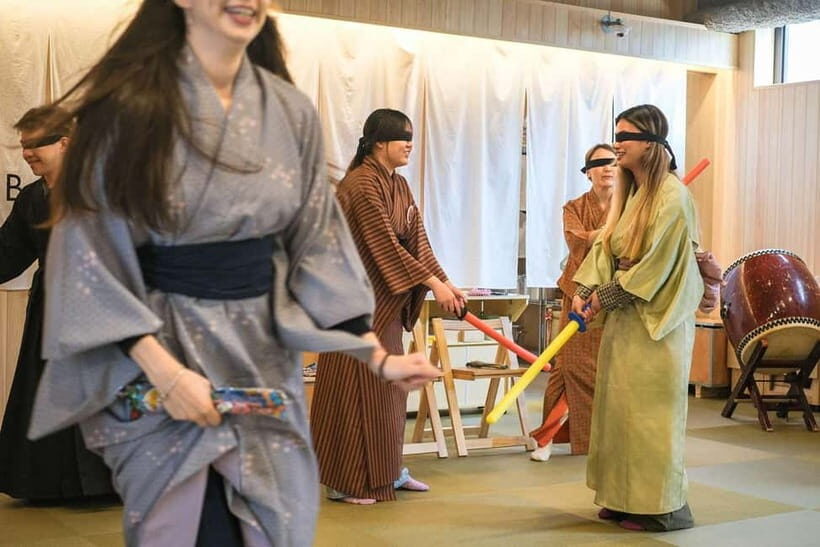
This is a short, focused activity: 1 hour. That makes it easy to slot into a day of Asakusa sightseeing without turning your schedule into math.
I’d pair it with nearby cultural stops, market strolls, or shopping time after you finish. One reason: you’ll likely want a little free time to rest your legs, process your photos, and grab a snack or two on your own.
Who should book it?
- First-timers who want real instruction, not a “look and pose” demo
- Families with kids or teens who like interactive activities
- Travelers who want a different side of Japanese culture beyond temples and shopping
- Anyone who likes photos and wants professional-looking results from staff guidance
Who might hesitate?
- People who dislike being in guided groups for a short, active session
- Anyone with mobility challenges who needs extra planning around standing and movement (the experience is listed as wheelchair accessible, but you should still plan based on comfort)
Price and value: is $96 worth your time?
At $96 per person for a 1-hour session, the value comes from what’s included. You’re not just paying for access. You get:
- the traditional tools (bow and katana) used for training
- traditional clothing (hakama set)
- Japanese snacks
- bilingual staff support in English
- lots of photos and help capturing them
For Tokyo, you’re basically paying for a complete package: instruction + cultural dressing + equipment + guided photo coverage. If you were to book each piece separately—photo help, a guided workshop, and equipment—costs can climb quickly. Here, the bundled format makes the price easier to justify.
Also, the learning curve matters. You’ll get coached form and technique basics. That’s why this isn’t just a novelty. You leave with skills you can actually reenact as a confident pose.
Tips to get the best “samurai” results on the day
Keep your expectations realistic: you’re learning in an hour. Your goal is to understand the basics and get your form right enough to look and feel strong.
Bring comfy shoes and clothes. You’ll get more out of the session when you’re not distracted by discomfort.
Arrive early. Then you can focus on learning instead of rushing through the outfit change.
If the staff mention Asakusa ideas, take them up on it. One review notes they gave good tips on other experiences and shopping. That’s exactly the kind of local help that makes a Tokyo day smoother.
Finally, lean into the photos. Let staff guide you. When they help, the shots come out better because they know the angles and timing that work with the poses you’re being taught.
Should you book this Kyudo and Katana experience?
Yes—if you want a short, hands-on samurai-themed activity in Asakusa that goes beyond cosplay. The biggest strengths are the supportive instruction (Coach Mori’s patience and Joe’s friendly guidance), the fact that kyudo and katana are taught as real techniques, and the photo support that helps you capture what you learned.
I’d especially recommend it for beginners and families, since no prior experience is needed and the pacing is designed to keep things fun. If you’re looking for an authentic cultural workshop with real guidance, this is a strong fit for a Tokyo itinerary.
FAQ
FAQ
How long is the Tokyo Samurai Experience?
The experience lasts 1 hour.
How much does it cost?
It costs $96 per person.
Where is the meeting point in Asakusa?
You meet in Tokyo, Taito-ku, Asakusa at 2 Chome 6-11 Heiwa Building. Take the elevator to the 5th floor.
What’s included in the experience?
You get use of a traditional Japanese bow and a katana, traditional clothes (hakama set), Japanese snacks, and bilingual staff.
Do I need any prior experience with kyudo or swords?
No. No prior experience is necessary.
What languages are used during the training?
The instruction is in English, with bilingual staff support.
Is it family-friendly?
Yes, it’s family-friendly.
What should I bring?
Bring comfortable shoes and comfortable clothes.
Is the experience wheelchair accessible?
Yes, it is listed as wheelchair accessible.
Is alcohol allowed?
No, alcohol and drugs are not allowed.
More Tour Reviews in Tokyo



The Way of the Sword, Continued

Fresh reviews from around Tokyo






Samurai & Ninja Experiences, compared.
 ★ 4.6Samurai Ninja Museum Guided tour and ExperienceFrom $271,010 reviews
 ★ 5.0Samurai Sword & Archery Class from Samurai DescendantFrom $193603 reviews
 ★ 5.0Best Samurai Experience in TokyoFrom $65458 reviews
 ★ 5.0Ninja Experience (Family Friendly) at Samurai Ninja Museum TOKYOFrom $47441 reviews
 ★ 4.6Samurai Entertainment Night Show in Kanda ShrineFrom $41417 reviews
 ★ 5.0Tokyo Sword Experience – includes Museum Ticket/Ninja ExperienceFrom $84314 reviews
 ★ 4.8Samurai Ninja Museum Asakusa: Samurai Sword Lesson & TourFrom $63306 reviews
 ★ 5.0Samurai Sword Experience (Family Friendly)at SAMURAI MUSEUM TOKYOFrom $65168 reviews
Browse the lists this tour appears in