
Reviewed · SAMURAI & NINJA EXPERIENCES
Samurai Experience – Learn Bushido through Kendo, in Tokyo
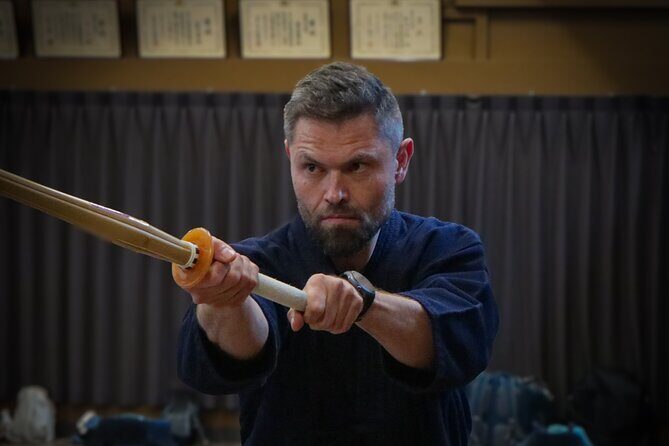
Kendo in Tokyo turned out to be serious, not staged. In a small-group class near Tokyo Station, I’d thought I’d just try a sword workout. What I got instead was a structured lesson on Bushido through etiquette and technique, ending with sparring plus an instructor demonstration.
I especially liked how the training starts without rushing you to swing. You move through Rei (respect/bowing), then the three core ideas—Ki, Tai, Ken—before you ever handle the shinai in a more complete way.
The main consideration: this isn’t a passive “watch and take photos” experience. You’ll be moving and wearing protective gear for parts of the session, so if heat or intense physical effort bugs you, plan accordingly.
In This Review
- Key things that make this kendo class different
- Entering the dojo: why this feels more Samurai than tourist show
- The 2-hour flow: bowing, Ki–Tai–Ken, then match-ready kendo
- Rei (bowing) and etiquette: the respect lesson you can actually feel
- Ki, Tai, Ken, and Ki-Ken-Tai-Itchi: how the course teaches one “samurai strike”
- Getting suited up in kendo attire: what to expect physically
- The final match: controlled sparring with a real sense of pressure
- Who teaches here (and why that matters for beginners)
- Value check: is $103 for 2 hours actually worth it?
- Where it is: easy to plug into a Tokyo itinerary
- Who this is for (and who should skip)
- Should you book this kendo class or look for something else?
- FAQ
- Can I book a private session?
- Will I receive photos or videos after the experience?
- Is the dojo far from central Tokyo?
- What language is the experience taught in?
- Do I need to bring anything?
- I’m not athletic. Can I still join?
- The schedule doesn’t fit. Can I still join?
- Can large groups participate?
Key things that make this kendo class different
- You start with mindset, not the sword: calm, bow, and respect are built into the lesson flow.
- Ki–Tai–Ken gets taught as one system: spirit, body, and sword work together (Ki-Ken-Tai-Itchi).
- Small group pacing (up to 8): you’re not lost in a crowd.
- Sparring plus instructor pressure: the final match can feel intense even for beginners.
- Everything is provided: kendo attire, shinai, drinks, and souvenirs.
- Photos and video after: your team sends the media by email.
More blades, bows and dojo hours
- Tokyo: Samurai Ninja Museum Guided tour and Experience★ 4.6 · 1,010 reviews
- Tokyo: Samurai Sword & Archery Class from Samurai Descendant★ 5.0 · 603 reviews
- Best Samurai Experience in Tokyo★ 5.0 · 458 reviews
Entering the dojo: why this feels more Samurai than tourist show
If you’ve ever felt Tokyo is too polished, too efficient, too easy to consume, this class offers a different angle. The whole vibe is about practice and restraint. You’re there to learn discipline—how to hold yourself—before you try to look cool in armor.
I like that the teaching doesn’t treat kendo like a costume experience. Even when you’re standing there first-time in training gear, the instructors focus on what the movements mean. It’s closer to a short lesson in character than a quick martial-arts demo.
You should also know this is for people who genuinely want Japan’s depth. If you’re in the mood for entertainment-only, you may find it too focused. But if you want meaning, kendo here hits that note fast.
The 2-hour flow: bowing, Ki–Tai–Ken, then match-ready kendo
The session is built like a progression, and that structure helps a beginner succeed. You don’t start with random swings. You start by understanding where kendo’s spirit comes from and how respect shapes every action.
A typical flow looks like this:
- Etiquette and calming down: you bow and steady your mind before training.
- Ki, Tai, Ken: spirit, body, then sword are taught as separate skills at first.
- Ki-Ken-Tai-Itchi: spirit, sword, and body come together into one strike.
- Practice, then application in a match: you put it together against the instructor.
Between segments, you’ll feel the logic. Instead of “learn everything at once,” they build it in steps: stance, footwork, then timing, then the sword motion, then controlled sparring.
Rei (bowing) and etiquette: the respect lesson you can actually feel
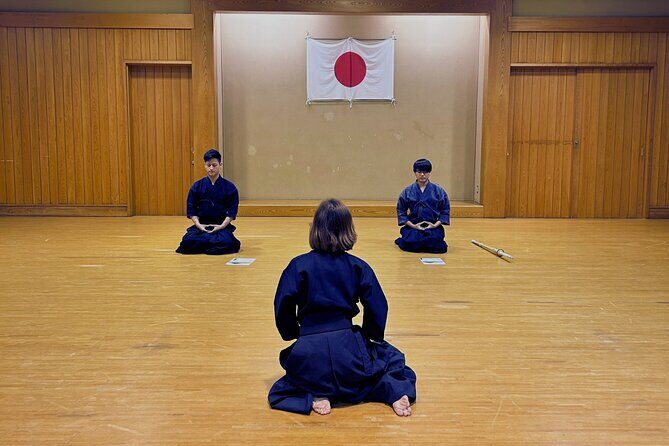
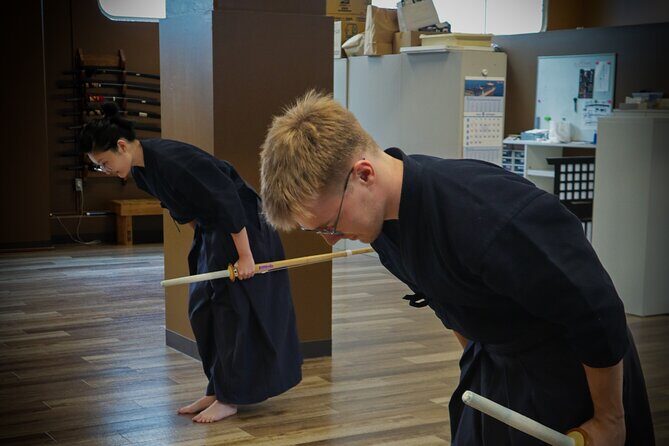
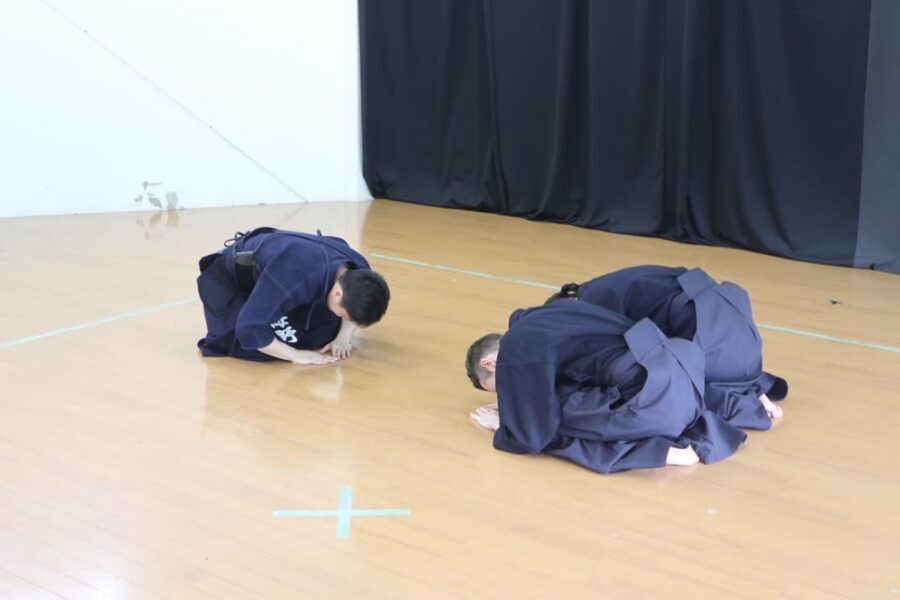
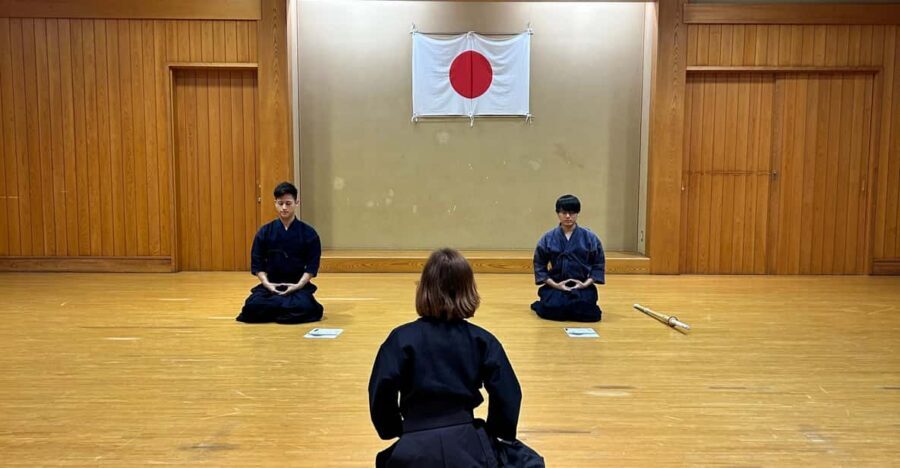
The bow isn’t a performance. You calm your mind, face others with respect, and treat the room like it matters. That sounds abstract until you try it, because the instructor uses it as a reset button for attention.
I like that you’re taught to use Rei as a way to switch modes. Before you train, you’re not thinking about your phone or your next train connection. You’re thinking about how you carry yourself around other people.
You’ll also notice the etiquette shows up again at the end. After training together, everyone bows once more, and that final moment is part of the lesson, not an afterthought. It’s a small detail that changes how the whole experience lands.
Ki, Tai, Ken, and Ki-Ken-Tai-Itchi: how the course teaches one “samurai strike”
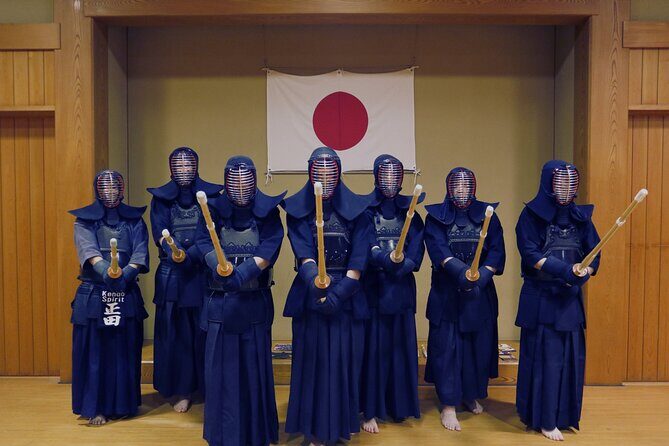
This is the part that makes the class more than just learning moves. The instructors frame kendo around three core pieces:
Ki (spirit)
You learn how samurai express presence and fighting spirit, not through anger, but through focused intent. The goal isn’t to look aggressive. It’s to control yourself so your action is clear.
Tai (body)
You practice traditional footwork that keeps you grounded and balanced. That matters because good kendo isn’t about flailing. It’s about staying stable while you move.
Ken (sword)
Only after the mindset and body basics do you learn how to hold the sword and swing with purpose.
Then comes the “connect it all” principle: Ki-Ken-Tai-Itchi, where spirit, sword, and body work together as one unit. That’s the foundation of a true strike. You can feel the difference when your motion finally stops being separate actions and starts looking like one coordinated response.





Getting suited up in kendo attire: what to expect physically
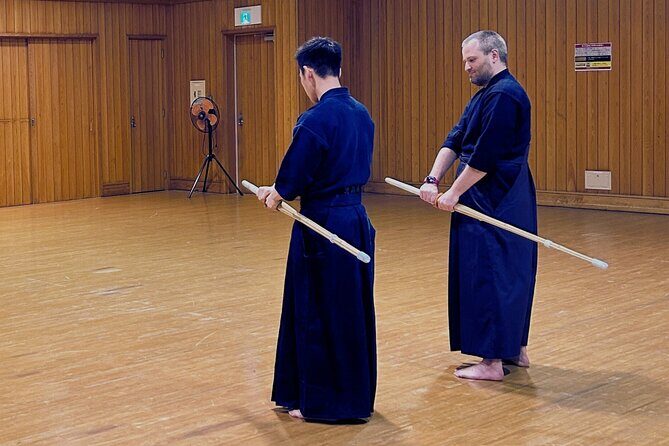
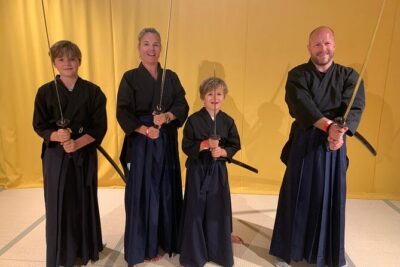
You don’t have to bring anything. The class provides your kendo attire and a bamboo sword (shinai), plus drinks during the session.
In practice, you’ll also spend time in protective gear for sparring and the end training segments. If you’re picturing a casual warmup, adjust that expectation. Multiple participants have described it as a real workout—so wear clothes you’re comfortable moving in, and plan for some sweat.
One small planning tip: if you dislike heat, take your breaks seriously. The session includes rest periods and cold water, but the gear and intensity can make things warm.
The final match: controlled sparring with a real sense of pressure
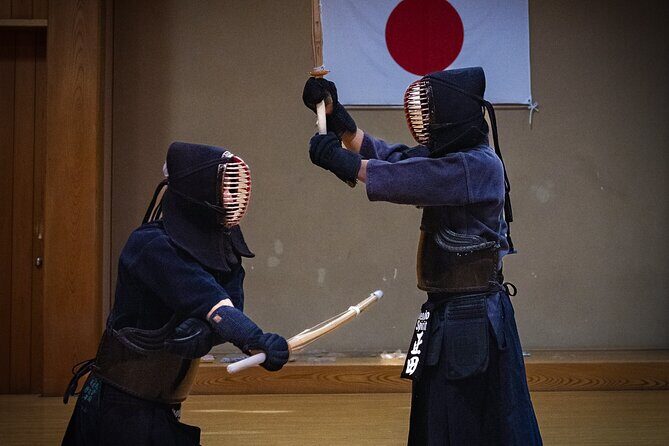
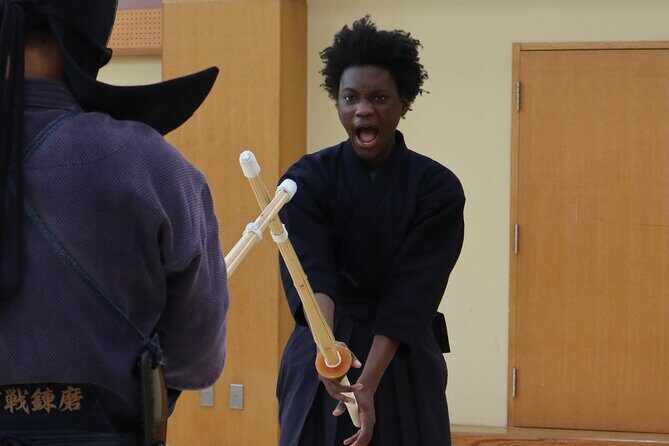
The ending is the point where theory meets contact. You practice in a more real format with a kendo match component, and the instructors can run the pressure close enough that you feel it, even if you’re brand new.
This isn’t reckless. It’s structured. You’ll get instruction, then application. And yes, some people do end up freezing for a second when the moment gets real—because your brain knows you’re not just rehearsing.
I also like that there’s a demonstration element. You watch an intense match between instructors to understand timing, control, and how quickly everything can snap into place when both sides know what they’re doing. It’s not entertainment fluff; it’s a live example of what the earlier steps are supposed to create.
Who teaches here (and why that matters for beginners)
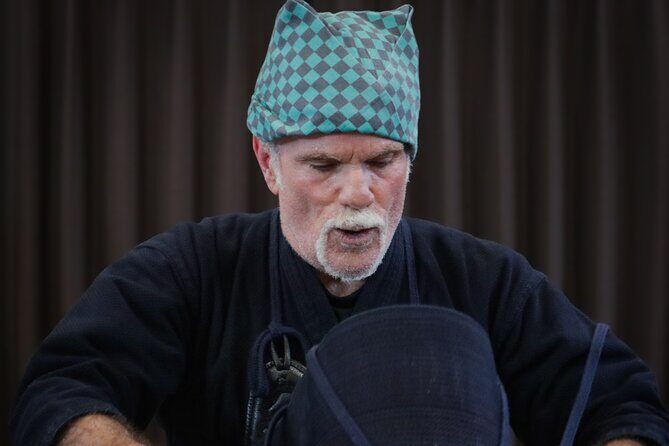
The instruction team includes Daichi and Makoto (also referred to as master in session). You’ll be guided in English, with Japanese support as needed, and you can ask questions during the class.
That English-friendly structure matters. Kendo has lots of small terms—how you bow, how you draw or handle the sword motion, how you position your feet. Having clear instruction in English means you spend your effort on learning, not guessing.
From what I’ve seen in this type of setting, beginners usually struggle with coordination and nerves. A patient instructor who breaks things into steps is the difference between “I tried” and “I learned something I can repeat later.”
Value check: is $103 for 2 hours actually worth it?
For $103 per person, you’re paying for a complete mini-taster that’s built around real technique, not a photo op. The package includes:
- 2-hour kendo experience
- Kendo attire
- Shinai (bamboo sword)
- Drinks
- Souvenirs
- Photos and videos sent by email after the experience
The big value is that you get coaching plus equipment. In Tokyo, if you’ve ever looked at renting gear and finding a place to practice, costs add up fast. Here, they handle the equipment and structure so you can focus on learning.
Another “hidden” value: small group size (limited to 8 participants). Smaller groups generally mean you get corrected faster and feel safer stepping into sparring. If you’re the type who learns best with attention, that’s worth something.
One more note: some participants have mentioned receiving a photo certificate as an extra keepsake. Even if you don’t treat that as guaranteed, the class clearly aims to document your experience in a respectful way.
Where it is: easy to plug into a Tokyo itinerary
Good location is underrated. This dojo is within about 15 minutes of Tokyo Station, which makes it workable even on a packed day.
For planning, treat it like a serious appointment: go a little early, settle in, and don’t stack too many time-sensitive activities back-to-back. Once you’re in gear and training starts, you won’t be thinking about trains.
If you’re staying near Tokyo Station or central areas, you can usually fit this between sightseeing blocks without feeling like you’re commuting across the entire city.
Who this is for (and who should skip)
This experience is built for people who want Japan beyond surface-level “sights.” It’s ideal if you value discipline and respect, and you want to experience the mindset through your body.
It also works if you’re not athletic. The group is paced for beginners, and you don’t need prior kendo experience.
That said, there are clear limits:
- Not suitable for pregnant women
- Not suitable for babies under 1 year
- Not suitable for people over 95 years
Also note the basic rules: no alcohol and no drugs during the experience. This is about focus and safety in training.
Finally, if you’re sensitive to intensity, plan your expectations. Sparring and demonstrations mean you’re not just watching quietly.
Should you book this kendo class or look for something else?
Book it if you want an authentic, structured taste of Bushido that you feel in your stance, your timing, and your manners. This class is one of the best “Japan-with-meaning” activities because it doesn’t try to sell you an idea of samurai. It teaches the discipline behind the idea.
Consider skipping if you’re truly looking for a relaxed, low-effort cultural activity. This is an active 2 hours with real physical work and a match component.
If you’re on the fence, here’s the practical test: Are you willing to follow instructions, bow properly, and be corrected as you learn? If yes, you’ll likely leave with more than a souvenir. You’ll leave with a new way to understand respect—and a technique you can try again later.
FAQ
Can I book a private session?
Yes. Before payment, add Exclusive Private Session (one add-on per group). Private sessions are only available on dates that still show 8 available spots.
Will I receive photos or videos after the experience?
Yes. The team takes photos and videos during the experience, and they send the data to you by email afterward.
Is the dojo far from central Tokyo?
No. The dojo is located within approximately 15 minutes of Tokyo Station.
What language is the experience taught in?
The experience is conducted in English. You can always ask questions during the session.
Do I need to bring anything?
Nothing at all. All equipment is provided, including the kendo attire and bamboo sword.
I’m not athletic. Can I still join?
Yes. Most participants are beginners with no prior martial arts experience, and the group size is kept small with instruction paced carefully.
The schedule doesn’t fit. Can I still join?
They may be able to arrange a session outside the listed dates. Contact them to ask.
Can large groups participate?
Yes. Large groups can be arranged, but you should contact them in advance.
More Tour Reviews in Tokyo



The Way of the Sword, Continued

Fresh reviews from around Tokyo






Samurai & Ninja Experiences, compared.
 ★ 4.6Samurai Ninja Museum Guided tour and ExperienceFrom $271,010 reviews
 ★ 5.0Samurai Sword & Archery Class from Samurai DescendantFrom $193603 reviews
 ★ 5.0Best Samurai Experience in TokyoFrom $65458 reviews
 ★ 5.0Ninja Experience (Family Friendly) at Samurai Ninja Museum TOKYOFrom $47441 reviews
 ★ 4.6Samurai Entertainment Night Show in Kanda ShrineFrom $41417 reviews
 ★ 5.0Tokyo Sword Experience – includes Museum Ticket/Ninja ExperienceFrom $84314 reviews
 ★ 4.8Samurai Ninja Museum Asakusa: Samurai Sword Lesson & TourFrom $63306 reviews
 ★ 5.0Samurai Sword Experience (Family Friendly)at SAMURAI MUSEUM TOKYOFrom $65168 reviews
Browse the lists this tour appears in