
Reviewed · WALKING TOURS
Tokyo: Private Walking Tour With Fresh Eyes, Local Hearts
Tokyo feels different with a local by your side. The big idea here is a private walk with fresh eyes, built around what you want to see and how much time you have. You’ll meet your guide, then they work with you ahead of time to shape the route to match your interests and schedule.
I especially like the custom itinerary. Guides plan the day with you before you go, and the process includes checking what you care about so the walk stops feel purposeful, not random. I also like the way the tour blends classic stops (like Shibuya, Meiji Shrine, Asakusa, and Akihabara) with practical city sense you can use immediately.
One possible drawback: this is built on walking plus public transportation, so you’ll want comfy shoes and a realistic attitude toward moving all day (especially on longer options). Also, because time is limited, your meeting point may be designated in a key area like Shibuya, Shinjuku, or Tsukiji unless you choose optional hotel pickup.
In This Review
- Key points at a glance
- Why a private Tokyo walk beats a big group tour
- Picking the right time block: 1, 2, 4, 6, or 8 hours
- How the guide designs your route around you
- The walk itself: what each stop is for
- Imperial Palace area: start with a classic Tokyo anchor
- Tsukiji Outer Market: learn by seeing the food-and-street energy
- Shibuya Crossing: the instant recognition moment
- Meiji Shrine: slow down for a cultural reset
- Asakusa: culture center plus shrine atmosphere
- Shinjuku: big-city variety in one place
- Golden Gai: small alleys, big storytelling potential
- Akihabara and Super Potato: your tech-and-pop-culture side
- Gardens around the city: Hama-rikyū and Kiyosumi
- More garden picks: Koishikawa Kōrakuen and Rikugien
- Yoyogi Park: park time without leaving Tokyo’s core
- Takeshita Street: fast-moving youth culture energy
- Nezu Shrine and Nezu Museum: a calmer, more artsy pairing
- Tokyo Tower and Zojo-ji Temple: skyline icon plus a temple close by
- Ueno Park, Ameyoko, and Toshogu Shrine: a three-part neighborhood story
- Gotokuji and Kanda Shrine: add more temple and shrine texture
- Transportation, pace, and how to avoid end-of-day fatigue
- Value and what you’re really paying for at $25
- Who this tour is best for
- Should you book it?
- FAQ
- How long is the Tokyo private walking tour?
- What’s included in the price?
- Is hotel pickup available?
- What language will the guide speak?
- Does the tour involve transportation costs?
- Can I cancel for a refund?
Key points at a glance
- Private group, private attention: only your group comes along.
- Pick your length: options run from 1 to 8 hours.
- Guide-led personalization: your route is designed around your interests and schedule.
- Classic Tokyo plus local neighborhoods: shrines, temples, markets, and major districts.
- English or Japanese: live guide language options are available.
- Hotel pickup available: the guide can pick you up from your hotel or another requested spot.
Tokyo at walking pace, a few more ways
- Tokyo Tsukiji Fish Market Food and Culture Walking Tour★ 5.0 · 3,184 reviews
- Tokyo: Shinjuku Local Bar and Izakaya Guided Walking Tour★ 4.9 · 1,794 reviews
- Tokyo: Tsukiji Fish Market Food and Walking tour★ 5.0 · 1,724 reviews
Why a private Tokyo walk beats a big group tour
Tokyo can feel like a puzzle when you’re doing it alone. This tour keeps the puzzle small by letting a local guide steer. You’re not just checking boxes; you’re learning how to read the city as you walk through it.
I like that the day is flexible enough to match different travel styles. If you want a shrine and temple day, you can lean that way. If you want iconic neighborhoods, you can structure the time around places like Shibuya Crossing or Tsukiji Outer Market.
And the guide interaction matters. In the past, guides like Toko and Momo have been praised for being quick to respond with itinerary ideas and for bringing the culture to life through stories. That’s not a small thing on your first days in Japan.
Picking the right time block: 1, 2, 4, 6, or 8 hours
The tour lengths give you real control. A shorter option works when you want a quick orientation and a handful of high-impact stops. A longer option is better when you want the walk to slow down and include more neighborhoods.
Here’s the practical way to choose:
- If you’re tight on time, go for a short route that hits a few major districts.
- If it’s your first day, choose a longer walk so you can get both sights and city skills.
- If you already know your must-sees, use the custom flexibility to connect them in a logical order.
Longer tours can include gardens and multiple districts, so the day becomes a full Tokyo sample platter. Just remember: you’re walking and using public transportation, and the itinerary is meant to keep moving.
How the guide designs your route around you
After booking, your guide will contact you ahead of time (within about two weeks) to talk through your interests and schedule. That matters because Tokyo has too many good choices. Without a plan, you end up making stressful last-minute decisions.
In real terms, personalization can mean:
- emphasizing temples and shrines if that’s your interest
- focusing on specific areas like Asakusa, Shinjuku, or Ueno
- adjusting the mix so you’re not bouncing across the city every few minutes
You’ll also feel the guide’s confidence in how they handle logistics. One guide, Toko, was specifically praised for helping a first-time visitor understand the train system basics and how to get around major neighborhoods. That kind of guidance is useful beyond the tour day.
The walk itself: what each stop is for
Tokyo’s layout is easier to understand when you see it in layers. This tour naturally mixes “big signposts” with quieter cultural spaces, so you get both orientation and meaning.
Below is the stop list you can encounter depending on your chosen route. Not every option includes every stop, but this is the core set of places your guide can plug into your day.
More private options with your own guide



Imperial Palace area: start with a classic Tokyo anchor
You’ll visit Tokyo Imperial Palace as part of the guided walking route. This is a strong opener because it gives you a clear sense of where major Tokyo landmarks sit and how the city’s identity shows up in government-centered spaces.
If you prefer a calm beginning, this can set a steady tone before the busier districts. The main drawback is simply time: if you pick a very short tour, the day may feel like a series of brief introductions rather than lingering.
Tsukiji Outer Market: learn by seeing the food-and-street energy
Tsukiji Outer Market is included on many itineraries as a guided stop. It’s a practical choice because it shows everyday Tokyo life in a concentrated area, and it’s the kind of place where signage, rhythm, and local habits make sense once someone explains what you’re looking at.
Meals and drinks are not included, so plan to buy your own snack or water along the way. That can actually be a plus: you control what you eat and when, instead of getting rushed by a fixed meal schedule.
Shibuya Crossing: the instant recognition moment
Shibuya Crossing is one of the best-known city icons, and this tour treats it like more than a photo stop. Your guide can help you understand how the area functions as a hub, so when you return later, it feels less like chaos and more like a system.
If you prefer quiet corners over crowds, you can still use this stop as a quick orientation. The consideration is that it’s an iconic place, so you’ll likely be spending less time slowly exploring and more time absorbing the flow.
Meiji Shrine: slow down for a cultural reset
Meiji Shrine gives you a break from the busy-shopping-district feel. Even if your day is packed, a shrine visit works as a mental gear shift.
This stop is especially good if you want the tour to include cultural context, not only city landmarks. The tradeoff is straightforward: it takes time on foot, so shorter tours may only have room for a single cultural anchor.
Asakusa: culture center plus shrine atmosphere
Asakusa can be built into your route through two related stops: the Asakusa Culture Tourist Information Center and Asakusa Shrine. The information center stop is useful because it helps you get your bearings and understand what you’re looking at as you move through the area.
Then the shrine adds the emotional and spiritual side of Tokyo that you don’t get from looking at districts alone. This section is ideal if you want a day that feels both historic and everyday.
Shinjuku: big-city variety in one place
Shinjuku shows up as a flexible neighborhood stop, and it’s often paired with other Shinjuku options. You might also see Shinjuku Gyoen National Garden on certain routes, which adds a different pace to the day.
Shinjuku Gyoen is a garden stop option, and that contrast can be valuable if you’re starting to feel “district fatigue.” If you’re on a shorter tour, Shinjuku can work as a one-stop highlight. If you’re on a longer tour, you’ll probably appreciate the built-in breaks.
Golden Gai: small alleys, big storytelling potential
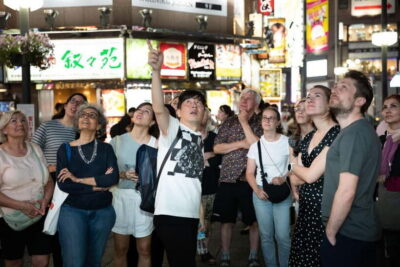
Golden Gai is included as a guided stop on some routes. This is the kind of place where details matter more than size, and a guide helps you understand what makes the area feel distinct within Shinjuku.
If you don’t like planning around narrow streets and small spaces, you can ask your guide to adjust time there. It’s a good stop for people who like atmosphere and micro-neighborhoods.
Akihabara and Super Potato: your tech-and-pop-culture side
Akihabara is on the list, and Super Potato Akihabara can be added for extra pop-culture focus. This combo fits travelers who enjoy exploring how Tokyo expresses modern hobbies and shopping culture.
This segment also tends to work well in shorter tours because it’s easy to recognize what you’re there for. The main consideration is personal taste: if you’re not drawn to electronics or gaming-style shopping, you may prefer swapping time with gardens or shrines.
Gardens around the city: Hama-rikyū and Kiyosumi
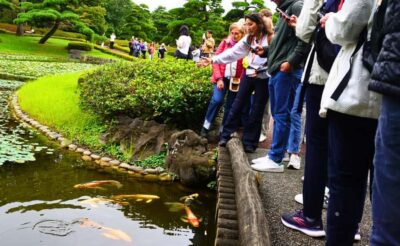
Hama-rikyū Gardens and Kiyosumi Gardens can appear on longer options. Garden stops are a strong antidote to the nonstop movement of districts, and they often make the day feel balanced.
Because meals and transport fees aren’t included, gardens can also be a good “breather” where you can recharge and simply walk slowly. The drawback is that garden time can take up a lot of your route slots if you only booked a short duration.
More garden picks: Koishikawa Kōrakuen and Rikugien
Koishikawa Kōrakuen and Rikugien are additional garden options that can show up depending on your selected tour length and preferences. If you love green spaces, these stops help you build a garden-themed Tokyo day instead of scattering your time randomly.
If you’re unsure, it’s smart to tell your guide how you feel about walking in calm areas versus busy neighborhoods. That single preference can change how satisfying the day feels.
Yoyogi Park: park time without leaving Tokyo’s core
Yoyogi Park can be included as another break in the rhythm. It helps stretch your schedule so you can see parts of Tokyo that are less about shopping streets and more about open-air space.
This is especially useful if your itinerary includes heavy district time like Shibuya, Harajuku-style streets, or Akihabara. The only “watch out” is that short tours might not have space for both major districts and extra park stops.
Takeshita Street: fast-moving youth culture energy
Takeshita Street appears as a guided stop option. It’s a location that instantly signals the style-and-youth-culture side of Tokyo.
This is great if you want a recognizable street experience. If you get tired by constant foot traffic, treat it as a quick look and then move on with your guide rather than forcing extra browsing.
Nezu Shrine and Nezu Museum: a calmer, more artsy pairing
Nezu Shrine and Nezu Museum can be included together on certain routes. The pairing gives you both a religious landmark and an arts-minded stop, which can make the day feel more layered than just hopping between districts.
If museums are your thing, this could be a high satisfaction choice. If you’re museum-shy, you can ask your guide to keep that time tighter.
Tokyo Tower and Zojo-ji Temple: skyline icon plus a temple close by
Tokyo Tower is included as a guided sightseeing stop, and Zojo-ji Temple appears as another key cultural stop option. This pairing can work well because it links a modern skyline icon with a nearby temple experience, so your Tokyo snapshot feels both old and new.
A practical consideration: skyline viewpoints and cultural sites both take time, so fit them to your tour length. On shorter routes, you may enjoy them more as highlights than as deep stays.
Ueno Park, Ameyoko, and Toshogu Shrine: a three-part neighborhood story
Ueno Park can open the area, and Ueno Ameyoko Shopping Street adds street-level life. Ueno Toshogu Shrine rounds out the cultural side.
This stretch is excellent if you like variety in one region. You get a park space option, a market/shopping vibe, and a shrine element that changes the mood of the day. The only downside is that it’s easy to feel rushed if you’re not paying attention to breaks.
Gotokuji and Kanda Shrine: add more temple and shrine texture
Gotokuji temple and Kanda Shrine are both included as guided stops options. These give you more chance to see how Tokyo’s spiritual landmarks show up across different neighborhoods.
If you want to lean into shrine/temple time, these are good additions. If you prefer district icons only, keep them for longer tours.
Transportation, pace, and how to avoid end-of-day fatigue
The tour uses walking and public transportation. That’s a big part of the value because it teaches you how to move, not just where to stand.
Hotel pickup is included, and pickup is optional. If you don’t want to meet at a designated point, you can ask the guide to pick you up from your hotel or another requested location. Otherwise, the meeting point is designated in one of the areas you’re most interested in, such as Shibuya, Shinjuku, or Tsukiji.
My advice: plan your day around the tour. Keep dinner simple afterward. Tokyo can be tiring when you’re moving constantly, even if the guide makes it smoother.
Value and what you’re really paying for at $25
At $25 per person, the pricing feels aimed at making a private guide accessible. And what makes it feel like value is that you get personalization plus a live local guide, not just a pre-set route.
Also consider what’s not included. Meals and drinks are on you, and transportation fees aren’t included. But the big included items—private group time, local guidance, tour customization, and guided walking—are the parts that most affect your experience.
If you’re traveling as a small group, a private format can reduce wasted time. You spend less time figuring out how to get there and more time seeing Tokyo in a way that makes sense.
Who this tour is best for
This tour fits especially well if you:
- are in Tokyo for a short trip and want efficient sightseeing
- want temples, shrines, and neighborhoods without picking a confusing route on your own
- like the idea of a guide who can adapt the plan to your interests
It’s also a good first-day option because guides have experience helping people understand transportation basics and how to navigate major neighborhoods. If you’re traveling with a family, there’s specific evidence that guides can be accommodating, including bathroom break needs for an infant.
Should you book it?
If you like having a plan that still feels flexible, I’d book this. You get a private local guide, English or Japanese support, and a route that can include everything from Shibuya to Asakusa, from Akihabara to Tokyo Tower, with garden and shrine options as needed.
Choose this tour when you want more than photos and want the day to click into place. If you hate walking or you want a strict, no-questions schedule, you might prefer something more rigid—because this one is built around movement, choice, and your guide’s adjustments.
FAQ
How long is the Tokyo private walking tour?
The tour options are 1, 2, 4, 6, or 8 hours, depending on availability.
What’s included in the price?
Included items are a local guide, guided tour time, tour customization, hotel pickup, and the fact that it’s a private group.
Is hotel pickup available?
Yes. Hotel pickup is included, and pickup can also be arranged from another location you request. If pickup isn’t used, the guide will designate a meeting point in an area like Shibuya, Shinjuku, or Tsukiji.
What language will the guide speak?
The live guide is available in English and Japanese.
Does the tour involve transportation costs?
Transportation fees are not included. The tour does involve walking and public transportation.
Can I cancel for a refund?
Yes. Free cancellation is available up to 24 hours in advance for a full refund.
Tokyo on Foot: More Walks



More Tours in Tokyo




More Tour Reviews in Tokyo




Fresh reviews from around Tokyo






Walking Tours, compared.
 ★ 5.0Tokyo Tsukiji Fish Market Food and Culture Walking TourFrom $993,184 reviews
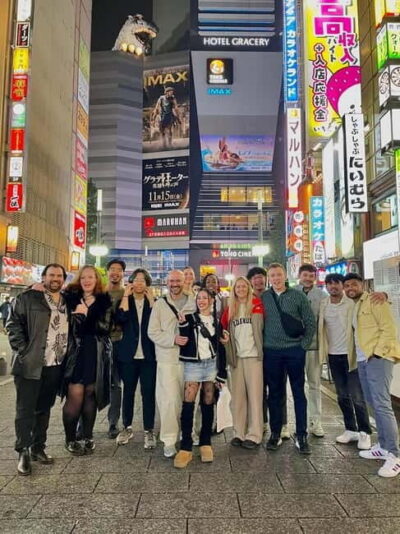 ★ 4.9Shinjuku Local Bar and Izakaya Guided Walking TourFrom $341,794 reviews
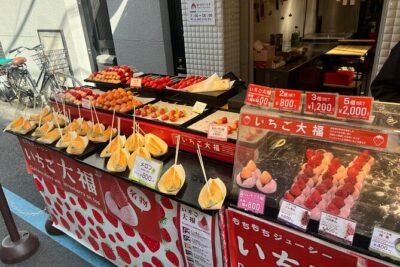 ★ 5.0Tsukiji Fish Market Food and Walking tourFrom $301,724 reviews
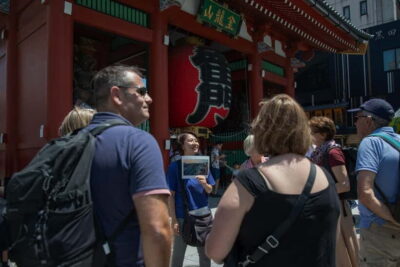 ★ 4.8Asakusa Walking Tour with Sensoji Temple VisitFrom $221,583 reviews
 ★ 4.9Tsukiji Fish Market Guided Walking TourFrom $221,397 reviews
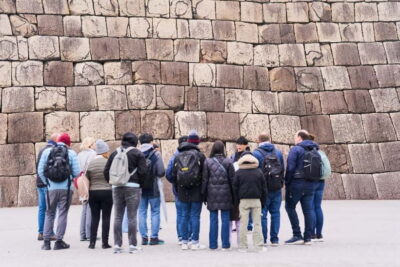 ★ 4.7Tokyo Castle & Imperial PalaceーShogun Walking TourFrom $231,068 reviews
 ★ 4.9Imperial Palace Japanese History Walking TourFrom $32987 reviews
 ★ 4.7Dark Side of Tokyo Shinjuku Red Light Walking TourFrom $29862 reviews
Browse the lists this tour appears in