
Reviewed · WALKING TOURS
Tokyo Private Walking Tour with a Local
Tokyo clicks faster with a local. This private walk is interesting because you can customize your route and get practical, on-the-street advice for how to move through Tokyo like a local. One possible drawback: you need to be very clear about what you want, because at least one guide reportedly didn’t follow a detailed request.
I especially like that the tour focuses on real logistics and local favorites, not just facts in a textbook. I also like the flexibility of 2 to 6 hours and the fact that it’s private, so your pace controls the day. Just keep in mind it’s a walking tour with no transport provided, so comfortable shoes matter.
If you’re starting your trip and want to get your bearings fast, this style of tour can save you hours. And if you already know Tokyo a bit, you can still steer it toward neighborhoods, parks, and eating spots that fit what you actually want to do next.
In This Review
- Key things to know before you go
- What a Lokafy private walking tour really gives you
- Starting near Tokyo Tower and getting your bearings fast
- How your customized route gets built (and how to steer it)
- Walking style in Tokyo: what you’ll actually feel on the route
- Neighborhoods, restaurants locals love, and the “why” behind choices
- Parks and downtime: balancing sights with breathing space
- Ending wherever makes sense (and how to plan your next step)
- Price and value: why $55 can be a smart deal
- Who this tour fits best (and who might want something else)
- Should you book it? My practical take
- FAQ
- How long is the Tokyo private walking tour?
- Where does the tour start?
- Is this tour private or shared?
- Does the tour include food or drinks?
- Are entrance tickets included for attractions?
- Is transportation provided during the tour?
- What weather conditions does the tour run in?
- Can children join the tour?
- Are service animals allowed?
Key things to know before you go
- Tokyo Tower starts the story: meeting near Shibakoen gives you a handy launching point for planning.
- Your route is personalized: tell your guide your interests and desired time length, and expect the plan to shift.
- Pacing is part of the deal: some guides were praised specifically for matching the tempo you want.
- Learning how to get around: at least one guide focused on trains and walking logic, which pays off later.
- Guide support is practical, not a deep history lecture: Lokafy hosts provide a local perspective and everyday guidance.
- One weak spot can be communication: if you want a specific area like Shinjuku, be explicit and repeat priorities.
Tokyo at walking pace, a few more ways
- Tokyo Tsukiji Fish Market Food and Culture Walking Tour★ 5.0 · 3,184 reviews
- Tokyo: Shinjuku Local Bar and Izakaya Guided Walking Tour★ 4.9 · 1,794 reviews
- Tokyo: Tsukiji Fish Market Food and Walking tour★ 5.0 · 1,724 reviews
What a Lokafy private walking tour really gives you
This isn’t a big bus tour with the same stops for everyone. It’s you and your local host moving on foot, with the route shaped by your interests and the time you chose. That one difference matters in Tokyo, where the city feels both huge and hyper-connected. A good guide helps you make smart choices about what to see first, what to skip, and how to get from Point A to Point B without wasting energy.
The other big value is the local angle. Lokafy tours are described as a general overview of Tokyo with practical information from a locals perspective, not an encyclopedic history lesson. That means you’ll get advice aimed at day-to-day travel: how to orient yourself, how neighborhoods connect, and what kind of sights you’ll enjoy based on where you’re walking.
The “private” part also protects your time. If you want a slower walk with more questions, you can do that. If you want to cover more ground and learn how to move through train lines and station areas, you can do that too. In reviews, guides such as Edwardo and Lilian were praised for helping people see a lot while still learning useful transport context, and Romana was noted for adjusting the pace to match what the group wanted.
The caution is simple: because your itinerary is personalized, your expectations need to be clear. One review called out a mismatch between a written request and what the guide did, so don’t rely on vague instructions like a general interest in a neighborhood. Pick the area and list the priorities.
Starting near Tokyo Tower and getting your bearings fast
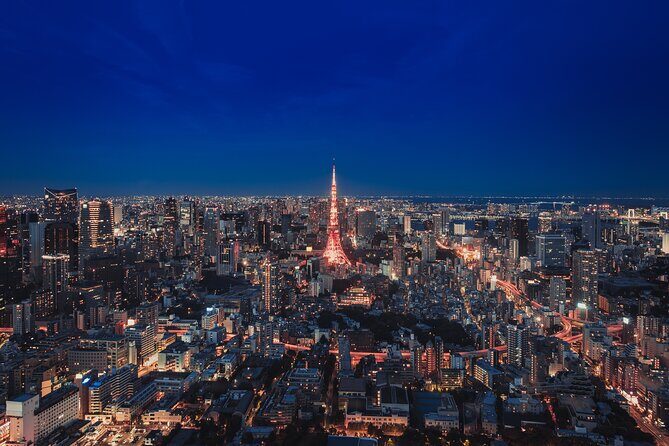
You meet at Tokyo Tower, 4 Chome-3 Shibakoen, Minato City, Tokyo 105-0011. That’s a smart starting point for a first-time Tokyo plan, because you’re in a recognizable area and you can branch out in several directions depending on your interests. It also helps that Tokyo Tower is a landmark you can find even if you’re still getting used to the city.
From the start, the tour’s focus is usually orientation and flow. Expect your local host to point out practical things: which streets feel easiest to walk, how areas differ block to block, and what kind of neighborhoods make sense for your time budget. If you’re the kind of traveler who feels overwhelmed by Tokyo’s scale, this early structure is helpful. In one review, Edwardo was credited with getting people to many spots and explaining a bit about the trains—exactly the kind of support that makes the rest of your trip feel less confusing.
Because the tour length can be 2 to 6 hours, your first hour often sets the tone. In a shorter session, you’ll likely move through a smaller slice of the city with more focus. In a longer session, you can expect a broader route that mixes viewpoints, side streets, and a breather spot.
One drawback to consider: you’re not just sightseeing; you’re walking with intention. If you hate walking or you planned the day around heavy museum time, this may feel more like “getting around” than “doing attractions.” That’s not wrong—just go in with the right expectations.
How your customized route gets built (and how to steer it)
The itinerary is explicitly customized, so there’s no single fixed set of stops you can memorize. The guide will shape the route based on your preferences and the time you select. That customization is the main reason this tour can be such good value. You avoid spending hours doing things you didn’t care about and replace them with neighborhood choices that match your day.
Here’s how to get the most out of that flexibility:
- Tell the guide your interests in plain terms, like shopping streets, quiet parks, food neighborhoods, viewpoints, or train/station walks.
- If there’s a specific area you want—say Shinjuku—name it clearly and include a short list of what you want to do there.
- Share how active your group is. One review highlighted that Romana paced the tour according to the group’s preferences, which is what you want to happen here.
- Consider your energy level for questions and detours. A private walk with a local tends to work best when you’re curious and willing to ask.
The review about a guide not following a customized request is a useful warning: customization only works if the details are communicated clearly. If you want a specific neighborhood or a specific kind of stop, list it. If you don’t care, say what you do care about instead. Your local host can’t read your mind, even when they offer a tailored plan.
Also note the tour length is adjustable. If you choose 2 hours, you’re making a statement: you want quick orientation and a few key neighborhoods. If you choose 6 hours, you’re asking for variety—more walking, more changes of scene, and likely more stops.
Walking style in Tokyo: what you’ll actually feel on the route
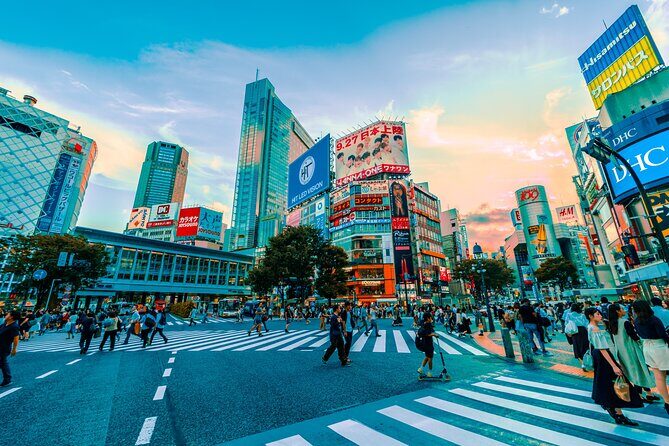
Tokyo can be a surprisingly easy city to walk in when you understand neighborhood rhythm. The real help of a walking tour is that it trains your eye: you begin to notice where pedestrian flow makes sense, how streets change, and how local areas feel different without needing a checklist of tourist sights.
A few themes show up in the feedback on this type of tour. People praised guides for helping with getting around and learning train basics. Yuka, for example, was described as helpful if you need assistance moving from one place to another, with the extra note that you should do your homework on how long areas take. That makes sense. A local guide can help you move efficiently, but your time is still your time.
Also, the tour runs in all weather. That’s good news if you travel in rainy seasons or if the forecast is uncertain. Just plan clothing accordingly, because you’ll still be walking.
Finally, remember this is a walking tour with no transportation provided. The guide will plan the best walking route, but you’re responsible for getting to the meeting point and for any non-walking parts of your day before and after.
More private options with your own guide



Neighborhoods, restaurants locals love, and the “why” behind choices
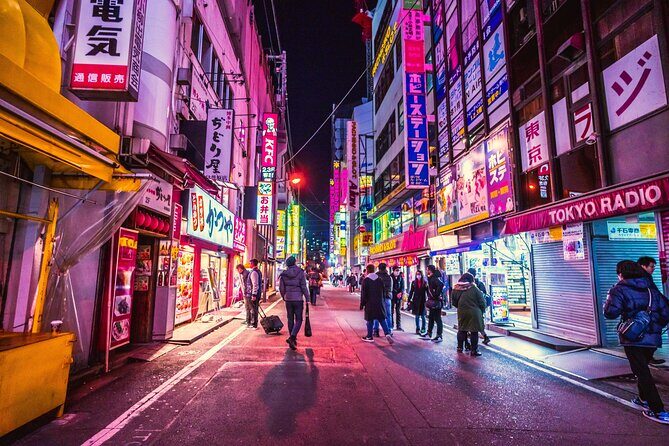
The tour’s promise includes exploring hidden neighborhoods and unique places to eat that locals love. Since exact stops vary, the more useful way to think about this is what your guide will be looking for while building your route: areas that match your tastes, streets that are pleasant to walk, and food spots that fit the time you have.
You’re not just being handed a list of restaurants. You’re walking through the area and getting context—what the street is known for, what kind of food is typical nearby, and what might work better for your group. If you like food, this is where a local host can turn Tokyo from overwhelming into manageable.
Keep in mind what’s included and not included. Food and drinks aren’t included, and there are no transport costs for attractions. Also, if you want an attraction stop with an entrance ticket, you’ll pay that cost yourself—and you’ll also cover the Lokafyer’s fee for that attraction visit. That policy matters because it nudges the best experience toward outdoor sights, neighborhood walking, and food choices that don’t require ticketed entry.
One more value point: this kind of tour helps you decide what to do after the walk. When you’re walking with your guide, you get personalized advice for what to see and do during the rest of your visit to Tokyo. That can prevent the classic mistake of overplanning before you learn what you like.
Parks and downtime: balancing sights with breathing space
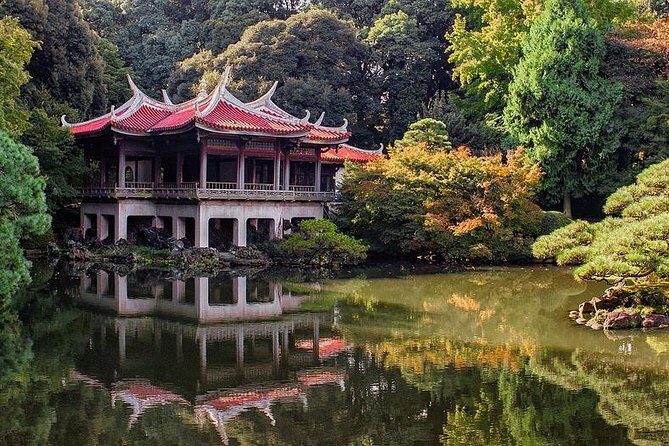
Tokyo has parks and open areas that can break up a heavy sightseeing day. Since the itinerary is tailored, you might spend time in a beautiful park if your interests lean toward calmer scenery, people-watching, or simply a quieter walk between neighborhoods.
The reason this matters is pacing. Even enthusiastic travelers get tired. A walking tour that includes a breather helps you enjoy the rest of Tokyo rather than dragging yourself through the city like a forced march.
In the reviews, Romana was highlighted for pacing the tour as the group wanted. That’s the real skill to look for in a guide: knowing when to slow down and when to keep moving. A good rhythm makes the tour feel like a conversation with Tokyo, not a checklist.
If you’re traveling with kids, note that children below 3 are free and must be accompanied by an adult. That doesn’t remove the walking component, so plan for breaks and snacks.
Ending wherever makes sense (and how to plan your next step)

The tour ends flexibly. It can finish in a different location in the city unless you request otherwise. That flexibility can be great, because your guide can likely end near the direction you want to go next, such as a neighborhood you plan to explore later or a convenient station area for your onward plans.
But it also means you should think ahead. Before you schedule dinner or a ticketed activity, keep a little buffer time. If your tour ends somewhere unexpected, you don’t want a strict reservation that depends on perfect timing.
If you’re trying to plan the day like a pro, a good approach is to book this tour earlier in your trip. It helps you learn what neighborhoods you enjoy and what logistical shortcuts you can use afterward. If you book it on your last day, you’ll still learn things—just don’t count on using every recommendation immediately.
For a smooth experience, I’d also recommend you wear comfortable shoes and plan for a full walking block. This tour is near public transportation for meeting, but once it starts, the main movement is on foot.
Price and value: why $55 can be a smart deal
At $55 per person, with a 2 to 6 hour private format, the value depends on your travel style. If you’d otherwise spend time guessing where to go, this tour can pay for itself by making your day efficient. In a city as large as Tokyo, wasting two hours can feel more expensive than $55.
Because it’s private, you’re not paying only for walking—it’s for the local host’s time and decision-making. Reviews suggest guides helped people see multiple spots and learn practical train context. That kind of help is hard to replicate on your own, especially if you’re new to Tokyo’s station geography.
Still, be realistic about what you’re getting. This tour isn’t promising museum admissions or paid attractions. Entrance costs aren’t included, and neither are food and drinks. So think of it as a guidance-heavy walking experience, with optional paid add-ons if you want them.
The average booking window—about 87 days in advance—also hints at demand. In busy travel seasons, booking early can help you get a start time that matches your plan. Just remember that the tour remains customizable, so booking ahead doesn’t lock you into a rigid itinerary.
Who this tour fits best (and who might want something else)
This is a great fit if you want:
- help getting oriented quickly
- a route that matches your interests instead of a standard checklist
- a local perspective on practical choices like where to walk and what to do next
- flexible pacing with time to ask questions
It’s also a good fit if you enjoy neighborhoods and side streets more than big-ticket attractions. The tour concept leans toward “Tokyo by walking,” with parks and food neighborhoods as common categories of stops.
It might be less ideal if you want:
- a fixed, fully mapped itinerary with exact named attractions
- lots of indoor ticketed stops built into the tour price
- minimal walking with lots of sitting time
If you like structure above all else, you’ll still get direction, but you’ll need to steer the priorities yourself. As one review noted with Yuka, having some idea of timing and what you want to see will make the experience smoother.
Should you book it? My practical take
If you’re traveling soon and you want a day that feels guided but not scripted, I’d book this. The biggest strengths are the private setup, the ability to tailor your walk, and the local practical advice that helps you move through Tokyo more confidently. Guides like Edwardo, Lilian, Romana, and Yuka were praised in different ways, but the common thread is usefulness: helping you get around and enjoy the areas you actually chose.
My only hesitation is the customization risk. If you want specific neighborhoods like Shinjuku, write down your priorities and make them unambiguous. Then confirm expectations at the start so the day matches your plan.
If you do that, you’ll likely get a Tokyo walk that saves time, reduces confusion, and gives you ideas you can use for the rest of your trip.
FAQ
How long is the Tokyo private walking tour?
The tour lasts about 2 to 6 hours, depending on your chosen duration and the route your guide plans around your interests.
Where does the tour start?
The meeting point is at Tokyo Tower, 4 Chome-3 Shibakoen, Minato City, Tokyo 105-0011, Japan.
Is this tour private or shared?
It’s a private tour/activity. Only your group participates.
Does the tour include food or drinks?
No. Food and drinks are not included. You can stop for meals if you want, but you’ll pay for them yourself.
Are entrance tickets included for attractions?
No. If you want to include an attraction with an entrance fee, you must pay the entrance cost for yourself, and the Lokafyer fee for the guide to join the attraction visit.
Is transportation provided during the tour?
No. This is a walking tour, so there’s no transport provided to attractions. You’ll be walking the route.
What weather conditions does the tour run in?
It operates in all weather conditions, so dress appropriately for rain or heat.
Can children join the tour?
Children below 3 years old are free, and children must be accompanied by an adult.
Are service animals allowed?
Yes. Service animals are allowed.
Tokyo on Foot: More Walks




More Tours in Tokyo




More Tour Reviews in Tokyo




Fresh reviews from around Tokyo






Walking Tours, compared.
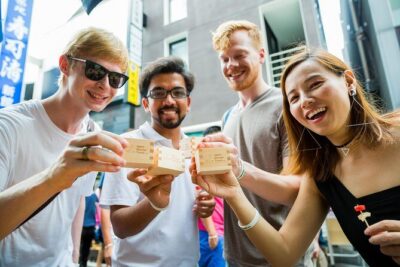 ★ 5.0Tokyo Tsukiji Fish Market Food and Culture Walking TourFrom $993,184 reviews
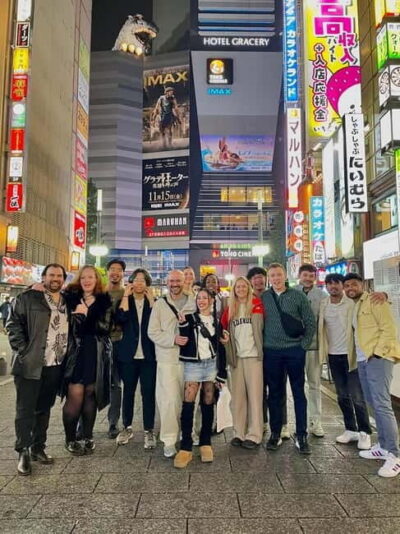 ★ 4.9Shinjuku Local Bar and Izakaya Guided Walking TourFrom $341,794 reviews
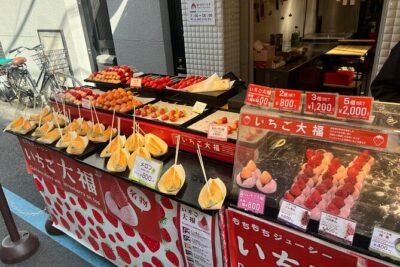 ★ 5.0Tsukiji Fish Market Food and Walking tourFrom $301,724 reviews
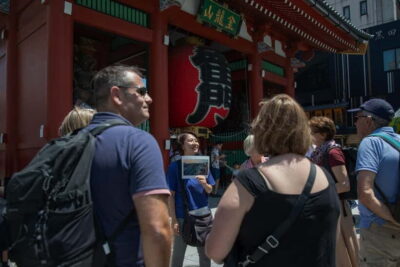 ★ 4.8Asakusa Walking Tour with Sensoji Temple VisitFrom $221,583 reviews
 ★ 4.9Tsukiji Fish Market Guided Walking TourFrom $221,397 reviews
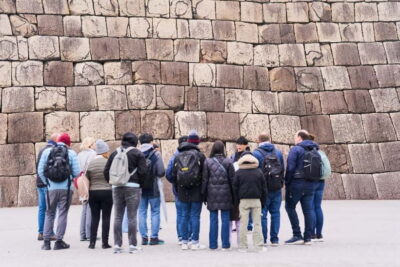 ★ 4.7Tokyo Castle & Imperial PalaceーShogun Walking TourFrom $231,068 reviews
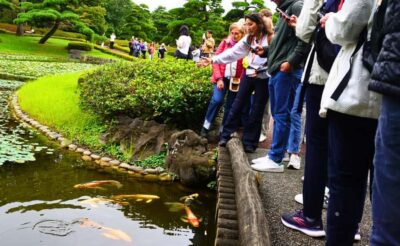 ★ 4.9Imperial Palace Japanese History Walking TourFrom $32987 reviews
 ★ 4.7Dark Side of Tokyo Shinjuku Red Light Walking TourFrom $29862 reviews
Browse the lists this tour appears in