
Reviewed · WALKING TOURS
Tokyo Private Walking Tour Hidden Gems and Icons (customized)
Tokyo can feel like a maze. This private tour blends top Tokyo icons with lesser-known streets, and it begins with a free consultation to shape your itinerary.
I like that the meet-up happens right in your hotel lobby, so you don’t waste time figuring out where to stand. I also like that you get a Japanese lesson, led by Shino, who was born and raised in Japan, with context built into the walk.
Because the day is tailored, you might not hit every headline attraction. If you have must-see stops, say so up front during the planning time.
In This Review
- Key things to know before you go
- Hotel-Lobby Meet-Up: Fewer Minutes Wasted in Transit
- The Free Consultation: Your Itinerary Starts Before You Walk
- A Walking Route That Can Mix Icons and Local Life
- Nakano Broadway for Vintage Anime Culture
- Gotokuji Temple and the Cat-Spotting Mood
- Shimokitazawa for Flanerie-Style Neighborhood Wandering
- Nippori and a More Local-Day Feel
- Shino’s Teaching Style and Why the Japanese Lesson Isn’t Just a Token
- Timing, Pace, and How to Plan Your Day Around 3–4 Hours
- What You Pay for: $79.26 and the Value of Custom Time
- Who This Tour Suits Best
- Small Watch-Outs Before You Commit
- Should You Book This Tokyo Private Walking Tour?
Key things to know before you go
- Hotel-lobby pickup means fewer logistics headaches at the start
- Free consultation helps lock in your interests and walking comfort
- Japanese lesson with Shino adds a personal, cultural layer to the day
- English + extra visuals can make history feel concrete, not abstract
- Neighborhood variety can range from anime-friendly shopping streets to temple areas
- Only your group keeps questions, pace, and detours in your control
Tokyo at walking pace, a few more ways
- Tokyo Tsukiji Fish Market Food and Culture Walking Tour★ 5.0 · 3,184 reviews
- Tokyo: Shinjuku Local Bar and Izakaya Guided Walking Tour★ 4.9 · 1,794 reviews
- Tokyo: Tsukiji Fish Market Food and Walking tour★ 5.0 · 1,724 reviews
Hotel-Lobby Meet-Up: Fewer Minutes Wasted in Transit
One of the underrated joys of a private walking tour is how it starts. Here, the plan includes meeting at your Tokyo hotel lobby, which removes a common first-day problem: standing around in a busy area hoping you found the right person.
That also sets the tone. You’re not just joining a tour that already has momentum. You’re starting your day with a real conversation, then walking into whatever part of Tokyo fits you best. It’s a small detail, but it changes how the whole afternoon feels.
The Free Consultation: Your Itinerary Starts Before You Walk

The tour includes a free consultation where you shape what you want to see. That’s the heart of why this experience works. Tokyo changes fast by neighborhood, and what’s great on one side of town can be pointless on the other. Planning first means you’re more likely to walk through areas that match your style.
In practice, think of this consultation as three quick checks:
- What kinds of Tokyo do you want more of (landmarks, shopping streets, temples, parks, food stops)?
- How do you want the pace (steady walking, more stops, fewer transitions)?
- Are there interests that matter to you (for example, vintage anime culture)?
I also like that the tour doesn’t lock you into a strict script. The format is built for flexibility, so you can steer toward what you’re curious about instead of just following a checklist.
A Walking Route That Can Mix Icons and Local Life
This is a walking tour, roughly 3 to 4 hours. That time window is long enough to feel like you explored a real area, but not so long that you need a recovery nap the size of a second vacation.
What you’ll see can blend big-name Tokyo with less-visited neighborhoods. The best part is that the route can be tailored toward the kind of Tokyo you actually want. In other words, you’re not forced to “do Tokyo” in one rigid loop.
Here are some examples of the kinds of stops that can show up, depending on your interests.
Nakano Broadway for Vintage Anime Culture
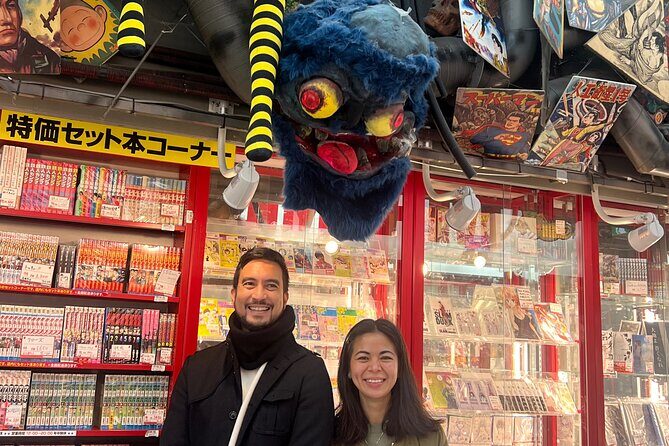
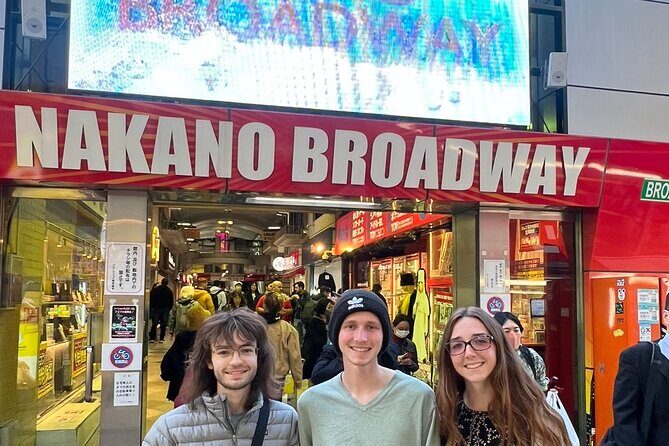
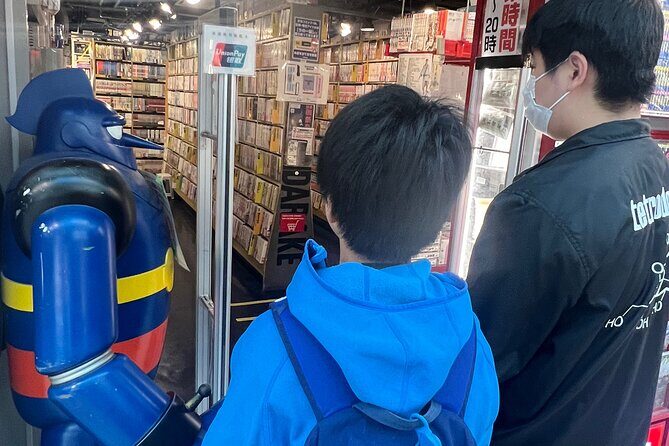
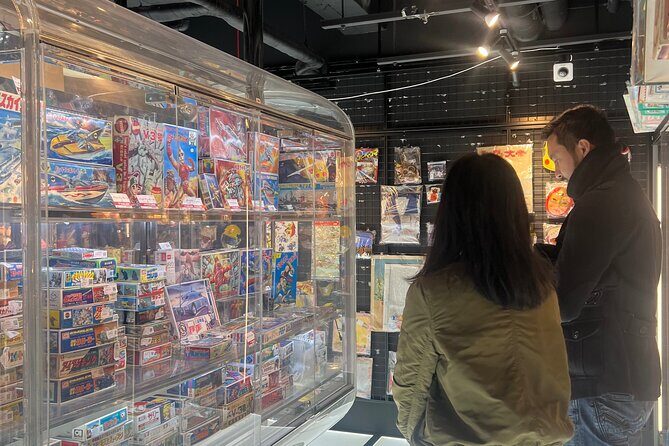
If you’re into anime or just love a good browsing street, Nakano Broadway is a popular choice. In one standout experience, Shino led a group through this area described as vintage anime heaven, with shops selling original animation items tied to well-known titles.
Why this is a smart stop: it’s not just about seeing something. It’s about noticing how fandom becomes a neighborhood economy. You’ll likely spend time looking at displays, reading details, and talking with shop owners—things a rushed group tour rarely allows.
The drawback to know: this kind of stop can run longer if you love shopping and collectibles. If you want more landmarks too, tell Shino you’re okay with a shorter browse.
More private options with your own guide



Gotokuji Temple and the Cat-Spotting Mood
Another memorable option is a temple stop around Gotokuji. One review used the phrase Katzensuche im Gotokuji Temple, which hints at a playful cat-focused side to the visit. Even if your interests are more about atmosphere than animals, it’s still a great example of how local culture in Tokyo can be specific and charming.
Why it works: temples are usually quiet, but they’re also full of detail—symbols, traditions, and little cues that make the area feel lived-in rather than staged.
Consideration: temple areas can involve uneven ground and stairs. Wear shoes you’re happy to walk in for a few hours, especially if your route also includes shopping streets afterward.
Shimokitazawa for Flanerie-Style Neighborhood Wandering
After temple time, Shimokitazawa can be a natural follow-up. In a combined route, Shino brought people into that more relaxed neighborhood vibe described with small vintage stores. This is the Tokyo side where you slow down on purpose.
Why it’s worth it: neighborhoods like this are where you can feel the rhythm—small shops, side streets, and the kind of browsing that doesn’t require a reservation.
The catch: it’s easy to keep walking just because it’s pleasant. If you’re trying to fit dinner plans or evening events, tell Shino your timing constraints during the consultation.
Nippori and a More Local-Day Feel
Some routes can also cover the Nippori area, paired with a more off-center sightseeing approach. In one example, the day included a See-No connection along with hidden shrines, parks, and an everyday shopping street with smaller, fine shops, ending with sushi.
Why this matters: Tokyo’s “icon neighborhoods” can feel similar after a few hours. Switching to a more local-feeling route keeps your day from blurring into the same-looking streets and crowds.
Drawback to know: if you’re expecting only the most famous photos you’ve seen online, a Nippori-style route may feel more subtle. That’s the point, but it’s good to match your expectations.
Shino’s Teaching Style and Why the Japanese Lesson Isn’t Just a Token
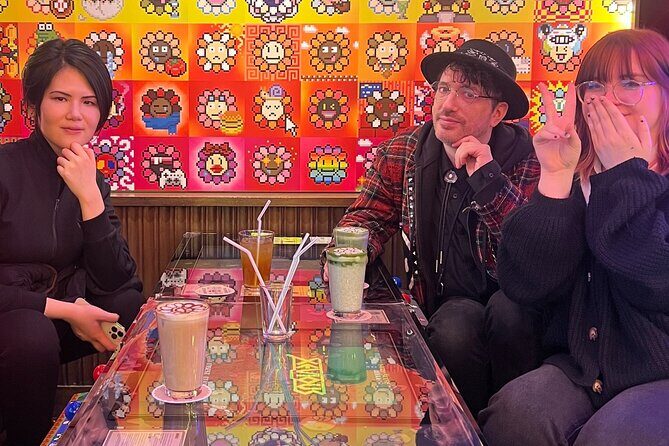
A standout feature here is that the guide includes a Japanese lesson. It’s led by Shino, who was born and raised in Japan. That detail matters because it suggests you’re not getting a generic script. You’re getting explanations rooted in real life.
Even better, Shino’s approach is described as warm and personable, with excellent English and historical context at each stop. Some guests specifically noted that Shino comes prepared with photos and visuals if you want a deeper look.
For you, that means two practical things:
- You’ll understand what you’re seeing while you’re standing in front of it.
- You’ll have a chance to ask questions in the moment, not after you get home.
If you’re nervous about language, don’t be. A lesson on a walking tour is usually meant to give you a bit of confidence and curiosity, not turn you into a student with homework.
Timing, Pace, and How to Plan Your Day Around 3–4 Hours
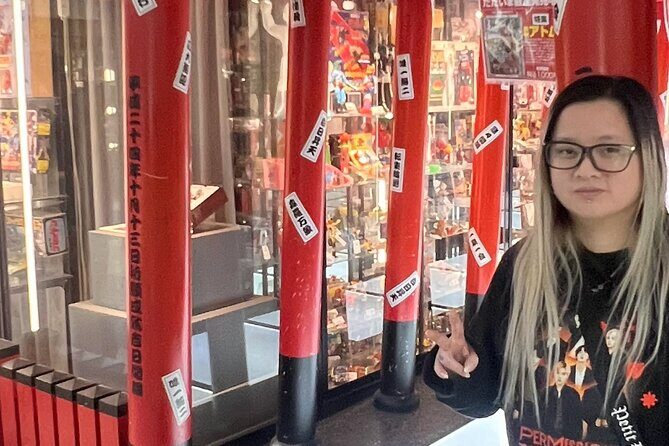
Since it’s a walking tour, the biggest scheduling question is how it fits into your Tokyo plan. Three to four hours is a sweet spot. You’ll see meaningful parts of an area, but you’ll still have time for dinner or a second activity afterward.
Because public transport isn’t included, you’ll want to think about any transit you might need between points. The tour is near public transportation, which helps, but the cost of trains or other rides isn’t part of the price.
Practical advice before you book:
- Plan comfortable shoes. This is a walk-first experience.
- Bring water. Even a great day gets long in summer.
- If you care about a specific museum, show, or reserved dining time, mention it in the consultation so Shino can shape the route around it.
What You Pay for: $79.26 and the Value of Custom Time
At $79.26 per person for about 3 to 4 hours, this tour is priced in the “private guide” category. The key question isn’t just cost. It’s what’s included in that cost.
You get:
- Free consultation to create your itinerary
- Hotel-lobby pickup
- A walking tour focused on landmarks and/or local stops
- A Japanese lesson
- A private format for your group only
Not included:
- Admission fees for you and the guide
- Meals for you and the guide
- Public transportation costs
- Gratitude
So where’s the value? It’s in the combination of time plus personalization. If you’ve ever spent hours in Tokyo searching for the “right” neighborhood at the wrong time, you already know what this solves. Your money buys guidance and momentum.
Also, group discounts may apply. If you’re traveling with friends or family, the per-person value can get even better.
Who This Tour Suits Best
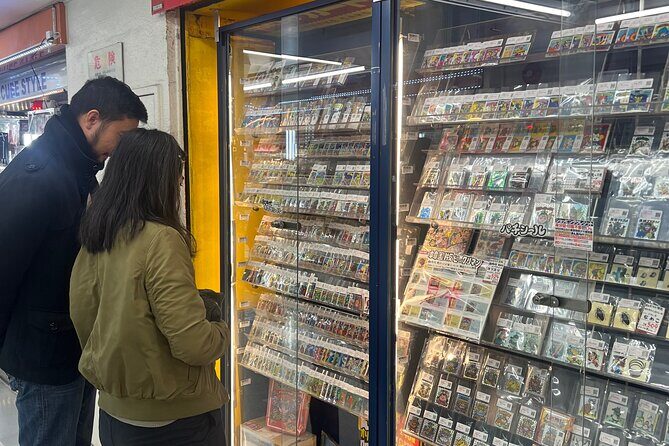
This is especially good if you:
- Want a more personal Tokyo experience instead of a crowded group loop
- Like the idea of mixing well-known spots with smaller neighborhoods
- Enjoy conversation and cultural context while walking
- Want a guide who can explain what you’re seeing in clear English
- Are interested in Tokyo specifics like anime culture and vintage shopping streets (Nakano-style routes)
It’s also a strong match for multi-generational groups because the private format makes it easier to adjust pace and stop frequency.
Small Watch-Outs Before You Commit
Here are the only real caution flags I’d put on your radar.
First, the route is tailored. That’s the selling point, but it means your day won’t necessarily follow the exact “Tokyo greatest hits” plan you had in mind. If there’s a must-see, bring it up during the consultation so it can be considered.
Second, admission fees aren’t included. If your route includes paid sights, you’ll need to cover those separately for you and the guide.
Third, transit and meals aren’t included. The tour can still be smooth without them, but you may want to budget extra for train rides between areas and any food you decide to purchase during the walk.
Should You Book This Tokyo Private Walking Tour?
If you want a Tokyo day that feels planned for you—not just scheduled for you—this is worth strong consideration. The mix of hotel-lobby pickup, a free consultation, and Shino’s Japanese lesson creates a tour that’s more than sightseeing. It’s also explanation and connection.
Book it if:
- You like off-center neighborhoods (Nakano-style browsing, Shimokitazawa-style wandering, Nippori-style local routes)
- You want history and context at each stop
- You prefer a private format where you can ask questions and set the pace
Skip it if:
- You only care about a very specific list of iconic attractions and don’t want any flexibility
- You’re hoping admission fees and meals are fully covered
- You want a high-speed checklist tour with minimal walking
If your goal is a Tokyo afternoon that feels personal, practical, and actually fun to walk through, this one has a lot going for it.
Tokyo on Foot: More Walks



More Tours in Tokyo





More Tour Reviews in Tokyo




Fresh reviews from around Tokyo






Walking Tours, compared.
 ★ 5.0Tokyo Tsukiji Fish Market Food and Culture Walking TourFrom $993,184 reviews
 ★ 4.9Shinjuku Local Bar and Izakaya Guided Walking TourFrom $341,794 reviews
 ★ 5.0Tsukiji Fish Market Food and Walking tourFrom $301,724 reviews
 ★ 4.8Asakusa Walking Tour with Sensoji Temple VisitFrom $221,583 reviews
 ★ 4.9Tsukiji Fish Market Guided Walking TourFrom $221,397 reviews
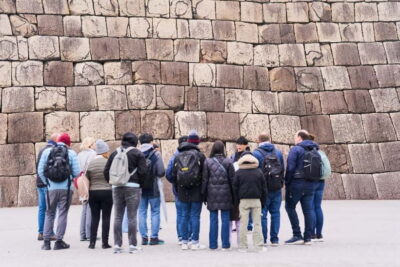 ★ 4.7Tokyo Castle & Imperial PalaceーShogun Walking TourFrom $231,068 reviews
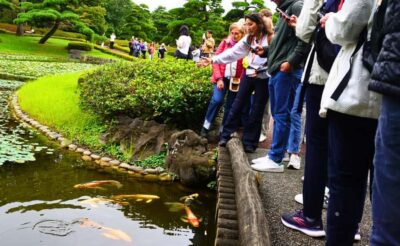 ★ 4.9Imperial Palace Japanese History Walking TourFrom $32987 reviews
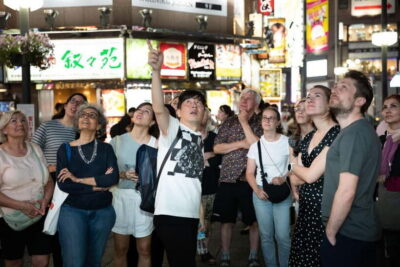 ★ 4.7Dark Side of Tokyo Shinjuku Red Light Walking TourFrom $29862 reviews
Browse the lists this tour appears in