
Reviewed · COOKING CLASSES
Tokyo: Private Japanese Cooking Class with a Local Chef
Forget sushi lines; cook in a Tokyo home.
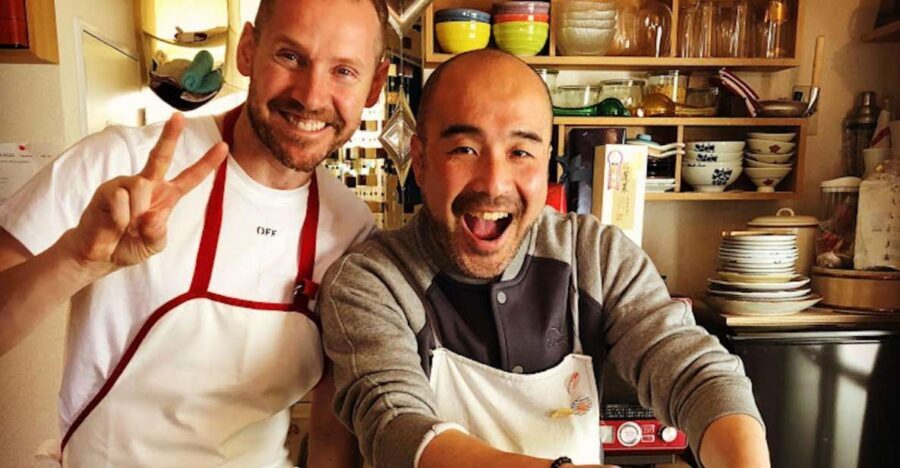
This private class in Shinjuku lets you learn Japanese cooking with Chef Sato right in his own apartment kitchen, not in a studio. I especially love how the menu is built around seasonal ingredients and changes by the day of the week.
I also love the hands-on pace. You cook multiple dishes, you sit down to eat what you make, and you get practical take-homes like recipe notes, plus a free drink of Japanese barley tea during the class.
One possible drawback to plan for: you’re cooking in a smaller home setup, so it’s best if you’re comfortable with a cozy kitchen and a more personal, low-stress rhythm.
In This Review
- Key highlights I’d plan around
- Why This Private Cooking Class Feels More Like Tokyo Life
- Meeting Chef Sato in Shinjuku (And Getting to His Apartment)
- The Menu System: Traditional Teishoku on Some Days, Popular Favorites on Others
- Saturday, Sunday, Monday, Tuesday: more traditional set meals
- Wednesday, Thursday, Friday: more popular favorites
- What about tailoring?
- Inside the Class: What You Actually Do for 3 Hours
- The Meal Part: Eating What You Cook, the Japanese Way
- The Optional Short Walk After Morning Class (1PM–3:30PM)
- Price and Value: Is $120 a Good Deal for a 3-Hour Private Class?
- Who This Cooking Class Fits Best (And Who Might Skip It)
- Practical Tips to Get the Most Out of Your Session
- Should You Book Chef Sato’s Tokyo Cooking Class?
- FAQ
- What days of the week feature the traditional menu?
- What days of the week feature popular food dishes?
- How long is the class?
- How many dishes will I cook?
- Is the class private?
- What language is the instructor?
- What’s included in the price?
- Where do I meet?
- Is there an add-on walk after the morning class?
- FAQ
- What’s the cancellation and refund policy?
- Is reserve & pay later available?
Key highlights I’d plan around
- Menu changes by weekday: traditional set meals early week, popular favorites midweek
- Chef Sato teaches in English and connects cooking steps to Japanese cooking ideas
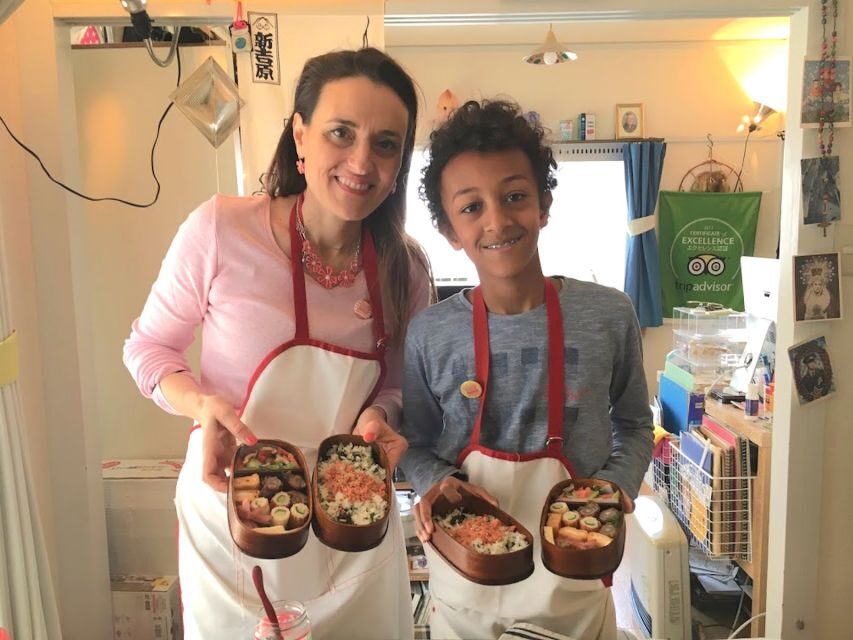
- Hands-on meals: you cook and then eat together in his apartment
- Free Japanese barley tea included
- Optional short Tokyo walk after the morning class to places you might miss
More private options with your own guide
- Tokyo 6hr Private Tour with Government-Licensed Guide★ 5.0 · 3,902 reviews
- Private Tour to Mt. Fuji and Hakone (Fully Licenced Operator)★ 5.0 · 1,910 reviews
- Tokyo Customized Private Tour (Must See Places in 1 Day)★ 5.0 · 1,499 reviews
Why This Private Cooking Class Feels More Like Tokyo Life
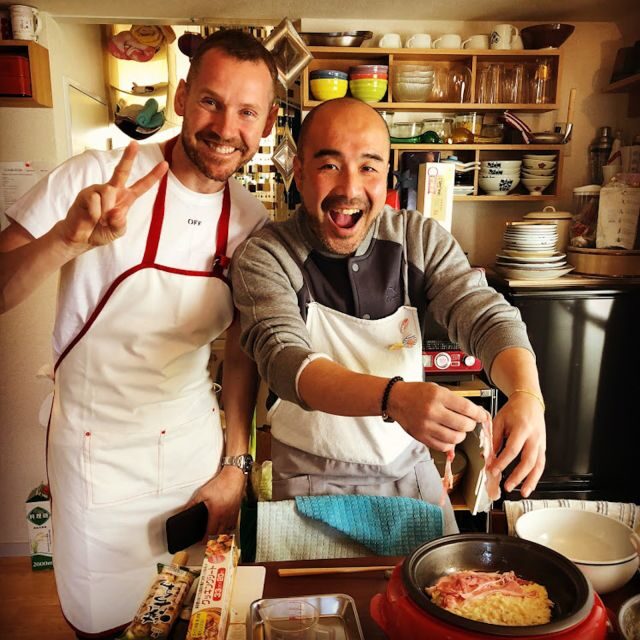
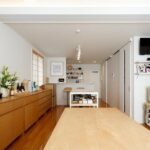
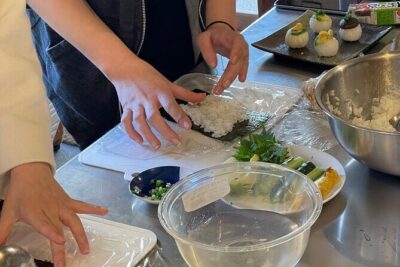
Tokyo can be a food theme park, but it’s often hard to get past eating out. This class is different because it puts you in a real apartment routine: ingredients out on the counter, knives in motion, and a calm table scene where lunch and dinner are treated like culture, not just fuel.
I like that the experience is private, which means you can ask questions as you go. And Chef Sato’s style is relaxed. You’re not racing through steps for a photo. Instead, the teaching focuses on what matters in Japanese cooking: seasoning balance, ingredient handling, and the logic behind the meal.
There’s also a very practical payoff. Once you learn one dish well, you can build repeatable habits at home: how you prep, how you season, and how you plate so it still feels Japanese.
Meeting Chef Sato in Shinjuku (And Getting to His Apartment)
You meet at the Shinjuku Station east exit police box (3-38-38-1, Shinjuku, Shinjuku-ku, Tokyo). From there, you’ll be picked up and taken to Chef Sato’s apartment.
This matters more than it sounds. Shinjuku is easy to get around, but it can also be exhausting if you’re already juggling trains and crowds all day. Having the meetup anchored at a clear landmark means you spend less time hunting, and more time settling in.
At the apartment, expect a welcome, an easygoing vibe, and time for questions. Chef Sato’s English instruction is a big part of why this works for visitors. He explains things patiently and keeps the mood warm and friendly, so beginners aren’t stuck feeling lost.
The Menu System: Traditional Teishoku on Some Days, Popular Favorites on Others
The menu changes based on the day of the week, so your best move is to pick the day that matches your hunger.
Saturday, Sunday, Monday, Tuesday: more traditional set meals
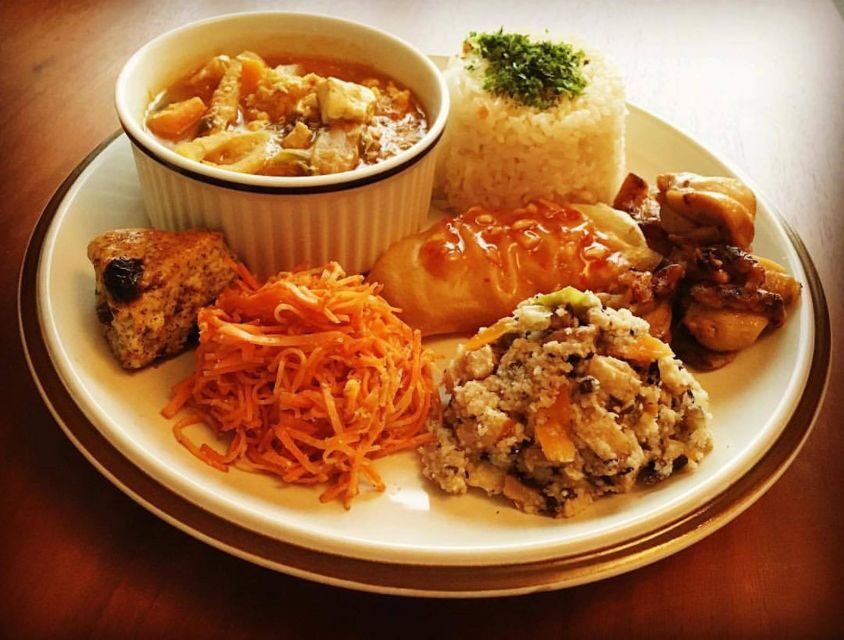
On these days, the focus is “standard” Japanese meal structure. You might cook a Teishoku set, which typically includes rice, a seasonal main dish, and two seasonal side dishes. Other possibilities include donburi-style meals, obento-style items, tonjiru, and rice balls.
Why this is valuable: Teishoku is a window into how Japanese meals are commonly organized. Once you understand the components—rice, main, sides—you can recreate the rhythm at home without needing to copy restaurant techniques.
More aprons-on time in Tokyo kitchens
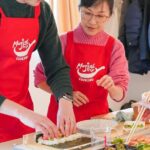
Wednesday, Thursday, Friday: more popular favorites
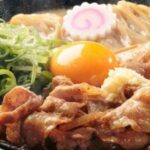
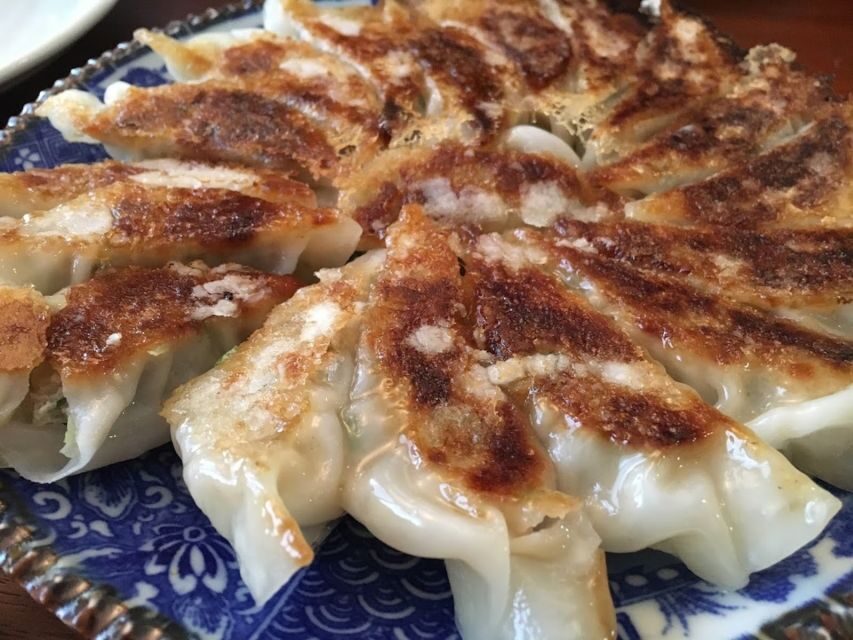
Midweek days shift toward comfort and familiar street-food flavors. You might cook a Teishoku-style meal where the seasonal main dish is a fried item, or you might get dishes like curry rice, okonomiyaki, gyoza, ramen, rice burger, kara-age, or yakisoba.
Why this is valuable: these dishes are great “confidence builders.” Even if you don’t cook often at home, many of them are built from repeatable steps. You’ll also get to see how Japanese kitchens balance rich flavors with side dishes and textures.
What about tailoring?
Chef Sato may check your preferences ahead of time and tailor the menu accordingly. That’s a meaningful perk if you have dietary boundaries or want to avoid something you know you won’t eat.
Inside the Class: What You Actually Do for 3 Hours
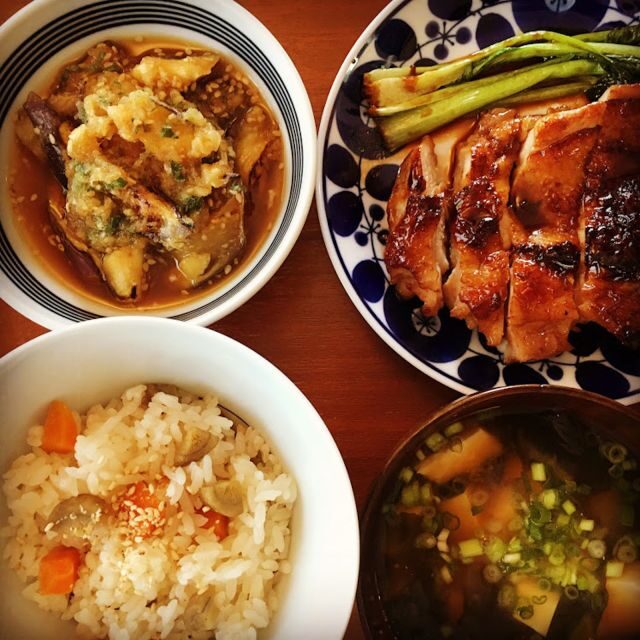
This is a cooking lesson, not a show. The experience runs either:
- Morning class: 10:30AM–1PM
- Evening class: 6PM–8:30PM
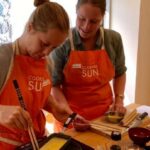
The cooking portion is designed around a small set of dishes—typically 2 to 4 items—so you’re not overwhelmed. You learn by doing: prepping, cooking, and then tasting as you go.
Chef Sato’s teaching approach comes through clearly in how people describe the class. He talks through the significance of dishes and the thinking behind Japanese cooking, not just the procedure. He also makes time for questions, which helps if you’re trying to understand why the seasoning or texture is the way it is.
A few dish examples you may encounter depending on the day include:
- Gyoza and ramen (often made from scratch in this kind of class setting)
- Miso soup and rice-based dishes
- Fried items like kara-age and other seasonal mains
- Things like spring tofu salad and other seasonal preparations (based on what’s on the menu)
I can’t promise exact dishes on your specific date, because the menu is day-based. But the structure stays consistent: you’ll cook a focused set of items, then eat them.
The Meal Part: Eating What You Cook, the Japanese Way
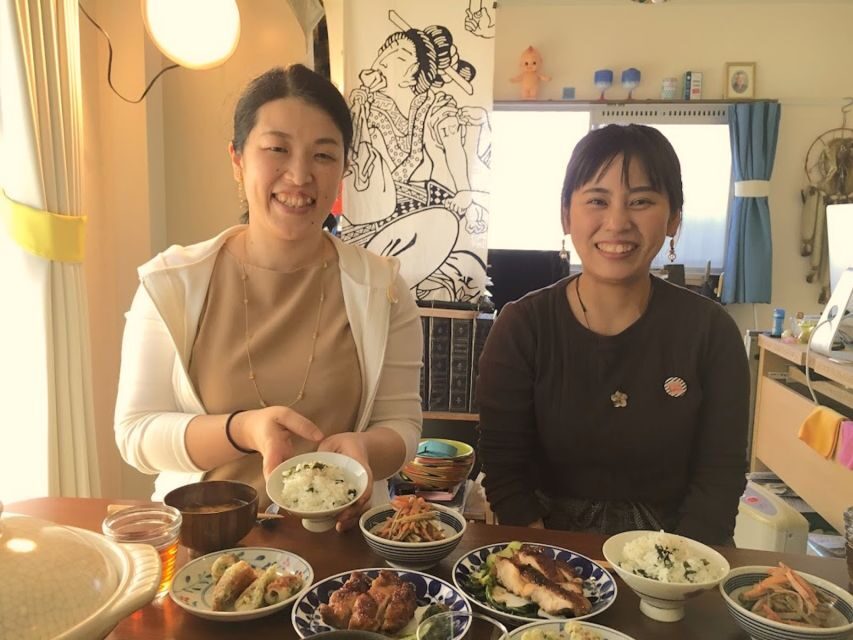
After cooking, you sit down and eat what you made. That’s not just included for convenience. It’s part of the education.
When you taste your own ramen, gyoza, or set-meal components right after cooking, you immediately learn what “right” feels like. You also learn how Japanese meals are meant to flow together: rice with main, sides that refresh or contrast, and sauces that tie everything into one system.
A small but nice detail: you’ll get a free drink—Japanese barley tea—during the class. It’s simple, but it helps make the apartment routine feel complete.
Many people come away impressed by the difference between home-made Japanese flavors and what they’re used to eating abroad. The point isn’t that restaurant food is bad. It’s that Japanese home-style cooking tends to be more precise about balance, and more focused on ingredient character.
The Optional Short Walk After Morning Class (1PM–3:30PM)
If you take the morning class, there’s an optional short trip from 1PM–3:30PM. The idea is to show you parts of Tokyo that aren’t in the main guidebook spotlight.
Chef Sato walks at a local pace. You’re not on a bus tour, and you’re not stuck in a rigid script. Instead, you get context while you move—why certain areas feel the way they do, and what’s around you that you might otherwise ignore.
Some people have described the walk including Shinjuku and nearby areas like Nakano. That’s a good clue about the style: short distances, neighborhood details, and a better sense of how Tokyo neighborhoods blend together.
If you’re the type who likes to connect the dots between food and place, this added walk is a strong reason to choose the morning session.
Price and Value: Is $120 a Good Deal for a 3-Hour Private Class?
At $120 per person for a private, English-led, home-based cooking class, the value comes down to what’s included and what you learn.
Here’s the value math that matters:
- Private instruction from Chef Sato (not a shared class with limited attention)
- 2 to 4 dishes you cook, then eat as a meal
- Meals included
- Free Japanese barley tea
- Pickup from your Shinjuku Station meetup point
Then add the less-tangible value: you get inside access to a real apartment kitchen and a local perspective on why Japanese cooking is built around seasonal ingredients. Several people specifically mention that Chef Sato shares family history and cooking philosophy. That kind of context is hard to price, but it’s often what makes a cooking class memorable.
If you’re comparing this to cheaper group classes, the key difference is attention and the home setting. If you’re trying to get the most “Tokyo per hour” and you like food as culture, this price can feel fair quickly.
Who This Cooking Class Fits Best (And Who Might Skip It)
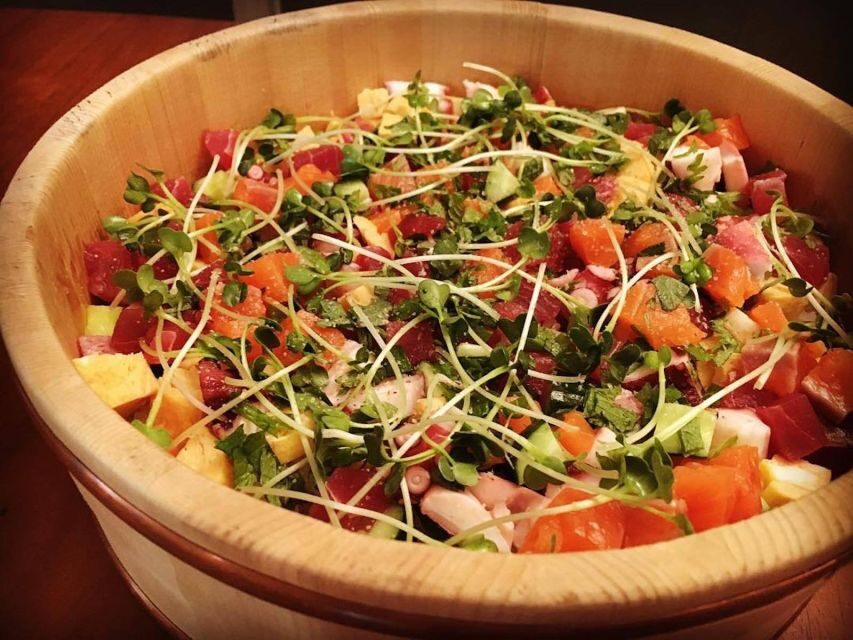
This is best for you if:
- You want a deeper food experience than ordering dishes in a restaurant
- You enjoy learning cooking technique and not just eating
- You prefer a smaller, friendly setting with time for questions
- You want to experience local life in Shinjuku without a hard sell
You might consider something else if:
- You need a large, high-speed itinerary with lots of sightseeing time (this is centered on cooking)
- You dislike cozy home-kitchen setups where space is tighter than a commercial classroom
- You’re looking for a wide menu variety in one sitting rather than a focused 2 to 4 item lesson
Practical Tips to Get the Most Out of Your Session
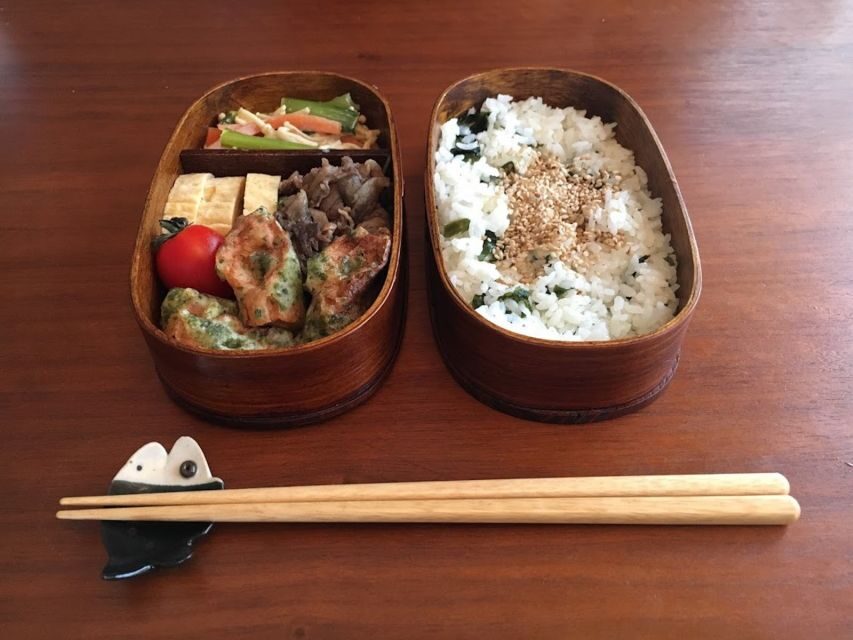
- Pick the weekday based on what you want to cook: traditional set-meal days or popular favorites days.
- If you have food preferences, communicate them ahead of time so Chef Sato can tailor the menu.
- Plan to be present. This class works best when you treat it like a real meal-making activity, not a side quest.
- If you choose morning, leave room for the optional walk. It’s the easiest way to turn the cooking experience into a fuller Tokyo day.
Should You Book Chef Sato’s Tokyo Cooking Class?
Yes, if you want something more real than another meal out. The best reason to book is that you’re not just eating Japanese food—you’re learning how it’s built, cooked, and served in a home kitchen in Shinjuku with Chef Sato teaching in English.
Choose this especially if seasonal cooking is appealing to you, or if you want to make favorites like gyoza or ramen at home with clearer technique than what you’d get from a generic cooking video.
If you’re okay with a smaller apartment setting and you want a calm, personal experience over a big sightseeing day, this is a strong pick.
FAQ
What days of the week feature the traditional menu?
Saturday, Sunday, Monday, and Tuesday focus on traditional set meals like Teishoku, plus options such as donburi, obento, tonjiru, and rice balls.
What days of the week feature popular food dishes?
Wednesday, Thursday, and Friday feature popular food days. Menus may include curry rice, okonomiyaki, gyoza, ramen, rice burger, kara-age, and yakisoba.
How long is the class?
The experience runs 3 hours (270 minutes). The morning session runs 10:30AM–1PM and the evening session runs 6PM–8:30PM.
How many dishes will I cook?
You’ll cook the menu for the day with 2 to 4 items.
Is the class private?
Yes. It’s listed as a private group.
What language is the instructor?
The instructor teaches in English.
What’s included in the price?
Meals are included, along with a free drink of Japanese barley tea. Pickup at the meeting point is also included.
Where do I meet?
Meet at Shinjuku Station east exit police box (3-38-38-1, Shinjuku, Shinjuku-ku, Tokyo, 160-0022, Japan).
Is there an add-on walk after the morning class?
Yes. After the morning class, there’s an optional short trip from 1PM–3:30PM every day.
FAQ
What’s the cancellation and refund policy?
You can cancel up to 24 hours in advance for a full refund.
Is reserve & pay later available?
Yes. The booking option says you can reserve now and pay later.
Learn Another Dish: Tokyo Cooking Classes
Just Your Group: Private Options



More Tour Reviews in Tokyo






Fresh reviews from around Tokyo






Cooking Classes, compared.
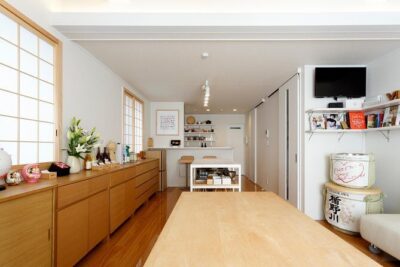 ★ 5.0Ramen & Gyoza Cooking Class in Tokyo with Local Supermarket VisitFrom $122823 reviews
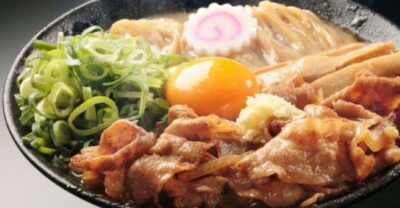 ★ 4.6Easy Ramen Cooking Experience in Kabukicho, ShinjukuFrom $29321 reviews
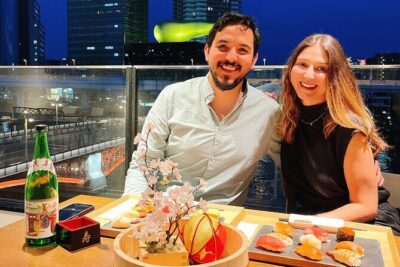 ★ 5.0Ramen and Sushi Cooking Class with Sake Pairing Set in TokyoFrom $79291 reviews
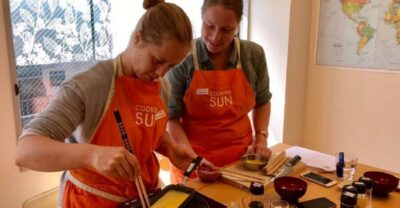 ★ 4.9Wagyu and 7 Japanese Dishes Cooking ClassFrom $67273 reviews
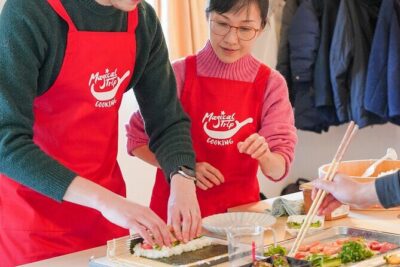 ★ 5.0Tokyo Washoku 4-hour Cooking Class: From Market to TableFrom $79253 reviews
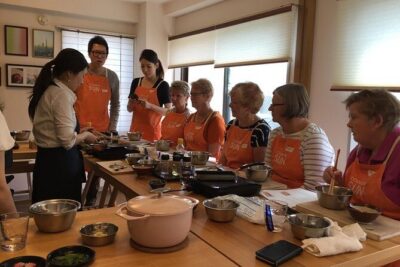 ★ 5.0Small-Group Wagyu Beef and 7 Japanese Dishes Tokyo Cooking ClassFrom $72190 reviews
 ★ 5.0Private Home Cooking in Yanaka – Local Flavors in a Warm SettingFrom $122173 reviews
 ★ 5.0Tokyo Sushi Making Experience & Japanese Cooking ClassFrom $59150 reviews
Browse the lists this tour appears in