
Reviewed · WALKING TOURS
Tokyo: Private Custom Walking Tour with Local Guide
Tokyo clicks when you have a local. This private custom walking tour helps you cut through first-time confusion and shape the day around what you actually want to see. I especially like the way guides build your route around your interests and the fact you’re not stuck in a cookie-cutter group schedule. One drawback: it can mean real walking and lots of transit time, so comfy shoes matter.
You’ll meet up at your accommodation if you’re staying in Tokyo, and your guide reaches out beforehand to understand your pace and priorities. Tours run from 2 to 8 hours, and you can choose to include museums if that’s on your list. With English, French, Italian, Japanese, Spanish, Portuguese available and a wheelchair-accessible format, this tour is designed to flex for different people and needs.
In This Review
- Key things that make this Tokyo tour work
- Why a private walking tour fits Tokyo better than you’d think
- How your 2 to 8 hours get shaped (and why that matters)
- Old Tokyo temple time: Asakusa and the streets around Senso-ji
- Skyline and viewpoints: Tokyo Skytree and the Metropolitan Building style moments
- Modern Tokyo neighborhoods: Shinjuku, Shibuya, and Akihabara in human scale
- Imperial gardens and Marunouchi: a calmer Tokyo reset
- Odaiba and the waterfront option for a slower side of Tokyo
- Using public transport with less stress (the part you’ll thank yourself for)
- What’s included in your $53 value (and what you still handle)
- Choosing your guide focus: set expectations and get the best day
- Who this private Tokyo tour is best for
- Should you book this Tokyo private walking tour?
- FAQ
- How long is the private Tokyo walking tour?
- Is this tour private?
- Can the itinerary be customized, including museum visits?
- Is hotel pickup included?
- Do you use public transport during the tour?
- Are attraction tickets included?
- What languages are available for the live guide?
- Is the tour wheelchair accessible?
- Is free cancellation available?
- Can I reserve and pay later?
Key things that make this Tokyo tour work
- Private and customizable: you pick sights and the guide adjusts as you go
- Hotel pickup in Tokyo: fewer start-of-day headaches
- Public transit plus walking: you learn routes you can reuse later
- Iconic sights with smarter timing: viewpoints and temples planned with local rhythm
- Real local advice: how to handle tickets, where to eat, and what to know before you enter shrines
Tokyo at walking pace, a few more ways
- Tokyo Tsukiji Fish Market Food and Culture Walking Tour★ 5.0 · 3,184 reviews
- Tokyo: Shinjuku Local Bar and Izakaya Guided Walking Tour★ 4.9 · 1,794 reviews
- Tokyo: Tsukiji Fish Market Food and Walking tour★ 5.0 · 1,724 reviews
Why a private walking tour fits Tokyo better than you’d think
Tokyo can feel like sensory overload on day one: trains, signs, crowds, and neighborhoods that seem to change personality every few blocks. A private guide turns that chaos into a sequence you can follow. Instead of trying to map the city while you’re tired and jet-lagged, you get a plan you can actually execute.
I also like that this tour is built around people, not checklists. If you want more temples and street atmosphere, you can lean that way. If your focus is modern Tokyo—shopping, skyline views, and tech zones—you can steer there. The “custom” part isn’t marketing fluff; it shows up in how the guide structures your day.
The other big win is confidence. Multiple guides in this program are praised for helping people navigate the subway/train maze and showing practical basics like where to buy and use transit cards. That means your first hours in the city aren’t wasted on guesswork.
How your 2 to 8 hours get shaped (and why that matters)
The duration range is one of the most useful features here: you can choose a short intro (2–3 hours) or go all-in (6–8 hours). That flexibility matters because Tokyo sightseeing has two costs: distance and decision-making. A longer tour lets you stack neighborhoods without rushing. A shorter one helps you get oriented without burning a whole day.
Here’s the rhythm that tends to work well in practice:
- Start with a neighborhood that matches your goals (often either historic Asakusa-style Tokyo or a modern district).
- Add one “anchor” highlight that gives you an easy-to-remember postcard view.
- Round it out with a second or third area that shows daily life—shopping streets, quieter side streets, or a garden/imperial zone.
And you can keep steering during the day. Several guides mentioned in the provided information adapt on the fly when interests shift or when you need a break. For example, parents and people with mobility needs often appreciate quick detours and pacing adjustments.
If you’re thinking about museums: the tour can include them, and your guide can adjust the itinerary if you let them know ahead of time. Just remember that museum time is sitting time—great if you want a slower break, but it will shorten how far you cover on foot.
Old Tokyo temple time: Asakusa and the streets around Senso-ji
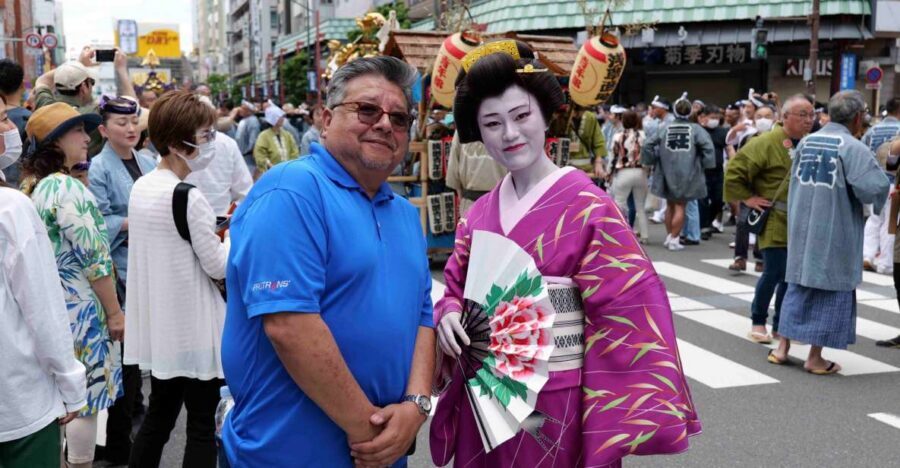
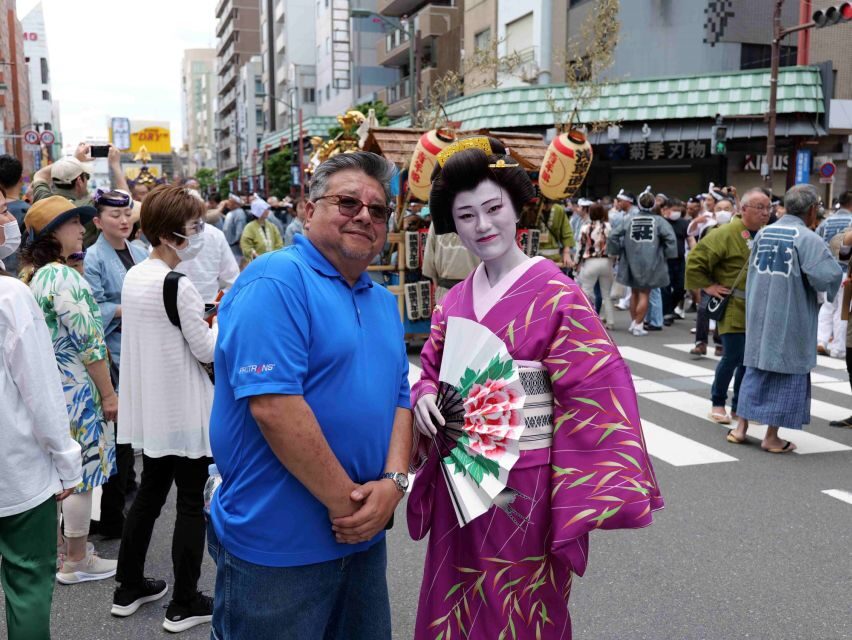
If you’re visiting for the first time, the Asakusa area is one of the best ways to understand what people mean by traditional Tokyo. This is where you can see major temples, learn how the space works, and walk streets that feel different from the high-rise districts.
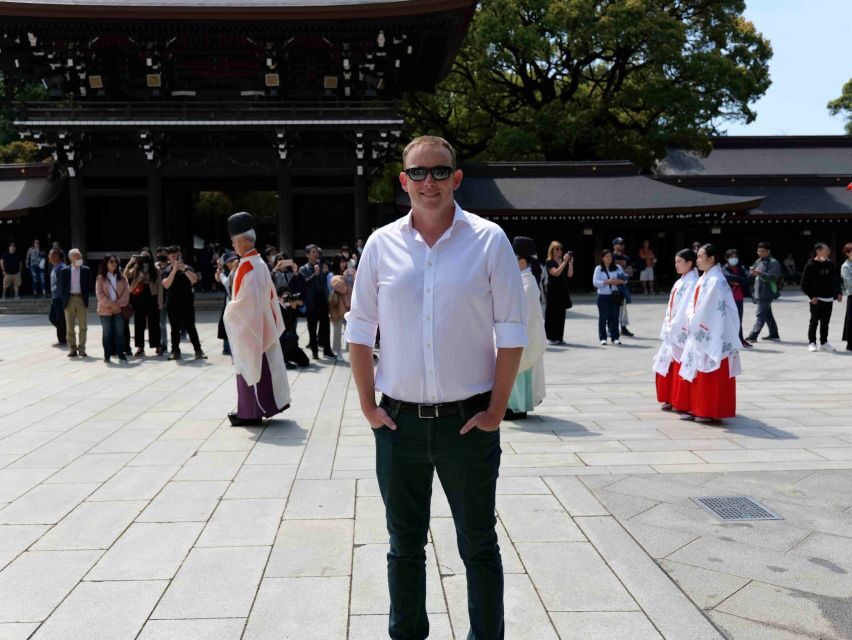
In the information provided, guides have taken people to highlights like Senso-ji and viewpoints in the area (including a trip to a viewing platform above Senso-ji). You also get hands-on help with the practical side of visiting shrines and temples—how to enter respectfully and what to expect.
What makes this stop type valuable is context. A guide can point out details you’d likely miss on your own: why certain areas feel set up for crowds, where the calmer lanes are, and how the neighborhood rhythm changes with the time of day. If you’re pairing temples with food, you’ll also get suggestions for snacks and treats that fit the vibe of Asakusa.
Possible drawback: this area can be busy, and a walking tour means you’ll be out there in real crowd conditions. If you hate crowds, ask your guide to build in breathing room—slower side-street routes or a later/lighter time window.
Skyline and viewpoints: Tokyo Skytree and the Metropolitan Building style moments
Tokyo’s best “wow” moments often come from viewpoints. In the guided options referenced here, you’ll see examples like Tokyo Skytree and the Metropolitan Building as bonus stops or anchor moments.
A local guide helps you do two things:
- Choose viewpoint timing so you’re not stuck with the worst light or the longest queues.
- Make the views meaningful by tying what you see to the city’s layout—how neighborhoods stretch, where rivers/lines run, and why certain areas feel dense.
One thing I like: these viewpoints tend to reset the day. After walking and street-level observations, you get a high-level view that makes everything you saw below feel connected. Guides also tend to give clear photo spots and simple explanations, so you’re not just staring up at buildings.
Keep in mind: viewpoints may involve stairs or elevators and some waiting. If you’re doing an all-day tour, think of the view as a planned break, not a random detour.
More days made easy by a guide




Modern Tokyo neighborhoods: Shinjuku, Shibuya, and Akihabara in human scale
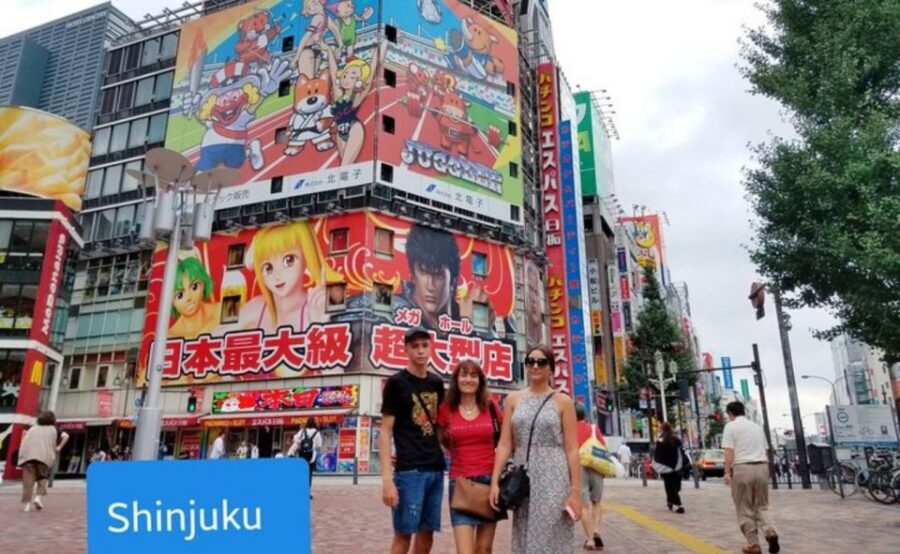
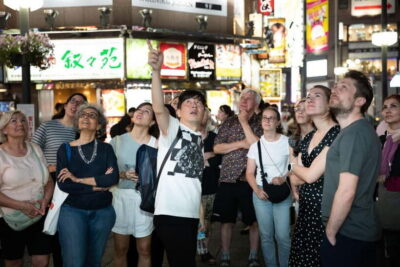
Tokyo’s modern districts can be overwhelming because they’re designed for movement and consumer energy. The fix is learning what to ignore and what to focus on. A private guide helps you “read” each area: which streets show the local vibe, where shopping makes sense, and how to avoid wasting time on dead ends.
From the information provided, these modern stops show up often:
- Shinjuku and Shibuya, including quieter pockets inside the bigger nightlife zones
- Akihabara, especially for people who want tech and pop-culture sights
- Shopping and photo-friendly streets where the guide can help you choose what to see and how long to spend
There’s also a cultural layer. Some guides are praised for sharing practical etiquette tips and ways to behave appropriately at shrines and busy neighborhoods. That kind of guidance helps you feel less like a visitor trying to guess and more like someone traveling with basic local “rules of the road.”
Possible drawback: modern districts can be fast and intense. If you’re planning an 8-hour day, consider balancing one modern neighborhood with something slower—like gardens or a waterfront pause—so you don’t end the tour fried.
Imperial gardens and Marunouchi: a calmer Tokyo reset
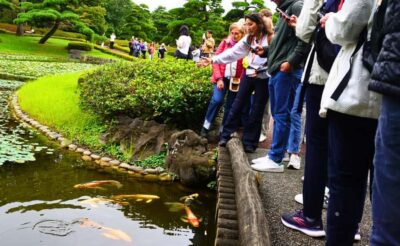
If your plan includes the Imperial Palace Gardens and the Marunouchi area, you get a different Tokyo mood—cleaner lines, wider streets, and a sense of space that contrasts with train stations and shopping blocks.
Guides who include this type of stop often help you connect the dots between Tokyo’s past and its current city center feel. Marunouchi can also serve as a practical “hub” moment: it’s easier to understand the city’s layout from there, and you can use it as a midpoint before heading back to denser districts.
Why this works: after several hours of walking, gardens and central avenues give your legs a mental reset. Even if you don’t love history museums, you can still enjoy the change in pace and the chance to breathe.
Possible drawback: depending on timing and what’s open, garden access and time for photos can vary. If you care about a specific garden view, tell your guide early so they can build the schedule around it.
Odaiba and the waterfront option for a slower side of Tokyo
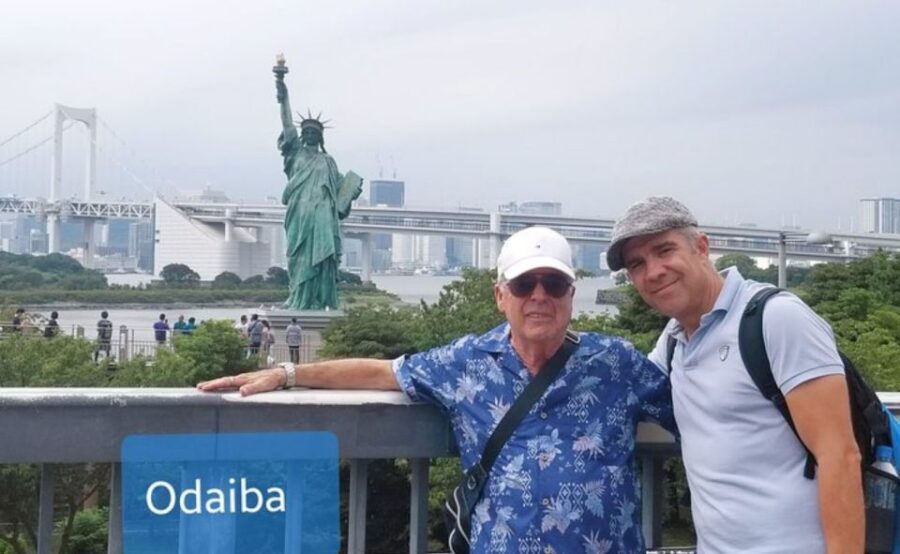
Not every Tokyo day needs temples and towers back-to-back. Some guides include Odaiba Marina as a discovery-type stop—often described as peaceful compared to the rest of the city.
This can be a smart choice if:
- you want a break from crowd density,
- you’d like something scenic without a frantic shopping loop,
- or you want an easier time photographing streets and water views.
In a long tour, waterfront time can break the “constant motion” feeling. In a short tour, it can be a memorable contrast to more traditional neighborhoods.
Possible drawback: waterfront stops can be weather-dependent. If you’re traveling in cool or rainy months, ask your guide how to sequence Odaiba so you’re not walking too long outside if conditions turn.
Using public transport with less stress (the part you’ll thank yourself for)
Tokyo trains and subway lines can be a puzzle at first. That’s why so many people value this tour for the practical transit help. In the info you provided, guides are praised for navigating the system, taking people to requested areas efficiently, and even helping with getting started tools like transit cards.
Here’s how you can turn this into real benefits for the rest of your trip:
- Watch how your guide chooses trains and transfers. You’ll learn the logic, not just the route.
- Pay attention to station orientation and exit choice. Knowing which exit to use saves huge time later.
- Ask quick questions while you’re moving: where to stand, how to spot the right platform, and what to do if you miss a stop.
Because the tour includes walking and public transport (with options that may change transport style), you’re not just sightseeing—you’re building skills. That’s especially valuable if you plan to do day trips or multiple neighborhoods on your own after this.
What’s included in your $53 value (and what you still handle)
At about $53 per person, the best way to think about value is: you’re paying for a guided, door-to-door experience that also reduces time costs.
Here’s what’s included:
- A private walking tour built around your choices
- Customization and tour adjustments based on what you tell the guide
- Hotel pickup if you’re located in Tokyo, plus help choosing a central meeting point if you’re not
- Walking and public transport during the tour (unless you select an option that changes this)
- Help from the team to book tickets for desired visits
What’s not included:
- Food and drinks
- Tickets to attractions
So you’re not paying to have every entrance covered, but you’re getting help to book and plan. In Tokyo, saving time on “where do we buy tickets” and “how do we get there” can easily be worth more than the guide cost.
Where it becomes a real bargain: when your day would otherwise be split between multiple neighborhoods and you’d waste the first hours figuring out transit. A private guide compresses that learning curve into a single, focused outing.
Choosing your guide focus: set expectations and get the best day
The guides named in the provided information share a pattern: they’re praised not just for showing sights, but for tailoring the route. You’ll get the best result if you start with a simple brief.
Try thinking in three buckets:
- Must-see anchors (temple, tower, skyline, market area, gardens)
- Mood (traditional streets, modern shopping, calmer waterfront, food stops)
- Practical needs (pace, breaks, stroller or mobility considerations, museum yes/no)
Then ask for something specific, like:
- a route that teaches you the subway basics,
- a viewpoint with good photo angles,
- or a food plan that matches what you’re comfortable eating.
In the information shared, guides like Fabian, Enrique, Albert, Francine, Florencia, Nicolas, Christiano, Karl, Tim, Rose, Maria, Rocio, and others are praised for flexibility and for giving useful post-tour recommendations. That kind of “finish strong” advice helps you use your remaining time well.
One more practical note: your tour may end in a different location from where it starts unless you request otherwise in advance. That’s normal for walking/transit routes, but it’s worth thinking about if you have dinner plans or a reservation later.
Who this private Tokyo tour is best for
This is a strong fit for:
- first-time visitors who want the city’s structure explained fast,
- couples who want a tailored, calmer day instead of group logistics,
- solo travelers who want confidence with trains and neighborhood flow,
- families who need pace flexibility and quick detours,
- people who care about etiquette and want help entering shrines and temples respectfully,
- anyone who wants both iconic stops and smarter neighborhood choices.
If you already know Tokyo well and you just want a self-guided highlight run, you might not need a private guide. But if you want to save time and reduce confusion, this is one of the most direct ways to do it.
Should you book this Tokyo private walking tour?
Yes, if you’re trying to get oriented in a hurry and you want your time in Tokyo shaped around your interests. The biggest reason to book is the private customization plus the real-world transit guidance. Those two combine into something you can feel immediately: less stress, better pacing, and more meaningful stops.
Book it especially if you plan to hit multiple neighborhoods in one day. That’s where a guide turns a long list into a workable route—and where the city stops feeling like a puzzle.
Book it with the mindset that you’re buying planning help and local context, not an all-inclusive ticket bundle. Bring good walking shoes, pick your anchors, and use your guide to build the day you actually want.
FAQ
How long is the private Tokyo walking tour?
It runs for 2 to 8 hours. You can check available starting times based on your preferred duration.
Is this tour private?
Yes. It’s a private group experience, so you’re not sharing the route with strangers.
Can the itinerary be customized, including museum visits?
Yes. Your guide can adjust the itinerary to match your interests, and museum visits can be added if you tell them in advance.
Is hotel pickup included?
Hotel pickup is included if your accommodation is located in Tokyo. If your hotel is outside the city center, you’ll meet at a convenient central meeting point instead.
Do you use public transport during the tour?
The tour includes walking plus public transport, except if you select an option that changes the transport included. Your guide helps you get around.
Are attraction tickets included?
No. Tickets to attractions are not included, but the tour does include help from the team to book tickets for desired visits.
What languages are available for the live guide?
English, French, Italian, Japanese, Spanish, and Portuguese.
Is the tour wheelchair accessible?
Yes, the tour is wheelchair accessible.
Is free cancellation available?
Yes. Free cancellation is offered up to 24 hours in advance for a full refund.
Can I reserve and pay later?
Yes. You can reserve your spot and pay later to keep your plans flexible.
Tokyo on Foot: More Walks


More Tours in Tokyo




More Tour Reviews in Tokyo




Fresh reviews from around Tokyo






Walking Tours, compared.
 ★ 5.0Tokyo Tsukiji Fish Market Food and Culture Walking TourFrom $993,184 reviews
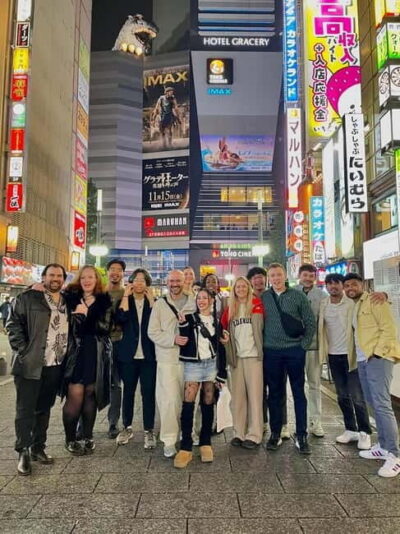 ★ 4.9Shinjuku Local Bar and Izakaya Guided Walking TourFrom $341,794 reviews
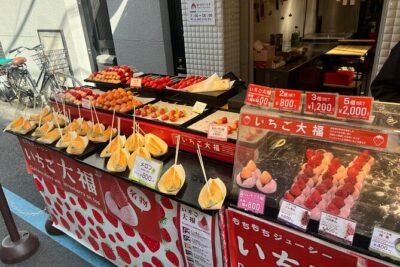 ★ 5.0Tsukiji Fish Market Food and Walking tourFrom $301,724 reviews
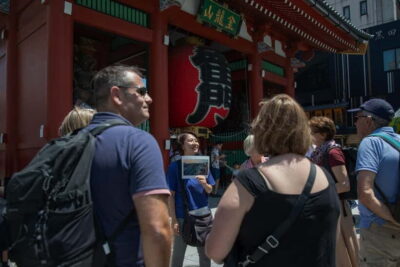 ★ 4.8Asakusa Walking Tour with Sensoji Temple VisitFrom $221,583 reviews
 ★ 4.9Tsukiji Fish Market Guided Walking TourFrom $221,397 reviews
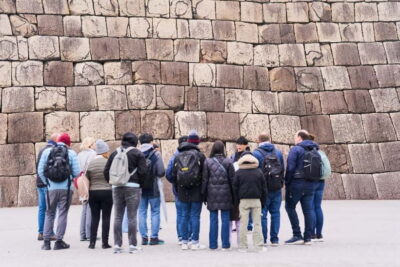 ★ 4.7Tokyo Castle & Imperial PalaceーShogun Walking TourFrom $231,068 reviews
 ★ 4.9Imperial Palace Japanese History Walking TourFrom $32987 reviews
 ★ 4.7Dark Side of Tokyo Shinjuku Red Light Walking TourFrom $29862 reviews
Browse the lists this tour appears in