
Reviewed · WALKING TOURS
Tokyo Old Town Discovery Walk. Lunch Included
Old Tokyo makes sense when you walk it. This 7-hour trek strings together Senso-ji and the quieter Ueno side of town, then adds the fun stuff: old-market streets, shopping for chef gear on Kappabashi, and a course lunch with real explanations of what you’re seeing and eating. I particularly like the way the guide turns temples and shopping into something you can understand fast (symbols, omiyage, and even the Buddhism vs. Shinto contrast). I also like that the food stops are not random stops; they’re built around Japanese habits and etiquette. One possible drawback: you’ll be on your feet for most of the day, and lunch may not fit every diet unless you arrange alternatives in advance.
This is a small group outing, capped at 12 people, which keeps the day from feeling like a cattle line. I’ve seen how guides like Mia can slow things down at the temples just enough for you to notice details you’d otherwise miss.
At $90 for a full half-day plus a course lunch, it’s good value if you want structure (and a clear route) more than pure free roaming. If you already know Asakusa and Ueno well, you may prefer to build your own food-and-temple route with fewer guided stops.
In This Review
- Key highlights you’ll actually feel during the walk
- Entering old Tokyo: why this route works
- Start in Asakusa: skyline views and the temple-street approach
- Senso-ji Temple: the omiyage lesson that makes the shopping click
- Asakusa Shrine: where Buddhism and Shinto show up side by side
- Lunch around Asakusa’s old market streets: what to eat and how
- Kappabashi Street: knives, food replicas, and “chef culture” for normal people
- Matsuzakaya Ueno: the upscale food-culture snapshot
- Ueno Park: seasonal Tokyo plus museum-and-shrine vibes
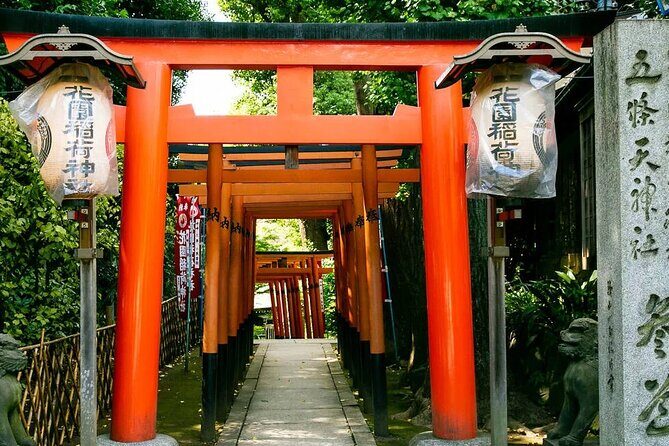
- Toshogu Shrine in Ueno Park: Edo-era architecture in a calmer setting
- Pacing and logistics that matter when you’re walking for real
- Value check: is $90 a fair deal for this day?
- Who this tour fits best
- Should you book the Tokyo Old Town Discovery Walk?
- FAQ
- How long is the Tokyo Old Town Discovery Walk?
- Is lunch included in the price?
- What is the meeting point for the tour?
- Where does the tour end?
- How many people are on the tour?
- Is the tour mostly walking?
- Are there any paid admissions mentioned?
- What should I do if I have dietary restrictions?
- What if the weather is bad?
- What is the cancellation window for a full refund?
Key highlights you’ll actually feel during the walk
- Senso-ji plus shopping street context: You don’t just see the famous temple. You learn what items mean and why people buy omiyage there.
- Buddhism vs Shinto, explained on-site: Asakusa Shrine is right next to Senso-ji, so the contrast lands in a single morning stretch.
- Course lunch with food-etiquette talk: You get an introduction to what to eat and how to handle it like locals.
- Kappabashi Street for chef knives and food replicas: This is where you’ll spot why Japanese kitchen culture is so visual and specific.
- Ueno Park and Toshogu Shrine in one line: You go from everyday park life to an Edo-era shrine setting.
- Day organized for first-timers and returners: If it’s your first Tokyo visit, it gives bearings fast. If not, you still get focused explanations at the right stops.
Tokyo at walking pace, a few more ways
- Tokyo Tsukiji Fish Market Food and Culture Walking Tour★ 5.0 · 3,184 reviews
- Tokyo: Shinjuku Local Bar and Izakaya Guided Walking Tour★ 4.9 · 1,794 reviews
- Tokyo: Tsukiji Fish Market Food and Walking tour★ 5.0 · 1,724 reviews
Entering old Tokyo: why this route works
Tokyo can feel like it has two speeds. One is the neon, express-train version. The other is the older city fabric: shrines, temple streets, side alleys, and the shopfront rhythm that never really left. This walk aims squarely at that older layer.
What makes the day feel practical is how it groups things that belong together. You start in Asakusa, with Senso-ji as the anchor, then continue to Ueno via the park and Toshogu Shrine area. Along the way, you get built-in pauses for food and shopping: a course lunch, plus time for Kappabashi (kitchen tools and replicas) and a stop related to higher-end food culture at Matsuzakaya Ueno.
Price-wise, the structure matters. You’re paying $90 for a guided, fixed route that includes lunch. Many of the sites listed on the schedule are marked with free admission for your visit, so the cost is mostly paying for the guide, organization, and the meal segment.
Also, this isn’t a giant tour. It’s capped at 12, so questions don’t get lost in the noise. You’ll still be walking, but you’re not stuck yelling over a busload of people.
Start in Asakusa: skyline views and the temple-street approach
The tour starts at Asakusa (1-chōme-1-3, Taito City). The timing is a 9:00 am start, and you’ll want to be there a bit early so you’re not sprinting to catch the group.
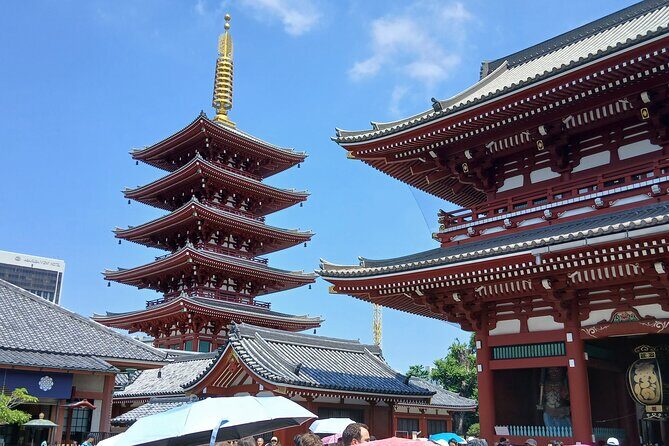
Stop 1 is a shorter introduction to Asakusa: you get a view of the area, then you move into the access street that leads toward Senso-ji. This matters. The temple is famous, but the experience is bigger than the gate. Those shopping and street patterns are part of why Senso-ji feels like a living place instead of a museum set.
During this opening stretch, the guide focuses on traditional cultural and religious symbols you’ll see on the street and around the area. If you’ve ever looked at a signboard, a charm, or a ritual item and wondered what it actually means, this is the kind of framing that helps.
And yes, you’ll have a chance to stroll, taste, and shop along the access streets before you hit the main temple.
Senso-ji Temple: the omiyage lesson that makes the shopping click
Senso-ji is the headline, but the tour’s real advantage is explaining what you’re likely to run into there. You’ll spend about 1 hour at the temple and the traditional streets around it.
Expect a lot of activity. The trick is not to treat it as just a photo stop. You’ll learn the tradition of omiyage (temple souvenirs that people bring home), and you’ll get context for the kind of religious or traditional items sold nearby. Once you understand that people aren’t just buying random trinkets, shopping turns from chaos into meaning.
You’ll also get time to taste Japanese treats along the way. The listing doesn’t specify which snacks, so don’t plan around a specific dish. Instead, plan around the idea that the guide is helping you read choices and etiquette.
Practical tip: temples are active places. Wear shoes you can walk in for hours, and keep your hands free for charm-buying or snack-handling.
Asakusa Shrine: where Buddhism and Shinto show up side by side
Right next door to Senso-ji is Asakusa Shrine, where you’ll spend around 30 minutes. The tour calls out the contrast: Buddhism vs. Shinto in Japan. Since these traditions share space in real neighborhoods, not just in textbooks, you’ll feel the difference more than you’d expect.
This is one of the more satisfying stops because the time window is small and focused. You won’t be rushed through a giant site. You’re given a clear “look here, notice that” approach—exactly what you want on a walking day.
If you like culture that’s concrete, not abstract, this stop is built for you.
Worth weighing up alongside this Tokyo pick:



Lunch around Asakusa’s old market streets: what to eat and how
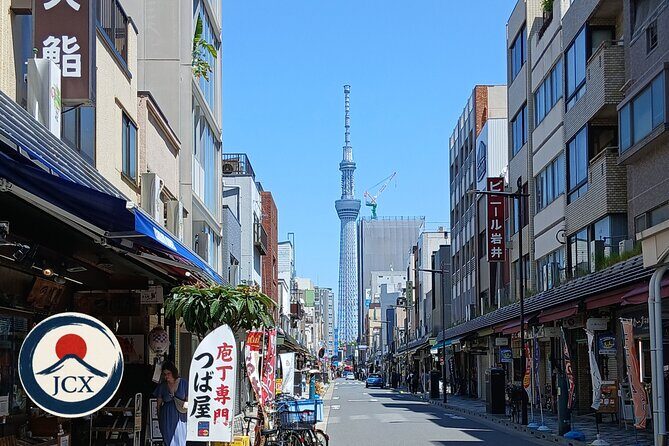
After the shrines and temple area, you get a longer stretch—about 2 hours—that includes walking and then a Japanese lunch (included).
This is not just a meal break. The guide provides an introduction to:
- What to eat and how
- customs and etiquette around eating in Japan
That etiquette piece is underrated. In Tokyo, it’s easy to feel like you’re guessing. A guided lunch helps you understand what’s normal and what’s odd, without turning it into homework.
Dietary note, because this matters: the tour says that if you have dietary restrictions, you should inform them in advance so the provider can arrange meal alternatives. If you don’t, the listing states the meal portion of the tour’s cost can be refunded on location, as long as you gave notice at least 24 hours prior to the tour start. If food limits are a concern, handle that early. It will save you stress on the day.
What I like about this lunch segment is the balance. You’re in an older shopping area, so the food fits the setting. You’re also not stuck staring at a menu with zero guidance.
Kappabashi Street: knives, food replicas, and “chef culture” for normal people
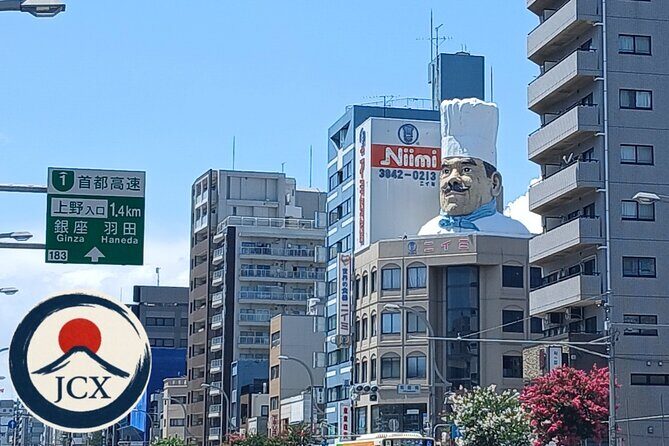
Next you head to Kappabashi Street (Kappabashi Dogugai) for about 1 hour. This is the part of the day that turns Tokyo’s tradition into something you can touch.
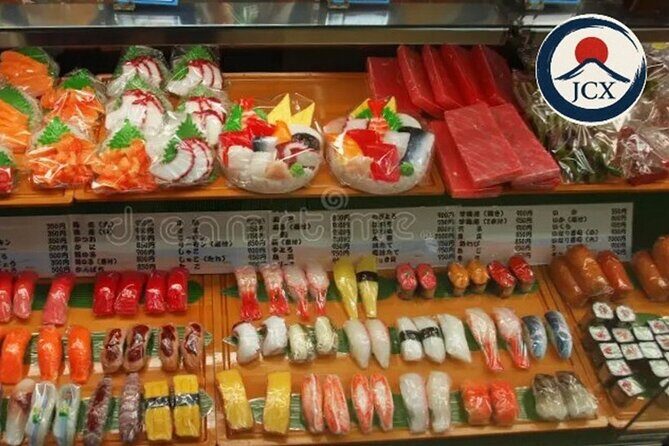
Kappabashi is famous for tools—especially knives—and for food replicas that look almost too real. If you like quirky shopfronts and objects with purpose, you’ll enjoy how visual and specific everything is. There’s also a shopping angle: you can browse stores for kitchen needs or fun souvenirs.
The listing notes that hands-on experiences can be booked in the area. The tour doesn’t promise you’ll do one during the schedule, but it’s a useful hint if you fall in love with the place and want a workshop add-on later.
Practical tip: if you’re buying heavier items (certain kitchen tools can be weighty), consider what your return transport looks like before you commit. This tour ends in Ueno, not Asakusa.
Matsuzakaya Ueno: the upscale food-culture snapshot
You’ll spend about 30 minutes at Matsuzakaya Ueno, with time to see or shop its food court. This is a nice shift in tone. After old streets and temple areas, you get a glimpse of higher-end Japanese everyday eating.
The goal here isn’t luxury sightseeing. It’s contrast. You’ll see how serious Japan can be about food presentation and how shopping culture adapts to different neighborhoods.
If you like food as a category—packaging, display, and the way people browse—you’ll find this stop satisfying. If you’d rather spend every minute outside, you may treat it as a short rest and walk back out fast.
Ueno Park: seasonal Tokyo plus museum-and-shrine vibes
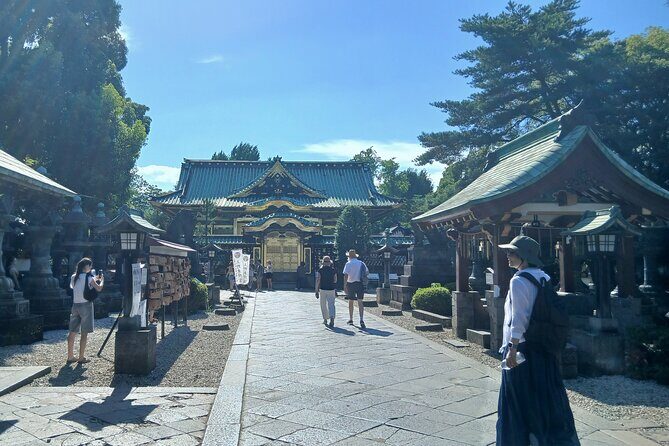
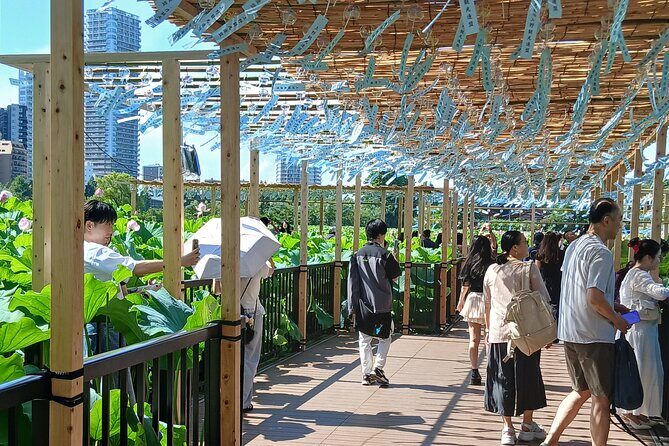
Stop 7 is Ueno Park, about 30 minutes. The park area is described as historic and cultural, with museums, the zoo, and numerous shrines and temples. It’s also where seasonal touches can take over: cherry blossoms, lotus flowers, wind chimes, and festivals show up depending on the time of year.
This is a good stop for photos, but it’s also a good “breather.” Your feet still need respect, and parks give you a softer landing compared with temple stairs and narrow shopping alleys.
Toshogu Shrine in Ueno Park: Edo-era architecture in a calmer setting
The day closes with Toshogu Shrine for about 1 hour. It’s described as an Edo-period architectural and historic landmark, surrounded by serene walkways.
This ending is smart. After the busy streets of central Asakusa, you finish in a setting that feels more controlled and reflective. Even if you’re not a serious architecture person, the guide’s likely to help you notice details that are easy to miss when you’re just trying to get the shot.
Then you’ll end at Ueno Station, outside the Park Gate area (the listing specifies a location near the Babycar NewDays area). It’s a convenient drop-off if you want to connect to other parts of Tokyo afterward.
Pacing and logistics that matter when you’re walking for real
This is a walking tour, and the schedule is built from multiple short site visits:
- Asakusa introduction
- Senso-ji temple time
- Asakusa Shrine
- lunch + market-street walk
- Kappabashi shopping time
- Matsuzakaya Ueno food court time
- Ueno Park walk
- Toshogu Shrine
In other words: you’ll be moving most of the day, with built-in breaks at each stop. With a 7-hour (approx.) duration and a maximum of 12 participants, it’s usually the kind of pace that works for most people—though you’ll still want comfy shoes and a water plan.
Since it’s near public transportation, you’re not stuck far from transit if you need to regroup quickly. And it includes a mobile ticket, which reduces the friction of getting started.
Value check: is $90 a fair deal for this day?
$90 can feel steep until you break down what’s included.
You get:
- A full half-day + itinerary (about 7 hours)
- Course lunch included
- Multiple major cultural stops across Asakusa and Ueno
- Visits where admission is listed as free for you
- A guide who helps you interpret what you’re looking at, especially for symbols, omiyage, and food etiquette
The biggest value is the “translation.” Without guidance, Senso-ji and the shrine streets can blur together into crowds and shopping. With guidance, the shopping becomes understandable, the rituals become less mysterious, and the food stop becomes more confident.
The one reason it might not be value for you: if you already know this area well and prefer to wander without structure, you may feel the guided stops are a bit slower than your personal pace.
Who this tour fits best
I’d point this tour toward three groups:
- First-time Tokyo visitors who want fast bearings and context at the places people actually talk about.
- Food-curious people who care about habits and etiquette, not only taste.
- Culture and architecture-minded travelers who like when guides connect street life to historic sites.
It also works if you’ve been to Tokyo before and want your next visit to be smarter. The format helps you notice details instead of just ticking off landmarks.
Should you book the Tokyo Old Town Discovery Walk?
Book it if you want a structured day that blends temples, shrines, and food culture without turning into a nonstop sprint. The small group size, the guide-led explanations, and the course lunch make the route feel efficient and worth the money.
Skip it (or consider tailoring) if you:
- need a very flexible, unscheduled day
- hate shopping-tool streets like Kappabashi
- have strict dietary needs and haven’t given advance notice for meal alternatives
If you’re on the fence, aim for the big-picture goal: this tour is built to help you understand old Tokyo by walking it in the right order, with food that’s part of the learning, not just an afterthought.
FAQ
How long is the Tokyo Old Town Discovery Walk?
It runs for about 7 hours.
Is lunch included in the price?
Yes. A Japanese course lunch is included.
What is the meeting point for the tour?
The start is at 1-chōme-1-3 Asakusa, Taito City, Tokyo 111-0034.
Where does the tour end?
It ends at Ueno Station, Park Gate, outside, near the Babycar NewDays area (レンタルベビーカー), in Ueno.
How many people are on the tour?
The tour has a maximum of 12 travelers.
Is the tour mostly walking?
Yes. It’s a walking tour with multiple short stops and a long total time on foot.
Are there any paid admissions mentioned?
The listed stops show admission tickets as free for the sites included.
What should I do if I have dietary restrictions?
Inform the provider in advance so they can arrange meal alternatives. If advance notice was made at least 24 hours before the tour start, the meal portion can be refunded on location if needed.
What if the weather is bad?
The experience requires good weather. If it’s canceled due to poor weather, you’ll be offered a different date or a full refund.
What is the cancellation window for a full refund?
You can cancel up to 24 hours in advance for a full refund.
More Lunch Experiences in Tokyo

Tokyo on Foot: More Walks


More Tour Reviews in Tokyo






Fresh reviews from around Tokyo






Walking Tours, compared.
 ★ 5.0Tokyo Tsukiji Fish Market Food and Culture Walking TourFrom $993,184 reviews
 ★ 4.9Shinjuku Local Bar and Izakaya Guided Walking TourFrom $341,794 reviews
 ★ 5.0Tsukiji Fish Market Food and Walking tourFrom $301,724 reviews
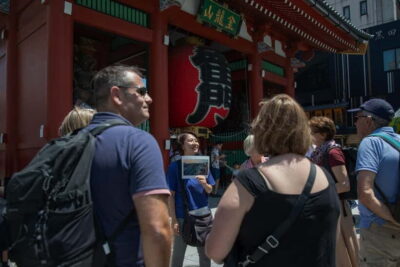 ★ 4.8Asakusa Walking Tour with Sensoji Temple VisitFrom $221,583 reviews
 ★ 4.9Tsukiji Fish Market Guided Walking TourFrom $221,397 reviews
 ★ 4.7Tokyo Castle & Imperial PalaceーShogun Walking TourFrom $231,068 reviews
 ★ 4.9Imperial Palace Japanese History Walking TourFrom $32987 reviews
 ★ 4.7Dark Side of Tokyo Shinjuku Red Light Walking TourFrom $29862 reviews
Browse the lists this tour appears in