
Reviewed · TOKYO
Tokyo: Mount Fuji Private Tour with Scenic Lunch Experience
Fuji looks different when you pace it right. This private 10-hour outing strings together classic photo stops with calmer cultural breaks, plus that standout scenic lunch with Mount Fuji views. You’ll travel with a private English-speaking guide, and the schedule can shift based on what you care about most.
I especially like the balance here: artisan workshops at Iyashi no Sato paired with viewpoints that you don’t always get to linger at in crowded group tours. And the guide’s photo help is real—patients with angles, timing, and getting everyone in the frame.
One possible drawback: the day can be active and stair-heavy in places, and you’ll be on the move for a full day. Also, English quality may vary a bit by guide, so if fluent narration matters, mention it when you book.
In This Review
- Key things that make this tour worth your time
- Why this Mt. Fuji day feels different from a standard group tour
- Getting started: pickup, van time, and how to use it
- Mt. Fuji 5th Station: the classic stop, minus the chaos
- Chureito Pagoda and the Arakura Fuji Sengen viewpoint
- Lake Kawaguchi: Fuji framed by water
- Iyashi no Sato Healing Village: crafts, thatched roofs, and quiet time
- Saiko Lake and Bat Cave: forest air and a different feel
- Oshino Hakkai: charming walking, possible crowd pressure
- Kitaguchi Hongu Fuji Sengen Shrine: the oldest, most grounded stop
- Yamanakako and the hot spring: decompress while staying on plan
- Hakone and Lake Ashi: finish with water views and a change of scenery
- The countryside lunch: where value and atmosphere meet
- What your guide really changes (and why the good ones matter)
- Price and value: $330 per group up to 6
- Tips that make the day smoother
- Should you book this Mt. Fuji private tour?
- FAQ
- How long is the Tokyo to Mount Fuji private tour?
- What does the $330 price include?
- Where is pickup and drop-off available?
- What languages does the guide speak?
- Is lunch included, and will it have Mount Fuji views?
- Which Mount Fuji area sites are included on the route?
- Does the tour skip the ticket line?
- Is this tour wheelchair accessible?
- Do I need to bring cash, and is alcohol allowed?
Key things that make this tour worth your time
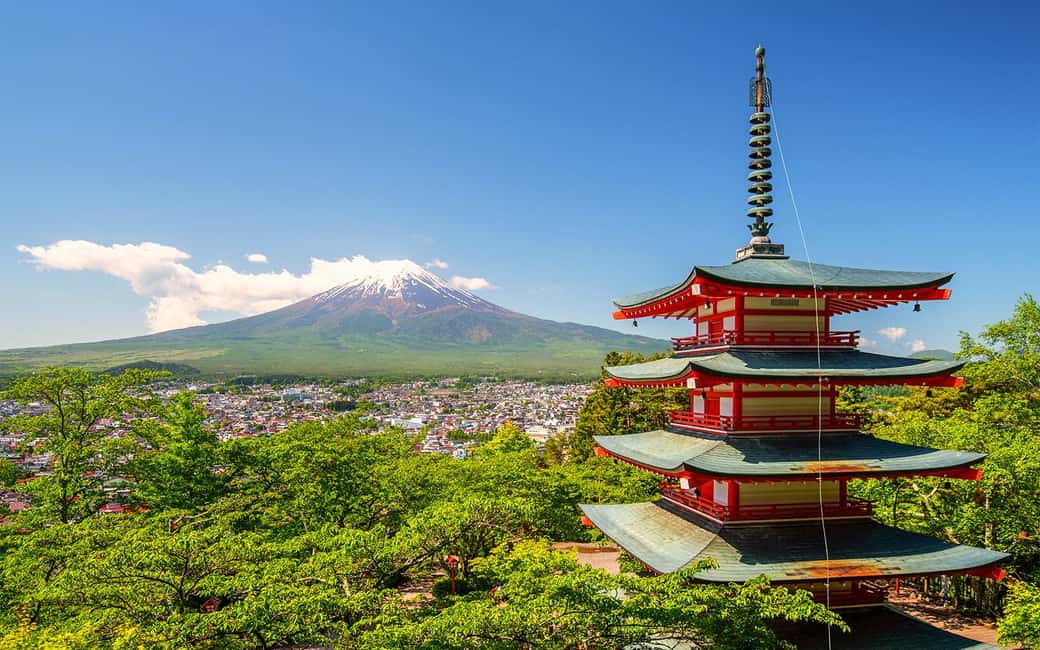
- Scenic lunch in a countryside setting with Mount Fuji in the background
- Iyashi no Sato Healing Village with thatched-roof buildings and artisan workshops
- Arakura Fuji Sengen Shrine/Pagoda area for a viewpoint many set their sights on
- Saiko Lake and Bat Cave with forested, nature-focused breaks
- Kitaguchi Hongu Fuji Sengen Shrine at the mountain’s base (1,900 years old)
- Flexible pacing so you can slow down for photos or shopping
Before you commit, see how this one stacks up against a few Tokyo favourites:
- Mt Fuji and Hakone 1-Day Bus Tour Return by Bullet Train★ 5.0 · 26,383 reviews
- 1-Day Tokyo Bus Tour★ 5.0 · 14,250 reviews
- Tokyo: teamLab Planets TOKYO Digital Art Museum Entry Ticket★ 4.6 · 9,779 reviews
Why this Mt. Fuji day feels different from a standard group tour
This is the kind of Mt. Fuji trip that treats your day like a plan, not a stamp-collecting exercise. A private vehicle from Tokyo 23 wards means fewer delays from regrouping, and the route leans into a mix of iconic views and quieter stops.
The big win is the low-stress structure. You get a clear backbone—shrines, lakes, and a hot spring—yet you still have room for flexibility. That matters because Mt. Fuji days are weather-dependent, and the best time for photos can shift.
And yes, you also get a moment that feels human: the countryside lunch. Depending on the day, it’s either a hidden restaurant with Fuji views over the water, or a family-run farmhouse-style meal with seasonal dishes and garden views. Either way, it’s an easy reset during a long travel day.
Getting started: pickup, van time, and how to use it
Your day starts with hotel pickup in Tokyo 23 wards and a private car/van ride (with Wi-Fi and bottled water) toward Fuji’s countryside. That “van time” is long enough that I treat it like part of the tour, not a waiting room. If you want a smooth start, plan to use the first hour to organize what you’ll shoot with later—charge phones, clear camera cards, and layer up.
In a full 10-hour day, timing matters. Your guide builds the day around photo stops and visits, but you’ll still want comfortable walking shoes because some areas involve steps or uneven paths. It’s also smart to bring a light layer even in warmer months; shrines and lakes can feel cooler once you’re out of the city.
Mt. Fuji 5th Station: the classic stop, minus the chaos
The tour includes a stop at Mt. Fuji 5th Station for a photo stop and visit. This is the kind of place where you want time to look around, not just point and shoot. When the visibility is good, the views feel big and immediate, and the station area typically offers enough activity to make the stop feel worthwhile beyond photos.
Practical tip: if you’re sensitive to heights or altitude effects, take it slow. You’re not going to climb the whole mountain, but you will be at a higher elevation than Tokyo. Also, treat it like a viewpoint break: hydrate, stand still for a minute, then take pictures.
Chureito Pagoda and the Arakura Fuji Sengen viewpoint
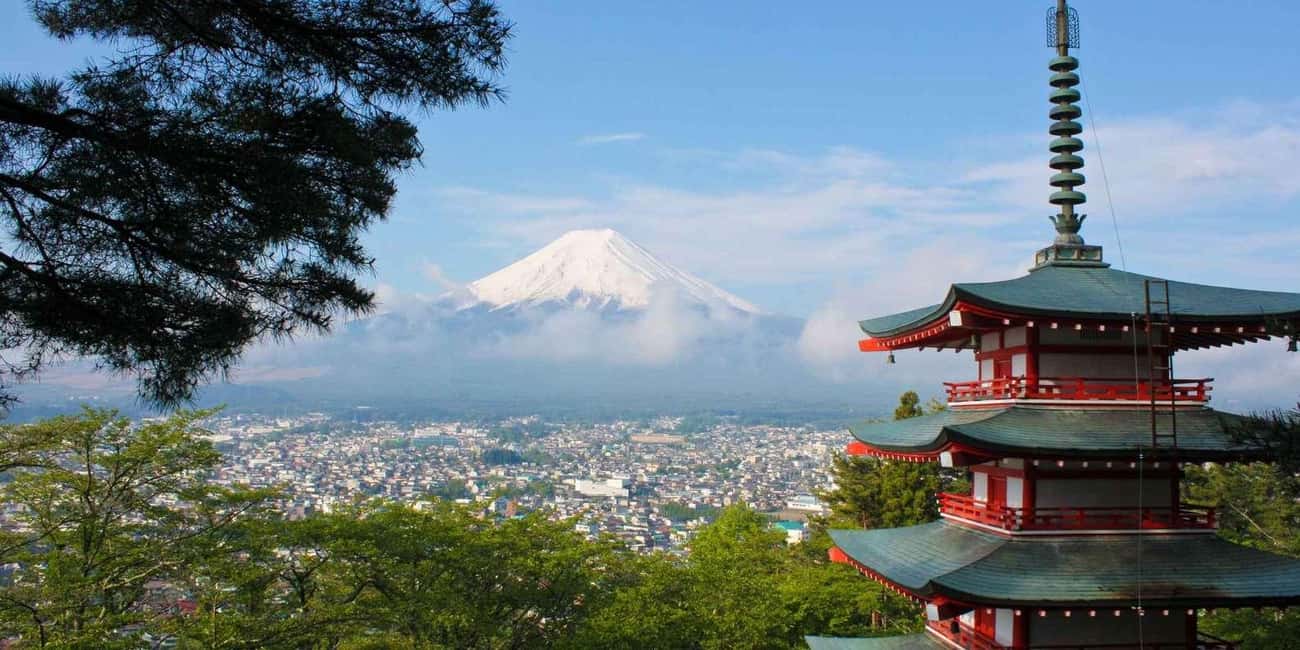
You’ll head to the Chureito Pagoda area (tied to the Arakura Fuji Sengen Shrine/Pagoda viewpoint). This is one of the most photographed angles of Fuji, and the tour gives you time to actually visit—not just pass through.
One thing to plan for: there can be a lot of stairs. A common note from this route is that the climb up to the pagoda can be about 400 steps. That doesn’t mean you should skip it. It just means you should wear shoes with real grip and pace yourself. If you’re traveling with older family members or anyone with mobility limits, build in extra time for slower sections.





Lake Kawaguchi: Fuji framed by water
Next up is Lake Kawaguchi for a photo stop and visit. This is a classic Fuji-with-lake setup, and the key value here is timing and framing. From the right angles, Fuji can look like it’s sitting right on the horizon line, with the lake acting like a mirror.
In practice, you’ll benefit from your guide’s pacing. A private guide can usually steer you toward spots where you can see Fuji without standing in the densest crowds for every minute. Spend your time wisely: take a couple of wide shots first, then come back for close details when the light shifts.
Iyashi no Sato Healing Village: crafts, thatched roofs, and quiet time
A highlight of this day is Iyashi no Sato (Healing Village). You’re stepping into a restored thatched-roof hamlet where artisan workshops and crafts give you a slower rhythm than the viewpoint stops.
This is the part of the day that I think most people underestimate. Pagodas and shrines are dramatic, but Iyashi no Sato is where you get a sense of everyday culture—making, repairing, learning, and browsing at an unhurried pace. If you like souvenirs that feel connected to place, you’ll likely enjoy the workshop vibe more than the typical tourist strip.
Be prepared for a little walking and uneven ground. The reward is that the village often feels like a break from the “Fuji-frenzy” energy, even though you’re still in the same region.
Saiko Lake and Bat Cave: forest air and a different feel
Later you’ll visit Saiko Lake and Bat Cave, with nature and exploration at the center. This stop reads as “scenic” on paper, but what you actually feel here is the forest setting—the air, the shade, and the sense that Fuji is the background rather than the main character.
If your idea of a great trip includes being outdoors without turning it into a hike mission, this is a good balance. Expect a nature-forward break where you can wander, take photos, and breathe after more structured shrine visits.
Oshino Hakkai: charming walking, possible crowd pressure
You’ll include Oshino Hakkai for a photo stop and visit. This is the kind of place where the appeal is mostly what you do: stroll, look at water features, and browse around the area.
The only “watch it” point is that it’s easy to lose time if crowds slow your movement. In a private format, you can manage that better—your guide can suggest when to pause, where to step out for photos, and when to shift focus.
Kitaguchi Hongu Fuji Sengen Shrine: the oldest, most grounded stop
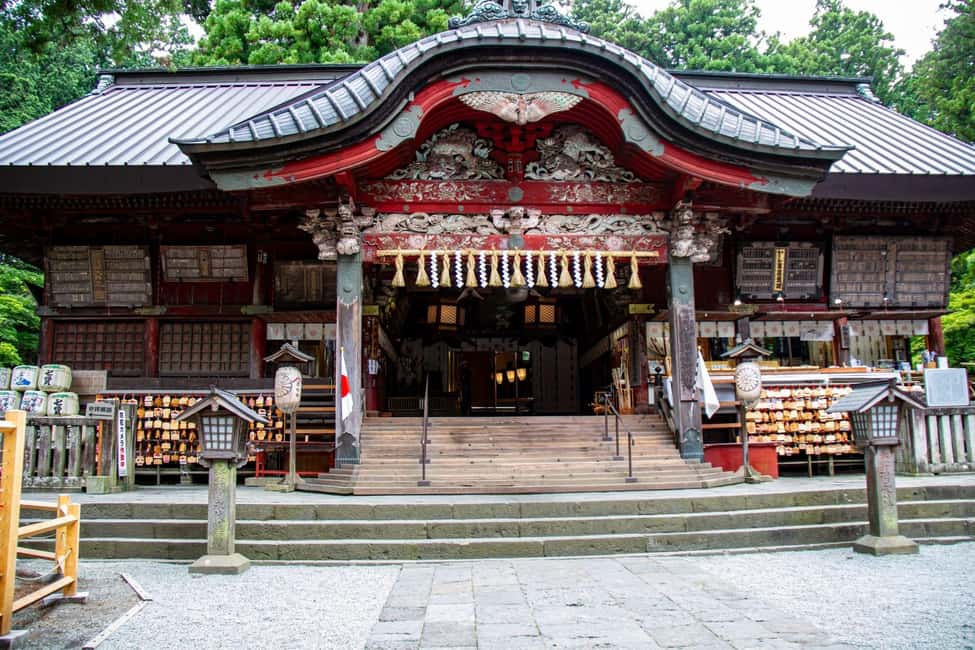
A strong cultural anchor on the route is Kitaguchi-hongu Fuji Sengen Shrine, described as 1,900 years old and located at the base of Mount Fuji. This stop often feels more intimate than the more famous views, because it’s about the ritual space and atmosphere.
Expect a shrine visit that includes a break and photo time. Also, plan for the small etiquette rules that come with many Japanese sacred sites. Some entries require removing shoes, so keep an eye on posted signs and follow your guide’s direction.
Yamanakako and the hot spring: decompress while staying on plan
After the shrine and lake stops, you’ll head to Yamanakako for a photo stop and visit, followed by a hot spring experience. The hot spring portion includes a guided tour and about 2 hours of free time.
This is the part of the day that helps you enjoy the rest more. After stairs, walking, and time in the car, you’ll feel the difference from soaking and resetting. Even if you’ve done hot springs before, the value here is the timing: it lands late enough that you’ll actually appreciate it instead of rushing through.
Hakone and Lake Ashi: finish with water views and a change of scenery
You’ll also see Hakone and Lake Ashi for photo stops and visits. This is a nice way to close the loop with another Fuji-adjacent scenery style: water views, calmer streets, and a shift in atmosphere compared to the lakes you hit earlier.
If you’re thinking about what to prioritize, treat these stops as your “flex finish.” When the weather cooperates, Fuji can show up in the background here too. When it doesn’t, the water and the scenery still make the day feel complete.
The countryside lunch: where value and atmosphere meet
The lunch is a real part of the experience, not an afterthought. The tour includes a countryside meal at a place with Mount Fuji views—either over Lake Kawaguchi or at a family-run farmhouse setting with seasonal Japanese dishes and garden views.
Why this matters for value: a private tour can cost more because you’re paying for time, comfort, and guide attention. The lunch coverage offsets that by removing a major “decision tax.” You don’t need to hunt for a place mid-day with the right vibe, and you’re not stuck eating somewhere generic far from the views.
Tip: go in hungry, but don’t overpack your schedule right before lunch. Food slows you down, and you’ll want time afterward to enjoy the rest of the day without rushing through the next viewpoint.
What your guide really changes (and why the good ones matter)
A private guide isn’t just translation. It’s pacing, photo timing, and confidence when plans shift.
Some guides on this route have earned strong notes for being friendly and patient, and for adjusting the schedule when needed. I’ve seen examples of guides changing plans to match what a family wanted, and others steering toward the “best spots” so photos happen without turning into a long wait.
You’ll also get photography assistance—help taking pictures at the best spots. That’s handy when you’re traveling as a couple, a group of friends, or with kids who won’t hold a pose for five minutes.
One fair caution: English ability can vary by guide. If you need smooth, detailed English narration, mention that in advance so expectations match reality.
Price and value: $330 per group up to 6
At $330 per group (up to 6 people) for a 10-hour private day, the value depends on how you’ll split the cost. If you’re traveling with 3–6 people, this can work out surprisingly reasonable compared to booking separate cars and guides.
What you’re actually paying for includes more than driving. You get:
- hotel pickup and drop-off in Tokyo 23 wards
- a private vehicle with Wi-Fi and bottled water
- a private English-speaking guide (with customizable timing)
- multiple paid regional stops and guided time
- scenic lunch in the countryside
- parking fees, tolls, and fuel costs included
In plain terms: if you want Fuji without the herd, and you want someone to handle logistics so you can focus on photos and calm breaks, this format usually earns its keep.
Tips that make the day smoother
A few small things can save you stress in a full-day route like this.
- Wear shoes for steps and uneven paths. The pagoda area can be stair-heavy.
- Bring some yen cash. Not all countryside shops and restaurants take credit cards, and it’s smart for small purchases.
- If you care about photos, build your energy around photo windows. Your guide can help with timing, but you’ll still get better results if you move efficiently.
- Dress in layers. Rain-or-shine operations mean you might go from sun to cool air fast.
Should you book this Mt. Fuji private tour?
Book it if you want a private Fuji day that feels thoughtfully paced: scenic lunch with Fuji views, artisan culture at Iyashi no Sato, and viewpoint time that isn’t swallowed by crowds. It’s also a good fit for families and small groups who want flexibility—swap in a break, slow down for photos, or spend a little longer where the day feels right.
Skip it (or ask more questions before booking) if you want a totally effortless, low-walking day. You’ll move a lot, and some stops involve stairs and shrine etiquette. Also, if fluent English narration is a must for you, confirm that your guide can meet that standard.
FAQ
How long is the Tokyo to Mount Fuji private tour?
The tour runs for 10 hours total.
What does the $330 price include?
It’s $330 per group up to 6 people, with a private English-speaking guide, hotel pickup and drop-off in Tokyo 23 wards, private vehicle with Wi-Fi and bottled water, multiple included visits, and a scenic countryside lunch, plus parking fees, tolls, and fuel.
Where is pickup and drop-off available?
Pickup and drop-off are available from any hotel or accommodation in Tokyo, specifically within the Tokyo 23 wards for the listed pickup location.
What languages does the guide speak?
The guide speaks English and Japanese.
Is lunch included, and will it have Mount Fuji views?
Yes. A scenic countryside lunch is included, and it’s described as either overlooking Lake Kawaguchi with Mount Fuji in the background or as a family-run farmhouse meal with garden views.
Which Mount Fuji area sites are included on the route?
You’ll visit places including Mt. Fuji 5th Station, Chureito Pagoda (Arakura Fuji Sengen Shrine/Pagoda area), Lake Kawaguchi, Saiko Lake and Bat Cave, Oshino Hakkai, Kitaguchi Hongu Fuji Sengen Shrine, Yamanakako, a hot spring, Hakone, and Lake Ashi.
Does the tour skip the ticket line?
Yes, it includes skipping the ticket line.
Is this tour wheelchair accessible?
The tour is listed as wheelchair accessible, but not all locations are wheelchair accessible. You should contact in advance for special arrangements.
Do I need to bring cash, and is alcohol allowed?
Some countryside shops and restaurants may not accept credit cards, so it’s recommended to bring some cash (yen). Alcohol and drugs are not allowed.
More Tour Reviews in Tokyo



Fresh reviews from around Tokyo






Tokyo, compared.
 ★ 5.0Mt Fuji and Hakone 1-Day Bus Tour Return by Bullet TrainFrom $16326,383 reviews
 ★ 5.01-Day Tokyo Bus TourFrom $12914,250 reviews
 ★ 4.6teamLab Planets TOKYO Digital Art Museum Entry TicketFrom $259,779 reviews
 ★ 4.0Mt Fuji & Hakone Cruise, Drum Show Bullet Train 1 Day from TokyoFrom $1497,413 reviews
 ★ 5.0Shinjuku Food Tour (13 Dishes at 4 Local Eateries)From $866,603 reviews
 ★ 4.4Tokyo Mt Fuji 5th St & Hakone Cruise Bus Tour w/Bullet TrainFrom $1545,024 reviews
 ★ 5.0Flagship 2-Hours Official Street Go-Kart Tour – Tokyo Bay ShopFrom $644,974 reviews
 ★ 4.5From Tokyo: Mount Fuji Full-Day Sightseeing TripFrom $684,970 reviews