
Reviewed · 3-HOUR EXPERIENCES
Tokyo Like a Local: Private & Personalised Experience (2-3 hours)
Tokyo feels big. A good guide shrinks it.
This private, personalized Tokyo intro (2–3 hours) is designed to help you get comfortable fast, with a host who tailors the walk to what you actually care about. I love that the plan isn’t stuck in rigid checkboxes, so you can steer toward history, food, shopping streets, or neighborhoods that feel fun to you. I also love the real-world focus on Tokyo transit, where your guide can show you how to use the subway and even help with tasks like buying tickets. One drawback to keep in mind: it’s primarily a walking experience, so if you want lots of long sit-down breaks or you’re hoping for vehicle transfers, you may find the format limiting.
You start near Harajuku/Omotesando and end back at the meeting point, so it’s easy to plug this into day one. Hosts communicate with you directly after a pre-tour questionnaire, which means you can ask for specifics before you meet up—like temples, markets, or a smoother route back to your hotel. Consider this too: guide styles can vary, and the experience depends on how clearly you share your must-sees and what pace you want.
In This Review
- Key Takeaways Before You Go
- A private 2–3 hour Tokyo reset, starting near Omotesando
- How the itinerary stays flexible even inside a walking plan
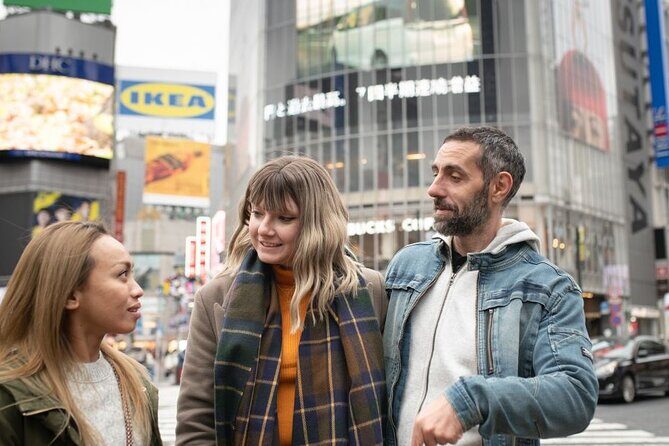
- Shibuya stops: Hachiko, the Scramble, and the shopping-street pulse
- 1) Hachiko and the story of loyalty
- 2) The world-famous Scramble Crossing, navigated with confidence
- 3) A Shibuya shopping street walk for fashion, food, and people-watching
- Asakusa stops: Senso-ji and Nakamise-style snack and craft lanes
- 4) Senso-ji: the oldest and most famous Buddhist temple
- 5) A traditional street for snacks and crafts
- Transit skills you can use the moment you’re back in your hotel
- Food tips and nightlife advice that fit your real schedule
- Price and value: what $107.20 buys you in Tokyo time
- Small issues to plan for: walking, weather, and guide matching
- Who should book this Tokyo like a local tour?
- Should you book this tour?
- FAQ
- What is included in the Tokyo like a local tour?
- How long is the tour?
- Is this a private tour or a group tour?
- Where do I meet the guide?
- Is pickup available?
- Do I need to pay extra for transportation during the tour?
- Are tickets to attractions included?
- Will I receive a mobile ticket?
- What if the weather is bad?
- What is the cancellation policy?
Key Takeaways Before You Go
- A first-day orientation that actually helps you move: expect practical subway guidance, not just a map lecture
- Private means real tailoring: your interests shape the route and what you spend time on
- Iconic Tokyo stops, in a walkable sequence: Shibuya landmarks and Asakusa classics
- Food and cultural advice are part of the point: you get pointers for where to eat and what to try
- You’re planning a day, not a museum tour: timing and focus can flex with your host
- Comfort depends on walking and transfer choices: public transport may be used between sites and could cost extra
More private options with your own guide
- Tokyo 6hr Private Tour with Government-Licensed Guide★ 5.0 · 3,902 reviews
- Private Tour to Mt. Fuji and Hakone (Fully Licenced Operator)★ 5.0 · 1,910 reviews
- Tokyo Customized Private Tour (Must See Places in 1 Day)★ 5.0 · 1,499 reviews
A private 2–3 hour Tokyo reset, starting near Omotesando
I like tours that make your next day easier. This one aims to do that by turning Tokyo from chaos into a set of understandable neighborhoods and simple routines. The time window is short enough to feel manageable—2 to 3 hours—yet long enough to cover several meaningful areas if your host builds a tight route.
You meet at NewDays near Harajuku/Omotesando (Omotesando Exit area). You also return to the same meeting point. That sounds minor, but it matters. When you’re new to Tokyo, “getting home” can be harder than “getting there,” and this structure helps you avoid the first-day panic.
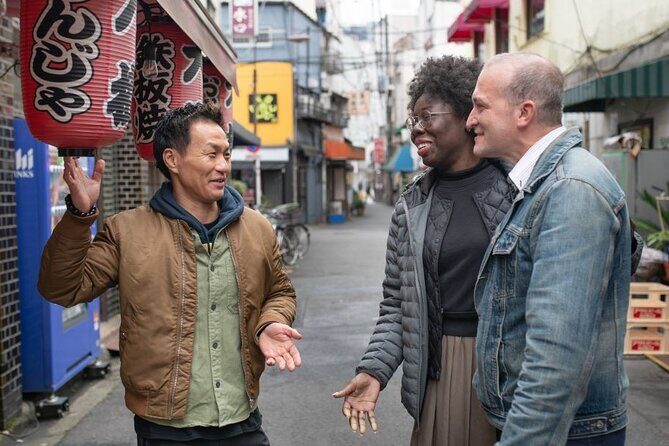
Because it’s private, you’re not blending into a group. Your guide can slow down, speed up, or shift priorities. In real experiences shared with me, hosts like Saito spent time walking through the subway basics and helped guests buy tickets. That kind of support is hard to replicate on a bus tour.
How the itinerary stays flexible even inside a walking plan
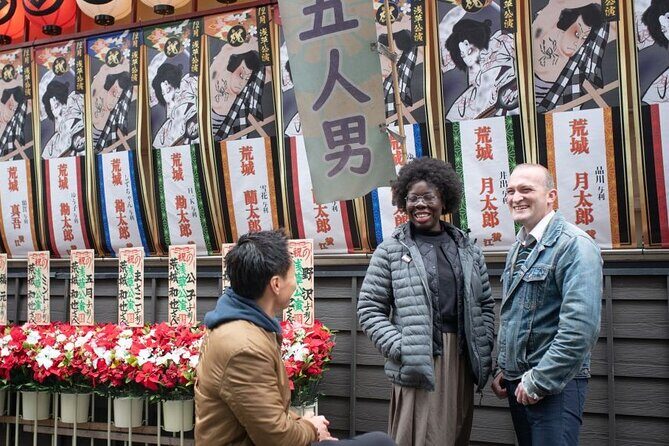
This isn’t a pick-one-sight-and-stand-there experience. You fill out a questionnaire before the tour, then message your host directly to plan. That’s the core value: the host can build around what you want, whether that’s big-photo landmarks, quiet side streets, or practical stops that reduce your future guesswork.
Even so, the tour has a strong default route theme: Shibuya for modern Tokyo energy and Asakusa for classic temple Tokyo. Those two areas are far apart in feel, which is a smart way to start. Tokyo isn’t one city; it’s multiple moods stacked on top of each other.
Your guide also has permission to adjust the pace. Some hosts are happy to add a detour for something you’re curious about. For example, a guide like Tomo was praised for teaching traditions and customizing temple/shrine stops in a thoughtful way. Another host helped guests find a tea shop and traditional sweets, then kept going to extra sights when time allowed. That’s the benefit of a private plan: it can expand naturally instead of feeling like you’re trapped in a schedule.
Shibuya stops: Hachiko, the Scramble, and the shopping-street pulse
If you’ve ever seen Tokyo in photos, you’ve probably seen Shibuya. This tour uses that familiarity—but adds context so it lands better than a quick selfie.
1) Hachiko and the story of loyalty
The first Shibuya landmark is the statue associated with loyalty and friendship. It’s a small stop compared with the big intersections, but it’s a good anchor because it gives you a cultural thread to carry with you through the rest of the neighborhood.
Practical tip: this is a place where you might feel the crowd immediately. Your guide can help you get to the right viewpoints without wasting time hovering in the wrong spots.
Worth weighing up alongside this Tokyo pick:



2) The world-famous Scramble Crossing, navigated with confidence
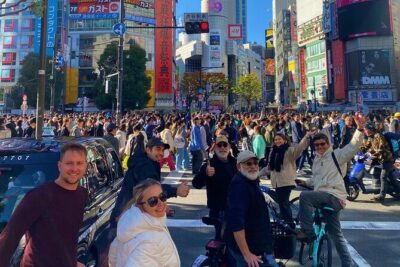
You then tackle the intersection experience: busy, loud, and visually chaotic. The win here is guidance. Even if you can physically cross the street on your own, your first time in Japan can still feel like speed-running with blindfolds. A good host helps you understand how people actually flow through the intersection—so you’re not guessing with your group.
In the experiences I reviewed, guides helped guests approach the subway system and move around with less stress. That same calm approach is what you want here: know where to stand, when to cross, and how to avoid dead-end routes.
3) A Shibuya shopping street walk for fashion, food, and people-watching
Next comes Shibuya’s shopping street vibe. The focus is on the lived-in feel—what people browse, where they snack, and what local culture looks like at street level.
What I like: your guide can point out places to return to later. Instead of buying everything in one go, you learn the shape of the area so you can shop smarter the next day.
Potential drawback: if you hate crowds, Shibuya might feel like sensory overload. You can still enjoy it, but you’ll want to ask your host to prioritize easier walking lanes and shorter stops.
Asakusa stops: Senso-ji and Nakamise-style snack and craft lanes
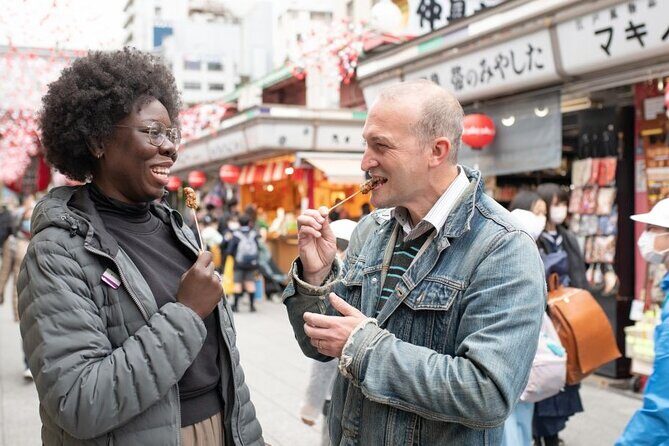
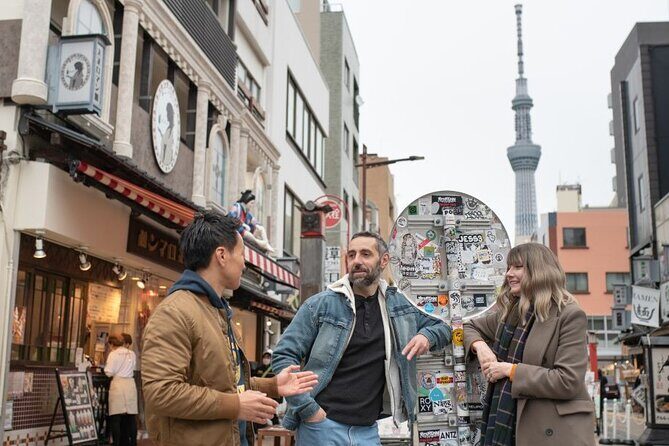
Asakusa is the classic contrast to Shibuya. If Shibuya is Tokyo as it markets itself, Asakusa is Tokyo as it remembers itself.
4) Senso-ji: the oldest and most famous Buddhist temple
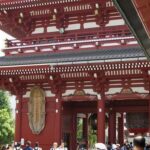
At Asakusa, the tour centers on Senso-ji—the big-name temple that many first-time visitors expect to see. The value on a guided walk is less about facts you can read online and more about what to look for and how to understand the place while you’re there.
A strong guide also helps you slow down. In example experiences, hosts guided guests through temple/shrine visits and explained Japanese customs and traditions, so the visit doesn’t feel like you’re just checking a box.
5) A traditional street for snacks and crafts
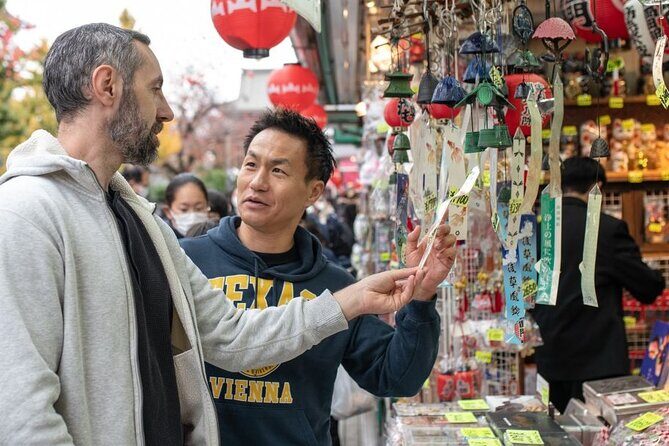
After Senso-ji, you walk a lively traditional street lined with local snacks and crafts (the common area for browsing and eating). This is where Tokyo becomes playful. You’ll likely see small treats, souvenirs that actually feel Japanese, and craft items that don’t look mass-produced.
If food matters to you, this is a great stage of the tour to ask for recommendations. One guest experience described how a guide introduced them to a dozen new foods. Even if you don’t eat everything, you’ll learn what to prioritize so you’re not stuck ordering the first thing you see.
Practical note: temple areas can be crowded too. If you’re traveling with kids or you want slower pacing, tell your host early. In a family-focused experience, the guide tailored the route so a child could play rather than endure a long stroller-heavy walk.
Transit skills you can use the moment you’re back in your hotel
A huge reason to book this on day one is the subway learning curve. Tokyo’s rail system can feel intimidating at first. The tour is built to make it simpler.
You’ll get help understanding how to navigate the city on public transport. In several real host examples, guides like Saito helped guests buy subway tickets and get oriented quickly. Another host helped a first-day visitor and a teen figure out how to operate in Japan: subway tricks, local manners/customs, and practical advice on where to eat.
Here’s what you should look for from your guide during the train guidance:
- Clear steps on buying and using tickets
- How to choose the right line and station exit
- Simple rules for not getting turned around
If you’re a repeat visitor later, the value changes. On a second trip, this kind of orientation is less about learning and more about moving faster. Either way, you end up spending more time enjoying Tokyo and less time decoding signs.
Food tips and nightlife advice that fit your real schedule
Food isn’t included, and attraction tickets aren’t included either. But that’s actually part of how this tour helps. Your guide can point you toward places to eat based on what you like, your budget, and what’s near your route.
You might hear advice for:
- Where to grab a quick snack after temple time
- What to try near markets and shopping streets
- How to handle ordering basics with less stress
One guest described a guide helping them order food and buy basics at a store like Don Quijote. Another mentioned guidance that continued after the tour through helpful links to stores. Those details matter because they extend the tour’s usefulness beyond the 2–3 hours you physically spend walking.
Nightlife advice is also part of the tour promise, but keep it grounded. The best nightlife tip is usually where to go, what area to stick to, and how to return safely. If that’s what you want, ask for it in your questionnaire and bring it up again when you meet your host.
Price and value: what $107.20 buys you in Tokyo time
At $107.20 per person for 2–3 hours, you’re not paying for a bus and a script. You’re paying for:
- Private time with a guide who can tailor the route to you
- Planning support through a pre-tour questionnaire and direct messaging
- On-the-day orientation so you don’t waste your limited Tokyo hours wrestling with transit
The value gets stronger if you’re:
- Visiting for the first time
- Feeling overwhelmed by neighborhood choices
- Wanting a smoother start so you can explore on your own right after
It also helps that the tour can use pickup options (pickup offered), and that exact start times can be chosen when booking. The more flexible your start, the easier it is to match your energy level—especially on day one after travel.
Where the price might feel less worth it is if you already know Tokyo transit very well and you’re mostly chasing only the most famous photos with no need for navigation help. In that case, you could build your own route and save money. But if you’re still learning, the “time saved” component can quickly become worth the cost.
Small issues to plan for: walking, weather, and guide matching
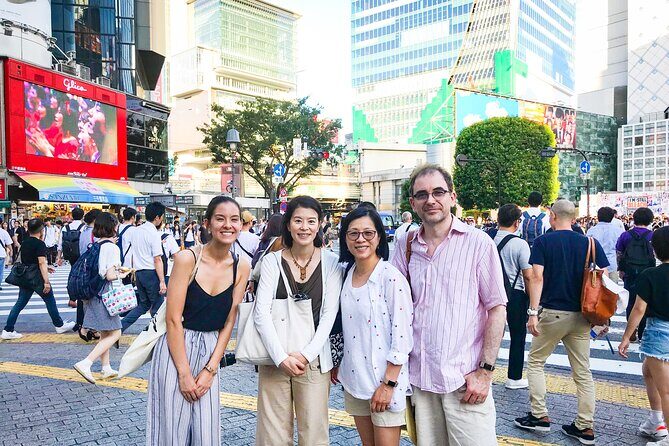
This is a walking tour. That means your comfort level is part of the equation. Your tour may use public transport or local taxis to transfer between sites, and the exact transportation costs can be discussed with your host. So plan for the possibility that you’ll sometimes step onto trains or take short rides rather than walking every single step.
Weather matters too. The experience requires good weather, and poor conditions can trigger a change.
The other issue is guide matching. The tour quality is tied to the host you get. Most experiences are highly rated, but there have been occasional complaints about planning and whether the host relied on quick online checks. That doesn’t mean every tour has that problem. It does mean you should show up with clarity.
My practical advice: in your questionnaire and on day-of, tell your host:
- Your must-sees (pick 2–4 tops)
- Your walking comfort level
- Your pace preference (fast sights vs slower photos and snacks)
That guidance helps your host customize without guessing.
Who should book this Tokyo like a local tour?
This is a strong fit if you want a fast, confidence-building start. I’d book it if:
- You’re new to Tokyo and want a first-day orientation
- You prefer private guidance over joining a crowd
- You care about both iconic spots and practical local tips
- You want help navigating trains and choosing where to eat
It’s also a good choice for families, including kids. One praised experience mentioned a guide tailoring the pacing so a child could play. Another highlighted patience with seniors who felt overwhelmed by the subway.
If you’re someone who hates crowds and walking, you can still do it, but you should ask your host to structure the route to minimize long waits in busy areas.
Should you book this tour?
Yes, if you’re spending limited time in Tokyo and you want your day one to make tomorrow easier. The best part is the combination: neighborhood icons (Shibuya and Asakusa) plus the practical skill of moving around Tokyo’s transit system. That mix saves energy, reduces stress, and turns Tokyo from a map into a place you can navigate.
I’d skip or rethink it if you already have Tokyo transit down cold, you’re only interested in two or three photos, and you don’t want walking. In that case, self-guided exploring might suit you better.
If you do book: go in with specifics, ask for the exact kind of food and transit help you need, and give your host room to tailor the route. That’s where this experience shines.
FAQ
What is included in the Tokyo like a local tour?
The tour includes a private and personalized walking experience with insider tips, flexible durations and start times you choose when booking, a pre-tour questionnaire to tailor the experience, and direct communication with your host for planning and local recommendations. Food, drinks, attraction tickets, transportation, and gratuities are not included.
How long is the tour?
The tour is listed as 2 to 3 hours approximately.
Is this a private tour or a group tour?
This is a private tour/activity. Only your group will participate.
Where do I meet the guide?
You start at NewDays 原宿 in Tokyo (Shibuya, Jingūmae), at the Omotesando Exit 1F area. The tour ends back at the meeting point.
Is pickup available?
Pickup is offered, but the tour is primarily a walking experience and a private vehicle is not included.
Do I need to pay extra for transportation during the tour?
Transportation is not included. The tour is primarily walking, but public transport may be used to transfer between sites at an additional cost, which you can discuss with your host after your reservation is finalized.
Are tickets to attractions included?
No. Food, drinks, and tickets to any attractions are not included.
Will I receive a mobile ticket?
Yes. A mobile ticket is listed as a feature.
What if the weather is bad?
This experience requires good weather. If it’s canceled due to poor weather, you’ll be offered a different date or a full refund.
What is the cancellation policy?
You can cancel for a full refund up to 24 hours in advance of the experience start time. If you cancel less than 24 hours before, the amount you paid will not be refunded.
More 3-Hour Experiences in Tokyo

Just Your Group: Private Options


More Tour Reviews in Tokyo






Fresh reviews from around Tokyo






3-Hour Experiences, compared.
 ★ 5.0Tokyo Top Highlights 3h Guided E-bike TourFrom $63714 reviews
3-Hour Bike or E-Bike City Highlights TourFrom $45435 reviews
★ 5.0Tokyo Top Highlights 3h Guided E-bike TourFrom $63714 reviews
3-Hour Bike or E-Bike City Highlights TourFrom $45435 reviews
 ★ 5.03-Hour Bike/E-Bike Tour of the City’s HighlightsFrom $63209 reviews
 ★ 5.03-Hour Tokyo Pub Crawl Nightlife Welcome Guided Tour in ShibuyaFrom $46209 reviews
 ★ 5.03-Hour Small-Group Sushi Making Class in TokyoFrom $72166 reviews
 ★ 5.03-Hour Tokyo Private E-Bike Tour Starting from Your HotelFrom $145117 reviews
3-Hour Bike or E-Bike Tour of City’s Hidden GemsFrom $6081 reviews
★ 5.03-Hour Tokyo Private E-Bike Tour Starting from Your HotelFrom $145117 reviews
3-Hour Bike or E-Bike Tour of City’s Hidden GemsFrom $6081 reviews
 ★ 5.0Tokyo Deep Inside Cycle Tour~3 Hours E Bike Tour around TokyoFrom $8350 reviews
Browse the lists this tour appears in