
Reviewed · CALLIGRAPHY EXPERIENCES
Tokyo:Calligraphy & Zen Mindful Journey+Take Home Memory
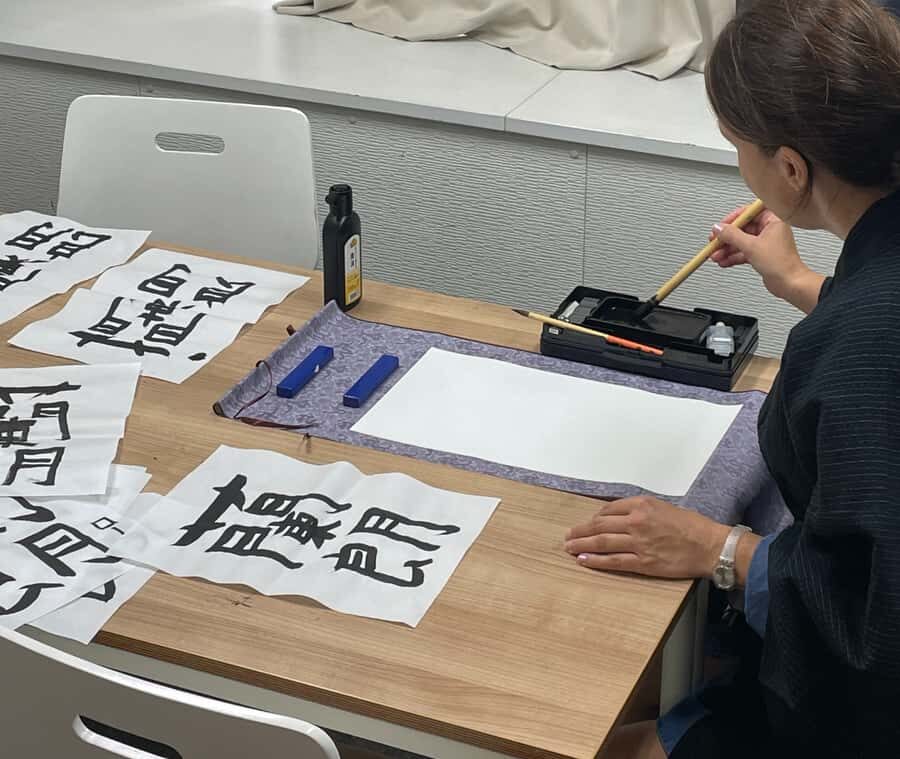
Zen and ink in Tokyo sounds calm. It’s also surprisingly personal. This Tokyo calligraphy + Zen mindful journey is built around a quiet mental prep, then a hands-on shodō session where you write your own kanji and walk away with a hanging scroll to remember it by.
I like that the teacher approach is patient and supportive, with lots of encouragement when you’re trying different strokes. I also like that the experience doesn’t treat calligraphy like a one-and-done demo. You work on your own piece, and then finish it properly so you can take a photo and keep the memory.
One thing to consider: the day is designed to be silent, so you’ll want to be comfortable with a quiet, focused atmosphere (and do the pre-tour video so you know what to expect).
In This Review
- Key things I’d prioritize in this experience
- Zen calligraphy in Tokyo feels different from a studio demo
- When silence is a feature, not a bug
- Choose your Tokyo neighborhood: Shibuya, Shinjuku, Asakusa, Akihabara, or Hiroo
- A quick logistics tip before you lock it in
- The pre-session Zen video you should watch first
- Why that prep really matters
- Finding your own name in kanji becomes the heart of the work
- What happens during your calligraphy session
- A small confidence booster from the teacher’s approach
- From blank page to hanging scroll photo moment
- Why a hanging scroll is more than a souvenir
- Wearing a kimono: cultural dressing with a clear purpose
- How to make the kimono part feel comfortable
- Price and value: what you’re paying for (and what you’re not)
- Budget smart so the day stays easy
- What this experience is best for (and who might want something else)
- Practical details that affect your day
- Should you book this Zen calligraphy + kimono journey?
- FAQ
- Do I need to watch a Zen video before the tour?
- Will the experience be silent?
- Where does the tour take place in Tokyo?
- What if I choose a plan with only SHODO?
- What should I bring?
- What is included in the $67 price?
Key things I’d prioritize in this experience
- A silent Zen mindset before you pick up the brush
- Personalized kanji guidance, including finding your own name in kanji
- Two hours of hands-on shodō, not a rushed photo-op
- A hanging scroll end result that you can photograph and keep as a memory
- Kimono dressing as part of the calligraphy moment
Before you commit, see how this one stacks up against a few Taito City favourites:
- Tokyo Asakusa: Miu Kimono Rental and Optional Photoshoot★ 4.9 · 54 reviews
- Tokyo: Karate Experience with Former All-Japan Champion★ 4.9 · 46 reviews
- Made from flour in 30min! Ramen-noodle Making Experience!★ 4.8 · 24 reviews
Zen calligraphy in Tokyo feels different from a studio demo
This isn’t just about making pretty letters. The whole session is shaped by Zen mindfulness, which is meant to prepare your mind before writing. In practice, that means you’re guided to slow down and focus before the ink ever touches the paper.
You’ll also notice the structure is simple on purpose: learn the method, enter a quiet state, then write. That’s a smart choice for beginners. You don’t need prior calligraphy skill to get value, because the experience is built around the process.
And the best part is the human support. In a high-scoring experience like this, the teacher’s job is to help you find your own way of expressing the strokes. If your first attempt looks off, you’re not left to flail.
When silence is a feature, not a bug
The schedule is clear: the day will be silent. That can feel intimidating at first, but it also removes distractions. If you’re the type who likes to switch into “single-task mode,” you’ll probably love this part.
If you’re hoping to chat nonstop and learn via conversation, this may feel too quiet. But if you want focus, it’s exactly the point.
Choose your Tokyo neighborhood: Shibuya, Shinjuku, Asakusa, Akihabara, or Hiroo
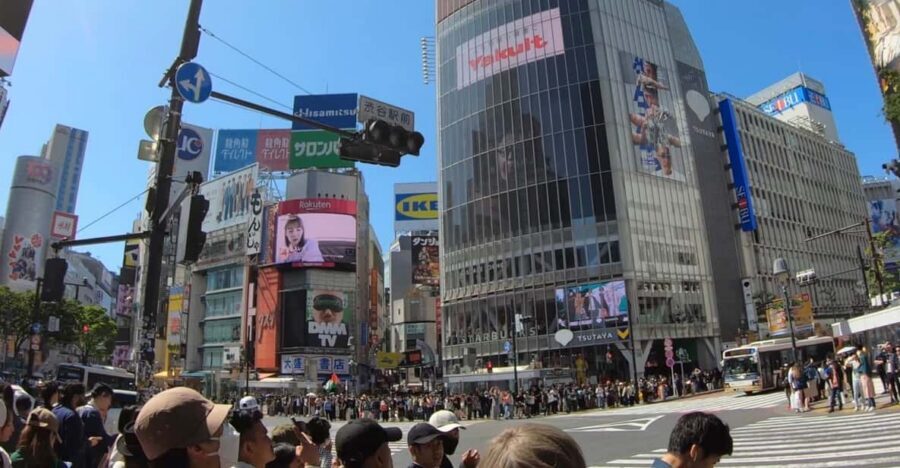
Where you do the experience matters. The tour offers several location options across Tokyo: Shibuya, Shinjuku, Asakusa, or Akihabara, with Hiroo Station as the default if you don’t pick.
This is a practical way to match your calligraphy day to the rest of your Tokyo itinerary. Want easy access to lively, modern streets? Shibuya or Shinjuku may fit better. Prefer a more classic Tokyo vibe? Asakusa usually feels like a different city than the nightlife zones.
Akihabara is another good fit if you like tech and pop culture energy—though the calligraphy itself stays calm and quiet. You’ll get contrast: energetic Tokyo outside, quiet Zen inside.
A quick logistics tip before you lock it in
Your meeting start is listed as Exit 2, and you return to the meeting point at the end. So pick a location that’s convenient for your day’s plan, not just one that sounds fun. Tokyo is big, and saving train time makes the whole experience feel smoother.



The pre-session Zen video you should watch first
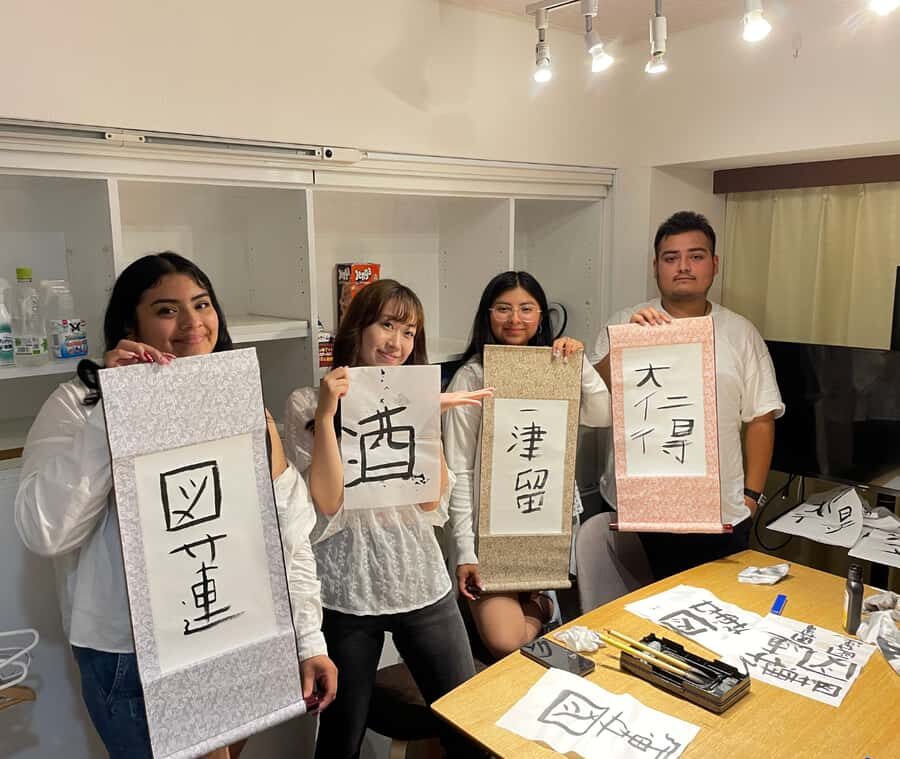
Before you join, you’ll learn about the Zen method. The key detail is that a video is sent to you by email. Since the tour day is silent, this pre-video helps you understand what the experience is trying to do, how you should behave, and what to expect emotionally.
Don’t skip it. You don’t need to “study,” but you do want to go in knowing the basic tone. That way, you can spend your energy on the brush strokes instead of wondering what comes next.
Why that prep really matters
When people try calligraphy without any framing, they often rush or worry too much about looking perfect. The Zen prep reduces that pressure. It’s a setup for being present with what your hand is doing, even if the first few tries aren’t great.
And because the experience includes guided practice, the calmer you feel, the more you’ll get out of the teacher’s feedback.
Finding your own name in kanji becomes the heart of the work
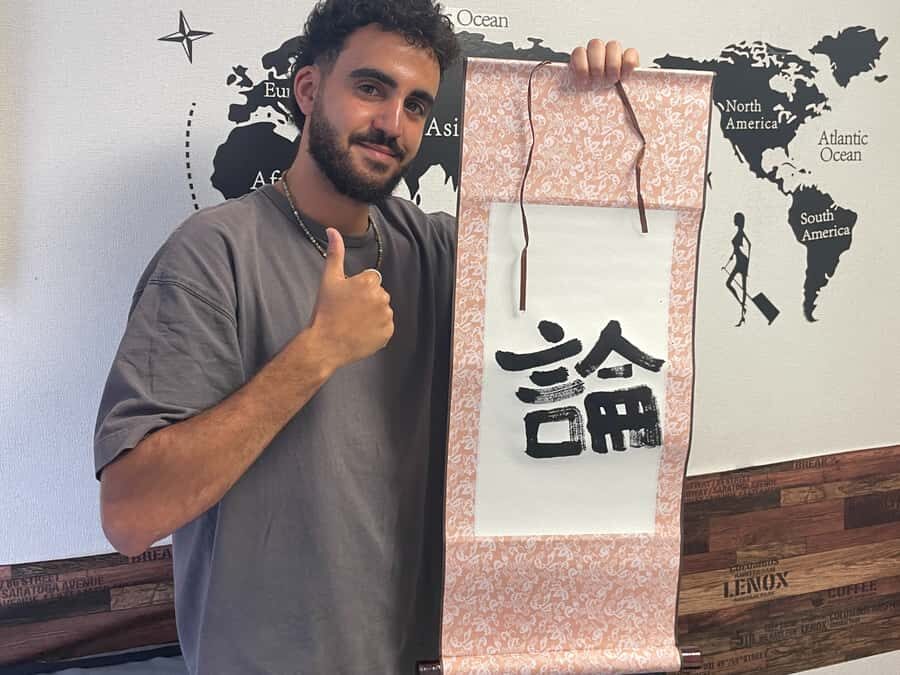
One of the standout parts here is the focus on your own kanji. The experience guides you to find and try writing your own name in kanji, which turns a foreign script into something personal.
In the workshop, you’ll be suggested kanji characters that suit you. Then you start writing and adjusting your strokes. This is the part that turns shodō from “look what I can do” into “help me express myself.”
What happens during your calligraphy session
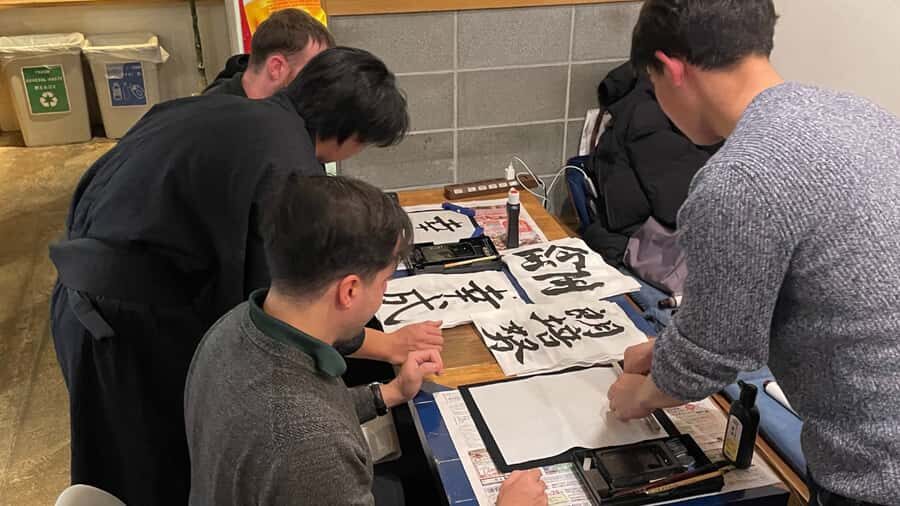
You get a two-hour calligraphy experience in a reserved spot. You’re invited to write your selected kanji, practice repeatedly, and build a final version you can be proud of.
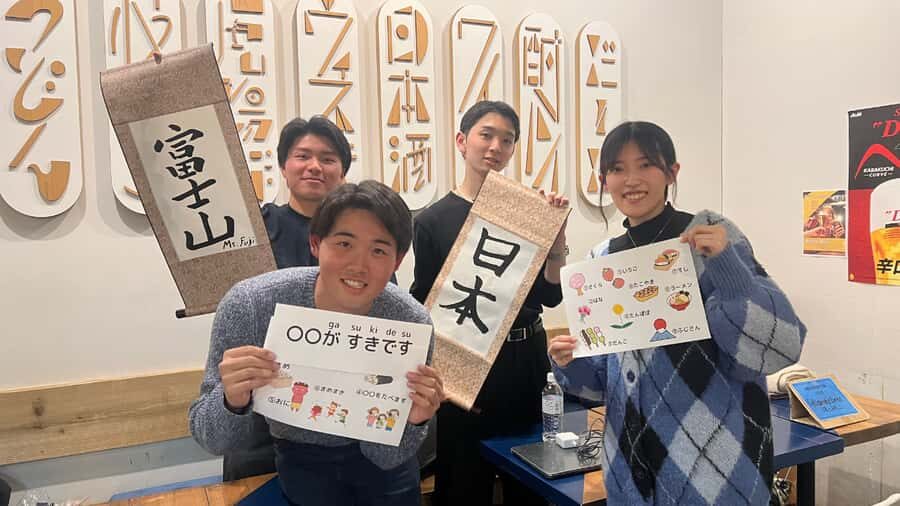
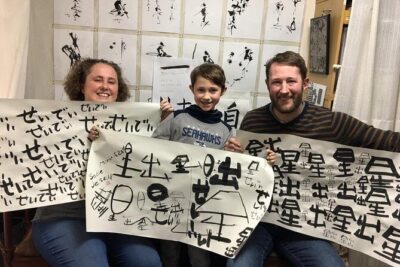
At the end, your original kanji is completed by placing it on a hanging scroll. That step matters because it prevents your work from getting soiled. It also turns the practice piece into a keepsake.
A small confidence booster from the teacher’s approach
One detail from the best-rated feedback: the teacher is encouraging and understanding. When you make many attempts, they help you find the best expression of the kanji.
That’s exactly what you want if you’re a beginner. Calligraphy is mostly about small improvements: pressure, angle, and how you finish each stroke. An attentive teacher saves you from guessing.
From blank page to hanging scroll photo moment
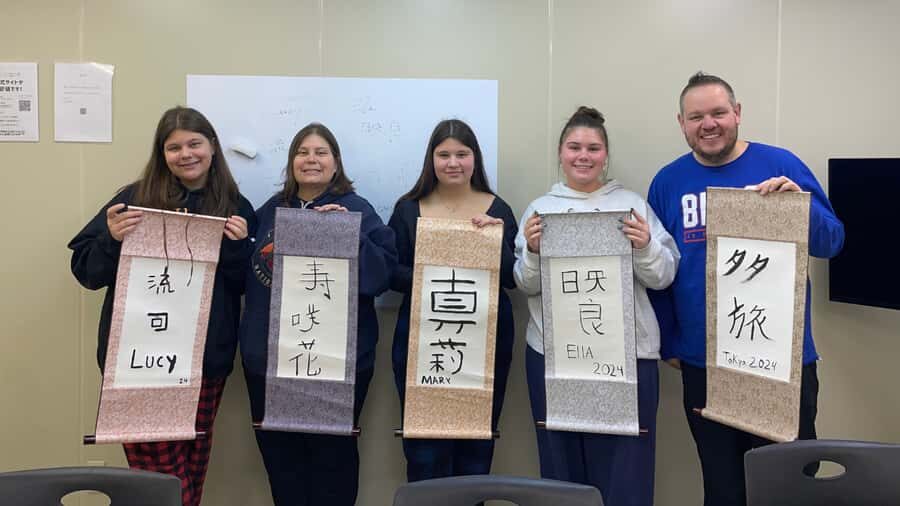
The experience is designed with a “make it final” rhythm. You practice your strokes, then you complete the piece in a way that’s meant to look finished and photograph well.
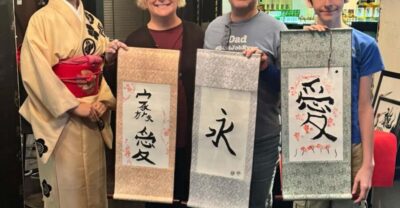
After the session, you take a photo with your art on the hanging scroll. That’s a smart way to capture the outcome without needing special skills. You’re not trying to photograph brushwork for perfection—you’re just documenting what you made.
Why a hanging scroll is more than a souvenir
A hanging scroll changes the feel of the day. It signals that your work is meant to be treated with care. Even if your kanji isn’t identical to a textbook example, the final presentation makes it feel legitimate and worth keeping.
Also, the workshop includes the hanging scrolls, so you’re not later thinking, Wait, did I pay extra for the material?
Wearing a kimono: cultural dressing with a clear purpose
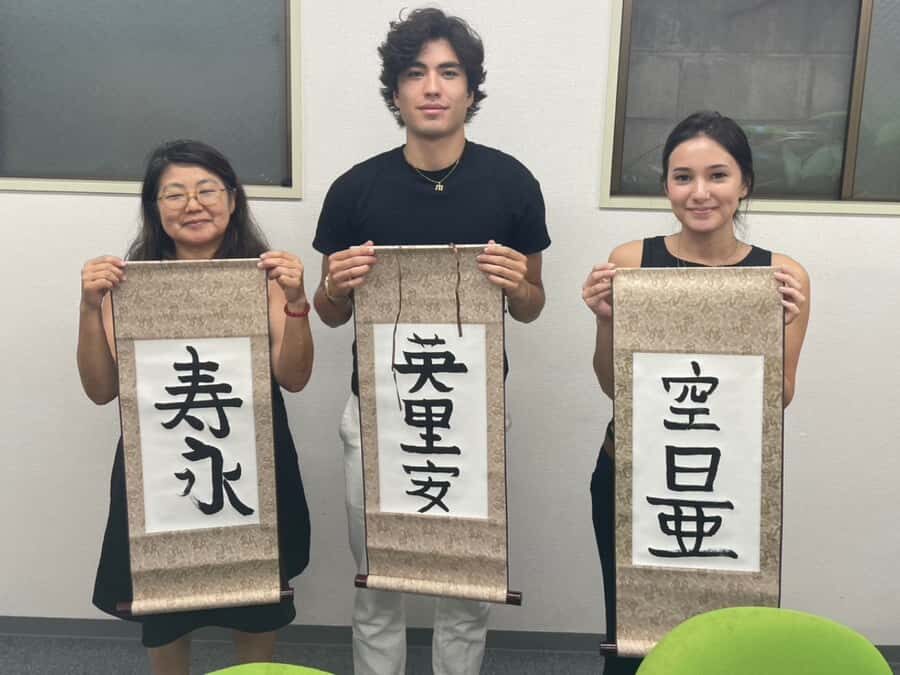
You’ll get to wear a kimono, which is part of the traditional cultural experience. This isn’t described as optional fluff. It shows up as a core moment tied to the calligraphy outcome—especially when combined with the hanging scroll photo.
In practical terms, kimono dressing can add some time and requires patience. But here it’s coordinated around the workshop, so it doesn’t feel like a random activity tacked onto your day.
How to make the kimono part feel comfortable
No specific fitting details are provided, but you can still set yourself up for comfort. Wear shoes you can easily slip off or stand in if needed. Move slowly. And treat the day like you’re entering a ritual, not just a photo studio.
If you enjoy traditional Japanese culture, this adds a strong visual memory to your kanji writing.
Price and value: what you’re paying for (and what you’re not)
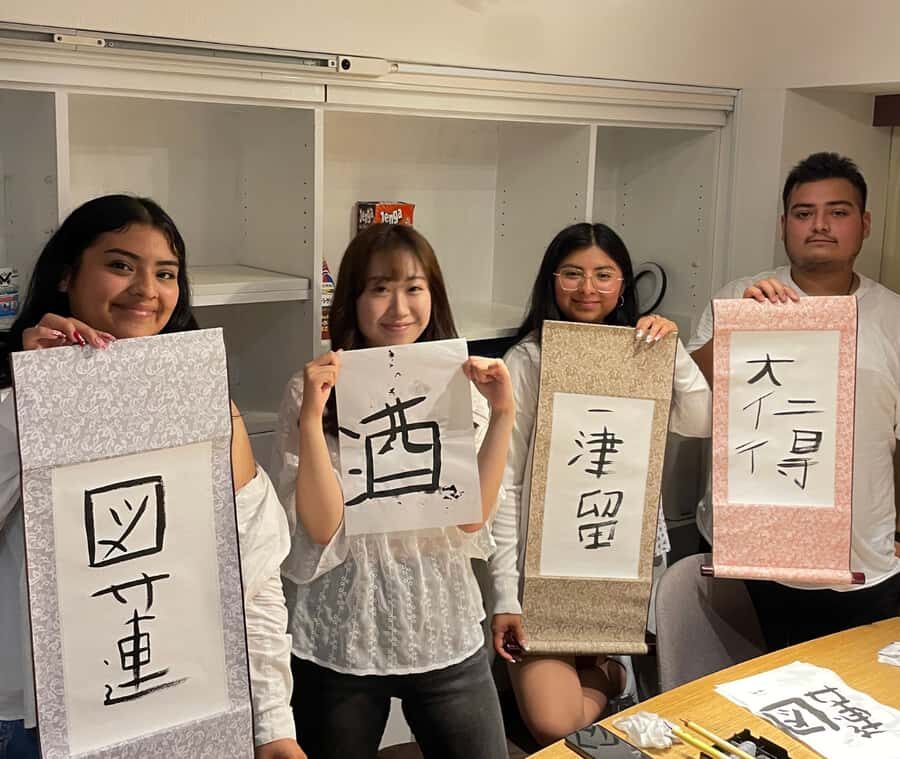
The price is $67 per person. On paper, that sounds simple. In reality, value comes from what’s included versus what you’ll pay separately.
Included items:
- Entrance fee of Zen
- Workshop time for calligraphy
- Hanging scrolls
Not included items:
- Cost of a light meal or snack
- Train travel expenses
So you’re mostly paying for the structured Zen prep, the guided shodō practice, and the materials needed for the finished scroll. That’s a fair model for an experience-based day in Tokyo.
Budget smart so the day stays easy
Two practical notes:
- Bring cash, since it’s listed as what to bring.
- Plan for at least a small snack or meal outside the activity. The tour doesn’t include that.
If you’re coming from far away, factor in train costs too. The meeting point is specific (Exit 2), and Tokyo transit adds up fast when you’re bouncing around neighborhoods.
What this experience is best for (and who might want something else)
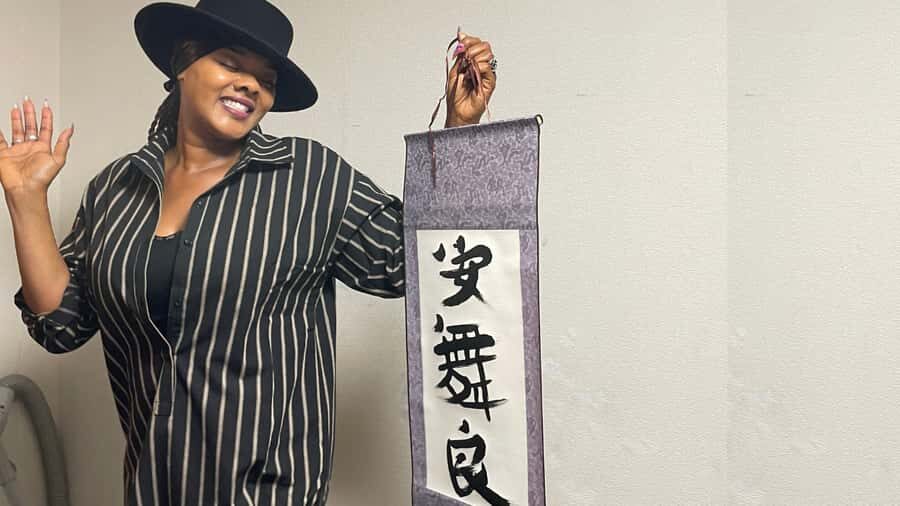
This tour fits best if you want a calm, structured experience and you like learning a skill through guided practice.
You’ll likely enjoy it if:
- You’re curious about Zen mindfulness and want it translated into a real activity
- You want your calligraphy to become a physical keepsake, not just a quick demo
- You like the idea of learning your own name in kanji
- You want traditional culture paired with a clear outcome (hanging scroll + kimono photo)
You might not love it if you strongly prefer social, chatty group tours. The silent setup is intentional, and it reduces talking time.
Also, since the quality of the result depends on practice and guidance, going in with patience will pay off.
Practical details that affect your day
Meeting point and finish:
- Start at Exit 2
- End back at the meeting point
Language:
- English and Japanese are available
Location choice:
- You can choose from Shibuya, Shinjuku, Asakusa, or Akihabara.
- If you don’t have a preference, it’s at Hiroo Station.
- If you book a plan that has only SHODO, you choose the timeslot and location and send it by email.
There’s also a general instruction worth noting: reserve and pay later is offered, which helps if you’re still shaping your Tokyo schedule.
Should you book this Zen calligraphy + kimono journey?
Book it if you want a Tokyo experience that’s both traditional and personal. The combination of Zen quiet plus hands-on calligraphy plus the finished hanging scroll is a strong value mix for the price.
Skip it if silence is a dealbreaker for you, or if you’re looking for a lively, talk-heavy walking tour instead. This day is built around calm focus, not conversation.
If you’re on the fence, here’s my quick decision rule: if you can handle a quiet 2-hour work session and you want a real keepsake, this is one of the better ways to spend a morning or afternoon in Tokyo.
FAQ
Do I need to watch a Zen video before the tour?
Yes. You’ll learn about the Zen method before joining, and the day will be silent. The tour says you will receive a video by email, and you should watch it beforehand.
Will the experience be silent?
Yes. The information provided says the day will be silent, so it’s important to understand the flow ahead of time.
Where does the tour take place in Tokyo?
The available locations are Shibuya, Shinjuku, Asakusa, and Akihabara. If you have no preference, it will be at Hiroo Station. The meeting start point is Exit 2, and the activity ends back at the meeting point.
What if I choose a plan with only SHODO?
If you select a plan that has only SHODO, you choose the timeslot and location you want, then send that choice by email. If you don’t have a preference, it will be at Hiroo Station.
What should I bring?
You should bring cash.
What is included in the $67 price?
Included: the entrance fee of Zen, the workshop, and hanging scrolls. Not included: a light meal or snack, and train travel expenses.
More Tour Reviews in Taito City
Fresh reviews from around Taito City

Calligraphy Experiences, compared.
 ★ 5.0Calligraphy on Kanji Fan & Scroll with DrinkFrom $53210 reviews
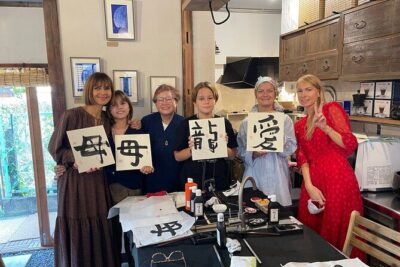 ★ 5.0Let’s experience calligraphy in YANAKA, Taito-ku, TOKYO !!From $75127 reviews
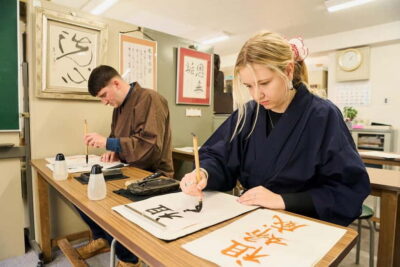 ★ 4.9Calligraphy Workshop & Original T-Shirt CreationFrom $30105 reviews
★ 5.0Calligraphy Workshop & Original T-Shirt CreationFrom $3380 reviews
★ 4.9Calligraphy Workshop & Original T-Shirt CreationFrom $30105 reviews
★ 5.0Calligraphy Workshop & Original T-Shirt CreationFrom $3380 reviews
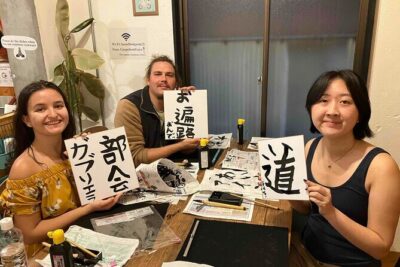 ★ 5.0Calligraphy Culture SHODO Experience in TokyoFrom $3366 reviews
 ★ 5.0Tokyo Asakusa:Calligraphy & Make T-shirt ActivityFrom $5862 reviews
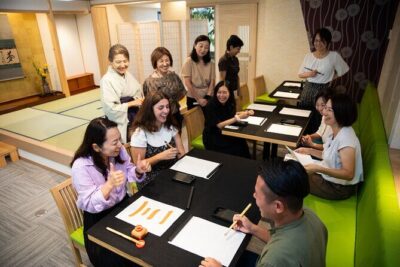 ★ 5.0Asakusa Calligraphy Workshop Craft Your Own Art in TokyoFrom $4054 reviews
 ★ 5.0Tokyo Japanese Calligraphy Experience with a Master ArtistFrom $9235 reviews
Browse the lists this tour appears in