
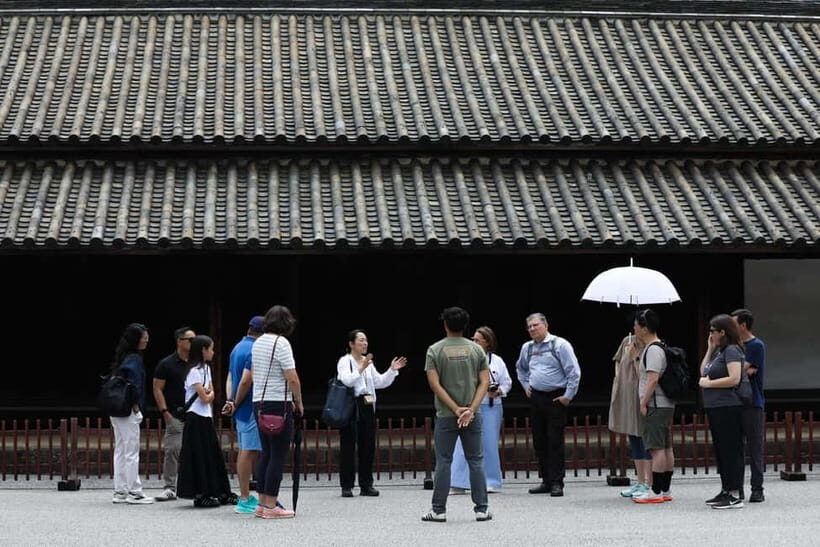
Reviewed · WALKING TOURS
Tokyo: Imperial Palace East Gardens Walking Tour
A palace garden, right in the middle of Tokyo.
This Imperial Palace East Gardens tour turns a simple stroll into a guided lesson you can see with your own eyes—especially when the cherry blossoms or fall foliage start stealing the show. I like how the route is built around garden details (ponds, bridges, pruned trees), not just big-picture facts. One heads-up: this tour does not go inside the Imperial Palace itself.
What makes it really fun is the way the guide connects the scenery to the past. You’ll hear shogun-era stories while you walk through the Edo Castle layout that used to shape this area, and guides like Kei and Mei are praised for making the history feel clear and easy to picture. I also like the Ninomaru Garden portion, because the design is the kind of traditional Japanese planning you can actually notice—stone lanterns, carefully arranged plantings, and calm spots to pause.
Expect a relaxed, guided pace for about 150 minutes, starting near Starbucks Coffee – Kokyo Gaien Wadakura Fountain Park. The guide waits nearby, you stay together as you explore, and you end right back where you started—so it’s low-stress even on a busy Tokyo day.
In This Review
- Key highlights you’ll feel on the walk
- Imperial Palace East Gardens: a calm detour from Tokyo’s speed
- Old Tokyo vs new Tokyo: shogun stories tied to what you see
- Honmaru remnants: tracing the heart of Edo Castle
- Ninomaru Garden: traditional design that rewards slow looking
- Stone walls, guard houses, and watch towers on a walking route
- The 2.5-hour plan: what the timing gets right
- Seasonal timing: cherry blossoms and fall foliage
- What you’ll take away (and who this tour suits best)
- Should you book the Imperial Palace East Gardens walking tour?
- FAQ
- Does the tour include entry to the Imperial Palace?
- How long is the Imperial Palace East Gardens walking tour?
- Where do we meet the guide?
- Is the tour guide available in English?
- Is the tour wheelchair accessible?
- What’s the cancellation and payment flexibility?
Key highlights you’ll feel on the walk
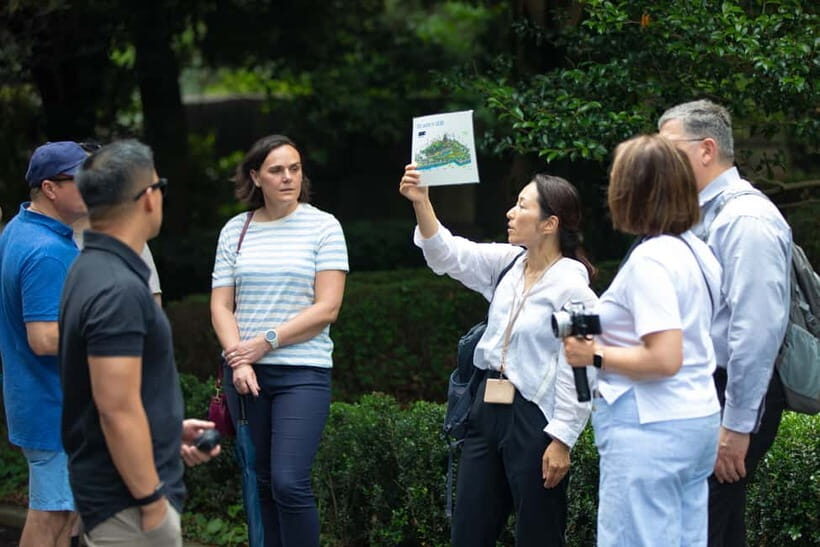
- Shogun-era context while you walk through what used to be Edo Castle grounds
- Ninomaru Garden design details, including stone lanterns and carefully arranged trees
- Honmaru area remnants, where you can trace the castle’s former layout and defenses
- Garden architecture you can point to, like stone walls, guard houses, and watch towers
- Seasonal beauty with cherry blossoms in spring and colorful fall foliage
Tokyo at walking pace, a few more ways
- Tokyo Tsukiji Fish Market Food and Culture Walking Tour★ 5.0 · 3,184 reviews
- Tokyo: Shinjuku Local Bar and Izakaya Guided Walking Tour★ 4.9 · 1,794 reviews
- Tokyo: Tsukiji Fish Market Food and Walking tour★ 5.0 · 1,724 reviews
Imperial Palace East Gardens: a calm detour from Tokyo’s speed
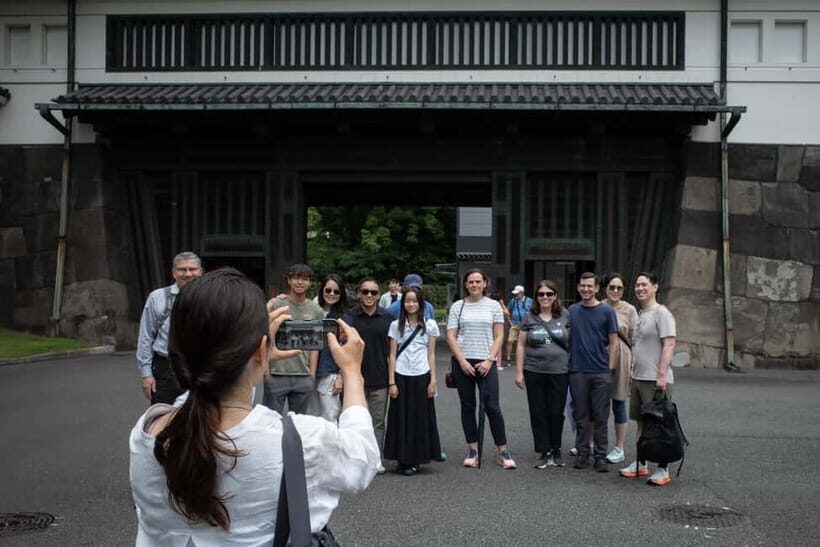
Tokyo can feel like it never stops. Then you step into the East Gardens and the pace changes fast. This is one of those places where you feel the shift from city noise to a quieter rhythm, helped by the wide paths and the way the gardens create natural “rooms” as you walk.
The best part, for me, is that the tour isn’t just about admiring pretty greenery. You’re also learning how the grounds were shaped for power and control in earlier centuries—so the garden design feels purposeful, not random. You’ll see classic features like ponds, bridges, and well-kept plantings, and you’ll be encouraged to look closely at the small stuff, like how trees are pruned and positioned.
And yes, the seasonal moments are real. In spring, cherry blossoms make the walk feel extra cinematic. In autumn, the color change turns the same paths into a totally different experience, and it’s the kind of day where you’ll want to slow down for photos.
Old Tokyo vs new Tokyo: shogun stories tied to what you see
This tour’s big win is that it links history to geography. As you move through the East Gardens, the guide explains how the area fit into the old power system—then you can look around and mentally “overlay” the past onto the present city.
You’ll hear stories connected to the shogun and the broader feudal era, and those stories help you understand why this location mattered. The Imperial Palace today sits in a very modern Tokyo setting, but the grounds you’re walking through are part of the former Edo Castle environment. That contrast is the point: you get to stand in a quiet garden and still feel the weight of the old layout.
One practical advantage: the guided format keeps you from getting lost in translation. Even if your Japanese is limited, a guide can explain what you’re seeing in plain English and connect it to the bigger story. Many guides on this route are praised for being friendly and for answering questions without rushing you—use that. If something catches your eye (a wall line, a garden feature, a defensive-looking structure), ask.
Honmaru remnants: tracing the heart of Edo Castle

The Honmaru area is where the tour gets more “strategic,” not just scenic. Honmaru was the main compound of Edo Castle, and while much has changed since then, you can still explore remnants such as foundation areas, gates, and defensive structures.
This part is valuable because it teaches the logic of castle design. You’re not trying to imagine everything from scratch. Instead, you’re looking at physical traces that help you understand how the old compound was organized and how it defended itself. When you walk from one point to the next, the story becomes spatial: this is where entry control mattered, this is where lines of defense would have mattered, and this is why certain features were built where they were.
There’s also a nice balance here. Even though it’s historical and defensive-focused, you still remain in a garden environment. So you get that mix of calm walking and mental “map-building,” which is a good fit if you want your Tokyo history without a museum sprint.
Ninomaru Garden: traditional design that rewards slow looking
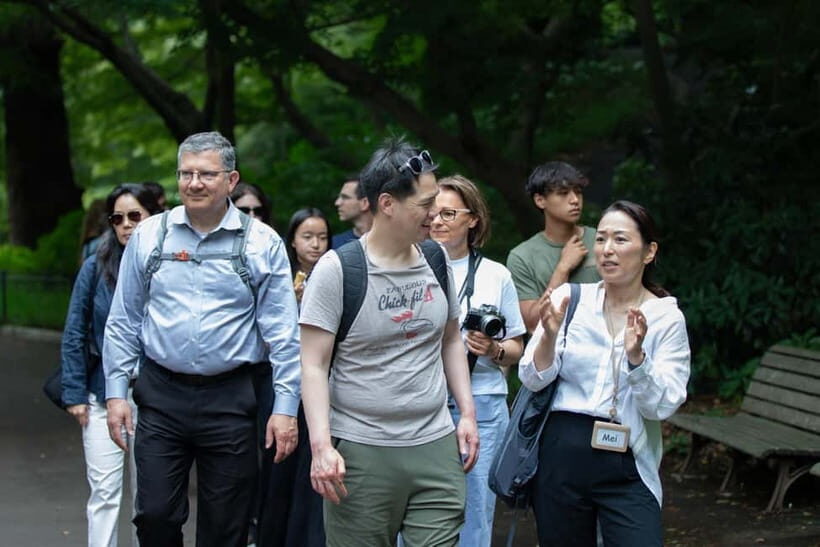
If Honmaru brings the military thinking, the Ninomaru Garden brings the quiet. This garden is known for traditional Japanese design, and the tour emphasizes the details that make it feel peaceful.
As you stroll through this section, you’ll notice elements like carefully arranged trees and shrubs, plus stone lanterns that add both direction and atmosphere. It’s the kind of setting where the guide’s explanations matter, because garden design can feel subtle if you’re just walking past it. With the context, you start to see how each element helps create a sequence of views.
This is also a good place to shift gears mentally. Instead of focusing on castle layout, you focus on contemplation and composition. If you like gardens that feel designed for your senses—sight lines, small pauses, and a sense of order—this is the moment that pays off.





Stone walls, guard houses, and watch towers on a walking route
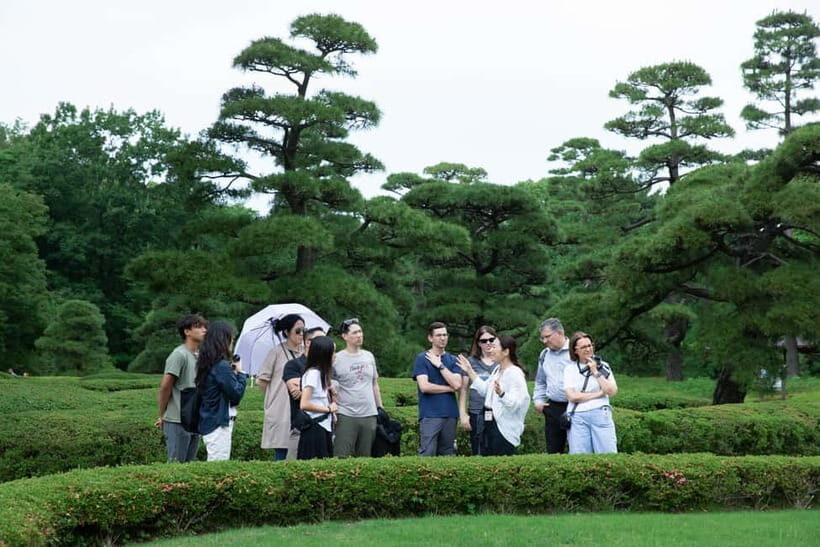
One reason this tour feels more than a basic stroll is how often you encounter real remnants and built elements. Throughout the East Gardens, you can spot artifacts such as stone walls, guard houses, and watch towers.
The value here is practical. A garden can look the same to the untrained eye, but when you know what you’re looking at, it becomes an outdoor history lesson. The guide helps you connect these pieces to the feudal setting—why these structures existed, what purpose they served, and how they fit into the bigger Edo Castle system.
Some guides also add extra support with visual aids. There are notes that at least some guides bring printed and laminated maps or photos to help you understand the layout better. If that’s included in your group, take advantage of it—castle geography is easier when you can map the story with your eyes.
The 2.5-hour plan: what the timing gets right
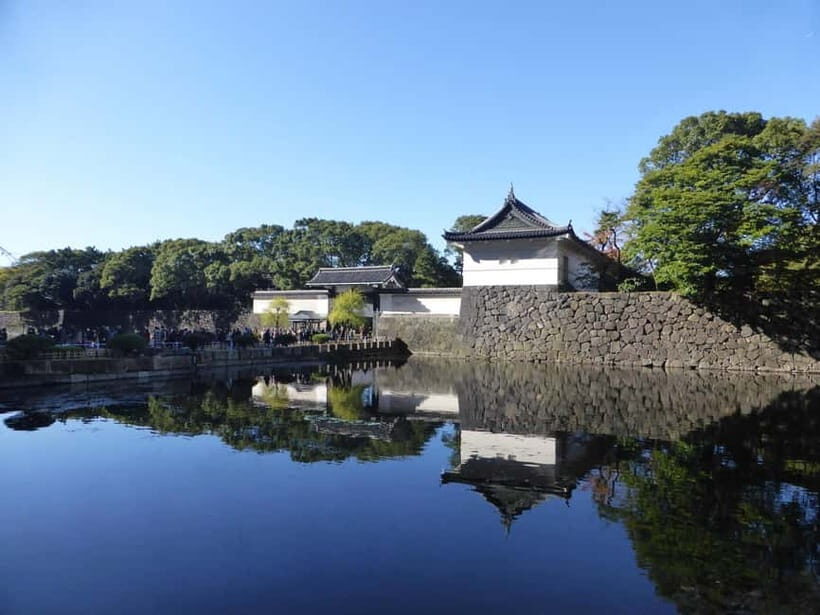
This is a 150-minute walking tour, and that time window is a sweet spot for first-time visitors. You get enough time to cover multiple garden zones and meaningful historical points, without feeling like you need a half-day commitment.
The flow is straightforward. You meet at Starbucks Coffee – Kokyo Gaien Wadakura Fountain Park, your guide leads you through the East Gardens, and you return to that same starting spot. That matters because you can plan the rest of your day without complicated transit juggling.
One consideration: since the tour does not include entry into the Imperial Palace buildings, you’re building value through the gardens and the surrounding historic features. If you’re hoping to go beyond the grounds into the palace complex, this isn’t that tour. If you want a structured guided walk that teaches you how to read the gardens and the castle traces, it fits very well.
Seasonal timing: cherry blossoms and fall foliage
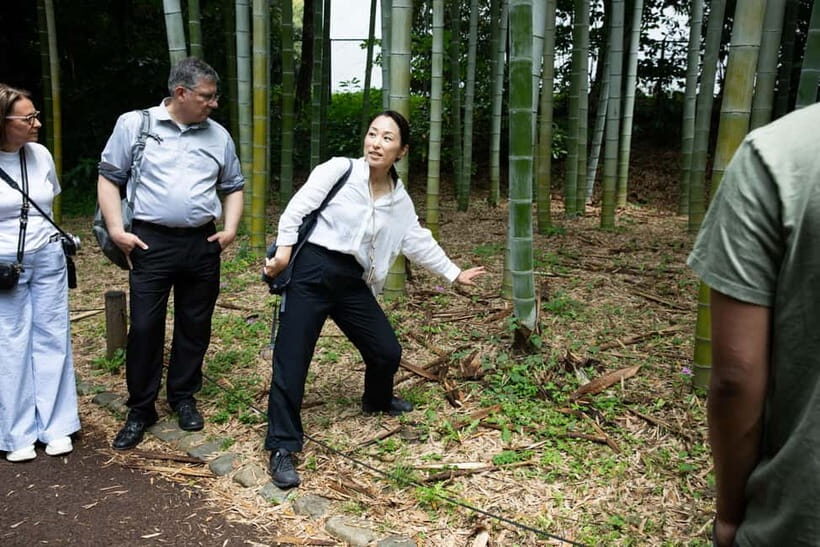
This tour is especially tempting in two seasons because the grounds genuinely change character. In spring, cherry blossoms create a classic Tokyo garden experience. The blooms soften the scenery and make the walk feel lighter, even with the historical subject matter still in focus.
In fall, colorful foliage turns the same paths into a new show. You’ll get that autumn mood—cooler air, warmer light, and a lot more “linger here” moments. If you’re the type who likes photos and slow walks, these seasons are where the experience really clicks.
If you’re traveling outside those peaks, it still works. You’ll rely more on the historical storytelling and the garden features than on seasonal wow-factor. Either way, you’ll walk away with a better sense of what the grounds were and what they became.
What you’ll take away (and who this tour suits best)
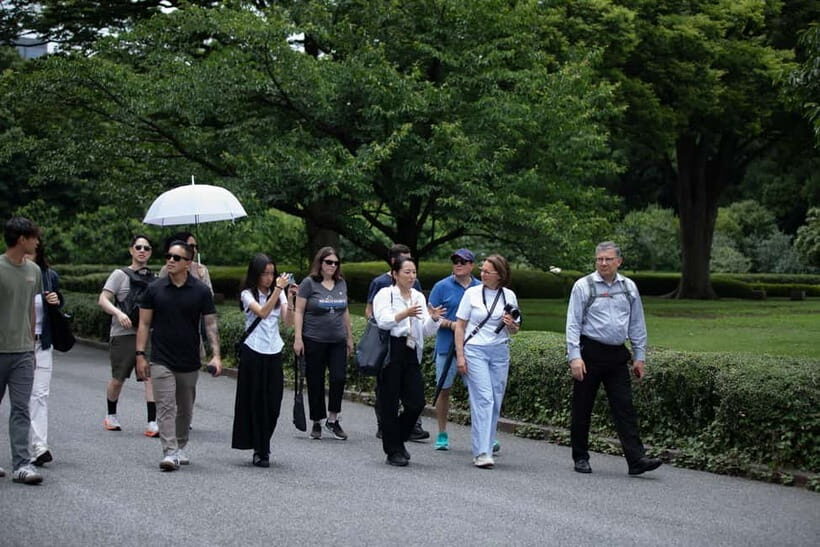
I like tours where the guide teaches you how to look, not just what to know. This one fits that style. After a walk like this, you’ll likely find yourself noticing details on your own later—stone lines, garden geometry, and the way history can live inside green space.
It’s a great match if you:
- Want an organized, English-guided history and garden experience in a short time
- Prefer walking with context over big museum exhibits
- Like old Tokyo stories, especially shogun-era connections
- Enjoy Japanese gardens and want help seeing the design choices
It might be less ideal if:
- Your main goal is to go inside Imperial Palace buildings (this tour does not do that)
- You want a totally free-form, wander-without-a-guide afternoon (this is a guided route)
Should you book the Imperial Palace East Gardens walking tour?

Yes—if you want a guided way to understand the grounds and the Edo Castle legacy without turning your day into a complicated museum schedule. At around $19 per person for 150 minutes, the value comes from the guide’s ability to connect garden features to the layout and defensive thinking of the former castle.
Book it if you’re excited by either side of the experience: the calm garden atmosphere or the history you can physically trace while walking. Skip it only if your priority is palace building entry, because this tour stays outside the Imperial Palace complex and focuses on the East Gardens and their historical remnants.
FAQ
Does the tour include entry to the Imperial Palace?
No. The tour does not go inside the Imperial Palace. It focuses on the Imperial Palace East Gardens.
How long is the Imperial Palace East Gardens walking tour?
It runs for about 150 minutes.
Where do we meet the guide?
You meet at Starbucks Coffee – Kokyo Gaien Wadakura Fountain Park. The guide waits nearby, at approximately 35.6829933, 139.7611971.
Is the tour guide available in English?
Yes. The live tour guide speaks English.
Is the tour wheelchair accessible?
The tour is listed as wheelchair accessible.
What’s the cancellation and payment flexibility?
You can cancel up to 24 hours in advance for a full refund. You can also reserve now and pay later.
Tokyo on Foot: More Walks




More Tours in Tokyo


More Tour Reviews in Tokyo



Fresh reviews from around Tokyo






Walking Tours, compared.
 ★ 5.0Tokyo Tsukiji Fish Market Food and Culture Walking TourFrom $993,184 reviews
 ★ 4.9Shinjuku Local Bar and Izakaya Guided Walking TourFrom $341,794 reviews
 ★ 5.0Tsukiji Fish Market Food and Walking tourFrom $301,724 reviews
 ★ 4.8Asakusa Walking Tour with Sensoji Temple VisitFrom $221,583 reviews
 ★ 4.9Tsukiji Fish Market Guided Walking TourFrom $221,397 reviews
 ★ 4.7Tokyo Castle & Imperial PalaceーShogun Walking TourFrom $231,068 reviews
 ★ 4.9Imperial Palace Japanese History Walking TourFrom $32987 reviews
 ★ 4.7Dark Side of Tokyo Shinjuku Red Light Walking TourFrom $29862 reviews
Browse the lists this tour appears in