
Reviewed · MORNING
Tokyo Ikebukuro Morning Tour Dive into Japanese Culture
You can feel Tokyo’s everyday rhythm fast. This morning tour blends kimono dressing with a stroll through local shopping streets in Ikebukuro, plus a temple stop where you can collect stamps for your goshuincho book. I love how it turns a normal neighborhood walk into a small, structured experience you can actually remember.
Two things I like a lot: the 1,000 yen gift certificate that you use for food while walking, and the chance to get temple stamps in your own goshuincho stamp book. One thing to consider is the kimono reality check: it uses multiple layers, so you’ll want to dress for comfort underneath and expect a slightly slower, more careful pace.
This works best when you want Tokyo that isn’t only photo stops. Think strolling, tasting, and a calm dose of tradition—without spending half your day hunting buses and train transfers.
In This Review
- Key highlights you’ll remember
- Meeting in Ikebukuro: why the 9:00 am start matters
- Wearing a kimono in Tokyo: layers, comfort, and small tips
- Sugamo Jizo-dori Shopping Street: snacks that make the walk feel alive
- Tea ceremony time in kimono: calm structure, matcha, and etiquette
- Koganji Temple and goshuin stamps: how the stamp book becomes your souvenir
- A short ride, a private group, and why logistics can be part of the value
- Price and value: what $128.77 buys you (and what it replaces)
- Who this tour is best for in Tokyo
- A couple of practical considerations before you go
- Should you book this Ikebukuro morning kimono-and-temple tour?
- FAQ
- FAQ
- What time does the tour start?
- How long is the tour?
- Where is the meeting point?
- Where does the tour end?
- Is this tour private?
- What’s included with the tour besides the walking?
- Can I get temple stamps during the tour?
- Is admission required for the stops?
- Do I need a paper ticket?
- Is there a cancellation deadline?
Key highlights you’ll remember
- Kimono dressing in the morning (yes, it’s many layers)
- 1,000 yen food gift certificate to snack as you walk
- Sugamo Jizo-dori Shopping Street for local specialties
- Koganji Temple for goshuin stamps in your own stamp book
- Tea ceremony in kimono, including matcha tasting
Worth weighing up alongside this Tokyo pick:
- Tokyo: Sumo Morning Training Visit★ 4.4 · 370 reviews
- Tokyo: Sumo Morning Practice Tour at Sumida City★ 4.8 · 308 reviews
- Tokyo Sumo Morning Practice Tour at Stable★ 5.0 · 298 reviews
Meeting in Ikebukuro: why the 9:00 am start matters
The tour meets at 池袋東口観光案内所, Ikebukuro East Tourist Information, with a 9:00 am start, and it loops back to the same meeting point. That start time is a big deal. You get to walk before your energy level disappears and before the neighborhood shifts into its later-day tempo.
Ikebukuro is a major Tokyo hub, so you’re never far from transit, and that helps if you’re mixing this with other plans. Also, because the tour is private for your group, the schedule feels less like a cattle line and more like a guided morning that moves at human speed.
The tour runs about four hours. It’s long enough to feel like a real experience, but short enough that you won’t end your day wrecked.
Wearing a kimono in Tokyo: layers, comfort, and small tips
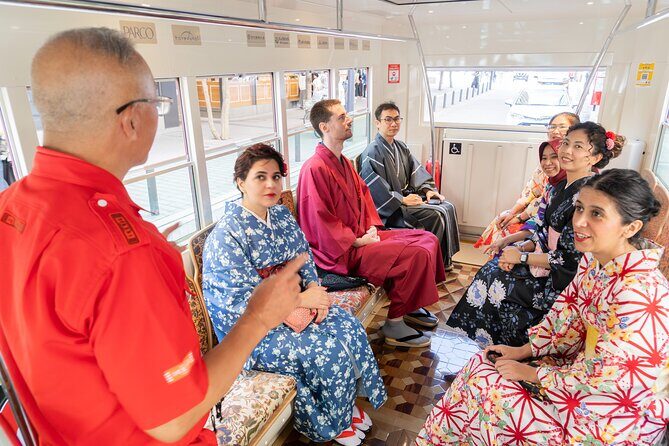
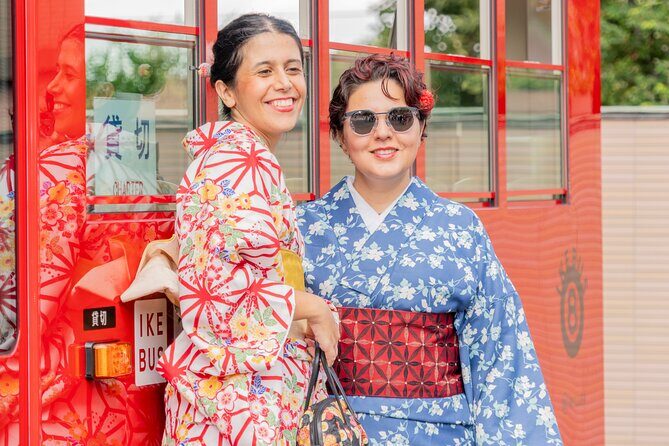
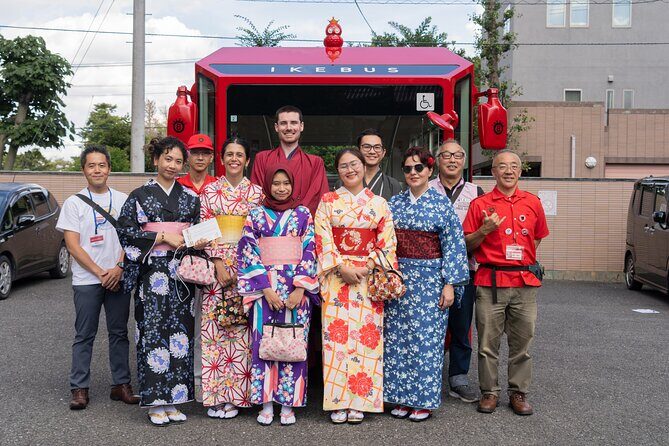
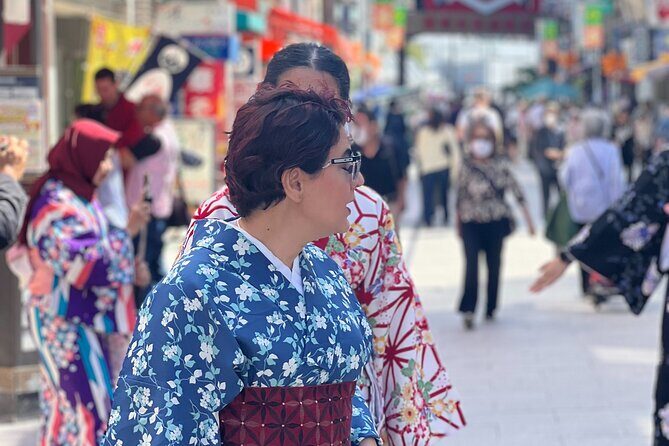
Your morning begins with getting dressed in a relaxed kimono style. This is one of the most praised parts of the experience, and I get why. Even if you’ve seen kimono in photos a hundred times, wearing one changes how you notice the city—walking feels slightly different, posture matters, and every little moment becomes more intentional.
From what participants describe, the kimono setup includes multiple layers, which can surprise first-timers. That doesn’t mean it’s uncomfortable for everyone, but it does mean you should plan your basics:
- Wear something you don’t mind adjusting to under the kimono layers.
- Move more slowly than you normally would, especially when entering shops or crossing streets.
One more detail that’s easy to miss in planning: you’ll usually get help beyond just putting on the garment. Participants noted hair accessories and grooming help too, which makes the whole look feel finished rather than rushed. That kind of care matters, because you’ll feel more confident stepping into the neighborhood.
Sugamo Jizo-dori Shopping Street: snacks that make the walk feel alive
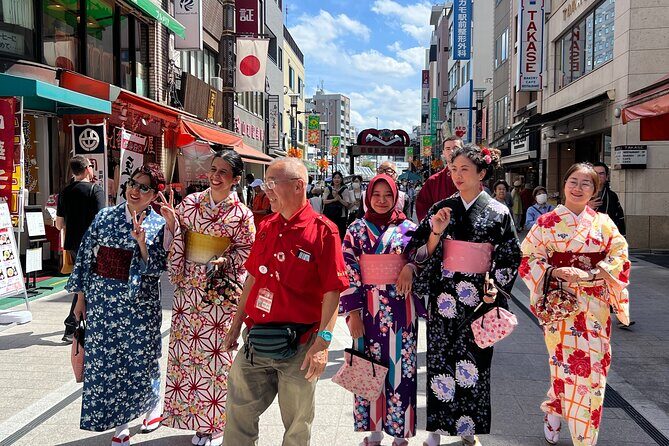
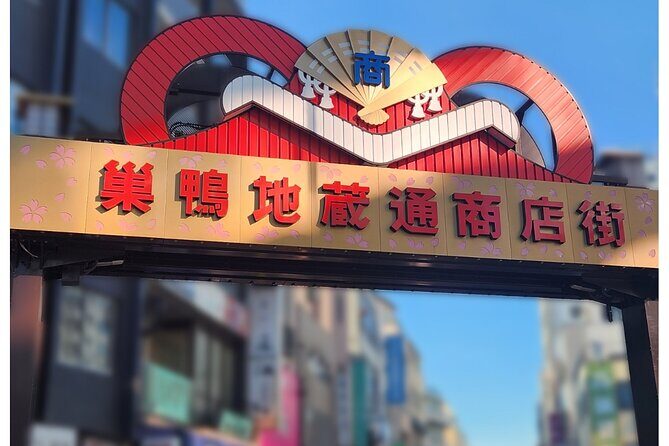
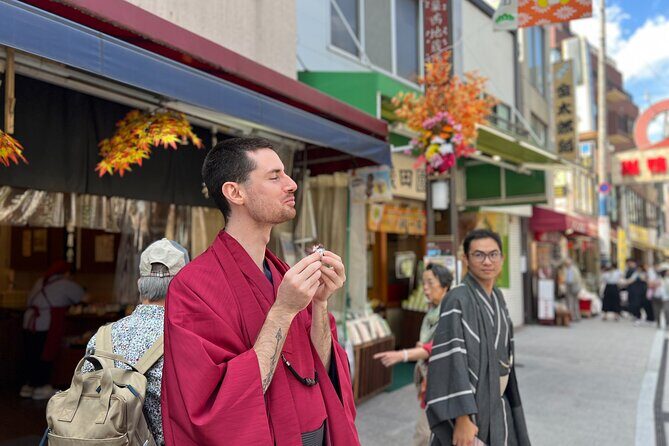
Next, you head to Sugamo Jizo-dori Shopping Street, a classic place to slow down and graze. This stop is short—about 30 minutes—but it’s designed for eating while walking, not for standing in one location and waiting for a cue.
What makes this stop work is the included gift certificate worth 1,000 yen. You don’t just get told to buy something. You get the practical means to try local specialties on your own terms—quick bites, small plates, and street-friendly treats that fit a morning stroll.
You can expect the street vibe to be straightforward: shopfronts, food counters, and lots of small choices. Since the point is tasting, you don’t need to solve the whole Japanese menu puzzle in one go. The guidance plus the time window keeps things manageable.
A small downside of a snack-focused walk: 30 minutes goes quickly. If you’re the type who wants to browse every shop, you might feel a little rushed. The tradeoff is that you still leave with a sense of the neighborhood, without turning it into a full shopping day.
Tea ceremony time in kimono: calm structure, matcha, and etiquette
Later in the morning, you do a tea ceremony while still dressed in your kimono. This is often the most emotional memory for visitors because it’s interactive and focused. You’re not just watching; you’re participating.
Participants highlight matcha tasting and the experience of doing the ceremony in kimono. That combination is the point. Wearing the kimono makes the tea ritual feel like part of daily life rather than a staged performance. And because it’s scheduled into a short walking day, you don’t have to spend time coordinating it separately.
What you should be ready for: the ceremony is a moment of slowing down. Even if you’re in a private group, the tone is likely respectful and quiet, which is great if you want a break from the constant motion of train stations and street crowds. If you prefer fast, loud sightseeing, this part may feel more meditative than you planned.
If you’re worried about not knowing etiquette, don’t. Your guide can help you through what to do and when, and the ceremony setting usually supports visitors who are experiencing it for the first time.





Koganji Temple and goshuin stamps: how the stamp book becomes your souvenir
One of the most practical—and most fun—parts of this tour is the temple stop at Togenukijizo Kogan Temple. You get access to temple stamps in your original goshuincho stamp book.
Here’s why this matters for your trip planning: goshuin are not the kind of souvenir you can easily replace later at a random store. They’re personal. You bring home something made for this moment in this place.
The temple portion is also about 30 minutes. That keeps the day moving, but it’s still enough time to take it in and collect your stamps without feeling like you’re sprinting through sacred space.
One small consideration: temple stamps typically work best when you show up ready to participate—respectful quiet, attention to instructions, and patience. It’s not hard, but it’s not a photo-op sprint either.
A short ride, a private group, and why logistics can be part of the value
The tour is described as private, so only your group participates. That’s a quality-of-life upgrade in Tokyo. You get a schedule that doesn’t feel like it’s designed for the largest number of people possible.
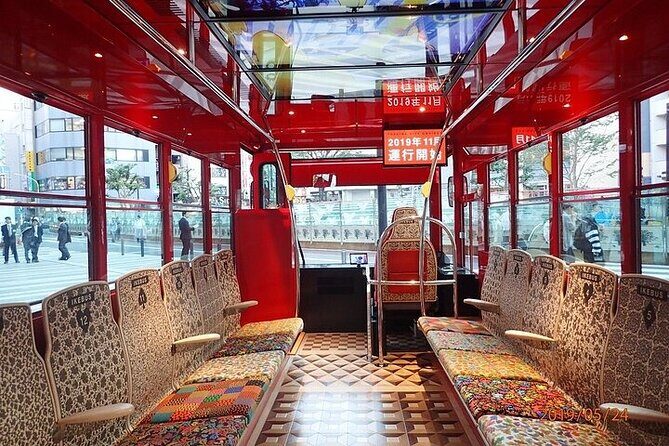
Some participants also mention a private bus from Ikebukuro, which can make the morning smoother, especially if you want to avoid extra transfers. Even when you’re close to transit, Tokyo transfers still eat time. A smoother ride helps you spend more of the 4 hours actually doing the experience.
Also, you’ll use a mobile ticket, and confirmation happens at booking. That’s not glamorous, but it reduces stress. You don’t want your first hour in Tokyo to be a scavenger hunt for paper vouchers.
Price and value: what $128.77 buys you (and what it replaces)
At $128.77 per person, you’re paying for a morning package that stacks multiple experiences together, instead of paying separately for each one.
Here’s what your money covers based on what’s included:
- Kimono dressing, with on-the-spot help
- A tea ceremony experience, including matcha tasting
- Access to a shopping street tasting session
- A 1,000 yen gift certificate for eating while walking
- A goshuincho stamp book souvenir
- Temple stamping at Togenukijizo Kogan Temple
Also, the major stops are listed as admission ticket free, which matters because you’re not paying extra at the door on top of the tour price.
So the value question becomes: would you pay for a guided kimono experience plus a tea ceremony plus temple stamp help plus food support? If you’re planning those things anyway, this price starts to look less like a splurge and more like bundling.
The only real argument against it is time. Four hours can feel short if you want to linger in shops or want a second round of tasting. But if you prefer a clean plan and a meaningful highlight day, it’s a solid deal.
Who this tour is best for in Tokyo
This is a great pick if you:
- Want to experience Toshima-ku in a way that feels local, not only sightseeing-famous
- Like structure—someone else handling timing while you focus on enjoying
- Are curious about goshuin and want help doing it properly
- Want a traditional activity that doesn’t swallow your whole day
It’s also a strong choice for first-time kimono wearers. People repeatedly mention how interesting it felt, especially noticing how many layers there are. If you’re worried about it being too “touristy,” the fact that it’s a neighborhood walk helps. You’re in streets where normal Tokyo life happens alongside the guided activities.
A couple of practical considerations before you go
Dress planning matters because the kimono has multiple layers. Wear comfortable, practical clothes underneath and bring shoes you can walk in easily. The pace is designed for strolling and tasting, so if you’re expecting long hiking distances, this isn’t that kind of tour.
Second, you’ll likely want to come with curiosity, not a strict checklist. Some people treat traditional experiences like an educational quiz. This one is more like a calm, hands-on ritual plus a neighborhood snack walk. If you lean into that tone, you’ll enjoy it more.
Finally, because it’s a private group, it’s easier to ask questions and get help. But that also means the experience depends on your group’s willingness to slow down and participate.
Should you book this Ikebukuro morning kimono-and-temple tour?
I’d book it if you want a morning that feels thoughtfully Japanese without forcing you to learn everything from scratch. The combination of kimono dressing, tea ceremony with matcha, temple goshuin stamping, and neighborhood tasting makes it more than one activity stapled to another.
Skip it if you hate structured time slots or if you’d rather spend hours browsing shops at your own speed. The walk and tasting are designed to be efficient, and the kimono experience works best when you’re ready to accept a slower, more careful rhythm.
FAQ
FAQ
What time does the tour start?
It starts at 9:00 am.
How long is the tour?
The tour lasts about 4 hours.
Where is the meeting point?
You meet at 池袋東口観光案内所, Ikebukuro East Tourist Information, 1-chōme-20-10 Higashiikebukuro, Toshima City, Tokyo.
Where does the tour end?
The tour ends back at the same meeting point.
Is this tour private?
Yes. It’s a private tour/activity, and only your group participates.
What’s included with the tour besides the walking?
You get kimono dressing, a tea ceremony (including matcha), a goshuincho stamp book souvenir, and a gift certificate worth 1,000 yen that can be used to eat while walking.
Can I get temple stamps during the tour?
Yes. You can receive temple stamps in your original goshuin book at Togenukijizo Kogan Temple.
Is admission required for the stops?
The stops listed (Sugamo Jizo-dori Shopping Street and Togenukijizo Kogan Temple) are listed as admission ticket free.
Do I need a paper ticket?
No. It uses a mobile ticket.
Is there a cancellation deadline?
Free cancellation is available up to 24 hours in advance for a full refund.
More Morning in Tokyo





More Tours in Tokyo


More Tour Reviews in Tokyo



Fresh reviews from around Tokyo






Morning, compared.
 ★ 4.4Sumo Morning Training VisitFrom $77370 reviews
 ★ 4.8Sumo Morning Practice Tour at Sumida CityFrom $116308 reviews
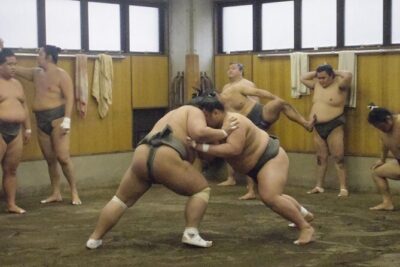 ★ 5.0Tokyo Sumo Morning Practice Tour at StableFrom $83298 reviews
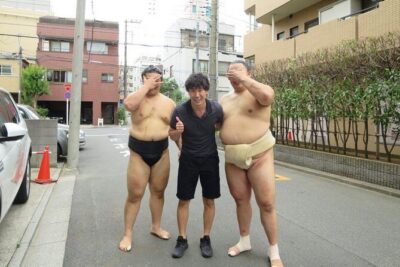 ★ 4.5Tokyo Ryogoku Sumo Morning Practice + Photo Shoot with WrestlersFrom $98277 reviews
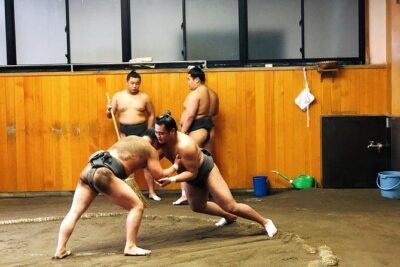 ★ 4.0Watch Sumo Morning Practice at Stable in TokyoFrom $95268 reviews
 ★ 4.0Half-day Tokyo Morning Tour by Hato BusFrom $41220 reviews
 ★ 4.5Toyosu Market Morning Tuna Auction and Tsukiji Food Tour with Licensed GuideFrom $148146 reviews
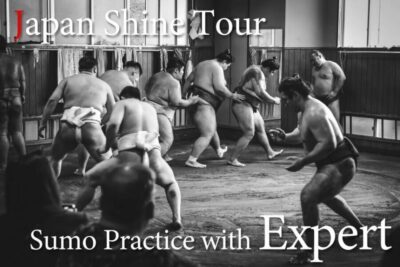 ★ 4.9Sumo Morning Practice with journalists. Not fake showFrom $103121 reviews