
Reviewed · WALKING TOURS
Tokyo: Edo Castle and Imperial Palace Guided Walking Tour
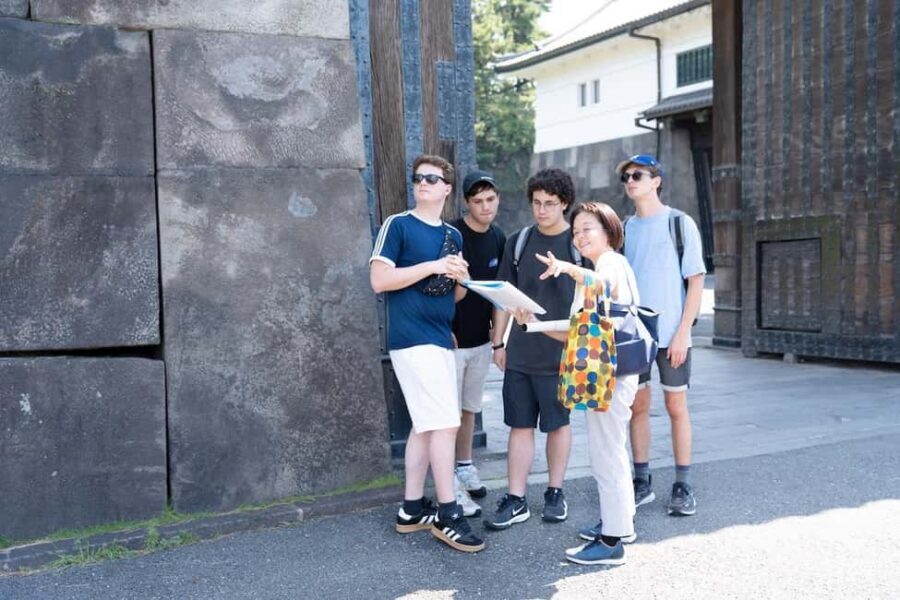
A castle walk in Tokyo beats a museum day. This guided route connects the Tokugawa Shogunate to the Imperial Palace, using an Edo-era map to make the grounds feel like a living timeline. I like that it doesn’t just point at ruins; it explains why each gate, wall, and guard spot mattered.
Two things I really like: the guide’s clear storytelling about how the city and castle changed over time, and the chance to see the stone walls up close while you learn the logic behind the defenses. One thing to consider: this is a mostly outdoor walking tour, so you’ll want comfortable shoes and a bit of stamina for 150 minutes.
In This Review
- Key takeaways before you go
- Tokyo Station Meeting Point: The Yellow Dome Start That Gets You Oriented Fast
- From Mitsubishi Ichigokan Museum to Sakurada-mon: Learning Edo City by Walking the Perimeter
- Why these early stops matter
- Sakurada Tatsumi Yagura, Kikyo-mon, and the Guardhouse Stops: Where the Castle’s Job Becomes Visible
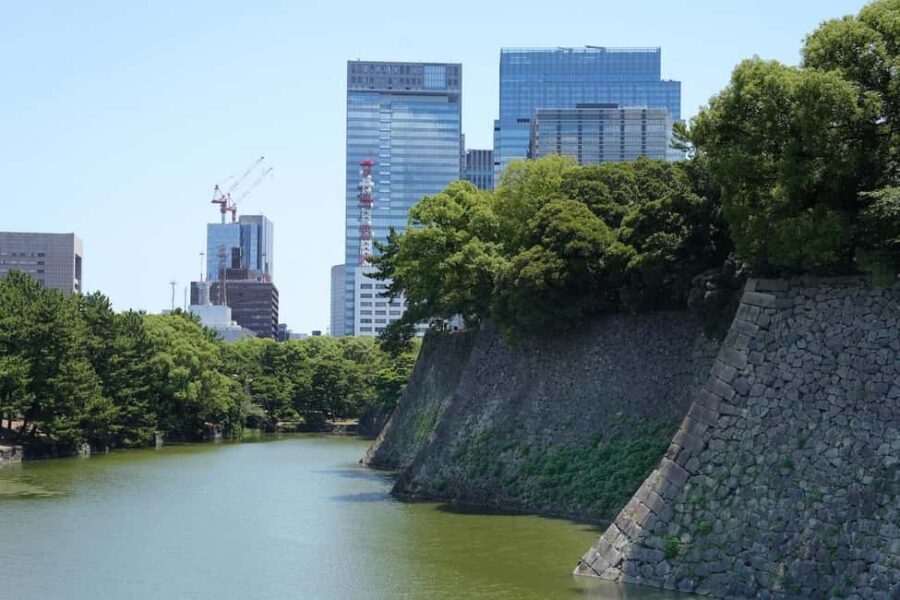
- Stone Walls, Moats, and Edo’s Defense Logic at Honmaru
- Where the moat and walls fit
- Imperial Palace Today: How the Site’s Role Changed After the Meiji Restoration
- Price and Value: How $3.22 Gets You a Real Guide and a Small Group
- Timing, Pace, and What to Wear for a 150-Minute Walk
- Who This Tour Suits Best (and Who Might Prefer Something Else)
- Should You Book Tokyo: Edo Castle and Imperial Palace Guided Walking Tour?
- FAQ
- Where is the meeting point?
- How long is the tour?
- Is the tour guided in English?
- Is the group size small?
- Is the tour wheelchair accessible?
- What is included in the price?
- What should I wear?
- FAQ
- How far ahead can I cancel for a full refund?
- Are meals included?
Key takeaways before you go
- Small group (max 8) means more chances to ask questions when something clicks—or doesn’t.
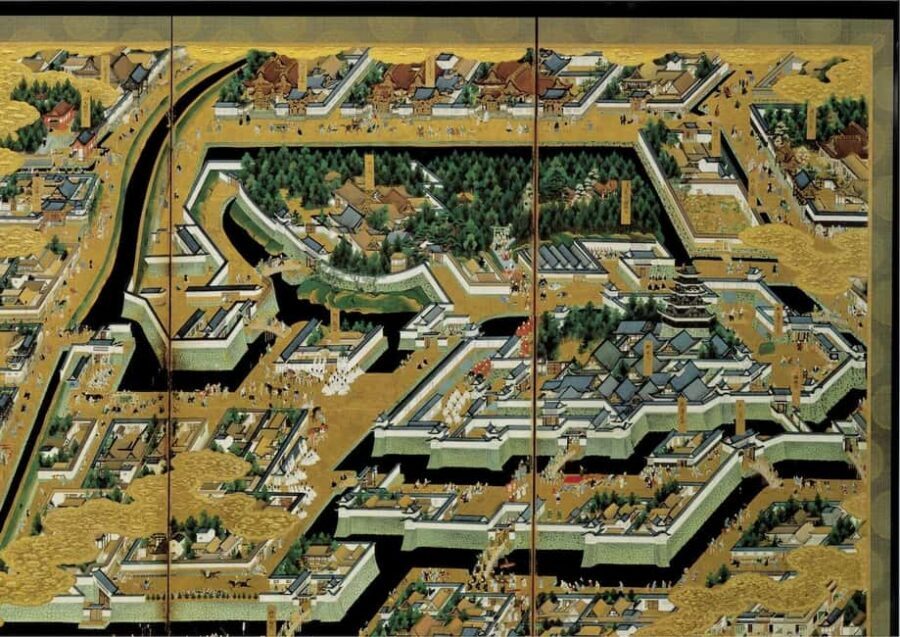
- Edo 1650s map in hand helps you track the layout instead of guessing where you are.
- Gate-to-gate route turns “I’ve seen a photo” into “now I understand the system.”
- Stonework details include how different wall styles can appear depending on who built or supported them.
- Imperial Palace context explains how Edo Castle’s role flipped after the Meiji Restoration.
- A quick gift is included, because yes, sometimes tours still do small nice things.
Tokyo at walking pace, a few more ways
- Tokyo Tsukiji Fish Market Food and Culture Walking Tour★ 5.0 · 3,184 reviews
- Tokyo: Shinjuku Local Bar and Izakaya Guided Walking Tour★ 4.9 · 1,794 reviews
- Tokyo: Tsukiji Fish Market Food and Walking tour★ 5.0 · 1,724 reviews
Tokyo Station Meeting Point: The Yellow Dome Start That Gets You Oriented Fast
Your tour begins at Tokyo Station, at the Marunouchi South Exit area. Head to the ground floor of the Marunouchi South Exit, where you’ll see a western-style historic yellow dome. This matters more than it sounds. Tokyo Station is a maze, and starting at a clear landmark helps you settle in without stress.
From there, you’ll switch into walking mode right away. The whole experience is built around short travel stretches between stops, so you keep moving while the guide narrates what you’re seeing. You’ll also get used to the tone of the tour quickly: not lectures, more like a guided walk that keeps steering your attention.
Also, check your footwear plan. This is a guided walking tour, and the stops are spread out enough that sneakers or comfortable walking shoes are the difference between enjoying it and counting down minutes.
From Mitsubishi Ichigokan Museum to Sakurada-mon: Learning Edo City by Walking the Perimeter
Early on, you’ll pass the Mitsubishi Ichigokan Museum area for a short guided orientation. This kind of stop sets the stage. It helps you understand that you’re not just walking “around landmarks”—you’re tracing how power and movement worked in Edo.
Then you head toward Sakurada-mon Gate. Gates are a big deal in castle design, because they’re where you control access. When you’re told what to look for, it changes the feel of a gate from simple architecture into a control point. You start thinking in terms of chokepoints: where people enter, where guards observe, and how routes funnel visitors.
That’s the real trick the guide uses throughout: you’re constantly connecting the physical space to the political story. The Tokugawa shogunate ran Japan from Edo for about 260 years, and once you know that, the route starts to feel like you’re walking through the “working parts” of the system.
Why these early stops matter
- They train your eye for castle features that look similar at first glance.
- They give you vocabulary before you hit the larger Edo Castle area.
- They reduce the “Where am I?” confusion later.
Sakurada Tatsumi Yagura, Kikyo-mon, and the Guardhouse Stops: Where the Castle’s Job Becomes Visible
As you move along the route, the tour leans into the castle’s defense logic: towers, gates, and guard structures. You’ll spend time near Kikyo-mon Gate and Sakurada Tatsumi Yagura. These aren’t just points on a map. They represent how the castle managed visibility and movement—especially around perimeter lines.
A yagura (tower) may not look dramatic in modern city views, but the point is function. The guide’s explanations help you think about what a tower allowed guards to do: watch key approaches, react faster, and oversee who was moving through.
Next you’ll hit stops near palace security-related locations and then continue gate-to-gate toward the Ote area. There’s a specific feel to these pauses: the guide gives quick context, you look around, and then you move on. That rhythm keeps the tour from bogging down, and it keeps you paying attention.
Then comes a cluster of important features:
- Ote-Mon Gate
- Ote-San’no Gate Ruins
- Hyakunin Bansho Guardhouse
These spots are valuable because you can connect them directly to how administration and defense worked together. A castle isn’t only walls—it’s a network of controlled access and stationed personnel. Once your brain gets that, even ruins become meaningful. Ote-San’no Gate Ruins in particular gives you a chance to practice a useful skill: imagining function without having full structure. It’s like reading a sentence from fragments.
More days made easy by a guide




Stone Walls, Moats, and Edo’s Defense Logic at Honmaru
The main payoff arrives when you get to the Site of Edo Castle Honmaru (Main Hall), where you’ll get about 30 minutes of guided time. This is where the “time travel” part stops being a slogan and turns into actual understanding.
At Honmaru, the tour explains Edo Castle as the core of Japan’s government and the shogun’s residence. And here’s where the guide’s storytelling really shines. One of the most memorable lessons is how Edo adapted after disaster—especially the aftermath of the Great Fire. You’ll hear about a decision to prioritize rebuilding Edo’s city life rather than going straight for rebuilding the tenshu (main tower). That kind of detail is more than trivia. It shows you what mattered to people at the time: continuity and stability over perfect restoration.
You also learn about castle stonework in a concrete way. The guide points out that Edo Castle’s stone walls were built with techniques that go beyond simple stacking. You’ll hear about methods described as cut-in and hammer-driven styles, and you’ll see that different daimyo contributions could show up as subtle variations in stone wall work. The result is that the walls start to feel like a historical record: not just “big stones,” but evidence of planning, labor, and authority.
Where the moat and walls fit
You’re told to focus on stone walls and moats as part of the defense picture. Even if your route doesn’t give you a dramatic “Hollywood moat view,” the guide helps you understand how water and stone worked together to slow, channel, and control movement.
If you’re the type who loves when history becomes visual, you’ll be glad this tour spends real time on the structural parts of Edo Castle rather than only name-dropping.
Imperial Palace Today: How the Site’s Role Changed After the Meiji Restoration
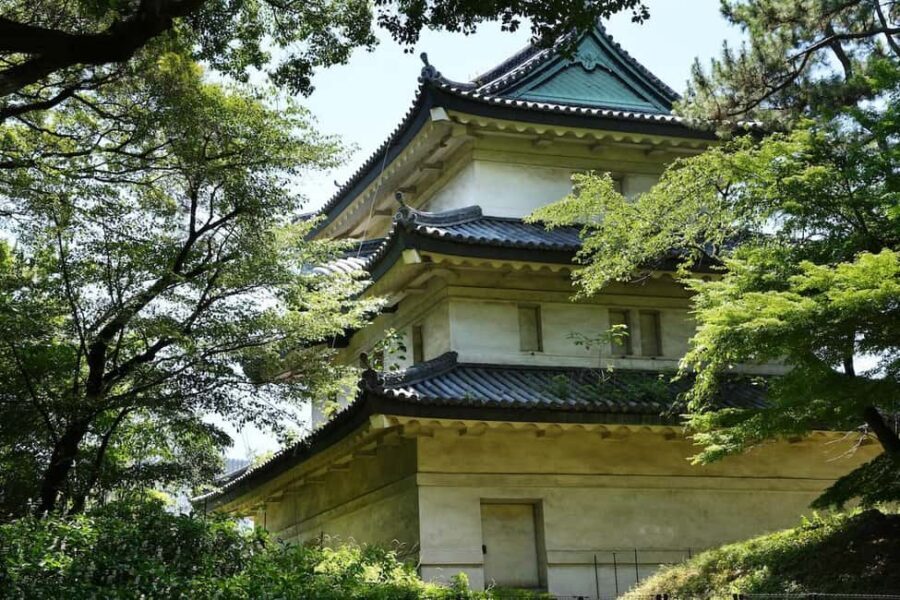
After you’ve built your mental model of Edo Castle, the tour shifts you into the present-day reality of the grounds: the Imperial Palace, where the Emperor resides.
This is the moment the route makes the biggest historical jump: the Tokugawa shogunate fell, and after the Meiji Restoration, Edo Castle became the Imperial Palace. That transformation is not just a change of rulers—it’s a change in purpose, symbolism, and the way the site represented power.
You’ll pass more perimeter gates and bridges as you move through the finish area:
- Kita-Hanebashi Gate
- Takebashi (竹橋)
- Hirakawa Bridge
- Finish at 平川門 (Hirakawa Gate)
These last stops work like punctuation. You see the way pathways, bridges, and access points shape how the space is used now. And since you’ve just spent time learning how the castle functioned, you’ll notice something: the bones of the place are still there, but the story of the place has changed.
Price and Value: How $3.22 Gets You a Real Guide and a Small Group
At $3.22 per person, this tour is priced in a way that feels almost unreal compared to typical guided tours. You shouldn’t assume “cheap” means “thin.” Here, the structure is doing the heavy lifting: an English-speaking guide, a small group capped at 8 participants, and a route that spends time on the most important architecture and context.
You also get:
- An English speaking guide
- A small gift
- About 150 minutes of guided walking and explanation
Meals aren’t included, so plan for water and basic energy. But the cost-to-content balance here is the point: you’re paying for guidance through a complex historical site, plus orientation help that would be hard to DIY if your goal is understanding the layout and political timeline.
If you’re visiting Tokyo and want to spend less time trying to decode maps and more time learning how the place worked, the value is strong.
Timing, Pace, and What to Wear for a 150-Minute Walk
The tour runs for about 150 minutes and uses lots of short legs between stops. That design keeps you moving and prevents the “standing in one spot for too long” problem.
A few practical tips that will make your experience smoother:
- Wear comfortable shoes. You’ll be on foot continuously for stretches.
- Bring a light layer. Even if the day is mild, palace-adjacent outdoor walking can feel cooler.
- Keep your phone battery up. You’ll want photos, but more importantly, you’ll want to capture details the guide points out so you can remember them later.
The best way to enjoy this style of tour is to treat it like a guided route walk, not a sightseeing checklist. When you follow the guide’s attention cues, the castle features start to make sense quickly.
Who This Tour Suits Best (and Who Might Prefer Something Else)
This tour is ideal if you:
- Like history that connects politics to physical space
- Want an English guide to explain gates, guard structures, and why they mattered
- Prefer a small group experience with room to ask questions
- Enjoy walking tours and can handle 150 minutes of steady movement
It may not be your best fit if you want lots of museum-style indoor time or long rest breaks. Since the focus is on gates, walls, and palace grounds, the experience is best for people who can stay comfortable standing and walking outdoors.
Should You Book Tokyo: Edo Castle and Imperial Palace Guided Walking Tour?
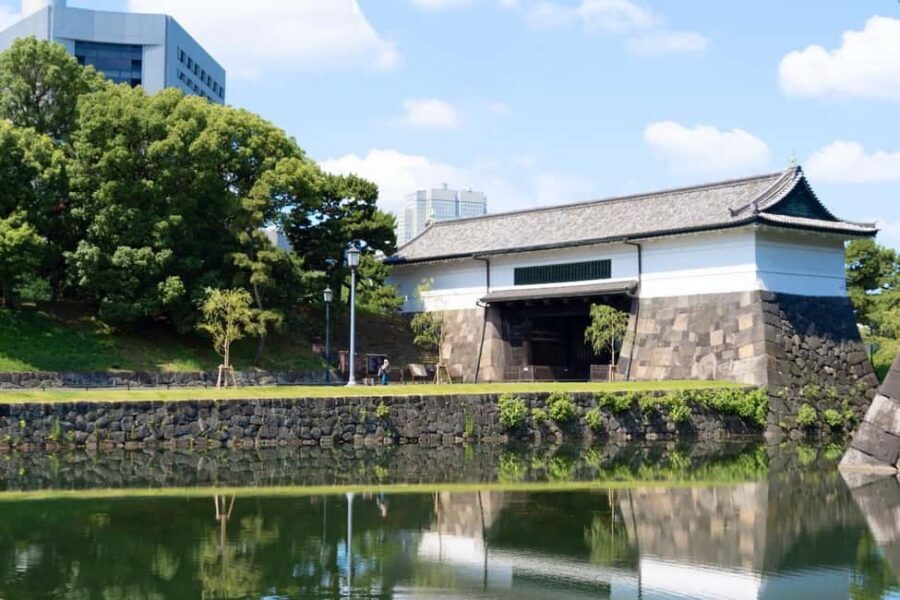
Yes, I think you should book it if your goal is understanding Edo Castle beyond surface photos. The route does a smart job: you learn castle systems (gates, towers, guard structures, stonework), then you connect that to the Imperial Palace as the site’s modern role.
I’d especially recommend it for first-time visitors who want a clear historical thread. The Edo 1650s map and the guide’s explanations make the grounds feel readable instead of random. And with a small group size, it’s easy to ask practical questions if something doesn’t click.
If you’re on the fence because it’s “just a walk,” don’t underestimate what a good guide can do on the right ground. This is one of those tours where you leave with a stronger sense of how power worked in Japan—and where you can look at stones and gates and actually know what you’re seeing.
FAQ
Where is the meeting point?
The meeting point is Marunouchi South Exit of Tokyo Station, at the ground floor. You can recognize it by a western-style historic yellow dome.
How long is the tour?
The tour duration is 150 minutes.
Is the tour guided in English?
Yes. The tour includes an English speaking guide.
Is the group size small?
Yes. It’s limited to 8 participants.
Is the tour wheelchair accessible?
Yes. The activity is listed as wheelchair accessible.
What is included in the price?
Included are an English speaking guide and a small gift.
What should I wear?
Wear comfortable shoes for walking.
FAQ
How far ahead can I cancel for a full refund?
You can cancel up to 24 hours in advance for a full refund.
Are meals included?
No. Meals and drinks are not included.
Tokyo on Foot: More Walks


More Tours in Tokyo




More Tour Reviews in Tokyo




Fresh reviews from around Tokyo






Walking Tours, compared.
 ★ 5.0Tokyo Tsukiji Fish Market Food and Culture Walking TourFrom $993,184 reviews
 ★ 4.9Shinjuku Local Bar and Izakaya Guided Walking TourFrom $341,794 reviews
 ★ 5.0Tsukiji Fish Market Food and Walking tourFrom $301,724 reviews
 ★ 4.8Asakusa Walking Tour with Sensoji Temple VisitFrom $221,583 reviews
 ★ 4.9Tsukiji Fish Market Guided Walking TourFrom $221,397 reviews
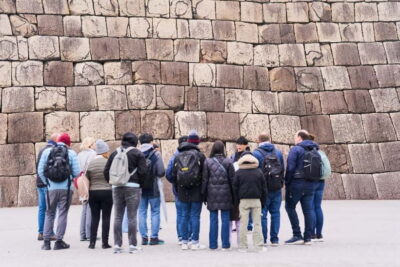 ★ 4.7Tokyo Castle & Imperial PalaceーShogun Walking TourFrom $231,068 reviews
 ★ 4.9Imperial Palace Japanese History Walking TourFrom $32987 reviews
 ★ 4.7Dark Side of Tokyo Shinjuku Red Light Walking TourFrom $29862 reviews
Browse the lists this tour appears in