
Reviewed · WALKING TOURS
Tokyo: Customizable Private Guided Walking Tour
Tokyo can feel like a puzzle at first. This private, customizable walking tour is a smart way to make sense of the city in just 4 hours, with a local guide adapting the route to what you actually want to do.
I really like the personalization part. You can steer toward the famous icons like Tokyo Tower, the Imperial Palace, and Shibuya Crossing, or shift the plan to calmer temples, art stops, or food-focused streets. I also like that you get real help with getting around: guides such as Jack and Brian have shown people how to use the subway and then pointed them back with clear next steps.
The main thing to plan for is the walking and transit time. Tokyo’s highlights are spread out, so even with a “walking” tour, expect some train segments, and be ready for a lot of steps in a half day.
In This Review
- Key things that make this Tokyo tour work
- What a private, customizable tour buys you in Tokyo
- How your 4-hour route usually feels on the ground
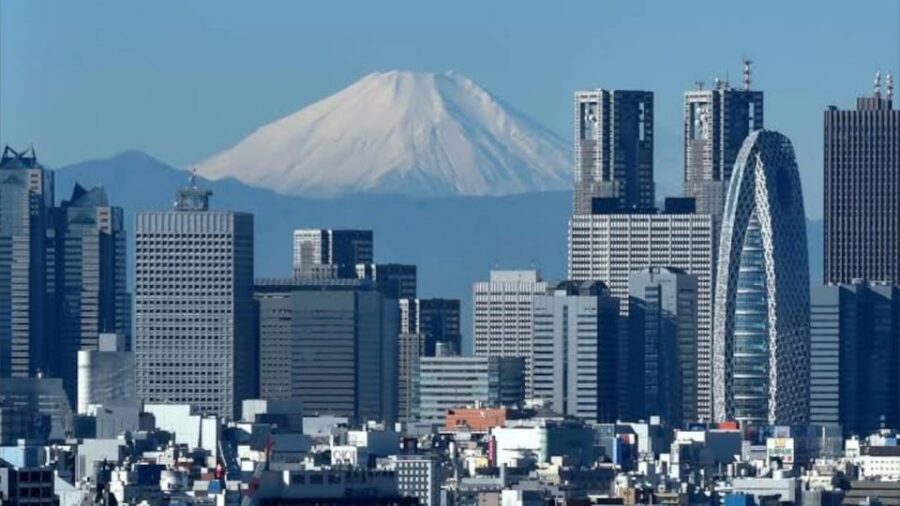
- Tokyo Tower and skyline views without the usual chaos
- Imperial Palace area: where the city slows down
- Shibuya Crossing and the neighborhood rhythm around it
- Alleyways, side streets, and that street-performance kind of Tokyo
- Food is optional, but it can power your whole itinerary
- Subway help and train navigation that saves real time
- What you actually get for $87 per person (and what to plan for)
- Guide quality: what the best guides do differently
- Who this tour suits best
- Should you book this Tokyo private guided walking tour?
- FAQ
- How long is the Tokyo private guided walking tour?
- What does the $87 per person price include?
- Are food and drinks included?
- Are entry fees included for attractions?
- Is transportation included?
- What sights can I choose from?
- What languages does the guide speak?
- Is the tour private or shared?
- Is the tour wheelchair accessible?
- Is there a cancellation window?
Key things that make this Tokyo tour work
- Custom route, not a fixed checklist: Tell your guide what matters, then get a plan built around it.
- Icon stops plus side streets: You can hit Tokyo Tower and Shibuya while still getting off the main flow.
- Practical transit help: Several guides focused on subway navigation, including how to get back to your hotel.
- Flexible pace and “skip if needed” energy: Guides adjust timing and routes when your preferences change.
- Food options can shape the day: You can craft the tour around snacks and meals instead of just sights.
- Small, private-group feel: It’s just your group, so questions and detours are easier.
Tokyo at walking pace, a few more ways
- Tokyo Tsukiji Fish Market Food and Culture Walking Tour★ 5.0 · 3,184 reviews
- Tokyo: Shinjuku Local Bar and Izakaya Guided Walking Tour★ 4.9 · 1,794 reviews
- Tokyo: Tsukiji Fish Market Food and Walking tour★ 5.0 · 1,724 reviews
What a private, customizable tour buys you in Tokyo
Tokyo is not hard to visit, but it is hard to organize. A private guide turns that stress into momentum. Instead of spending your half day sorting neighborhoods and transit lines, your guide handles the order of operations and keeps the day moving at a pace that fits you.
The custom part matters most when you’re trying to balance different moods. Want skyline views and big-city energy? You can structure time around Tokyo Tower and Shibuya Crossing. Want a breather between crowds? The same guide can route you toward Imperial Palace-area calm, shrines, and gardens, then bring you back to lively streets.
You’ll also notice that this type of tour tends to feel more human than “stand here, take photo, move along.” With a private group, it’s easier to ask questions in real time and to slow down when something catches your eye.
How your 4-hour route usually feels on the ground
Even though the total is 4 hours, the day can break into two modes: walk time and short hops. Hotel pickup and drop-off are on foot, but longer distances may use trains or subway segments, and that transportation cost isn’t included.
In practice, that means you should expect:
- Quick orientation moments so you understand where you are.
- A sequence of neighborhoods that makes sense geographically.
- Time at key stops where you can actually look, not just pass.
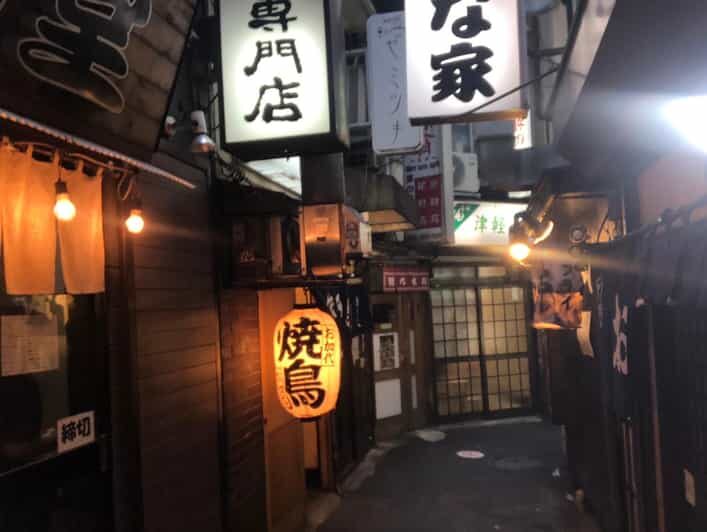
Many guides in the same tour style also mix in atmosphere stops that don’t always show up on standard city circuits, like alleyways, shopping streets, and sometimes a street performance. That’s the difference between seeing Tokyo and feeling Tokyo.
Tokyo Tower and skyline views without the usual chaos
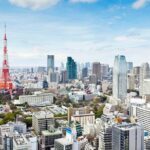
Tokyo Tower is one of those “you have to see it” moments, and this tour can place it on your schedule in the way that best fits your energy level. If you’re craving skyline views, this is where your guide can steer you for the best angles and the most comfortable timing.
One of the smart parts of a local-led plan is pacing. Tokyo Tower is famous, which means it’s also busy. With a guide, you’re more likely to time your walk so you spend more time looking and less time stuck in the slow lane of crowds.
A small caution: if you want to go up any tower or observation area that charges admission, that fee is not included. You’ll want to budget extra if your version of Tokyo Tower includes tickets.
Imperial Palace area: where the city slows down
The Imperial Palace grounds and surrounding area give Tokyo a calmer face. This is the kind of stop that works well as a reset in a half-day itinerary. You get a contrast to neon, trains, and constant motion.
Even when you’re not there long, the value is in the context. A good guide will connect what you’re seeing to how Japan thinks about tradition, public space, and daily life. That’s also where the day can turn from “tourist sights” into “cultural signals,” like the way people move through sacred or ceremonial spaces.
In some versions of the route, guides also include nearby shrine or temple moments. For example, one guide’s plan combined major sights with a stop at a Buddhist temple and shrine, adding more texture than a single landmark.
More days made easy by a guide


Shibuya Crossing and the neighborhood rhythm around it
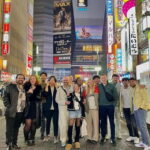
Shibuya Crossing is pure electricity, and your guide can help you approach it in a way that doesn’t feel like a photo sprint. The trick is timing and route placement. If Shibuya is your “big buzz” stop, the guide can help you move through the surrounding streets so it feels like a walk through a living district, not just a crossing.
What I like about having a guide here is safety and logistics. Shibuya can be overwhelming. A local plan reduces the amount of time you spend scanning maps while trying to keep up with foot traffic.
If you want to go beyond the crossing, this tour format also makes it easier to layer nearby districts into the 4 hours. Some guides have included places such as Meiji shrine areas and Harajuku-adjacent streets like Takeshita Street, depending on your interests and the day’s flow.
Alleyways, side streets, and that street-performance kind of Tokyo
Tokyo’s signature detail is often not the landmark. It’s the in-between: narrow lanes, small storefronts, and pockets where life feels local.
This is where your guide earns the money. If you ask for off-the-main-track Tokyo, you’re more likely to get routes that cut through characteristic neighborhoods and charming alleys. The goal is to help you see Tokyo’s “normal day” geography, not just the postcard version.
Some guide plans also include a street performance along the way. That kind of stop is small, but it changes the feeling of the day. It turns your walk into a story you can remember, instead of a list of stops.
Food is optional, but it can power your whole itinerary
You can build the tour around cuisine, and it’s not just about finding a place to eat. It’s about letting food guide the route. When your guide knows what you like, they can connect snacks and meals to the neighborhoods you’re already walking through.
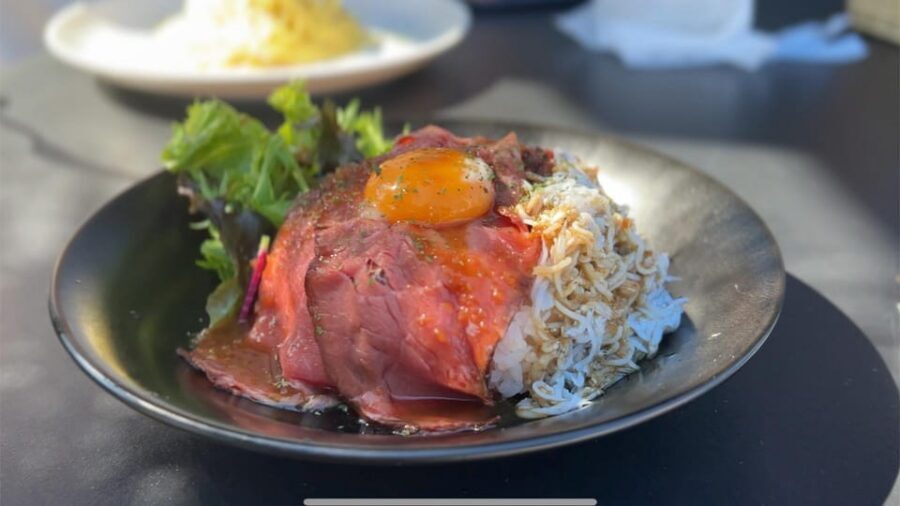
Food and drinks are not included, and that’s normal. The value is in the decision help: where to go, what to try, and how to order. In past tours guided in this style, people have been led to traditional restaurants and local favorites such as okonomiyaki and karage along the route.
If you’re a solo traveler, this is especially useful. Eating alone in a new country can feel risky. A local plan can make it feel routine.
Subway help and train navigation that saves real time
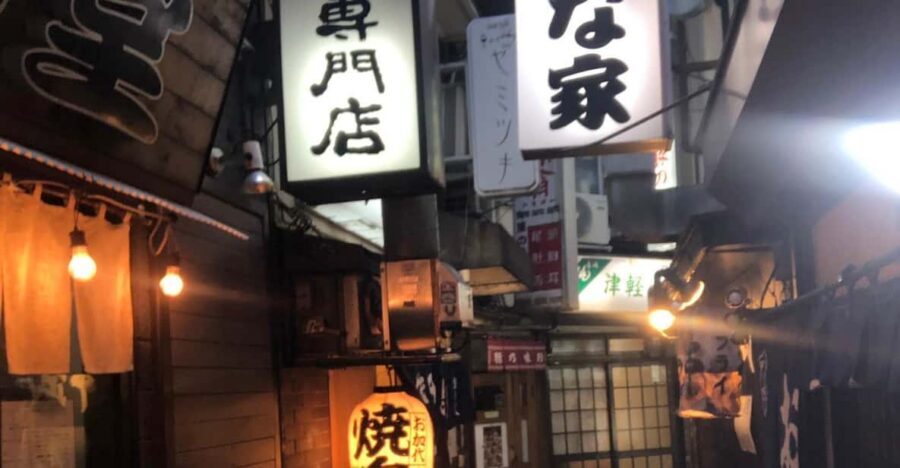
Tokyo’s subway system is brilliant and confusing. The best guides don’t just point you at the nearest station. They teach you how to use it with confidence.
In the experience data, guides like Jack have specifically helped with subway use, then explained how to get back afterward. Others, like Brian and Marco, did the same: how to get around by train and how to handle transfers without panic.
One practical tip that’s worth repeating: when your guide is navigating the subway system, stay close. In a crowded station, it’s easy to drift, and then suddenly you’re working twice as hard while everyone else moves forward smoothly.
Also, transportation isn’t included in the price. So you should budget for the subway or train fares if your route uses them.
What you actually get for $87 per person (and what to plan for)
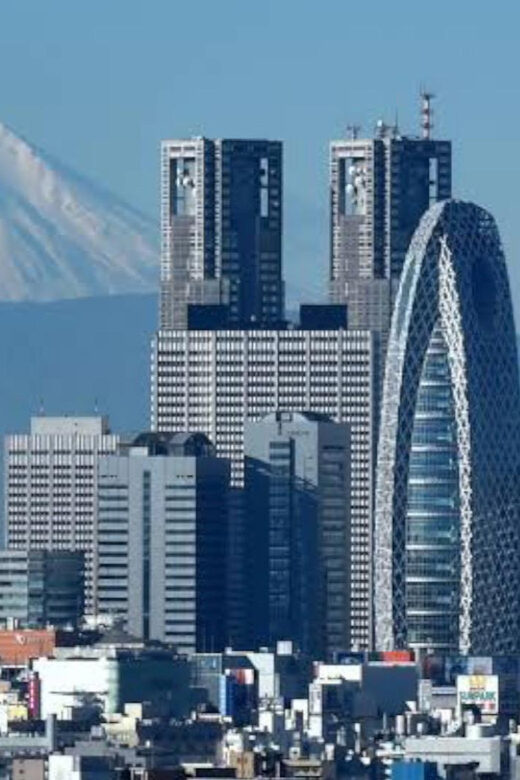
At $87 per person for 4 hours, you’re paying for focused time with a private guide and a route designed around you. That price is easiest to justify when you:
- Only have a half day and want it to count.
- Feel less confident navigating Tokyo on your own.
- Want a plan that includes both big sights and quieter streets.
What’s not included is also clear:
- Food and drinks
- Entry costs (if any stop has an admission fee)
- Transportation (subway/train fares)
Hotel pickup and drop-off are included, and pickup/drop-off are described as on foot. That’s useful because you’re not wasting time finding the meeting point miles away.
Wheelchair access is listed, and the tour is marked as wheelchair accessible. There’s also a clear note that it’s not suitable for people over 95, so if you’re booking for an older traveler, it’s worth taking that into account before choosing this format.
Guide quality: what the best guides do differently
The most praised element here is how guides combine city expertise with flexibility. Many plans include both facts and practical help, plus a friendly pace that makes questions feel normal.
Look for evidence of these strengths in how your guide communicates:
- They connect landmarks to how people live and think.
- They adapt the day when your priorities shift.
- They help with the practical stuff, like transit navigation and deciding next stops.
Examples from guide styles in the same tour ecosystem include:
- Mika contacting clients ahead of time and securing a reservation for a key stop.
- Eduardo designing the plan around age and physical comfort, even avoiding crowded areas.
- Shish leading a “safe in busy Tokyo” feeling with patience and cultural context.
- Jack helping not only during the tour but with post-tour options, including subway tips and taxi ordering if needed.
If you care about culture and details, tell your guide up front. It’s the easiest way to get a day that feels like Tokyo, not just an efficient walking checklist.
Who this tour suits best
This is a strong pick if you:
- Are short on time and want the big icons without chaos.
- Prefer a plan built around your interests (history, neighborhoods, food, shopping streets).
- Want more local guidance than a standard group tour.
- Like having navigation help so you can keep exploring after.
It’s especially good for first-timers who want to build confidence fast. People often leave with a better feel for how to move through Tokyo independently, because your guide teaches the patterns as you go.
If you don’t like walking, you might find the half day more active than you expect. Even with a mix of walking and transit, you’ll cover a lot of ground in 4 hours.
Should you book this Tokyo private guided walking tour?
If you want your first half day in Tokyo to feel organized, personal, and practical, I’d book it. The best value isn’t just seeing Tokyo Tower or Shibuya Crossing. It’s getting a local plan that reduces stress, helps you navigate, and still leaves room for quieter streets and culture.
Book it if you’ll actively use the customization: tell your guide what you care about, and be honest about pace. Also, budget for food, entrance fees, and transit so there are no surprise gaps.
Skip it only if you’re set on a very slow, low-walking schedule and don’t want transit at all. In a city this spread out, a half-day private walk tour usually means you’ll be on the move.
FAQ
How long is the Tokyo private guided walking tour?
It lasts 4 hours.
What does the $87 per person price include?
It includes hotel pickup and drop-off on foot, plus a private local tour guide.
Are food and drinks included?
No, food and drinks are not included.
Are entry fees included for attractions?
No, entry costs are not included.
Is transportation included?
No, transportation is not included.
What sights can I choose from?
You can tailor the itinerary to include famous spots such as Tokyo Tower, the Imperial Palace, and Shibuya Crossing, plus other areas based on your interests.
What languages does the guide speak?
The live guide is listed as available in English and Japanese.
Is the tour private or shared?
It’s a private group.
Is the tour wheelchair accessible?
Yes, it is listed as wheelchair accessible.
Is there a cancellation window?
Yes. Free cancellation is offered up to 24 hours in advance for a full refund.
Tokyo on Foot: More Walks


More Tours in Tokyo





More Tour Reviews in Tokyo




Fresh reviews from around Tokyo






Walking Tours, compared.
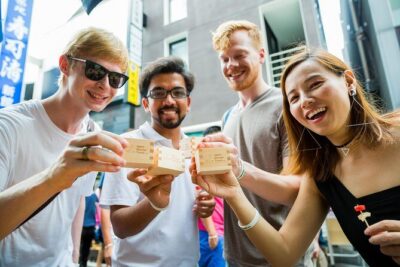 ★ 5.0Tokyo Tsukiji Fish Market Food and Culture Walking TourFrom $993,184 reviews
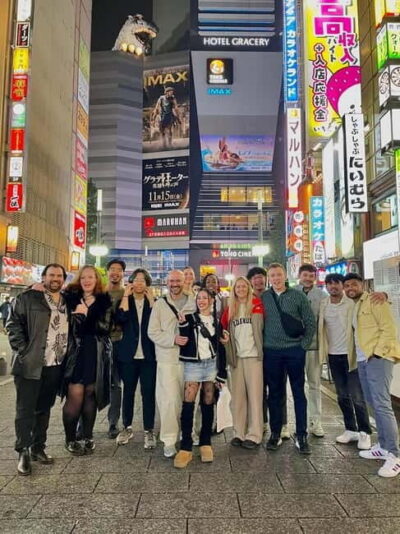 ★ 4.9Shinjuku Local Bar and Izakaya Guided Walking TourFrom $341,794 reviews
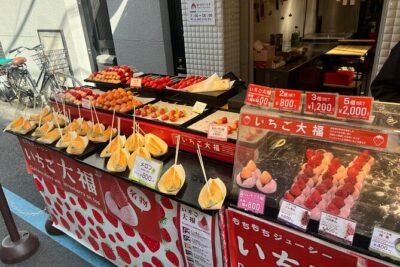 ★ 5.0Tsukiji Fish Market Food and Walking tourFrom $301,724 reviews
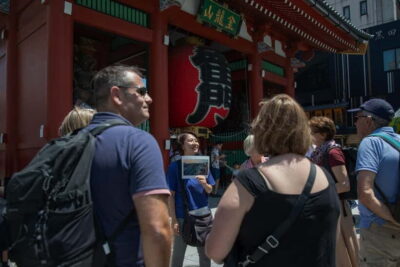 ★ 4.8Asakusa Walking Tour with Sensoji Temple VisitFrom $221,583 reviews
 ★ 4.9Tsukiji Fish Market Guided Walking TourFrom $221,397 reviews
 ★ 4.7Tokyo Castle & Imperial PalaceーShogun Walking TourFrom $231,068 reviews
 ★ 4.9Imperial Palace Japanese History Walking TourFrom $32987 reviews
 ★ 4.7Dark Side of Tokyo Shinjuku Red Light Walking TourFrom $29862 reviews
Browse the lists this tour appears in