
Reviewed · TSUKIJI FISH MARKET TOURS
Tokyo: Classic Tsukiji Food Tour
Morning in Tsukiji is a feast for your senses. This Classic Tsukiji food tour is one of the easiest ways to understand Japanese food fast: you start with a proper local breakfast, then you walk the Tsukiji Outer Market alleys with an English-speaking guide who explains what you’re seeing and how to eat it.
I especially love the range of food tastings (not just seafood, but sweets and seasonal items), and I like how the guide adds context from the vendors so the market doesn’t feel like a museum. One possible drawback: the 3-hour format is fast and you’ll be moving through tight spaces, so it’s not built for slow wandering or long, independent shopping detours.
In This Review
- Key Things You’ll Notice on This Tour
- Entering Tsukiji with the Right Starting Point
- Three Hours Isn’t a Lot, So the Guide Makes It Count
- Breakfast at a Local Restaurant: The Tour’s Best First Move
- Tsukiji Outer Market on Foot: What You’ll Actually Taste
- Learning to Eat It Properly: Wasabi, Sweets, and Small Skills
- The Shrine Stop: Adding a 300-Year Thread
- From Tastings to Shopping: What You’ll Learn to Buy Later
- Price and Value: Is $181 Worth It?
- Practical Tips That Make the Tour Smoother
- Who This Tour Fits Best in Tokyo
- Should You Book This Classic Tsukiji Food Tour?
- FAQ
- What food is included in the Classic Tsukiji Food Tour?
- How long does the tour last?
- Where do I meet my guide?
- Is hotel pickup included?
- Is the tour good for kids or strollers?
- What group size and language should I expect?
Key Things You’ll Notice on This Tour
- A real breakfast at a local restaurant, not just a snack stop before the market
- Tastings across Tsukiji Outer Market so you try things you’d likely skip on your own
- Seasonal and regional bites from around Japan, which keeps the food from feeling repetitive
- A guide who manages the pace and the alley navigation, so you spend time eating instead of second-guessing
- Traditional Japanese sweets mixed into the route for balance after seafood-heavy stops
- A short shrine visit that adds a longer-time perspective to the market area
Still hungry? More Tsukiji breakfasts and market walks
- Tokyo Tsukiji Fish Market Food and Culture Walking Tour★ 5.0 · 3,184 reviews
- Tokyo: Tsukiji Fish Market Food and Walking tour★ 5.0 · 1,724 reviews
- Tokyo: Tsukiji Fish Market Guided Walking Tour★ 4.9 · 1,397 reviews
Entering Tsukiji with the Right Starting Point
The tour begins where most people need help most: right at the start, before you feel lost. You meet at Turret Coffee Shop in Tsukiji (Exit 2), and your guide is holding an Arigato Travel sign. That matters more than you think. Tsukiji can feel like a maze, and arriving with a clear plan helps you settle in and start tasting sooner.
You’ll also want to show up ready to walk. The tour is listed as Walking Level Advanced, and it’s a morning route through narrow streets and market stalls. I’d plan on comfortable, grippy shoes and patience for crowds. If you hate standing, this might test you a bit—but if you’re game for a food morning, it’s a good match.
The group size is small, limited to 10, which changes the experience. You can actually hear your guide, ask questions, and get recommendations that match what you like. It’s not the kind of tour where everyone drifts in their own direction.
Three Hours Isn’t a Lot, So the Guide Makes It Count
This is a 3-hour Tokyo food tour, and that’s the key to the format. You’re not there to cover every stall in Tsukiji. You’re there to learn how the market works, taste a focused selection of foods, and leave with confidence about what to buy later.
In practice, that means your guide spends time steering you through the right areas while explaining what you’re looking at: the seafood displays, the pickles and spices, and the small details behind preparation. Several guides referenced in past departures—like Yappy and Kay—are praised specifically for pacing and for making you feel like you can navigate the market confidently after the tour.
One thing to keep in mind: because it’s short, you won’t have hours of free browsing at every little kitchen shop. If your goal is to shop first and snack second, you may feel slightly rushed. If your goal is to eat your way through Tsukiji and learn, 3 hours feels just about right.
Breakfast at a Local Restaurant: The Tour’s Best First Move
You start with breakfast at a local restaurant, and I think this is why the tour works so well. Many food tours start sampling immediately, but breakfast sets your palate and gives you a baseline for what Japanese morning meals typically aim for: warm soup, simple rice, and fish or egg dishes that are fresh rather than heavy.
From past departures, breakfast examples include grilled fish like mackerel and black cod, plus miso soup. The idea isn’t just that the food is tasty (it usually is), but that it teaches you what “comfort” looks like here. You learn the rhythm: salty, savory, clean flavors first; then you can handle bolder tastes later in the market.
If you’ve ever wondered what Japanese “fresh” means beyond marketing, breakfast is the test drive. You taste how flavors sharpen when ingredients are treated simply and seasonally.
Also, because breakfast is included, you don’t have to solve the breakfast problem while your stomach is already growling. You just show up and eat.
Tsukiji Outer Market on Foot: What You’ll Actually Taste
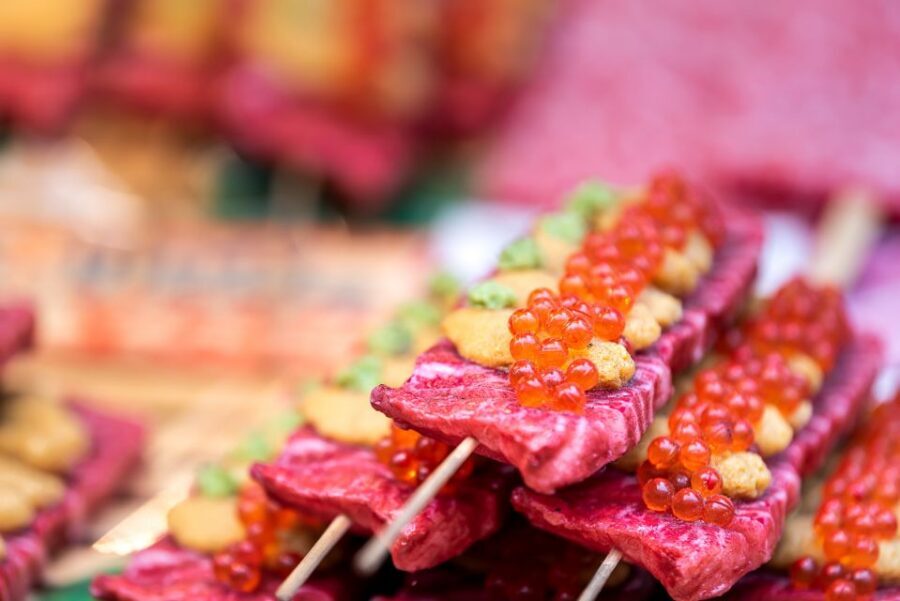
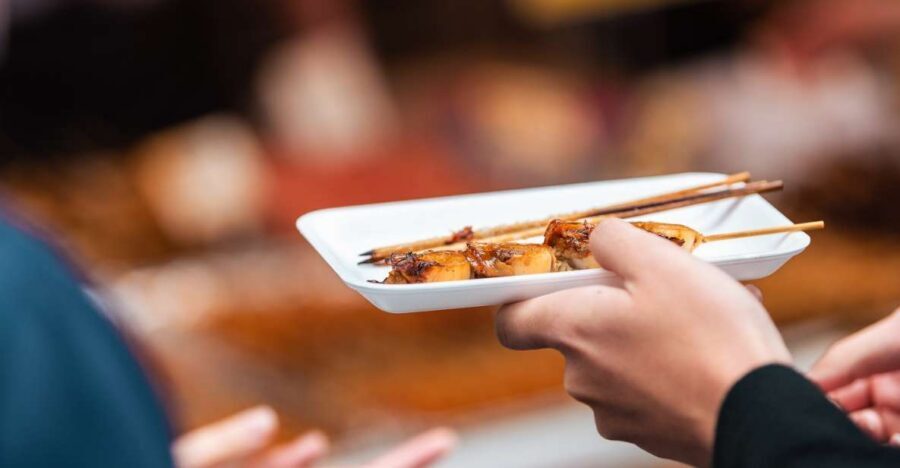
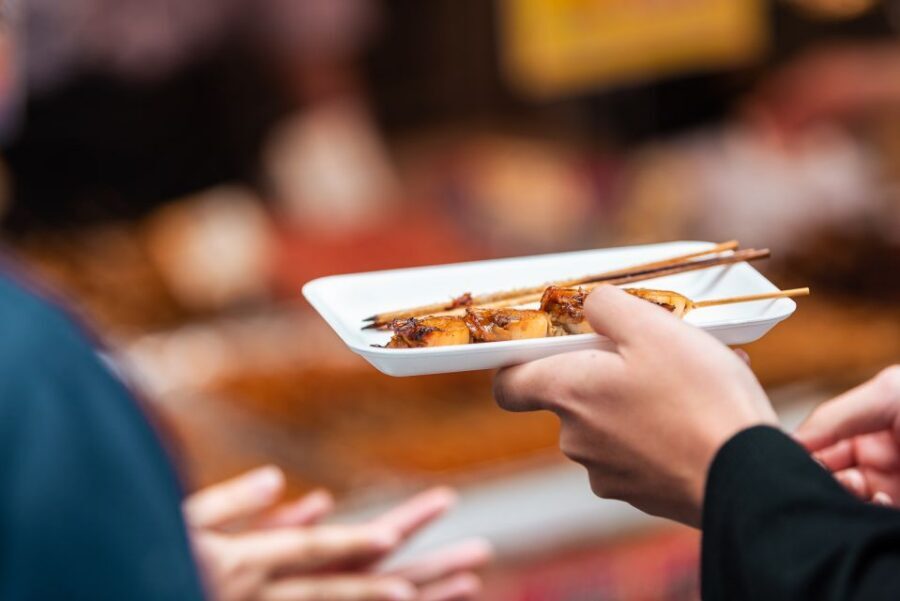
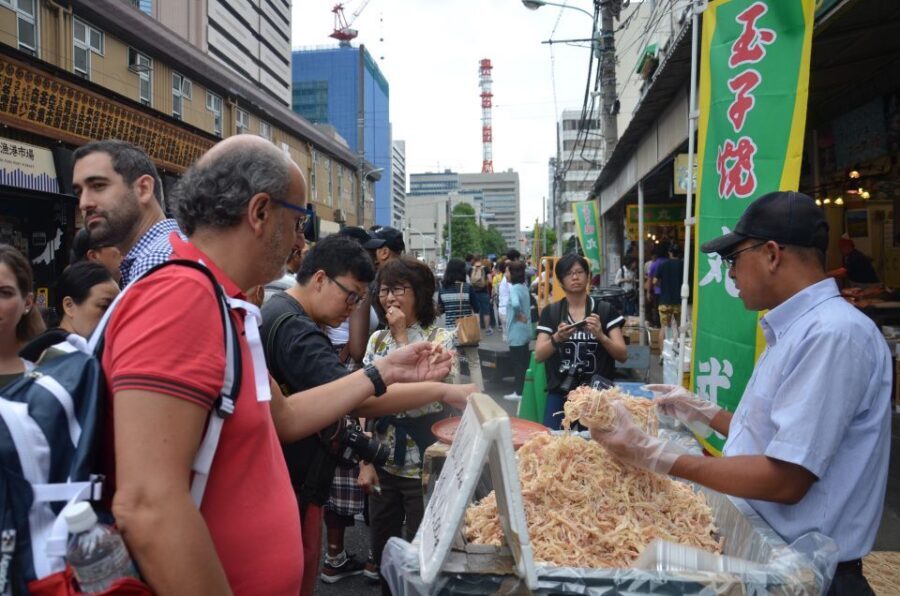
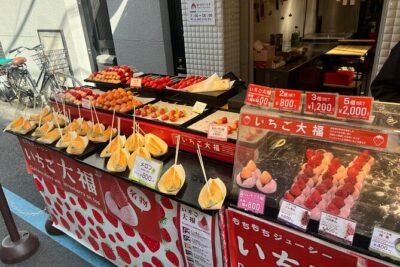
After breakfast, you move into the Tsukiji Outer Market area for food tastings. The tour is designed around variety, so you shouldn’t feel like you’re only chasing raw seafood.
Expect tastings that can include:
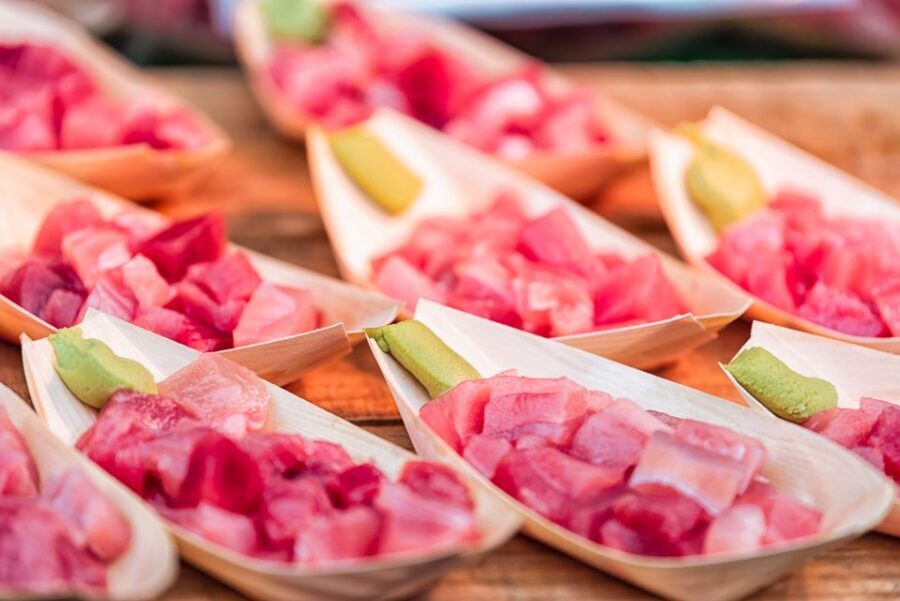
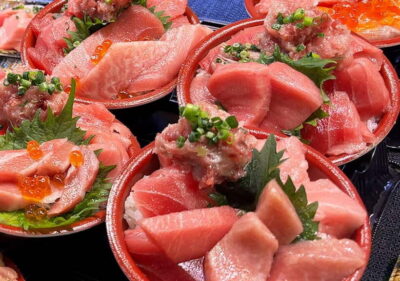
- seafood items from market stalls
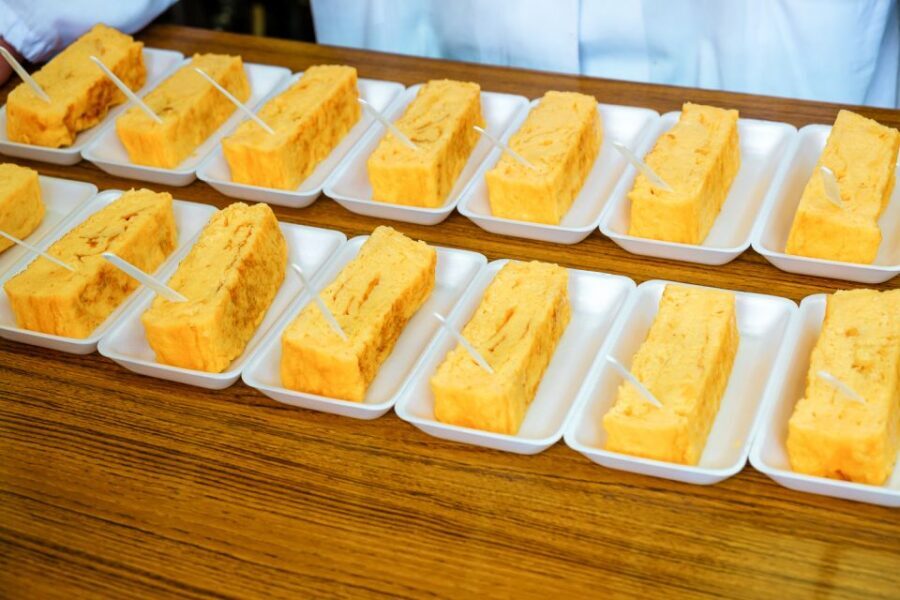
- egg-focused snacks (people often mention tamagoyaki in this area)
- pickles and spice-forward bites
- seasonal finds that change with what’s available
The most consistently praised element is how the guide helps you try foods you might not pick yourself. A lot of first-timers come to Tsukiji expecting sushi and maybe miso soup. This tour tends to push beyond that into snacks and prepared items that reflect what people actually eat while shopping the market.
And yes, seafood is central. If you’re not comfortable with fish-heavy choices, talk to the guide in advance if the operator allows it, and pay attention to how your tastings are selected. The tour is built for people who are curious about seafood and Japanese food generally.
Other plates worth crossing Tokyo for


Learning to Eat It Properly: Wasabi, Sweets, and Small Skills
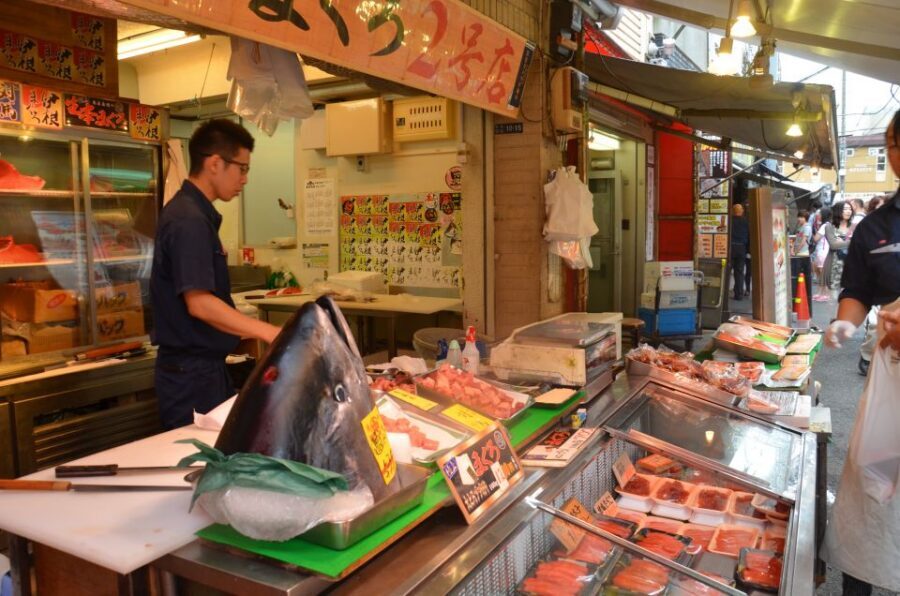
One of the most practical values of a market tour is learning what to do with what you’re eating. It’s not just flavor—it’s technique.
In past departures, guides have shown guests how to grate fresh wasabi, which sounds small until you realize the difference between shelf product and fresh preparation. It’s also a great example of why a guide is worth the extra money. Without that context, you might try something and assume it’s just spicy. With the context, you notice texture and scent.
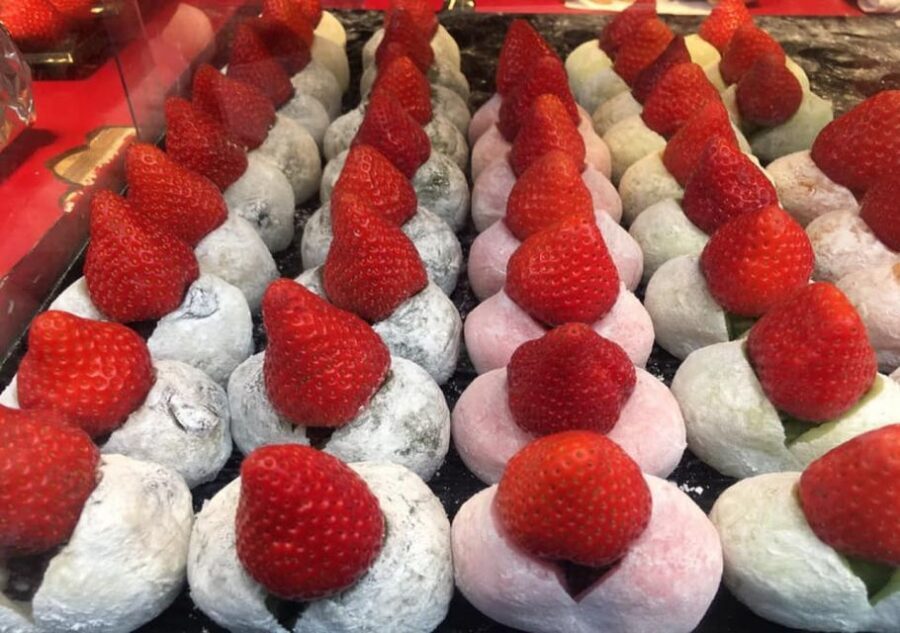
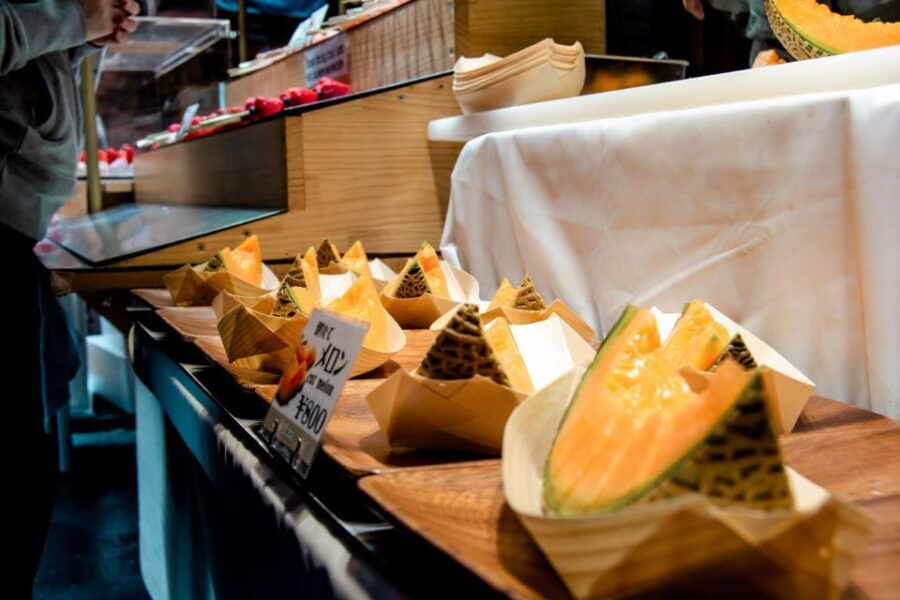
The tour also includes traditional Japanese sweets, which helps balance the route. After seafood-heavy stops, sweets give your palate a reset and show another side of market culture. People have mentioned unique desserts like a fish-shaped custard. Even if the exact sweets vary by day, the takeaway is consistent: this isn’t a seafood-only morning.
Finally, you’ll get explanations as you walk—what a vendor is known for, why certain items are paired, and what to look for in ingredients. The best guides keep it simple and functional, not lecture-y. If you get a guide like Yappy or Sandra, you’ll likely notice they mix stories with short, usable tips.
The Shrine Stop: Adding a 300-Year Thread
Between the food moments, you’ll explore a shrine with over 300 years of history. It’s a short change of pace, but it makes the whole morning feel more grounded.
Markets aren’t just places to buy things. They’re part of a long chain of habits—rituals, community routines, and seasonal expectations. The shrine visit helps you see Tsukiji as more than a modern tourist food stop.
This isn’t a “tourist photo opportunity” kind of stop. It’s more like a palate cleanser for your brain: a reminder that food culture here comes from time and tradition, not just trend.
From Tastings to Shopping: What You’ll Learn to Buy Later
One of my favorite outcomes from a good market tour is what happens after you finish. You walk away with a sense of what items are worth buying and what you can build into an easy meal.
During past departures, guides have supported guests in selecting items that can turn into a picnic-style lunch setup, including sashimi. That’s a common rhythm for this kind of tour: tastings teach you preferences, and then the guide helps you think like a shopper.
Even if you don’t buy much beyond what you eat during the tour, you’ll leave with:
- better intuition about freshness
- stronger confidence about what looks good in the moment
- a short list of foods to seek when you’re back on your own
If you’re planning to eat again later in Tokyo, this knowledge pays off. Instead of wandering hungry and unsure, you’ll know what direction to go.
Price and Value: Is $181 Worth It?
At $181 per person for a 3-hour small-group tour, it’s not a budget activity. So here’s how I’d judge the value.
You’re paying for three things:
- Breakfast included at a local restaurant
That alone can be a meaningful part of the cost, especially in central Tokyo.
- Guided tastings across the market area
You’re not buying a single meal; you’re trying multiple items, including regional and seasonal foods and Japanese sweets.
- Guide-led navigation and selection
Tsukiji is crowded and confusing for many visitors. The guide helps you spend your time eating and understanding, not waiting in lines or missing the right stalls.
If you’re going with friends and splitting a premium experience, the value can feel better. Some departures have been noted as expensive for small groups, especially larger parties. But for couples and solo travelers, the format is often a strong way to “compress” learning and eating into one morning.
Also, the small group size (up to 10) isn’t free. It reduces crowding and improves your interaction with the guide, which directly affects the quality of tastings.
Practical Tips That Make the Tour Smoother
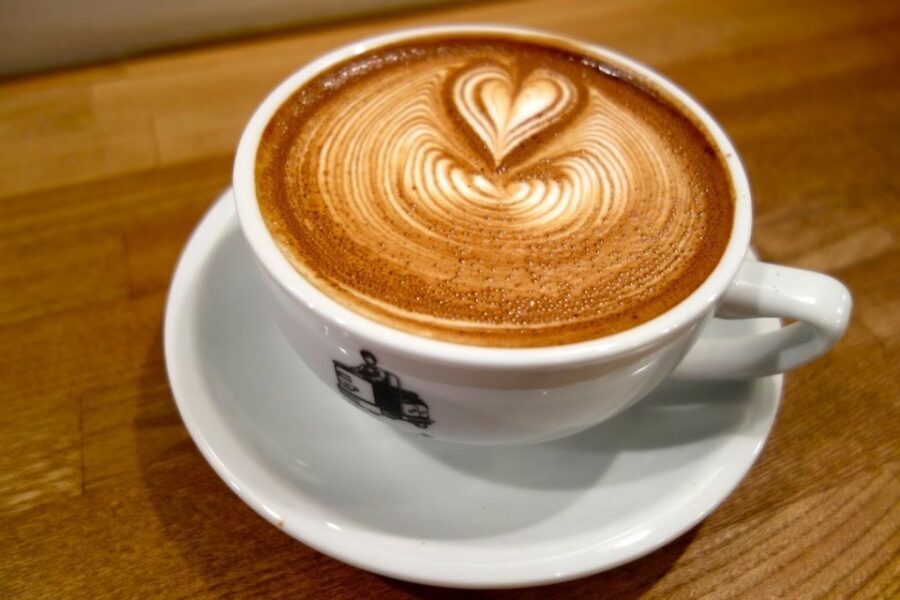
Here’s how to set yourself up so the market doesn’t feel like chaos.
Wear comfortable shoes and expect lots of standing. The tour is listed as Walking Level Advanced, and Tsukiji is built for foot traffic, not strollers or slow wheelchair-friendly routes. Baby strollers are not allowed, and unaccompanied minors aren’t allowed.
Bring your passport. For kids age 10 and above, a copy of the passport is required. You may also want to carry it for ID checks if requested.
If you’re sensitive to strong smells, remember this is a working market. Food and seafood aromas are part of the experience, not a side effect.
And if you want extra help choosing foods, do it early in the breakfast portion. Your guide can steer your tastings as the morning goes on.
Who This Tour Fits Best in Tokyo
This tour is a great match for people who want:
- a solid introduction to Japanese food and culture
- a structured way to explore the Tsukiji area in limited time
- lots of tastings instead of a single set meal
- English-language guidance with room for questions
It also fits first-timers well, but it’s not only for beginners. If you’ve been to Japan before, you’ll still appreciate the specific market knowledge: what to look for, why certain foods are prepared the way they are, and how to taste like a local shopper.
If your priority is shopping for kitchen supplies or browsing stalls for long stretches, you may find the time tight. And if you don’t like seafood, the core focus of Tsukiji may feel mismatched.
Should You Book This Classic Tsukiji Food Tour?
Book it if you want a Tokyo morning that combines breakfast, guided tastings, and cultural context in a small group. The $181 price makes sense when you compare it to the cost of breakfast plus the value of guided selection in a complicated market environment.
Skip it or consider a different style of experience if you:
- want lots of free time to wander without guidance
- dislike walking tight lanes and standing for tastings
- won’t eat seafood-friendly options
If you’re somewhere in the middle, do this: show up hungry, ask questions early, and use the guide’s recommendations for what to try during the tour and what to look for after. That’s where the morning pays you back.
FAQ
What food is included in the Classic Tsukiji Food Tour?
You get breakfast at a local restaurant, food tastings from the Tsukiji Outer Market area, traditional Japanese sweets, and regional food from around Japan.
How long does the tour last?
The tour lasts 3 hours.
Where do I meet my guide?
Meet at Turret Coffee Shop in Tsukiji (take Exit 2). Your guide will be there holding an Arigato Travel sign.
Is hotel pickup included?
No. Hotel pick-up is not included, but it can be arranged for an additional charge.
Is the tour good for kids or strollers?
Baby strollers are not allowed and unaccompanied minors aren’t allowed. Children must be accompanied by an adult, and for kids aged 10 and above a copy of the passport is required.
What group size and language should I expect?
It’s a small group limited to 10 participants, and the tour guide speaks English.
More Tours in Tokyo




More Tour Reviews in Tokyo




Back to the Market: More Tsukiji Tours


Fresh reviews from around Tokyo






Tsukiji Fish Market Tours, compared.
 ★ 5.0Tokyo Tsukiji Fish Market Food and Culture Walking TourFrom $993,184 reviews
 ★ 5.0Tsukiji Fish Market Food and Walking tourFrom $301,724 reviews
 ★ 4.9Tsukiji Fish Market Guided Walking TourFrom $221,397 reviews
 ★ 5.0Tokyo Sushi Making Class in Tsukiji with Professional ChefFrom $491,177 reviews
 ★ 5.0Tsukiji Fish Market Guided Tour and Sushi Making with Pro ChefFrom $104775 reviews
★ 4.7Tsukiji Fish Market Food and Culture Walking TourFrom $96757 reviews
★ 5.0Tsukiji Fish Market Guided Tour and Sushi Making with Pro ChefFrom $104775 reviews
★ 4.7Tsukiji Fish Market Food and Culture Walking TourFrom $96757 reviews
 ★ 5.0Tsukiji Fish Market: Street Food & Culture Walking TourFrom $33669 reviews
 ★ 5.0Tsukiji Fish Market Small-Group Food Walking TourFrom $87621 reviews
Browse the lists this tour appears in