
Reviewed · WALKING TOURS
Tokyo Castle, Imperial Palace, Shogun & Garden Walking Tour
Tokyo feels calmer inside the palace grounds. This guided walk through the Imperial Palace East Gardens turns big political history into something you can actually picture.
I especially like the small group size, which makes it easy to ask questions as you go. And I like that you’re not just walking paths—you’re stopping at places like Ōtemon Gate and the Ninomaru Garden with clear context.
One thing to plan for: the Inner Palace buildings aren’t open to the public, so you’re there for gardens, gates, and ruins, not a full tour of the main palace structure.
In This Review
- Key Things I’d Prioritize on This Tour
- Imperial Palace East Gardens: History You Can See (Mostly as Gardens and Stone)
- Meeting at Starbucks (Wadakuramon Park): Easy Start, Less Stress
- Ōtemon Gate and the Old Edo Castle Layout: Where the Story Becomes Physical
- Guardhouse Ruins and the Feel of a Boundary
- Ninomaru Garden: A Calm Break That Still Connects to Power
- Shogun and Emperor Stories: The Context That Makes Tokyo Make Sense
- Duration and Pace: Two Hours That Don’t Feel Like a Lecture
- Weather, Seasons, and What to Wear
- Price Value: $31.84 for a Guided Interpretation of a Public Site
- Who Should Book This Tour (and Who Might Want Something Else)
- Should You Book This Tokyo Imperial Palace Walking Tour?
- FAQ
- Is the Inner Palace included?
- What’s the meeting point for the tour?
- How long is the tour?
- Is admission included?
- How big is the group?
- Do I need special clothing, or are tattoos allowed?
- What areas are covered during the walk?
- What if the weather is bad?
Key Things I’d Prioritize on This Tour
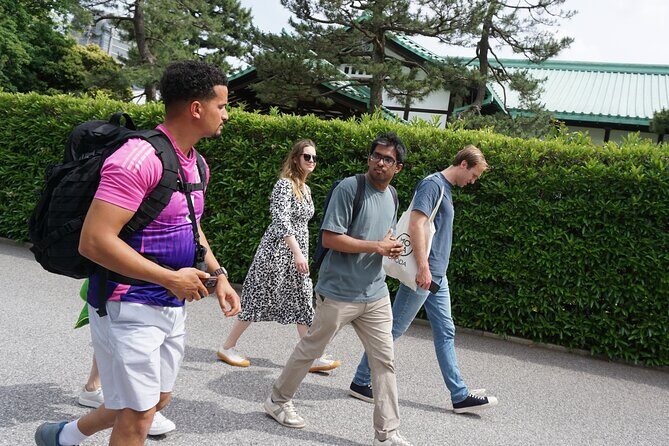
- Small-group pacing that leaves room for questions and photos
- Ōtemon Gate + guardhouse ruins so you understand what you’re looking at
- Ninomaru Garden for the kind of scenery you’ll want to slow down for
- Shogun-and-Emperor context that connects Edo Castle to modern Tokyo
- Photo-spot guidance plus an easy meeting point at Starbucks
Tokyo at walking pace, a few more ways
- Tokyo Tsukiji Fish Market Food and Culture Walking Tour★ 5.0 · 3,184 reviews
- Tokyo: Shinjuku Local Bar and Izakaya Guided Walking Tour★ 4.9 · 1,794 reviews
- Tokyo: Tsukiji Fish Market Food and Walking tour★ 5.0 · 1,724 reviews
Imperial Palace East Gardens: History You Can See (Mostly as Gardens and Stone)
The Imperial Palace is one of Tokyo’s most famous addresses. But here’s the catch: most of what people imagine—grand buildings for visitors—isn’t what you get. The area you can access is mainly the East Gardens, along with gates and remnants tied to the old Edo Castle layout.
That’s exactly why this tour works. With a guide, you learn how to read the grounds like a map of power. You start to notice stone ramparts, boundary points, and garden design choices as part of the same story. In other words, you’re not just looking at green space—you’re learning the logic behind it.
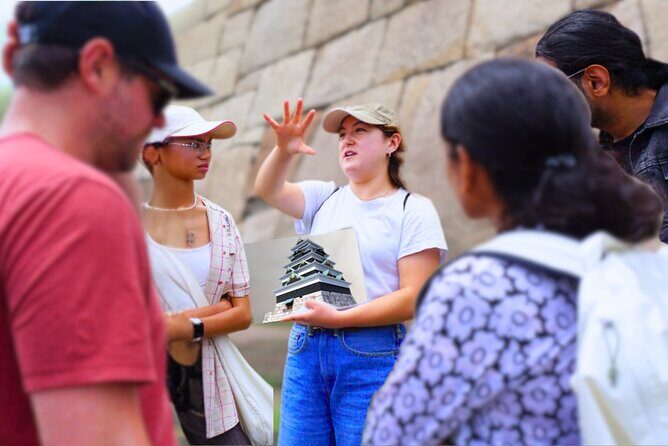
This is also a great spot to visit if you want a calmer contrast to Tokyo’s speed. Several guides have a knack for tying what you’re seeing to clear explanations—names you might meet include Mika and Natsumi—and that makes the time feel purposeful.
Meeting at Starbucks (Wadakuramon Park): Easy Start, Less Stress
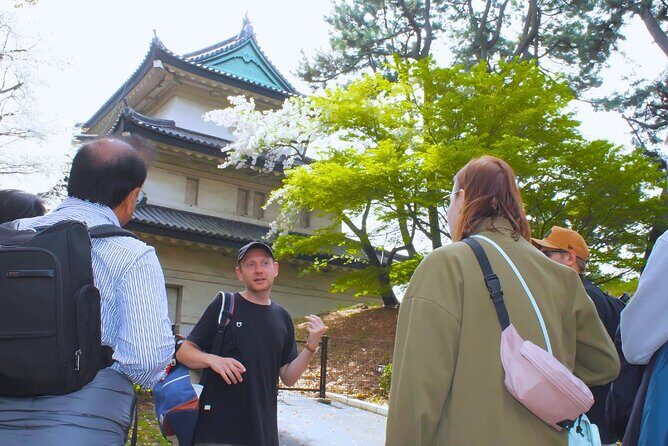
Your tour begins at Starbucks Coffee in Kōkyogaien Wadakura Fountain Park (Chiyoda City). It’s a simple meetup for a reason: the palace grounds are large, and it’s easy to waste time figuring out where to go next.
I like that this start point is both recognizable and transit-friendly. When you’re dealing with Tokyo crowds, weather, and one big destination, the best tours reduce the friction at the beginning. This one does that well.
Also, because the meeting is fixed and the end returns to the same place, you don’t have to worry about tracking an unfamiliar route through the city right after.
Ōtemon Gate and the Old Edo Castle Layout: Where the Story Becomes Physical
The walk starts with your group heading toward the grand main gate (Ōtemon). Even if you’re not a history nerd, you’ll notice how much structure there is around the entrances. Gates like this mattered in a city where movement, control, and ceremonial access weren’t casual.
A big value of going with a guide here is that you learn the “why” behind the layout. The Imperial Palace grounds sit on the footprint of the old Edo Castle, and your guide connects the Edo period to how leadership operated. That includes what the shogunate period meant for everyday life and how the Emperor’s role fit into the shifting power structure.
You’ll also hear practical details tied to defensive design. Some guides share clear explanations about castle defenses—useful because it helps you understand why certain areas feel open, protected, or strategically placed.
Practical note: because this is a walking tour on paths inside palace grounds, wear shoes you trust. It’s not a marathon, but it is real walking for two hours.
Guardhouse Ruins and the Feel of a Boundary

Between the gates and garden spaces, the grounds include guardhouse ruins (and related features tied to the original castle system). This is the part that might surprise people who expected “more palace.”
Here’s what you should expect: you’re looking at remnants—structures that were once part of a larger system. The Imperial Palace area today includes elements that reflect what remained after historic destruction, including fires in earlier centuries. So instead of a “whole building tour,” you get the best version of a different experience: the ability to interpret what those remnants meant.
A good guide makes this click. For example, several tours emphasize how the English explanation helps you “see” the places you’d otherwise walk past without understanding. That’s especially true when you learn how guard posts and controlled access points shaped movement through Edo Castle.





Ninomaru Garden: A Calm Break That Still Connects to Power
Then you move into the Ninomaru Garden area. This is where the experience becomes more visual and less architectural. The gardens are what many people come for in the first place, and they’re often the payoff.
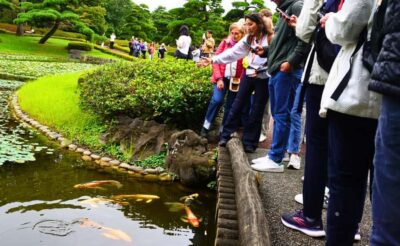
The guides put attention on what’s actually worth noticing: garden shape, sight lines, seasonal details, and little “reading points” that make the garden feel designed, not accidental. If you visit in nicer weather, the greenery and koi are a highlight; on rainy days, the gardens can still feel atmospheric and quiet.
The key reason this stop feels valuable on a guided tour is interpretation. Without context, you might enjoy the scenery but miss the meaning behind its placement and features. With a guide, you learn how garden spaces fit into palace life and how Edo-period priorities influenced layout.
Shogun and Emperor Stories: The Context That Makes Tokyo Make Sense
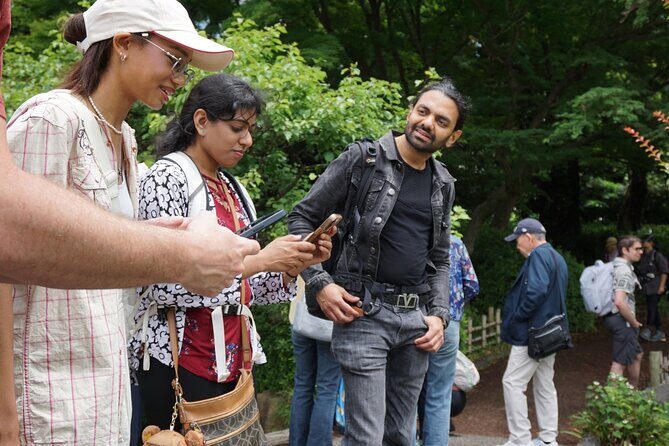
You’ll hear stories that connect the Edo era, the shogunate, and the role of the Emperor to what Tokyo became. The Imperial Palace isn’t just a pretty park—it’s a symbol of where authority centered over time.
What I like about the storytelling format on this tour is that it doesn’t stay abstract. Guides tend to tie political power to physical features around you. That helps you understand why the grounds look the way they do, and why certain areas feel ceremonial even today.
It also seems to work well across ages. One family story described how a guide kept the attention of boys ages 11, 13, and 15 using historical references that made sense on the walk. If you’re traveling with kids, this kind of tour can be a smart choice because you get movement plus meaning.
You may also get helpful local extras from your guide—tips on shrines or even where to eat nearby. That’s not guaranteed, but guides often share practical ideas alongside the history.
Duration and Pace: Two Hours That Don’t Feel Like a Lecture
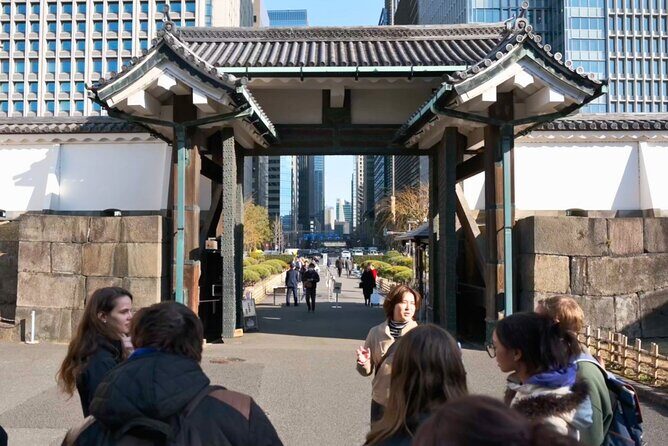
The tour runs about 2 hours and is designed around a relaxed walking pace. That matters because the Imperial Palace grounds are large, and it’s easy for a tour to feel rushed if the guide is trying to cover too many points.
Here’s what tends to work: the best guides build in pauses for questions and photos. You’re encouraged to ask things as you go, and you’ll be pointed toward good photo angles. Several people specifically noted that the tour pace allowed time for pictures, and that guides were happy to help with group photos.
The other pacing factor is weather. The experience notes good weather is important, and cancellation due to poor conditions can happen. Even when it’s rainy, the tour can still run, but you’ll want to dress for it.
Weather, Seasons, and What to Wear
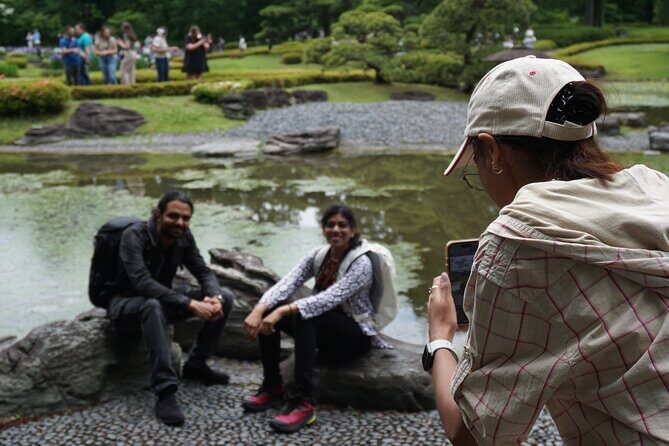
This is a walking tour in outdoor grounds, so plan for the season. The Imperial Palace East Gardens can be beautiful year-round, and people have highlighted it in winter and during cherry blossom season.
What you should prepare for:
- Cold or wet conditions if you go in winter or rainy periods
- Heat and humidity if you go in summer
- Footwear that handles walking on garden paths
No specific dress code is required, and tattoos are welcome. Still, dress for comfort, not symbolism.
Price Value: $31.84 for a Guided Interpretation of a Public Site
At $31.84 per person for about 2 hours, this sits in the “reasonable splurge” category. The key question is: what are you buying?
You’re not buying museum-style access to the Inner Palace (you don’t get that). You’re buying:
- Guided interpretation of Ōtemon Gate, guardhouse ruins, and Ninomaru Garden
- Shogun-and-Emperor context that explains what you’re seeing
- A small group format where you can ask questions
- Photo-spot guidance that helps you get more from the same scenery
Given that this is a palace grounds experience that can feel confusing if you’re just wandering, having a guide can make your visit feel “complete.” That’s the real value here: saving you time and giving you a framework so the grounds don’t turn into random pathways.
If you’re your own tour guide type who already knows Edo Castle history, you might feel less wowed. If you want the grounds explained in plain language as you walk, the price starts to look fair fast.
Who Should Book This Tour (and Who Might Want Something Else)
This tour is ideal if you want:
- A short, meaningful introduction to the Imperial Palace area
- Easy orientation through a large destination
- History explained in a way you can connect to specific places
- A calm walk that helps you see Tokyo differently
It may be less ideal if your main goal is:
- Seeing the main palace buildings themselves, because access to the Inner Palace isn’t available to the public
- Touring for hours and hours of structures, since this area is largely gardens and ruins rather than rebuilt buildings
If it’s your first day in Tokyo and you want a manageable “big landmark” with real context, it’s a smart pick. If you already planned a more focused museum day, this can balance your itinerary nicely.
Should You Book This Tokyo Imperial Palace Walking Tour?
I’d book it if you want to understand the Imperial Palace grounds instead of just photographing greenery and guessing at the meaning. The combination of small group size, stops at Ōtemon Gate and Ninomaru Garden, plus clear historical storytelling makes the two hours feel like real value.
Skip it (or pair it with other options) if you’re specifically chasing access to the Inner Palace buildings. This tour is built around what’s open: gardens, gates, ruins, and the stories that explain why they matter.
If your travel style is calm, curious, and photo-friendly, this one fits well—and it’s the kind of tour that can make your entire Tokyo trip feel more understandable.
FAQ
Is the Inner Palace included?
No. Access to the Inner Palace is not open to the public, and this tour focuses on the East Gardens and surrounding historical features.
What’s the meeting point for the tour?
Meet at Starbucks Coffee at Kōkyogaien Wadakura Fountain Park (3-1 Kōkyogaien, Chiyoda City, Tokyo 100-0002, Japan).
How long is the tour?
The tour duration is about 2 hours.
Is admission included?
Yes. The tour includes admission with a free ticket noted for the experience.
How big is the group?
This experience has a small group size with a maximum listed as 10 travelers.
Do I need special clothing, or are tattoos allowed?
There is no dress code, and tattoos are welcome.
What areas are covered during the walk?
You’ll visit the East Gardens, including Ōtemon Gate, guardhouse ruins, and Ninomaru Garden.
What if the weather is bad?
The experience requires good weather. If it’s canceled due to poor weather, you’ll be offered a different date or a full refund.
Tokyo on Foot: More Walks




More Tours in Tokyo


More Tour Reviews in Tokyo



Fresh reviews from around Tokyo






Walking Tours, compared.
 ★ 5.0Tokyo Tsukiji Fish Market Food and Culture Walking TourFrom $993,184 reviews
 ★ 4.9Shinjuku Local Bar and Izakaya Guided Walking TourFrom $341,794 reviews
 ★ 5.0Tsukiji Fish Market Food and Walking tourFrom $301,724 reviews
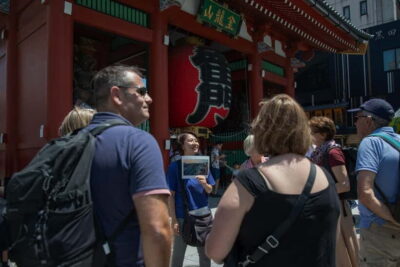 ★ 4.8Asakusa Walking Tour with Sensoji Temple VisitFrom $221,583 reviews
 ★ 4.9Tsukiji Fish Market Guided Walking TourFrom $221,397 reviews
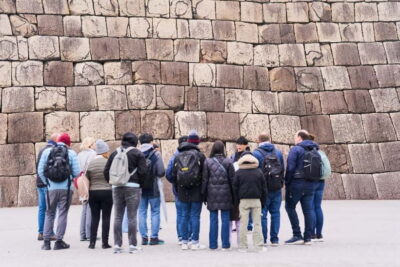 ★ 4.7Tokyo Castle & Imperial PalaceーShogun Walking TourFrom $231,068 reviews
 ★ 4.9Imperial Palace Japanese History Walking TourFrom $32987 reviews
 ★ 4.7Dark Side of Tokyo Shinjuku Red Light Walking TourFrom $29862 reviews
Browse the lists this tour appears in