
Reviewed · WALKING TOURS
Tokyo ART Walking: National Museum and Yanaka ART Area
Tokyo art, minus the planning headache.
This 3.5-hour guided walk strings together major museum time with smaller, more personal art stops—ending in the Yanaka area, where creators and neighbors share the same sidewalks. I especially like how Tokyo National Museum gives you a fast, ordered view of Japanese art, and then the route pivots to Yanaka-style creativity you can actually talk about.
I also love the human touches: you’ll get coffee or tea, plus time at small spaces where you may meet artists directly. One thing to consider: not every stop is a full-ticket experience, and one art venue notes the artist might not be available that day, so your best chance for chats is when you go with a flexible mindset.
In This Review
- Key things to know before you go
- Ueno to Yanaka: a smart art route with a neighborhood ending
- Entering Tokyo National Museum without ticket stress
- The short architecture breaks that make Tokyo feel specific
- Seeing the National Museum of Western Art from the outside
- Ueno’s small institutions: library, university galleries, and Kuroda’s museum
- Temples and a folding-screen studio: art as everyday craft
- Contemporary art in places you wouldn’t expect
- Yanaka Cemetery: the calm pause that makes the art day land
- Price value: what you get from $96.75 for 3.5 hours
- Logistics that matter: where to start and how to move
- Who this tour suits best (and who might want a different plan)
- The guides make it: Kyoko, Yuka, and Kenny’s impact
- Should you book this Tokyo National Museum and Yanaka art walk?
- FAQ
- What’s the duration of the Tokyo art walking tour?
- How much does the tour cost?
- Is Tokyo National Museum admission included?
- Is the National Museum of Western Art included?
- Do you get coffee or tea during the tour?
- How big is the group?
- Where does the tour start and end?
- Is private transportation included?
- Do I need to book far in advance?
- Can I cancel and get a refund?
Key things to know before you go
- Tokyo National Museum admission is included, so you skip ticket wrangling at the start
- Coffee or tea is part of the pacing, not just a random bonus
- Small group size (max 16) keeps the guide conversations real
- You’ll mix big art history with tiny local galleries, including artist studios and changing exhibits
- Some sights are viewing-only, like the Le Corbusier–designed Western Art Museum seen from outside
- Yanaka adds the neighborhood feel, with a calm cemetery stop and a different art vibe
Tokyo at walking pace, a few more ways
- Tokyo Tsukiji Fish Market Food and Culture Walking Tour★ 5.0 · 3,184 reviews
- Tokyo: Shinjuku Local Bar and Izakaya Guided Walking Tour★ 4.9 · 1,794 reviews
- Tokyo: Tsukiji Fish Market Food and Walking tour★ 5.0 · 1,724 reviews
Ueno to Yanaka: a smart art route with a neighborhood ending
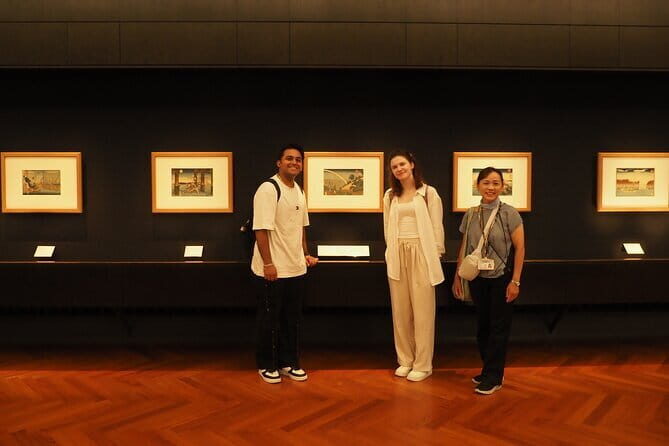
If Tokyo feels too big to “do art” in a sane way, this route helps. You start in the Ueno area and work your way through museums, universities, temples, and contemporary galleries, then finish in Yanaka, a quieter district known for keeping a local, community rhythm.
The real win is the mix. The big museum stop gives structure—how Japanese art evolved, what materials and themes mattered, and how old meets modern. After that, you’re not stuck in one type of venue. You hop into smaller spaces where art looks more like a daily practice than a distant exhibit.
And yes, there’s guided commentary through the walk. The best part isn’t just facts. It’s that the guide helps you connect what you’re seeing—paintings, sculptures, crafts—back to Japanese cultural context you’ll miss if you wander alone.
Entering Tokyo National Museum without ticket stress
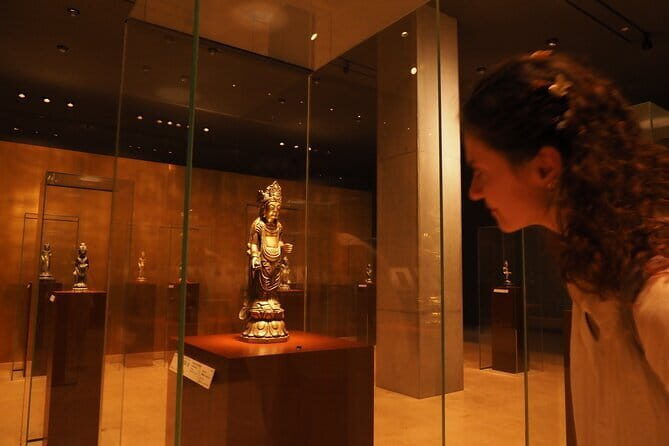
The tour centers on the Tokyo National Museum, the largest museum and art gallery in Japan. You get a full 1 hour 15 minutes inside, and the included entry matters. When museum time is limited, paying attention to the right things is easier if the “admin” is already handled.
What you’ll get here is range: paintings, arts and crafts, and sculptures spanning ancient to modern times. That means you’re not just collecting a handful of highlights. You’re building a broad baseline so later stops make more sense.
Practical tip: in a museum that big, you won’t see everything. Instead, treat this as orientation. Let the guide point you toward key rooms and representative works, then use the time to notice patterns—styles shifting by period, common subjects, and how traditional techniques carry forward.
The short architecture breaks that make Tokyo feel specific
Between major museum moments, the route includes quick visits that still help you understand the city. One stop is Tokyo Bunka Kaikan, a well-known concert hall that also stands out for modernist architecture. Even if you’re not there for a performance, it’s a reminder that “art” in Tokyo isn’t only paintings and sculptures. It includes design, sound, and public spaces.
You also get brief looks connected to Tokyo University of the Arts. The route includes time at places tied to fine arts and music education, including a former concert hall of the university. These stops are short, but they’re useful. They show another side of how Tokyo supports creative work: training, practice, and performance spaces that live alongside museums.
Even with short durations, I like these moments because they break up the walking. Plus, architecture stops are excellent “reset points” when you’re doing a concentrated art day.
Seeing the National Museum of Western Art from the outside
There’s a specific Western art-related sight on the route: the National Museum of Western Art, noted as being designed by Le Corbusier. The tour does not include entry, and you view it from outside.
This works well if your goal is overall flow. It saves time and keeps the walk moving, while still giving you a concrete tie to 20th-century architecture and Western influence in Japan. If you want the full museum experience inside, you can always return later on your own—but for a guided half-day, the outside view is a tidy compromise.
More museum hours worth queueing for


Ueno’s small institutions: library, university galleries, and Kuroda’s museum
After the main museum, the route turns more exploratory. You’ll hit several smaller, quick-access sites around Ueno that don’t feel like “main attraction or nothing.”
One stop is the International Library of Children’s Literature. The building is described as a fusion of modern and retro architecture. That’s a great detail to care about, because it means the library isn’t just a quiet room of books. It’s part of the aesthetic story of the day.
You’ll also visit a small museum connected to Kuroda, described as a pioneer of Western art in Japan. That short stop is valuable because it connects the Western art influence theme to a named figure, instead of keeping it abstract. Even in a brief visit, a museum-with-a-person focus can make the whole day feel more grounded.
Another stop includes Chinretsukan Gallery at the Ueno campus of Tokyo University of the Arts. It’s tied to the university’s fine arts and music faculties, and the time is short—15 minutes—so think of it as a “taste.” The best way to use this time is to watch how the space frames work: how rooms are organized, how contemporary or classical pieces are displayed, and how the institution’s identity shows up in the gallery layout.
Temples and a folding-screen studio: art as everyday craft
Not every art day needs to be silent and museum-only. This route adds texture with a temple stop and an artist studio.
You’ll visit Gokoku-in Temple, dedicated to Daikokuten, the god of prosperity and good harvests. Even if you’re not a temple specialist, this stop helps you understand the cultural backbone underneath much of Japan’s art-making. Religious themes and visual symbolism aren’t separate from art history—they’re a major driver of subject matter and style.
Then comes a standout: Art Sanctuary Allan West. You’ll visit the studio and gallery of Allan West, a folding screen painter. Folding screens are one of those formats where the “craft” feeling is real. You can appreciate the precision and planning that goes into screen paintings, and you also get a more human connection—seeing where the artist’s work lives.
Practical mindset: with a studio visit, your eyes should slow down. Look for materials, techniques, and how the artist works rather than just what ended up on the wall. Even a 15-minute studio stop can change how you look at Japanese painted surfaces.
Contemporary art in places you wouldn’t expect
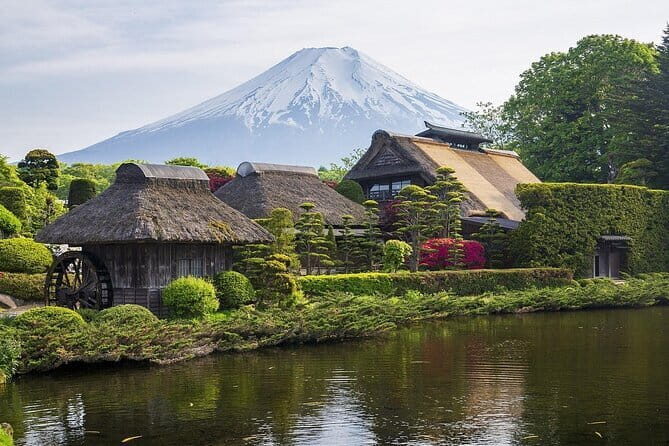
This part of the walk feels fun because it’s unexpected. Tokyo does a great job turning ordinary buildings into creative settings, and this route takes advantage of that.
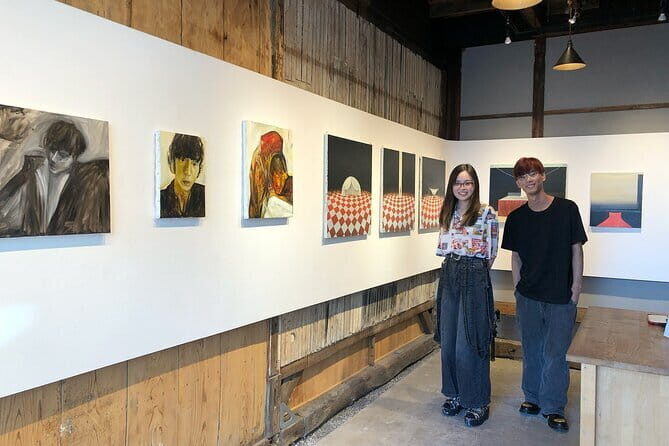
One stop is haco – art brewing gallery, where exhibits change weekly. The description also says you can talk with the artist, but it includes a caveat: the artist might not be available during your tour. So go in hoping for conversation, but don’t treat it as a guaranteed meet-and-chat.
Another key stop is SCAI The Bathhouse. It’s a contemporary art gallery in a renovated public bathhouse. That alone is a reason to pay attention. Bathhouse architecture has its own logic—light, openness, tiled surfaces—and it can shape how art feels in the space. When contemporary work lands in a building with a daily-life history, the contrast can make everything more memorable.
Yanaka Cemetery: the calm pause that makes the art day land
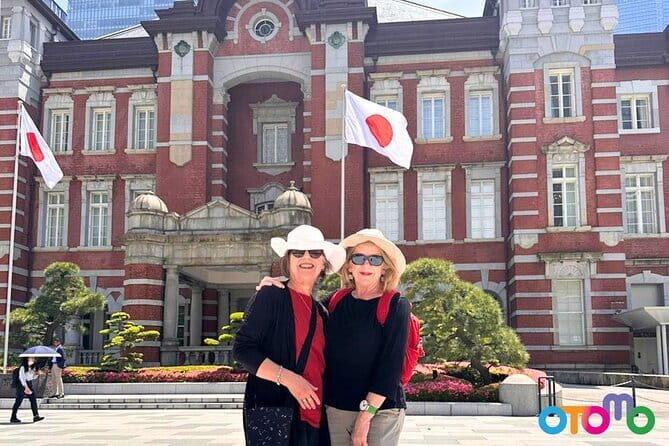
You end up in Yanaka Cemetery for a brief stop. It’s described as a place with lush greenery, and that matters more than you might think. After a concentrated run of museums and galleries, a quiet, green pause helps you process what you absorbed.
Yanaka itself is known for its art community vibe, and finishing with greenery and a neighborhood atmosphere gives you a different kind of takeaway than a last museum room. It’s the moment where the day stops being a schedule and starts being a feeling: this is a place where art and daily life sit side by side.
Price value: what you get from $96.75 for 3.5 hours
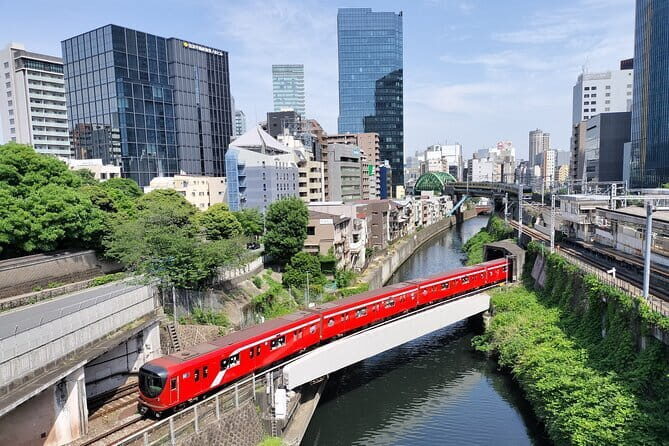
At $96.75 per person for about 3 hours 30 minutes, the value comes from what’s included, not just the “number of stops.”
You get:
- Tokyo National Museum admission covered
- A certified guide
- Coffee or tea included
- Multiple art-related stops across Ueno and Yanaka
- A group capped at 16 travelers, which usually helps with questions and pacing
Compare that to the cost of buying just one major museum ticket plus paying for a guide separately. The tour is also built for less friction: you’ll use a mobile ticket, and the route is designed so you’re not constantly researching each venue while tired and hungry.
One more value point: the day mixes “big overview” with “small personal spaces.” That’s the difference between collecting photos and actually building context for how Japanese art works across eras and communities.
Logistics that matter: where to start and how to move
The meeting point is at ベビカルNewDaysエキュート上野公園改札外 (Ueno Station area, Park Gate exit). The tour ends at Nippori Station (2 Chome-19 Nishinippori, Arakawa City).
Because this is a walking-style day, comfortable shoes are not optional. You’ll be moving between sites rather than taking private transport. The tour also notes private transportation is not included, so plan on public transit and walking time as part of the experience.
Also, a small but real tip from past tour experiences: guides are attentive about meeting at the right spot. If you’re coming early, I’d recommend checking your route to the Park Gate exit beforehand so you’re not sprinting with your museum bag.
Who this tour suits best (and who might want a different plan)
This is a great choice if:
- you want an efficient intro to Japanese art without building your own route
- you care about both major museum collections and smaller, local art spaces
- you like contemporary galleries in unusual settings (like a bathhouse)
- you enjoy architecture, not just paintings
It may be less ideal if:
- you expect every stop to be an entry-ticket museum visit (some are view-only, and some are quick)
- you’re looking for a long time inside any one place
- you’re only interested in Western art museum collections, since Western art here is partly a sight from outside
Group size is capped at 16, and that keeps the tour feeling manageable while still offering structure.
The guides make it: Kyoko, Yuka, and Kenny’s impact
Part of what makes this tour work is the guide layer. Past experiences highlighted guides like Kyoko, Yuka, and Kenny for clear communication, strong knowledge, and smooth handling of the day.
What you should hope for: a guide who can explain what you’re looking at in plain language, then connect it back to the art around you. The reviews also emphasized that guides made logistics easy—getting you to the meeting point clearly and helping you finish without stress—so you can spend your energy on the art.
Should you book this Tokyo National Museum and Yanaka art walk?
My take: book it if you want a guided art day that actually covers range. You’ll get major museum grounding at Tokyo National Museum, then you’ll see art culture in the smaller spaces where artists work, show, and talk—plus you’ll end in Yanaka, which gives the day a more human finish.
I’d skip it only if you want long museum time inside just one or two big venues, or if you hate walking between multiple stops. For most people, the structure is the point: it saves time, includes key admission, and gives you a real sense of where Japanese art is coming from—and where it’s going right now.
If you’re planning just one art-focused day in Tokyo’s north-side neighborhoods, this is a strong pick.
FAQ
What’s the duration of the Tokyo art walking tour?
It’s about 3 hours 30 minutes.
How much does the tour cost?
The price is $96.75 per person.
Is Tokyo National Museum admission included?
Yes. Tokyo National Museum admission fees are included.
Is the National Museum of Western Art included?
No entry is included there. You’ll view the building from the outside.
Do you get coffee or tea during the tour?
Yes. Coffee and/or tea is included as one soft drink.
How big is the group?
The group size has a maximum of 16 travelers.
Where does the tour start and end?
It starts at ベビカルNewDaysエキュート上野公園改札外 near Ueno Station (Park Gate exit) and ends at Nippori Station (2 Chome-19 Nishinippori).
Is private transportation included?
No. Private transportation isn’t included.
Do I need to book far in advance?
It’s commonly booked about 27 days in advance on average, so earlier booking is a good idea.
Can I cancel and get a refund?
Yes, free cancellation is available up to 24 hours before the experience starts for a full refund.
Indoors Done Well: Tokyo Museums

Tokyo on Foot: More Walks


More Tour Reviews in Tokyo





Fresh reviews from around Tokyo






Walking Tours, compared.
 ★ 5.0Tokyo Tsukiji Fish Market Food and Culture Walking TourFrom $993,184 reviews
 ★ 4.9Shinjuku Local Bar and Izakaya Guided Walking TourFrom $341,794 reviews
 ★ 5.0Tsukiji Fish Market Food and Walking tourFrom $301,724 reviews
 ★ 4.8Asakusa Walking Tour with Sensoji Temple VisitFrom $221,583 reviews
 ★ 4.9Tsukiji Fish Market Guided Walking TourFrom $221,397 reviews
 ★ 4.7Tokyo Castle & Imperial PalaceーShogun Walking TourFrom $231,068 reviews
 ★ 4.9Imperial Palace Japanese History Walking TourFrom $32987 reviews
 ★ 4.7Dark Side of Tokyo Shinjuku Red Light Walking TourFrom $29862 reviews
Browse the lists this tour appears in