
Reviewed · WALKING TOURS
Tokyo Architecture and Contemporary Art Walking Tour with a local guide
Tokyo’s buildings tell stories fast. This private architecture and contemporary art walk strings together the city’s most design-obsessed neighborhoods with a local guide and a pace that actually fits real humans.
I like that it’s built for public-transport ease. You meet your guide near a central spot and move between areas without wrestling with a huge group. And you get provided bottled water, which matters in Tokyo heat when you’re racking up serious steps.
One thing to consider: the route leans on trains and subways, so you may spend more time underground than you expect. If you’re the type who hates stations, plan to treat transfers as part of the day instead of a break.
In This Review
- Key things to know before you go
- Why This Private Tokyo Architecture Walk Beats the Big-Group Version
- Meeting Up and Getting Around Without Stress
- Ginza: Where High-End Shopping Meets Architect-First Streets
- Tokyo International Forum: A Short Stop That Teaches a Lot
- Roppongi Art Triangle: Museums, Modern Culture, and City-Scale Design
- Omotesando: Prada’s Geometry and the High-End Design Street
- Takeshita Street and Harajuku Energy: Youth Style as Street Design
- Shibuya Crossing: The World’s Most Famous Crowd as a Design Test
- Daikanyama: A Softer, Slower Finish With Cafes and Books
- Guide Notes You’ll Actually Remember After the Walk
- Price, Time, and What Value Looks Like for Your Group
- Who This Tour Suits Best
- Should You Book This Tokyo Architecture and Contemporary Art Walking Tour?
- FAQ
- How much does the Tokyo architecture and contemporary art walking tour cost?
- How long is the tour?
- Is the tour private or shared with other groups?
- Is pickup included?
- Does the tour provide bottled water?
- Can I cancel and get a full refund?
Key things to know before you go
- Private group of up to 9 means you can ask questions and get stops timed to your interests
- Public transport with bottled water keeps the day moving without you constantly hunting for amenities
- Roppongi Art Triangle includes the National Art Center, Mori Art Museum, and Suntory Museum of Art
- Design landmarks in high-contrast neighborhoods: Ginza, Omotesando, Shibuya, and quieter Daikanyama
- A guide’s route-planning shows up in the flow, including time for a practical lunch break
Tokyo at walking pace, a few more ways
- Tokyo Tsukiji Fish Market Food and Culture Walking Tour★ 5.0 · 3,184 reviews
- Tokyo: Shinjuku Local Bar and Izakaya Guided Walking Tour★ 4.9 · 1,794 reviews
- Tokyo: Tsukiji Fish Market Food and Walking tour★ 5.0 · 1,724 reviews
Why This Private Tokyo Architecture Walk Beats the Big-Group Version
Tokyo can feel like a million postcards stacked on top of each other. The trick is picking a path that lets you see how the city thinks—through modern design, art spaces, and the way districts evolve.
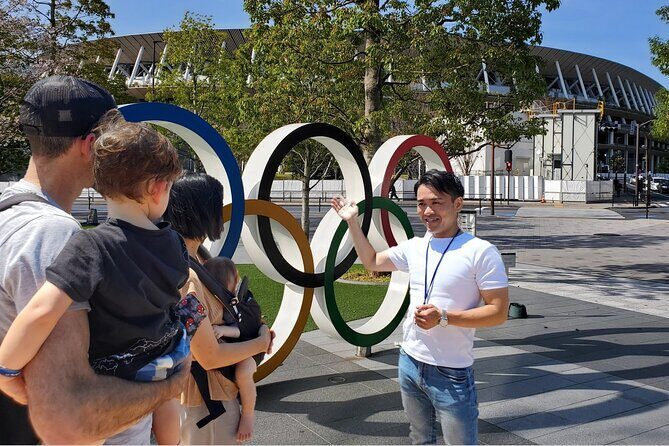
This tour is private for your group, capped at nine people, so it doesn’t turn into a loud conga line. That matters because architecture is detail work. If you’re trying to notice materials, angles, and how buildings frame the street, you need a little breathing room. With a smaller group, the guide can pause for the exact view you’ll care about, not the one that works for the calendar.
I also like the practical rhythm: you get a clear set of stops, but the guide can tailor the pace. One of the nicest parts from the feedback is that guides like Richie and Riley are responsive—if you’re curious about something nearby, they can usually work it in. That turns an architecture walk into a conversation, not a script.
The tour also leans on contemporary culture as much as famous buildings. You’re not just looking at facades; you’re connecting what you see to the kind of art and public spaces Tokyo builds around it.
Meeting Up and Getting Around Without Stress
You meet your guide outside your hotel, then head out using public transport. That setup is meant to remove one of the biggest headaches in Tokyo sightseeing: figuring out routes while everyone else is already moving.
You’ll see a lot of the city by subway and local train, and that can be great—quick, predictable, and efficient. Just keep in mind that station passages eat time. One person noted a lot of time underground moving between stops. I agree with that tradeoff: if your goal is purely outdoor street viewing, you’ll probably feel a bit of the transit gap.
Here’s how I’d handle it:
- Use the travel segments to reset your brain. Think of each transfer as the “transition between design chapters.”
- Wear shoes you can walk in for hours. The day can easily turn into a long mileage session. One group mentioned a range around 13,000 to 20,000 steps depending on pace and movement.
- If you hate underground walking, ask your guide about options like bus or taxi for at least one hop. A guide comment suggested that swapping modes can make the day more fun, and it’s a reasonable request to bring up.
Ginza: Where High-End Shopping Meets Architect-First Streets
Ginza is famous for luxury shopping, but that’s only the surface. What I like about starting here is the way Ginza showcases architecture you can recognize immediately: sleek lines, prominent storefront design, and buildings that feel engineered for modern foot traffic.
Your stop is about an hour, giving you time to look at the street scene and spot how the district has evolved. The area mixes boutiques, small galleries, and architecture shaped by major names. Even if you’re not an architecture nerd, you’ll likely notice something: Ginza buildings tend to treat the sidewalk like a stage. They guide you, frame views, and manage crowds with careful placement.
Practical tip: Ginza is busy. If you want photos, aim for small angles rather than trying to shoot head-on through crowds. A guide can help you find better sightlines quickly.
Potential drawback: the environment is image-heavy, so it’s easy to sprint. The value of having a guide is slowing you down just enough to notice what’s actually design and what’s just marketing.
Tokyo International Forum: A Short Stop That Teaches a Lot
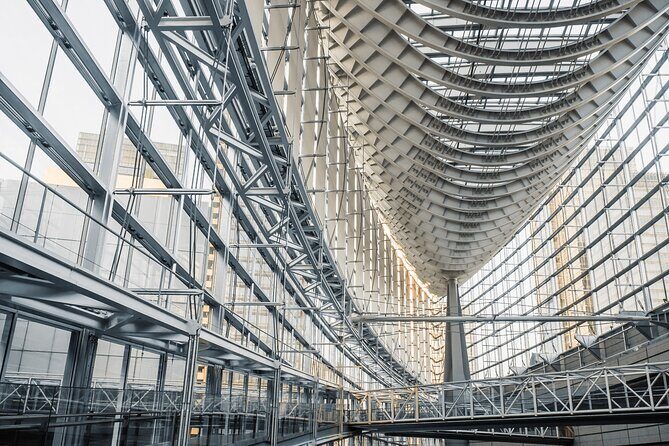
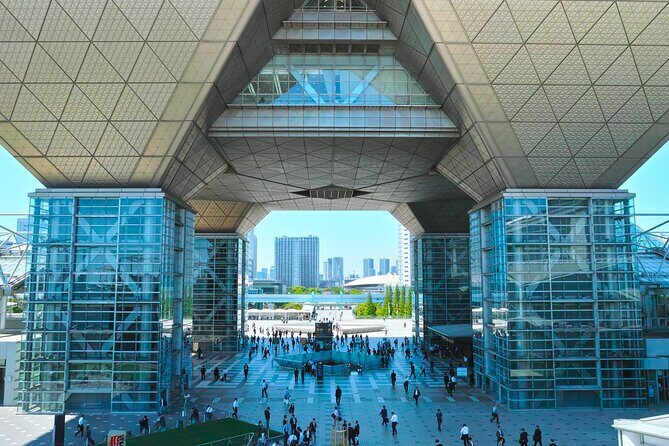
Then you head to Tokyo International Forum, a major postmodern landmark designed by Rafael Viñoly (Uruguay-born, American architect). This is one of those places where the building form itself does the talking.
Even though the visit is only around 15 minutes, that short window is useful. In a tour day like this, the guide is likely giving you the key “read” of the building: how it looks from outside, what architectural language it uses, and why it matters as a convention and art center.
Why this stop is valuable: it connects the dots between two things Tokyo does well—big public venues and high-impact design. You see a building that’s built to host art and events, not just display itself.
How to use the time well:
- Don’t aim to see everything. Aim to understand the shape and how it sits in the space.
- Take a moment to watch how people move around it. Architecture becomes real when you see how crowds use it.
More days made easy by a guide

Roppongi Art Triangle: Museums, Modern Culture, and City-Scale Design
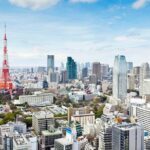
Roppongi is a different Tokyo mood—more artsy, more international, and more connected to major cultural institutions. The tour focuses on the Art Triangle Roppongi, referencing three big names: the National Art Center, Mori Art Museum, and Suntory Museum of Art.
Your time here is about an hour. That’s long enough to do two helpful things:
- Notice how the museums and galleries sit within the neighborhood’s structure.
- Get a sense of Roppongi as a cultural zone rather than a single building photo stop.
The art-focused framing also changes how you look at design. Instead of asking, what does this facade look like, you start asking, what kind of experience does this place want to create? That’s the difference between sightseeing and actually learning how Tokyo’s contemporary art scene is built.
A practical note: Roppongi can feel “destination-like.” If you enjoy modern architecture and you want to understand how museums influence a neighborhood, this is a strong match.
Omotesando: Prada’s Geometry and the High-End Design Street
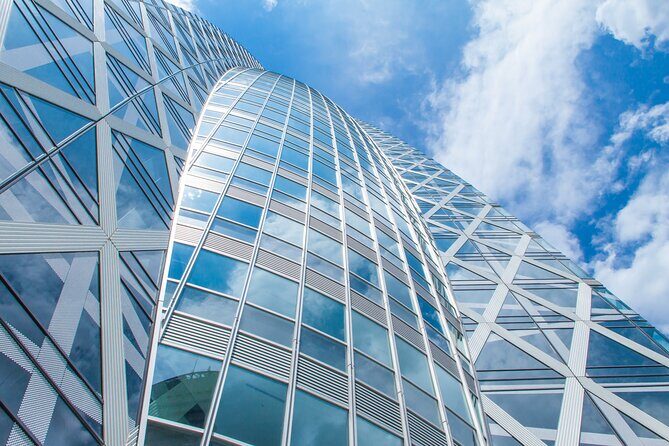
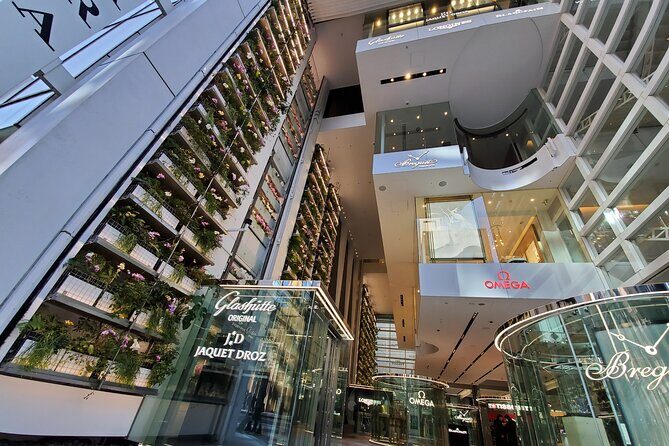
Omotesando is where Tokyo puts fashion and architecture on the same runway. It’s known for high-end stores, but the real reason I’d pick Omotesando in a design tour is the density of distinctive buildings—especially along the walk where you can compare styles quickly.
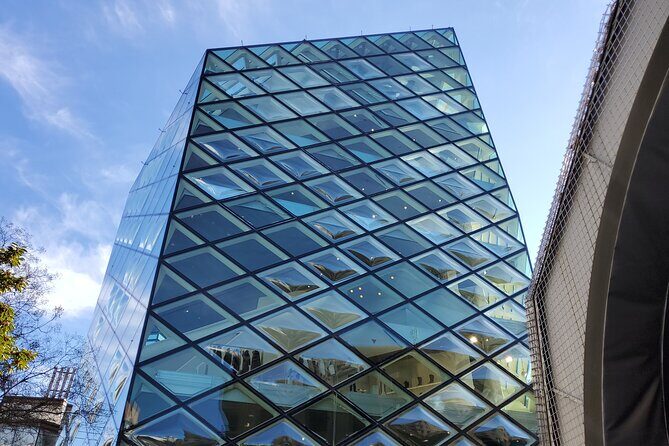
You start at the Prada flagship store designed by the Swiss firm Herzog & de Meuron. That matters because it’s not just another store. It’s an example of how global architecture firms translate into Tokyo street life.
Your stop is about an hour. Use it to do comparison viewing:
- Notice how the building responds to the street scale.
- Compare the design feel to what you saw earlier in Ginza.
- Look for how entrance placement and glazing (or lack of it) changes the street vibe.
Potential drawback: Omotesando is high-end and fashion-driven, which can make some people feel like they’re in the wrong mindset if they’re not shopping. You don’t need to buy anything. Just treat it like an outdoor architecture studio.
Takeshita Street and Harajuku Energy: Youth Style as Street Design
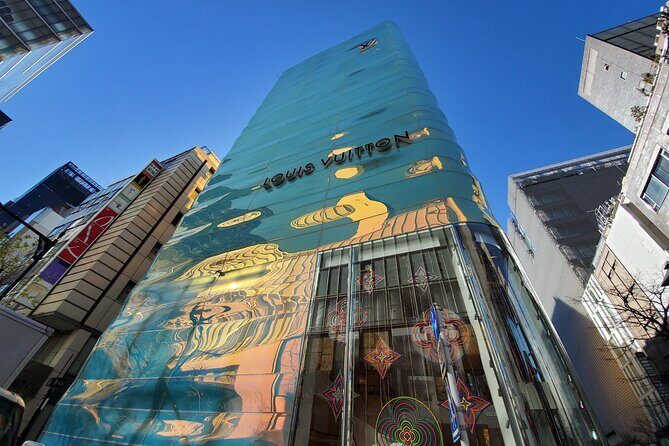
After Omotesando, the tour heads to Takeshita Street in Harajuku. This is a useful contrast stop, and I mean that literally. Architecture here isn’t about polished facades. It’s about how people express identity through signage, storefront style, and crowd movement.
The visit is around an hour, and the point isn’t to “judge” the chaos. It’s to learn how Tokyo builds spaces where youth culture can breathe. You’ll see unique fashion trends and attention-grabbing design—both in what people wear and how the street presents itself.
Why this works on an architecture tour: architecture isn’t only concrete and glass. It’s also how commercial spaces react to trends. Takeshita Street is a live example of that.
Practical advice: keep an eye on your surroundings while you look up. Crowds can move unpredictably, and the best photos come from quick angles rather than standing still too long.
Shibuya Crossing: The World’s Most Famous Crowd as a Design Test
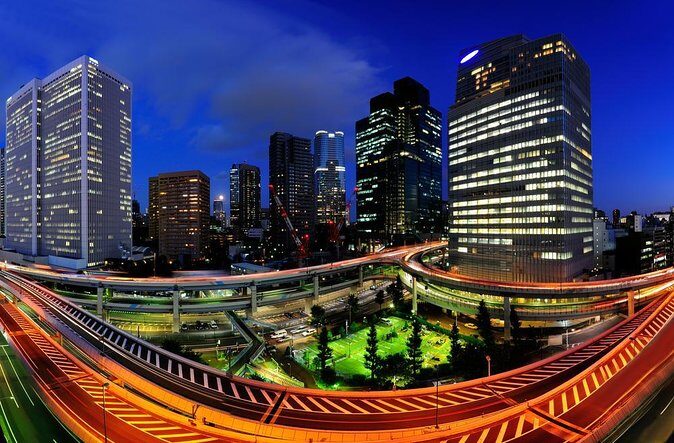
Then you hit Shibuya crossing, about 30 minutes. This is the busiest intersection in the world, and the scale is part of the lesson. The crossing becomes a real test of how city design handles mass movement.
The architecture lesson here is human-scale planning: how lanes funnel people, how crosswalk timing controls waves, and how the surrounding buildings create a sense of enclosure. Even if you only spend half an hour, you can still absorb what makes Shibuya feel different from the calmer neighborhoods.
I’d treat this like a two-step moment:
- Step one: watch the flow. Where do people concentrate, and where do they split?
- Step two: look at the corners and vertical lines. You’ll notice how the buildings act like frames for the crowd.
Potential drawback: photos can be crowded and you might feel pressed. If that bothers you, ask your guide for a slightly different viewing angle so you’re not fighting the densest cluster.
Daikanyama: A Softer, Slower Finish With Cafes and Books
After Shibuya’s intensity, the day shifts toward Daikanyama and nearby Nakameguro. These areas are described as filled with boutiques and cafes, but with less hectic energy than more famous nearby districts.
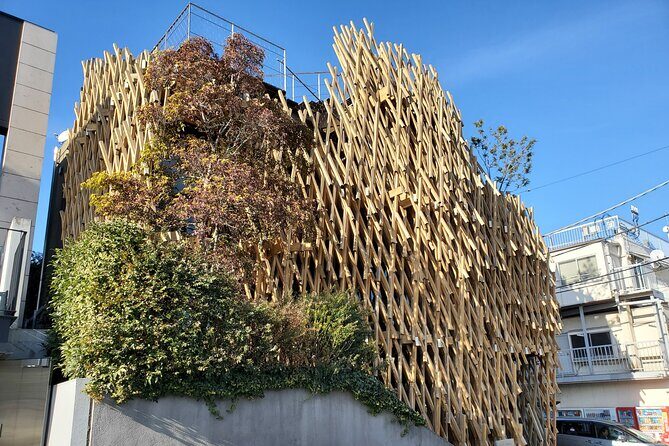
You get about an hour here, which is just enough to reset your senses. Daikanyama helps you see a side of Tokyo that isn’t built for constant spectacle. It’s more about texture: storefront rhythm, street pacing, and the feeling that design here serves daily life.
One specific stop is Tsutaya book store, which helps explain why this area feels calmer. Books and design are a cultural pairing Tokyo does well. Even if you don’t buy anything, you’ll likely enjoy browsing and noticing how retail design shapes mood.
Why this ending works: you finish with a slower, more livable vibe, so the architecture day doesn’t end with sensory overload.
Guide Notes You’ll Actually Remember After the Walk
The value of a local guide is not just stories. It’s turning your attention into a skill.
From the feedback, guides such as Richie, Riley, and Masa are praised for planning and for delivering clear explanations in English. I take that to mean the tour isn’t only about seeing famous places. It’s about learning how to look.
Here are the kinds of takeaways you can expect to walk away with:
- How different districts use architecture to manage crowd flow and street life
- Why certain modern buildings matter as cultural hosts, not just design objects
- How contemporary art and museum neighborhoods create a city identity
- How high-end design streets (like Omotesando) contrast with youth-driven retail streets (like Takeshita)
A small tip: as you move between stops, pick one theme for the day—say, materials and how they reflect light, or how buildings frame pedestrians. Then you’ll notice more, and the day won’t blur together.
Price, Time, and What Value Looks Like for Your Group
At $424.58 per group (up to 9), this is priced like a private experience, not a per-person budget attraction. The big question is: do you want personalized pacing and a guide to connect architecture with contemporary art?
For groups, the math often works better than you’d think, because you’re splitting the guide cost across multiple people. Also, the tour is long enough—6 to 8 hours—to feel like a full day outing rather than a quick highlights reel.
Value also comes from the structure:
- Multiple neighborhoods in one flow (Ginza → International Forum → Roppongi → Omotesando → Harajuku/Takeshita → Shibuya → Daikanyama)
- Provided bottled water
- Meeting your guide outside your hotel and using public transport
- A plan that avoids the usual guesswork of self-guided architecture hunting
What you should consider before booking:
- If you hate walking and transfers, the day may feel long. Expect long legs and station time.
- If you only care about one or two single landmarks, this might be more than you need. But if you like comparing styles across districts, it’s a strong fit.
Who This Tour Suits Best
I’d point this tour toward a few types of travelers:
- First-timers who want a fast education in Tokyo design. You’ll see a lot of different districts and learn how they differ.
- Art-minded visitors who want contemporary culture tied to place, not just museum listings.
- Small groups of friends or family who want private pacing and a guide’s context.
- Anyone who likes the contrast between slick, high-end districts and youth culture streets in the same day.
If you’re traveling solo and you’re the kind of person who enjoys walking with intention (not just wandering), a private tour can still be worth it because the guide’s explanations give you that extra layer.
Should You Book This Tokyo Architecture and Contemporary Art Walking Tour?
I’d book it if your dream Tokyo day includes design variety: shopping-street architecture in Ginza, a major postmodern venue at Tokyo International Forum, museum-centered modern energy in Roppongi, fashion-architecture contrast in Omotesando and Takeshita, and the crowd-design lesson of Shibuya, followed by a calmer finish in Daikanyama.
Skip it—or at least think twice—if you dislike long walking days or you really don’t want time underground in stations. The tour’s structure uses public transport heavily, so that part is part of the deal.
FAQ
How much does the Tokyo architecture and contemporary art walking tour cost?
It costs $424.58 per group, with a maximum group size of up to 9.
How long is the tour?
The tour lasts about 6 to 8 hours.
Is the tour private or shared with other groups?
It’s a private tour/activity, so only your group participates.
Is pickup included?
Yes. Pickup is offered, and the tour description notes you meet your guide outside your hotel.
Does the tour provide bottled water?
Yes. Bottled water is provided.
Can I cancel and get a full refund?
Yes. You can cancel up to 24 hours in advance for a full refund. If you cancel less than 24 hours before the experience’s start time, the amount paid will not be refunded.
Tokyo on Foot: More Walks

More Tours in Tokyo




More Tour Reviews in Tokyo




Fresh reviews from around Tokyo






Walking Tours, compared.
 ★ 5.0Tokyo Tsukiji Fish Market Food and Culture Walking TourFrom $993,184 reviews
 ★ 4.9Shinjuku Local Bar and Izakaya Guided Walking TourFrom $341,794 reviews
 ★ 5.0Tsukiji Fish Market Food and Walking tourFrom $301,724 reviews
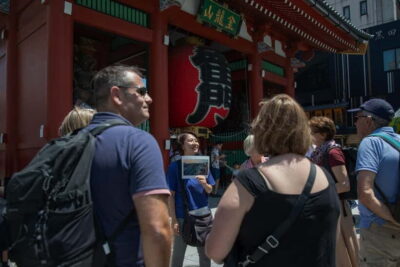 ★ 4.8Asakusa Walking Tour with Sensoji Temple VisitFrom $221,583 reviews
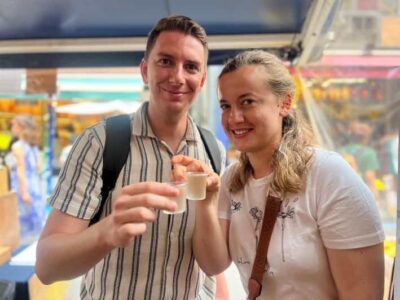 ★ 4.9Tsukiji Fish Market Guided Walking TourFrom $221,397 reviews
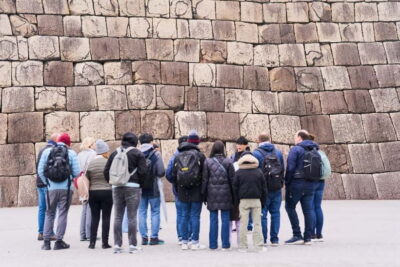 ★ 4.7Tokyo Castle & Imperial PalaceーShogun Walking TourFrom $231,068 reviews
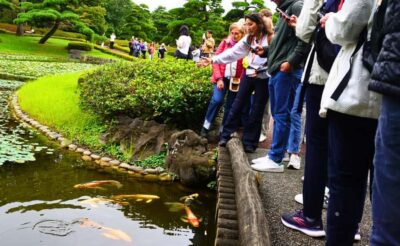 ★ 4.9Imperial Palace Japanese History Walking TourFrom $32987 reviews
 ★ 4.7Dark Side of Tokyo Shinjuku Red Light Walking TourFrom $29862 reviews
Browse the lists this tour appears in