
Reviewed · TEA CEREMONY EXPERIENCES
Tokyo 6 hr Private Guided Tour & Tea Ceremony Experience
Tokyo can feel like a blur.
This 6-hour private guided tour turns that blur into a plan you can actually follow, with hotel pickup options and a tea ceremony that’s built into the same booking. I like that it’s set up for real Tokyo neighborhoods, not just photo checkpoints, and I also like that you get a licensed local English-speaking guide to help you move efficiently and understand what you’re seeing.
One thing to consider: you’ll need to accept extra costs for some gardens and any transportation or meals, and the day’s pace can feel quick depending on the guide.
In This Review
- Key Points You’ll Care About
- Value of a 6-Hour Tokyo Private Guide (Instead of a Random Mashup)
- How the Day Starts: Pickup Options and Meet-On-Foot
- Tea Ceremony Included: What You’re Really Paying For
- Choosing Your Stops: From Asakusa Traditions to Shibuya Energy
- Jidaiya: A Culture Stop Beyond the Usual Script
- Asakusa + Senso-ji: Classic Tokyo, Built for Walking
- Imperial Palace (Outside Only): Calm Views Without Palace Access
- Hamarikyu Gardens: A Garden With Tide Ponds
- Shibuya Scramble Crossing: Tokyo at Its Most Compressed
- Takeshita Street: Harajuku’s Fashion-First Zone
- Meiji Jingu: A Shrine Reset Near the Train Lines
- Akihabara: Electronics and the Game/Tech Side of Tokyo
- Tsukiji Outer Market: Food Atmosphere Without the Wholesale-Only Era
- Rikugien + Koishikawa Korakuen: Garden Choices With Paid Admissions
- Shinjuku Golden Gai: Tiny Alleys, Big Character
- Shinjuku Gyoen National Garden: Big Park Time With Paid Tickets
- What the Imperial Palace and Meiji Jingu Stops Teach You About Tokyo
- When Guide Style Matters: Taka vs Kris
- Price and Value: Does $161.25 Make Sense?
- Should You Book This Tokyo 6-Hour Tour?
- FAQ
- How long is the Tokyo tour?
- Is hotel pickup included?
- How many stops will I see?
- Is the tea ceremony included?
- Are entrance fees included?
- Will I enter the Imperial Palace?
- Is lunch included?
- What about transportation during the tour?
- What is the maximum group size?
- What is the cancellation policy?
Key Points You’ll Care About
- Tea ceremony included so your cultural time is part of the same booking, not an add-on you have to schedule later
- Pick 2–3 stops from a menu of major Tokyo areas, so you’re not stuck doing everything
- Most classic sites are free (temples/shrines and many streets), while a few gardens may cost extra
- Small group size capped at 10 travelers, which helps you get attention from your guide
- Guide quality varies by person, so if photos and slower pacing matter, say so early
Quieter hours: more tea rooms and ceremonies
- Tokyo: Traditional Tea Ceremony with a Tea Master★ 5.0 · 528 reviews
- Tea Ceremony Workshop in Tokyo by the Experienced Instrucor★ 5.0 · 189 reviews
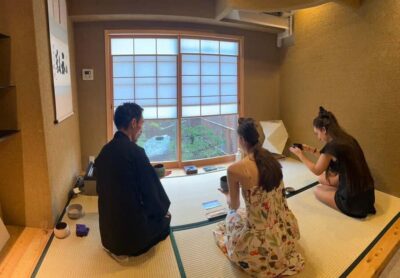
- Tea Ceremony Experience in a Private Tea Room in Shibuya★ 4.9 · 125 reviews
Value of a 6-Hour Tokyo Private Guide (Instead of a Random Mashup)
The best part of a Tokyo private tour is simple: you buy time with a guide who can connect dots fast. You’re not translating signs all day or second-guessing which station exit is correct. Instead, you’re walking with someone who knows how to string neighborhoods together in a way that makes sense for a single day.
This tour is also practical for first-timers and repeaters. You can mix old-school Tokyo, modern fashion districts, and one or two major “must-see” areas without having to commit to a full day of commuting and ticket lines on your own. The day is built around a short list of choices, and that flexibility is a real value in Tokyo, where the biggest challenge isn’t seeing things—it’s getting between them.
The other big value is the tea ceremony. In many packages, tea is just a stop near a venue. Here, it’s a dedicated experience included in the schedule, which makes it easier to justify the time and cost.
How the Day Starts: Pickup Options and Meet-On-Foot
This tour advertises pickup offered from one of Tokyo’s 23 Special Wards, which can save you from the hardest part of planning in a big city: getting to the first meeting point. At the same time, the experience also states that you meet the guide on foot within a designated area of Tokyo, so your exact start method depends on where you’re staying and what’s arranged for your group.
Either way, I’d plan your morning with a buffer. Even when pickup exists, Tokyo schedules can shift with traffic and timing. If you’re staying near major lines, you might have more options to meet quickly; if you’re farther out, pickup can be a relief.
Also note that this is a small-group setup with up to 10 travelers, but it’s still designed to feel private in practice. You won’t be joining a huge crowd tour mid-day, and you can’t combine tour groups, so your experience should stay on track.
Tea Ceremony Included: What You’re Really Paying For
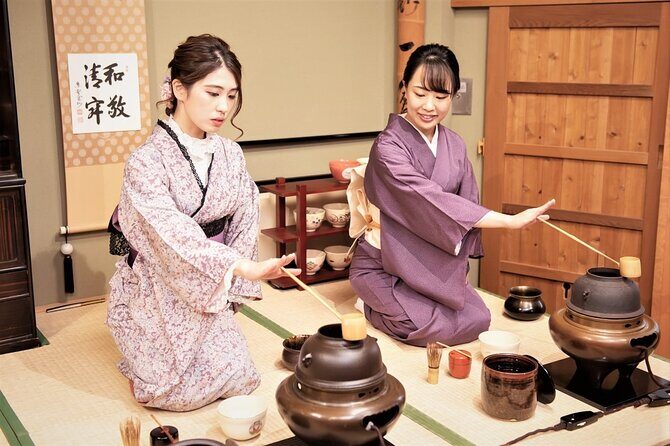
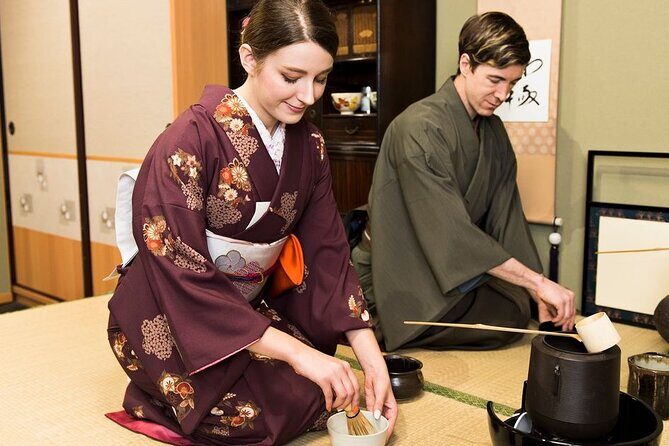
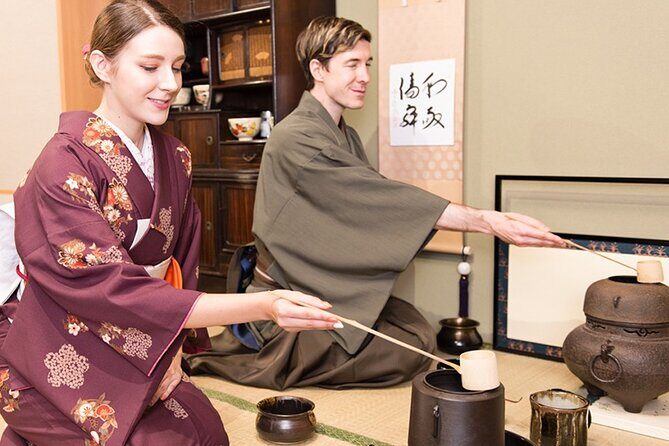
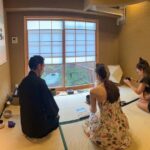
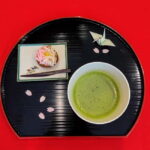
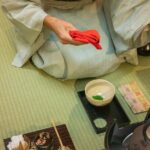
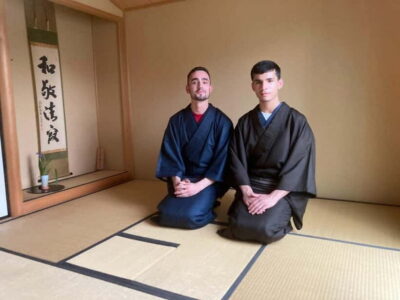
Tea ceremony is the centerpiece that turns this day from sightseeing into something cultural and hands-on. Your booking includes participation in a traditional tea ceremony experience, led by the local team connected to the program.
What that means for you: you’re not just looking at Tokyo—you’re doing one small ritual the way locals are taught to do it. Even if you don’t know anything about tea etiquette, you’ll get guided structure and a reason to slow down for a while. That pause matters in a city where days can become nonstop lines and selfies.
A quick practical note: kimono rental is not included. If you want the full costume-photo look, you’ll need to arrange it separately. And because entrance fees and lunch are not included, you should expect to budget for anything beyond the tea itself.
Choosing Your Stops: From Asakusa Traditions to Shibuya Energy
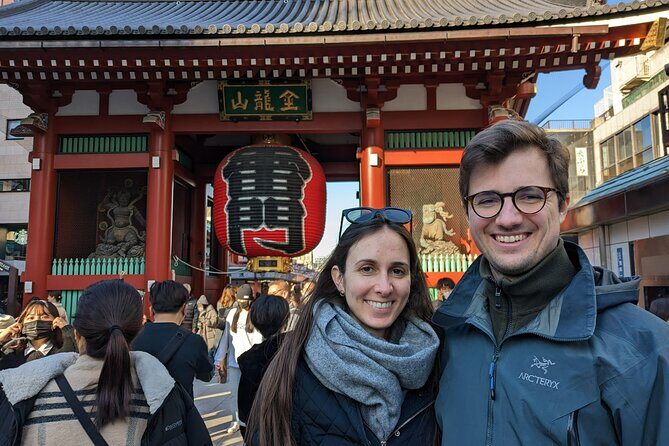
The tour is built around customizable sightseeing—specifically, you choose 2–3 sites from the options. That’s the sweet spot for a 6-hour day. You can cover major Tokyo icons without turning the day into a sprint.
Here are the standout options and what they mean for your day:
More days made easy by a guide


Jidaiya: A Culture Stop Beyond the Usual Script
Jidaiya is included as a culture experience program, positioned as an alternative to standard Asakusa sightseeing for people who want a more profound and authentic Japanese experience. It also has a full 1-hour slot in the example flow, which signals that it’s not meant to be a quick photo break.
If you like learning through an activity (instead of just watching), this is the kind of stop that can make your day feel meaningful.
Asakusa + Senso-ji: Classic Tokyo, Built for Walking
Asakusa is Tokyo’s Shitamachi, the low-city area where older Tokyo atmosphere survives. The main attraction is Senso-ji, one of Tokyo’s most popular temples, and the itinerary treats it like the core of the zone. Many related admissions are listed as free, and the schedule gives you time to experience the area at a human pace.
Drawback to consider: this area is popular, so expect crowds. The payoff is that Asakusa is one of the easiest places in Tokyo to understand everyday city life, because it’s designed for strolling.
Imperial Palace (Outside Only): Calm Views Without Palace Access
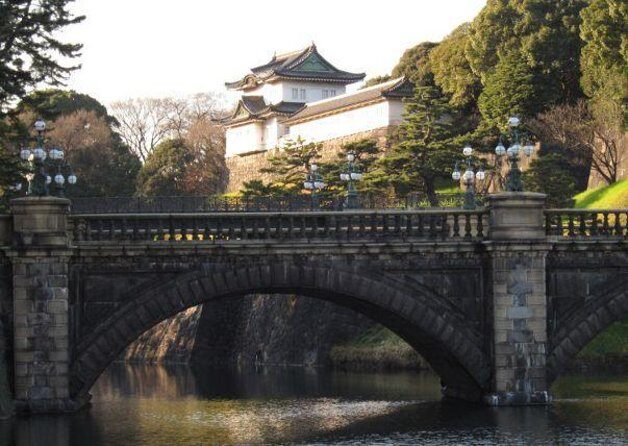
You’ll see the Imperial Palace grounds, but access inside is not included. The tour’s focus here is the exterior view and the moats-and-massive-park feel around the former site of Edo Castle.
This is a good choice if you want a break from shopping streets and temple lanes. Just don’t plan on entering the palace itself. If you specifically want interior access, this tour isn’t designed for that.
Hamarikyu Gardens: A Garden With Tide Ponds
Hama Rikyu is a garden alongside Tokyo Bay, and it’s described as having seawater ponds that change level with the tides, plus a teahouse. The catch: admission is not included, and the time allocated is short.
If you love gardens, this can be a perfect contrast to busy neighborhoods. If you’re budget-sensitive, you may prefer a free option elsewhere and save the paid garden for another trip.
Shibuya Scramble Crossing: Tokyo at Its Most Compressed
Shibuya Scramble Crossing is one of the city’s most recognizable scenes. It’s a fast-moving stop—more about seeing the energy and crossing lines than about lingering.
I treat Shibuya as a “sense check” stop. You’ll either love the chaos or feel tired by it quickly. The tour’s strength is that you won’t get stuck there all day. You’ll move on.
Takeshita Street: Harajuku’s Fashion-First Zone
Takeshita Street (around Harajuku Station) is centered on teenage fashion culture and styles. It’s included with a 30-minute slot, and many admissions here are free because it’s mostly street wandering.
Consider it as a quick color shot of youth culture. If you want calmer browsing, you may prefer using Harajuku time more for nearby Meiji Jingu instead.
Meiji Jingu: A Shrine Reset Near the Train Lines
Meiji Shrine is dedicated to Emperor Meiji and Empress Shoken and sits beside the JR Yamanote line’s busy Harajuku area. This is one of Tokyo’s best “switch the mode” moments: from street style to a shrine setting that feels like a pause button.
You get 30 minutes here, which is enough time to walk, understand the basics, and not feel rushed.
Akihabara: Electronics and the Game/Tech Side of Tokyo
Akihabara is famous for electronics shops and has become known as the center for Japanese pop culture. It’s included as a 30-minute stop with free admission listed.
If you’re into tech, anime gear, or just want to see what a dedicated shopping district feels like, it’s worth a stop. If you don’t plan to buy anything, it can still be interesting as a sensory district—just keep your expectations realistic for shopping density.
Tsukiji Outer Market: Food Atmosphere Without the Wholesale-Only Era
Tsukiji Fish Market is represented here through the Tsukiji Outer Market area, which includes blocks of wholesale and retail stalls. It’s 30 minutes, and admissions are listed as free.
For many people, this is where Tokyo becomes real fast: smells, steam, snack carts, and the energy of people picking what to try next. Budget for small tastings if you can, because lunch isn’t included.
Rikugien + Koishikawa Korakuen: Garden Choices With Paid Admissions
Rikugien is often considered one of Tokyo’s most beautiful Japanese gardens (built around 1700), and the itinerary lists admission as not included. Koishikawa Korakuen is one of the oldest and best gardens, also with admission not included.
If gardens are your thing, choose one and skip the other to control costs and avoid decision fatigue. Both are meant to be walked slowly, and a paid admission can feel worth it when you’re actually taking your time.
Shinjuku Golden Gai: Tiny Alleys, Big Character
Golden Gai started around 1950 when the black market moved near Shinjuku Station, leading to lots of small eating and drinking spots in narrow lanes. It’s included with a 30-minute slot and free admission.
This is a great “Tokyo nightlife vibe” stop if you’re curious about post-dinner social culture. If you’re not into late-night atmosphere, you might still like it as a short alley-walk, but you won’t get much beyond that in just half an hour.
Shinjuku Gyoen National Garden: Big Park Time With Paid Tickets
Shinjuku Gyoen is a large, popular park with lawns, walking paths, and tranquil scenery. The itinerary lists admission as not included and gives it a 15-minute slot.
Fifteen minutes is only enough to get the feel of the place. If you want a proper garden day, you’d need longer. But as a calm break inside a packed itinerary, it can work.
What the Imperial Palace and Meiji Jingu Stops Teach You About Tokyo
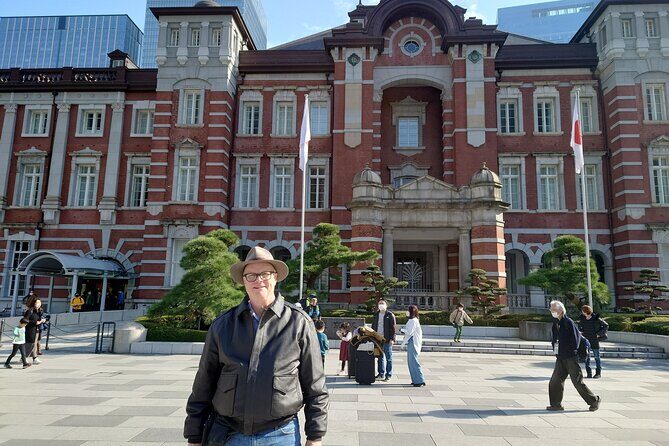
Tokyo’s charm is contrast. One hour you’re walking through temple precinct crowds; the next you’re looking at moats and park-like calm; later you’re back in a neon shopping district.
The Imperial Palace exterior stop is useful because it shows how power and history are layered into modern Tokyo. It’s not about ticketed halls or museum narratives here. It’s about space—large grounds, surrounding water, and the feeling of a major site treated with respect.
Then Meiji Jingu flips the mood again. Even though it’s right by busy train lines, the shrine area is a reset. You’re reminded that Tokyo doesn’t just run on speed. It also makes room for quiet rituals, even inside a city that never completely slows down.
If you want this tour to feel balanced, consider choosing one “calm” stop (Imperial Palace exterior or Meiji Jingu) and pairing it with one high-energy area (Shibuya Crossing or Akihabara).
When Guide Style Matters: Taka vs Kris
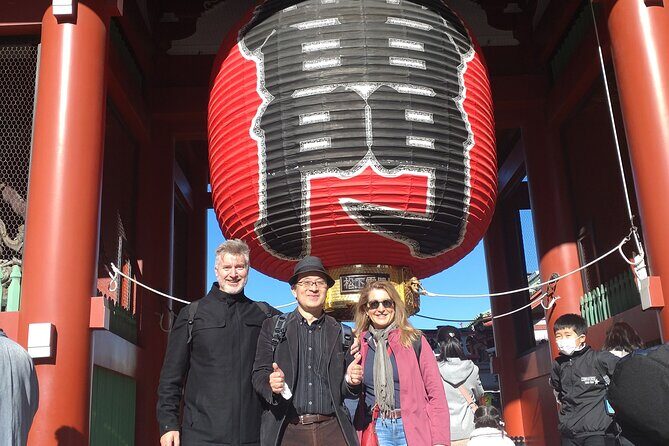
The reviews you see for this kind of tour usually come down to one thing: the guide. Here, the difference shows up clearly.
Taka is highlighted as fun and very knowledgeable, and he’s praised for building a great itinerary for the group. That’s what you want: someone who can keep momentum while still making explanations clear.
Another guide experience involved Kris, who was described as pleasant but unable to keep up with pace, getting lost at subway exits, and having trouble with photos and clarity. That doesn’t mean every day is like that, but it does mean you should pay attention to pacing needs.
My practical takeaway: if photography is important to you, tell your guide at the start that you want photo time built in. If you prefer a slower walk and fewer station-exit sprints, say it early. A 6-hour day moves fast in Tokyo, and guide communication helps you stay comfortable.
Price and Value: Does $161.25 Make Sense?
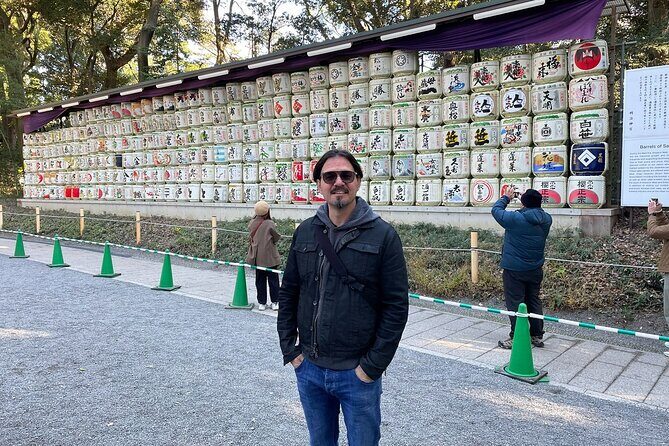
At $161.25 per person for about 6 hours, you’re paying for three core things you’d otherwise need separately: a licensed local English-speaking guide, the tea ceremony experience, and the ability to pick multiple Tokyo areas without planning everything from scratch.
Entrance fees are not included in general, but the itinerary lists many admissions as free for the major sightseeing stops. That helps control costs. Paid admissions still show up for gardens like Hama Rikyu, Rikugien, Koishikawa Korakuen, and Shinjuku Gyoen, so your total cost depends on your choices.
You’ll also want to budget for transportation fees and lunch since those aren’t included. And there’s no private vehicle, so you’ll be on your own for transit logistics with your guide helping with direction.
Booking value tip: the experience is commonly booked about 64 days in advance on average. If your dates are tight or you want a specific time, don’t wait until the last week.
Should You Book This Tokyo 6-Hour Tour?

Book it if you want a guided day that mixes Tokyo icons with a real cultural activity, and you like the idea of choosing 2–3 areas instead of doing everything. The tea ceremony being included is a strong reason to pick this over a simple walking tour, and pickup options can make mornings smoother if your hotel is within the right area.
Skip or rethink it if you know you want lots of garden time, because garden admissions aren’t included and some garden stops are short. Also, if you’re very photo-focused or need a slower rhythm, communicate that upfront—guide style can affect pacing.
Overall, this is a good value setup when you use it as a structured sampler: one traditional Tokyo stop, one modern Tokyo stop, and a calm reset in between.
FAQ
How long is the Tokyo tour?
The tour duration is approximately 6 hours.
Is hotel pickup included?
Pickup is offered from one of Tokyo’s 23 Special Wards, but you also may meet the guide on foot within a designated area of Tokyo.
How many stops will I see?
The tour is customizable, with a choice of 2–3 sites from the included list of options.
Is the tea ceremony included?
Yes. The tea ceremony experience is included in the tour.
Are entrance fees included?
Not generally. Many listed admissions are free, but entrance fees are listed as not included, and several gardens are marked as admission not included.
Will I enter the Imperial Palace?
No. The tour does not include access to the inside of the Imperial Palace.
Is lunch included?
No. Lunch is not included.
What about transportation during the tour?
Transportation fees are not included, and a private vehicle is not provided.
What is the maximum group size?
The maximum is 10 travelers.
What is the cancellation policy?
You can cancel for free up to 24 hours in advance of the experience start time for a full refund. If you cancel less than 24 hours before, you won’t get a refund.
More Tours in Tokyo




More Tour Reviews in Tokyo




More Tea Rooms Worth Booking



Fresh reviews from around Tokyo






Tea Ceremony Experiences, compared.
 ★ 5.0Traditional Tea Ceremony with a Tea MasterFrom $38528 reviews
 ★ 5.0Tea Ceremony Workshop in Tokyo by the Experienced InstrucorFrom $38189 reviews
 ★ 4.9Tea Ceremony Experience in a Private Tea Room in ShibuyaFrom $30125 reviews
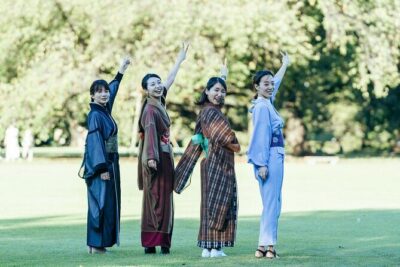 ★ 5.0Matcha Kimono Tea Ceremony in TokyoFrom $59104 reviews
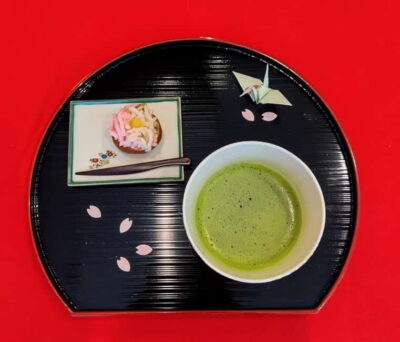 ★ 4.9Tea ceremony experience in Japanese-style room 60minFrom $4586 reviews
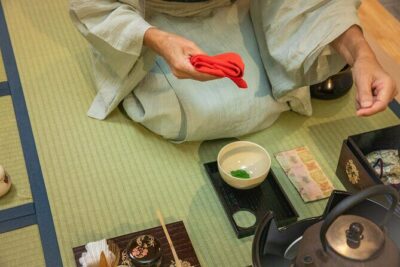 ★ 5.0Casual Japanese Tea Ceremony ExperienceFrom $2574 reviews
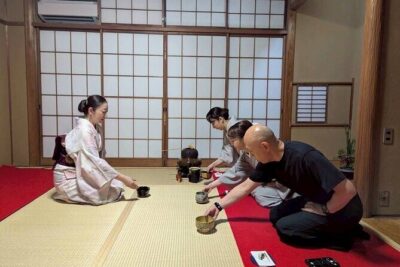 ★ 5.0Shibuya Authentic Tea Ceremony with experienced instructorFrom $2554 reviews
 ★ 4.9Tea Ceremony Experience in a small tea roomFrom $5153 reviews
Browse the lists this tour appears in