
Reviewed · WALKING TOURS
Tokyo 2-Day Private Walking Tour with Licensed Guide
Tokyo rewards planning.
This two-day private walking tour is built for exactly that, with two separate 6-hour days so you can see both classic Tokyo and modern neighborhoods without rushing. I like the way it’s customizable: you pick 3 to 4 stops from the provided lists each day, and you do it with the same guide across both days.
What I also really like is the human touch. Guides are licensed and speak English, and the experience is designed around questions and efficient routing, not just a checklist. A solid practical bonus: pickup is offered, and you’ll meet your guide in a designated area so you’re not stuck playing transit roulette.
One drawback to keep in mind: entrance fees and some key access are not included, and a few stops have limits (like no Imperial Palace interior access, and Tokyo Tower top deck isn’t included). So you’ll want to budget a bit for tickets and be ready for lots of walking.
In This Review
- Key Highlights You’ll Care About
- Private Tokyo, Two Days at a Human Pace
- Price and Value: Is $286.16 Fair for Two Days?
- How the Guide Customizes Your Days (Without Turning It Into Chaos)
- Day 1: Asakusa Temples, Old Districts, and a Tokyo-Size Reality Check
- Asakusa: Start Where Tokyo Still Feels Local
- Senso-ji Temple: Go Early for the Best Experience
- Imperial Palace Exterior: Understand the Edo Castle Footprint
- Tokyo National Museum: A Ticket Stop That Changes the Pace
- Tsukiji Fish Market Area: Old-Market Tokyo Energy
- Akihabara: Tech Shopping Without Needing a Nerd Map
- Hama Rikyu Gardens: A Bay-Edge Break
- Shibamata and Nezu: Old Downtown Charm and Smaller-Scale Tokyo
- Ueno Park: A Fast Finale Near Museums and Shrines
- Day 2: Shinjuku and Gardens to Harajuku, Shibuya, Tokyo Tower, and Odaiba
- Shinjuku Gyoen National Garden: Wide Space for a Slow Walk
- Rikugien Garden: A More Specialized Garden Choice
- Yoyogi Park: Big-City Green Between Big Attractions
- Takeshita Street and Harajuku: Street Style Meets a Short Time Slot
- Meiji Jingu Shrine: Calm After the Trend Scene
- Shibuya Crossing: Tokyo’s Most Famous Intersection, Explained
- Koishikawa Korakuen Garden: Another Garden, Another Flavor
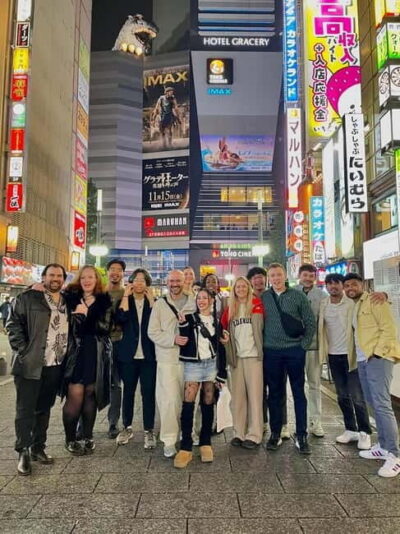
- Kabukicho: Neon After-Dinner Energy
- Tokyo Tower: Main Deck Only, So Plan for Views
- Odaiba: Waterfront Finish Away From the Center
- What You’ll Really Get From a Licensed English Guide
- Practical Tips to Make This Tour Feel Worth It
- Should You Book This 2-Day Private Walking Tour?
- FAQ
- How long is the tour each day?
- Can I customize which sights I visit?
- Will I have the same guide for both days?
- Are entrance fees included?
- Is this a private tour?
- What if weather is bad or I need to cancel?
Key Highlights You’ll Care About
- Same licensed English guide for both days means fewer repeats and smoother timing.
- Choose 3–4 sights per day from the lists, so you control the vibe.
- Iconic but varied route: temples and old districts one day, gardens and big-city districts the next.
- Walking-first pacing helps you actually understand the neighborhoods, not just pass through them.
- Guide flexibility shown in real feedback, including extra thoughtful touches like a tea ceremony request being handled.
- Good weather matters since this is a walking-heavy experience.
Tokyo at walking pace, a few more ways
- Tokyo Tsukiji Fish Market Food and Culture Walking Tour★ 5.0 · 3,184 reviews
- Tokyo: Shinjuku Local Bar and Izakaya Guided Walking Tour★ 4.9 · 1,794 reviews
- Tokyo: Tsukiji Fish Market Food and Walking tour★ 5.0 · 1,724 reviews
Private Tokyo, Two Days at a Human Pace
Tokyo looks compact on a map. In real life, it’s huge. That’s why this format works: you get two consecutive days, each with about 6 hours with a private guide. Instead of cramming everything into one day and burning out, you can spread the neighborhoods out logically.
And since it’s private, you don’t have to wait for anyone else’s pace. You can move faster when you’re excited, slow down when something catches your eye, and spend more time at the places that actually matter to you. I also like that the tour is designed around starting points you can manage: pickup is offered, and you’ll meet your guide within a designated area so the logistics aren’t vague.
The big value here is context. A licensed English guide helps you connect what you’re seeing to how the area works—temple traditions, shopping streets, the layout of gardens, and why certain streets and stations are where they are. That’s what turns Tokyo from a blur of photos into a set of places you can name and navigate.
Price and Value: Is $286.16 Fair for Two Days?

At $286.16 per person, the headline number feels high or low depending on what you compare it to. Here’s the honest way to judge value with this tour:
You’re paying for:
- A licensed local English guide
- Two private days (not two quick samplers)
- Customization (you choose 3–4 stops each day)
- Efficiency in how you string neighborhoods together on foot
You’re not paying for:
- Your accommodation, meals, transport fees
- Entrance fees for many sights
- A private vehicle
So the value depends on your style. If you like having someone handle the route and answer questions as you go, this price can feel very reasonable. If you’d rather self-guide with a phone map and skip paid guiding time, you’ll likely find cheaper options.
Also note two practical limits that affect value:
- Imperial Palace interior access is not included.
- Tokyo Tower is limited to the main deck; the top deck is not included.
Those aren’t deal-breakers. They just mean you should plan your expectations and, if a specific view is a must, be ready to pay separately.
How the Guide Customizes Your Days (Without Turning It Into Chaos)
Before you go, you choose 3 to 4 sites each day from the lists. The tour doesn’t force an exact script. That’s the smart part.
In practice, it helps you avoid the classic Tokyo mistake: picking too many far-apart things and losing half your day underground on trains you didn’t plan. A guide can shape the day around walkability and proximity—while still letting you chase what you actually want.
This is also where a strong guide matters. In real feedback for this service, guides named Yasuho Suzuki, Yoshi, and Kazu are described as making things efficient and answering questions. One guide even went beyond the usual route by handling a special request (a store search) and another by arranging an additional tea ceremony touch. That’s not guaranteed for every itinerary, but it tells you the guides pay attention to what you care about, not only what’s on paper.
Tip for you: when you pick your sites, try to pair:
- One “big anchor” (like a famous temple or a major garden)
- One neighborhood texture stop (like a market, street, or old district)
- One modern Tokyo hit (like Akihabara, Shibuya Crossing, Odaiba)
That way the day has flow instead of stop-and-start energy.
Day 1: Asakusa Temples, Old Districts, and a Tokyo-Size Reality Check
Day one is a classic Tokyo arc. It starts in the east with Asakusa, dives into the most famous temple area there, then gradually works through museum culture, market life, tech shopping, and older neighborhoods—before wrapping near Ueno Park.
More days made easy by a guide

Asakusa: Start Where Tokyo Still Feels Local
Asakusa is where Tokyo shows you its older rhythm. It’s a good choice for the first day because it’s not just a single sight—it’s a whole district you can read as you walk. For your first hours, that matters. You get bearings fast.
This is also a practical anchor neighborhood if you want a mix of:
- temple atmosphere
- traditional streets
- food-stall energy
- river-and-bay views later in the day
Senso-ji Temple: Go Early for the Best Experience
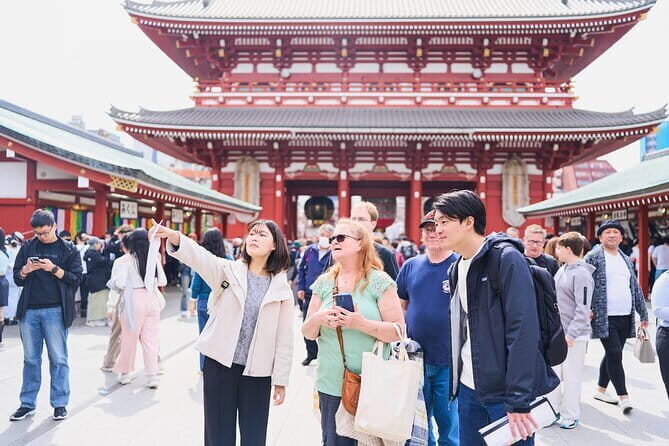
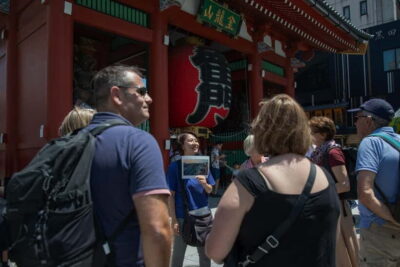
Senso-ji is Tokyo’s iconic Buddhist temple in Asakusa. The best use of a guided visit here is simple: you don’t just see the temple—you learn how the space is set up for foot traffic, what people do as they pass through, and how to time your stroll for comfort.
Expect a free entry for the temple area (based on the tour info). The museum-ticket details come later.
Imperial Palace Exterior: Understand the Edo Castle Footprint
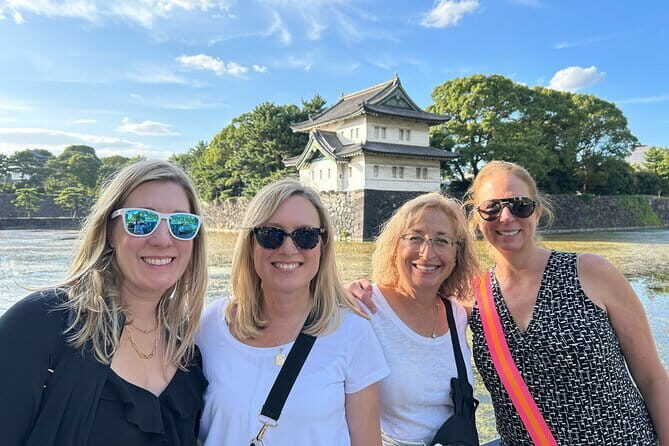
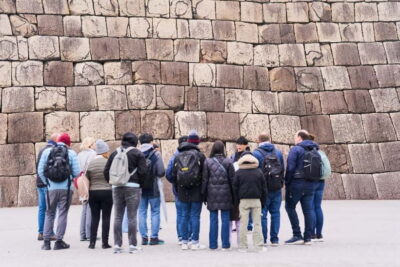
You’ll spend time at the Imperial Palace area, but important: the tour does not include access inside the palace. You’ll still benefit from understanding the scale—moats, stone walls, and the historical layout tied to the Edo Castle site.
This stop is valuable because it shifts the tone. After temple streets and market vibes, the palace grounds feel like a reset button. It’s also a good time to pause, regroup, and take a breather before moving on.
Tokyo National Museum: A Ticket Stop That Changes the Pace
Tokyo National Museum is a heavy hitter for art and artifacts, and you’ll likely want more than a quick look if you care about museum culture. The key point for you: admission is not included, so decide ahead of time whether you want to pay.
If you’re the kind of traveler who enjoys structured cultural context, this stop is worth building into your day choice. If you’d rather spend time outside walking streets, you might choose a different stop from your day’s list in the customization step.
Tsukiji Fish Market Area: Old-Market Tokyo Energy
Tsukiji Fish Market is short on time here, but it’s a great “texture” stop. You’ll see the old-market vibe—fish stalls and that fast, purposeful atmosphere that comes with a working food district.
The tour info says admission is free for this stop, so it’s a low-friction add-on. Just know: it’s usually not a long sit-down experience. Plan to walk, look, and maybe grab something simple if you want food flavor.
Akihabara: Tech Shopping Without Needing a Nerd Map
Akihabara is the electronics and anime-adjacent district. It’s a fun counterweight to the temple and museum stops because it’s instantly recognizable and highly specific.
This stop is listed as free, which helps. If you love gadgets, gaming, character goods, or just curious window shopping, your guide can help you move efficiently through the right streets instead of getting distracted and losing time.
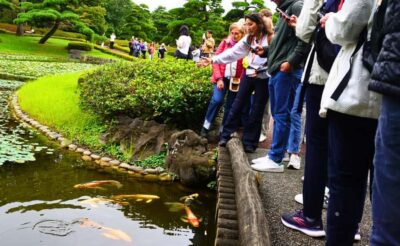
Hama Rikyu Gardens: A Bay-Edge Break
Hama Rikyu Gardens is a classic “slow down” stop. It’s listed with not-included admission, but it’s also only a 30-minute slot on the schedule.
This is where you’ll feel the contrast: city noise drops off, and the garden’s seawater ponds and tidal feel create a different kind of Tokyo atmosphere. If you want one garden stop on day one, this is a strong candidate.
Shibamata and Nezu: Old Downtown Charm and Smaller-Scale Tokyo
Shibamata and Nezu both fall into the older, quieter-feeling Tokyo category. Shibamata retains old-school charm from years past and sits near the Edogawa River area. Nezu is part of shitama chi old downtown texture, and it’s known for neighborhoods that survived major shocks with relatively intact character.
I like these stops because they’re less “big landmark” and more “walk until you understand the neighborhood.” With a guide, you can also learn what to pay attention to—street shape, neighborhood pacing, and why these areas feel different from central Tokyo.
Ueno Park: A Fast Finale Near Museums and Shrines
Ueno Park is more of a cut-through stop on this day (listed as 5 minutes). If you love parks, you might feel a little teased here—because Ueno is actually packed with attractions. The tour info notes some things are not included, which fits the idea that it’s a quick positioning stop rather than a full park day.
If you want more park time, consider adjusting your 3–4 choices for day one during customization so you’re not watching the park from the sidelines.
Day 2: Shinjuku and Gardens to Harajuku, Shibuya, Tokyo Tower, and Odaiba
Day two keeps variety. It leans into big-city Tokyo energy but balances it with major garden time. Then you finish with landmark viewpoints and the waterfront.
Shinjuku Gyoen National Garden: Wide Space for a Slow Walk
Shinjuku Gyoen is one of Tokyo’s most popular parks. It’s listed as not included admission, and you’ll have about an hour.
This stop is valuable because it gives your body a break after two days of walking. It also helps you experience Tokyo’s seasonal rhythm: gardens in Tokyo aren’t just pretty; they’re a social space where locals go to reset.
Rikugien Garden: A More Specialized Garden Choice
Rikugien is another standout garden option, also not included for admission. It’s described as one of Tokyo’s most beautiful Japanese landscape gardens built around 1700 for a Tokugawa shogun.
The tour gives you an hour, which is a decent amount. If you like gardens with details you can notice (paths, views framed by trees, composition), this is a great day-two anchor.
Yoyogi Park: Big-City Green Between Big Attractions
Yoyogi Park is a city park with lawns, ponds, and forested areas. It’s listed as free for this tour and about an hour.
I like this as a breathing zone between major shrine/shopping stops. It also lets you watch the city’s everyday life without having to be inside a museum.
Takeshita Street and Harajuku: Street Style Meets a Short Time Slot
Takeshita Street is listed as free and about an hour. It’s a famous spot for youth fashion and trend culture.
If you want a strong Harajuku snapshot without spending half a day hunting side streets, the guided pace makes sense. Your guide can also help you move through the area without getting stuck in the most crowded blocks.
Meiji Jingu Shrine: Calm After the Trend Scene
Meiji Jingu Shrine is right near Harajuku and listed as free. It’s a great “switch” stop: from street fashion noise to a shrine setting dedicated to Emperor Meiji and Empress Shoken.
The listed time is about 30 minutes, which is short but workable if your goal is to experience the mood and understand the space quickly.
Shibuya Crossing: Tokyo’s Most Famous Intersection, Explained
Shibuya Crossing is free and about an hour. This stop is not just about seeing the lights. With a guide, you can understand how the area funnels crowds, how the crossings are timed for safety and flow, and where to stand for the best view.
Even if you’ve seen photos, it’s still one of those places where being pointed to the right viewing angle saves time.
Koishikawa Korakuen Garden: Another Garden, Another Flavor
Koishikawa Korakuen is listed as an hour and not included for admission. It’s one of Tokyo’s oldest and best known Edo-period gardens, built for the Mito branch of the ruling family.
If you already did Shinjuku Gyoen and Rikugien, you might feel garden fatigue. If you’re a garden person, though, it’s an excellent way to compare styles and eras.
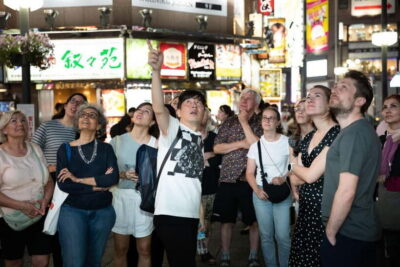
Kabukicho: Neon After-Dinner Energy
Kabukicho is around Shinjuku. It’s listed as free and about an hour. The notes around the area mention Golden Gai history and the shift from a black market area to more eating and drinking streets.
This stop is mostly about understanding Tokyo’s entertainment district layout and what the area is known for. If you prefer calm neighborhoods, you might reduce time here during customization.
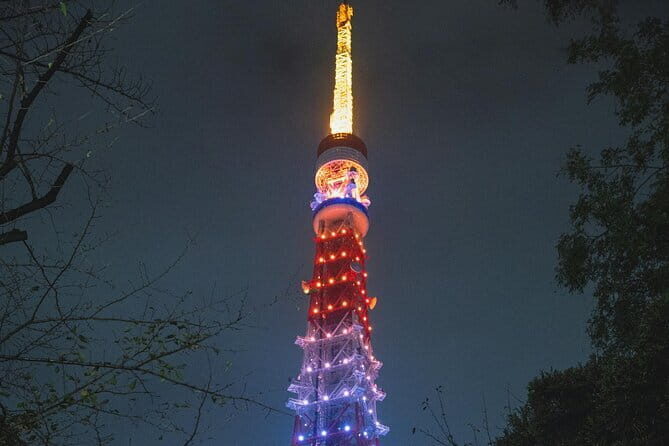
Tokyo Tower: Main Deck Only, So Plan for Views
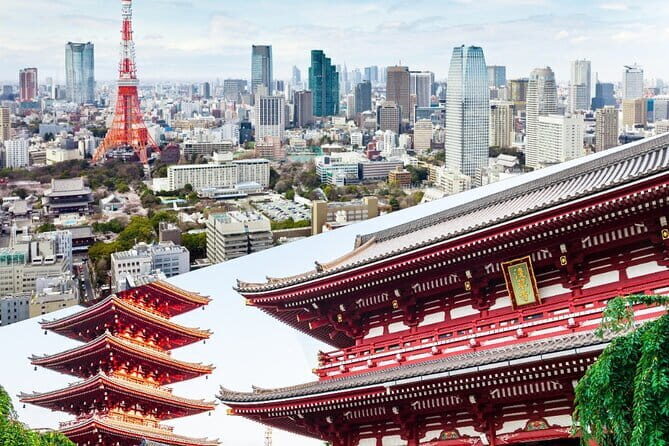
Tokyo Tower is a landmark, and the tour includes access up to the main deck only—top deck is not included. Admission is not included.
This is an important planning point. If top deck views are the whole reason you want Tokyo Tower, you’ll need to handle that separately. If the main deck is enough for your goals, then it’s a strong final-day anchor.
Odaiba: Waterfront Finish Away From the Center
Odaiba is a shopping and entertainment district on an artificial island in Tokyo Bay. It’s listed as free and about an hour.
Finishing the day here gives you a change of scenery: more bay views, wider spaces, and that “Tokyo feels engineered” feeling you only notice when you move away from the core streets. It’s also a smart place to end if you want an easier taxi or transit plan afterward.
What You’ll Really Get From a Licensed English Guide
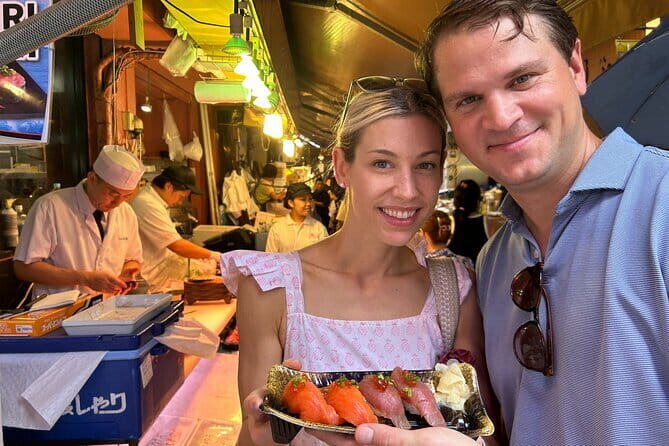
The headline benefit is obvious: licensed local English speaking guides. But the value is how they use the license in daily life.
A good guide helps you:
- interpret what you’re seeing fast (temple area flows, garden layouts, neighborhood purpose)
- ask better questions instead of just taking photos
- keep your day efficient, especially when Tokyo stations and streets are confusing
The review feedback associated with this tour reinforces that. Names like Yasuho Suzuki and Yoshi show up with praise for knowing sights well and answering questions. Kazu is praised for covering a lot of ground while keeping pace, plus an extra touch involving a tea ceremony arrangement.
Also, pay attention to weather handling. One response notes severe heat and humidity under strong sunshine. That’s not something you can control, but a guide can help you adjust pacing, decide which indoor stops are worth tickets, and manage time so you don’t feel cooked.
Practical Tips to Make This Tour Feel Worth It
This tour is designed for walking, so your comfort matters.
- Wear comfortable shoes you trust for repeated long stretches.
- Bring water, even if some stops are short. Hot days happen.
- If there are sights you care about most, build the day around them as your “anchors.”
- When choosing 3–4 sites per day, consider how much you want to pay for entries. Some of the big cultural stops have admission not included in the tour info.
- Keep flexibility. A private guide can adjust timing better than you can alone.
If you want a smooth experience, think like this: you’re not buying “Tokyo sightseeing.” You’re buying guided choices, pacing, and context across two full days.
Should You Book This 2-Day Private Walking Tour?
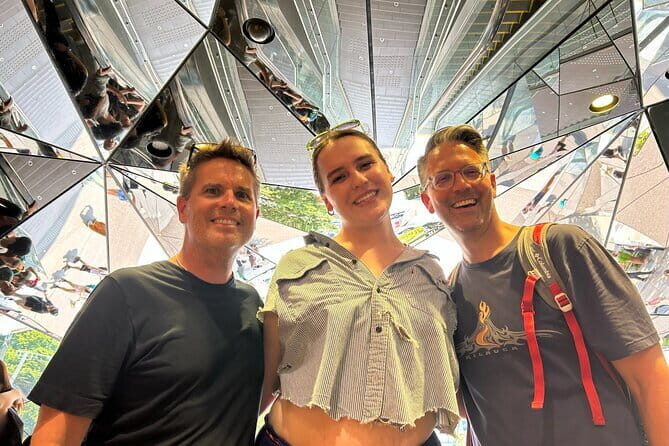
Book it if you:
- want a private experience with a licensed English guide
- have only about 2 days in Tokyo and want more than a rushed highlights loop
- like the idea of choosing 3–4 stops per day instead of being stuck with someone else’s plan
- care about context, not just photos—especially for places like gardens, shrines, and old districts
Skip it or adjust expectations if you:
- hate walking and expect minimal walking time
- need everything to be fully ticket-included (entrance fees are not included, and some access limits apply)
- specifically want Imperial Palace interior access or Tokyo Tower top deck included (those are not part of what this tour covers)
If you match the tour’s style—structured but flexible, guided but not rushed—this is a smart way to see Tokyo in a way that sticks.
FAQ
How long is the tour each day?
The experience is structured as two consecutive days, with about 6 hours per day.
Can I customize which sights I visit?
Yes. You select 3 to 4 sites from the provided lists on each day, and you can mix and match between the lists across the two days.
Will I have the same guide for both days?
Yes. The tour is designed so you use the same guide for both days.
Are entrance fees included?
No. Entrance fees are not included, and there are also specific limits mentioned: the Imperial Palace interior is not included, and for Tokyo Tower only the main deck is included (top deck is not).
Is this a private tour?
Yes. It’s a private tour/activity, and only your group participates.
What if weather is bad or I need to cancel?
The tour requires good weather. If it’s canceled due to poor weather, you’ll be offered a different date or a full refund. You can also cancel for a full refund if you cancel at least 24 hours in advance.
Tokyo on Foot: More Walks

More Tours in Tokyo




More Tour Reviews in Tokyo




Fresh reviews from around Tokyo






Walking Tours, compared.
 ★ 5.0Tokyo Tsukiji Fish Market Food and Culture Walking TourFrom $993,184 reviews
 ★ 4.9Shinjuku Local Bar and Izakaya Guided Walking TourFrom $341,794 reviews
 ★ 5.0Tsukiji Fish Market Food and Walking tourFrom $301,724 reviews
 ★ 4.8Asakusa Walking Tour with Sensoji Temple VisitFrom $221,583 reviews
 ★ 4.9Tsukiji Fish Market Guided Walking TourFrom $221,397 reviews
 ★ 4.7Tokyo Castle & Imperial PalaceーShogun Walking TourFrom $231,068 reviews
 ★ 4.9Imperial Palace Japanese History Walking TourFrom $32987 reviews
 ★ 4.7Dark Side of Tokyo Shinjuku Red Light Walking TourFrom $29862 reviews
Browse the lists this tour appears in